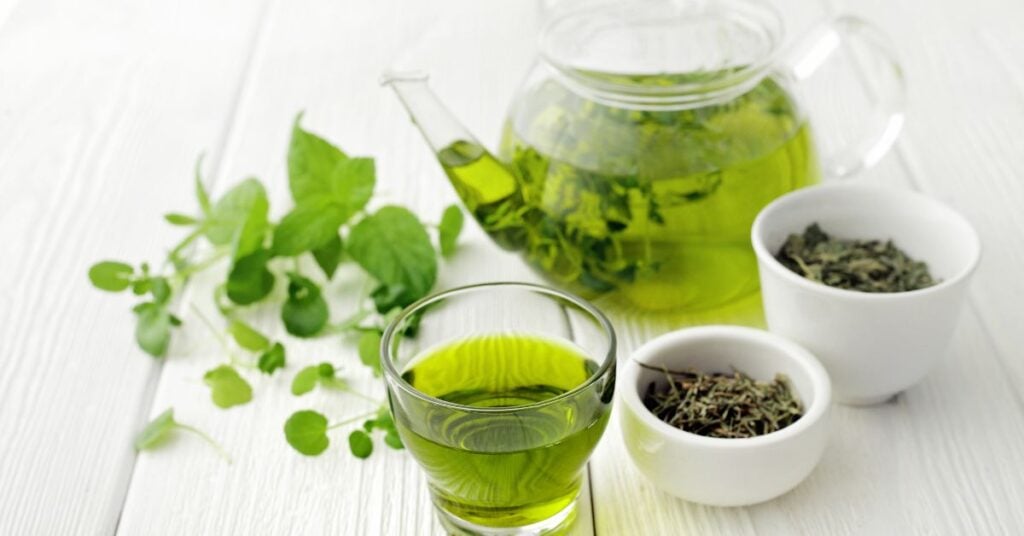
Brew green tea with fresh 70–80°C water for 1–3 minutes, then taste and adjust leaf amount, steep time, and water temperature.
Green tea can taste sweet, nutty, grassy, or sea-fresh. It can also turn harsh in a blink. Most “bad” cups come from two things: water that’s too hot, or a steep that runs too long. The good news is you don’t need fancy gear. You need repeatable steps and a couple of small checks.
This guide walks you through water, leaf, temperature, timing, and the little habits that keep flavor clean. If you like a lighter cup, you’ll get it. If you like a thicker, more savory cup, you’ll get that too.
What Makes Green Tea Taste Bitter Or Flat
Green tea is less forgiving than many black teas because its fresh flavors sit on top of compounds that can turn sharp when extraction goes too far. You can steer that extraction with a few simple dials.
Leaf, Water, Time, And Agitation
Four dials shape most cups:
- Leaf amount: More leaf boosts strength fast, even with cooler water.
- Water temperature: Hotter water pulls more fast, including harsher notes.
- Steep time: Longer steeps keep pulling solids, even after the cup looks “done.”
- Movement: Stirring, shaking, or a tight infuser can speed extraction.
Tea Style Matters
Not all green tea is built the same. A pan-fired Chinese green (like Longjing) often handles slightly warmer water than many Japanese steamed greens. Powders like matcha are a different play since you drink the whole leaf.
Pick Tea And Simple Tools That Make Brewing Repeatable
You can brew well with a mug and a basket infuser. Still, a couple of low-effort tools make your results steadier.
Tea Storage Basics
Green tea fades faster than darker teas. Keep it sealed, dry, and away from heat and strong odors. If you use a fridge or freezer, keep the tea in an airtight bag or tin and let it warm to room temperature before opening. That cuts the chance of condensation touching the leaves.
Gear That Helps Without Getting Fussy
- Kettle with temperature control or a small thermometer.
- Basket infuser or a roomy strainer so leaves can open.
- Timer on your phone.
- Small scale if you like dialing things in by grams.
If you don’t own a thermometer, you can still get close. Boil water, then let it sit off heat. In many kitchens, 5–8 minutes of cooling lands in a friendly range for a lot of green teas, though room temperature and kettle shape change the pace.
Get Water Right Before You Touch The Leaves
Great leaves can’t rescue dull water. Green tea shines with water that tastes clean on its own. If your tap water has a strong chlorine bite, a simple carbon filter often helps.
Start With Safe Water
Tap water is fine in many homes. Still, after storms, plumbing repairs, or alerts, it’s smart to treat water first, then brew with cooled water later.
If you’re under a boil notice, or you’re unsure about water safety while traveling, follow the official CDC boiling water steps first. After boiling, let the water cool to the brew temperature you want.
Minerals Change Mouthfeel
Green tea can taste thin with low-mineral water, and chalky with high-mineral water. You don’t need a lab report. Brew one cup with your normal water, then one with filtered water. If the second cup tastes cleaner or sweeter, you’ve learned something fast.
How To Brew Green Tea Correctly
The goal is a cup that tastes clean, not scorched. Use this base method, then tweak one dial at a time.
Step-By-Step Method For A Single Mug
- Warm your cup and infuser. Rinse with hot water, then dump it. This keeps brewing steady.
- Measure the leaf. Start with 2 grams of loose leaf per 240 ml (8 oz) of water.
- Cool the water to range. Start at 75°C (167°F) for many greens.
- Steep, then stop the brew. Pour water over leaves, set a timer for 90 seconds, then remove the infuser or strain fully.
- Taste and adjust. If it’s weak, add 0.5–1 gram next time. If it’s sharp, drop temperature 5°C or cut time by 15–30 seconds.
Quick Temperature And Time Guide
If you only change one thing, change water temperature first. Cooler water gives you a wider timing window.
| Green Tea Type | Water Temperature | Typical Steep Time |
|---|---|---|
| Japanese Sencha (steamed) | 70–80°C (158–176°F) | 60–90 sec |
| Gyokuro | 50–65°C (122–149°F) | 90–150 sec |
| Genmaicha | 75–85°C (167–185°F) | 60–120 sec |
| Hojicha (roasted green) | 85–95°C (185–203°F) | 60–120 sec |
| Chinese Pan-Fired Green | 75–85°C (167–185°F) | 90–150 sec |
| Green Tea Bags | 75–90°C (167–194°F) | 60–180 sec |
| Cold Brew Green Tea | Cold water | 4–10 hrs |
| Matcha | 70–80°C (158–176°F) | Whisk 20–30 sec |
Brewing Green Tea Correctly With Tweaks For Your Taste
Once the base cup tastes decent, the fun part is tailoring it. Keep changes small and track what you did. Write your favorite settings on a note.
Dial Strength Without Making It Harsh
If you want more flavor, try this order:
- Add a bit more leaf.
- Keep temperature the same.
- Extend time in short jumps, like 15 seconds.
Raising temperature is the fastest way to turn a cup edgy, so save it for last.
Caffeine Notes While You Adjust Strength
If you’re bumping strength, hotter water and longer steeps usually pull more caffeine. If sleep gets touchy, keep your last cup earlier in the day and lean on cooler water instead of longer time.
For a plain benchmark, the FDA’s caffeine intake guidance gives daily limits for most adults, and the NCCIH green tea safety page notes that brewed green tea contains caffeine.
Try Multiple Short Infusions
Quality loose leaf often tastes better across two or three short steeps than one long one. After your first cup, pour again with the same temperature and steep 20–40 seconds. A third steep can work with a slightly longer time.
Matcha Needs A Different Routine
Matcha isn’t “steeped.” You suspend the powder in water. Sift 1–2 grams into a bowl, add a small splash of warm water, then whisk briskly in a W motion while adding the rest of the water. Cooler water keeps the cup smoother.
Time, Temperature, And What Science Says About Extraction
Brewing is chemistry you can taste. Hotter water and longer time pull more caffeine and more catechins, along with more bitterness. Lab work backs up what many tea drinkers notice at home: extraction climbs fast as temperature rises.
A paper available through NCBI’s full-text study on brewing conditions reports catechin and caffeine levels shifting with water temperature and steep time across many test points. The takeaway for daily drinking is simple: cooler water and shorter steeps give you steadier flavor, while hotter and longer pushes strength with a higher chance of bite.
If you chase the highest compound extraction, you can do that. If you chase a cup you’ll want to drink every day, you’ll usually land in the gentler ranges from the table.
Fix Common Problems Without Guesswork
When a cup goes sideways, change one dial at a time. That way you learn fast and don’t waste leaf.
| What You Taste | Likely Cause | Next Brew Fix |
|---|---|---|
| Sharp bitterness | Water too hot | Drop 5–10°C, keep time steady |
| Dry, puckery finish | Steep too long | Cut 20–40 sec, keep temp steady |
| Thin and watery | Too little leaf | Add 0.5–1 g per 240 ml |
| Dull, muted aroma | Stale tea or odor exposure | Use fresher tea, store sealed |
| Murky cup | Leaf dust or tight infuser | Use a basket infuser, rinse strainer |
| Harsh even at low temp | Low-quality leaf or over-agitation | Pour gently, skip stirring |
| Too grassy | Tea style mismatch | Try pan-fired greens or hojicha |
| Too roasty | Roasted tea brewed too hot | Lower temp 5°C, shorten time |
Serve, Chill, And Store Tea So It Stays Tasty
Green tea tastes best soon after brewing. If it sits on heat, it can turn dull and bitter. If you want a second cup later, brew fresh instead of holding the first one warm.
Cold Brew For Smooth Flavor
Cold brew is forgiving and often sweeter. Add 6–8 grams of loose leaf to 1 liter of cold water, seal, and refrigerate 6–8 hours. Strain, then drink within a day or two for the cleanest taste.
Don’t Leave Leaves Sitting In Water
If you brew in a pot, decant the tea into a serving pitcher once the timer ends. Leaves left soaking will keep extracting and can turn the next sip harsh.
Caffeine, Timing, And When To Go Gentler
Green tea contains caffeine, and brew choices can raise or lower what ends up in the cup. Many healthy adults do fine within the daily limits listed by the FDA, and sensitivity varies by person.
On the tea side, NCCIH notes that green tea as a beverage has not raised safety concerns for adults, and it still contains caffeine. If caffeine hits you hard, brew cooler, use less leaf, or switch to hojicha or decaf green tea.
If you’re pregnant, have a heart rhythm condition, or take medication that interacts with caffeine, talk with a licensed clinician about your limits. That chat is also smart if you use green tea extract products, since extracts behave differently than brewed tea.
One-Page Green Tea Brew Checklist
Use this as your routine.
- Start with clean-tasting water.
- Measure 2 g loose leaf per 240 ml water.
- Begin at 75°C and 90 seconds.
- Strain fully when the timer ends.
- Adjust one dial per brew: leaf, temp, or time.
- For a smoother cup, go cooler before you go longer.
- Store tea sealed, dry, and away from odors.
References & Sources
- Centers for Disease Control and Prevention (CDC). “How to Make Water Safe in an Emergency.” Boiling steps used for water safety notes.
- U.S. Food and Drug Administration (FDA). “Spilling the Beans: How Much Caffeine is Too Much? | FDA” Caffeine intake guidance referenced in the caffeine notes.
- National Center for Complementary and Integrative Health (NCCIH), NIH. “Green Tea: Usefulness and Safety | NCCIH” Safety notes about green tea as a beverage and caffeine mention.
- National Center for Biotechnology Information (NCBI), PubMed Central. “Effects of different brewing conditions on catechin content and sensory acceptance in Turkish green tea infusions.” Research used for extraction and brewing-parameter discussion.

Mo Maruf
I created WellFizz to bridge the gap between vague wellness advice and actionable solutions. My mission is simple: to decode the research and give you practical tools you can actually use.
Beyond the data, I am a passionate traveler. I believe that stepping away from the screen to explore new environments is essential for mental clarity and physical vitality.