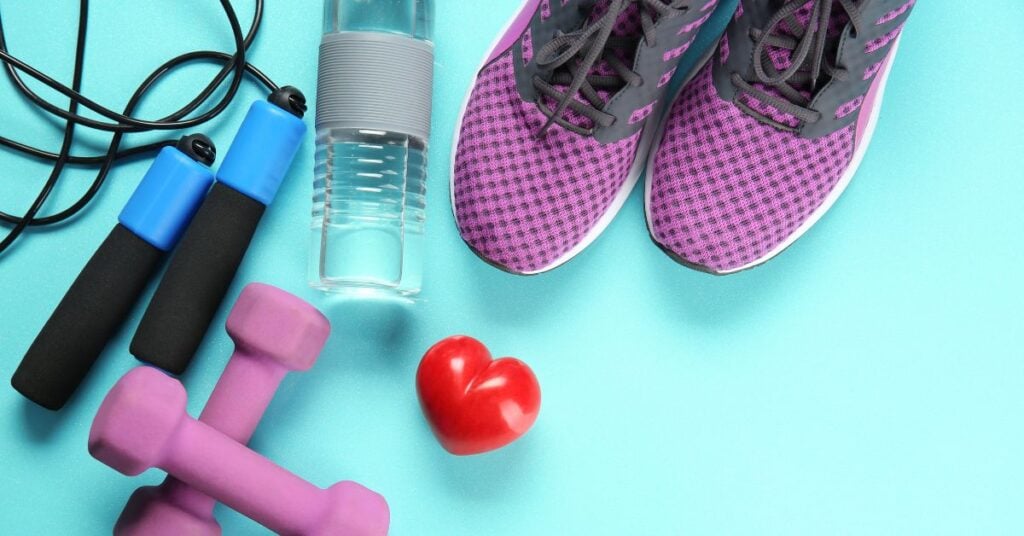
Light movement on easy days speeds recovery by easing soreness and stiffness while keeping you ready for your next session.
You finish a hard workout and your body wants the couch. Rest has a place, yet full stillness can leave you tight and sluggish.
Active recovery is gentle activity that keeps blood moving, warms stiff tissue, and leaves you feeling better at the end than at the start. Done right, it’s a reset, not another training day.
What Active Recovery Means In Real Life
Active recovery is low-effort movement that stays well below training intensity. Think easy walking, relaxed cycling, light swimming, a short yoga flow, or a simple mobility circuit.
The goal is comfort and ease. If your breathing turns ragged or your muscles start to burn, you’ve crossed the line into work.
How It Differs From A Regular Workout
A training session creates fatigue on purpose. Active recovery trims fatigue. It’s shorter, softer, and easier to recover from.
Use the talk test: you should speak in full sentences the whole time.
When Full Rest Still Wins
Gentle movement isn’t the right call every time. Some days are for sleep, food, and staying off your feet.
Pick full rest when you have sharp pain, swelling, fever, or a fresh injury. Pick it when sleep has been short for several nights and even an easy walk feels like work.
If you have a medical issue, take the safest route and check in with a qualified clinician.
Why “Active Recovery” Beats Resting
Rest stops the stress of training. Active recovery does that while adding perks that stillness can’t match.
It Keeps Blood Flow High Enough To Ease That “Heavy” Feeling
After hard work, muscles can feel thick and tender. Easy movement boosts circulation without adding much strain, which can reduce stiffness the next day.
Guidance on delayed-onset muscle soreness often points to light activity as a way to loosen sore areas without hitting them hard again, like the tips in Cleveland Clinic’s DOMS overview.
It Maintains Range Of Motion Without Forcing Stretching
When you sit all day after training, joints cool down and movement can feel sticky. A light session takes you through comfortable ranges, which can restore a smooth stride or squat pattern.
This pays off when you train often. You start the next session warmer and less creaky.
It Lets You Practice Skill While The Stakes Are Low
Easy sessions are a chance to rehearse form. Runners can keep cadence tidy on a short jog-walk. Lifters can run through a few unloaded squats and hinges. Cyclists can spin with quiet knees and steady hips.
Because the effort is low, you can pay attention to posture and rhythm without grinding through fatigue.
Why Active Recovery Beats Resting After Hard Workouts
A little motion often makes soreness feel less sharp, while too much motion adds fatigue. The win comes from choosing the smallest dose that changes how you feel.
Try ten minutes of easy walking, then reassess. If you feel looser and your mood lifts, keep going. If you feel worse, stop and take a true rest day.
Active Recovery Options And How To Dose Them
Pick one option, keep the pace easy, and finish with gas in the tank. When in doubt, shorten the session before you slow the pace even more.
A Quick Check Before You Go
Take one minute and scan your body. If you feel dizzy, chilled, or wiped out, choose full rest. If you feel stiff but steady, go active and keep it light.
Start every session with two easy minutes, then add a short mobility round. This keeps the session gentle while still loosening the spots that tend to lock up after training.
- Ankles: 10 circles each way per side.
- Hips: 8 slow rock-backs, then 8 bodyweight hinges.
- Upper back: 6 rotations per side on hands and knees.
- Shoulders: 12 band pull-aparts or wall slides.
- Calves: 15 smooth raises, pause at the top.
Choose the option that feels easiest on sore muscles. If legs are tender, pick a bike or swim. If shoulders are sore, pick a walk. Keep breathing calm.
| Option | Effort Cue | Typical Time |
|---|---|---|
| Easy walk | Nose breathing, relaxed shoulders | 15–40 minutes |
| Light cycle spin | High cadence, low resistance | 20–45 minutes |
| Easy swim | Long strokes, no breathlessness | 10–30 minutes |
| Mobility circuit | Slow reps, no strain at end range | 10–25 minutes |
| Yoga flow | Easy holds, steady breathing | 15–35 minutes |
| Row or ski erg easy | Light pull, smooth rhythm | 10–25 minutes |
| Foam rolling + walk | Gentle pressure, no grimacing | 5–10 + 15 minutes |
| Easy hike | Chat pace, short steps uphill | 30–60 minutes |
| Elliptical | Quiet feet, light resistance | 15–35 minutes |
If you want a research-heavy view of recovery tools beyond easy movement, this PubMed meta-analysis of post-exercise recovery techniques compares common methods and reports how they relate to soreness and fatigue measures.
How Hard Should An Active Recovery Session Feel
Most people overshoot intensity. If your watch shows training zones, stay in the lowest zone you use. If you don’t track, use these cues.
One cue: finish feeling like you could repeat the same session right away. Your skin can be warm, but your legs shouldn’t feel drained. If your heart rate climbs on hills or your stride gets sloppy, slow down and keep the route flat. Stop while you still feel fresh.
Use The Talk Test
Talk in full sentences without drama. If your words get choppy, slow down.
Use A Simple Effort Scale
On a 0–10 effort scale, aim for a 2 or 3. You should feel warm, not spent.
Stop Early On Purpose
If you start to feel stronger mid-session, save that energy for tomorrow’s training.
How To Match Active Recovery To The Day
The best option depends on what you trained. Keep the same movement patterns that feel smooth, then avoid the ones that feel beat up.
After Heavy Strength Work
Keep it joint-friendly: walking, cycling, or a short mobility circuit. Add light carries or band work only if it feels crisp.
After Long Endurance Sessions
Pick something that unloads the main muscles. Runners often like cycling or swimming the next day. Hydration and carbs matter here, and ACSM recovery guidance puts sleep, fluids, and fueling in the same conversation.
After Intervals Or Speed Work
A short, easy spin or walk can smooth the post-session edge. Keep it short, then get out of your training shoes.
Rest Or Active Recovery: A Quick Call Sheet
Use the table below when you’re torn. It cuts second-guessing and keeps you consistent.
| Situation | Better Choice | Why It Works |
|---|---|---|
| Mild soreness, sleep was fine | Active recovery | Warms tissue and eases stiffness without adding load |
| Soreness with sharp pain | Full rest | Pain signals a problem that needs a calmer day |
| Low mood, body feels sluggish | Active recovery | Light motion can lift energy and smooth movement |
| Resting heart rate up, easy pace feels hard | Full rest | Body is under strain; recovery needs sleep and food |
| After travel or long sitting | Active recovery | Restores circulation and joint motion after stiff hours |
| Signs of illness | Full rest | Training can drag out recovery when you’re sick |
| Two hard days in a row | Active recovery | Easy day keeps rhythm while lowering fatigue |
| Big event tomorrow | Active recovery or full rest | Short, easy session can loosen you up; stop if it drains you |
Sleep, Food, And Fluids That Make Recovery Easier
Active recovery works best when the basics are steady. Three levers matter most: sleep, protein plus carbs, and enough fluids.
If sleep is the weak link, start there. CDC’s About Sleep guidance lists recommended nightly sleep ranges by age and explains why regular sleep matters.
Protein And Carbs
Hard training breaks down muscle tissue and drains stored fuel. A meal with protein and carbs within a couple of hours can refill stores and cut next-day heaviness.
If appetite is low after training, start with a small snack, then eat a normal meal later.
Fluids And Salt
If you sweat a lot, plain water may not be enough. Add salt to meals, or use a drink with electrolytes after long, hot sessions. Pale yellow urine tends to mean you’re hydrated.
If you have a heart or kidney condition, follow your clinician’s fluid guidance.
Common Mistakes That Turn Active Recovery Into Another Workout
Active recovery fails when it sneaks back into training. Watch for these traps.
Chasing Numbers
A “short spin” can turn into a tempo ride once you see pace or power. Hide the stats. Use time only.
Adding Too Many Extras
A recovery day can turn into a grab bag: long stretch, hard sauna, long walk, then “just one more” set of core work. Keep it simple. One session is plenty.
A Simple Weekly Pattern You Can Reuse
Try this 7-day template and shift the days to match your plan.
- Day 1: Hard session.
- Day 2: Active recovery (20–40 minutes easy + 10 minutes mobility).
- Day 3: Moderate session.
- Day 4: Active recovery (short walk or easy spin).
- Day 5: Hard session.
- Day 6: Full rest or gentle mobility only.
- Day 7: Easy session (conversation pace) or sport play.
If soreness hangs around for more than a week, or if pain gets sharp, treat it like a health issue instead of a training issue. Cleveland Clinic’s DOMS guide describes what soreness often feels like and when care is needed.
A Short Checklist For Your Next Recovery Day
- Start with 10 minutes of easy movement and reassess.
- Keep the talk test easy and the effort at 2–3 out of 10.
- Stop while you still feel fresh.
- Eat a meal with protein and carbs.
- Plan for a full night of sleep.
References & Sources
- American College of Sports Medicine (ACSM). “Recovery That Keeps You in the Game.” Notes on sleep, hydration, and fueling around training.
- Centers for Disease Control and Prevention (CDC). “About Sleep.” Sleep duration ranges by age and links to data on short sleep.
- National Library of Medicine (PubMed). “An Evidence-Based Approach for Choosing Post-exercise Recovery Techniques.” Meta-analysis comparing recovery methods and their links to soreness and fatigue measures.
- Cleveland Clinic. “Delayed Onset Muscle Soreness (DOMS).” Plain-language overview of DOMS, common timing, and self-care options.

Mo Maruf
I created WellFizz to bridge the gap between vague wellness advice and actionable solutions. My mission is simple: to decode the research and give you practical tools you can actually use.
Beyond the data, I am a passionate traveler. I believe that stepping away from the screen to explore new environments is essential for mental clarity and physical vitality.