Our readers keep the lights on and my smoothie glass nicely filled. As an Amazon Associate, I earn from qualifying purchases.
Squat depth stalling out, heels lifting off the floor, or feeling unstable under a heavy barbell all point to the same root cause: your shoes are too soft. Standard running sneakers compress under load, robbing you of a solid foundation for olympic lifts, squats, and CrossFit WODs. A dedicated pair of lifting shoes transforms your connection to the floor.
I’m Mohammad Maruf — the founder and writer behind WellFizz. My research for this guide involved cross-referencing dozens of technical specs, analyzing hundreds of verified customer experiences, and filtering out hype to identify the shoes that actually deliver stability under serious load.
From budget-friendly entries to premium competition models, this analysis of the best crossfit lifting shoes on Amazon covers what truly matters for your training performance.
How To Choose The Best Crossfit Lifting Shoes
Choosing the right shoe for CrossFit isn’t just about brand loyalty. It comes down to three critical factors: heel height, outsole rigidity, and the fit profile. Each of these directly impacts how effectively you can transfer force through the barbell and how safe your feet feel during lateral or box jump transitions.
Heel Elevation for Ankle Mobility
CrossFit lifting shoes typically feature a raised heel — often ranging from 0.6 to 1.2 inches. This artificial dorsiflexion allows athletes with tight ankles to reach full squat depth without falling forward. If your conventional squat feels limited by the calves, a moderate heel (around 0.75 inches) is your first priority. Flat shoes without a heel are better for deadlifts but can punish poor ankle mobility on heavy front squats.
Outsole Rigidity and Ground Feedback
The sole of a purpose-built lifting shoe should be minimally compressible. Look for a dense, non-marking rubber outsole or a wood/composite insert. High rigidity means zero energy loss through the shoe, giving you a sturdier platform for heavy loads. However, very stiff soles hinder walking comfort and dynamic WODs — so hybrids with a touch of forefoot flex are popular for CrossFit athletes who need to run or jump between lifts.
Toe Box Volume and Midfoot Support
Wide feet require a generous toe box to splay the toes for balance. Shoes like the Reebok Nano and Under Armour Tribase series offer extra room up front. Midfoot support — often via a strap or internal shank — prevents the foot from sliding forward during quick transitions. A snug midfoot is essential for security under the bar, but excessive tightness can cause discomfort during rope climbs or box jumps.
Quick Comparison
On smaller screens, swipe sideways to see the full table.
| Model | Category | Best For | Key Spec | Amazon |
|---|---|---|---|---|
| Nike Romaleos 4 | Premium | Competition lifting | Heel height 1.2 inches | Amazon |
| Inov-8 Fastlift 360 | Premium | Olympic lifts + wide feet | Heel height 0.75 inches | Amazon |
| Nike Metcon 10 | Mid-Range | General CrossFit | Flat stable outsole | Amazon |
| NOBULL Outwork | Mid-Range | Training + daily wear | Flat carbon rubber sole | Amazon |
| adidas Powerlift 5 | Mid-Range | Beginner squat focus | Heel height 0.6 inches | Amazon |
| adidas Powerlift 5 (alt color) | Mid-Range | Beginner squat focus | Heel height 0.6 inches | Amazon |
| Under Armour Tribase Reign 6 | Mid-Range | Hybrid lifting + cardio | Wide toe box design | Amazon |
| Reebok Nano X5 | Mid-Range | Weight training & WODs | Flat non-flex sole | Amazon |
| Nordic Lifting Venja | Budget | Entry-level lifting | Moderate heel elevation | Amazon |
In‑Depth Reviews
1. Nike Romaleos 4
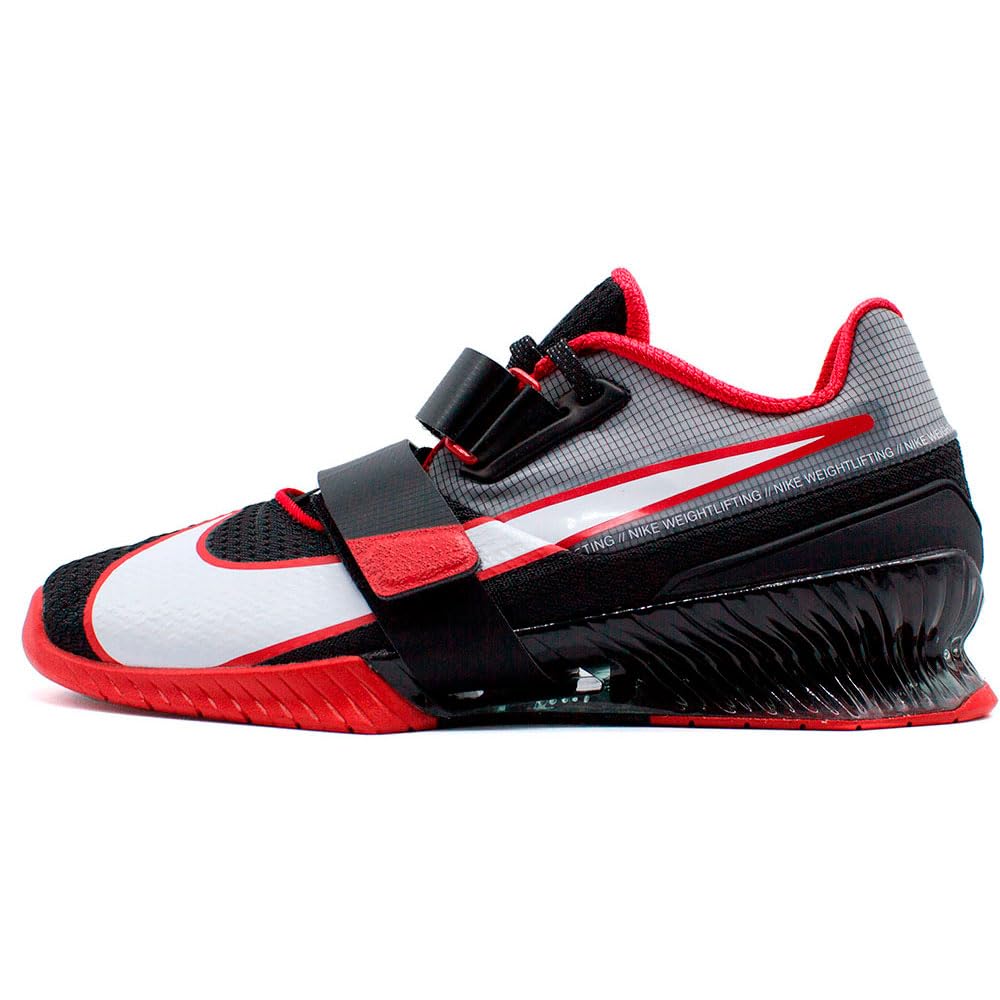
The Romaleos 4 sit at the top of the lifting shoe hierarchy for a reason. With a 1.2-inch heel height, they provide maximal dorsiflexion assistance, making deep front squats and overhead squats feel mechanically easier. The dual strap system locks the midfoot down tightly, preventing heel lift during dynamic Olympic lifts. Users consistently report that the sole is extremely rigid — virtually zero lateral give — which translates directly into pure force transfer to the barbell.
That said, the fit is notoriously narrow through the toe box and midfoot. Multiple customers with average-width feet had to size up a half or even full size to get comfortable. The shoe is not designed for walking, running, or any CrossFit WOD that includes box jumps or rope climbs — it is purely a stationary lifting platform. For serious competitors whose primary focus is the snatch and clean and jerk, these deliver unmatched stability.
Construction quality is high with durable upper materials and a grippy rubber outsole that doesn’t mark gym floors. The heel is molded and solid, showing no signs of compression over months of heavy use. If you need a competition-ready shoe and your feet aren’t excessively wide, the Romaleos 4 is the gold standard.
Why it’s great
- Premium 1.2-inch heel for maximum squat depth
- Extremely rigid sole for zero energy loss
- Dual strap system locks the foot securely
Good to know
- Very narrow fit; many users must size up
- Not suitable for dynamic WODs or walking
2. Inov-8 Fastlift 360
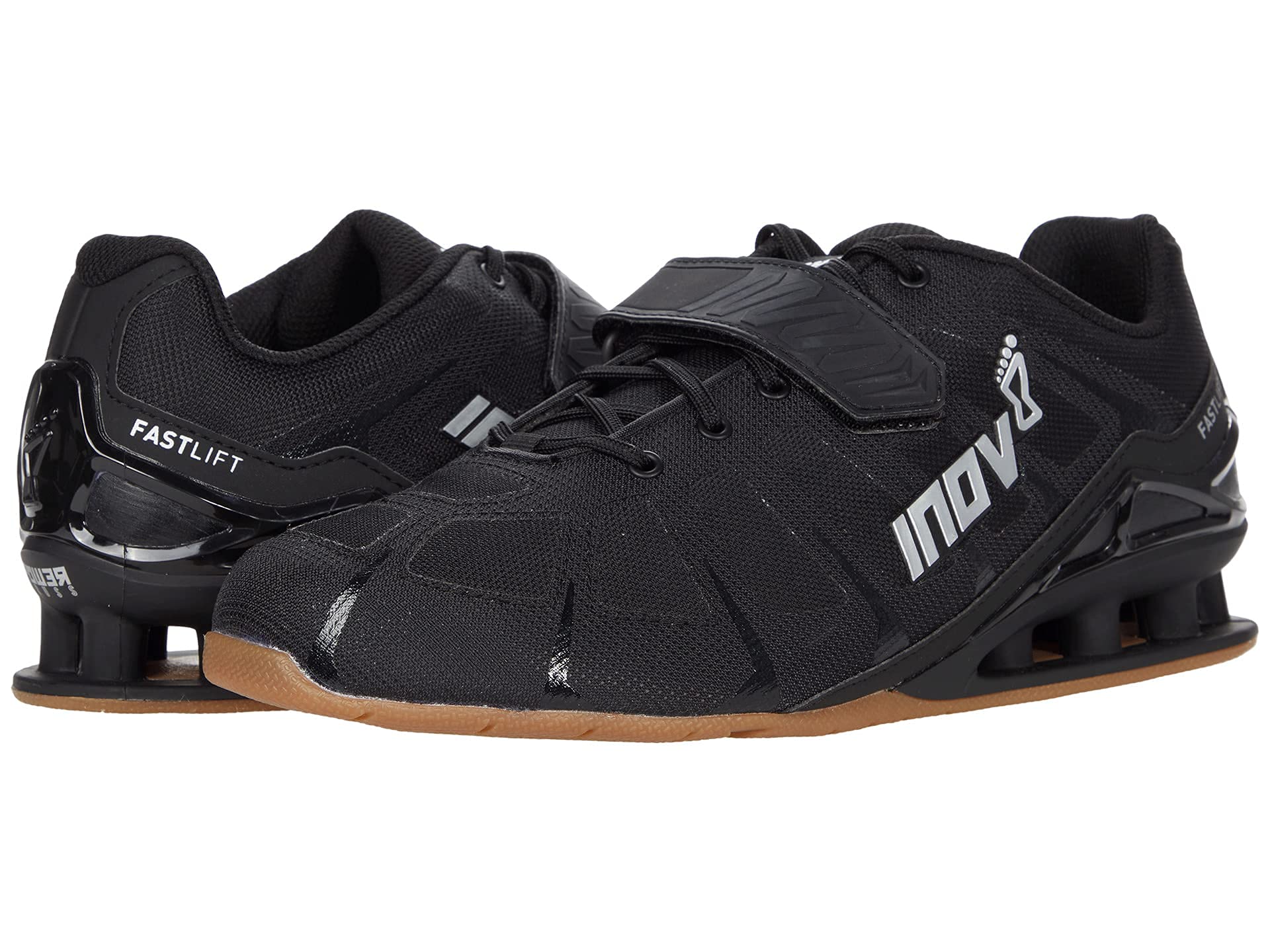
The Fastlift 360 strikes a unique balance by offering a performance-oriented heel height of 0.75 inches while accommodating wider feet better than most competitors in its class. The bootie construction and external strap combine for a snug yet non-restrictive fit around the midfoot. Multiple verified reviews highlight how this shoe completely changed their squat game by removing the need for makeshift heel wedges under plates — a direct benefit for athletes with limited ankle mobility.
Unlike the Romaleos, the Fastlift 360 offers slightly more forefoot flexibility, making it marginally more comfortable for walking between stations. However, it is still a lifting shoe first: the heel is rigid and non-compressible, and the rubber outsole provides excellent grip on wooden platforms or rubber gym mats. A few users with very wide feet needed to go up a full size, but once dialed in, the shoe feels supportive without pinching.
One area of caution involves dynamic WOD elements. Some athletes found the shoe lacked support during box jumps and burpee transitions — it is optimized for the barbell, not for high-impact plyometrics. Still, for its price point relative to peers, this is a strong value for anyone prioritizing Olympic lifting with a wider foot shape.
Why it’s great
- Wide toe box accommodates forefoot splay
- Solid heel elevation for ankle mobility
- Sturdy strap and bootie construction
Good to know
- Some find it tight for very wide feet — size up
- Less stable for high-impact dynamic movements
3. Nike Metcon 10
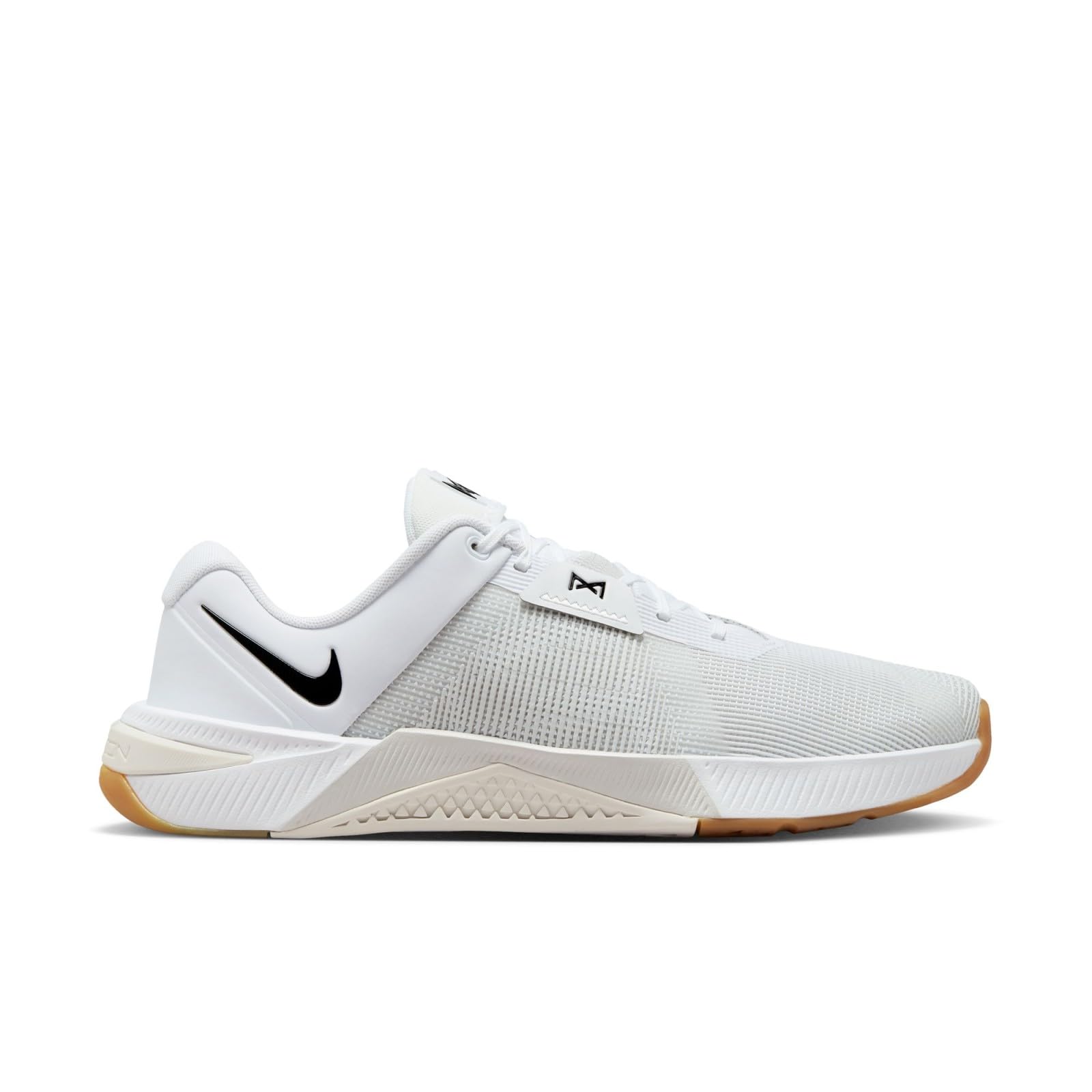
The Metcon series from Nike has long been a staple in CrossFit boxes, and the 10th iteration continues that legacy. This shoe uses a flat, low-profile outsole with dense foam — not a raised heel — making it ideal for a mix of heavy squats, deadlifts, and conditioning work. The heel is stable without being as dramatically elevated as a pure weightlifting shoe, so you can box jump and sprint without feeling off-balance.
User feedback focuses heavily on the shoe’s toughness and support. The upper features reinforced overlays that resist wear from rope climbs, and the outsole tread pattern provides good traction on both rubber floors and gym turf. The fit runs average to slightly narrow, but not as extreme as the Romaleos — most users find their regular Nike size works well. The drop is minimal, keeping your foot close to the ground for better proprioception.
Where the Metcon 10 loses ground versus dedicated lifting shoes is in raw squat depth assistance. If your primary goal is hitting a competition-spec squat with poor ankle mobility, you may still benefit from a heeled shoe. But for general CrossFit athletes who do a bit of everything, this is one of the most versatile options available.
Why it’s great
- Flat outsole supports heavy deadlifts and standing press
- Durable upper for rope climbs
- Versatile for WODs with mixed movements
Good to know
- No elevated heel — limited squat depth assistance
- Toe box may feel snug for wider feet
4. NOBULL Outwork
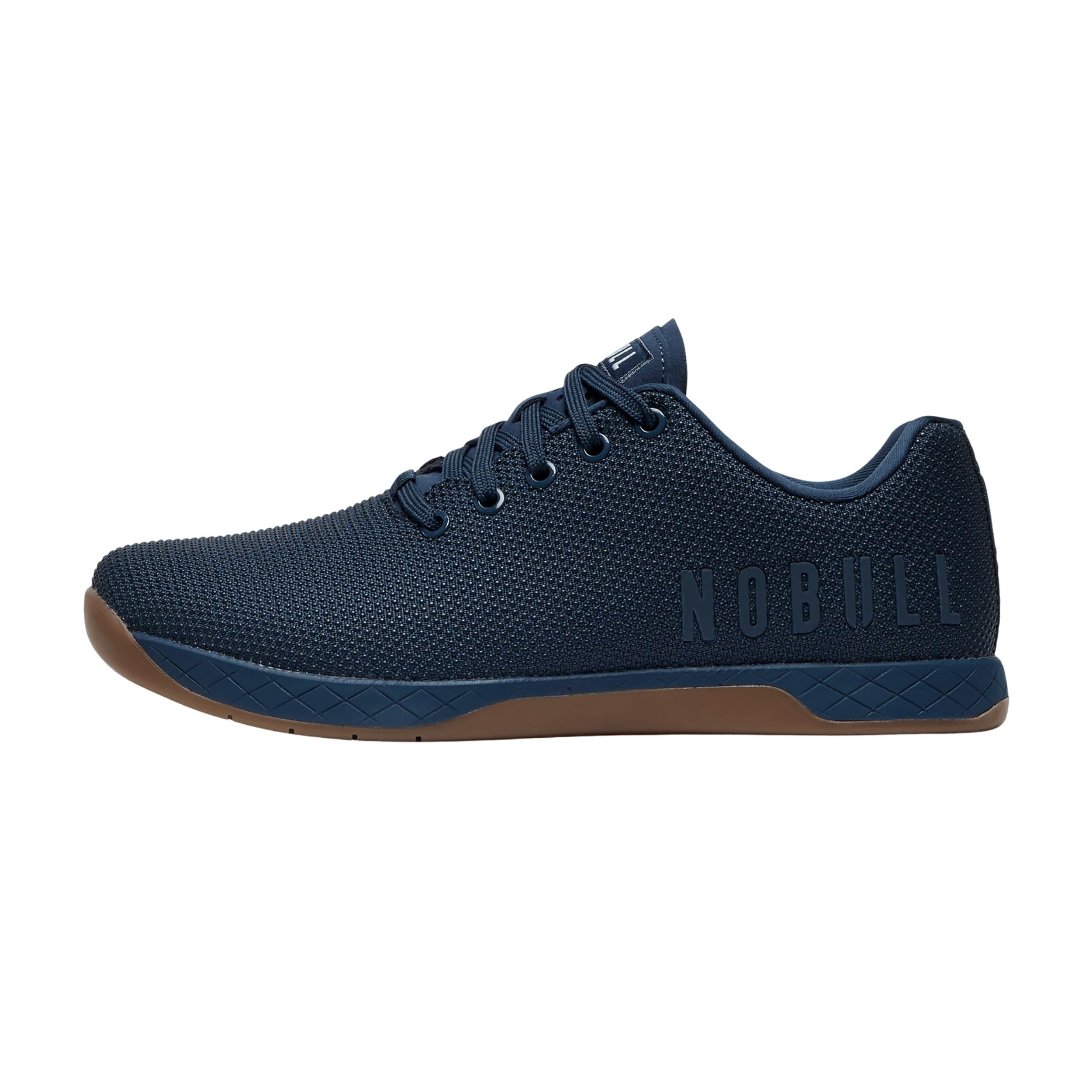
NOBULL has carved out a reputation for clean aesthetics and durable construction, and the Outwork model fits squarely into that mold. The shoe features a flat carbon rubber outsole that delivers excellent ground feel and stability for lifting. Users describe it as comfortable enough for all-day wear while still providing a solid foundation for heavy squats and deadlifts. The upper is made from a breathable knit material with strategic overlays for durability.
Where the Outwork excels is in its dual-purpose capability. Athletes report using these for strength sessions, light cardio, and even casual wear without complaint. The toe box offers decent room, and the overall fit runs true to size for average feet. However, a few reviewers noted the inner sole feels quite firm and recommended adding aftermarket insoles for extra arch support — particularly for athletes with plantar fasciitis.
The shoe’s primary limitation for elite lifting is the lack of an elevated heel. If you rely on heel lift for squat depth, you will need to compensate with better ankle mobility or switch to a dedicated heeled shoe. But for the CrossFit athlete who wants one shoe to handle everything from barbell work to burpees, the Outwork is a compelling, budget-conscious pick.
Why it’s great
- Versatile for both lifting and daily activities
- Flat carbon rubber sole for stability
- Breathable, comfortable upper
Good to know
- Firm inner sole may need inserts
- No raised heel for squat depth assistance
5. adidas Powerlift 5 (Unisex)
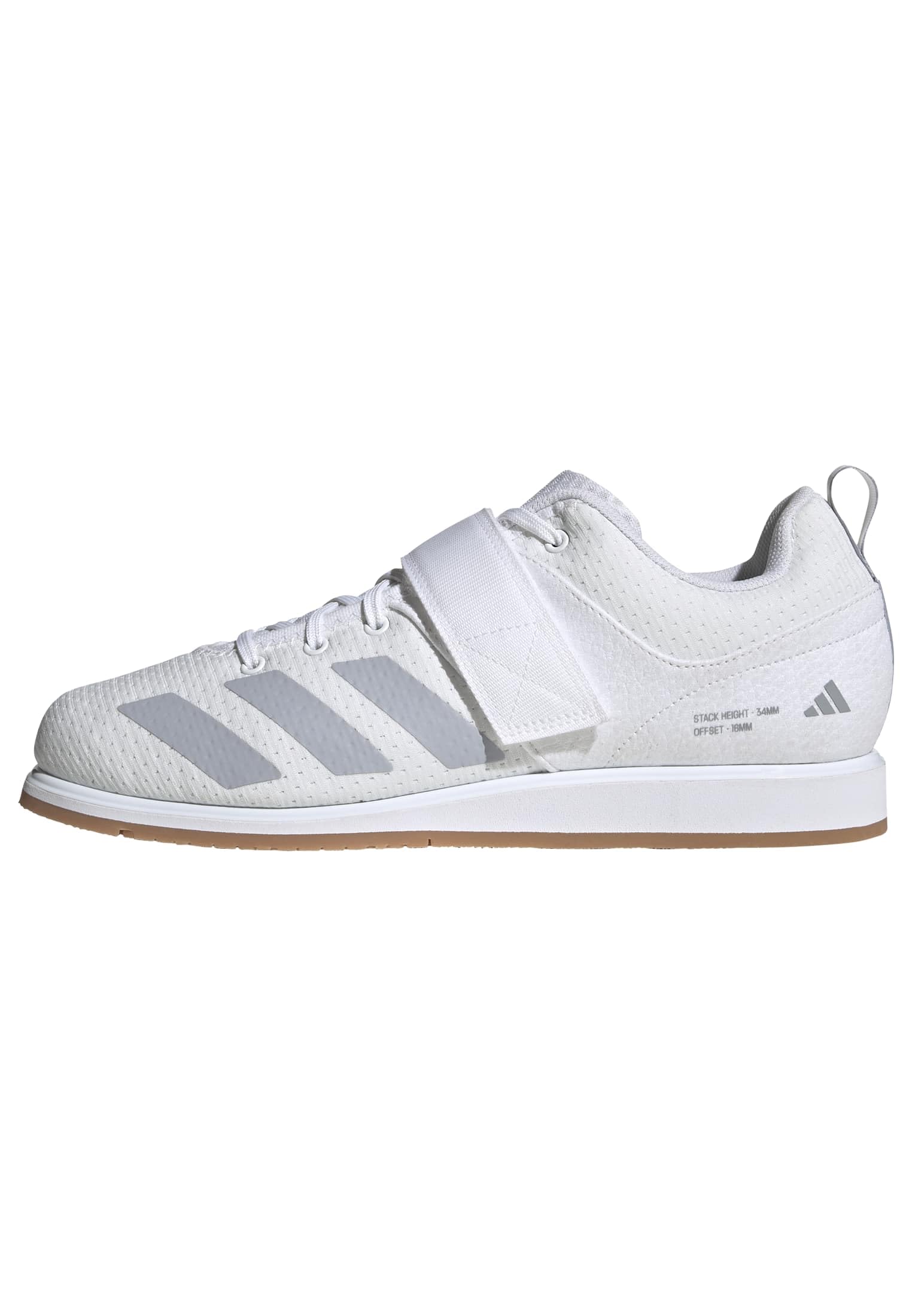
The adidas Powerlift 5 is a popular entry-level weightlifting shoe that gives beginners a taste of purpose-built stability without a huge investment. With a 0.6-inch heel, it provides moderate ankle mobility assistance, which is often enough for new lifters transitioning from running shoes. Users consistently report feeling much more planted during squats, with better quad engagement and less forward lean.
One common issue is the narrow toe box. Multiple reviews mention that athletes with average or wide feet need to order half a size up to avoid pinching during the rep. The shoe is comfortable for the duration of a lifting session but not designed for prolonged walking or cardio. The synthetic upper is easy to clean and holds up well over several months of regular use.
This shoe is best suited for someone whose primary focus is squats, deadlifts, and overhead press — basic strength movements. For more dynamic CrossFit WODs that involve running, jumping, or lateral cutting, a flat trainer like the Nano or Metcon would be a better fit. But for pure lifting on a budget, the Powerlift 5 delivers genuine value.
Why it’s great
- Great entry-level price for a heeled shoe
- Improves squat depth and alignment
- Solid, stable sole for heavy lifts
Good to know
- Narrow toe box — size up for comfort
- Not designed for WODs with running or jumps
6. adidas Powerlift 5 (Alternate)
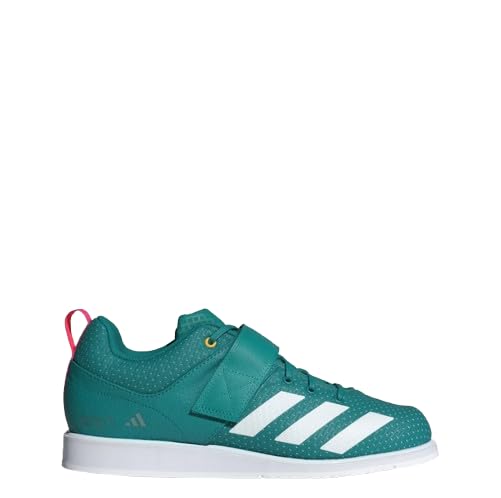
This alternate colorway of the adidas Powerlift 5 shares the same core specifications: a 0.6-inch raised heel, a stable compressed EVA midsole, and a rubber outsole with solid grip. Where this shoe stands out is its reported comfort for short walks between stations — users describe it as less “clunky” than higher-heeled platforms, making it a viable choice for gym sessions that alternate between lifting and light cardio.
The main tradeoff remains the narrow fit. Athletes with wider feet or higher volume insteps will likely need to go up half a size. The shoe works well for older lifters or those with joint concerns, as the moderate heel reduces strain on the knees and lower back during squats. The overall construction feels durable, with reinforced stitching around the toe cap and the heel counter.
If you are looking for a budget-conscious way to test whether a heeled shoe improves your squat mechanics, this is a safe bet. It lacks the extreme rigidity of competition models, but for general strength training and moderate WODs, it offers noticeable stability improvements over generic athletic footwear.
Why it’s great
- Budget-friendly entry into heeled shoes
- Comfortable for short walks between lifts
- Reduces knee and back strain during squats
Good to know
- Narrow fit — not ideal for wide feet
- Less rigid than premium competition shoes
7. Under Armour Tribase Reign 6
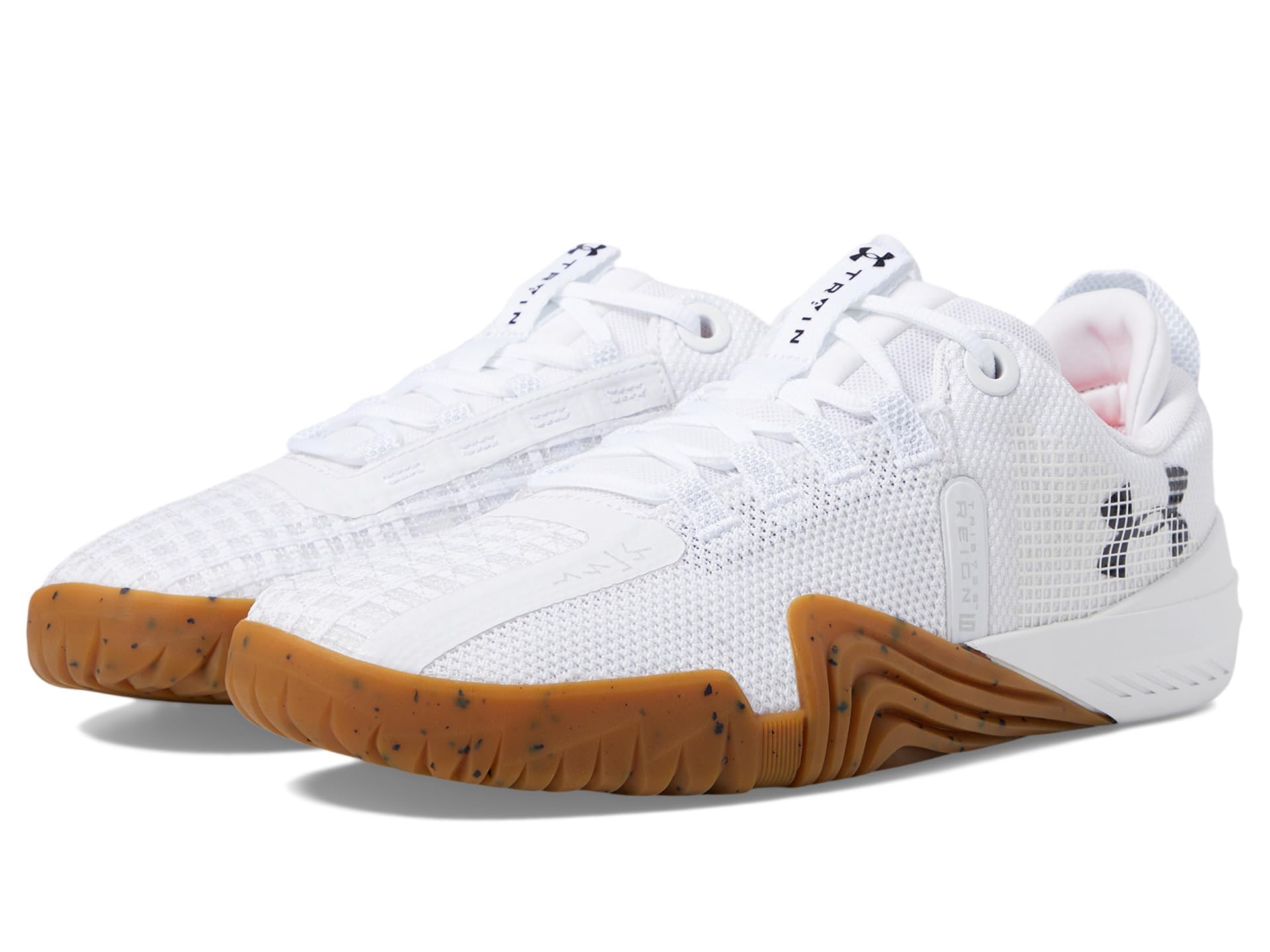
Under Armour’s Tribase Reign 6 has become a serious contender in the hybrid training space. The shoe features a wide toe box — a rarity among CrossFit trainers — which allows the toes to splay for better balance during squats and deadlifts. The sole is relatively flat and firm, with UA’s Tribase outsole geometry that increases ground contact surface area. Users specifically call out how stable these feel compared to more mainstream options like the Metcon.
This model works well for flat-footed athletes due to its low arch support. Reviews from larger lifters mention the shoe performed well for incline walking, heavy squats, and bodyweight movements without causing arch ache or heel slippage. The upper is lightweight and breathable, though some users report that white colorways show dirt easily. The midsole strikes a compromise between rigidity for lifting and enough flex for short runs or dynamic warm-ups.
Compared to the Nano X5, the Tribase Reign 6 feels less bulky in the forefoot and offers a roomier toe box. It is slightly less stable than a dedicated lifted heel shoe for maximal squats, but for the CrossFit athlete who does a mix of lifting, HIIT, and the occasional sprint, this is one of the best-balanced options. Sizing recommendations vary — some users size down half, while others stay true to size.
Why it’s great
- Wide toe box for toe splay and balance
- Flat, firm sole for stable lifting
- Low arch support suits flat feet
Good to know
- White colorways stain quickly
- Not a dedicated heeled lifting shoe
8. Reebok Nano X5
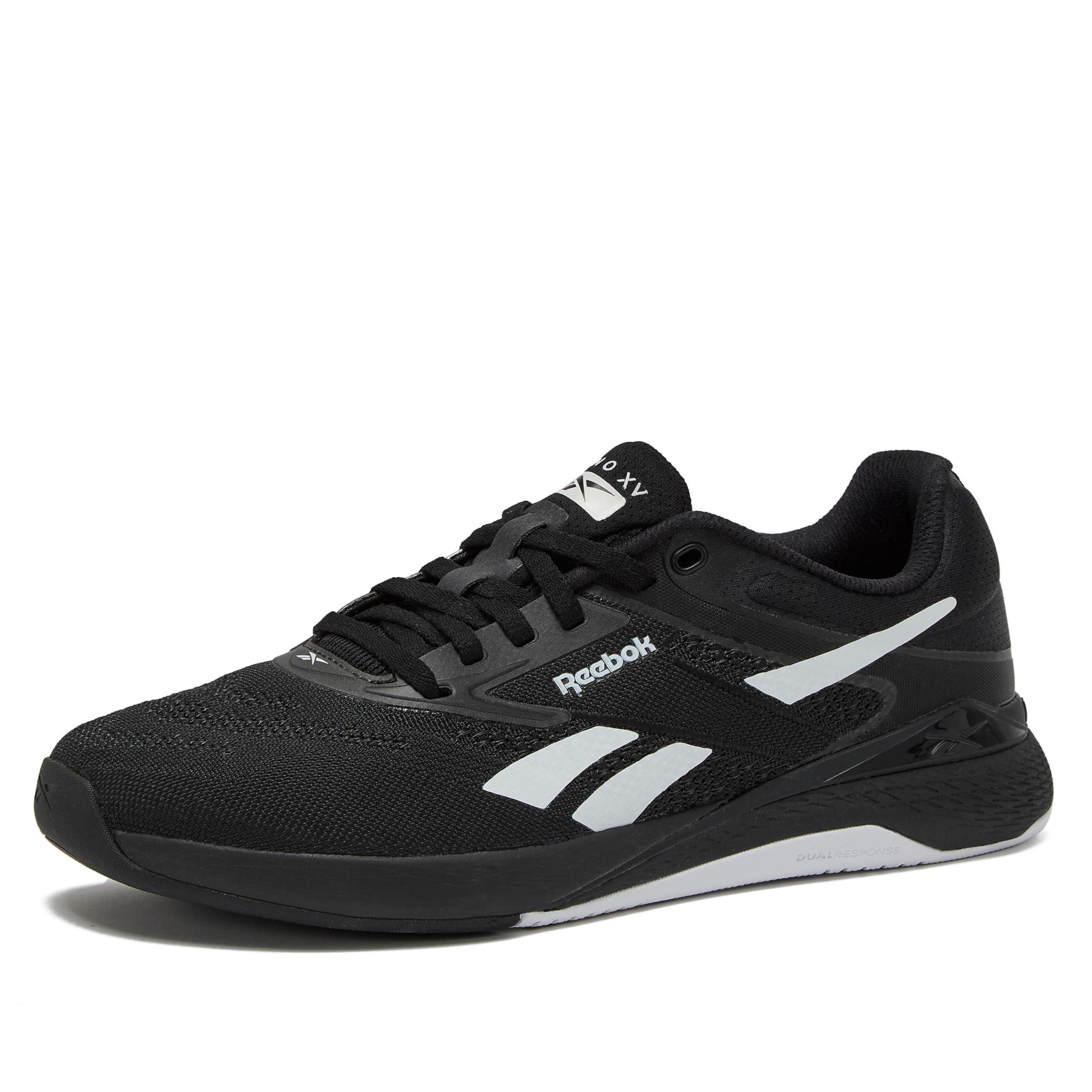
The Reebok Nano is arguably the most iconic name in CrossFit training footwear, and the X5 iteration refines the formula further. The defining feature here is the extremely flat, non-flexible outsole — users describe it as “planted” with virtually no rocker motion. This makes the shoe outstanding for weight training, split squats, and deadlifts where you need the entire foot in contact with the floor. The sole is hard but includes a slight forefoot flex for comfort during stair climbs and treadmill walking.
Multiple reviews highlight the wide toe box as a major advantage over competitors like Nike Metcons. For athletes with wider feet who still want a flat training shoe, the Nano X5 is a go-to. However, the shoe runs large — several users recommend sizing down by half a size. The upper is breathable and the overall build quality feels robust, with many customers returning for multiple pairs.
The primary downsides are that it is too flat and firm for long walks or casual errands, and some users with narrow ankles report a bit of heel slip. Additionally, the shoe lacks an elevated heel, so it won’t assist with squat depth the way a Powerlift or Romaleos would. For general strength training and CrossFit WODs that don’t require an extreme squat deficit, this is a top-tier choice.
Why it’s great
- Flat sole with zero rocking for stable lifts
- Wide toe box allows natural toe spread
- Durable construction — many users buy repeat pairs
Good to know
- Runs large — consider sizing down
- Too firm for all-day walking comfort
9. Nordic Lifting Venja

The Nordic Lifting Venja is the most wallet-friendly entry in this guide, but it doesn’t cut corners where it matters most. The shoe features a moderate heel elevation that provides noticeable stability improvement over standard gym sneakers, especially for squats and overhead presses. The forefoot is more flexible than all other models reviewed here, which some users appreciate for walking comfort between sets and for performing more functional movements like lunges.
Customer feedback consistently praises the Venja’s fit and value. Users describe them as “superior to Adidas Powerlift” in terms of fit and feel, particularly noting that the toe box offers more room. The shoe runs true to size for most, and the build quality holds up well over several months of use. The design is simple and clean, avoiding flashy branding that some find off-putting on other budget options.
On the downside, the increased forefoot flexibility means it doesn’t provide the same rock-solid platform for maximum loads as stiffer competition models. If you are squatting near your one-rep max with elite-level weight, you may still want a more rigid sole. But as a first lifting shoe or a budget-conscious upgrade from running sneakers, the Venja punches well above its price class.
Why it’s great
- Very affordable entry into lifting-specific footwear
- Wide toe box and comfortable fit
- Flexible forefoot aids walking and lunges
Good to know
- Forefoot flex reduces stability for max loads
- Not as rigid as premium heeled shoes
FAQ
Can I use Crossfit lifting shoes for deadlifting?
Do I need lifting shoes if I have good ankle mobility?
How should Crossfit lifting shoes fit?
Are lifting shoes good for walking or running?
Final Thoughts: The Verdict
For most users, the crossfit lifting shoes winner is the Nike Romaleos 4 because it delivers the highest heel, the most rigid sole, and a dual-strap lock-down for competition-level stability. If you want a flat trainer for mixed WODs, grab the Reebok Nano X5. And for a budget-friendly heeled shoe that still improves squat mechanics, nothing beats the Nordic Lifting Venja.

Mo Maruf
I created WellFizz to bridge the gap between vague wellness advice and actionable solutions. My mission is simple: to decode the research and give you practical tools you can actually use.
Beyond the data, I am a passionate traveler. I believe that stepping away from the screen to explore new environments is essential for mental clarity and physical vitality.