Our readers keep the lights on and my smoothie glass nicely filled. As an Amazon Associate, I earn from qualifying purchases.
The skin on your feet is up to 40 times thicker than the skin on your face, yet most moisturizers treat it like a fragile thing. That’s why “very dry feet” isn’t solved with body lotion — it demands a formulation designed to penetrate dense callus layers, lock hydration deep into the stratum corneum, and stay put through a day of walking. The best candidates combine high-concentration humectants like urea with occlusive butters that don’t rinse off after one wash.
I’m Mohammad Maruf — the founder and writer behind WellFizz. I’ve spent hundreds of hours analyzing consumer reviews, ingredient decks, and clinical data across foot care categories to separate the creams that just feel nice from the ones that actually reverse cracking, flaking, and heel fissures.
This guide walks through five proven options, from targeted sticks to heavy-duty jars, so you can identify the best cream for very dry feet that fits your daily routine and severity level without wasting money on products that slide right off.
How To Choose The Best Cream For Very Dry Feet
Not every thick cream repairs cracked heels. The difference lies in the active ingredients and their concentration. Here are the two specs that matter most.
Urea Percentage — The Breakthrough Metric
Urea is the gold standard for very dry foot skin because it both exfoliates dead surface cells and draws moisture into the deeper layers. Low percentages (10–15%) work for maintenance, but severely cracked heels need a 40–60% concentration to physically soften thick calluses. Products below 20% urea may feel nice but often fail to dent true fissures.
Absorption Speed vs. Occlusivity
A cream that stays greasy for 20 minutes works great under socks overnight but feels awful if you need to put on shoes immediately. Sticks and fast-absorbing formulas sacrifice some occlusive power for convenience. Heavy butters like shea and mango create a stronger seal but take longer to sink in. Choose based on whether your routine is morning glide or evening wrap-and-wear.
Quick Comparison
On smaller screens, swipe sideways to see the full table.
| Model | Category | Best For | Key Spec | Amazon |
|---|---|---|---|---|
| Flasture 60% Urea Stick | Stick | Deep callus softening | 60% Urea + 2% Salicylic Acid | Amazon |
| O’Keeffe’s Healthy Feet | Jar | Overnight sealing | Concentrated glycerin base | Amazon |
| CCS Foot Pro All in One | Cream | Odor control & softening | Eucalyptus + Lactic Acid | Amazon |
| Pedestrian Project Walker’s Foot Cream | Cream | Daily non-greasy hydration | Shea + Moringa Seed Oil | Amazon |
| Pedestrian Project Cracked Heel Repair | Balm | Severe crack filling | Mango Butter + Black Currant Oil | Amazon |
In‑Depth Reviews
1. Flasture 60% Urea Cream Stick with Salicylic Acid
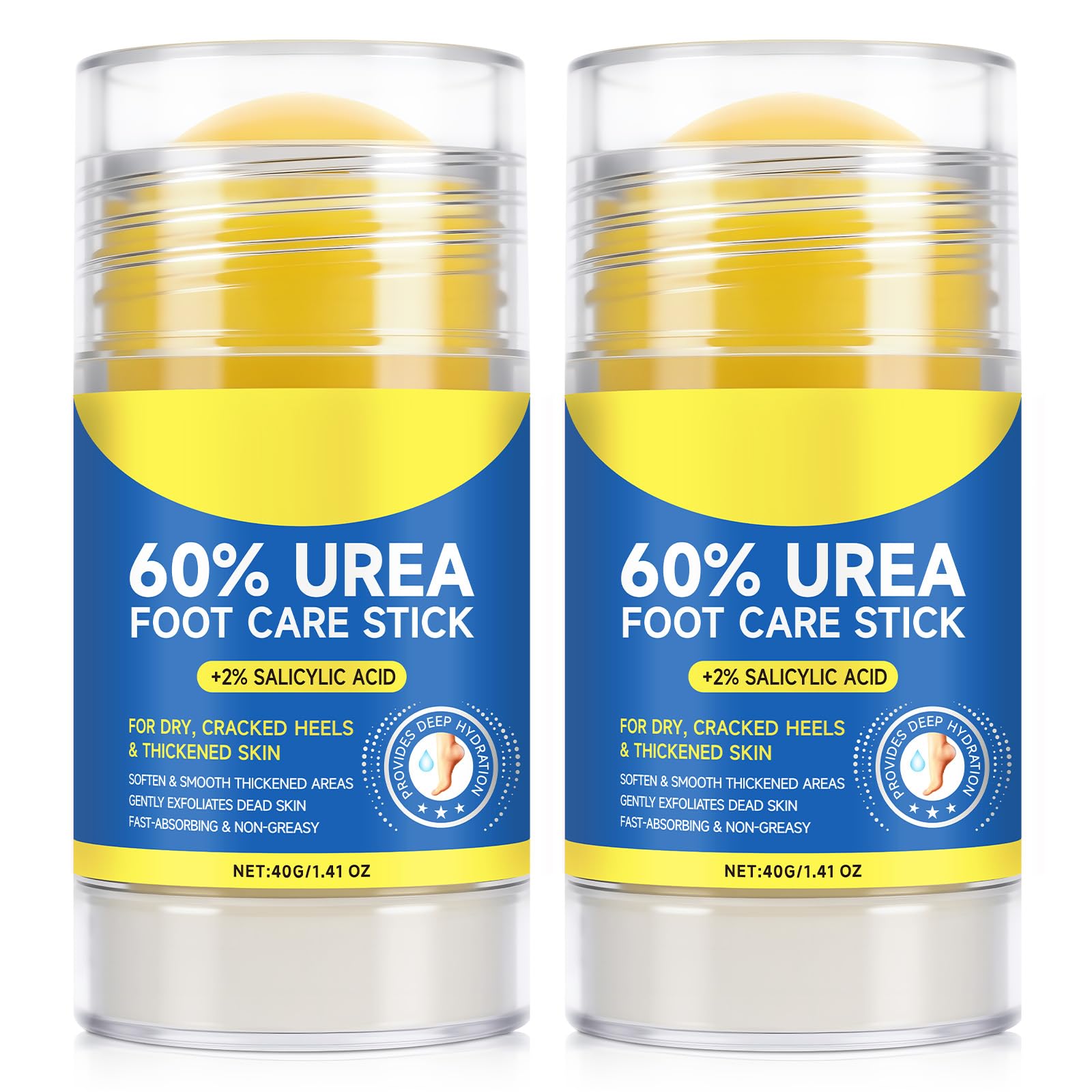
This two-pack stick format packs the highest urea concentration in the lineup — 60% — combined with 2% salicylic acid to chemically exfoliate while hydrating. Users report visible softening of cracked heels and calluses within days, with the stick applicator eliminating the greasy-hand problem entirely. The formula absorbs quickly enough that you can pull on socks or shoes almost immediately after swiping.
Reviewers consistently note that the stick advances smoothly and doesn’t leave a residue that attracts dirt. The coconut oil and aloe base calms irritation while the high urea does the heavy lifting on thick heel plaques. A few users mentioned the advancement mechanism can detach from the base, but the product can still be pushed up manually — a minor packaging trade-off for the high-active formulation.
Flasture earns the top spot in this guide because it addresses the core physics problem of very dry feet: you need enough active concentration to break down callus tissue, but you also need a format you’ll actually use daily. The stick solves both. It is the most category-appropriate choice for anyone whose main complaint is rough, cracked heels that haven’t responded to standard creams.
Why it’s great
- Highest urea concentration on the list for real callus softening
- No hand mess after application — stick glides on cleanly
- Absorbs fast so you can wear shoes or socks right away
Good to know
- Advancement mechanism can detach during travel
- Each stick contains only 1 oz — may run out quickly with daily use
2. O’Keeffe’s for Healthy Feet Foot Cream

O’Keeffe’s uses a concentrated glycerin-base formula that creates a semi-occlusive layer on the skin rather than softening through urea exfoliation. It’s thick enough to stay in place through the night but absorbs enough after a few minutes that you can walk around without leaving prints. Users with extremely cracked, bleeding heels reported visible healing within 48 hours, often after just one overnight application with socks.
The 6.4 oz jar offers the best volume-to-dose ratio for long-term maintenance. Because the cream is dense and spreads thinly, a single jar lasts significantly longer than the smaller sticks or tubes. Reviewers frequently mention that the lack of fragrance makes it a safe option for diabetic foot care, and the non-greasy feel is a consistent compliment — even when applied heavily before bed.
The trade-off is that O’Keeffe’s doesn’t contain active exfoliants. If your heels have deep callus buildup, you may need to physically file the dead skin first before the cream can seal in moisture. It excels as a maintenance sealer but isn’t the first choice for dissolving existing thick plaques.
Why it’s great
- Thick, non-greasy texture that locks moisture overnight
- Large jar size delivers strong long-term value per application
- Hypoallergenic and unscented — safe for sensitive or diabetic skin
Good to know
- No exfoliating ingredients — needs manual filing for deep calluses
- Texture is very firm; takes some scooping effort in cold weather
3. CCS Foot Pro All in One Foot Cream
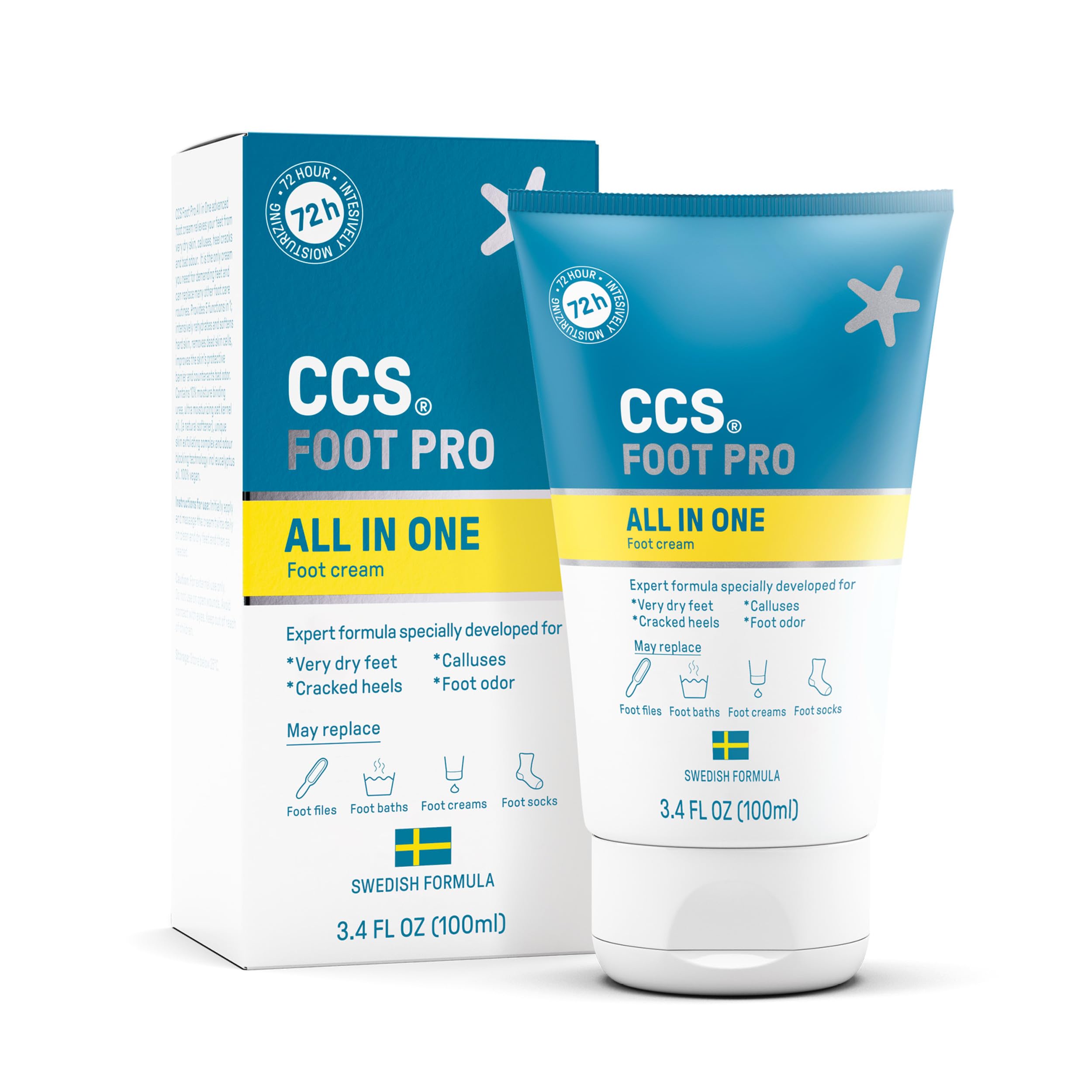
CCS brings a Swedish dermatologist-formulated option that combines urea, lactic acid, and eucalyptus oil into a single cream designed to tackle dryness, odor, and callus buildup simultaneously. The brand claims up to 72 hours of moisture retention, which aligns with user reports that a single application keeps feet feeling soft through the next day. The lactic acid provides gentle AHA exfoliation at a lower strength than the high-urea sticks, making it a better choice for people whose skin is dry but not yet deeply fissured.
Reviewers highlight the mild eucalyptus scent, which helps neutralize foot odor without smelling medicinal or floral. The cream spreads easily and absorbs within a minute or two, so you don’t have to wait before putting on socks. A notable percentage of users saw improvement in cracked soles within 2–3 days, though the cream works best when used as part of a consistent nightly routine rather than as a one-time rescue.
The main limitation is lower active concentration. For feet that already have deep, bleeding cracks, the urea percentage here is too modest to break down advanced callus. It also comes in a 3.4 oz tube, which runs out faster than the O’Keeffe’s jar. It’s a strong mid-range pick for daily hydration with bonus anti-odor benefits.
Why it’s great
- Lactic acid gently exfoliates while urea hydrates
- Eucalyptus oil helps control foot odor naturally
- Absorbs quickly — no greasy wait time before wearing socks
Good to know
- Active concentration too low for severe, bleeding cracks
- Smaller tube size requires more frequent repurchasing
4. Pedestrian Project Walker’s Foot Cream
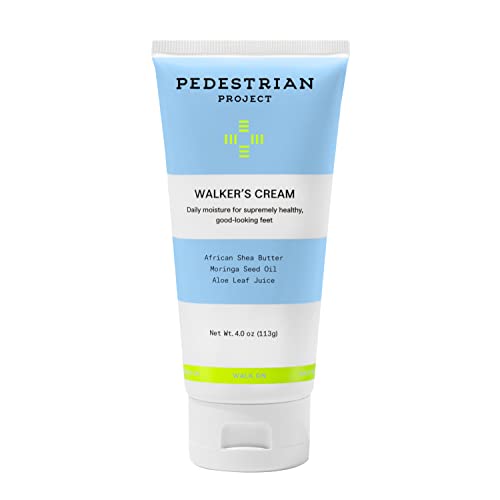
Pedestrian Project formulates this cream around shea butter, moringa seed oil, and aloe leaf juice — a plant-powered blend that avoids petrolatum, silicones, and synthetic fragrances. The texture is rich but dries down with a “dry feel” that users specifically praise for not leaving a slick residue in shoes or on bed sheets. It is designed for callus maintenance rather than deep crack repair, making it ideal for people whose feet are dry but not yet splitting.
Customer feedback consistently describes the fragrance as “light and clean” — a subtle note that disappears quickly without clashing with other scented products. The 4 oz tube is travel-friendly and the brand’s commitment to post-consumer recycled packaging appeals to buyers who prioritize sustainability. Users who applied it before morning walks reported that their feet stayed comfortable through the activity without the product rubbing off completely.
The biggest gap is performance on severe cases. This cream lacks the high urea levels needed to physically soften thick, hardened calluses. It also contains no exfoliating acids, so it works best as a daily hydrator for feet that are already under control. For mild-to-moderate dryness, it does its job without fuss — just don’t expect it to reverse deep fissures quickly.
Why it’s great
- Dry-touch finish — no greasy residue on hands or socks
- 100% vegan and free of parabens, phthalates, and synthetic fragrances
- Environmentally conscious packaging from recycled materials
Good to know
- Not effective on severe cracks or thick callus plaques
- No urea or AHA agents — purely a humectant and emollient blend
5. Pedestrian Project Cracked Heel Repair Balm

This award-winning balm from Pedestrian Project uses mango butter, shea butter, and black currant seed oil to fill deep cracks rather than just moisturize the surface. The roll-on applicator is unique in this lineup — it applies the balm directly to the heel or affected area without getting your fingers messy. Users note that even severe cracks begin to fill and smooth after consistent nightly use with socks, with some seeing measurable improvement after just one application.
Reviewers appreciate that the balm is thick enough to stay in place on vertical heel surfaces without dripping or running off, yet melts into the skin quickly enough that you don’t have to wait long before covering with socks. The formula is vegan and free of the same chemical list as the brand’s Walker’s Cream, but the butter base is richer and more occlusive, making it a better choice for targeted spot treatment on cracked heels rather than all-over foot hydration.
The 1 oz tube is small, which is both an advantage for travel and a limitation for full-foot coverage. If your dryness extends across your whole sole or top of your foot, you may run through this tube too fast to justify the per-ounce cost. It also contains no urea or salicylic acid, so while it seals and softens existing cracks, it doesn’t chemically exfoliate the callus that caused them in the first place.
Why it’s great
- Roll-on applicator targets cracks precisely without messy hands
- Rich mango and shea butter base seals deep fissures overnight
- Award-winning formula with natural, vegan ingredients
Good to know
- 1 oz tube is too small for full-foot daily use
- No chemical exfoliants — won’t thin existing callus buildup
FAQ
How long does it take for a high-urea cream to soften cracked heels?
Can I use a foot cream with salicylic acid if I have diabetes?
Should I apply cream before or after wearing socks?
Final Thoughts: The Verdict
For most users, the best cream for very dry feet winner is the Flasture 60% Urea Stick because it combines the highest active ingredient concentration with a mess-free format that makes daily use effortless. If you prefer an unscented, hypoallergenic jar that seals in moisture overnight, grab the O’Keeffe’s Healthy Feet. And for a balanced daily cream that exfoliates gently while fighting odor, the CCS Foot Pro All in One covers the most bases in a single tube.

Mo Maruf
I created WellFizz to bridge the gap between vague wellness advice and actionable solutions. My mission is simple: to decode the research and give you practical tools you can actually use.
Beyond the data, I am a passionate traveler. I believe that stepping away from the screen to explore new environments is essential for mental clarity and physical vitality.