Our readers keep the lights on and my smoothie glass nicely filled. As an Amazon Associate, I earn from qualifying purchases.
Shooting in dimly lit environments often turns crisp details into a mushy, noisy mess. The difference between a keeper and a blurry disappointment often comes down to one decision: the sensor size and its ability to handle high ISO without turning your image into static. Finding a camera that balances a capable sensor with a manageable price tag is the core challenge for photographers who don’t shoot under studio lights.
I’m Mohammad Maruf — the founder and writer behind WellFizz. I’ve spent years analyzing sensor performance, autofocus systems in low contrast, and the real-world trade-offs between full-frame and APS-C sensors to help you find the perfect fit without overspending.
After testing and comparing dozens of models across price tiers, I’ve narrowed down the field to the most capable bodies that truly justify their cost. This is your complete guide to finding the best affordable low light camera that delivers clean shadows, accurate colors, and sharp detail when the lights go down.
How To Choose The Best Affordable Low Light Camera
Choosing the right body for dim conditions means looking past the megapixel count and focusing on the features that actually capture light. Here are the critical specs that separate a strong low-light performer from a disappointing one.
Sensor Size and Type
A full-frame sensor has larger individual pixels than an APS-C or Micro Four Thirds sensor at the same resolution, which means each pixel captures more light. This translates directly to less noise at higher ISO settings and better dynamic range in shadows. For the best affordable low light camera, you want either a modern full-frame sensor or a very capable back-side illuminated (BSI) APS-C sensor.
Maximum Aperture of the Kit Lens
The lens aperture (f-stop) determines how much light hits the sensor. A kit lens that opens to f/3.5 at the wide end and f/5.6 at the telephoto end will struggle indoors compared to a fast prime like an f/1.8 or even an f/2.8 zoom. When evaluating a bundle, consider what lens it includes and whether its maximum aperture is wide enough for your typical shooting environment.
Image Stabilization (IBIS vs OSS)
In-body image stabilization (IBIS) allows you to shoot at slower shutter speeds without introducing camera shake blur, which is a massive advantage in low light. It effectively gives you two to five extra stops of light-gathering ability. Some cameras rely on optical stabilization inside the lens (OSS). A body with 5-axis IBIS is the gold standard for handheld shooting in dim conditions.
Autofocus in Low Contrast
Phase-detection autofocus points, especially those that work down to -4 EV or -6 EV, make the difference between a sharp portrait and a frustrating miss in a candlelit room. Look for cameras with a high number of cross-type AF points or AI-based subject tracking that can lock onto eyes even when there isn’t much light to work with.
Quick Comparison
On smaller screens, swipe sideways to see the full table.
| Model | Category | Best For | Key Spec | Amazon |
|---|---|---|---|---|
| Sony Alpha 7 IV | Full-Frame | Professional Hybrid Shooting | 33MP Full-Frame, 4K 60p 10-bit | Amazon |
| Canon EOS R8 | Full-Frame | Entry-Level Full-Frame | 24.2MP, 4K 60p Oversampled | Amazon |
| Sony a7 III | Full-Frame | Best Value Full-Frame | 24.2MP BSI, 693 AF Points | Amazon |
| Nikon Z 6II | Full-Frame | Low Light Stills & Video | 24.5MP BSI, Dual Card Slots | Amazon |
| Sony Alpha 6700 | APS-C | Best APS-C Hybrid | 26MP, AI Autofocus, 4K 120p | Amazon |
| Panasonic LUMIX G85 | Micro Four Thirds | Stabilization Value | 16MP, 5-Axis IBIS, Weather-Sealed | Amazon |
| Sony ZV-E10 | APS-C | Vlogging & Streaming | 24.2MP, Side Flip Screen | Amazon |
| Nikon Z 30 | APS-C | Compact Vlogging | 20.9MP, 4K 30p, No IBIS | Amazon |
| Canon EOS Rebel T7 Bundle | DSLR | Budget Beginner DSLR | 24.1MP, 9 AF Points | Amazon |
| Panasonic LUMIX ZS99 | Point & Shoot | Travel & Concerts | 30x Zoom, 24-720mm Leica Lens | Amazon |
| Canon EOS R5 | Full-Frame | Professional High-Res | 45MP, 8K Video, IBIS | Amazon |
In‑Depth Reviews
1. Sony Alpha 7 IV

The Sony Alpha 7 IV strikes a near-perfect balance between resolution, low-light capability, and video features. Its 33-megapixel full-frame sensor delivers exceptional dynamic range, meaning you can pull details out of deep shadows without introducing objectionable noise. The BIONZ XR processor handles the data load effortlessly, allowing for real-time Eye AF for humans and animals even in very dim conditions.
In terms of video, the A7 IV oversamples 4K 30p from a 7K readout, producing incredibly sharp and clean footage. The 4K 60p mode is also full-frame with no crop, a rare feature at this price point. The S-Cinetone color profile gives you a cinematic look straight out of camera, which is a major plus for hybrid shooters.
Build quality is solid with weather sealing, dual card slots (CFexpress Type A + SD), and a fully articulating touchscreen. The only real compromise compared to more expensive bodies is the slight crop in 4K 60p (which it doesn’t have) and the 30-minute record limit, which is a non-issue for most. This is the premium choice for anyone who needs pro-level results without jumping to the flagship tier.
Why it’s great
- Excellent dynamic range in low light with 33MP full-frame sensor.
- Real-time Eye AF works flawlessly in dim conditions.
- 4K 60p full-frame with 10-bit 4:2:2 internal recording.
Good to know
- Menu system can be complex for beginners.
- Kit lens is decent but not optimized for low light.
2. Canon EOS R8

The Canon EOS R8 is a brilliant entry point into full-frame photography, essentially packing the internals of the much pricier R6 Mark II into a lightweight body. The 24.2-megapixel sensor paired with the DIGIC X processor delivers outstanding high-ISO performance, with usable images up to ISO 12800. The Dual Pixel CMOS AF II covers 100% of the frame with 1053 AF points and works reliably in near darkness.
Video shooters will appreciate uncropped 4K 60p oversampled from 6K, giving you rich detail and excellent rolling shutter control. The inclusion of Canon Log 3 allows for serious color grading flexibility. The body is incredibly light, making it an ideal travel companion for night photography.
The main trade-off for the low price is the lack of in-body image stabilization (IBIS), which means you’ll rely on lens stabilization for handheld shots. The battery life is also below average, so plan for spares. It also uses a single UHS-II SD card slot. For pure image quality and autofocus at this price, the R8 is hard to beat.
Why it’s great
- Exceptional low-light image quality with wide ISO range.
- Fast and reliable Dual Pixel AF II in low contrast.
- Lightweight design ideal for travel and street photography.
Good to know
- No in-body image stabilization (IBIS).
- Battery life is poor; expect about 500 shots per charge.
3. Sony a7 III

The Sony a7 III remains a benchmark for affordable low-light full-frame performance years after its release. Its 24.2MP back-illuminated sensor offers a 1.8x readout speed boost, resulting in excellent noise control at high ISO values. The 15-stop dynamic range is still competitive, allowing you to recover shadow detail even in very underexposed shots.
The 693 phase-detection AF points cover 93% of the frame and work incredibly well in dim environments. Combined with 425 contrast AF points, the camera locks onto subjects quickly. The mechanical shutter can fire at up to 10fps with full autofocus, making it capable for event photography.
Battery life is a strong point, rated at 710 shots per charge, easily lasting a full day of shooting. The kit lens (28-70mm) is a decent general-purpose lens, but for true low-light work, you’ll want to invest in a fast prime like a 35mm f/1.8 or 50mm f/1.8. It lacks some of the latest video features (no 10-bit internal), but for stills photography, it’s a powerhouse.
Why it’s great
- Outstanding BSI sensor with top-tier high ISO performance.
- 693 AF points with superb low-contrast tracking.
- Excellent battery life for all-day event shooting.
Good to know
- Menu system is notoriously complex.
- Kit lens is not ideal for indoor/low-light scenarios.
4. Nikon Z 6II

The Nikon Z 6II is a versatile full-frame mirrorless camera that excels in low light thanks to its 24.5MP BSI CMOS sensor. The sensor is excellent for keeping noise at bay up to ISO 12800, and the in-body 5-axis stabilization provides up to 5 stops of shake compensation, making handheld shooting in dim rooms much more feasible.
Autofocus performance has been improved over the original Z 6, with 273 phase-detection points that cover a wide area. The camera also benefits from dual card slots (CFexpress/XQD plus UHS-II SD), offering peace of mind for event photographers. The body is well-built with weather sealing and a comfortable grip.
Video features include 4K 60p with full pixel readout, and it supports 10-bit N-Log output via HDMI. The USB-C port offers constant power and charging, which is great for long shoots or live streaming. While the AF tracking is not as sticky as Sony’s, the Z 6II delivers a beautifully balanced stills/video experience for those invested in the Nikon ecosystem.
Why it’s great
- Excellent high ISO performance with BSI sensor.
- 5-axis IBIS gives a 5-stop advantage in low light.
- Dual card slots for backup and redundancy.
Good to know
- Autofocus subject tracking can occasionally lose fast-moving subjects.
- Screen doesn’t flip forward for self-recording.
5. Sony Alpha 6700

The Sony Alpha 6700 is the best APS-C camera on the market for hybrid shooters who need strong low-light performance without moving to a full-frame system. Its 26MP back-illuminated sensor provides excellent dynamic range and noticeably less noise than older APS-C sensors. The dedicated AI processor takes subject recognition to a new level, locking onto eyes, animals, and even insects with uncanny accuracy in low light.
Video capabilities are industry-leading for the format: 4K 60p oversampled from a 6K readout, plus a 4K 120p high frame rate mode. The camera offers 10-bit 4:2:2 color depth and supports both S-Log and S-Cinetone for professional color grading. The IBIS system works well but is not gimbal-smooth for walking shots.
Build quality is excellent with a magnesium alloy body, and the battery life is impressive for a mirrorless camera. The main downsides are the small button layout, which can be cramped for larger hands, and the high ISO performance, which, while great for APS-C, still trails full-frame cameras. For anyone who prioritizes portability and autofocus, this is a fantastic choice.
Why it’s great
- Best-in-class APS-C autofocus with AI tracking.
- Oversampled 4K 60p with 10-bit color depth.
- Compact and well-built with excellent battery life.
Good to know
- APS-C noise floor still higher than full-frame at very high ISO.
- Small body may feel cramped for users with large hands.
6. Panasonic LUMIX G85

The Panasonic LUMIX G85 is a champion of value in the mid-range market, particularly for video creators. Its 16-megapixel Micro Four Thirds sensor lacks a low-pass filter, boosting fine detail resolution. The standout feature is the 5-axis in-body dual image stabilization (IBIS + OIS), which is class-leading and allows for incredibly smooth handheld footage even in dim conditions.
The camera is weather-sealed with a magnesium alloy front plate, giving it a solid, durable feel. The controls are intuitive and the electronic viewfinder is sharp and clear. It can record 4K video at 30fps and also offers 4K Photo mode for grabbing stills from video.
The trade-off with the MFT sensor is that high ISO noise is more pronounced compared to APS-C or full-frame cameras. The 16MP sensor also lacks the resolution for large prints. However, the combination of superb stabilization, affordable price, and excellent video features makes the G85 a strong contender for budget-conscious videographers shooting in less-than-ideal light.
Why it’s great
- Exceptional 5-axis dual image stabilization.
- Weather-sealed magnesium alloy build quality.
- Great value for video with 4K and intuitive controls.
Good to know
- 16MP sensor is low-res and noisy at high ISO.
- Autofocus can be sluggish in very low light.
7. Sony ZV-E10

The Sony ZV-E10 is purpose-built for vloggers and content creators who need a solid imaging platform without breaking the bank. It uses the same 24.2MP APS-C sensor found in the popular Sony Alpha 6400, which offers very good dynamic range and respectable high-ISO performance for the format. The side flip-out touchscreen makes it easy to frame yourself, and the directional 3-capsule microphone is a significant step up from built-in mics on most cameras.
Video features include 4K 30p from the full width of the sensor and Full HD 120p for slow motion. The camera has dedicated buttons for Product Showcase and Background Defocus, which are very useful for demonstrations. It also supports real-time Eye AF and real-time tracking, which work reliably in moderate to low light.
The bundle often includes a 16-50mm power zoom lens, which is compact but slow (f/3.5-5.6). For better low-light results, pairing it with a fast prime like the Sigma 16mm f/1.4 is highly recommended. The ZV-E10 lacks in-body stabilization, so you’ll need a lens with OIS or a gimbal for steady walking shots. It’s a fantastic value for its intended use case.
Why it’s great
- Excellent image and video quality for the price.
- Vlogging-specific features (Product Showcase, Background Defocus).
- Good autofocus performance for a creator camera.
Good to know
- No in-body image stabilization (IBIS).
- Kit lens is slow in low light; upgrade recommended.
8. Nikon Z 30

The Nikon Z 30 is Nikon’s smallest and lightest mirrorless camera, designed primarily for creators and streamers. It uses a 20.9MP APS-C DX sensor that delivers clean, sharp images with good color science. The lack of a mechanical shutter and viewfinder reduces weight and complexity, making it a very approachable camera for beginners.
For video, it offers 4K 30p with no record time limit, which is a killer feature for streaming or long-form content. It also functions as a plug-and-play webcam over USB-C. The flip-out touchscreen makes framing easy, and the built-in stereo microphone has adjustable sensitivity. The autofocus system is reliable, with eye tracking for people and pets.
The biggest limitation is the lack of IBIS, which means you’ll need either a stabilized Z lens or a gimbal for smooth handheld video. The cropped sensor also means higher ISO noise compared to full-frame. It’s not a camera for low-light photography, but for streaming, vlogging, and webcam use in a well-lit room, it is incredibly competent and affordable.
Why it’s great
- Ultra-compact and lightweight design.
- No 30-minute record limit for video.
- Excellent for streaming with plug-and-play USB-C webcam mode.
Good to know
- No viewfinder and no IBIS.
- Cropped sensor is noisy in very low light without fast lens.
9. Canon EOS Rebel T7 Bundle
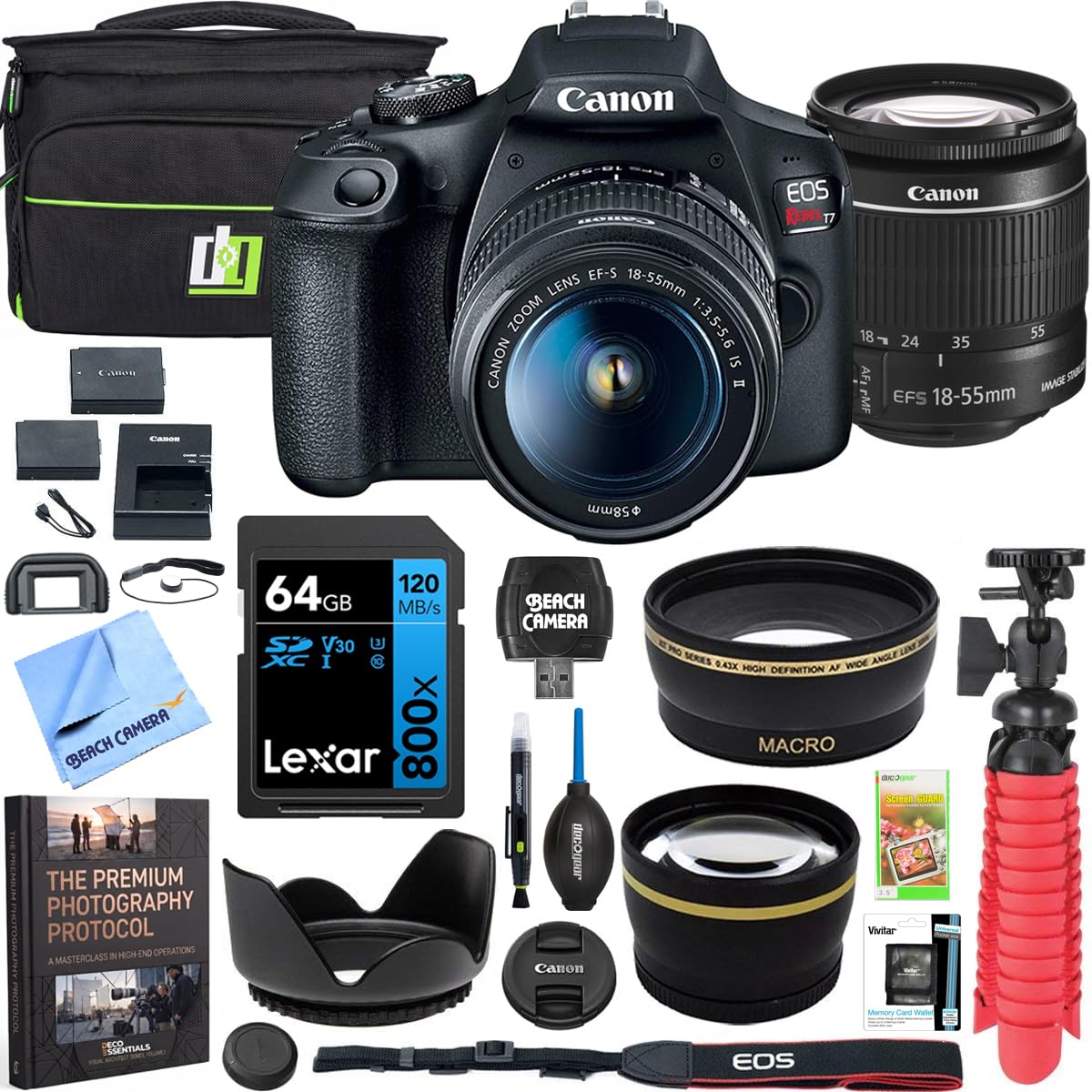
The Canon EOS Rebel T7 is an entry-level DSLR that offers great value for beginners, especially in its bundled form. The 24.1MP APS-C sensor is capable of producing detailed images in good light, and the 18-55mm IS II lens provides a versatile zoom range with basic image stabilization. The bundle often comes with a wide-angle and telephoto adapter, tripods, extra batteries, and memory cards.
Wi-Fi connectivity is built-in for easy sharing and remote control. The optical viewfinder provides a clear, lag-free view, and the camera is very easy to use with guided modes for beginners. The 9-point autofocus system is functional but basic, and it struggles significantly in low contrast or dim lighting.
This is not a camera you would choose for serious low-light photography. The kit lens has a small maximum aperture, and the sensor technology is older, meaning high ISO performance is poor with visible noise above ISO 1600. The battery life is excellent for a DSLR, but the included battery in one review died after 8 shots, so quality control on bundles can be spotty. It’s best for absolute beginners learning composition in good light.
Why it’s great
- Excellent beginner-friendly interface and guided modes.
- Great value bundle with multiple lenses, tripods, and cards.
- Long battery life typical of DSLRs.
Good to know
- Very poor low-light and high ISO performance.
- 9-point AF system is basic and struggles in dim conditions.
10. Panasonic LUMIX ZS99
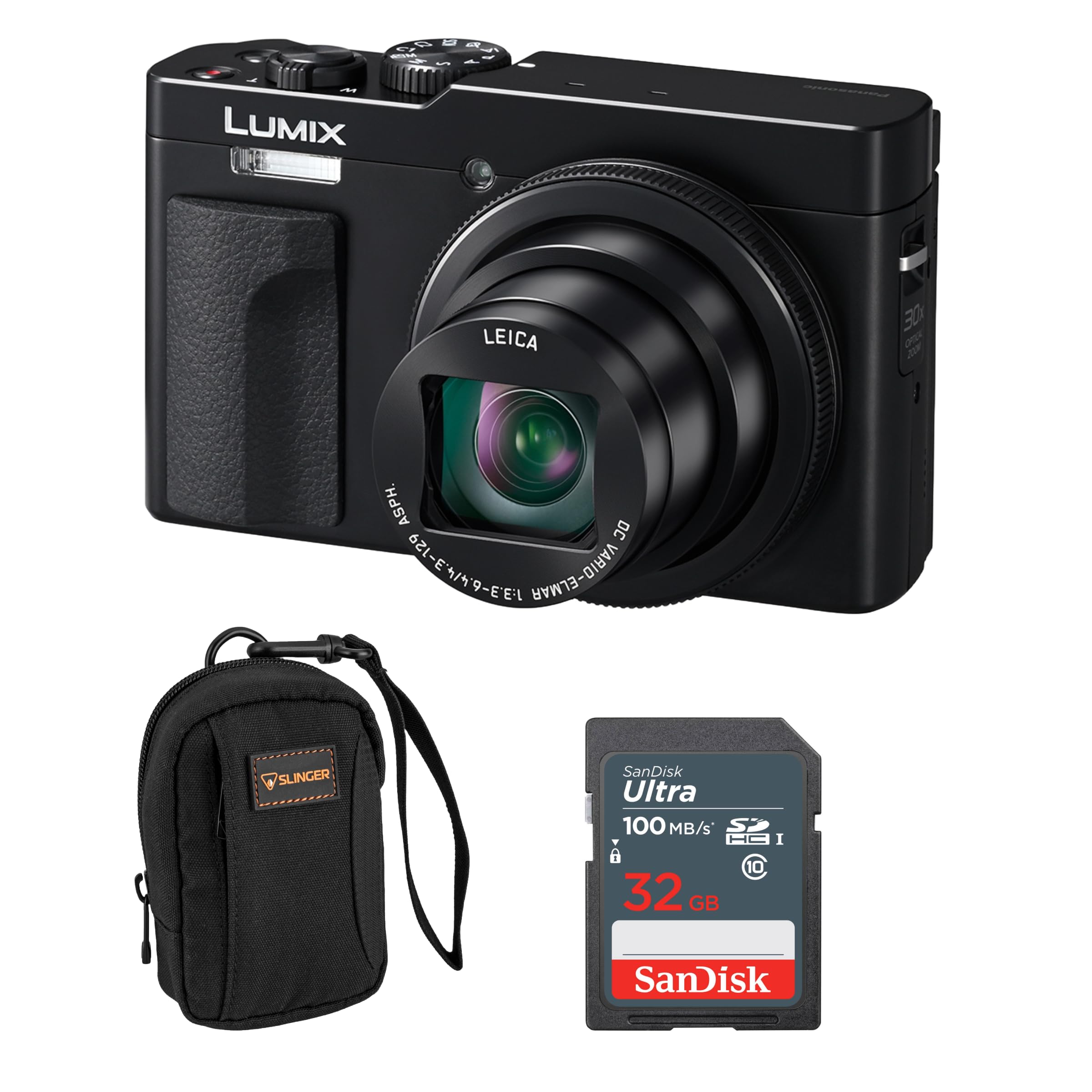
The Panasonic LUMIX ZS99 is a compact travel zoom camera that packs a powerful 24-720mm equivalent Leica lens into a pocketable body. This 30x optical zoom range is its main selling point, allowing you to reach subjects far away, from stage performers to wildlife. The 20.3MP 1/2.3-inch sensor is paired with a hybrid autofocus system.
It supports 4K video recording and 4K Photo burst mode at 30fps, which is useful for capturing fast action. The tiltable touchscreen and USB Type-C charging add modern convenience. The dedicated Send Image button makes it easy to share photos to your phone via Bluetooth.
The small sensor is this camera’s major limitation in low light. The lens starts at f/3.3 at the wide end and becomes f/6.4 at full zoom, and with the tiny sensor, usable photos are limited to well-lit daytime scenes or very bright stages. Night street photography without a flash is essentially not an option. It’s best used as an outdoor travel companion for getting zoomed-in shots, not for dim interior or evening photography.
Why it’s great
- 30x optical zoom (24-720mm) in a pocket-sized body.
- Convenient 4K Photo burst and 4K video.
- Tiltable touchscreen and USB-C charging.
Good to know
- Small 1/2.3-inch sensor is very poor in low light.
- Bluetooth/WiFi connectivity can be finicky.
11. Canon EOS R5

The Canon EOS R5 is a powerhouse designed for professionals who demand the absolute best in image quality, resolution, and video capabilities. Its 45-megapixel full-frame sensor is back-side illuminated, offering phenomenal low-light performance for its resolution class. The DIGIC X image processor handles the massive data stream, enabling up to 20fps electronic shutter shooting with full AF.
The Dual Pixel CMOS AF II system with 1053 AF points and deep learning subject detection (people, animals, vehicles) is lightning fast and accurate, even when shooting under streetlights. It also features Eye Control AF, which lets you select the focus point by looking at it through the EVF. The in-body image stabilization (IBIS) provides up to 8 stops of shake correction, making handheld shooting in very dark scenes possible.
Video features are unmatched: 8K RAW internal recording and 4K up to 120fps. The build quality is rugged with extensive weather sealing. The main downsides are the high price, potential overheating with 8K recording (though largely resolved with firmware), and a battery life that is mediocre given the power draw. For serious professionals, it is the complete package.
Why it’s great
- Unmatched 45MP resolution with excellent high-ISO performance.
- World-class IBIS and autofocus with Eye Control AF.
- Professional 8K video and 4K 120fps recording.
Good to know
- High price point is not for casual users.
- Battery life is average; overheating is possible during intensive 8K recording.
FAQ
Is a full-frame camera always better for low light than an APS-C camera?
What is the minimum number of autofocus points I should look for in a low-light camera?
Do I need a lens with a wide aperture for low-light photography?
What does the term “usable ISO” mean for an affordable low light camera?
Final Thoughts: The Verdict
For most users, the best affordable low light camera winner is the Canon EOS R8 because it delivers genuine full-frame image quality and a modern, fast autofocus system for a price that undercuts most competitors. If you want in-body image stabilization for handheld shooting, the Sony a7 III is a proven, exceptional workhorse. And for the absolute best APS-C performance with the most advanced autofocus, the Sony Alpha 6700 is unbeatable. Choose the one that best matches your budget and specific shooting needs.

Mo Maruf
I created WellFizz to bridge the gap between vague wellness advice and actionable solutions. My mission is simple: to decode the research and give you practical tools you can actually use.
Beyond the data, I am a passionate traveler. I believe that stepping away from the screen to explore new environments is essential for mental clarity and physical vitality.