Our readers keep the lights on and my smoothie glass nicely filled. As an Amazon Associate, I earn from qualifying purchases.
Struggling with a hot, glaring cabin every time you park in the sun? A quality DIY window tint film is the most effective way to reduce interior heat, block UV damage, and add privacy without spending hundreds on a professional installation. Whether you drive a sedan, an SUV, or an older vehicle with no working AC, the right roll of tint can transform your daily commute.
I’m Mohammad Maruf — the founder and writer behind WellFizz. I’ve spent countless hours analyzing the technical specs, adhesive performance, and real user feedback across dozens of auto tint films to identify which rolls deliver on their promises without leaving you frustrated with bubbles or peeling edges.
This guide breaks down the top-rated films you can install at home, with clear advice on VLT percentages, ceramic vs. dyed construction, and what to expect from a DIY job so you can confidently choose the best diy auto tint for your ride.
How To Choose The Best DIY Auto Tint
Selecting the right window tint film means matching your needs in heat rejection, durability, and legality. Here are the key factors to consider before you unbox that roll.
VLT Percentage — The Privacy vs. Visibility Tradeoff
VLT stands for Visible Light Transmission. A 5% VLT film (often called limo tint) blocks 95% of visible light, giving you maximum privacy but making nighttime driving difficult. A 35% VLT offers a balanced approach — good privacy with safe visibility after dark. Check your state’s legal limits before buying, as many require 35% or higher on front side windows.
Ceramic vs. Dyed Film — Which Lasts Longer?
Ceramic films use nano-ceramic particles to block infrared and UV heat without interfering with phone or GPS signals. They resist fading and bubbling far better than budget dyed films. If you park outdoors or live in a hot climate, ceramic is worth the extra cost. Dyed films are cheaper but can turn purple and peel within a year of direct sun exposure.
Thickness and Scratch Resistance
A thicker film (typically 2 to 4 mils) is easier to handle during installation because it doesn’t tear or crease as easily. Look for a scratch-resistant hard coat on the outer layer — this protects the film from daily window rolling and cleaning without marring the finish.
Quick Comparison
On smaller screens, swipe sideways to see the full table.
| Model | Category | Best For | Key Spec | Amazon |
|---|---|---|---|---|
| PAMAGOO 35% Ceramic | Ceramic | Premium feel & durability | 5-layer scratch-resistant ceramic | Amazon |
| ARANA 35% Ceramic | Ceramic | Beginner-friendly install | 99% UV block, 20″x20′ roll | Amazon |
| IAQWE 20% Ceramic | Ceramic | Strong privacy & heat rejection | 5-layer shatterproof film | Amazon |
| Arayker 28-pc Tool Kit | Tool Kit | Complete DIY equipment | 28 tools including squeegees & knives | Amazon |
| YoleShy Reflective Insulation | Reflective | RV & garage heat blocking | Double-sided foil, 48″x10′ sheet | Amazon |
In‑Depth Reviews
1. PAMAGOO 35% VLT Ceramic Window Tint

The PAMAGOO 35% VLT film stands out for its noticeably thicker 5-layer construction, which users consistently report as easier to work with during install — it resists tearing around tight curves and holds up to the heat-shrink process on rear windows. The nano-ceramic technology blocks ≥95% of UV rays and 88% of infrared heat, making a tangible difference in cabin temperature on sunny days.
With a 35% VLT rating, it offers a solid balance of daytime privacy and safe nighttime visibility. Users with 5% VLT applied to an Escalade praised the blackout look and noted that the adhesive held firm through automatic car washes. The included manual and instructional video help first-timers avoid common mistakes like dust contamination.
One important caveat: a small number of users experienced adhesion failure at the edges, particularly when cutting patterns on the first attempt. Proper surface prep and a heat gun are strongly recommended for best results. The 12+1 month support policy is a nice safety net for beginners.
Why it’s great
- Thicker film reduces tearing and bubble formation during DIY install
- Excellent UV and infrared heat rejection for a cooler cabin
- Available in multiple VLT percentages including 5% for blackout look
Good to know
- Some reports of edge adhesion issues requiring meticulous prep work
- Slight bluish tint may not match every vehicle’s window color
2. ARANA 35% VLT Ceramic Car Window Tint
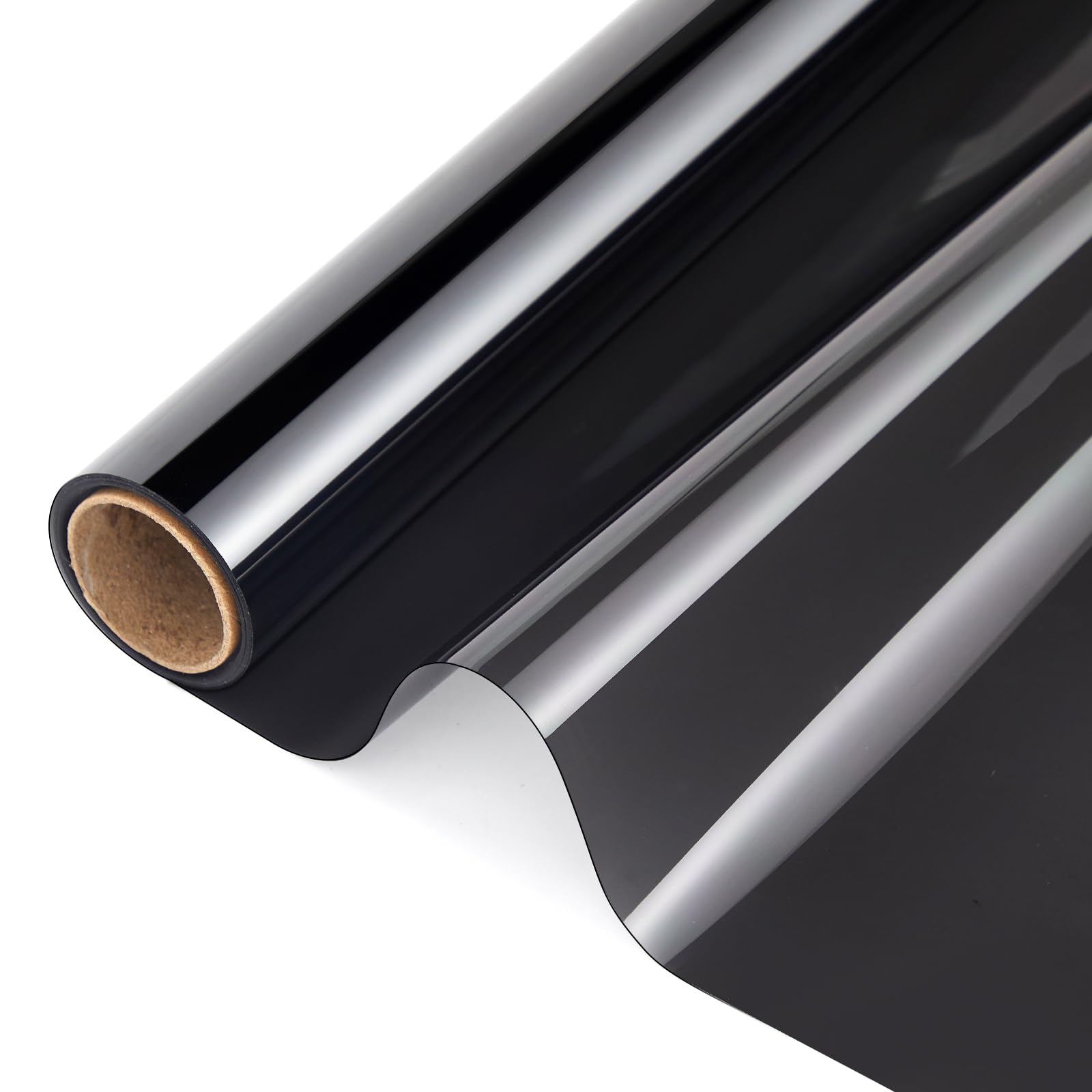
The ARANA 35% ceramic tint delivers strong heat rejection and UV protection at a price point that makes it one of the most accessible entry-level films on the market. The flexible film handles well on compound curves when paired with a heat gun, and users report that small dimples from the initial install cure out after a few hours in direct sunlight.
This 20″ x 20′ roll provides enough material to cover both front-side windows on most sedans, with extra to spare for practice cuts. The stable adhesive resists yellowing and peeling, even after repeated car washes. Several reviewers successfully combined 20% on front windows with 5% on rear windows for a staggered privacy effect.
The main drawback is the learning curve — beginners often need two or three attempts on small windows before getting a clean result. The film is thicker than budget options, which helps prevent tears but requires generous lubrication during squegee work. ARANA backs it with 18 months of after-sales support, a solid commitment for a lower-cost film.
Why it’s great
- Excellent UV protection at a very accessible price point
- Flexible enough for heat-shrink installation on curved rear windows
- 18-month manufacturer support adds peace of mind for DIYers
Good to know
- Moderate learning curve — expect practice cuts before perfect results
- Some users found the 35% VLT lighter than expected for strong privacy
3. IAQWE 20% VLT Ceramic Window Tint
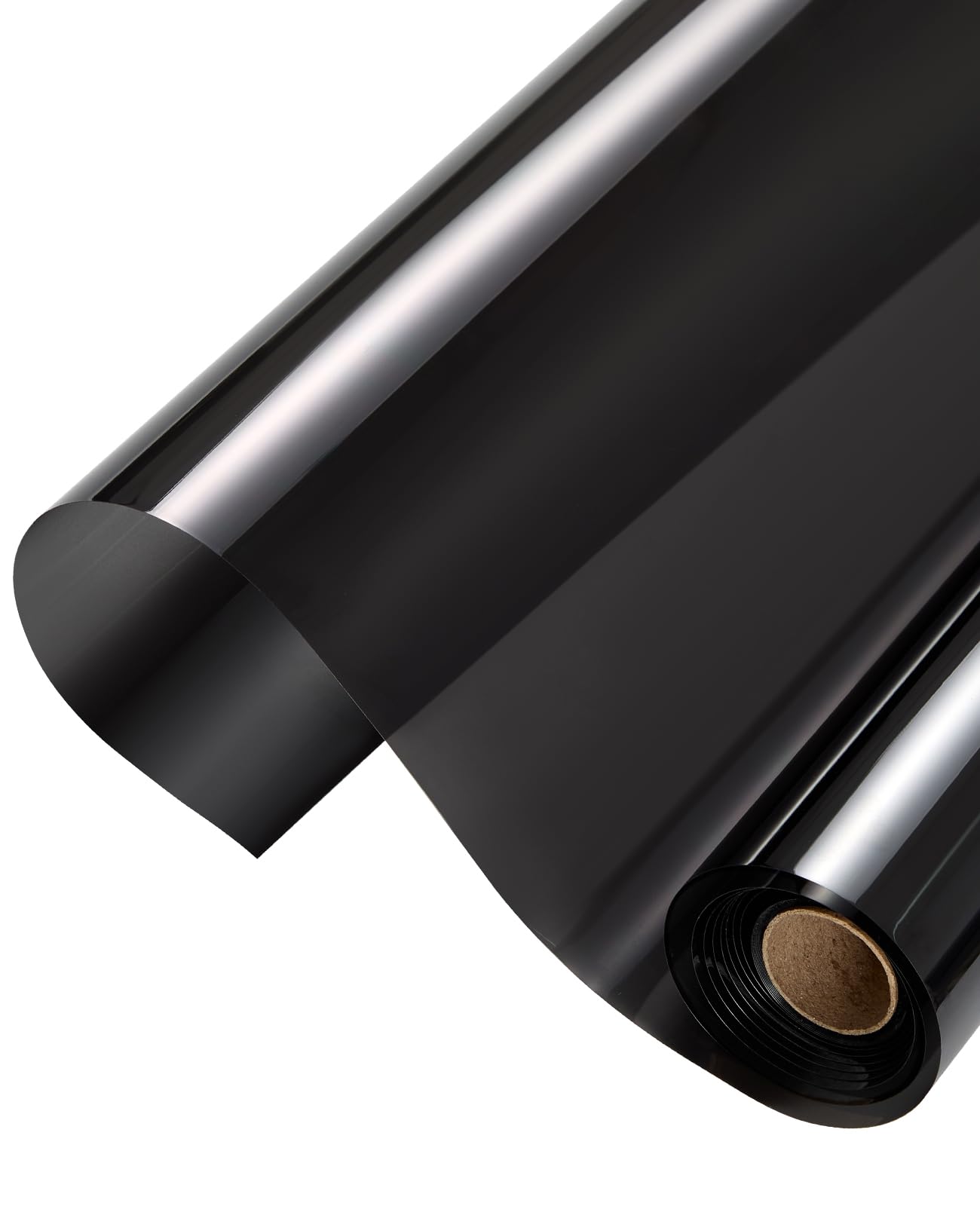
The IAQWE 20% VLT ceramic film strikes a specific balance between privacy and nighttime visibility that many drivers find ideal. At 20%, the interior is difficult to see from outside in daylight while you can still reverse and check blind spots after dark. The 5-layer construction provides shatterproof reinforcement, holding broken glass in place during an impact.
Users report immediate heat relief after installation, especially in vans and older cars without working climate control. The 20″ x 20′ roll is enough to cover the rear and side windows of a large SUV. The bubble-free adhesive reduces the risk of common DIY issues, though achieving a perfect seal on the rear window’s curved edges requires patience and a heat gun.
A minority of reviewers found the film thinner than expected, noting that it scratches more easily than premium brands during the install process. The 36-inch width option for back glass was flagged as difficult to work with. Overall, this is a capable mid-range film that delivers good heat rejection and strong privacy for the price.
Why it’s great
- Ideal 20% VLT for strong daytime privacy with usable night vision
- Shatter-resistant film adds a safety layer to side and rear glass
- Noticeable cabin temperature drop after installation
Good to know
- Thinner film can scratch during installation if not handled carefully
- Wide 36-inch rolls for back glass reported as harder to seal
4. Arayker 28-Piece Car Window Tint Tools Kit

No DIY tint job succeeds without the right tools, and the Arayker 28-piece kit covers everything from squeegees to cutting knives. The package includes contour squeegees designed to tuck film into tight seams and corners, a safety cutter with a guarded blade, and a 300ml spray bottle with an adjustable nozzle for applying slip solution. It also comes with a sturdy zippered storage bag.
Users consistently praise the inclusion of both metal and plastic scraper blades, allowing you to remove old tint or adhesive residue without scratching the glass. The retractable utility knife arrives with 10 spare blades and the craft knife adds 5 more — plenty for multiple jobs. The felt-covered squeegee is a standout component that helps press out water without marring the fresh film.
One inconsistency: a handful of buyers reported that the kit did not include the large squeegee shown in the product images, though the remaining tools still provide good value. If you’re starting from zero, this set eliminates the need to buy tools individually and ensures you have the right shape for every window curve.
Why it’s great
- Comprehensive 28-piece set covers all essential tinting tools
- Includes both metal and plastic scrapers for safe old-tint removal
- Felt-covered squeegee reduces risk of scratching new film
Good to know
- Some kits may omit the large squeegee shown in product photos
- Not useful if you already own most tinting tools individually
5. YoleShy Double Reflective Insulation 48″x10′

While not a traditional adhesive window tint, the YoleShy double reflective insulation sheet is an effective alternative for vehicles that don’t require see-through windows — such as RVs, vans, and garages. The 48-inch-wide by 10-foot-long roll uses a double-sided aluminum foil sandwich over a vacuum-sealed polyethylene bubble core to reflect heat in both summer and winter.
The material cuts cleanly with scissors and is lightweight enough to handle solo, though the included hook-and-loop fasteners make installation much easier with two people on large RV windows. Users report a noticeable drop in interior temperature after installing these sheets in motorhome windshields and camper windows. The 0.16-inch thickness provides rigidity for freestanding applications when backed by a support structure.
Because the film ships folded, expect some crease lines that do not affect thermal performance but are visible. This product is not suitable for side windows where outward visibility is required — it’s opaque by design. If you need instant privacy and heat reflection for a conversion van or workshop window, this is the most cost-effective solution.
Why it’s great
- Double-sided aluminum foil provides exceptional heat reflection
- Large 48″x10′ sheet covers big RV and garage windows in one piece
- Lightweight and easy to cut to custom shapes
Good to know
- Opaque — not suitable for windows requiring outward visibility
- Ship-folded creases are permanent but don’t affect insulation
FAQ
Can I install DIY auto tint without a heat gun?
How long does ceramic DIY tint last before it peels?
What tools do I need for a successful DIY tint job?
Final Thoughts: The Verdict
For most users, the best diy auto tint winner is the PAMAGOO 35% Ceramic because its thicker 5-layer construction, strong UV and infrared rejection, and multiple VLT options make it the most forgiving film for first-time installers. If you want the absolute best value that still blocks 99% of UV rays, grab the ARANA 35% Ceramic. And for RVs or garage windows where opacity is acceptable, nothing beats the YoleShy Reflective Insulation for sheer heat reflection on large surfaces.

Mo Maruf
I created WellFizz to bridge the gap between vague wellness advice and actionable solutions. My mission is simple: to decode the research and give you practical tools you can actually use.
Beyond the data, I am a passionate traveler. I believe that stepping away from the screen to explore new environments is essential for mental clarity and physical vitality.