Our readers keep the lights on and my smoothie glass nicely filled. As an Amazon Associate, I earn from qualifying purchases.
For years, conventional footwear has crammed your toes, elevated your heels, and padded your feet away from the ground, weakening the very muscles meant to stabilize your stride. Barefoot walking shoes flip that script entirely, allowing your feet to move, flex, and grip the earth the way evolution intended.
I’m Mohammad Maruf — the founder and writer behind WellFizz. I’ve spent countless hours analyzing footbed geometry, sole stack heights, and flex grooves across the barefoot market to help you find the pair that will actually transition your gait without injury.
The real problem isn’t finding a minimalist shoe — it’s finding one with a genuinely anatomical toe box, zero drop, and a thin enough sole to read the trail without sacrificing traction. This guide cuts through the marketing noise to identify the best barefoot walking shoes for everyday wear, trail adventures, and gym sessions alike.
How To Choose The Best Barefoot Walking Shoes
Switching to barefoot shoes isn’t just about buying thinner soles. You need to assess toe splay, stack height, flexibility, and your own foot anatomy. Here’s what separates a smart purchase from a regretful return.
Zero Drop vs. Minimalist — Know the Difference
Zero drop means the heel and forefoot are at the same height, unlike typical shoes with a raised heel. Minimalist shoes go further, adding a thin, flexible sole. The best barefoot walking shoes combine both: zero drop to align your spine and a thin sole to let your feet feel the terrain. Some models offer removable insoles, giving you the option to go closer to the ground.
Toe Box Shape — Width is Not Enough
A wide toe box must also be anatomical — shaped like a human foot, not a round or pointed capsule. Look for a design that allows your big toe to sit straight and your other toes to spread naturally. If the shoe narrows at the tip, it’s not truly barefoot. Measure your foot’s widest point and check the brand’s specific width chart; many barefoot brands run narrower than expected.
Quick Comparison
On smaller screens, swipe sideways to see the full table.
| Model | Category | Best For | Key Spec | Amazon |
|---|---|---|---|---|
| FLUX FOOTWEAR Adapt Runners | Premium | All-day walking & flat feet | Wide toe box, zero drop, flexible sole | Amazon |
| ALTRA Women’s Lone Peak 8 | Mid-Range | Technical trail hiking | 25mm stack height, FootShape toe box | Amazon |
| Xero Shoes Prio Neo | Mid-Range | Gym training & casual wear | 5.5mm FeelTrue sole, zero drop | Amazon |
| New Balance Minimus Trail V1 | Premium | Smooth trails & fast runs | EVA insole, moderate cushion, zero drop | Amazon |
| Hike Footwear HF Stride | Budget-Friendly | Daily walking & balance training | Ultra-light, thin sole, slip-on design | Amazon |
| Hike Footwear Theora Pro | Budget-Friendly | Casual hiking & water resistance | Water resistant, pull-on, stretch knit | Amazon |
| NORTIV 8 Whitney | Budget-Friendly | Healthcare & all-day standing | Wide toe box, 5mm drop, grippy outsole | Amazon |
In‑Depth Reviews
1. FLUX FOOTWEAR Adapt Runners
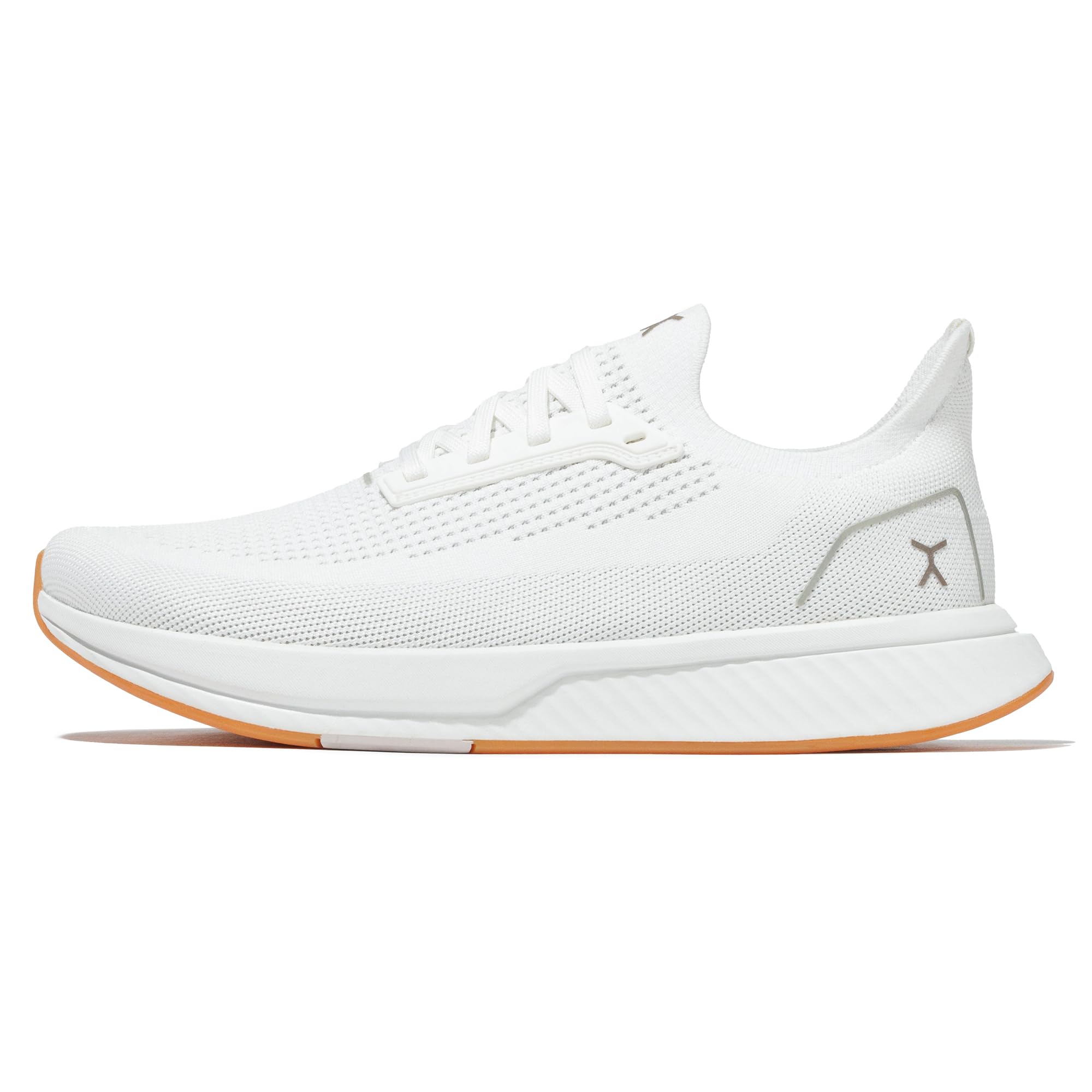
The FLUX FOOTWEAR Adapt Runners sit at the premium end of the market for a reason — they combine a genuinely wide anatomical toe box with a zero-drop sole that flexes naturally underfoot. Multiple buyers report immediate relief for flat feet and post-surgery ankles, with one user noting zero knee or foot pain after walking all day. The upper breathes well and the sole provides enough ground feel without letting every pebble disrupt your stride.
Durability is a standout feature here. One customer reported wearing the same pair for four years of daily 5-6 mile walks without the sole breaking down, making the higher upfront cost a long-term value proposition. Another reviewer, working a high-step job logging 15,000 steps per day, found that the Adapt Runners significantly reduced their knee, back, and foot pain compared to traditional shoes. It’s clear this shoe was engineered for serious mileage.
There’s a brief break-in period of about two weeks where the upper molds to your foot, and some users noted the sole can separate slightly at the heel after extended use. Sizing runs small — order half a size up. For anyone looking to commit to barefoot walking with maximum durability and support for flat feet, this is the top-tier choice.
Why it’s great
- Extremely durable — lasts years with daily use
- Excellent for flat feet and post-injury recovery
- Reduces knee and back pain during high-mileage days
Good to know
- Runs small — size up half a size
- Slight break-in period of about two weeks
- Heel sole separation reported after very long use
2. ALTRA Women’s Lone Peak 8
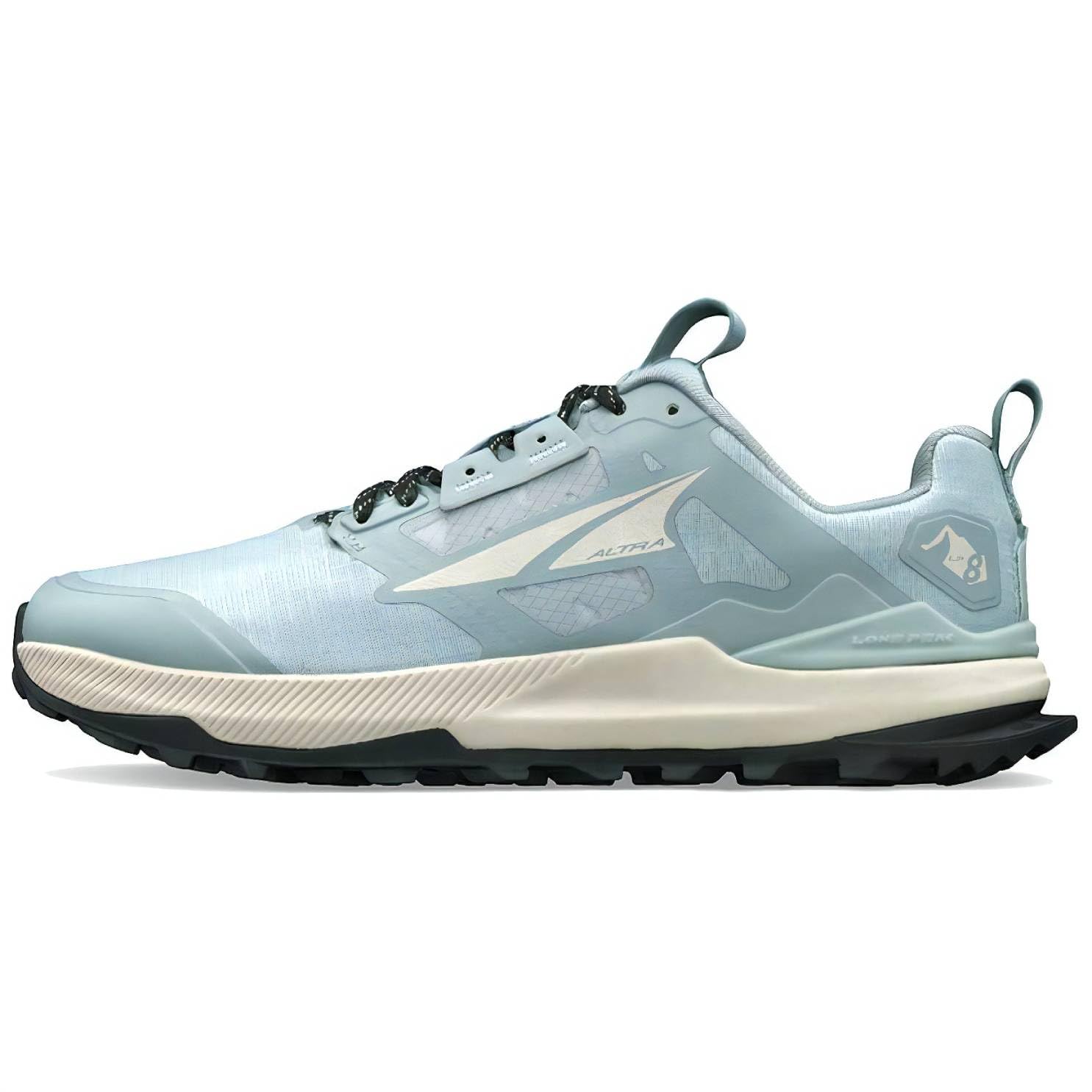
ALTRA’s Lone Peak 8 is a legend in the trail community for good reason — its FootShape toe box allows your toes to spread naturally while the 25mm stack height offers more protection than a true minimalist shoe, making it ideal for rocky technical terrain. The zero-drop platform keeps your posture aligned, and the grippy MaxTrac outsole delivers solid traction on loose dirt, rock, and steep descents. For hikers who want barefoot principles with more underfoot cushion for sharp rocks, this hits the sweet spot.
Long-term users are fiercely loyal — one reviewer noted this is their sixth pair because no other shoe offers the same wide toe box with zero break-in discomfort. The shoe is lightweight, comfortable straight out of the box, and compatible with gaiters for serious backcountry use. The toe guard protects the fabric from scuffs, and the dark upper hides trail grime well. Many report walking 5-7 miles with zero foot fatigue or rubbing.
It’s worth noting this shoe is not water-resistant, and the mesh upper can soak through in wet conditions. Some users find the 25mm stack too thick for a proper ground feel, preferring a thinner sole. Sizing can be tricky — half-size up is recommended if you have wider feet or plan to wear thicker socks. For those who split time between moderate trails and everyday walking, it’s a brilliant compromise.
Why it’s great
- No break-in needed — comfortable immediately
- Excellent traction on loose and rocky terrain
- Wide FootShape toe box eliminates rubbing and fatigue
Good to know
- Not water-resistant — mesh soaks through quickly
- 25mm stack reduces ground feel for purists
- Sizing runs small — half size up recommended
3. Xero Shoes Prio Neo
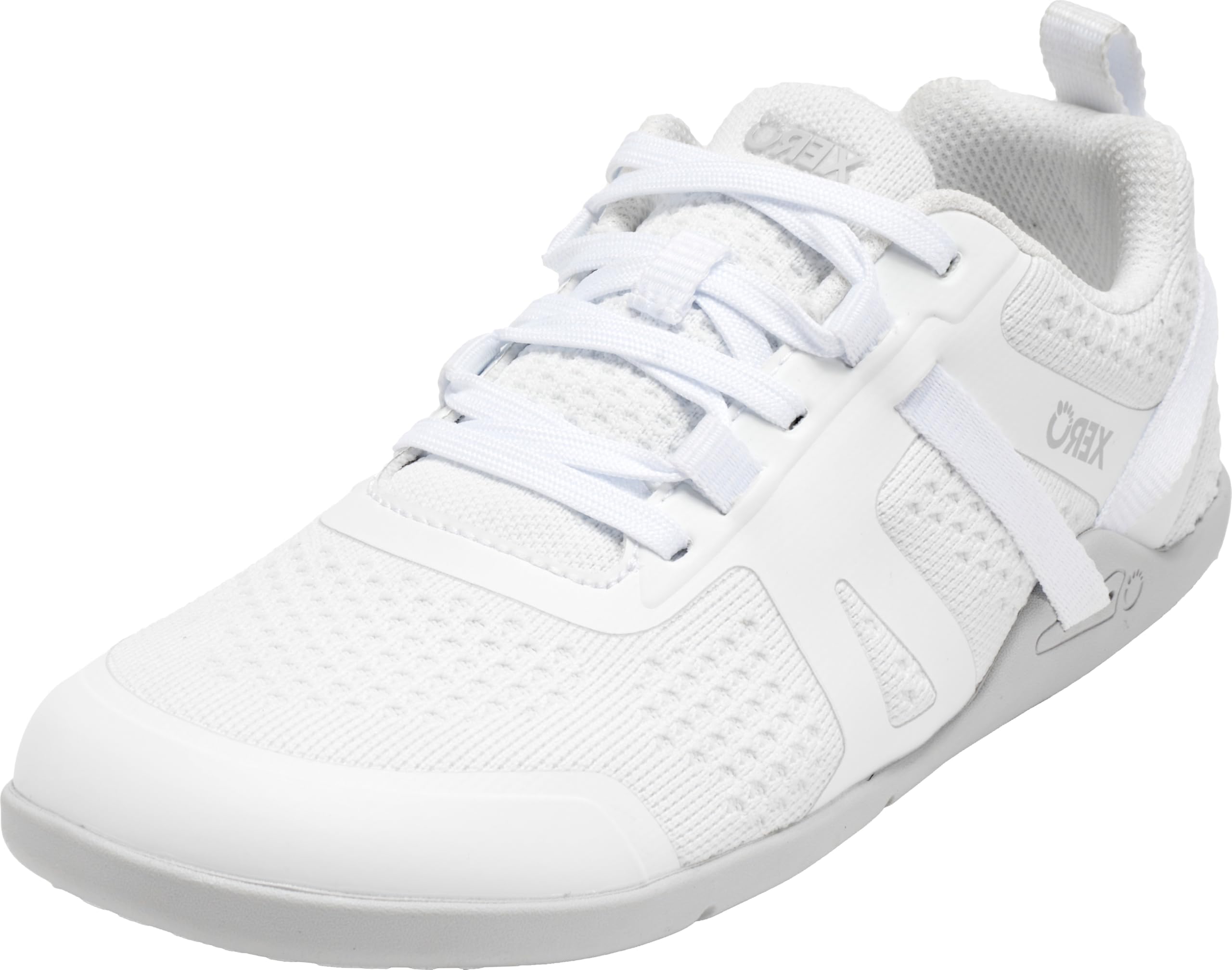
Xero Shoes built the Prio Neo as a cross-training barefoot shoe, and it works beautifully for walking, gym sessions, and casual daily wear. The 5.5mm FeelTrue sole gives you a direct connection to the ground — you’ll feel the texture of pavement, grass, and gym mats. The removable insole lets you go even thinner if you want a more intense barefoot experience. The stretchy knit upper wraps your foot like a slipper, and the wide toe box allows full splay without the shoe feeling oversized.
Reviewers transitioning from traditional running shoes report that the Prio Neo forced them to switch from a heavy heel strike to a more natural forefoot strike, which alleviated chronic knee and hip pain. One user noted that after a week of walking in these, they could no longer wear their old Brooks without discomfort — a sign that the foot is strengthening. The shoe is stable, flexible, and surprisingly comfortable straight out of the box with no rubbing or hotspots.
On the downside, the laces are ridiculously long and can come undone if they catch on the other shoe while walking. Some users prefer the feel of the removable insole left in, as the bare sole can feel a bit too minimal on hard surfaces for beginners. The styling is also somewhat casual — it won’t pass as formal footwear. For a do-it-all barefoot shoe under the premium threshold, the Prio Neo punches well above its weight.
Why it’s great
- Excellent ground feel with 5.5mm thin sole
- Helps transition to forefoot strike, reducing joint pain
- Removable insole for adjustable barefoot intensity
Good to know
- Laces are overly long and can come untied
- Very minimal sole — may feel sharp on hard floors
- Casual styling won’t suit dressier occasions
4. New Balance Minimus Trail V1
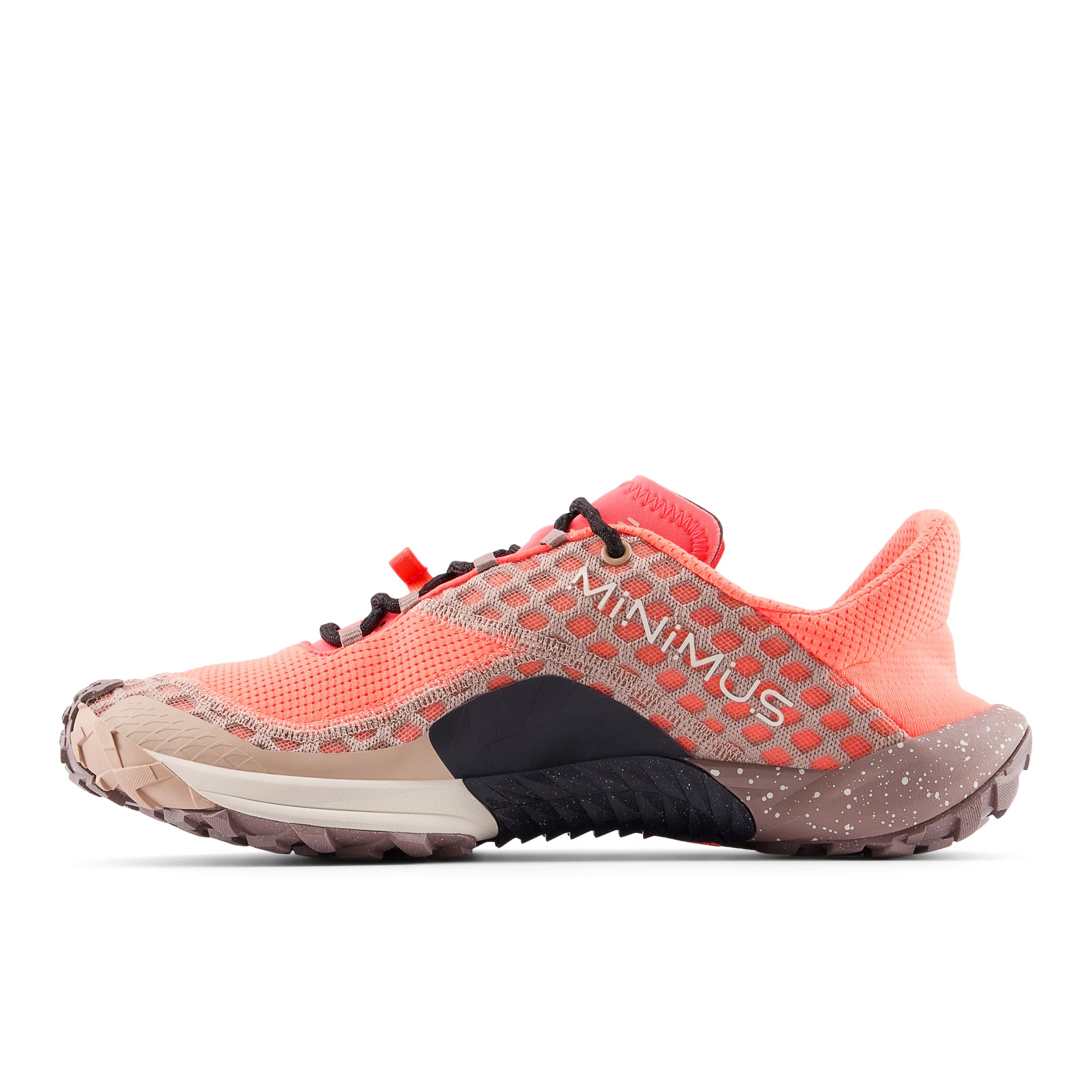
The New Balance Minimus Trail V1 is a reintroduction of a cult classic — a zero-drop trail shoe with a moderate EVA insole that offers just enough cushion for light running and fast hiking without deadening ground feedback. The outsole traction is excellent on smooth trails, shedding water and mud quickly. The upper is lightweight and breathable, making it a good warm-weather choice. For those who want a barefoot experience with a touch more underfoot protection, this is a compelling pick.
Fans of the original Minimus line praise this version for its comfortable, true-to-size fit and durable construction. One reviewer mentioned it’s their go-to for summer trail runs and rainy conditions because of how fast it dries. The shoe is extremely light — you almost forget you’re wearing it — and the zero-drop platform helps with balance issues. The moderate cushion level is ideal for runners who want to avoid the harshness of a true 5mm sole on packed dirt and gravel.
However, the internal toe box is noticeably narrow compared to other barefoot shoes. Users with wide feet report that it pinches at the midfoot, and there’s minimal padding around the ankle collar. The sole is slightly thicker than true minimalist shoes, so hardcore barefoot purists may find the ground feel lacking. It also lacks a rock plate, meaning sharp stones can be felt underfoot. Best suited for smooth, groomed trails rather than technical, rocky paths.
Why it’s great
- Excellent traction on smooth and wet trails
- Very lightweight and breathable for warm weather
- Moderate cushion offers comfort without losing feel
Good to know
- Narrow toe box — not suitable for wide feet
- No rock plate — sharp stones are noticeable
- Minimal ankle collar padding
5. Hike Footwear HF Stride
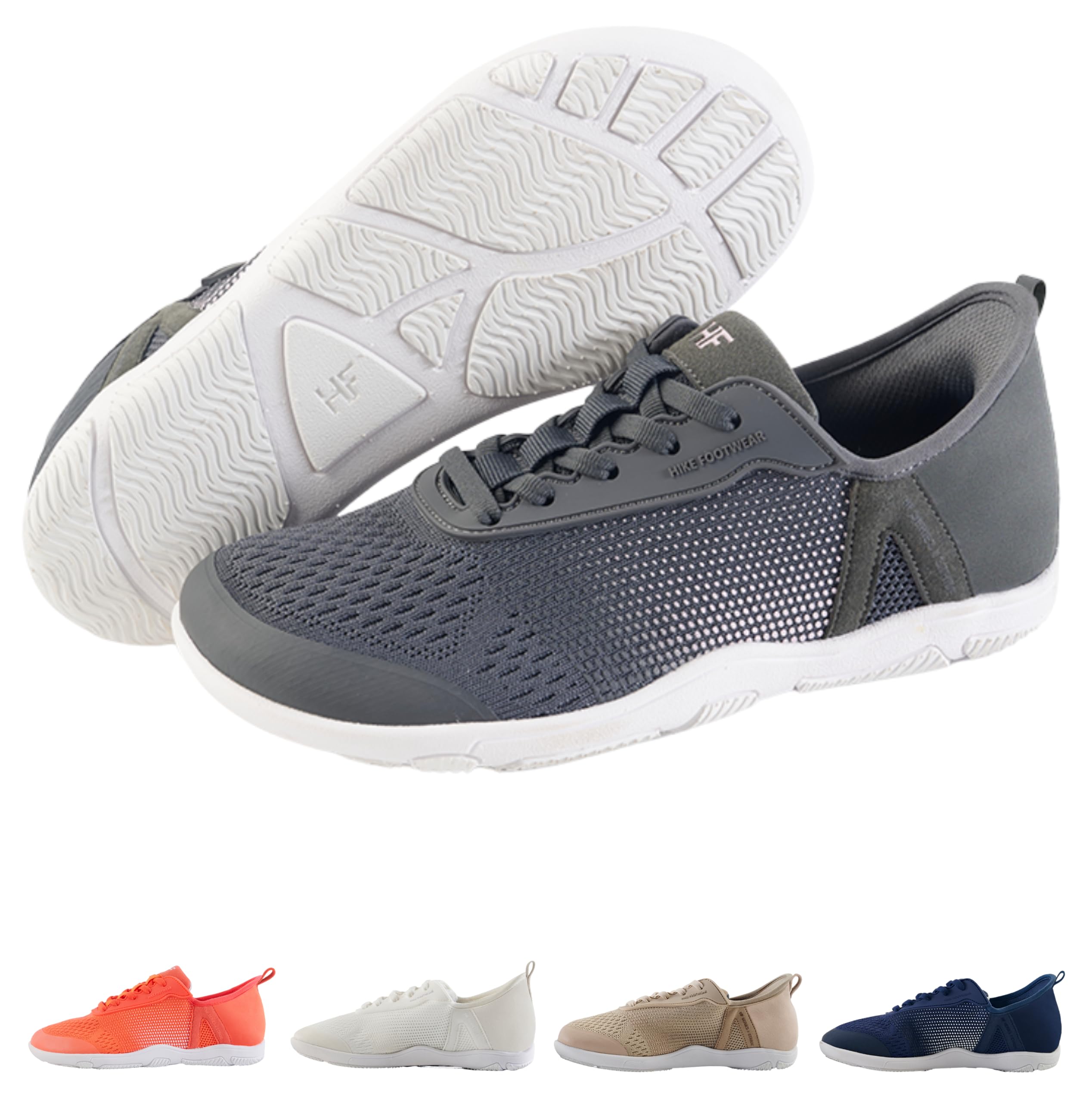
The Hike Footwear HF Stride is a budget-friendly entry point into the barefoot world that doesn’t cut corners on the essentials: a wide toe box, thin flexible sole, and zero-drop geometry. At just under the premium threshold, it offers an ultra-light, slip-on design that makes it easy to wear around the house, for errands, or as a transition shoe for those new to barefoot walking. The stretchy upper conforms to the foot without pressure points, and the low stack height delivers solid ground feel.
Reviewers report immediate improvements in balance and a noticeable reduction in back, hip, and knee pain after just a week of daily wear. One user with previous balance issues found they could walk more steadily and with better confidence. The shoe is roomy enough to wear with or without socks, and the lace-free design means no dealing with knots. Multiple buyers mentioned ordering a second pair because the first was just that comfortable for everyday life.
Durability questions linger — the thin sole may wear faster than thicker alternatives, and the stretch lace system can feel loose if not adjusted properly. Sizing is tricky; half-size up is recommended for those between sizes. The aesthetic is also distinctly casual; it looks like a sock-shoe hybrid. For a low-commitment price point that lets you test barefoot principles without a big investment, the HF Stride is a strong contender.
Why it’s great
- Immediately improves balance and reduces joint pain
- Ultra-light and easy slip-on design
- Roomy toe box with comfortable stretch upper
Good to know
- Thin sole may wear out faster
- Stretch lace system can feel loose
- Sizing runs small — half size up recommended
6. Hike Footwear Theora Pro
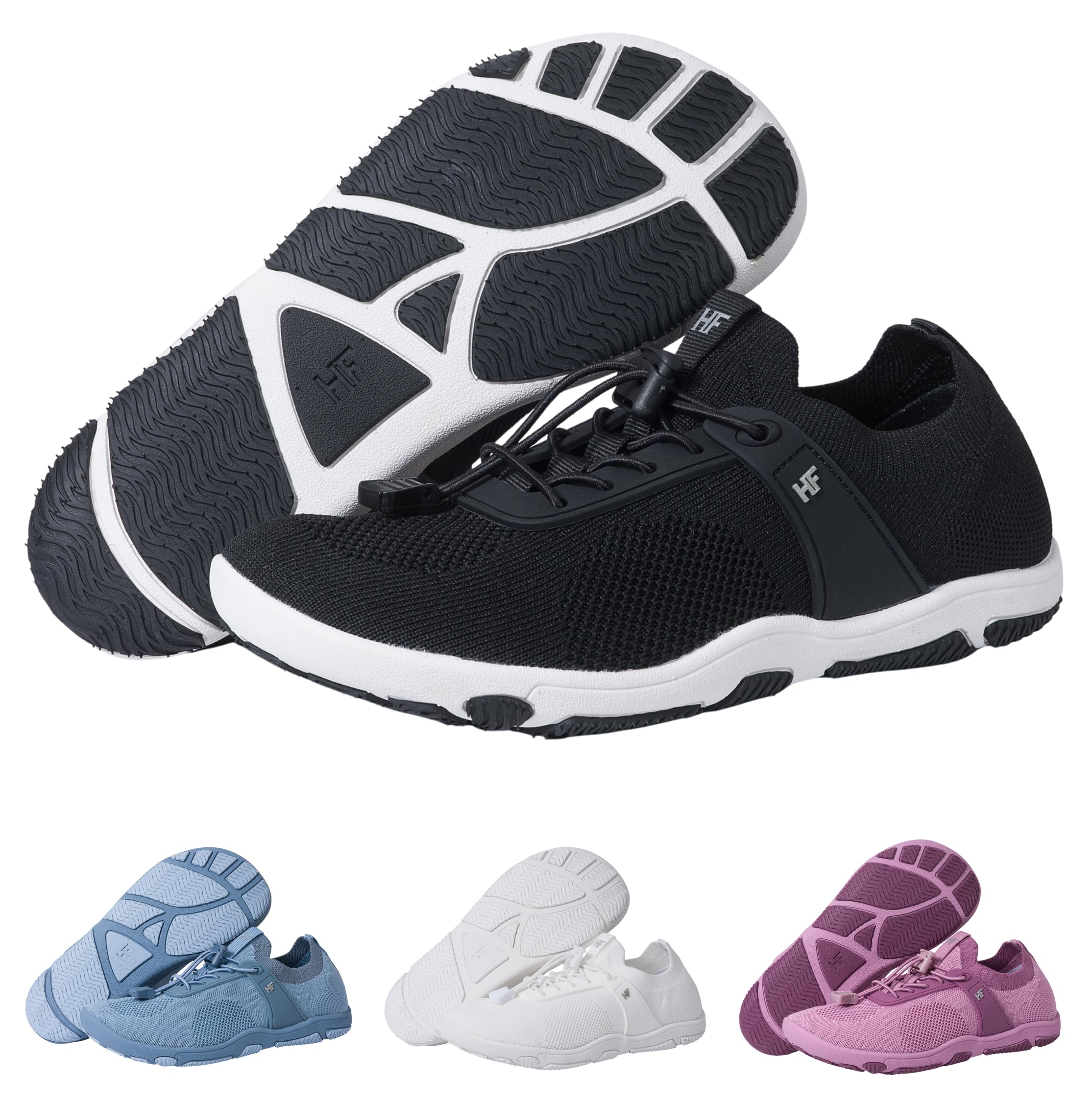
The Theora Pro from Hike Footwear stands out for its water-resistant upper and pull-on design, making it a practical choice for wet morning walks and casual hiking. The square toe box allows ample room for toe splay, and the stretchy knit body accommodates arthritic joints comfortably. It’s one of the more accommodating barefoot shoes for those with foot deformities or swelling, as the upper stretches without creating pressure points.
Buyers with difficulty walking report that the Theora Pro provides a stable, comfortable platform that helps them move more confidently. The shoe holds the foot securely with no slipping or flopping inside, which is often a problem with wide toe box designs. The flat, zero-drop sole encourages a natural gait, and the wide toe box means toes are never pinched together. For those who need extra room for orthotics, the design works well.
The main criticism is the lack of a tongue — the pull-on style can be very difficult to get on, especially for those with limited mobility or high arches. Some users who sized up to make entry easier found the shoe too large once on. The arch support is also minimal, which is expected for barefoot, but some wanted more structure for all-day standing. If you can get the fit right and don’t mind the ease-of-entry struggle, the Theora Pro is a solid budget-oriented barefoot hiker.
Why it’s great
- Water-resistant upper for wet conditions
- Stretchy knit accommodates arthritis and swelling
- Wide toe box with secure foot hold, no slipping
Good to know
- Pull-on style without tongue is hard to get on
- Minimal arch support for all-day standing
- Sizing is tricky — can be too large if sized for easier entry
7. NORTIV 8 Men’s Whitney
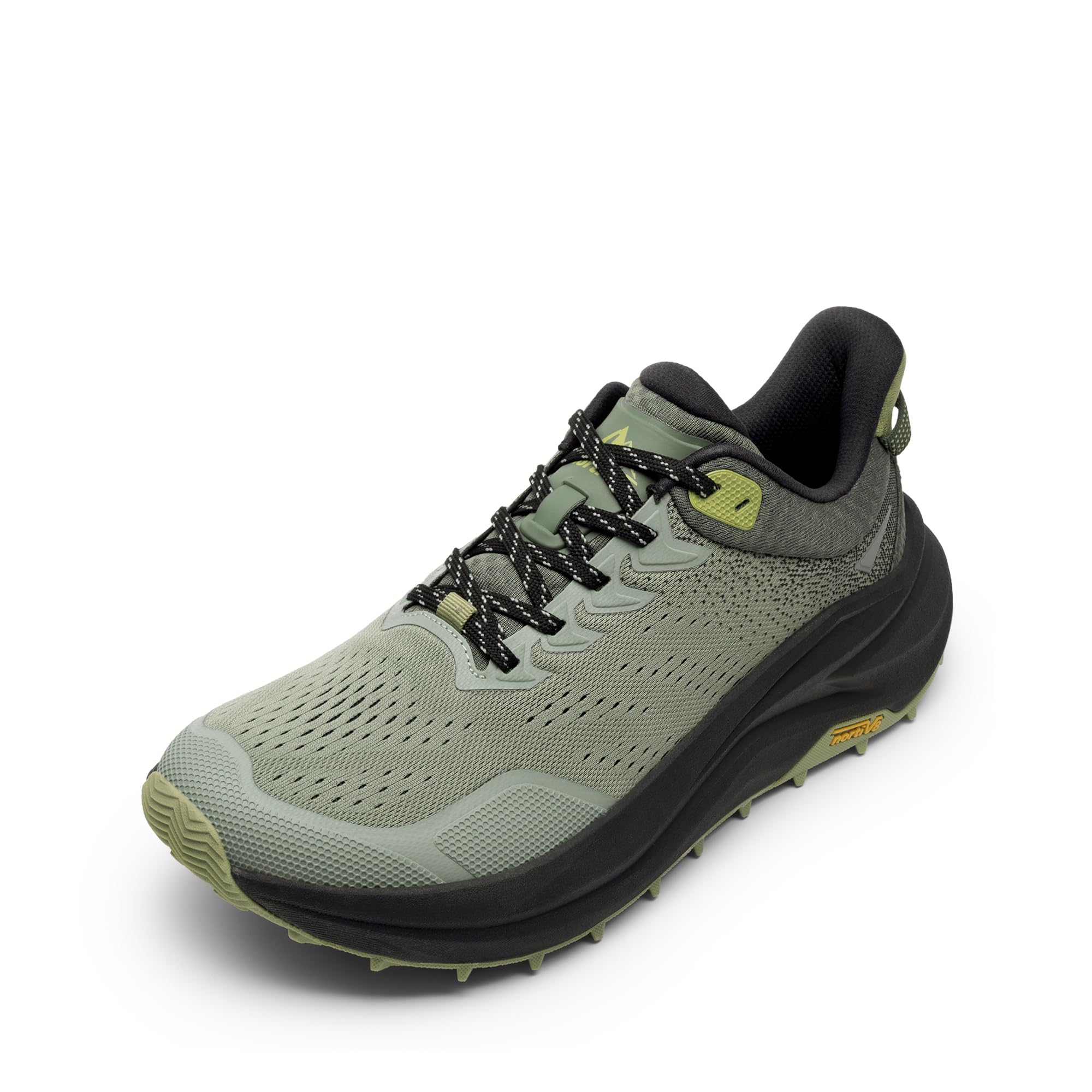
The NORTIV 8 Whitney is the most affordable option in this guide, and it delivers surprising value for healthcare workers and anyone standing all day on hard floors. The wide toe box is genuinely roomy — multiple nurses and hospital staff report it accommodates long shifts without crushing toes. The 5mm drop is slightly higher than true zero drop, but still much lower than conventional shoes, offering a middle ground for those not ready for a full barefoot commitment. The outsole has deep lugs that grip wet hospital floors and muddy trails alike with confidence.
Customer feedback highlights immediate comfort with no break-in period. One user put 300+ miles of technical trail running on a pair with zero signs of sole separation or upper failure. Another reviewer with Morton’s neuroma found the wide toe box and firm midsole provided significant relief. The lace-up closure gives good adjustability, and the shoe is true to size for most wearers. For the price, it’s hard to beat the value proposition.
The trade-offs are clear: the shoe is slightly heavier than other barefoot options, the cushioning is minimal for running, and the colorway is limited — there’s no all-black option for healthcare settings. The heel-toe drop of 5mm means it’s not true barefoot, which may matter to purists. But for someone on a budget who needs a durable, wide-toe shoe for long shifts or outdoor walks, the NORTIV 8 is a fantastic starting point.
Why it’s great
- Excellent value — affordable and very durable
- Wide toe box ideal for healthcare and all-day standing
- Great traction with deep lugs on various surfaces
Good to know
- 5mm drop — not true zero drop for purists
- Slightly heavier than minimalist barefoot shoes
- Minimal color options, no all-black model
FAQ
How long does it take to transition to barefoot walking shoes?
Can I wear barefoot shoes if I have flat feet or plantar fasciitis?
Are barefoot shoes good for running or just walking?
Final Thoughts: The Verdict
For most users, the best barefoot walking shoes winner is the FLUX FOOTWEAR Adapt Runners because it combines unrivaled durability, a genuinely wide anatomical toe box, and zero-drop geometry that supports flat feet and high-mileage days without breaking down. If you want a lighter feel for trail running with extra protection, grab the ALTRA Lone Peak 8. And for a budget-friendly entry point that helps improve balance and reduce joint pain, nothing beats the Hike Footwear HF Stride.

Mo Maruf
I created WellFizz to bridge the gap between vague wellness advice and actionable solutions. My mission is simple: to decode the research and give you practical tools you can actually use.
Beyond the data, I am a passionate traveler. I believe that stepping away from the screen to explore new environments is essential for mental clarity and physical vitality.