Our readers keep the lights on and my smoothie glass nicely filled. As an Amazon Associate, I earn from qualifying purchases.
A bad night’s sleep in the backcountry doesn’t just leave you sore—it saps your energy, drops your core temperature, and can ruin a multi-day route before lunch on day one. The difference between restorative rest and a miserable night on hard, cold ground comes down to one piece of gear: the slim pad rolled up at the bottom of your pack. Finding the right balance of warmth, weight, and packable volume is the single most important comfort decision for anyone who sleeps in a tent.
I’m Mohammad Maruf — the founder and writer behind WellFizz. I’ve spent hundreds of hours analyzing material specs, insulation architectures, field-test data, and real-world customer experiences to separate marketing spin from genuine performance in backpacking sleep systems.
This guide walks through the top contenders for the best backpacking mattress, comparing R-value, thickness, packed size, and durability so you can match the right pad to your trail conditions and budget.
How To Choose The Best Backpacking Mattress
Selecting a sleeping pad for the trail involves more than picking the thickest model. Your pack has finite volume, your tent floor is rarely flat, and ground temperatures can drop well below what your sleeping bag alone can handle. Every pad represents a direct trade-off between weight, packed size, insulation, and comfort. Here are the three specs you need to understand before you buy.
R-Value and seasonal temperature range
R-value measures a pad’s resistance to conductive heat loss into the ground. A rating of 2.0 or lower is strictly summer use. Pads between 3.0 and 4.5 work for three-season backpacking down to about 20°F. Ratings above 5.0 handle winter conditions below freezing. A foam-free pad with reflective film (like ThermaCapture or Thermal Mirror) can hit high R-values without adding bulk, while synthetic microfiber insulation (like Exped’s SYNMAT) offers reliable warmth that won’t shift over time. If you plan to camp in shoulder seasons, aim for at least 4.5.
Weight, packed volume, and fabric denier
Ultralight backpackers target pads under 20 ounces and a packed size comparable to a 1-liter water bottle. Thinner 20D or 30D nylon fabrics keep weight down but are less puncture-resistant than 40D or 70D ripstop. Premium pads using 20D ripstop with TPU lamination shave ounces at the cost of needing more careful ground-site selection. A higher denier bottom fabric—like the 70D on Therm-a-Rest’s XTherm NXT—adds expedition-grade durability for rocky alpine sites but adds a few extra ounces. Choose the fabric weight that matches your terrain, not your pack list.
Thickness, baffle construction, and inflation system
Thicker pads (3 inches and above) prevent hips and shoulders from bottoming out, especially for side sleepers. Baffle design matters: horizontal baffles reduce rolling off, while vertical chambers (Spaceframe or I-Beam) distribute weight more evenly. A pump sack or Schnozzel bag inflates the pad in under a minute without introducing moisture—critical in cold weather when breath condensation can freeze inside the valve. Pads with dual-valve systems (one for inflation, one for fast deflation) shave minutes off camp breakdown.
Quick Comparison
On smaller screens, swipe sideways to see the full table.
| Model | Category | Best For | Key Spec | Amazon |
|---|---|---|---|---|
| Therm-a-Rest NeoAir XTherm NXT | Winter Insulated | Extreme cold below 20°F | 7.3 R-Value / 15.5 oz | Amazon |
| TREKOLOGY UL R7 | All-Season Value | Cold-weather budget builds | 7.2 R-Value / 32 oz | Amazon |
| NEMO Tensor All-Season | Ultralight Insulated | Gram-conscious thru-hikers | 3.5 in thick / 17.6 oz | Amazon |
| Big Agnes Rapide SL | Wide Comfort | Side sleepers needing width | 4.25 in / 4.8 R-Value | Amazon |
| Therm-a-Rest NeoAir XLite NXT | Ultralight 3-Season | Fastpackers and vol squeezers | 4.5 R-Value / 11.5 oz | Amazon |
| Exped Ultra 3R | Shoulder-Season | Thru-hikers on a budget | 3.2 R-Value / 18.5 oz | Amazon |
| Naturehike 27oz Insulated | Budget Lightweight | Entry-level thru-hikers | 4.6 R-Value / 27.2 oz | Amazon |
In‑Depth Reviews
1. Therm-a-Rest NeoAir XTherm NXT

The XTherm NXT is the gold standard for alpine and winter backpacking. Its 7.3 R-value comes from ThermaCapture reflective film paired with Triangular Core Matrix baffles, trapping body heat without relying on heavy foam. At 15.5 ounces for a Regular, it’s lighter than many three-season pads with half the insulation.
The 70-denier ripstop nylon bottom fabric resists punctures from rocky tent pads and crampon scrapes far better than the 20D and 30D fabrics used on ultralight competitors. The WingLock valve works reliably with gloved hands, and the included pump sack inflates the pad in under a minute without introducing moisture. Users consistently report staying warm below 10°F when paired with an appropriate sleeping bag.
The trade-off is some crinkle noise when shifting positions at night, though the NXT generation has reduced this compared to earlier versions. The tapered regular shape may feel narrow for broad-shouldered side sleepers, who should consider the wide/long variant. Some units have been reported with slow leaks, so testing before a multi-day trip is a wise precaution.
Why it’s great
- Best R-value-to-weight ratio on the market
- Expedition-grade 70D bottom fabric
- WingLock valve works easily in cold conditions
Good to know
- Crinkle noise when moving, though improved
- Regular size is narrow for side sleepers
- Premium price reflects winter-rated performance
2. TREKOLOGY UL R7
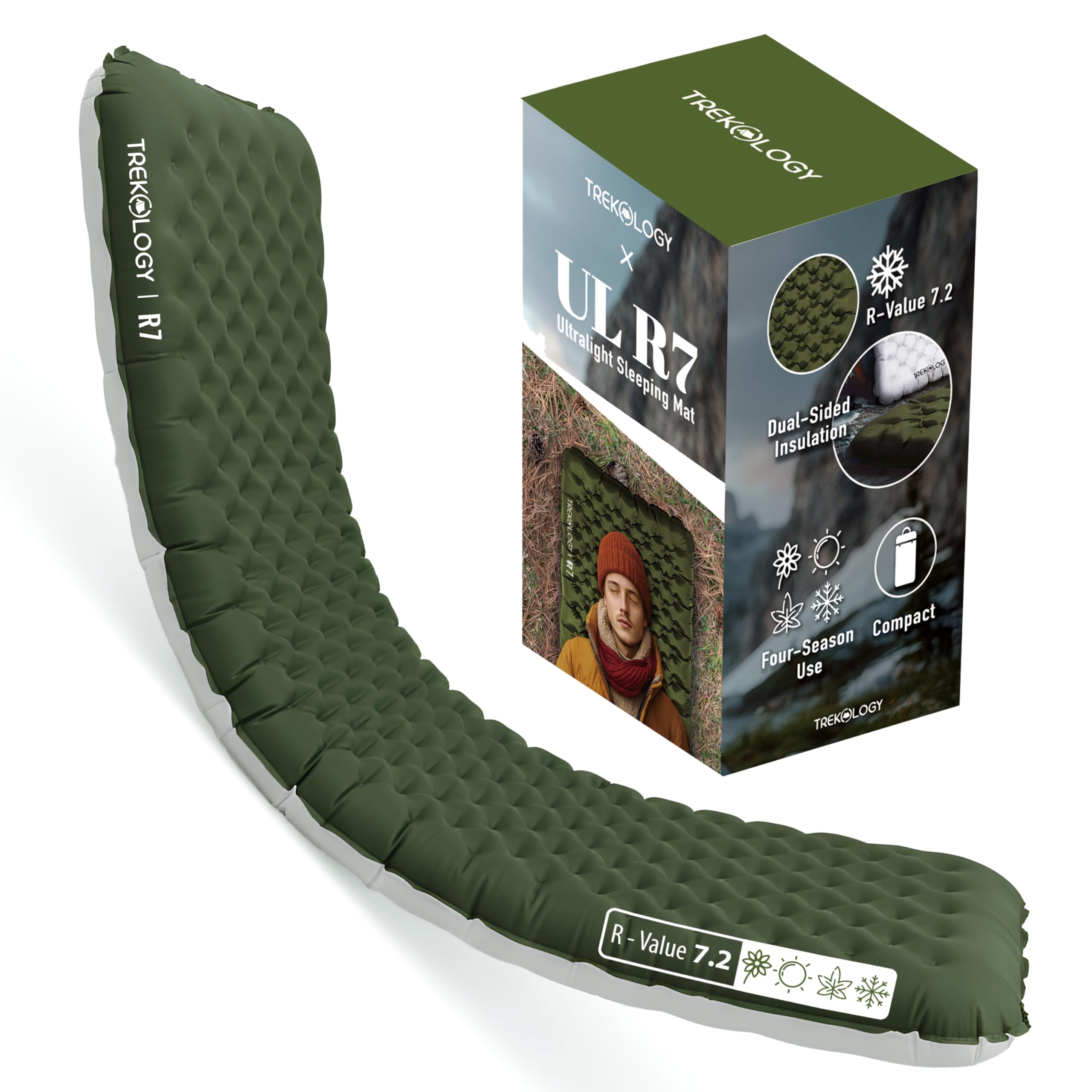
The TREKOLOGY UL R7 punches far above its price tier with a certified 7.2 R-value that competes with pads costing three times as much. The 4-inch thickness prevents bottoming out for side sleepers, and the 40D ripstop nylon with TPU coating offers genuine durability for rough campsites. At 2 pounds, it’s heavy for ultralight pursuits, but the warmth-to-weight ratio is still impressive for cold-weather trips where insulation is the priority.
Real-world tests confirm the pad kept users warm in sub-freezing temperatures well into the teens. The anti-leak valve design inflates and deflates quickly, though some users note the foil-like insulation layer can slow full deflation when rolling the pad. The included carry bag is functional but tight; users recommend practicing the roll at home before heading out.
The surface material is slippery against nylon sleeping bags, and several users suggest adding a shelf liner or non-slip mat underneath to prevent sliding on sloped tent floors. The pad packs down to roughly water-bottle size, which is reasonable for this level of insulation. If you camp in cold weather on a budget, this is the standout pick.
Why it’s great
- 7.2 R-value at a budget-friendly price
- Thick 4-inch profile comfortable for side sleepers
- Durable 40D fabric resists punctures
Good to know
- Weighs 2 lbs, too heavy for ultralight packing
- Slippery surface may require a mat underneath
- Deflation can be slow due to insulation
3. NEMO Tensor All-Season – Regular
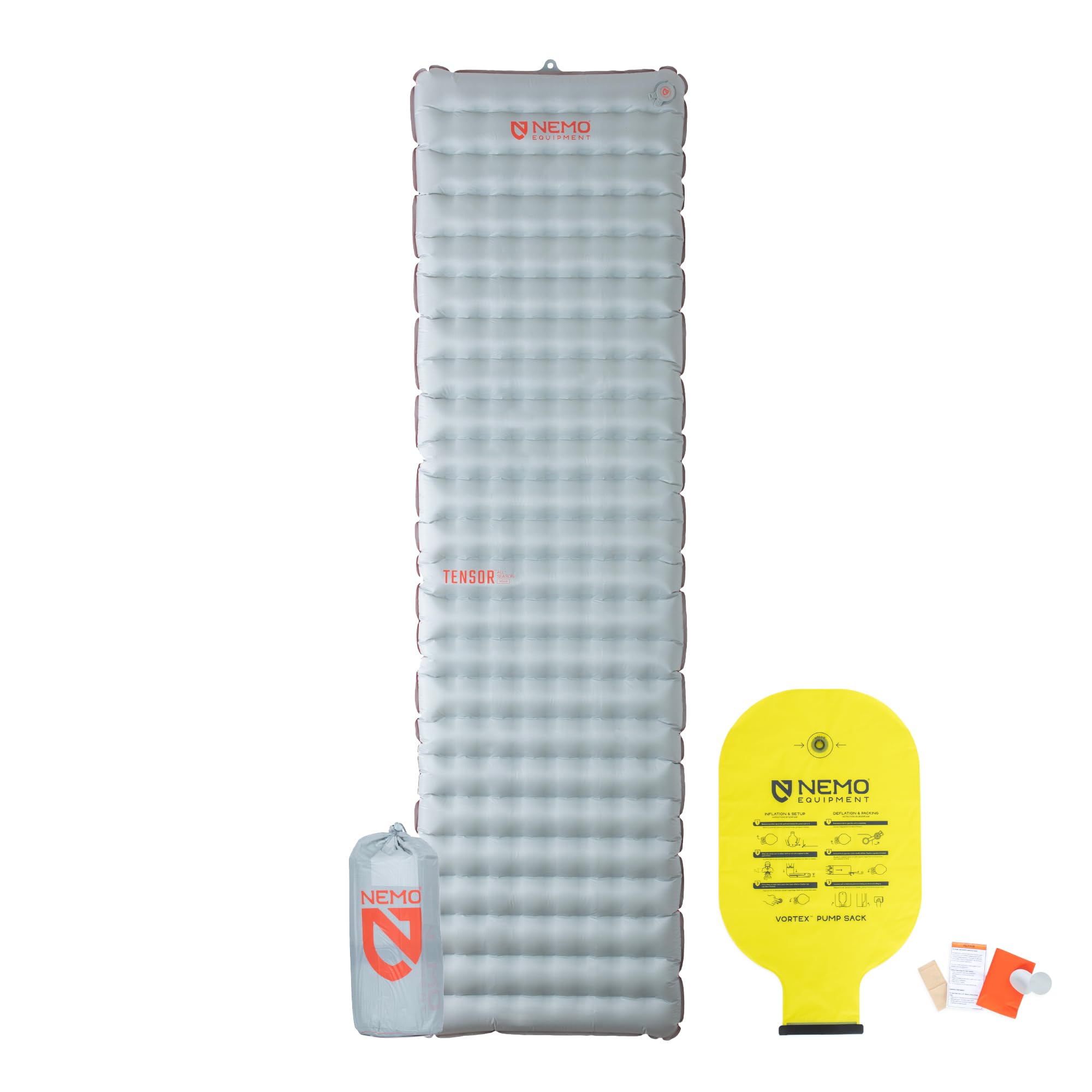
The Tensor All-Season uses two layers of floating Thermal Mirror metallized film to deliver excellent insulation without the crinkle noise typical of reflective pads. At 17.6 ounces, it’s a strong contender for thru-hikers who need warmth but refuse to carry a heavy pad. The Spaceframe baffle system uses low-stretch trusses to eliminate the springy bounce that makes some air mattresses feel unstable.
The bluesign-approved 20D nylon fabric keeps weight down, but users report it requires careful site selection to avoid punctures on sharp ground. The pad survived 18°F nights in a hammock setup, and owners note it stays quiet enough that tent neighbors won’t hear every shift. The included inflation sack works well, though some prefer using a FlexTail electric inflator for even faster setup.
At 20 inches wide in Regular size, the Tensor feels narrow for broad-shouldered users, and NEMO makes a wider version for a reason. The high price reflects the premium insulation technology and lifetime warranty. For weight-conscious backpackers who sleep warm, this pad hits a near-perfect balance of mass and thermal efficiency.
Why it’s great
- Very quiet for an insulated pad
- Excellent warmth-to-weight ratio at 17.6 oz
- Spaceframe baffles are stable and not bouncy
Good to know
- 20D fabric requires careful ground site selection
- Regular width is narrow for wide shoulders
- Premium price point
4. Big Agnes Rapide SL – Wide Long

The Rapide SL delivers a genuinely spacious sleep platform without excessive weight. At 25 inches wide and 4.25 inches thick, it comfortably accommodates side sleepers who toss and turn. The quilted top creates a pillowy feel, while the offset I-Beam construction reduces the bounce that plagues cheaper air mattresses. The 4.8 R-value comes from two layers of heat-reflective film, making it suitable for three-season use down to about 15°F.
The superlight double ripstop nylon with aviation-grade TPU lamination is impressively quiet—users consistently note the absence of crinkle noise. The high-volume valve system works with the included Pumphouse sack to inflate the pad in roughly four minutes, and the micro-adjustment toggle lets you fine-tune firmness without losing air. One reviewer used the 50×78 double-wide solo for the extra space and praised its durability and packability.
At 25 ounces in the Wide Long size, it’s heavier than ultralight pads like the Tensor or XLite NXT, but the width and thickness make it a favorite among users who prioritize comfort over shaving grams. The packed size is slightly larger than a 1-liter bottle. For backpackers who hate feeling trapped in a narrow sleeping pad, this is the top choice.
Why it’s great
- 25-inch width is luxurious for side sleepers
- Quiet fabric with no crinkle
- Quilted top provides a plush sleep surface
Good to know
- 25 oz heavier than ultralight competitors
- Packs larger than a 1-liter bottle
- Premium cost for the size and features
5. Therm-a-Rest NeoAir XLite NXT – Regular Small

The XLite NXT is the pad that defined the ultralight category. At 11.5 ounces in Regular Small size, it’s one of the lightest insulated sleeping pads you can buy, yet it delivers a genuine 4.5 R-value with ThermaCapture reflective technology. The 3-inch baffled internal structure provides enough support for side sleepers up to about 180 pounds, and the WingLock valve makes inflation and deflation fast and reliable.
The NXT generation dramatically reduced the crinkle noise that plagued earlier XLite versions. Users report it’s now comfortable to sleep on without earplugs. The packed size is roughly the same as a 1-liter water bottle, which is remarkable for the warmth it provides. The included pump sack works well, though some users find the fabric thin enough to warrant careful ground site selection.
The Regular Small size measures 66×20 inches, which is fine for average-height users but short for anyone over 6 feet. The Thin fabric (20D) is less puncture-resistant than heavier denier alternatives, and a few units have been reported with valve defects from the factory. For gram-obsessed backpackers who move fast and light, this pad remains the benchmark.
Why it’s great
- Ultralight at 11.5 oz with 4.5 R-value
- NXT generation is much quieter than before
- Packs down to water-bottle size
Good to know
- 20D fabric is less puncture-resistant
- Regular Small size is short for tall users
- Some valve defects reported on early units
6. Exped Ultra 3R
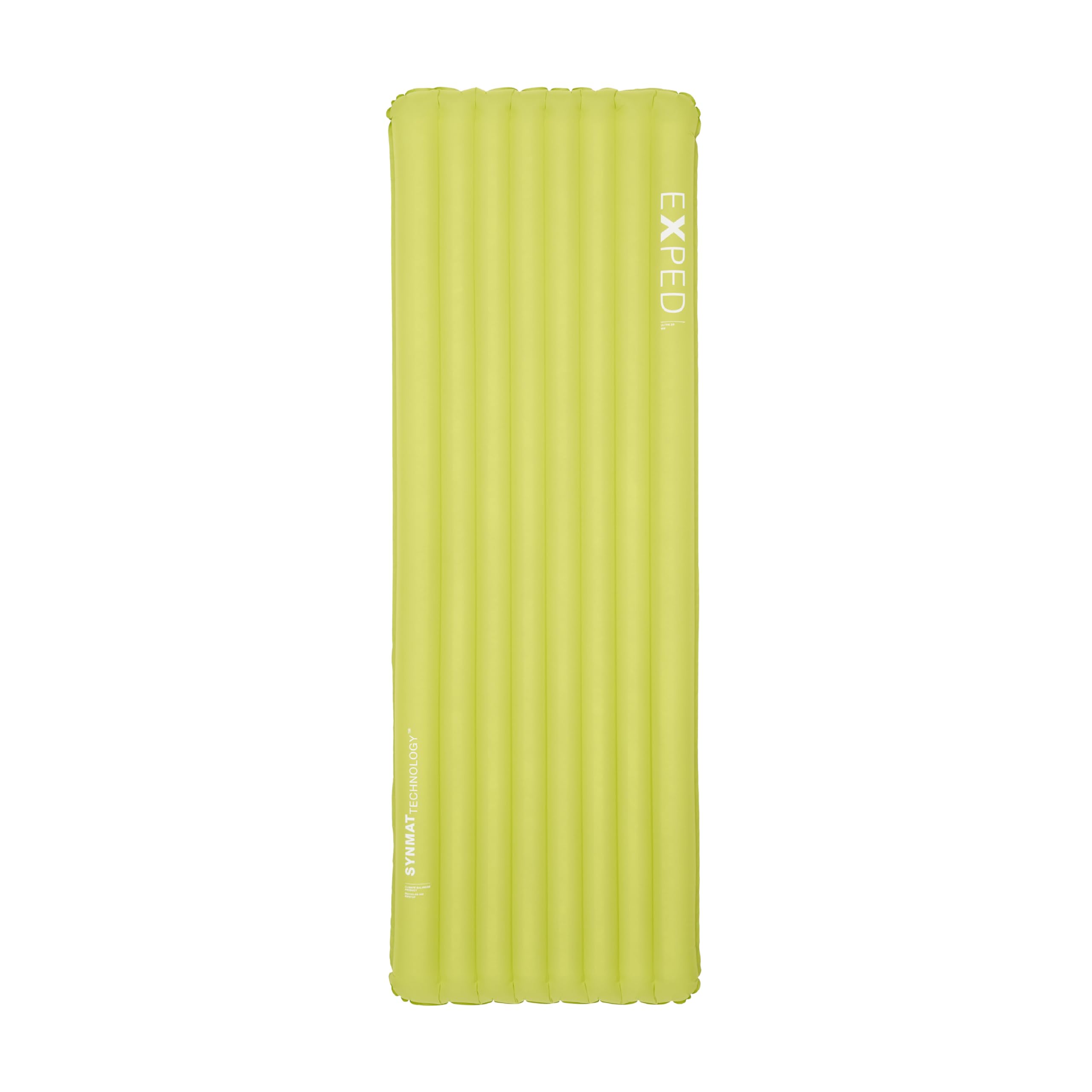
The Exped Ultra 3R uses SYNMAT technology—recycled synthetic microfiber insulation welded directly to the air chambers—to eliminate cold spots without the crinkle of reflective foil. The 3.2 R-value is best for summer and shoulder-season backpacking where nighttime temperatures stay above freezing. The 3.5-inch thickness paired with Comfort Cradle side rails keeps you centered on the pad, even on uneven tent floors.
The 20D recycled ripstop polyester face fabric feels soft against sleeping bags and packs down to a compact cylinder. The Schnozzel pumpbag inflates the pad in under four full squeezes without introducing moisture, and the repair kit ensures you’re not stranded by a puncture. Users consistently report full nights of comfortable sleep at temperatures as low as 38-40°F, and side sleepers note hips never touch the ground.
The 3.2 R-value is inadequate for cold-weather camping, and the pad is noticeably thinner than premium insulated rivals despite the 3.5-inch spec. Some users wish the included pump sack had a more intuitive connection system. For budget-conscious hikers who rarely face freezing temps, this is a solid, lightweight choice with recycled materials as a bonus.
Why it’s great
- SYNMAT insulation is quiet and warm
- Comfort Cradle rails reduce roll-off
- Recycled materials with good packability
Good to know
- 3.2 R-value not suitable for freezing conditions
- Pump sack connection can be fiddly
- Thinner than premium insulated alternatives
7. Naturehike 27oz Insulated Sleeping Pad – XL
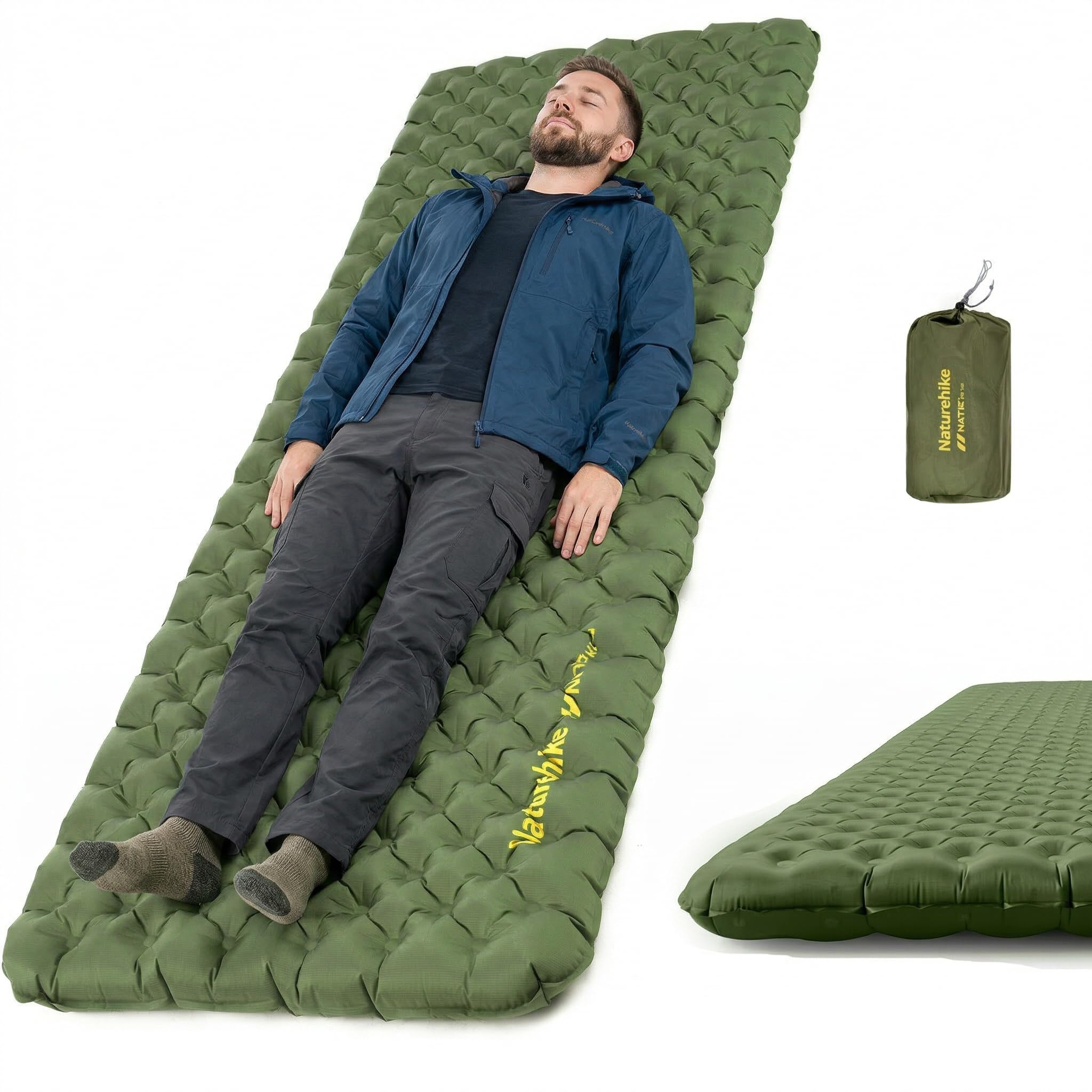
The Naturehike 27oz Insulated pad brings a 4.6 R-value and an eight-layer aluminum-molded insulation structure to a price that undercuts big-brand competitors by a wide margin. The NKTR AIR heat-reflective system circulates warmth through three-dimensional chambers, and the claimed temperature rating goes down to -4°F. The 3.2-inch thickness provides decent cushion for side sleepers, and the XL size (77×25 inches) offers generous width for rolling over.
The 20D nylon TPU material is lightweight and packs down to roughly the size of a large grapefruit. The dual-vent valve allows rapid deflation, though users note the included pump sack can be confusing to attach without clear instructions. Once inflated, the pad holds air well and provides excellent warmth for its weight class. Users have tested it in temperatures near freezing and report comfortable, warm sleep without cold spots.
The foam-free design means some heat is lost through weight displacement on the ground, and the thin fabric is best paired with a ground sheet or foam pad for puncture protection on sharp sites. The pump sack works as a dry bag in a pinch, adding versatility. For backpackers who need insulated performance on a tight budget, the Naturehike delivers more R-value per dollar than anything else in this guide.
Why it’s great
- 4.6 R-value at a very low price point
- Eight-layer insulation is genuinely warm
- XL size offers 25-inch width
Good to know
- Pump sack instructions are confusing
- Fabric is thin and puncture-prone
- Weight at 27 oz is not ultralight
FAQ
What R-value do I need for winter backpacking?
How do I inflate a sleeping pad in cold weather?
Is a wider pad always better for side sleepers?
Final Thoughts: The Verdict
For most users, the best backpacking mattress winner is the Therm-a-Rest NeoAir XTherm NXT because it delivers the highest insulation-to-weight ratio on the market with expedition-grade bottom fabric. If you want wide, cushioned comfort for side sleeping, grab the Big Agnes Rapide SL. And for budget-friendly cold-weather trips, nothing beats the TREKOLOGY UL R7.

Mo Maruf
I created WellFizz to bridge the gap between vague wellness advice and actionable solutions. My mission is simple: to decode the research and give you practical tools you can actually use.
Beyond the data, I am a passionate traveler. I believe that stepping away from the screen to explore new environments is essential for mental clarity and physical vitality.