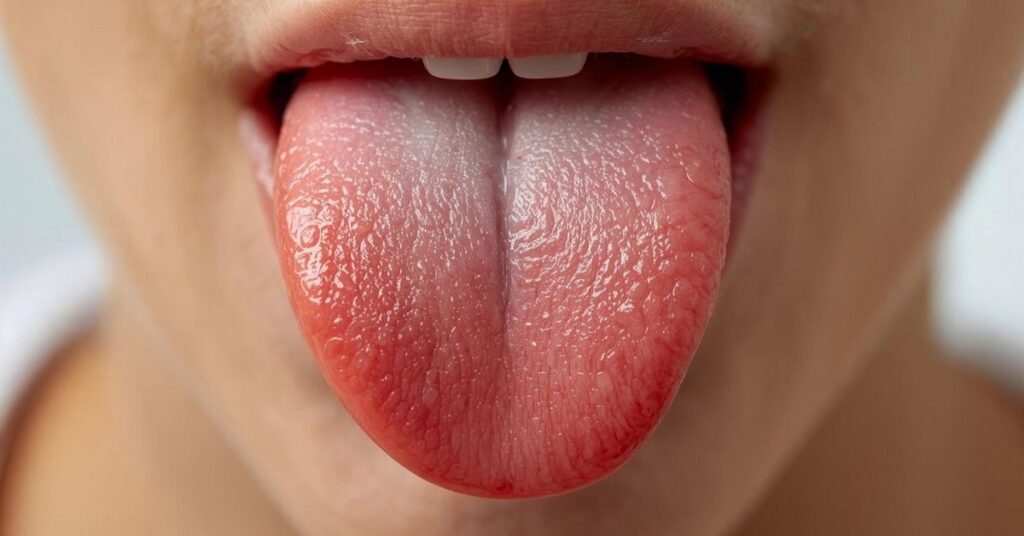
Dry mouth relief can start in minutes with steady water sips, sugar-free gum, nose breathing, and mouth-safe steps that nudge natural saliva flow.
A dry mouth can hit at the worst time. Mid-meal. Mid-meeting. Mid-flight. One minute you feel fine, then your tongue sticks, your lips feel tight, and swallowing turns into work.
If you searched when, why, how to create saliva fast, you’re likely after two things: a quick fix right now, and a plan that stops the cycle from coming back. You’ll get both here, with clear steps and clear reasons.
Saliva is a built-in rinse. It moistens food, helps speech, buffers acids, and protects teeth and gums. When saliva drops, tooth decay risk rises and the mouth can feel sore. So the goal isn’t only comfort. It’s mouth health.
| Fast Trigger | What To Do Right Now | Why It Helps |
|---|---|---|
| Small water sips | Sip, swish for 5 seconds, swallow | Re-wets tissues and primes swallow reflex |
| Sugar-free gum | Chew for 10 minutes after eating | Chewing signals salivary glands to release fluid |
| Sugar-free lozenge | Let it dissolve slowly, don’t crunch | Taste stimulation can boost flow without extra chewing |
| Nose breathing reset | Close lips, breathe in through the nose for 6 slow breaths | Less mouth airflow means less moisture loss |
| Tongue sweep | Gently sweep tongue along gums and cheeks for 20 seconds | Mechanical stimulation can wake up glands |
| Warm drink (non-caffeinated) | Take 2–3 warm sips, then pause | Warmth can soften thick saliva and ease swallowing |
| Humid air | Use a bedside humidifier or take a steamy shower | Moist air slows overnight drying |
| Dry-mouth mouth rinse | Use an alcohol-free rinse made for dryness | Coats tissues and reduces sting |
| Food texture swap | Add broth, sauce, yogurt, or olive oil to meals | Lubrication reduces friction while glands catch up |
When, Why, How To Create Saliva Fast For Dry Mouth Relief
This section is built for the moment you notice dryness. Start with the fastest steps, then stack on the ones that last longer. Most people feel a shift inside 5 to 15 minutes.
Step 1: Do the 60-second reset
First, check your breathing. If your mouth is open, close your lips and breathe through your nose for six slow breaths. Then take two small water sips. Swish each sip around your mouth for a few seconds before swallowing.
Next, do a tongue sweep. Run your tongue along your upper gums, then your lower gums, then both cheeks. Keep it gentle. The point is to stimulate, not scrub.
Step 2: Add a 10-minute trigger
Chewing is one of the fastest ways to boost saliva. Choose sugar-free gum. Chew slowly and steadily, not like you’re in a race. If gum isn’t an option, use a sugar-free lozenge and let it melt.
Stick to sugar-free. Sugar feeds mouth bacteria, and a dry mouth has less natural rinse to counter that.
Step 3: Thin thick saliva when it feels sticky
Sometimes the issue isn’t zero saliva. It’s thick saliva that feels gluey. Warm, non-caffeinated drinks can help here. A few warm sips, then a pause, often makes swallowing feel easier.
If your mouth feels irritated, skip acidic drinks. A dry mouth can sting fast.
Step 4: Eat and speak with less friction
When you need saliva fast during a meal or a long talk, reduce friction while your glands ramp up. Add moisture to food: broth, sauce, yogurt, or olive oil. Keep water nearby. Take tiny sips between bites.
For speaking, try a “sip schedule.” Take a small sip every few minutes, even if you don’t feel thirsty. Waiting until you’re parched makes it harder to catch up.
Create Saliva Fast With Simple Triggers That Last
Quick tricks help, yet the next step is figuring out why you’re drying out. Dry mouth can come from a normal one-off situation, or it can show up as a pattern. The fix changes based on the cause.
When dry mouth is a one-off
These are common short-term reasons for dryness:
- Not enough fluids. Thirst can show up as dry mouth before you notice anything else.
- Mouth breathing. Sleeping with an open mouth or talking for hours can dry tissues out.
- Caffeine or alcohol. Many people feel drier after coffee, energy drinks, or alcohol.
- Dry air. Heated rooms, winter air, and hotel AC can pull moisture out fast.
If that sounds like you, hydration and airflow changes usually make the biggest difference. Keep a water bottle close. Use a humidifier at night. Try a nasal saline spray if your nose feels blocked.
When dry mouth sticks around
Ongoing dryness has more possible causes. Many medicines can reduce saliva, including some antihistamines, decongestants, antidepressants, and blood pressure drugs. Some health conditions can also reduce gland output.
If you want a reliable overview of causes and self-care steps, the MedlinePlus dry mouth overview lists common reasons and practical home steps. Use it as a checklist, then match your habits and meds to what you see there.
Why the cause matters
When the cause is dehydration or mouth breathing, you can usually feel better fast with habit shifts. When the cause is medication or a medical condition, you can still feel better fast, yet you may need a longer plan to keep symptoms down.
Food, Drinks, And Habits That Bring Saliva Back
Once you’ve handled the immediate dryness, build a daily pattern that keeps saliva steady. Think in three buckets: hydration, stimulation, and irritation control.
Hydration that actually helps
- Sip often. Big gulps don’t keep the mouth wet for long. Small sips spread across the day work better.
- Pair water with meals. Drink before eating, then take tiny sips between bites.
- Watch drying drinks. If coffee makes you dry, chase it with water or cut back.
Stimulation with less downside
- Sugar-free gum after meals. Chewing after eating can help saliva flow and clean teeth.
- Sugar-free mints or lozenges. Let them melt slowly. Pick brands without added sugar.
- Crunch with moisture. Apples or carrots can stimulate chewing, yet pair them with water so you don’t feel scraped.
Irritation control
A dry mouth gets irritated easily. These changes often reduce sting:
- Skip alcohol-based mouthwash.
- Limit spicy, salty, or acidic foods when your mouth feels sore.
- Avoid tobacco. Smoke dries tissues and can irritate the lining of the mouth.
Tools And Products For Persistent Dry Mouth
Some days, basic steps aren’t enough. This is where targeted products can help. If you’re prone to cavities, add extra tooth protection too. Dry mouth reduces the natural rinse that helps keep acids in check.
The National Institute of Dental and Craniofacial Research explains why saliva protects teeth and what to do when it’s low on its Dry Mouth: Questions and Answers page.
| Option | Best Fit | Watch Outs |
|---|---|---|
| Sugar-free gum (xylitol) | After meals, during long talks | Large amounts can upset some stomachs |
| Sugar-free lozenges | When chewing isn’t comfortable | Choose low-acid options if your mouth feels sore |
| Saliva substitute gel or spray | Nighttime dryness and mouth breathing | Effects vary; try more than one texture |
| Alcohol-free dry-mouth rinse | Daytime comfort and less burning | Avoid rinses with alcohol |
| Humidifier | Dry air, winter heat, hotel rooms | Clean it often to reduce buildup |
| Fluoride toothpaste or rinse | People with frequent cavities | Follow label directions and don’t swallow |
| Prescription saliva stimulants | Dry mouth tied to medical causes | Ask a clinician about side effects and fit |
Daily Routine That Keeps Your Mouth Comfortable
Dry mouth often comes in waves. A routine smooths those waves out. Here’s a simple structure you can stick with.
Morning
Start with water before coffee or tea. Then brush with fluoride toothpaste. If your mouth feels sticky, rinse with plain water after brushing. Keep lip balm handy if your lips crack.
Daytime
Carry water and take small sips. Chew sugar-free gum after meals. If you talk for work, place a bottle where you can reach it without thinking. A tiny sip every few minutes beats a big gulp once an hour.
Evening
Pick foods that are easier to swallow: soups, stews, eggs, yogurt, fish, and rice with sauce. If you snack, avoid sticky sweets that cling to teeth. Brush and floss before bed. Then use a saliva gel or spray if nights are your worst time.
Sleep
Dry air makes mornings rough. A humidifier can help. So can nasal breathing. If you wake with a dry mouth, keep water by the bed and take one sip, then roll back to sleep.
When Dry Mouth Means You Should Get Checked
Most people get a dry mouth sometimes. Still, certain patterns deserve medical attention. A dentist or clinician can check for cavities, oral infections, medication side effects, and health conditions that reduce saliva.
- Dry mouth lasts for weeks, even with hydration and gum.
- You get frequent cavities, bad breath, or mouth sores.
- Swallowing is hard, or food feels stuck.
- You have eye dryness along with mouth dryness.
- Dryness starts after a new medicine.
Bring notes. Track when dryness hits, what you ate and drank, and what helped. That record shortens guesswork and speeds up the next step.
Pay attention to saliva cues during the day. If your tongue feels rough, your voice gets clicky, or food crumbs cling to teeth, act early. Sip water, chew gum, and add moisture to meals before discomfort builds and lips start pulling.
One last thing: if you landed here by typing when, why, how to create saliva fast, try the 60-second reset, then the 10-minute trigger, then the daily routine for a week. Most people notice a clear shift when those pieces are stacked in order.
References & Sources
- MedlinePlus (NIH).“Dry Mouth.”Lists common causes of dry mouth and home steps like water sips and sugar-free gum.
- National Institute of Dental and Craniofacial Research (NIDCR, NIH).“Dry Mouth: Questions and Answers.”Explains saliva’s role in oral health and practical ways to ease dryness.

Mo Maruf
I created WellFizz to bridge the gap between vague wellness advice and actionable solutions. My mission is simple: to decode the research and give you practical tools you can actually use.
Beyond the data, I am a passionate traveler. I believe that stepping away from the screen to explore new environments is essential for mental clarity and physical vitality.