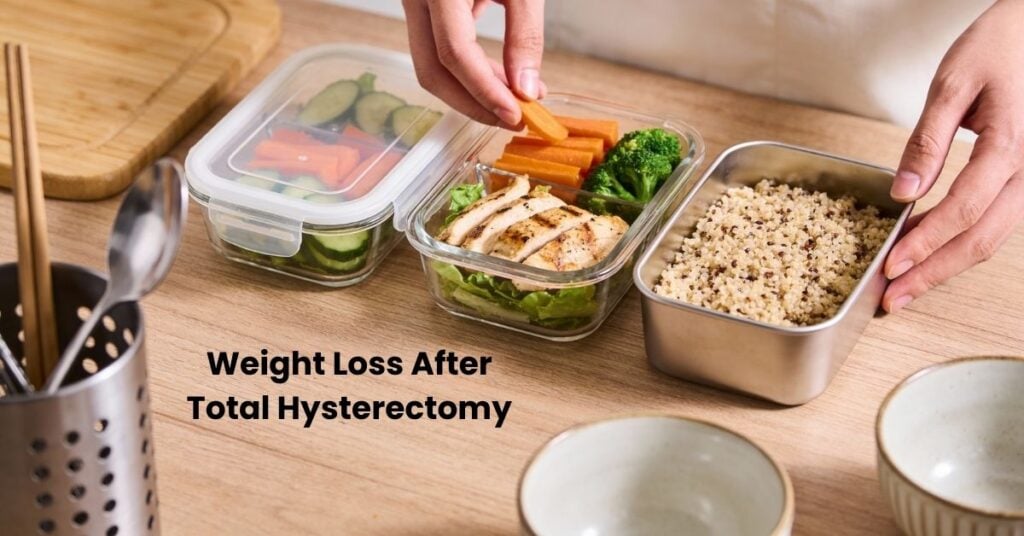
After a total hysterectomy, weight loss comes from steady meal portions, daily walking, basic strength work, and enough protein once your surgeon says you’re healed.
If you’re searching for how to lose weight after total hysterectomy, you’re not alone. The first stretch after surgery can feel off: less movement, tighter clothes, a softer midsection, and a scale that jumps around. That doesn’t mean your body is “broken.” It means your inputs changed for a while.
Weight loss still follows the same rule: your body uses stored energy when you burn more than you eat. After surgery, build that gap in a way that fits healing, sleep, digestion, and any hormone shifts. This plan keeps things steady and easy to keep.
| Common Weight Driver | What It Can Look Like | What To Do This Week |
|---|---|---|
| Lower daily movement | Fewer steps, more sitting, quick fatigue | Two short walks a day; add 5 minutes later in the week |
| Post-op swelling | Puffy belly, tight waistbands, fast scale jumps | Hydrate, keep salt steady, walk after meals, measure waist weekly |
| Constipation | Hard stools, pressure, slower bathroom trips | Fiber at breakfast, warm fluids, fruit with sorbitol, gentle walking |
| Sleep disruption | Short nights, daytime cravings, snacky evenings | Fixed bedtime, dim screens, caffeine earlier in the day |
| Pain meds and nausea | Low appetite, then rebound hunger and grazing | Small meals spaced 3–4 hours apart with protein and easy carbs |
| Hormone shift | Hot flashes, mood swings, belly gain, water retention | Strength train 2 days weekly when cleared; keep protein steady |
| Portions drift up | “Healing treats,” larger snacks, liquid calories | Use a plate method and pre-portion snacks twice a week |
| Low protein meals | Hunger returns fast and cravings hit later | Aim for 25–35 g protein per meal with a simple repeat menu |
How To Lose Weight After Total Hysterectomy With A Realistic Timeline
Timing matters. In early healing, your job is healing, not chasing a fast drop on the scale. A hard calorie cut can backfire by crushing energy, messing with sleep, and leaving you short on protein while tissue is rebuilding.
Week 0–2: Heal First, Eat Small, Walk A Little
Right after surgery, your body is dealing with inflammation and a big shift in routine. Keep meals easy, keep fluids steady, and use short walks to help circulation and digestion. Five minutes around the house a few times a day still counts.
Week 2–6: Build A Routine, Then Nudge Portions
Once you’re cleared for longer walks and daily chores, build a routine you can repeat. Keep meals on a schedule and raise steps bit by bit. When steps stay steady for a week, trim portions a little and hold for two weeks.
Week 6+ (Or When Cleared): Add Strength Work And A Mild Deficit
After you’re cleared for exercise, add strength work. It helps keep muscle while fat drops. Two to three sessions a week plus a mild deficit is plenty.
What Changes After A Total Hysterectomy
A total hysterectomy removes the uterus and cervix. Some surgeries also remove one or both ovaries. Those details shape what you feel in the months after surgery, especially around sleep, appetite, and where your body holds water.
Your Daily Burn Drops Before Your Appetite Does
When movement drops, your daily burn drops with it. Appetite often lags behind. That gap can add weight even if you’re eating “like normal,” because normal was built around a more active body.
Water Can Mask Fat Loss
Swelling can stick around, so the scale may sit still. Use waist measurement once a week and how pants fit.
Ovary Removal Can Shift Hunger And Fat Storage
If both ovaries are removed, estrogen drops and menopause symptoms can start right away. If ovaries stay, hormone patterns can still wobble for a while. Either way, strength training, protein, and steady sleep can cut down the “belly creep” many people notice after surgery.
Setting Portions Without Tracking All Day
Set meals on a schedule, then adjust portions in small moves.
Use A Plate Pattern For Lunch And Dinner
Build a plate you can eyeball: half non-starchy vegetables, one palm of protein, and one fist of starch. Add a thumb of fat if your meal is lean. This keeps portions steady without a food scale.
Pick One Portion Lever At A Time
For more fat loss, change one thing for two weeks: smaller starch, or one less snack.
Protein, Fiber, And Fluids For A Flatter Belly
A flatter belly after surgery is mostly swelling and digestion. Protein, fiber, and steady fluids can calm your midsection while fat drops.
Put Protein At Breakfast
Breakfast sets your hunger for the day. If you start with mostly carbs, hunger can bounce back fast. Try 25–35 grams of protein in the morning: Greek yogurt, cottage cheese, eggs, tofu, or a protein shake with fruit.
Use Fiber In A Way Your Gut Likes
Fiber helps bathroom regularity, yet too much too soon can cause gas and pressure. Raise it slowly. Add oats, berries, chia, beans, lentils, and vegetables across the week. Pair higher-fiber meals with extra water.
Keep Drinks Simple
Many people drink less after surgery and feel more swollen. Aim for steady water through the day. Keep sweet drinks and smoothies as rare treats, or build smoothies around protein and count them as a meal.
Movement That Respects Healing
Your goal is more movement without stirring up pain. Start with walking, then add strength work once you’re cleared. If anything spikes pain, swelling, or bleeding, step back and call your care team.
Walking Is Your Base Layer
Start with 10 minutes a day split into two walks. Add 5 minutes after three or four days until you reach 30 minutes most days.
Strength Training Brings Shape Back
Two full-body sessions a week can change how you look and feel, even before the scale moves. Keep it simple and use light weights at first:
- Squat to a chair or sit-to-stand: 2–3 sets of 8–12
- Hip hinge with a light dumbbell or kettlebell: 2–3 sets of 8–12
- Row with a band: 2–3 sets of 10–15
- Wall push-ups or incline push-ups: 2–3 sets of 8–12
Core Work Starts With Breathing And Gentle Bracing
Start with slow belly breathing, then add gentle bracing during daily tasks. After clearance, try dead bugs and bird dogs in a pain-free range.
Hormones, Healing Notes, And Check-Ins
Weight changes after surgery often come from fewer steps, sleep disruption, and hormone shifts. Keep meals on a schedule, keep steps steady, and keep a bedtime that holds.
The American College of Obstetricians and Gynecologists lays out healing timing and activity tips in ACOG hysterectomy FAQ. Use it as a reality check if you’re pushing too hard too soon.
If you’re fuzzy on what type of surgery you had, pull your discharge paperwork and read it. MedlinePlus has a plain-language overview of hysterectomy, plus links to related topics like menopause and hormone therapy.
Track The Right Things Once A Week
Daily scale checks can mess with your head when swelling is in play. Try a weekly check-in: body weight, waist measurement, and a note on sleep. Add your weekly step average.
Common Stalls And Simple Fixes
Stalls happen. They’re rarely mysterious. Most come from less movement than you think, portions drifting up, or water swings.
When The Scale Won’t Move For Two Weeks
Check steps first. If weekly average is under 6,000, add 500 a day for a week. Then swap one snack for protein or drop one calorie drink.
When You Feel Puffy Most Nights
Late-day swelling can come from salty meals, low water intake, and long sitting. Walk for 10 minutes after dinner. Keep water steady through the afternoon. Keep salty foods consistent so your body isn’t reacting to big ups and downs.
When Constipation Keeps Coming Back
Fiber helps, yet fiber without fluids can make things worse. Pair high-fiber foods with water. Add a walk after breakfast. If you’re taking iron, ask if your dose can be adjusted. If you go more than three days without a bowel movement, call your clinician.
| Week | Food Target | Movement Target |
|---|---|---|
| Week 1 | 3 meals + 1 snack; protein at breakfast | 10–15 minutes walking daily, split into two walks |
| Week 2 | Plate pattern at lunch and dinner | 20–25 minutes walking most days |
| Week 3 | One liquid-calorie swap per day | 30 minutes walking most days + 1 light strength session if cleared |
| Week 4 | Plan snacks; pre-portion twice a week | 30–45 minutes walking most days + 2 strength sessions if cleared |
A Week You Can Repeat
Use this menu pattern on repeat. Keep portions steady and keep steps consistent.
Breakfast Ideas
- Greek yogurt + berries + oats
- Eggs + toast + fruit
- Tofu scramble + potatoes + salsa
Lunch Ideas
- Chicken wrap + side salad
- Bean chili + avocado + chopped onion
- Tuna salad on greens + crackers
Dinner Ideas
- Salmon + rice + roasted broccoli
- Chicken stir-fry + noodles + mixed vegetables
- Lentil curry + potatoes + spinach
Snack Ideas
- Apple + peanut butter
- Hummus + carrots
- Edamame
When To Call A Clinician
Most weight changes after surgery are normal and settle with routine. Call your clinician right away if you notice any of these:
- Fever, worsening pain, or foul-smelling discharge
- New heavy bleeding
- Shortness of breath, chest pain, or one-sided leg swelling
- Rapid weight gain with swelling in hands or feet
Keeping Results Going After Month One
Once the basics are in place, keep the plan steady. Pick two strength days you can keep. Keep a step target you can hit even on low-energy days. Keep protein steady at meals, and keep treats planned instead of random.
If you’re still working on how to lose weight after total hysterectomy months later, look at weekly averages, not your worst day. One off-meal doesn’t matter much. The pattern does.
Give your body time to heal, then keep doing the simple things on repeat. That’s how fat loss shows up in real life.
References & Sources
- American College of Obstetricians and Gynecologists (ACOG).“Hysterectomy.”Overview of hysterectomy basics, choices, and after-surgery notes.
- MedlinePlus (U.S. National Library of Medicine).“Hysterectomy.”Overview of hysterectomy basics and links to related topics.

Mo Maruf
I created WellFizz to bridge the gap between vague wellness advice and actionable solutions. My mission is simple: to decode the research and give you practical tools you can actually use.
Beyond the data, I am a passionate traveler. I believe that stepping away from the screen to explore new environments is essential for mental clarity and physical vitality.