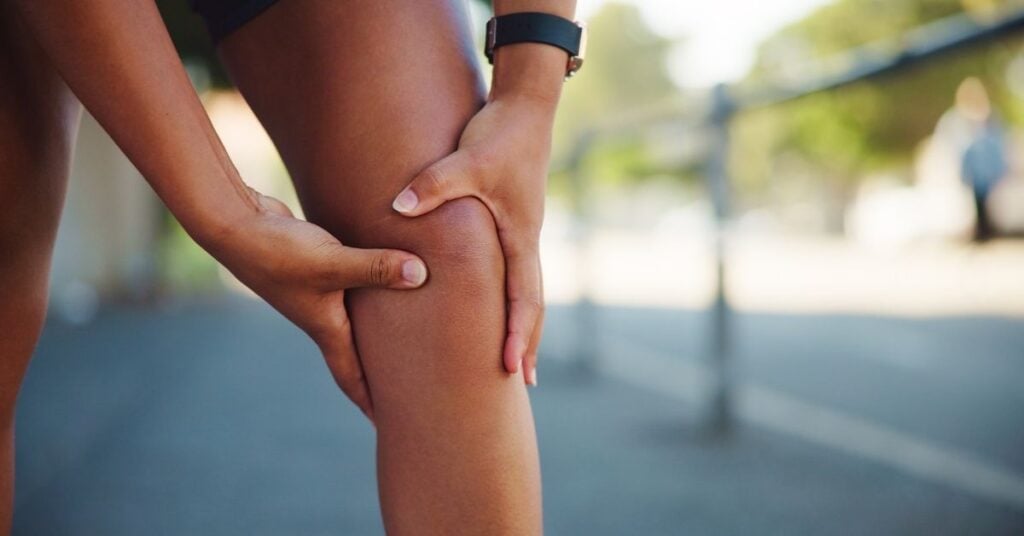
Post-workout leg soreness usually fades within three days with light movement, sleep, fluids, and steady training loads.
Legs can feel strong during a session, then cranky later. The next day, stairs feel rude. Sitting down feels fine, standing up feels like a project.
If you’re searching for how to relieve soreness in legs after workout, you want relief that works and you want to keep training without digging a deeper hole. This article gives you clear steps for today, a simple plan for the next three days, and habits that make leg day feel less punishing.
One quick reality check: some soreness is a normal response to training stress. The goal isn’t to erase every ache. The goal is to calm the soreness, keep your legs moving, and spot the red flags that call for medical care.
| Recovery Move | When It Fits | How To Do It |
|---|---|---|
| Easy walk | Any time soreness feels “stiff” | 10–20 minutes at a pace where you can talk in full sentences. |
| Light cycling | Thigh soreness after squats or lunges | Low resistance, steady spin, 8–15 minutes. |
| Gentle mobility | Right after you warm up | 5 minutes of hip circles, leg swings, ankle rocks, slow bodyweight squats. |
| Short stretch holds | After a warm shower or a walk | 20–30 seconds per muscle, mild tension only, 1–2 rounds. |
| Foam rolling | When muscles feel “tight” | Slow passes, pause on tender spots 10–20 seconds, stop before bruising. |
| Cold pack | Hot, puffy feeling in one area | 10–15 minutes with a cloth barrier. Don’t fall asleep with it on. |
| Warm shower or heat | General stiffness | 10–15 minutes. Heat should feel soothing, not sharp or burning. |
| Compression sleeve | Heavy-leg feeling later in the day | Snug, not numb. Take it off if tingling starts. |
| Carbs + protein meal | Within a couple hours post-session | Protein plus a carb source. Add produce for micronutrients. |
| Earlier bedtime | When soreness is strong | Cut screens, cool the room, aim for a full night of sleep. |
Why Legs Get Sore After Training
Most workout-related leg soreness is delayed onset muscle soreness, often called DOMS. It tends to show up after a new move, a heavier load, longer sets, or slow lowering phases. It can start later the same day, then peak over the next couple days.
That “delayed” timing is a clue. DOMS is different from the burning fatigue you feel during hard reps. It’s also different from a sharp, sudden pain that changes your stride right away.
If your soreness arrives one to three days after a tougher session, that pattern matches the timing described on Cleveland Clinic’s DOMS article. That page also points out a helpful mindset: a workout can be productive even if you don’t end up sore.
Why It Hits Legs So Hard
Leg training loads big muscles that handle your full body weight. Add stairs, walking, and standing all day, and your legs never really get “off duty.”
Eccentric work makes it louder. Think slow squats, lunges, downhill running, or step-downs. Those lengthening reps can leave your thighs and calves tender when you press on them or move into a deep bend.
How These Tips Were Picked
This article sticks to conservative recovery moves that show up again and again in sports medicine advice and major clinic guidance. The steps are meant to reduce stiffness, keep normal movement, and lower the odds of turning soreness into an injury.
How To Relieve Soreness In Legs After Workout With Same-Day Steps
Start with moves that calm soreness without piling on more stress. You’re trying to feel better after you get moving, not worse after you stop.
Keep Blood Moving Without Beating Your Legs Up
Light activity is the closest thing to a “cheat code” for sore legs. It warms tissue, brings fresh blood flow, and can loosen that stiff, glued-down feeling.
- Walk: 10–20 minutes, flat ground, easy pace.
- Bike: low resistance, smooth cadence, stop before your legs feel heavy.
- Pool work: easy laps or water walking if you have access.
If the first two minutes feel rough, don’t panic. Many people feel a “rusty hinge” start, then loosen up. If pain ramps up fast or you start limping, stop and switch to gentler mobility.
Use Cold Or Heat Based On The Feeling
Cold and heat can both help, but they shine in different moments. Use the sensation in your legs as your guide.
Cold Fits When
- One area feels hot or puffy.
- You tweaked something and it feels irritated.
- You want a short-term calming effect before sleep.
Keep cold sessions short. Ten to fifteen minutes is plenty. Put a cloth between the pack and your skin.
Heat Fits When
- Soreness feels like stiffness across a wide area.
- You want to move better before mobility work.
- A warm shower makes you feel looser.
Heat should feel soothing. If heat makes the area throb or feel sharp, skip it and use light movement instead.
Mobility And Stretching That Won’t Backfire
Stretching can help when it’s gentle and timed right. The trick is warming up first. Stretching a cold, sore muscle can feel like tugging a rope that doesn’t want to move.
Try this short flow after a warm shower or a 10-minute walk:
- Ankle rocks: 10 slow reps per side.
- Hip flexor lunge stretch: 20 seconds per side, light squeeze of the glute.
- Hamstring hinge: soft knee, flat back, 20 seconds per side.
- Calf stretch: 20 seconds with the knee straight, then 20 seconds with a bent knee.
Keep the intensity mild. You want a release, not a grimace. If you’re shaking or holding your breath, back off.
Self-Massage And Foam Rolling Without Overdoing It
Foam rolling can reduce that “tight” sensation and make movement feel smoother. It shouldn’t feel like punishment. Hard pressure can leave you sore on top of sore.
- Roll slowly, 30–60 seconds per muscle area.
- Pause on tender spots for 10–20 seconds, then move on.
- Avoid joints and bony areas.
- Stop before bruising starts.
For quads, roll the front of the thigh. For calves, roll from just above the Achilles up toward the knee. For glutes, use a ball or a roller and keep pressure controlled.
Fuel And Fluids That Match What You Just Did
Dehydration can make your legs feel heavier and crampy. Refill fluids steadily across the day, not all at once.
If you sweat a lot, add some salt with meals and drink to thirst. A post-training meal with protein and carbs helps your body rebuild. Keep it simple: a protein source, a carb source, and some produce.
Alcohol can mess with sleep and recovery. If you drink, keep it modest and don’t swap it for water and food.
Sleep And The Next Workout Call
Sleep is where a lot of repair happens. If soreness is loud, treat bedtime like part of your training plan. Aim for a full night, keep the room cool, and wind down earlier.
For your next session, choose the level that matches your legs. If walking feels smooth and you can squat to a chair without wincing, light training can be fine. If you’re limping or your range of motion is cut in half, pick upper body work, easy cardio, or a rest day.
What To Do Over The Next 72 Hours
Soreness changes day by day. A simple plan keeps you from guessing and keeps you moving in a safe lane.
Day 1: Loosen Up And Keep It Easy
Start with 10–20 minutes of easy movement. Add the mobility flow from above. If you want more, do light bodyweight work: a few sets of slow air squats to a comfortable depth, glute bridges, and calf raises.
Skip all-out intervals, hill sprints, and deep stretch battles. Your goal is smoother movement and less stiffness later in the day.
Day 2: Test Range Of Motion And Strength
On day two, soreness often feels the loudest. Warm up, then test a few basics:
- Can you go down stairs without grabbing the rail?
- Can you sit into a chair and stand without shifting weight to one leg?
- Can you walk briskly without changing your stride?
If the answers are “mostly yes,” you can train legs lightly: reduce load, cut sets, and keep reps smooth. If the answers are “no,” keep the day active with walking, cycling, or mobility and save heavy work for later.
Day 3: Build Back Toward Normal Training
By day three, many people feel a clear drop in soreness. Use that as your green light for a gradual return. Warm up well, then use ramp-up sets before your working sets.
If soreness hangs around past day three with no change, your load might have been too big for your current baseline. Reduce volume on your next leg day and ramp up over the next two weeks.
Habits That Keep Leg Soreness From Taking Over
Relief today helps, but habits decide what next week feels like. The best long-term move is adjusting training so your body can adapt without getting smashed.
Ramp Up Load In Small Steps
A sudden jump in weight, sets, or new movements is a common trigger for heavy leg soreness. Pick one thing to progress at a time: add a little weight, or add a set, or add reps. Don’t raise all three in the same week.
Warm Up Like You Mean It
A warm-up isn’t a time sink. It’s a chance to rehearse the movement and check how your legs feel. Five to ten minutes of easy cardio plus a few lighter sets of your first lift can make the session smoother and reduce sloppy reps.
Respect The Eccentric
Slow lowering phases can build strength, but they can also spike soreness when you add them out of nowhere. Introduce tempo work in small doses. Start with one movement, one or two sets, once a week, then build from there.
Pick A Weekly Split Your Legs Can Handle
Many people do better with two moderate leg sessions than one marathon session. Spreading the work can reduce the “wrecked for four days” pattern and still build strength.
Keep Technique Clean When Fatigue Hits
When your form breaks, stress shifts into joints and tendons. Stop a set when your knees cave in, your back rounds hard, or you’re bouncing out of the bottom of a squat. Leaving one or two reps in the tank often beats grinding ugly reps.
Leg Soreness Versus Injury Signals
DOMS is usually a dull ache across muscles you trained. It often feels worse when you press on the muscle and better after a warm-up. Injury tends to feel sharper, more pinpoint, or linked to a specific moment.
Use the table below to sort what you’re feeling. If you’re unsure, lean toward caution and keep activity light.
| What You Notice | Common Training Soreness Pattern | Get Medical Care If |
|---|---|---|
| Timing | Starts later, peaks over the next couple days | Pain starts during the workout with a clear “pop” feeling |
| Location | Spread across the worked muscle group | One sharp point that you can trace with a finger |
| Movement | Feels stiff at first, then loosens with a warm-up | Pain ramps up as you move and forces limping |
| Touch | Tender muscle belly | Severe pain over a tendon or bone |
| Swelling | Mild tightness is possible | Rapid swelling, major size difference, or increasing puffiness |
| Skin Color | No bruising, or mild soreness only | New bruising with loss of strength or range of motion |
| Weakness | Legs feel tired but still work | Sudden weakness that makes normal walking hard |
| Numbness Or Tingling | Not typical | Numbness, tingling, or shooting pain down the leg |
When To Get Medical Care
Most leg soreness after training is annoying, not dangerous. Still, a few warning signs deserve fast action.
Get medical care right away if you have severe muscle pain plus dark urine, strong weakness, or swelling that keeps climbing. Those can be warning signs of rhabdomyolysis, a condition tied to muscle breakdown. The CDC’s rhabdomyolysis signs and symptoms page lists dark urine, muscle pain, and feeling weak or tired as major signals that need urgent attention.
Also get checked if you can’t bear weight, your leg looks visibly deformed, you have a fever, or the pain is sharp and localized with swelling. If you’re on blood thinners, have kidney disease, or have sickle cell disease, take post-exercise warning signs seriously and get care sooner.
If it’s “just sore,” you should still see a steady trend toward feeling better over a few days. If soreness stays the same for a week, or keeps getting worse, a clinician can help sort out strain, tendon issues, or nerve irritation.
Checklist For Your Next Leg Session
Use this list as a simple reset. It keeps you from guessing, and it keeps your training steady. If you keep typing how to relieve soreness in legs after workout after every leg day, this checklist is your new baseline.
- Warm up 5–10 minutes, then do two to four lighter ramp-up sets for your first lift.
- Pick one progression: a little weight, or a little volume, not both.
- Stop sets when form breaks, not when your ego wants one more rep.
- After training, do 10–20 minutes of easy movement.
- Eat a balanced meal with protein and carbs within a couple hours.
- Drink fluids across the afternoon and evening.
- Do gentle mobility once you’re warm, not cold.
- Use heat for stiffness, cold for hot or puffy spots.
- Try light foam rolling, stop before bruising.
- Sleep a full night, especially after a hard session.
- On day two, train legs lightly only if walking and stairs feel normal.
- Track what caused the soreness: new move, more load, more sets, slower reps, deeper range.
References & Sources
- Cleveland Clinic.“Delayed Onset Muscle Soreness (DOMS).”Describes delayed timing of muscle soreness after exercise and explains common patterns of DOMS.
- Centers for Disease Control and Prevention (CDC), NIOSH.“Signs and Symptoms of Rhabdomyolysis.”Lists red-flag signs like dark urine and severe weakness that call for urgent medical care.

Mo Maruf
I created WellFizz to bridge the gap between vague wellness advice and actionable solutions. My mission is simple: to decode the research and give you practical tools you can actually use.
Beyond the data, I am a passionate traveler. I believe that stepping away from the screen to explore new environments is essential for mental clarity and physical vitality.