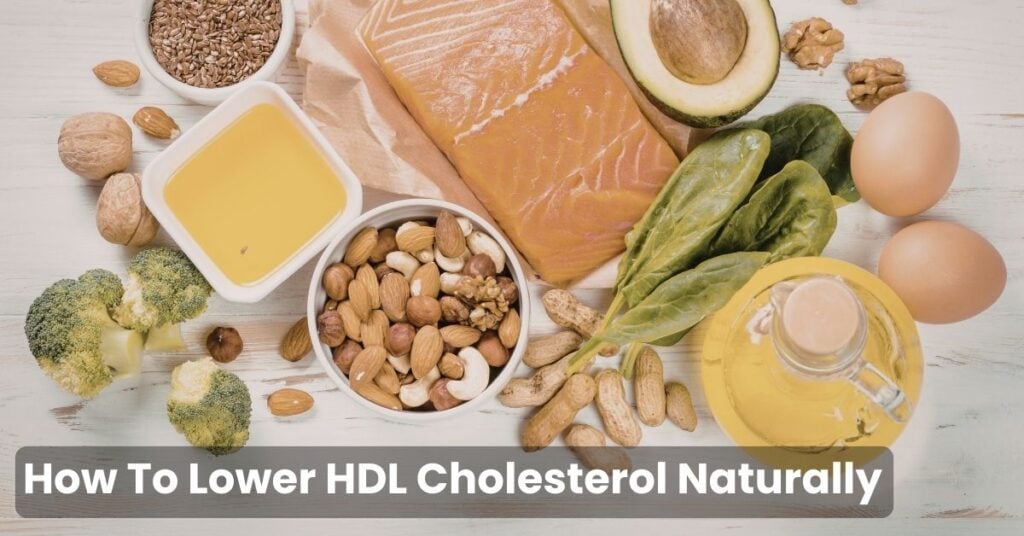
Lowering unusually high HDL often starts with less alcohol, a med review, and meal swaps that keep LDL and triglycerides steady.
Most people spend their time trying to raise HDL, not push it down. So if you’re searching how to lower hdl cholesterol naturally, you’re not alone in feeling a little thrown off. The catch is that lab numbers don’t live in isolation. HDL is one piece of a bigger picture that includes LDL, triglycerides, blood pressure, blood sugar, family history, and any meds you take.
This article is for the narrow lane where HDL is unusually high, or where a clinician flagged your HDL as part of a risk review. You’ll get practical steps you can try at home, plus a clear way to track what’s changing so you’re not guessing.
When Lowering HDL Makes Sense
HDL is often called “good” cholesterol because it helps carry cholesterol back to the liver. That’s the usual story, and it’s still the common one. The twist is that some studies find a U-shaped pattern, where both low and unusually high HDL track with higher risk in some groups. Researchers are still sorting out why, and genetics may play a role.
So, the goal isn’t “lower HDL at any cost.” The goal is to fix what’s driving the number, then keep the rest of your lipid panel moving in the right direction. If your HDL is high and your LDL and triglycerides look great, you may not need to chase a lower HDL number at all.
| What Can Push HDL High | What You Might Notice On Labs | What To Do Next |
|---|---|---|
| Alcohol intake | HDL rises while triglycerides may drift up | Cut back for 4–8 weeks, then recheck a fasting lipid panel |
| Genetics | HDL stays high across repeated tests and family members | Ask about family history, plus ApoB or non-HDL targets |
| Endurance-style training volume | High HDL with low resting heart rate and strong fitness markers | Keep training, yet pair it with enough fuel and rest |
| Thyroid changes | HDL shifts along with other cholesterol numbers | Request a thyroid lab review if symptoms match your story |
| Liver or bile flow issues | Cholesterol pattern shifts plus liver enzymes may change | Bring full lab results to a clinician and ask what needs follow-up |
| Medications (estrogen therapy, some anti-seizure meds) | HDL climbs after starting or changing a dose | Review your med list and timing of lab changes |
| Big weight loss in a short window | HDL may spike while other markers are in flux | Stabilize intake and weight, then repeat testing |
| Lab timing or non-fasting draw | Numbers look odd or don’t match prior trends | Repeat a true fasting panel and compare apples to apples |
| Supplements that affect lipids | HDL shifts after adding a new pill or powder | Pause non-necessary supplements and recheck after 4–6 weeks |
How To Lower HDL Cholesterol Naturally
Start with one rule: fix the driver, not the number. That mindset keeps you from doing things that lower HDL while wrecking LDL or triglycerides. The American Heart Association’s overview of HDL and LDL cholesterol is a solid refresher on how the pieces fit together.
Confirm the reading before you change anything
One lab result can be noisy. A repeat fasting lipid panel, done the same way as last time, is often the quickest path to a clean trend line. If you’ve had recent illness, major diet changes, or a big training ramp, ask if it makes sense to wait a few weeks before the redraw.
Trim alcohol first if you drink
Alcohol can push HDL upward in a way that looks “good” on paper, yet it can nudge triglycerides higher in the same stretch. If your HDL is high and you drink most days, try a clean 30-day break. If that feels steep, cut servings in half and keep two alcohol-free days each week. Track sleep and morning energy too; those changes can show up fast.
Do a real medication and supplement audit
Some prescription hormones and other meds can raise HDL. So can a handful of supplements marketed for “cholesterol health.” Don’t stop prescribed meds on your own. Instead, line up your start dates, dose changes, and lab dates. Bring that timeline to your next visit and ask whether a switch, a dose change, or a different testing interval makes sense.
Lowering High HDL Cholesterol Naturally With Food And Habit Tweaks
Diet can nudge HDL, yet you don’t want to lower it by wrecking the rest of your panel. The safest play is to keep added sugars low, keep fiber steady, and keep fats measured so LDL doesn’t climb.
Shift fat quality without swinging into high-sugar eating
Some people try to push HDL down by cutting healthy fats and leaning on refined carbs. That move can backfire, since triglycerides often rise when carbs and added sugars climb. A steadier play is to keep fats balanced while trimming the pieces that drive LDL upward.
- Use olive oil in modest amounts, not as a free-pour habit.
- Swap fatty processed meats for fish, beans, or poultry.
- Choose nuts as a measured snack, not a bowl you graze all afternoon.
- Build meals around vegetables, legumes, and whole grains so fat doesn’t carry the whole calorie load.
Build plates that ease LDL pressure
Even if your headline concern is HDL, LDL is still the marker that many treatment plans target. Food patterns that lower LDL also tend to make your full panel easier to manage.
- Soluble fiber daily: oats, barley, beans, lentils, chia, and psyllium can help pull cholesterol out through digestion.
- More plants per meal: aim for two colors of produce at lunch and dinner.
- Less saturated fat: cut back on butter, cream-heavy sauces, and coconut oil.
- Steadier protein: rotate fish, tofu, beans, and lean meats so one source doesn’t dominate.
Use weight changes carefully
Rapid weight loss can swing cholesterol numbers in strange ways. If you’re dieting hard, it can be smarter to hold steady for a few weeks, then retest. A stable baseline helps you see what your day-to-day habits are doing.
Bring triglycerides down if they’re high
High triglycerides and high HDL can show up together in some drinking patterns and in some genetic profiles. Triglycerides respond well to a short list of habits: less alcohol, fewer added sugars, fewer late-night snacks, and more consistent sleep. If your triglycerides fall, your overall risk picture often improves even if HDL stays on the high side.
Watch your training pattern if your HDL is far above your norm
Long-duration cardio training often raises HDL. That’s not a problem on its own. Still, if your HDL is far above your usual range, pair your training with enough calories, enough protein, and a real rest day. Under-fueling can distort labs, sleep, and stress hormones, which then spills into lipid numbers.
Keep an eye on thyroid and liver markers
When HDL is out of character, it can be a clue that something else is shifting. Thyroid status and liver function can both affect cholesterol transport. The NHLBI’s overview of blood cholesterol explains how cholesterol travels in the blood and why the full panel matters.
Common Missteps That Lower HDL The Wrong Way
Lower HDL isn’t a prize if the method raises LDL, spikes triglycerides, or leaves you feeling wiped out. Watch for these traps:
- Replacing fats with sweets: this can lower HDL while pushing triglycerides up.
- Crash dieting: labs can shift, then rebound, making it hard to read the trend.
- Overdoing alcohol “for HDL”: alcohol is not a cholesterol tool.
- Stacking supplements: you can end up chasing a number with little clarity on what’s driving change.
Two-Week Plan To Nudge HDL Toward Your Normal
This plan is built to be simple. It targets the levers that most often push HDL unusually high, while keeping the rest of your panel on track. If you’re already doing many of these, treat it as a checklist to spot the gap.
| Days | What To Do | What To Track |
|---|---|---|
| 1–2 | Write down alcohol intake, meds, supplements, and training volume | Daily servings, dose timing, workout minutes |
| 3–4 | Set an alcohol plan: pause or cut servings by half | Sleep quality and morning energy |
| 5–7 | Add one soluble-fiber food each day | Fiber source and digestion comfort |
| 8–10 | Swap two meals built around processed meat for fish, beans, or tofu | Hunger level and snack cravings |
| 11–12 | Cap “free-pour” fats: measure oils and nut portions | Portion size and total snacks |
| 13 | Add one true rest day or easy walk day | Resting heart rate and soreness |
| 14 | Schedule a fasting lipid panel recheck window (4–8 weeks out) | Date booked and what you’ll keep steady until then |
Questions To Bring To Your Next Lab Review
When HDL is unusually high, the “why” matters more than the number itself. These questions help you get a clearer plan without chasing random fixes.
- Should I repeat my lipid panel fasting, and in what time window?
- Do my LDL, non-HDL cholesterol, and triglycerides line up with my risk level?
- Would ApoB add clarity for my situation?
- Could any medication changes explain the HDL jump?
- Are thyroid or liver labs worth checking based on my symptoms and history?
Keep The Results Steady After The Change
The habits that move HDL toward your normal are the same ones that make your next lab draw easier to live with: steadier alcohol choices, measured fats, fiber most days, and a clear med timeline. If you track what you change, you’ll know what worked. That’s the cleanest path for how to lower hdl cholesterol naturally without trading one problem for another.
References & Sources
- American Heart Association (AHA).“HDL (Good), LDL (Bad) Cholesterol and Triglycerides.”Explains how HDL, LDL, and triglycerides work together in the bloodstream.
- National Heart, Lung, and Blood Institute (NHLBI), NIH.“What Is Blood Cholesterol?”Describes cholesterol types and how cholesterol transport links to heart and blood vessel risk.

Mo Maruf
I created WellFizz to bridge the gap between vague wellness advice and actionable solutions. My mission is simple: to decode the research and give you practical tools you can actually use.
Beyond the data, I am a passionate traveler. I believe that stepping away from the screen to explore new environments is essential for mental clarity and physical vitality.