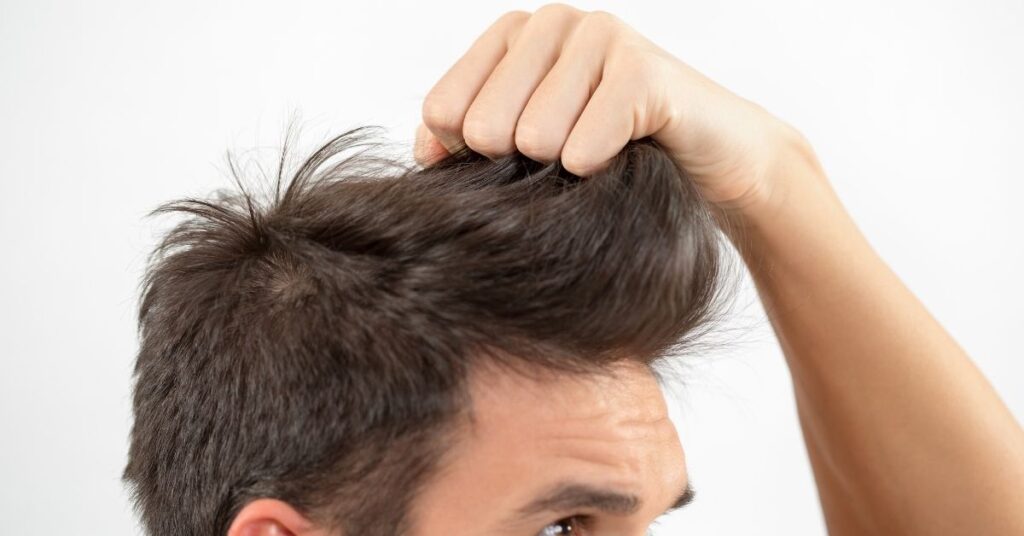
Gentle handling, steady scalp care, smart nutrition, and evidence-based treatment can add visible fullness in 8-24 weeks.
If you’re searching for how to make your hair grow and thicker, start by splitting “growth” from “thickness.” Growth happens at the follicle. Thickness is what you see and feel, which depends on strand diameter, how many hairs are in the growing phase, and how much breakage you get from day to day.
Most people can’t force hair to grow faster overnight. What you can do is stop losing ground. Fewer broken ends, calmer shedding, and a healthier scalp can make hair look fuller while new growth catches up.
This article sticks to actions you can start today. You’ll get a clear routine, time frames that match how hair biology works, and warning signs that call for medical care. No gimmicks. No magic tonics, either.
| What You’re Trying To Change | What Helps Most | When It Usually Shows |
|---|---|---|
| See-through ends | Gentle detangling, less heat, better conditioning | 1-3 weeks |
| Frizz that won’t settle | Leave-in conditioner, fewer washes on lengths, less brushing | 2-4 weeks |
| More hair in the drain | Steady routine, treat scalp irritation, track triggers | 6-12 weeks |
| Widening part | Evidence-based topical care, gentle styling, photos for tracking | 8-16 weeks |
| Thinning edges | Looser styles, rotate parts, reduce extensions and tension | 4-10 weeks |
| Flat roots | Clean scalp, lighter products, rinse longer | 1-2 weeks |
| Itchy scalp and flakes | Medicated shampoo and gentler styling | 2-6 weeks |
| Weak, snapping strands | Pause harsh chemical services, bond-repair products | 4-12 weeks |
| Slow overall progress | More protein, iron check if needed, patience with cycles | 8-24 weeks |
What “Grow” And “Thicker” Mean In Real Life
“Grow” means the follicle keeps producing hair and cycles normally. Most people have a steady rhythm: hairs grow for a long stretch, pause, then shed so a new hair can come in. Your job is to protect that rhythm.
“Thicker” usually means one of these: less breakage, less shedding, more volume at the root, or better strand diameter over time. You can boost the look of thickness fast by reducing damage. You can boost true density slower by handling scalp issues and treating pattern thinning.
A good test: check the ends of your hair in bright light. If the ends seem see-through or frayed, breakage is likely the main issue. If the ends seem solid but your part keeps widening, shedding from the root may be driving the change.
How Hair Growth Works On Your Scalp
Hair growth is a cycle, not a straight line. Each follicle moves through a growing phase, a short transition, then a resting phase that ends with shedding. You shed daily even when things are normal. That part alone can be noisy.
This is why timelines matter. A change you make today won’t show up as length tomorrow. But it can show up as less breakage this week, a calmer scalp next month, and a fuller part over the next season.
Also, hair can look thinner without any new hair loss. If your ends snap, your overall volume drops, and the mirror makes it feel like nothing is growing. Fix breakage and you’ll often see length and thickness return together.
How To Make Your Hair Grow And Thicker With Daily Habits
Daily habits do two jobs: they protect the follicle and they protect the strand. Most “hair growth” frustration comes from losing length through damage while expecting the scalp to do miracles.
Handle Hair Like Delicate Fabric
Detangling is where many people lose the most strands. Do it like you’re handling silk. Start at the ends, then work upward in small sections. A wide-tooth comb or a detangling brush can help, but pressure matters more than the tool.
Try this: hold the section a few inches above the snag so your scalp doesn’t take the force. If you hear snapping, slow down. If the snag won’t budge, add a bit of conditioner or a leave-in product and wait a minute.
Wash Based On Scalp Oil, Not A Calendar
A clean scalp helps follicles do their job. If your scalp gets oily, waiting too long can leave buildup that makes hair lie flat and feel thinner. If your scalp is dry, harsh washing can leave it irritated.
Shampoo is for the scalp. Conditioner is for the lengths. Work shampoo into the roots with your fingertips, not nails. Let the suds rinse through the ends. Then apply conditioner from mid-length to ends, keeping it off the roots if you oil up fast.
If you deal with flakes or itch, treat it. Dandruff and scalp irritation can raise shedding for some people. A medicated shampoo can help, and many are sold over the counter.
Dry And Style With Less Damage
Wet hair stretches and breaks more easily. Swap rough towel rubbing for a squeeze-and-press with a soft towel or T-shirt. Then detangle gently, add a leave-in, and let hair air dry partway before any heat.
If you use heat, aim for fewer passes. One slow pass beats three fast passes. Keep heat off the same spot, and use a heat protectant. If you straighten or curl daily, try to build in heat-free days so the cuticle can settle.
Chemical services also add wear. Lightening, relaxing, and repeated coloring can weaken the shaft. If thickness is your goal, space services out and treat the hair like it’s tired from a workout.
Scalp Habits That Can Help Density
Scalp care isn’t fancy. It’s steady. The aim is simple: reduce inflammation and keep follicles clear of heavy buildup.
A light scalp massage can feel good. Keep it gentle and brief so you don’t irritate skin.
Hairstyles matter more than most people think. Tight ponytails, heavy extensions, and braids that tug the hairline can thin edges over time. The American Academy of Dermatology has a straightforward set of habits for hair loss care in their page on hair loss tips for managing.
Food And Nutrients For Stronger Strands
Hair is made of protein, so your diet needs enough of it. You don’t need a single “hair food.” You need steady meals that keep your body from rationing resources.
Start with protein at each meal: eggs, fish, poultry, tofu, beans, yogurt, or lean meat. Add iron-rich foods like lentils, spinach, and red meat if you eat it. Pair plant iron with vitamin C foods like citrus or bell peppers.
Supplements help when labs show low levels. Skip high-dose mixes unless a clinician confirms you need them.
Treatments With Real Evidence
Hair-care habits handle breakage. Treatment handles follicle-driven thinning. If your hairline, crown, or part is changing, it’s worth learning what options have data.
Topical minoxidil is an over-the-counter drug used for certain types of scalp hair loss. It takes months, and you have to use it consistently. Read the label, follow the dosing, and stop if you get irritation or other warning signs listed on the package.
Don’t ignore the boring basics while you try treatment. If you keep frying the lengths or pulling the hairline tight every day, you’ll be fighting yourself.
When Extra Shedding Needs A Closer Look
Sometimes hair thins because of a trigger like illness, major stress, rapid weight loss, pregnancy changes, new meds, or thyroid issues. A common pattern is diffuse shedding that ramps up weeks after the trigger, then eases over months.
The MedlinePlus medical encyclopedia has a clear overview of causes and patterns on its page about hair loss. If your shedding is sudden, patchy, painful, or paired with scalp sores, get checked soon. Those patterns can point to conditions that need fast care.
Common Problems And What To Try Next
| What You Notice | What It Can Point To | Next Step |
|---|---|---|
| Lots of short pieces on clothes | Breakage from heat, bleach, friction | Cut heat, add conditioner, change drying habits |
| More hair in shower drain | Shedding phase shift after a trigger | Track for 8-12 weeks, keep routine steady |
| Widening part at crown | Pattern thinning | Start evidence-based topical care, schedule derm visit |
| Thinning along hairline | Traction from tight styles | Loosen styles, rotate part, reduce extensions |
| Itchy scalp and flakes | Dandruff or irritation | Use medicated shampoo, avoid heavy buildup |
| Patchy bald spots | Alopecia areata or fungal infection | Get medical care soon |
| Hair snaps when combing | Over-processing, weak shaft | Pause chemical services, use bond-repair products |
A Simple 12-Week Routine You Can Stick With
Pick a plan and run it long enough to see change.
Weeks 1-2: Stop The Bleeding
- Detangle from ends to roots, no yanking.
- Swap tight elastics for soft scrunchies.
- Condition every wash. Add a leave-in on damp lengths.
Weeks 3-6: Build Strength
- Cut heat sessions, and keep the tool moving.
- Eat protein at each meal and add iron-rich foods a few times a week.
Weeks 7-12: Commit To The Long Game
- Keep scalp care steady. Treat flakes if they return.
- If you’re using a topical treatment, don’t skip days.
- Take a photo in the same light every two weeks. Your eyes miss slow change.
By week 12, breakage is often lower and hair can feel denser. Keep going for several more months if shedding is the main issue.
Circle back to the question “how to make your hair grow and thicker” and use it as a filter: does this step protect my follicles, protect my lengths, or both? If it does neither, skip it.
Mistakes That Keep Hair From Looking Full
There are a few traps that waste time. One is harsh brushing on dry hair. Another is stacking dry shampoo for days, then scrubbing hard to remove it. Gentle, regular washing wins.
Another trap is chasing “hair growth” oils while ignoring traction. If your edges are thinning, no serum will beat a looser style and a break from tight ponytails. Also watch the way you part your hair. A new part can hide thinning and cut daily stress on the same line of follicles.
Expect slow progress. Track it monthly, not daily.
References & Sources
- American Academy of Dermatology.“Hair loss: Tips for managing.”Practical dermatologist-backed habits that reduce traction and breakage while managing thinning.
- MedlinePlus (U.S. National Library of Medicine).“Hair loss: MedlinePlus Medical Encyclopedia.”Overview of common causes, warning signs, and expected timelines for different shedding patterns.

Mo Maruf
I created WellFizz to bridge the gap between vague wellness advice and actionable solutions. My mission is simple: to decode the research and give you practical tools you can actually use.
Beyond the data, I am a passionate traveler. I believe that stepping away from the screen to explore new environments is essential for mental clarity and physical vitality.