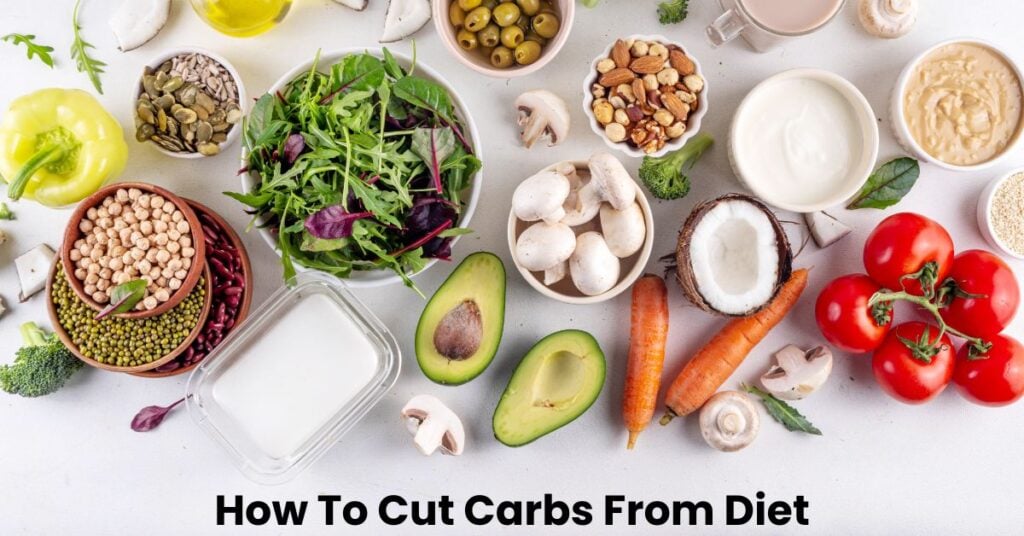
Cutting carbs works best when you trim the biggest sources first, keep fiber-rich foods, and build meals around protein and non-starchy veg.
Cutting carbs can feel simple on paper, then real life hits: breakfast on the go, a desk snack that turns into three, dinner that needs to please everyone. This piece is built for that reality. You’ll learn where carbs sneak in, what to swap without hating your meals, and how to set a carb level you can repeat.
If your goal is weight loss, steadier energy, or fewer blood sugar swings, the main move is the same: stop spending your carb budget on foods that don’t keep you full. You don’t need a pantry purge. You need a plan that’s clear at the grocery store, easy at home, and doable when you eat out.
| Food Or Drink | Typical Serving | Total Carbs (g) |
|---|---|---|
| Cooked white rice | 1 cup | 45 |
| Cooked pasta | 1 cup | 40 |
| Bread | 2 slices | 24–30 |
| Flour tortilla | 1 large (10″) | 35–45 |
| Potato | 1 medium | 35–40 |
| Banana | 1 medium | 27 |
| Sweetened yogurt | 1 cup | 25–40 |
| Soda | 12 oz can | 39 |
| Fruit juice | 12 oz | 40–50 |
| Granola bar | 1 bar | 18–30 |
How To Cut Carbs From Diet Without Feeling Hungry
Start by deciding what “cut” means for you. Some people do well with a modest drop, like swapping one starchy side each day. Others prefer a bigger shift, like keeping starches to one meal. Either way, the win comes from choosing a target you can repeat, not a number you hit once.
Here’s a clean way to set your first target:
- Keep your usual meals for three days. Write down what you eat and drink. No judgment.
- Circle the biggest carb items. Think rice, noodles, bread, sweet drinks, desserts, and snack chips.
- Pick two changes you’ll keep daily. That’s your start. After a week, adjust again.
If you want a reference point, the U.S. government’s Dietary Guidelines for Americans 2020–2025 shows a wide range of eating patterns, which helps you sanity-check what “typical” can look like across full diets.
Choose a carb pattern that matches your day
A lower-carb day is easier when you line it up with your routine. If you lift, run, or work on your feet, you may want more carbs around training or the busiest part of your shift. If you sit most of the day, you may feel better with carbs later, or in smaller doses spread out.
Skip perfection. Pick a pattern that has guardrails:
- One starchy serving per meal (or less), instead of stacking rice plus bread plus dessert.
- No liquid sugar most days. Drinks can quietly blow up your totals.
- A protein anchor each meal so you’re not hunting snacks an hour later.
Know which carbs are worth keeping
Carbs aren’t one thing. Some come packaged with fiber, water, and minerals, and they tend to sit better. Others hit fast and leave fast. The trick is to keep the carbs that buy you satiety and trim the ones that burn through your appetite.
Use this simple filter when you’re choosing between two options:
- Fiber first. Whole fruit beats juice. Beans beat crackers.
- Texture counts. Chewy foods slow you down. Soft, sweet, and drinkable carbs go down fast.
- Added sugar is a clue. If sugar shows up early on the ingredient list, treat it like a treat, not a meal base.
MedlinePlus lays out the main types of carbs and how the body turns them into glucose, which is handy when you’re sorting “keep” vs “trim.” See the MedlinePlus overview of carbohydrates.
Find the carb hotspots you can trim fast
Most people don’t eat carbs in a neat “carb food” box. They eat them in patterns: a breakfast combo, a lunch routine, a snack loop, and a dinner default. Spot the default and you’ll cut carbs with less effort.
Breakfast
Breakfast is often bread plus sweet: toast and jam, cereal, pastries, flavored lattes. You can cut a big chunk by changing the base, not the whole meal.
- Swap cereal for plain Greek yogurt with berries and nuts.
- Swap toast for eggs with sautéed spinach and a side of fruit.
- Swap a muffin for a breakfast bowl: cottage cheese, tomatoes, cucumbers, and olive oil.
Lunch
Lunch carbs often come from the wrapper: sandwich bread, tortillas, buns, and big bowls of rice. Keep the filling, change the vehicle.
- Turn a sandwich into a salad bowl with the same protein and toppings.
- Use a lettuce wrap or a lower-carb tortilla, then load it with protein and crunchy veg.
- Ask for half the rice and double the vegetables in grain bowls.
Snacks
Snacks get tricky because they’re fast, salty, and easy to overdo. If you want fewer carbs, pick snacks that slow you down.
- Cheese and olives
- Edamame
- Jerky with a piece of fruit
- Hummus with cucumber slices
Dinner
Dinner is where carbs pile up. A typical plate can turn into pasta plus bread plus a sweet drink, or tacos plus chips plus dessert. Pick one carb lane and stay there.
- Choose either rice or beans, not both, and add a big salad.
- Make tacos with crunchy slaw and avocado, then skip the chips.
- Use zucchini noodles or spaghetti squash for part of the pasta.
Build meals that stay filling on fewer carbs
When people say “low carb didn’t work,” it’s often because meals got smaller, not smarter. A lower-carb plate still needs volume, flavor, and enough protein and fat to keep hunger calm.
Use the three-part plate
Keep this structure on repeat:
- Protein: chicken, fish, tofu, eggs, lean beef, tempeh.
- Non-starchy veg: greens, broccoli, peppers, mushrooms, zucchini, cauliflower.
- Flavor fat: olive oil, avocado, nuts, tahini, cheese, pesto.
Then decide if you want a starch. If yes, measure it once, serve it, and don’t keep the pot on the table. That single move cuts “seconds” without a fight.
Make vegetables do more work
Vegetables aren’t just a side. They can replace part of the starch while keeping the bite you miss.
- Riced cauliflower in stir-fries
- Roasted cauliflower or Brussels sprouts instead of fries
- Shredded cabbage as a noodle stand-in for some dishes
- Mashed cauliflower blended with a little butter and garlic
Keep protein easy
If protein feels hard, carbs win by default. Stock two “no thinking” proteins each week.
- Rotisserie chicken or pre-cooked grilled chicken
- Tuna or salmon packets
- Eggs and egg whites
- Tofu you can cube and air-fry
- Ground turkey or lean beef for quick skillets
Read labels without getting lost
Label reading gets noisy fast. You don’t need a microscope. You need a few checks that stop you from getting tricked by “healthy” packaging.
Start with serving size
Many “low” numbers are per tiny serving. If you eat two servings, double the carbs. If you eat the whole package, do the math once and move on.
Look at total carbs, then fiber
Total carbs tell you what will add up. Fiber tells you how filling it may be. A food with 25 grams of carbs and 10 grams of fiber can sit differently than one with 25 grams and 0 fiber.
Watch for sugar in drinks
Sweet drinks are the fastest way to miss your target. Soda, sweet tea, juice, fancy coffee drinks, even “health” smoothies can carry a day’s carbs in a cup.
Handle restaurants, parties, and travel without stress
Eating out is where a plan either survives or blows up. The trick is to decide your carb choice before the food hits the table.
Use the “protein plus veg” default
Scan the menu for a protein you like, then add vegetables. Swap fries for a salad. Ask for sauce on the side. If you want bread or dessert, pick one and split it.
Use small signals to keep portions in check
- Order sparkling water first.
- Ask for half the starch, or box it right away.
- Start with a salad or broth-based soup.
Common roadblocks and what to try next
Carb cutting can feel smooth for a few days, then a few things pop up: cravings, low energy, constipation, and social pressure. Most of these have straightforward fixes.
| Roadblock | What’s Going On | Try This |
|---|---|---|
| Late-night snacking | Dinner was low in protein or volume | Add a bigger veg portion and a protein you enjoy |
| Craving sweets after lunch | Lunch was mostly starch, low in fiber | Swap half the starch for beans, lentils, or veg |
| Headache or tired feeling early on | Lower carbs plus low fluids | Drink more water and include salty foods like broth |
| Constipation | Less fiber from grains and fruit | Add berries, chia, flax, beans, and more veg |
| Feeling “carb deprived” at dinner | No planned carb lane | Pick one: a measured starch or a planned dessert, not both |
| Weekend blowouts | All-or-nothing rules | Set two non-negotiables: no sugary drinks and one starch per meal |
Make it stick with a simple weekly routine
This is the part people skip, then they’re back at the store every other day, hungry and irritated. A small weekly routine keeps carbs lower without feeling like a full-time job.
Pick three dinners you can repeat
Rotation beats variety. Choose three dinners you like and repeat them. Change the seasoning, swap the vegetable, keep the structure.
- Sheet-pan chicken thighs with broccoli and a side salad
- Salmon or tofu bowls over riced cauliflower with cucumber and spicy mayo
- Turkey taco salad with salsa, avocado, and cheese
Prep one “rescue” meal
Have one meal you can assemble in five minutes when life gets messy.
- Bagged salad + rotisserie chicken + olive oil and vinegar
- Egg scramble + frozen mixed veg + hot sauce
- Tuna packets + pickles + cherry tomatoes + cheese
Keep snacks boring on purpose
Snacks should stop hunger, not start a snack spiral. Choose two snacks for the week and stick with them.
When you should slow down or get extra care
If you have diabetes, take glucose-lowering medicine, are pregnant, have a history of eating disorders, or have kidney disease, a big carb cut can change how you feel and how your body handles food. In those cases, make smaller changes and check in with your clinician before going ultra-low carb.
A practical 7-day reset you can start today
Here’s a tight plan that turns “how to cut carbs from diet” into steps you can follow without a spreadsheet. Keep your meals familiar and change the carb pieces first.
- Day 1: Cut liquid sugar. Choose water, unsweet tea, or diet soda.
- Day 2: Make breakfast protein-first.
- Day 3: Swap your lunch bread or rice for extra veg.
- Day 4: Measure your dinner starch once.
- Day 5: Pick a lower-carb snack and stick with it.
- Day 6: Plan your restaurant order before you arrive.
- Day 7: Review what was easy and repeat it next week.
If you want one sentence to hold onto: the best carb cut is the one you can repeat. Start small, keep meals filling, and let your habits do the heavy lifting. If you’re stuck, re-check the table near the top and pick the single biggest carb source you eat most days. Then trim it.
And if you’re still wondering how to cut carbs from diet without feeling deprived, treat carbs like a side you choose on purpose, not a default that shows up everywhere.
References & Sources
- U.S. Department of Agriculture & U.S. Department of Health and Human Services.“Dietary Guidelines for Americans, 2020–2025.”Background reference for overall eating patterns and macronutrient ranges.
- National Library of Medicine (MedlinePlus).“Carbohydrates.”Overview of carbohydrate types and how the body uses carbs for energy.

Mo Maruf
I created WellFizz to bridge the gap between vague wellness advice and actionable solutions. My mission is simple: to decode the research and give you practical tools you can actually use.
Beyond the data, I am a passionate traveler. I believe that stepping away from the screen to explore new environments is essential for mental clarity and physical vitality.