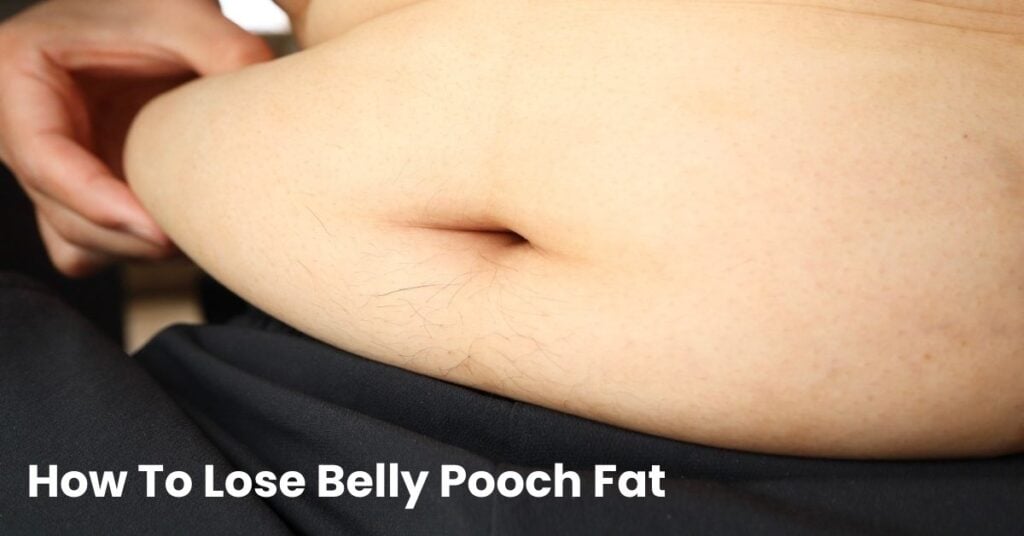
A flatter lower belly comes from a calorie gap, strength training, daily steps, better sleep, and less alcohol over 8–12 weeks.
A belly pooch can come from body fat, bloating, or posture. Often it’s a mix. That’s why random ab routines don’t do much, while a steady plan does.
Use this page as your playbook: what changes the waist, what to do first, and how to adjust when progress slows.
| Lever | Do This | Track This |
|---|---|---|
| Calorie gap | Replace one daily high-calorie item (drink, snack, sauce) with a lighter pick. | Weekly weight average (3–7 mornings). |
| Protein | Eat a palm-sized protein portion at each main meal. | Afternoon hunger and late snacking. |
| Steps | Add 2,000 steps to your baseline, split across the day. | Daily steps and waistband feel. |
| Lifting | Train full-body 2–3 days: squat/hinge/push/pull/carry. | Loads and reps on main lifts. |
| Core control | Do a short trunk circuit 2–4 times per week. | Plank time and back comfort. |
| Sleep | Keep a fixed wake time and a steady “lights out” goal. | Cravings and training energy. |
| Alcohol | Limit drinking to planned days and modest portions. | Next-day appetite and puffiness. |
| Bloat | Test one trigger for 7 days: carbonation, salty takeout, late meals, dairy. | Evening belly tightness. |
What A Belly Pooch Is
“Pooch” is a catch-all term, so start by naming what you’re dealing with.
Subcutaneous fat is the pinchable layer under the skin. It shrinks with overall fat loss and tends to move slowly.
Visceral fat sits deeper around organs. You can’t pinch it, and it often improves with more activity, better sleep, and steadier eating.
Bloat can add inches by evening. Constipation, large salty meals, lactose, and carbonated drinks are common culprits.
Posture matters. A forward-tipped pelvis and flared ribs can push the belly out, even when you’re leaner.
If your belly changes suddenly, you have severe pain, vomiting, blood in stool, fever, or unexplained weight loss, get medical care promptly.
How To Lose Belly Pooch Fat With A Plan You Can Stick To
The plan is straightforward: keep a small calorie gap, lift to hold muscle, and raise daily movement. Then clean up sleep and bloat triggers so the waist sits flatter day to day.
People search how to lose belly pooch fat hoping for a shortcut. The shortcut is picking fewer moves and doing them longer.
Step 1 Set A Small Calorie Gap
Fat loss needs a calorie gap, sustained over weeks. Go small so you can keep training hard and avoid rebound eating.
- Cut one liquid-calorie habit first.
- Keep meals simple: protein, a carb you digest well, and a produce side.
- Use a short tracking phase if it helps you learn portions, then rely on repeatable meals.
To map calories and activity to a target pace, the NIDDK Body Weight Planner gives a personalized starting point.
If tracking feels tedious, take photos of meals for a week. Patterns jump out fast, and you can trim portions without weighing every bite at home.
Step 2 Lift To Keep Shape While You Lean Out
Lifting helps you keep muscle while you drop fat, so your waist looks tighter at the same body weight.
Run this full-body plan 2–3 days per week:
- Squat or leg press: 3 sets of 6–10
- Hip hinge (Romanian deadlift or hip thrust): 3 sets of 6–10
- Push (push-ups or bench): 3 sets of 8–12
- Pull (row or pull-down): 3 sets of 8–12
- Carry (farmer or suitcase): 4 short walks
When a lift feels easier, add one rep or a small weight bump. Keep form clean.
Step 3 Walk More Than You Think
Steps are the steady burner for belly fat. They raise daily energy use and help appetite stay calm.
The CDC physical activity recommendations for adults set a simple target: weekly aerobic activity plus two days of muscle work.
- Take a 10-minute walk after two meals.
- Use calls as a cue to pace.
- Pick stairs once per day.
Step 4 Add Intervals Only If Recovery Stays Good
Intervals can help, but they’re optional. Try 6 rounds of 30 seconds hard, 90 seconds easy on a bike or uphill walk. Do it once a week at first.
Food Habits That Trim The Midsection
You don’t need perfect meals. You need meals that hit protein, keep portions steady, and don’t hide calories in oils, sugary drinks, and oversized snacks.
Build A Simple Plate
- Half plate: vegetables or fruit.
- Quarter plate: protein (eggs, yogurt, chicken, tofu, fish, beans).
- Quarter plate: carbs (rice, potatoes, oats, bread, pasta).
- Add fat on purpose: a thumb of oil, nuts, or avocado.
If you’re hungry soon after meals, add protein first. If you bloat at night, shift more of your carbs earlier and keep dinner lighter.
Snack Like It’s A Mini Meal
Snacks work when they feel filling. Pair a protein or fiber source with something you enjoy.
- Greek yogurt and berries
- Fruit and nuts
- Jerky and fruit
- Hummus and carrots
Keep Drinks Honest
Liquid calories rarely satisfy hunger. If you drink alcohol, plan it, measure it, and skip mindless refills. Many people see less waist puffiness within two weeks of cutting back.
Common Traps That Stall A Belly Pooch
Most stalls come from a few repeat offenders. Fix one, then retest the scale and waist for two weeks.
- Weekend drift: weekdays stay on plan, then two big meals out erase the calorie gap.
- “Healthy” extras: oil, nut butter, dressing, and cheese creep up when you stop measuring.
- Too many hard workouts: extra HIIT can spike hunger and shrink your daily steps.
- Skipping breakfast protein: hunger hits harder later, then snacks get messy.
A clean fix is boring: plan one meal out, keep protein steady, and keep your step goal on the days you’d rather flop on the couch.
Core Work That Changes How Your Belly Sits
You can’t melt fat from one spot, but you can train your trunk to hold the ribs and pelvis in a better position. That often makes the lower belly look flatter during the fat-loss phase.
A 10-Minute Core Circuit
Do this 2–4 times per week. Stop a set when you lose control.
- Dead bug: 6 slow reps per side
- Side plank: 20–40 seconds per side
- Bird dog: 6 slow reps per side
- Glute bridge: 10–15 reps
- Suitcase carry: 2 short walks per side
If you see a midline “dome” during crunches after pregnancy, skip sit-up style moves and get checked for diastasis recti by a qualified clinician.
Posture And Bloat Fixes That Show Up Fast
Some changes appear in days. They don’t replace fat loss, but they make your waist look calmer while the slower work keeps rolling.
Stack Ribs Over Hips
- Exhale gently and let the ribs drop.
- Lightly squeeze glutes to bring the pelvis under you.
- Stand tall without arching the low back.
Use that position during walks and lifts. It often reduces the “pushed out” look.
Test One Bloat Trigger
Pick one test for 7 days:
- Swap carbonation for still drinks.
- Keep dinner earlier and smaller.
- Cook one extra meal at home to cut salt.
- Try lactose-free dairy if milk bothers you.
Regular walks and steady sleep often improve bathroom rhythm without harsh cleanses.
Sleep And Stress Habits That Protect Your Progress
Poor sleep pushes hunger up and patience down. That’s often where the calorie gap falls apart.
- Keep a fixed wake time.
- Do a 30-minute wind-down with dim lights and screens off.
- Cut caffeine earlier in the day if you’re waking up wired.
How To Track Progress Without Getting Stuck
Daily changes are noisy. Track trends.
- Scale: weekly average from 3–7 mornings.
- Waist: measure at the navel once per week.
- Photos: every two weeks, same light.
- Performance: main lifts and daily steps.
If nothing moves for 14 days, adjust one lever: add steps, tighten portions, or cut alcohol days.
| What You Notice | Likely Reason | Try This Next |
|---|---|---|
| Evening belly tightness | Salt, late meals, carbonation, constipation | Earlier dinner, post-dinner walk, test one trigger |
| Scale drops, waist stays | Water shifts, little lifting progress | Keep lifting, add the core circuit twice weekly |
| Waist drops, scale stays | More steps, better posture, muscle gain | Stay steady and track weekly averages |
| Night hunger | Low protein earlier, poor sleep, too large cut | Add protein at breakfast and keep sleep steady |
| Training feels flat | Too many hard sessions, too little fuel | Drop intervals for a week and add carbs near workouts |
| No change for 14 days | Weekend drift in eating and steps | Plan weekends and add 2,000 steps daily |
| Lower belly hangs when leaner | Posture, weak glutes, diastasis after pregnancy | Glute work, rib-over-hip cue, get assessed if doming occurs |
A Two-Week Routine You Can Start Today
This template keeps decisions low and results measurable.
Week Structure
- Lift full-body 2–3 days, then do the 10-minute core circuit.
- Walk daily, with two 10-minute post-meal walks when you can.
- Eat three simple meals built on protein and whole foods.
- Keep the wake time steady.
What To Expect
Week 1 often feels like less bloat and steadier appetite. Weeks 3–8 are where the waist usually changes, as long as the calorie gap holds.
If you’ve been asking how to lose belly pooch fat, run this plan for eight consistent weeks before you judge it. Small moves done daily beat big moves done twice.
References & Sources
- Centers for Disease Control and Prevention (CDC).“Adult Activity: An Overview.”Defines weekly activity and strength targets used in the training plan.
- National Institute of Diabetes and Digestive and Kidney Diseases (NIDDK), NIH.“About the Body Weight Planner.”Provides a method for estimating calories and activity for a chosen weight-loss pace.

Mo Maruf
I created WellFizz to bridge the gap between vague wellness advice and actionable solutions. My mission is simple: to decode the research and give you practical tools you can actually use.
Beyond the data, I am a passionate traveler. I believe that stepping away from the screen to explore new environments is essential for mental clarity and physical vitality.