Our readers keep the lights on and my smoothie glass nicely filled. As an Amazon Associate, I earn from qualifying purchases.
A twelve-hour shift in a hospital is a marathon where your shoes are the only thing between you and a day of aching feet, throbbing knees, and a lower back that locks up before lunch. The wrong pair turns every patient room walk into a chore, while the right pair lets you focus entirely on care, not on your arches collapsing. This guide is built for the long haul — examining the foam density, rocker geometry, slip resistance, and stain defense that separate functional footwear from clinical tools that actually work.
I’m Mohammad Maruf — the founder and writer behind WellFizz. I’ve spent hundreds of hours analyzing the materials science, biomechanics, and real-world reviews behind occupational footwear used by medical professionals on concrete hospital floors.
After sorting through dozens of models for slip resistance, arch support, and all-day cushioning, these seven options represent the standard for what a pair of doctor shoes should deliver for anyone standing between patients and their next break.
How To Choose The Best Doctor Shoes
Medical professionals face demands that consumer sneakers aren’t engineered for: standing still for long periods, walking thousands of steps, and needing to quickly wipe away fluids or debris. The right pair balances three variables: underfoot cushioning density, outsole grip pattern, and upper material cleanability.
Outsole Grip & Slip Resistance
A hospital floor can go from dry to wet in seconds. Look for shoes with a rubber outsole marked as slip-resistant — the tread pattern should have wide channels to disperse liquid. A clog-style shoe with a full contact sole tends to offer more stability than a sneaker with a segmented running outsole when standing still on tile.
Midsole Cushioning & Arch Support
Memory foam insoles feel soft in the store but compress permanently over an eight-hour shift, especially under a heavier-frame clinician. A high-rebound EVA or polyurethane midsole retains its shape longer and provides better energy return. For flat feet or high arches, a removable insole allows you to swap in an orthotic — many doctor shoes have a molded footbed that replaces this need entirely.
Upper Material & Cleanability
Leather and synthetic leather uppers wipe clean with an alcohol pad, making them ideal for clinical settings where fluid splash is routine. Mesh or knit uppers breathe better but trap debris and absorb stains, which can be a hygiene issue in high-exposure environments. If you work in a procedure room or ER, prioritize a non-porous upper.
Quick Comparison
On smaller screens, swipe sideways to see the full table.
| Model | Category | Best For | Key Spec | Amazon |
|---|---|---|---|---|
| Dansko Women’s XP 2.0 Clogs | Premium Clog | 12-hour OR or floor shifts | Rocker bottom sole, water repellent | Amazon |
| Dansko Women’s Kaci Mule Clog | Premium Clog | Wide feet & all-day stability | Bio-based EVA, slip resistant | Amazon |
| DIAN Milan Men’s Professional Shoe | Premium Entry | Men needing structured support | Thick rubber sole, leather interior | Amazon |
| Nurse Mates Pennie Loafer | Mid-Range Loafer | Stain-resistant clinical wear | Stain-resistant upper, slip resistant | Amazon |
| Spring Step Manila Slip-On | Mid-Range Loafer | Leather durability & non-skid grip | Printed leather upper, non-skid | Amazon |
| Shoes for Crews Everlight Slip-On | Mid-Range Sneaker | Waterproof & breathable all-day | Waterproof, slip-resistant outsole | Amazon |
| Skechers D’Lites Fresh Start Sneaker | Entry-Level Sneaker | Budget-friendly memory foam | Memory foam insole, sturdy build | Amazon |
In‑Depth Reviews
1. Dansko Women’s XP 2.0 Clogs
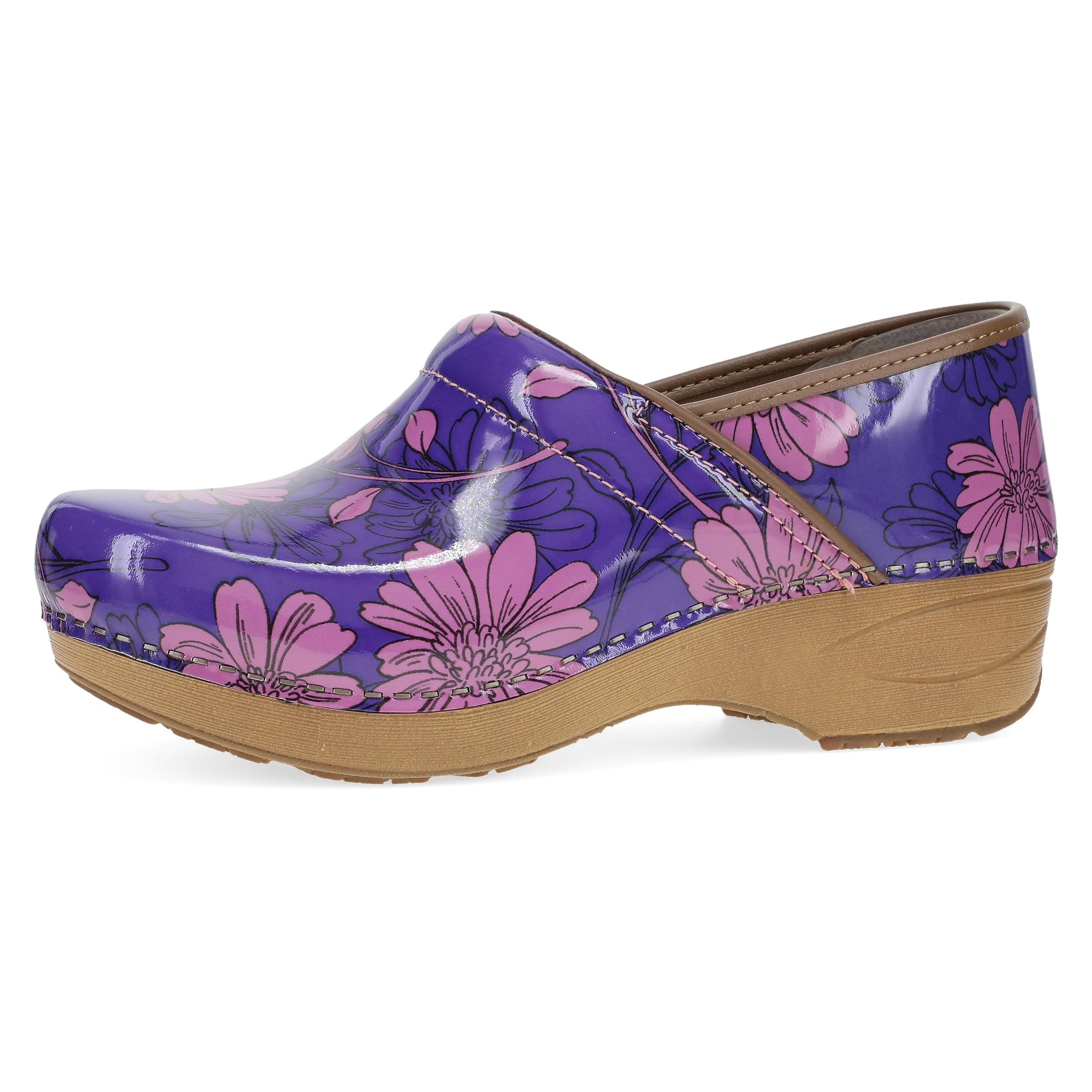
The Dansko XP 2.0 is the benchmark for clinical footwear engineering, combining a lightweight EVA construction with a rocker bottom that propels your foot forward with each step, reducing the energy cost of walking long hospital corridors. The outsole is slip-resistant and the upper is water-repellent, meaning a splash from a sink or a dropped saline bag wipes off without soaking through. Users consistently report zero foot pain after twelve-hour shifts, which is the gold standard for this category.
Real-world feedback confirms the sizing runs slightly large, so a half-size down from normal yields a secure fit, and the wide version accommodates broader forefeet or swelling that occurs during long shifts. The platform heel adds roughly three inches of height, which some shorter clinicians appreciate for reaching equipment, but it does introduce a firmer base that feels less pillowy than a running shoe — a deliberate trade-off for stability on slick floors.
Glitter finish options come with a minor caveat: the sparkly surface can feel rough on contact and may show wear over time. For clinicians who prioritize function over fashion, the solid color variants avoid this issue entirely while still offering the same biomechanical benefits.
Why it’s great
- Rocker-bottom sole reduces fatigue during long walking shifts
- Water-repellent upper cleans easily with a wipe
- Lightweight EVA midsole retains cushioning over months of use
Good to know
- Runs large — order a half size down for a secure fit
- Firm base is not plush; requires adaptation from soft sneakers
- Glitter finish options may show wear over time
2. Dansko Women’s Kaci Mule Clog
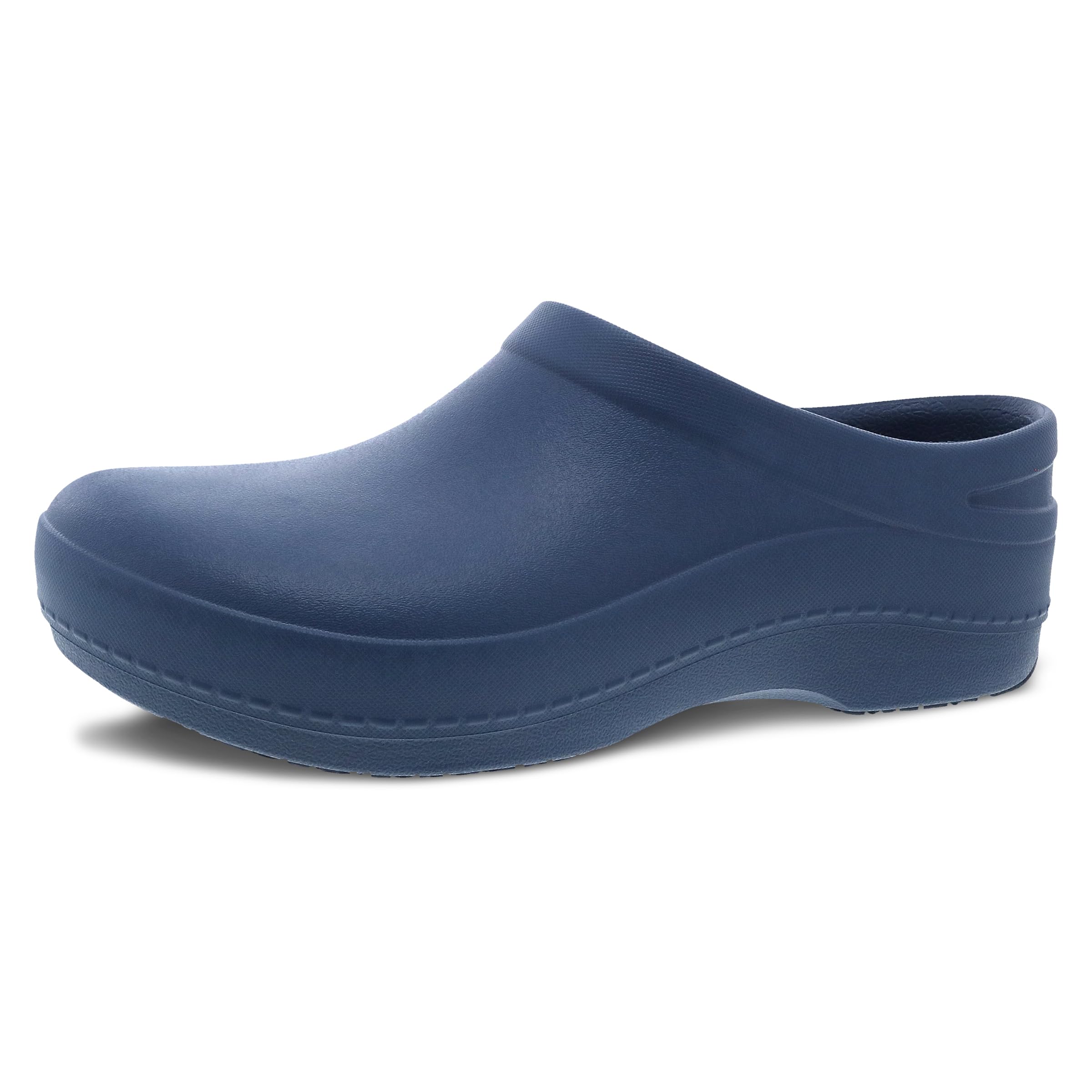
The Kaci Mule Clog addresses a frequent complaint about the classic Dansko profile: ankle instability. The wider base and lower arch profile provide a more planted feel, reducing the lateral roll that some wearers experience in the standard shape. The bio-based EVA midsole delivers a softer underfoot sensation than the XP 2.0 while still being slip-resistant and durable enough for healthcare, food service, or landscaping environments — a rare crossover of comfort and occupational safety.
User reviews highlight that the fit runs slightly large, which works well for those who wear thick compression socks during shifts. The material is not stiff or stretchy, so it holds its shape without pinching the toes. Several nurses reported switching from Hokas and Crocs to the Kaci because the clog design prevents debris from collecting inside the shoe and is far easier to disinfect at the end of a shift.
The primary drawback is the squeaking sound that some units produce on polished tile floors — a common trait of rubber outsoles with high-grip patterns. A thin dusting of cornstarch on the insole can dampen the noise, but it is worth noting for anyone working in a quiet patient care area.
Why it’s great
- Wider base improves lateral stability compared to standard clogs
- Bio-based EVA midsole stays supportive over long shifts
- Wipes clean easily and resists fluid absorption
Good to know
- Runs large — best with thicker socks or a half size down
- Can produce a squeaking sound on polished tile
- Lower arch profile — less arch support than the classic Dansko
3. DIAN Milan, Men’s Health Care Professional Shoe
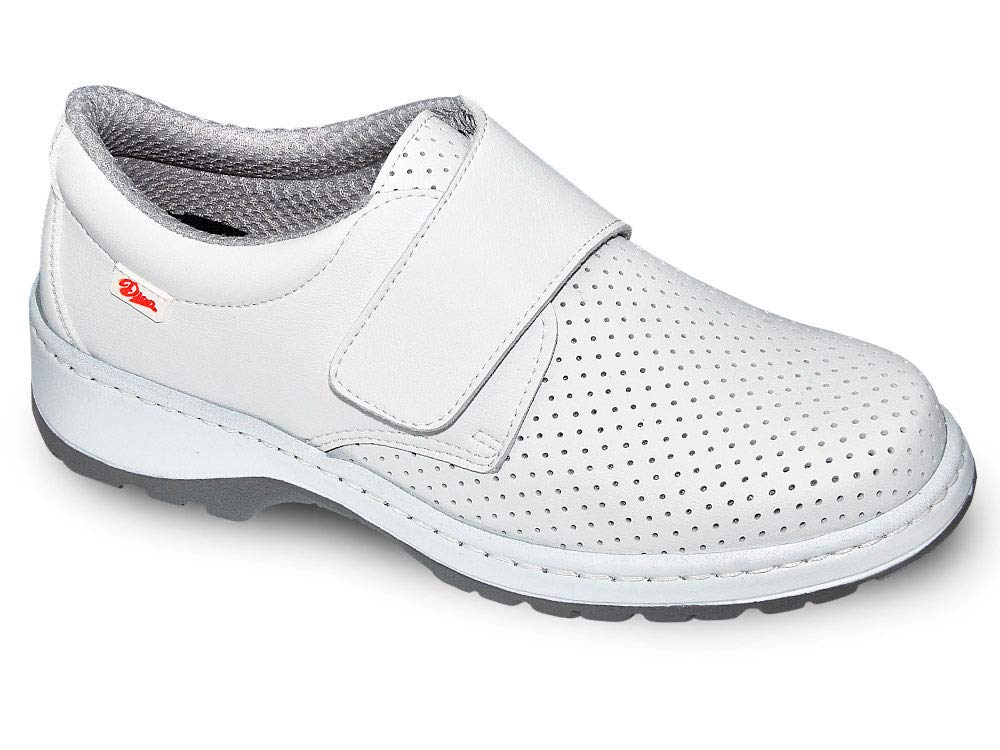
The DIAN Milan offers a different approach from the EVA-heavy American clogs — a leather interior with a thick rubber outsole that isolates your feet from cold tile floors and damp surfaces. This construction delivers a level of insulation and structural rigidity that foam-based shoes cannot match. The heel cup is structured to lock the foot in place, which prevents the sliding sensation common in slip-on work shoes during quick pivots.
Men with broader feet will appreciate that the Milan runs true to size in the forefoot while still securing the heel tightly — a balance that is surprisingly rare in pull-on clogs. The padded inner lining is soft against bare skin or thin cotton socks, reducing friction on the Achilles tendon. Users returning for second and third pairs suggests the Milan holds up to daily wear without the midsole collapsing or the stitching unraveling.
The trade-off is weight — the thick rubber outsole and full-grain leather upper make this a heavier shoe than a knit sneaker or an EVA slip-on. Clinicians who do a lot of stair climbing or sprinting between codes may prefer a lighter option, but for steady floor work, the durability more than compensates.
Why it’s great
- Thick rubber outsole insulates against cold tile floors
- Leather interior with padded lining reduces heel friction
- Secure heel cup prevents sliding during quick movements
Good to know
- Heavier than EVA-based alternatives
- Limited color options for clinical uniform matching
- Not ideal for those who prefer a wide toe box in knit material
4. Nurse Mates Pennie Women’s Shoes
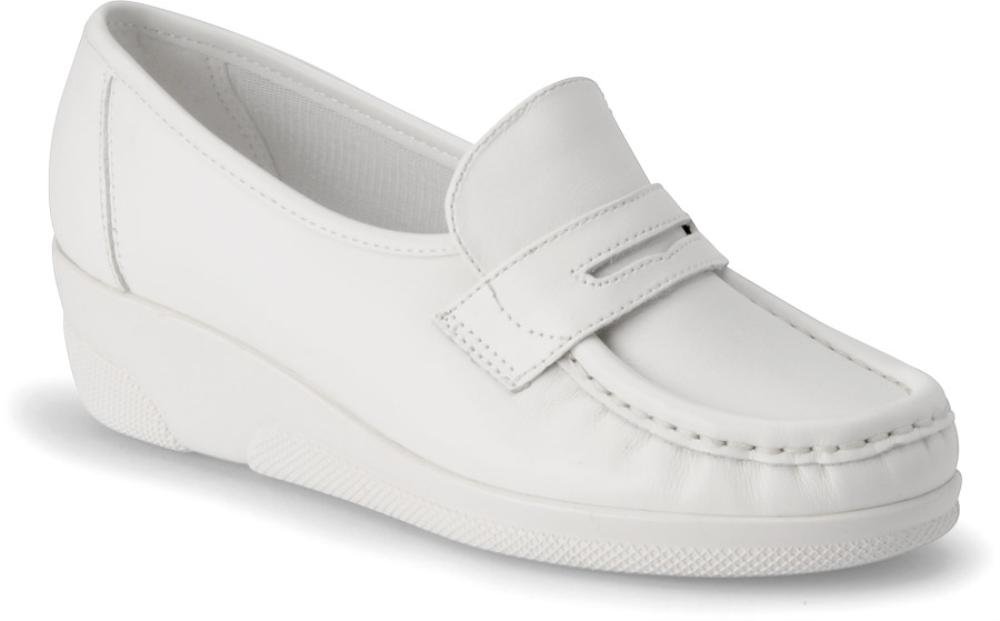
The Nurse Mates Pennie has been a hospital staple for decades because it prioritizes the two things that matter most in a clinical shoe: a stain-resistant upper that survives coffee spills and betadine splashes, and a slip-resistant outsole that grips wet linoleum without aggressive tread noise. The loafer silhouette stays low-profile under scrub pants and meets the dress-code requirements of many hospital systems that ban athletic-style sneakers.
The footbed is built with a removable insole, which is a critical feature for anyone using custom orthotics for plantar fasciitis or collapsed arches. Wide-width options are available, though users with very wide feet report the widest part of the shoe feels snug during the first week of wear before the leather conforms. Once broken in, the upper molds to the foot shape without stretching out completely, maintaining a secure fit for months.
The trade-off is the break-in period — the leather upper is stiff out of the box and requires a few shifts to soften. For clinicians who need immediate comfort without break-in, a clog-style shoe with a softer upper may be more appropriate. The Pennie rewards patience with a service life that often exceeds two years of daily wear.
Why it’s great
- Stain-resistant leather upper wipes clean easily
- Removable insole accommodates custom orthotics
- Slip-resistant outsole performs well on wet clinical floors
Good to know
- Requires a break-in period — stiff leather at first
- Snug fit in the widest part of the foot for wide-width buyers
- Less cushioning than EVA or memory foam alternatives
5. Spring Step Manila Slip-On Professional Nursing Shoes
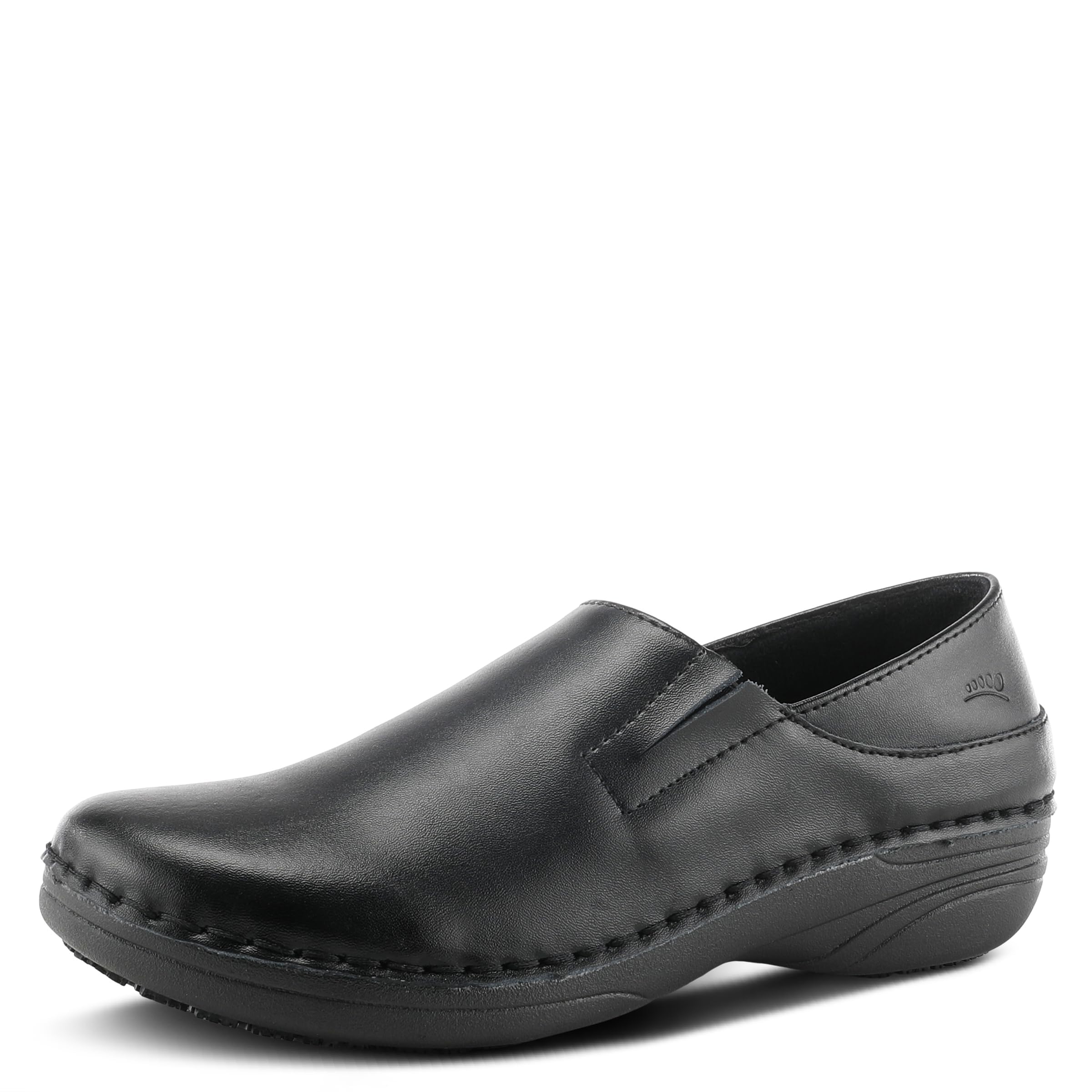
The Spring Step Manila delivers a classic nursing clog profile with a printed leather upper that resists stains better than fabric while maintaining a polished appearance. The non-skid outsole provides solid grip on hospital floors, though some users note it still feels slippery on wet surfaces — consider applying an additional anti-slip spray if your unit has frequent mopping cycles. The footbed offers generous arch support that multiple reviewers describe as more comfortable than their athletic sneakers during ten-hour shifts.
Durability is a standout feature — one reviewer reported their first pair lasting over six years of daily wear before replacement, which dramatically lowers the cost-per-wear compared to less expensive shoes that need yearly replacement. The toe box is spacious enough to accommodate bunions and minor foot swelling without pinching, and the closed back with a pull-on design stays secure without requiring a heel strap.
Sizing is the biggest variable: the Manila runs large, and most buyers need to order a full half size down to avoid heel slippage. For those with narrow feet, even a half-size down may still feel roomy, making this a better fit for medium-to-wide foot shapes. The leather upper is not water-resistant, so spills need to be wiped up quickly to prevent absorption.
Why it’s great
- Printed leather upper holds up for years without cracking
- Generous arch support outpaces many athletic sneakers
- Spacious toe box accommodates bunions and swelling
Good to know
- Runs a half to full size large — size down
- Not water-resistant; wipe spills quickly
- Non-skid grip is good but not ideal for extremely wet floors
6. Shoes for Crews Everlight Slip-On Work Sneakers

The Shoes for Crews Everlight brings a lightweight, sneaker-like profile into the clinical shoe category, with a slip-resistant outsole that is widely trusted in food service and healthcare. The upper is both waterproof and breathable — a rare combination — so feet stay dry from external splashes without trapping sweat. The pull-on mule design with no heel means quick removal at the end of a shift, which is a small but real convenience for tired clinicians.
The key limitation is arch support — the Everlight is not designed for plantar fasciitis relief or high-arch support. Users with flat feet or specific arch needs will find the footbed too minimal, though the removable insole allows for aftermarket orthotics. The stretchy material is forgiving for bunions, making this a solid choice for clinicians who prioritize comfort over corrective support.
Sizing is inconsistent — buyers report a 1.5-inch gap in length when ordering their normal shoe size, so ordering a full size down is common practice. The brand’s fulfillment has also drawn criticism for sending returned or used shoes on occasion, so inspect the packaging immediately upon delivery and be prepared to exchange.
Why it’s great
- Waterproof upper repels fluid without sacrificing breathability
- Stretchy material accommodates bunions comfortably
- Lightweight construction reduces leg fatigue during long shifts
Good to know
- Runs very large — order a full size down
- Minimal arch support unsuitable for plantar fasciitis sufferers
- Fulfillment quality control issues with used shoes reported
7. Skechers Women’s D’Lites Fresh Start Memory Foam Sneaker

The Skechers D’Lites Fresh Start is the entry point for clinicians who want immediate plush comfort at a lower cost. The memory foam insole delivers noticeable softness on first wear, and the lightweight construction makes these feel almost like wearing slippers after a shift in heavier clogs. Several users report walking 19,000 steps per shift without significant foot pain, which is impressive for a sneaker at this tier.
The catch is durability — memory foam compresses permanently over weeks of heavy use, so the initial cloud-like feel degrades faster than an EVA or polyurethane midsole. For someone doing twelve-hour days on concrete, the cushioning will flatten noticeably after two to three months, at which point the shoe becomes far less protective. The upper is mesh-based, which breathes well but stains easily and cannot be disinfected as thoroughly as a leather or synthetic upper.
Sizing runs slightly narrow and a bit small — wide-footed clinicians should size up by at least half a size. The white color option is popular for clinical settings but shows wear and dirt quickly, making dark colors the more practical choice. These are best suited as a secondary or low-mileage pair rather than a primary workhorse for full-time hospital staff.
Why it’s great
- Extremely comfortable memory foam feel out of the box
- Very lightweight — feels like slippers on foot
- Lowest upfront cost for entry-level clinical footwear
Good to know
- Memory foam compresses quickly — comfort fades in 2-3 months
- Mesh upper stains easily and is hard to disinfect
- Runs narrow and small — size up for wide feet
FAQ
Can I wear running sneakers as doctor shoes instead of occupational clogs?
How long should a pair of doctor shoes last before needing replacement?
Are slip-resistant outsoles enough to prevent falls on wet hospital floors?
Should I buy doctor shoes a half size larger to account for foot swelling?
Is a leather upper always better than mesh for a clinical setting?
Final Thoughts: The Verdict
For most clinicians, the doctor shoes winner is the Dansko Women’s XP 2.0 Clogs because the rocker-bottom sole and lightweight EVA construction provide the best balance of fatigue reduction, slip resistance, and easy cleaning for twelve-hour hospital shifts. If you need a wider, more stable base that minimizes ankle rolling, grab the Dansko Women’s Kaci Mule Clog. And for men who prefer a structured leather clog with thick rubber insulation against cold floors, nothing beats the DIAN Milan.

Mo Maruf
I created WellFizz to bridge the gap between vague wellness advice and actionable solutions. My mission is simple: to decode the research and give you practical tools you can actually use.
Beyond the data, I am a passionate traveler. I believe that stepping away from the screen to explore new environments is essential for mental clarity and physical vitality.