Our readers keep the lights on and my smoothie glass nicely filled. As an Amazon Associate, I earn from qualifying purchases.
Applying window film yourself is the only way to get the UV protection and heat rejection you want without paying a premium for labor. But not all films are created equal — some are hard to handle, block signals, or fail within a season. The right DIY ceramic tint sticks without bubbling, blocks infrared heat effectively, and installs smoothly with standard tools.
I’m Mohammad Maruf — the founder and writer behind WellFizz. After analyzing dozens of film rolls, customer install reports, and real-world heat rejection data, I’ve narrowed the field to the films that actually perform for the home installer.
Whether you’re shading a coupe or an SUV, this guide breaks down the specs and real-world behavior of the top films to help you pick the best diy ceramic tint for your car or home windows.
How To Choose The Best DIY Ceramic Tint
Selecting a DIY ceramic tint requires understanding the balance between heat rejection, visibility, and ease of handling. The right film will block harmful UV rays and infrared heat while remaining pliable enough to conform to curved windows without creasing. Below are the key factors that separate an enjoyable first-time install from a frustrating battle with bubbles and adhesive.
Visible Light Transmission
VLT determines how much light passes through the film. Lower percentages (5% to 15%) offer maximum privacy and glare reduction but reduce night visibility and may violate local laws. Higher VLT (35% to 50%) is legal in more jurisdictions, easier to see through at night, and still reduces solar heat effectively. Choose based on your local regulations and your tolerance for reduced visibility after dark.
Heat Rejection and UV Block
Nano ceramic films absorb and then dissipate heat in motion, while carbon films rely on a different absorption method. Look for films that explicitly list 99% UV protection and infrared rejection above 80%. A higher total solar energy rejected rating means a more comfortable cabin without relying on the air conditioner as heavily.
Installation Ease
Thinner films, around 1.5 mil, are easier to heat-shrink around convex rear windows but may stretch thin and tear if overworked. Thicker 2-mil films are more durable and forgiving during squeegee work but require more aggressive heating to conform. Two-ply designs offer the best middle ground — a scratch-resistant top layer and a stable adhesive bottom layer that reduces the chance of creasing.
Quick Comparison
On smaller screens, swipe sideways to see the full table.
| Model | Category | Best For | Key Spec | Amazon |
|---|---|---|---|---|
| United 2PLY Nano Ceramic Pro | Premium | Maximum heat rejection and clarity | IR-95 infrared rejection, 2PLY | Amazon |
| SOLARCONTROL 15% | Premium | Thick, easy-to-handle pro-grade film | 1.5 mil 2PLY carbon/PET | Amazon |
| LuxeShade Carbon 35% | Mid-Range | Durable 2-ply HD film at a fair price | 2 mil thickness, 100 ft roll | Amazon |
| MotoShield Pro Nano Carbon | Mid-Range | Versatile DIY with clear instructions | 1.5 mil, 2PLY, 99% UV block | Amazon |
| TOYOCO Carbon 5% | Mid-Range | Budget-friendly carbon for experienced DIYers | 100 ft roll, 5% VLT | Amazon |
| SW Nano Ceramic 80% | Budget | Nearly clear heat shield for windshields | 80% VLT, 40×120 inches | Amazon |
| ARANA Ceramic 35% | Budget | Entry-level film with great support | 20×360 inch, 35% VLT | Amazon |
In‑Depth Reviews
1. United 2PLY Nano Ceramic Pro Window Tint Film
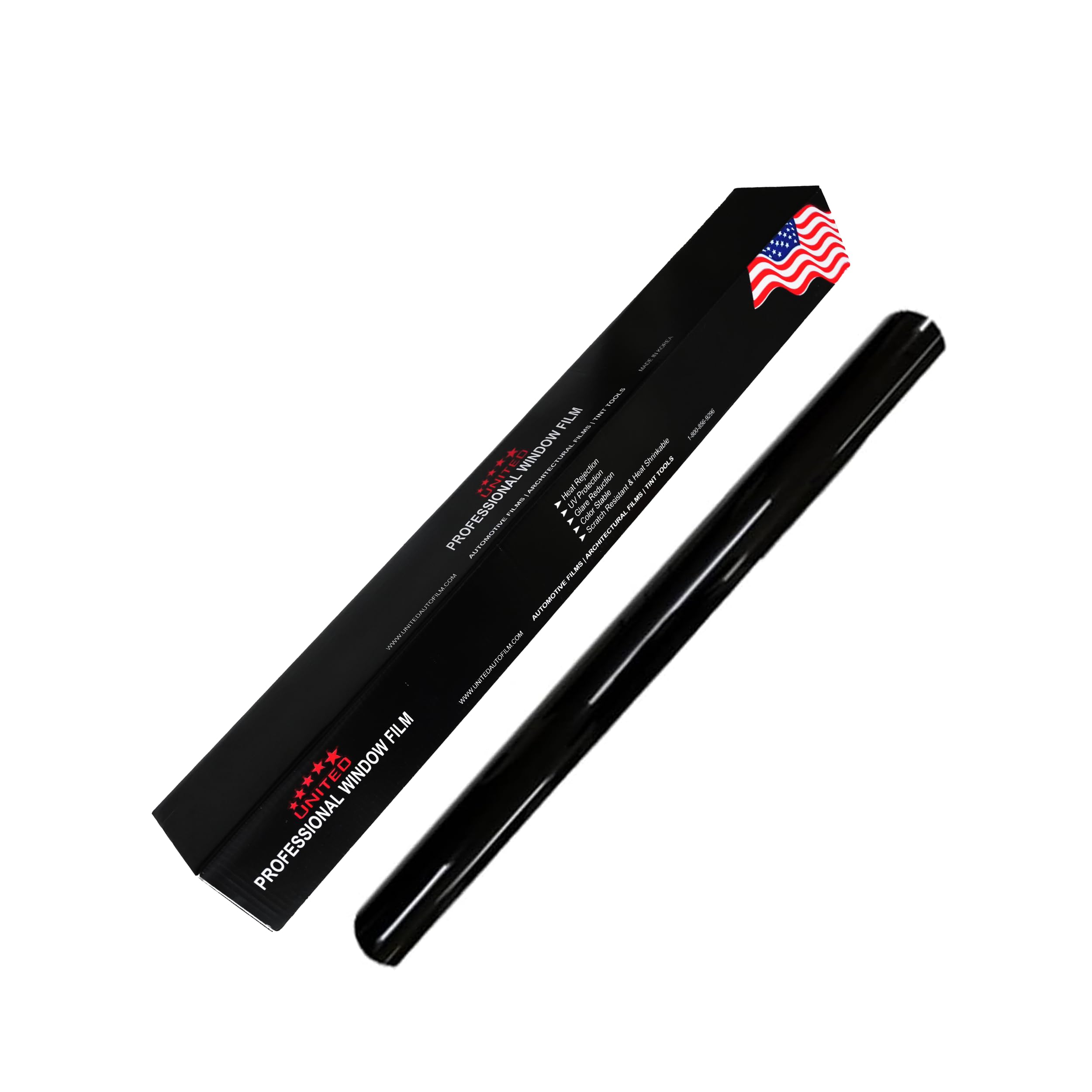
This film uses advanced ceramic particles embedded in clear PET and a laminate adhesive layer to deliver a notable infrared heat rejection of 90-95%, along with TSER of 50-60%. The non-metalized construction means you won’t lose cell signal or GPS reception, a critical advantage for daily drivers who rely on navigation and hands-free calling. The 5% VLT provides serious daytime privacy while maintaining surprising clarity when looking outward.
Installers report that the wet/dry heat shrink ability makes it easier to conform to complex rear window curves without creasing. The 20-inch width by 100-foot length is generous enough for a full sedan or a SUV with some left over for home windows. The color-stable adhesive resists turning purple over time, a common failure in cheaper dyed films.
The upfront cost is higher, but the combination of IR-95 heat block, optical clarity, and signal-friendly materials places it at the top for buyers who want a long-term investment in comfort. Some users note the film has a slight greenish hue rather than a pure gray, so check color samples if you’re matching existing tint.
Why it’s great
- Exceptional IR-95 heat rejection
- Signal-friendly, non-metalized ceramic
- Versatile wet or dry installation
Good to know
- May have a greenish color tone
- Premium price point
2. SOLARCONTROL Window Tint Car Film 2PLY 15%

This 2-ply roll uses a carbon layer combined with PET, giving it a thickness that feels substantial without being unwieldy. At 1.5 mil per layer, the film offers a good balance of durability and conformability — experienced DIYers note it shrinks well around compound curves without excessive finger wrinkles. The 15% VLT provides a dark shade that still allows acceptable night visibility in well-lit areas.
Users consistently praise the heat rejection performance, reporting reduced interior temperatures on sunny days. The scratch-resistant coating holds up well during installation and subsequent window operation. Because it is not a pure ceramic film, the carbon layer absorbs heat rather than reflecting it — during long stationary periods the glass may feel warmer, but heat dissipates quickly once the vehicle is in motion.
The 40-inch width by 100-foot roll is unusually generous, giving you ample material for large rear windows or multiple vehicles. Some reviewers noted slight optical distortion in certain lighting conditions, but most agree the price-to-performance ratio is strong for a mid-range film.
Why it’s great
- Good thickness for easy handling
- Scratch-resistant coating
- Large roll covers multiple windows
Good to know
- Slight optical distortion possible
- Carbon absorbs rather than reflects heat
3. LuxeShade Premium Carbon Car Window Tint Film 35%
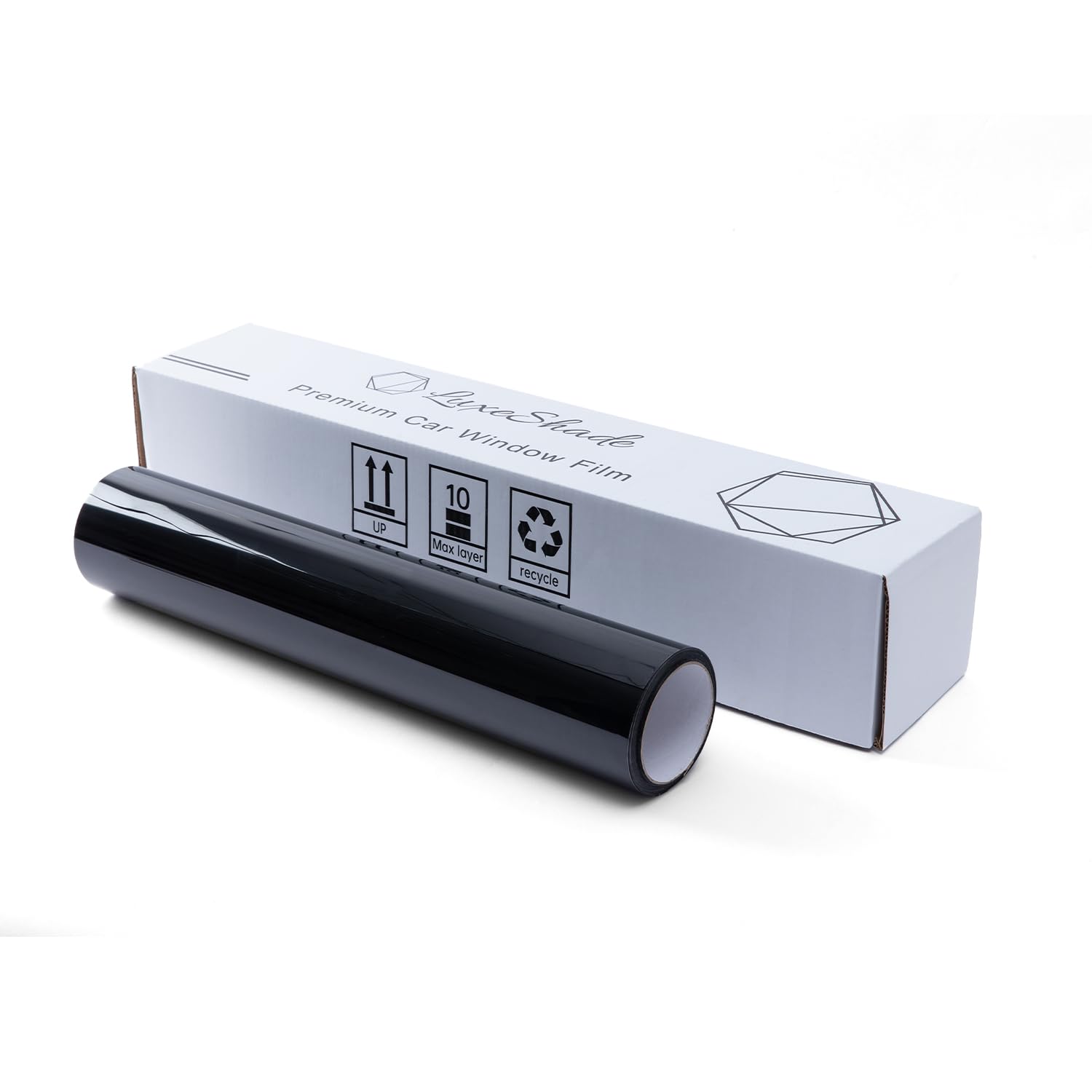
The LuxeShade film stands out for its 2-mil thickness paired with a 2-ply construction, making it one of the most durable options at this price tier. This extra thickness provides excellent scratch resistance during installation and daily use, and the 100-foot roll length gives you plenty of material for a sedan plus a few home windows. The 35% VLT is a popular middle ground — dark enough for daytime privacy but legal in most states and easy to see through at night.
DIY reviewers describe the installation as straightforward, with the adhesive adhering cleanly when plenty of soapy water is used. The carbon nano technology blocks UV effectively, reducing interior fading and keeping the cabin cooler. The one-way privacy effect is solid during the day, though at night with interior lights on, visibility from outside increases — standard behavior for this VLT range.
The film does not interfere with GPS or radio signals, a benefit of its carbon structure. The price makes it accessible for larger projects without sacrificing build quality. For those who want a tough, long-lasting film that is legal and easy to install, this is a very strong contender.
Why it’s great
- Thick 2-mil construction for durability
- Legal 35% VLT
- Strong UV protection
Good to know
- Heavier film requires more heat for curves
- Less effective at IR rejection than ceramic
4. MotoShield Pro 5% VLT Nano Carbon Car Window Tint Film

MotoShield Pro’s nano carbon film is only 1.5 mil thick, making it one of the more forgiving options for beginners. It shrinks easily with a heat gun, and the 2PLY adhesive backing helps reduce the occurrence of bubbles if you follow the wet-install method. The 5% VLT offers maximum daytime privacy and a sleek black finish that enhances the look of any vehicle, though night visibility is limited and may be illegal for front windows in many areas.
The film blocks 99% of UV rays, and the scratch-resistant coating adds longevity. Each roll includes detailed instructions and a video guide, which is helpful for first-time installers. Users who have installed it on house windows report noticeable heat reduction and improved light quality without the harsh glare.
Some professional installers have criticized it for creasing easily compared to more expensive films, however, the low cost makes it a great practice material. For a DIY project on a personal vehicle, the trade-off between convenience and ultimate durability is well worth it.
Why it’s great
- Thin and easy to heat-shrink
- Includes detailed DIY instructions
- Effective 99% UV block
Good to know
- 5% VLT may be illegal for front windows
- Can crease if overworked
5. TOYOCO Premium Carbon Car Window Tint 5% VLT
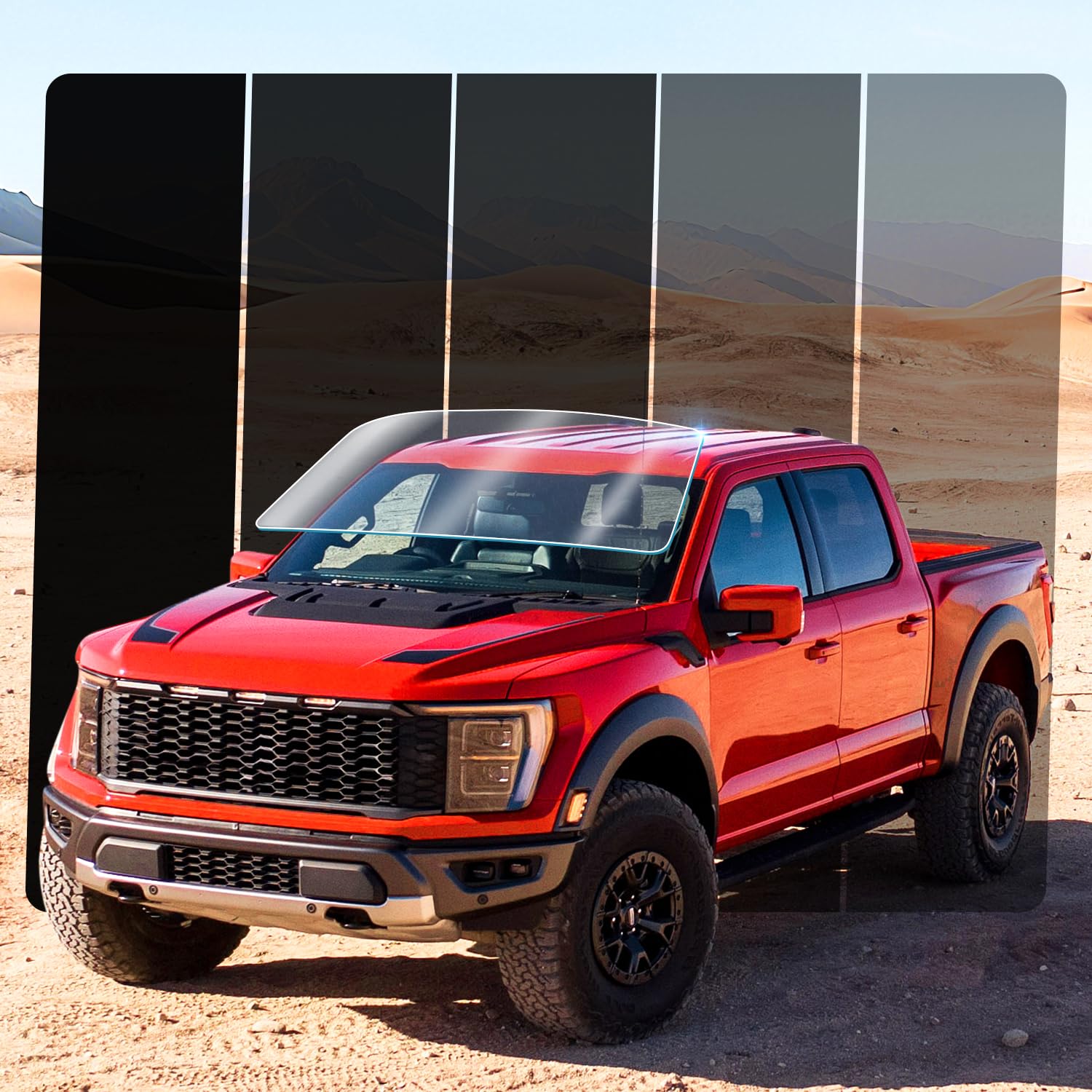
The TOYOCO carbon film offers a very low price per square foot thanks to its long 100-foot roll length. Made from polyethylene terephthalate, it provides solid UV protection and heat reduction for the cost. The 5% VLT delivers substantial privacy, and the scratch resistance helps it hold up during installation and daily use.
Users report that the film is a bit stiff, and the release liner can be harder to peel than more premium options. This makes it better suited for those with some experience under their belt rather than absolute beginners. However, once applied, the look is clean and the heat rejection is noticeable — several reviewers noted a significant reduction in cabin temperature during summer drives.
For budget-conscious DIYers who don’t mind a slightly more challenging install and want enough material to tint multiple vehicles, this is a smart choice. The 12-month warranty and 30-day money-back guarantee provide peace of mind against manufacturing defects.
Why it’s great
- Excellent value per square foot
- Effective UV and heat block
- 12-month warranty included
Good to know
- Stiff film, harder for beginners
- Release liner can be difficult to peel
6. SW Nano Ceramic Car Window Film 80% VLT

The SW Nano Ceramic film at 80% VLT is nearly transparent, making it the best option for windshields or home windows where you want to maintain clear visibility. The nano-ceramic technology absorbs and dissipates heat rather than blocking light, so it keeps interiors cooler without darkening the glass. The 2-ply design includes a scratch-resistant coating that withstands regular use.
Installation is straightforward for a mechanically inclined person, but the film is thin enough to stick to itself if not wet thoroughly. Multiple users suggest applying it with a partner and using plenty of soapy water to prevent creases. It works effectively on motorhomes and residential windows where heat reduction is the priority over privacy.
Some users found the heat reduction to be less dramatic than expected, around a 15-20% improvement on stationary windows. However, because it is a nano ceramic film, the heat dissipation is more effective while the vehicle is moving. For a front windshield application where legality and visibility are paramount, this is a solid choice.
Why it’s great
- Nearly clear for windshield use
- Nano ceramic heat absorption
- Scratch-resistant coating
Good to know
- Thin film can crease easily
- Less dramatic heat reduction when stationary
7. ARANA 35% VLT Ceramic Car Window Tint Film
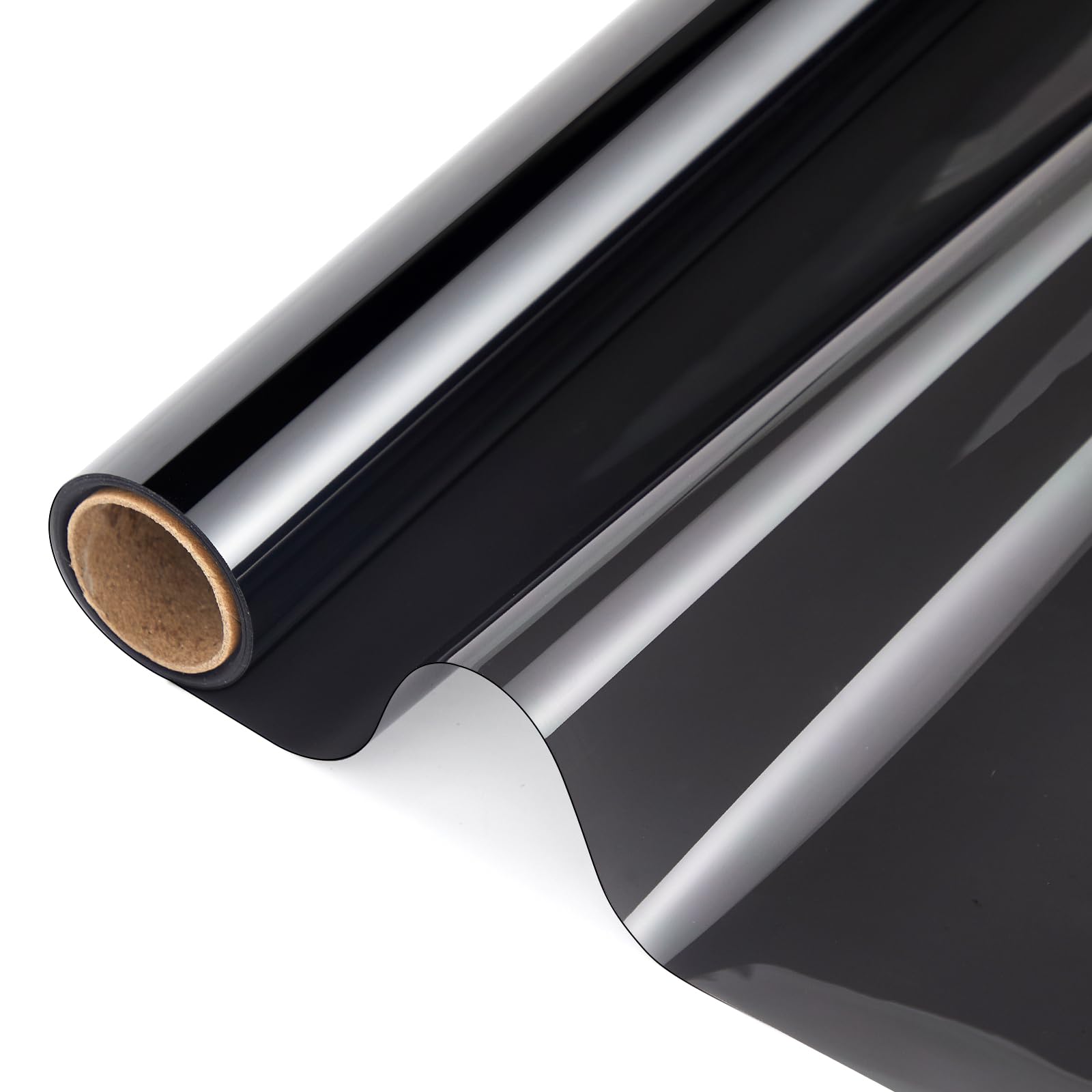
The ARANA ceramic film hits the sweet spot for most DIYers. Its 35% VLT is legal in most regions, provides good daytime privacy, and maintains solid night visibility. The nano ceramic construction blocks 99% of UVA and UVB rays and reduces solar heat buildup effectively. The flexible film is easy to cut and handle with basic tools, and the stable adhesive prevents bubbling, peeling, and yellowing over time.
User feedback consistently highlights how forgiving the film is for beginners. Several reviews note that any issues that arose were due to user error — like not using enough soapy water or skipping the heat gun — rather than the film itself. The 20-inch by 30-foot roll is a practical size for a standard sedan’s side windows, and the 18-month after-sales support from ARANA adds a layer of confidence.
While it is not the thickest film available, its blend of solid heat rejection, user-friendly installation, and robust customer support makes it the default choice for anyone starting their first DIY ceramic tint project. For the price, it performs well beyond expectations.
Why it’s great
- Great for beginners — flexible and forgiving
- Excellent 99% UV block
- 18-month customer support
Good to know
- Roll size may not cover an entire SUV
- Thinner film requires careful heat work
FAQ
Can I apply DIY ceramic tint to my windshield?
How long does a DIY ceramic tint installation take for a sedan?
Will ceramic tint interfere with my GPS or phone signal?
Final Thoughts: The Verdict
For most users, the best diy ceramic tint winner is the ARANA 35% VLT Ceramic Film because it offers the best balance of heat rejection, ease of install, and supportive customer service for beginners. If you want maximum heat rejection with premium optical clarity, grab the United 2PLY Nano Ceramic Pro. And for a budget-friendly option that covers large areas, nothing beats the TOYOCO Carbon 5% VLT.

Mo Maruf
I created WellFizz to bridge the gap between vague wellness advice and actionable solutions. My mission is simple: to decode the research and give you practical tools you can actually use.
Beyond the data, I am a passionate traveler. I believe that stepping away from the screen to explore new environments is essential for mental clarity and physical vitality.