Our readers keep the lights on and my smoothie glass nicely filled. As an Amazon Associate, I earn from qualifying purchases.
The display is your primary interface with a smartphone — the one component you stare at for hours every day, scrolling, typing, streaming, and reading. A dim or low-resolution screen turns even the most powerful processor into a frustrating daily companion, while a sharp, bright, high-refresh-rate panel makes every interaction feel fluid and premium. Choosing the right screen means understanding the real-world trade-offs between brightness, color accuracy, refresh rate, and outdoor visibility that define a truly great display phone.
I’m Mohammad Maruf — the founder and writer behind WellFizz. I’ve spent countless hours analyzing display specifications, real-world brightness measurements, panel technologies, and refresh rate implementations across multiple price tiers to separate marketing claims from actual visual performance.
From the sub- segment to flagship territory, the market is flooded with options, but only a handful deliver screens that genuinely satisfy demanding eyes. This guide cuts through the noise to identify the best display phone for every budget and use case, focusing on concrete metrics like peak brightness, color gamut coverage, and adaptive refresh rate behavior rather than vague adjectives.
How To Choose The Best Display Phone
The display is the most interacted-with component of any smartphone, yet it’s often the most misunderstood. Buyers frequently chase resolution numbers while ignoring brightness, refresh rate, and color accuracy — specs that have a far greater impact on daily enjoyment. Understanding the core attributes of panel technology, luminance, and motion handling will help you pick a screen that genuinely impresses in every lighting condition.
Peak Brightness and Outdoor Visibility
Measured in nits, peak brightness determines how readable a screen remains under direct sunlight. A phone with 800 nits of typical brightness will look washed out outdoors, while 1,200 nits and above keeps content crisp and vibrant. Premium models now exceed 3,000 nits peak for HDR highlights, but sustained brightness (typical mode that doesn’t overheat the panel) matters more for everyday use than instant peak numbers.
Refresh Rate and Motion Fluidity
Standard 60Hz panels refresh the image 60 times per second. At 120Hz, scrolling, animations, and gaming look dramatically smoother — closer to how the eye naturally perceives motion. Adaptive refresh rate technology can drop to as low as 1Hz for static content like reading, saving battery without sacrificing the buttery feel when you swipe. For heavy gamers, a 120Hz panel with low touch latency makes a decisive difference in competitive responsiveness.
Panel Technology: AMOLED vs. Super AMOLED vs. Dynamic AMOLED
AMOLED panels produce true blacks by turning off individual pixels, delivering infinite contrast and vibrant colors. Super AMOLED integrates the touch sensor directly into the display, reducing reflections and improving outdoor legibility. Dynamic AMOLED adds HDR10+ certification and adaptive color temperature, shifting the white balance to match ambient lighting for a more natural viewing experience. The panel type directly impacts color accuracy, viewing angles, and power efficiency.
Resolution and Pixel Density
Full HD+ (1080×2400) is perfectly sharp on a 6.5-inch screen, with a pixel density around 400 PPI — indistinguishable from higher resolutions for most users at normal viewing distances. Quad HD+ (1440×3120) adds extra sharpness for VR or close-up viewing but consumes more battery. For most buyers, prioritize brightness and refresh rate over raw resolution; a bright 120Hz 1080p panel will look better day-to-day than a dim Quad HD+ screen stuck at 60Hz.
Quick Comparison
On smaller screens, swipe sideways to see the full table.
| Model | Category | Best For | Key Spec | Amazon |
|---|---|---|---|---|
| Google Pixel 10 | Premium | Overall excellence | 3000-nit peak Actua display | Amazon |
| Samsung Galaxy S25 FE | Premium | Large immersive display | 6.7″ FHD+ Dynamic AMOLED 2X | Amazon |
| Apple iPhone 17 Pro Max | Flagship | Color-accurate HDR content | 6.9″ OLED 2868×1320 at 460 PPI | Amazon |
| Samsung Galaxy Z Fold 4 | Foldable | Multitasking on a large screen | 7.6″ foldable AMOLED 120Hz | Amazon |
| Samsung Galaxy S25+ | Mid-Range | Gaming at high refresh rate | 6.7″ Dynamic LTPO AMOLED 2X 120Hz | Amazon |
| Google Pixel 10a | Mid-Range | Bright outdoor readability | 3,000-nit peak brightness Actua | Amazon |
| BLU Bold N4 5G | Budget | Dual-screen value | 6.78″ curved AMOLED plus rear display | Amazon |
| NUU B30 5G | Budget | Entry-level 120Hz media | 6.7″ curved AMOLED 120Hz | Amazon |
| Samsung Galaxy A26 5G | Budget | Reliable Super AMOLED at low cost | 6.7″ Super AMOLED FHD+ 120Hz | Amazon |
In‑Depth Reviews
1. Google Pixel 10
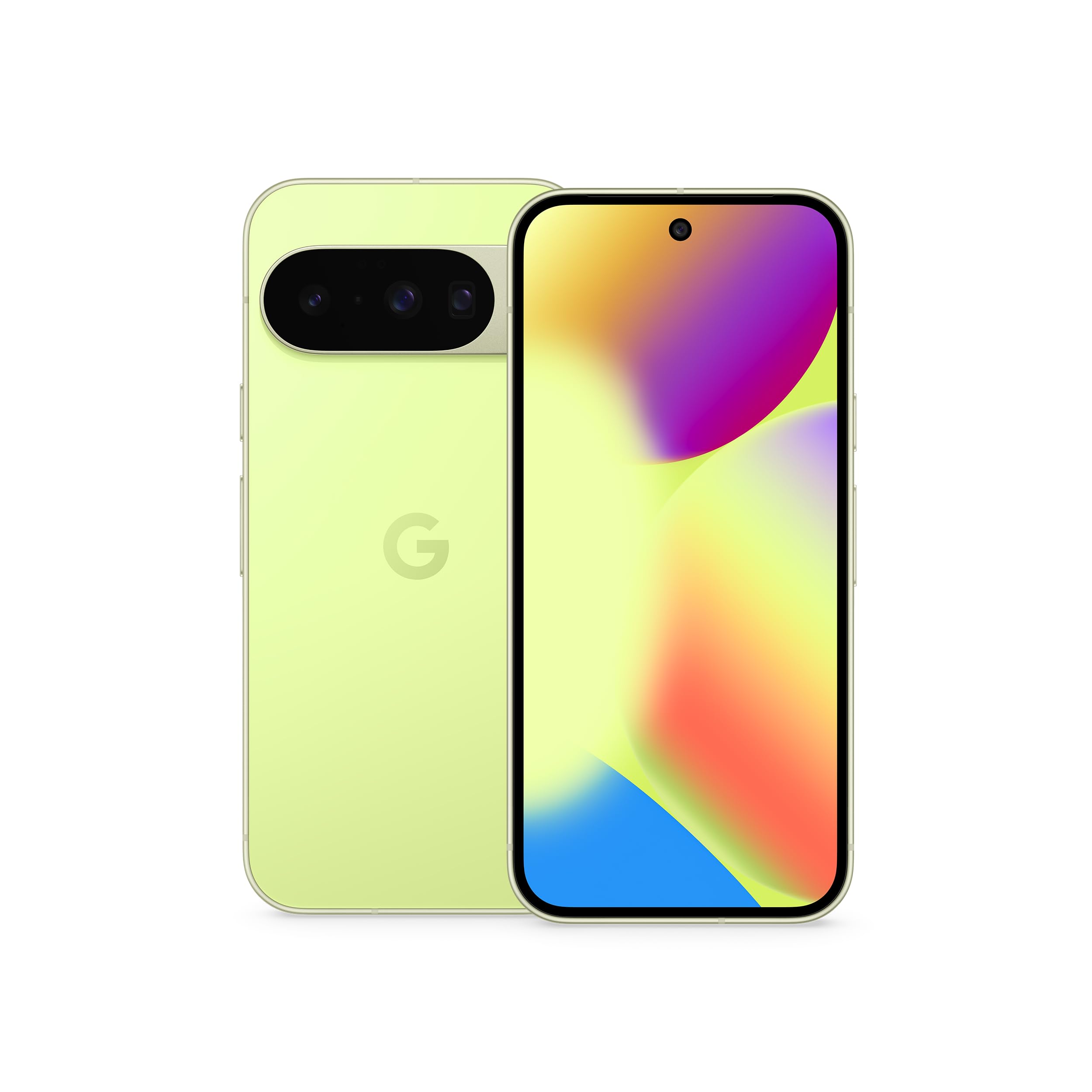
The Pixel 10’s Actua display delivers a staggering 3,000 nits of peak brightness, making it the most legible screen under direct sunlight in this lineup. At 6.3 inches with a 1080×2424 resolution and 422 PPI, text appears razor-sharp while HDR content pops with genuine vibrancy. The Tensor G5 chipset drives a buttery 120Hz adaptive refresh rate that dynamically scales down to save power during static reading.
Color accuracy is class-leading, with near-perfect sRGB and DCI-P3 coverage straight out of the box. The IP68 rating and Gorilla Glass Victus 2 add durability, while the 4,970mAh battery comfortably handles a full day with the always-on display enabled. The 24-hour battery life holds up even with brightness cranked high for outdoor navigation.
Users consistently praise the 5x telephoto lens and Super Res Zoom up to 20x, but it’s the display’s ability to stay crisp in bright environments that separates it from the competition. The eSIM-only configuration and lack of a bundled charger are minor inconveniences for the best-in-class visual experience.
Why it’s great
- Market-leading 3,000-nit peak brightness
- Accurate colors with wide DCI-P3 gamut
Good to know
- No physical SIM slot — eSIM only
- No wall adapter included in the box
2. Samsung Galaxy S25 FE
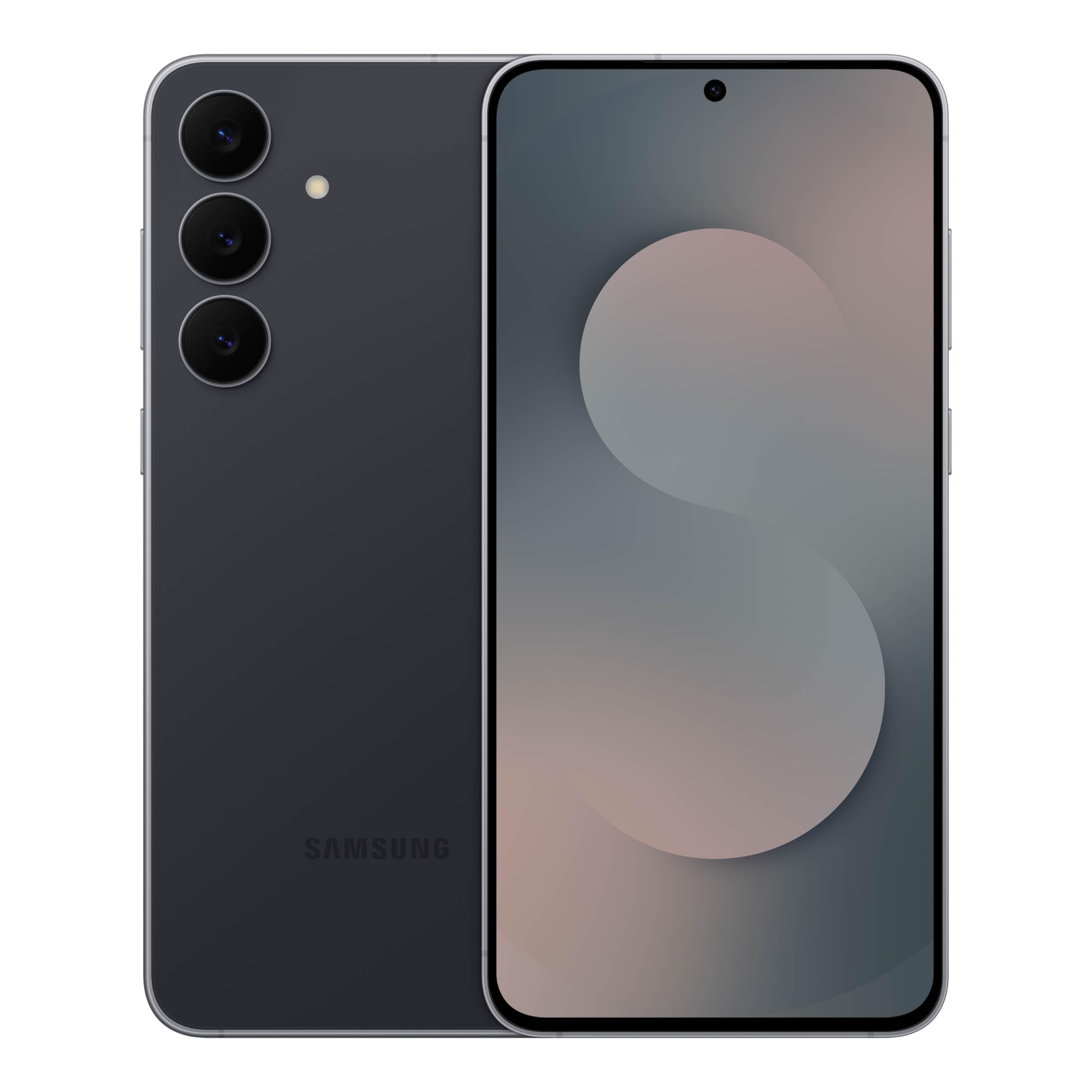
The Galaxy S25 FE offers a spacious 6.7-inch FHD+ Dynamic AMOLED 2X panel with 120Hz adaptive refresh rate, delivering Samsung’s signature saturated colors and deep blacks. The slim profile and lightweight build make the large screen comfortable for one-handed use, while the Armor Aluminum frame and Gorilla Glass Victus+ provide robust drop protection.
With 4,900mAh of battery capacity and Super Fast Charging 2.0, you can stream HDR video for hours without hunting for an outlet. The ProVisual Engine enhances selfie quality through the 12MP front camera, and Generative Edit uses AI to seamlessly remove or reposition objects in photos. The in-screen fingerprint sensor is fast and reliable.
Users highlight the premium feel for a price well below the S25 Ultra, praising the smooth 120Hz scrolling and bright outdoor visibility. The only consistent complaint is the forced migration from Samsung Messages to Google Messages, though this does not affect display performance. This is the best option for buyers who want a large, immersive screen without the Ultra price tag.
Why it’s great
- Large 6.7″ Dynamic AMOLED with 120Hz refresh
- Lightweight design with premium aluminum build
Good to know
- No charger included — cable only
- Some Samsung apps replaced with Google equivalents
3. Apple iPhone 17 Pro Max
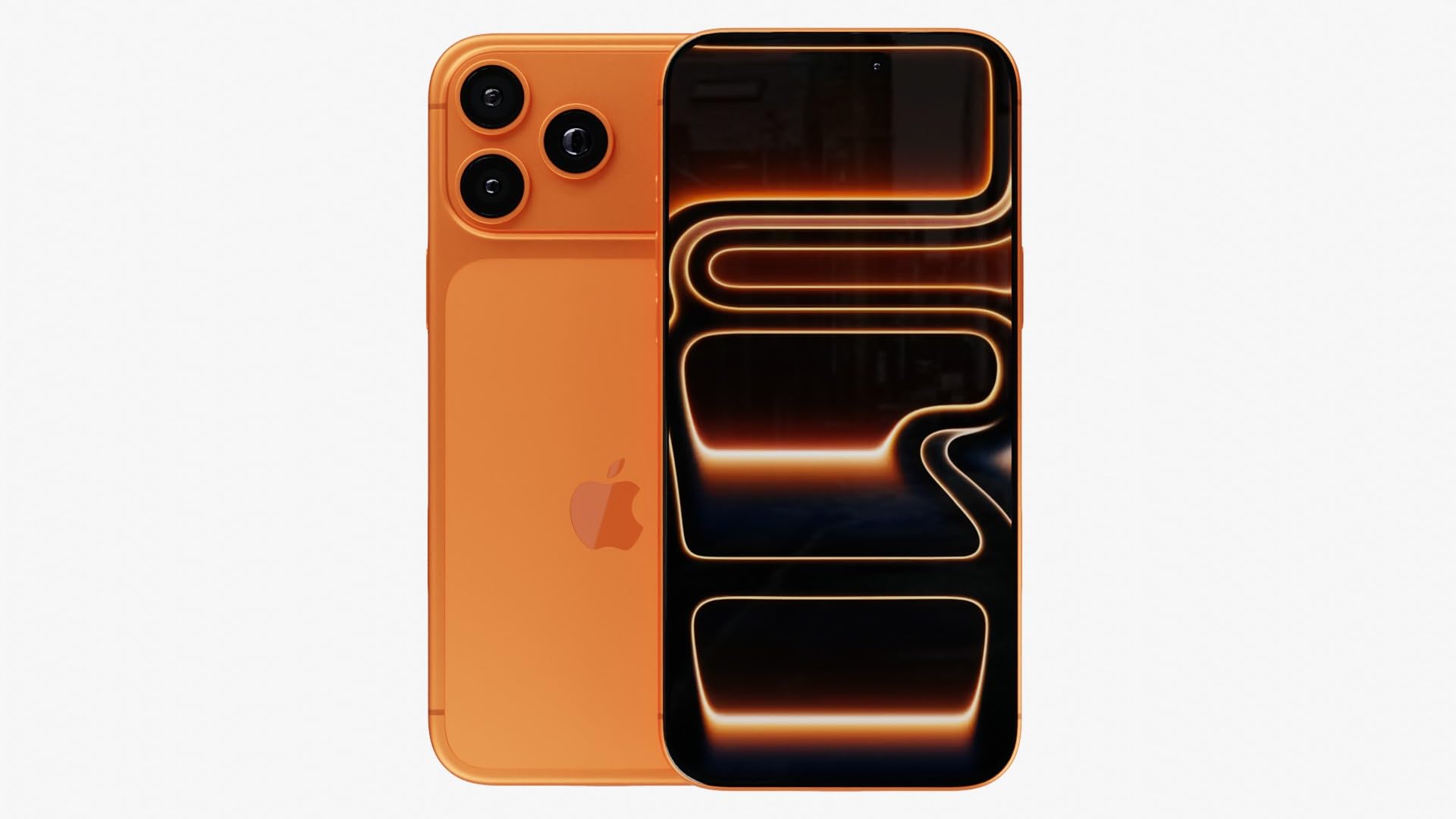
The iPhone 17 Pro Max features a 6.9-inch OLED display with a resolution of 2868×1320 pixels, resulting in a pixel density of 460 PPI — the sharpest in this roundup. The panel supports Dolby Vision and HDR10, producing cinematic contrast with true blacks and bright highlights. Apple’s color calibration remains the gold standard for photo and video editing, covering 100% of the DCI-P3 wide color gamut.
The 40x digital zoom and advanced camera system pair beautifully with the display, letting you review shots with confidence in their color accuracy. The 4,000mAh battery is smaller than competitors, but iOS power optimization still delivers all-day endurance. The eSIM-only configuration supports dual eSIMs and includes Face ID for secure authentication.
This renewed unit is locked to Tracfone, limiting carrier flexibility, but the display quality is undeniable. Users report units arriving in near-mint condition with original iOS installed. For creative professionals or anyone who prioritizes color-critical work, this screen is the most accurate money can buy.
Why it’s great
- Industry-leading color accuracy and calibration
- Sharpest pixel density at 460 PPI
Good to know
- Locked to Tracfone — carrier flexibility limited
- Renewed condition varies; verify battery health
4. Samsung Galaxy Z Fold 4

The Galaxy Z Fold 4 offers a 7.6-inch foldable AMOLED main display with 120Hz refresh rate, providing tablet-like screen real estate that folds down to a compact form. The cover display is a 6.2-inch AMOLED, allowing quick interactions without unfolding. Flex Mode enables hands-free video calls and creative camera angles by bending the screen at any angle.
Multi-window view supports up to three apps simultaneously, making it a productivity powerhouse for reading documents, comparing photos, or managing emails. The 4,400mAh battery provides around 12 hours of screen-on time, though heavy multitasking drains faster. S Pen support adds precision for note-taking and drawing, though the stylus cannot be stored inside the device.
User reviews consistently praise the transformative multitasking experience but note two recurring concerns: the inner screen crease is visible (though not distracting to most), and long-term durability remains a question. The narrow outer display feels cramped for typing. For those who value a large canvas for reading and working, the foldable AMOLED is unmatched.
Why it’s great
- Massive 7.6″ foldable screen for multitasking
- Flex Mode for hands-free calls and video
Good to know
- Visible crease on the main display
- Durability concerns with inner screen over time
5. Samsung Galaxy S25+

The Galaxy S25+ features a 6.7-inch Dynamic LTPO AMOLED 2X display with Quad HD+ resolution (1440×3120) and a 1-120Hz adaptive refresh rate. The LTPO technology allows the screen to drop to 1Hz for always-on content, dramatically reducing power draw while still delivering full 120Hz smoothness during gaming and scrolling. The Adreno 830 GPU ensures even demanding titles run at maximum frame rates.
The 50MP main camera with OIS captures sharp images, and the 12GB of RAM keeps multiple apps in memory without reloading. The 4,900mAh battery provides reliable all-day endurance, and Super Fast Charging tops up quickly. The Snapdragon 8 Elite chipset delivers flagship-level performance at a lower cost than the Ultra variant.
This renewed unit is locked to T-Mobile, which limits carrier choice, but the display quality is reference-grade. Users report excellent condition and smooth setup. For mobile gamers who demand silky-smooth frame rates and the highest resolution possible, this screen delivers without compromise.
Why it’s great
- Quad HD+ LTPO display with 1-120Hz refresh
- 12GB RAM for seamless multitasking
Good to know
- Locked to T-Mobile network
- Renewed unit may show minor cosmetic wear
6. Google Pixel 10a
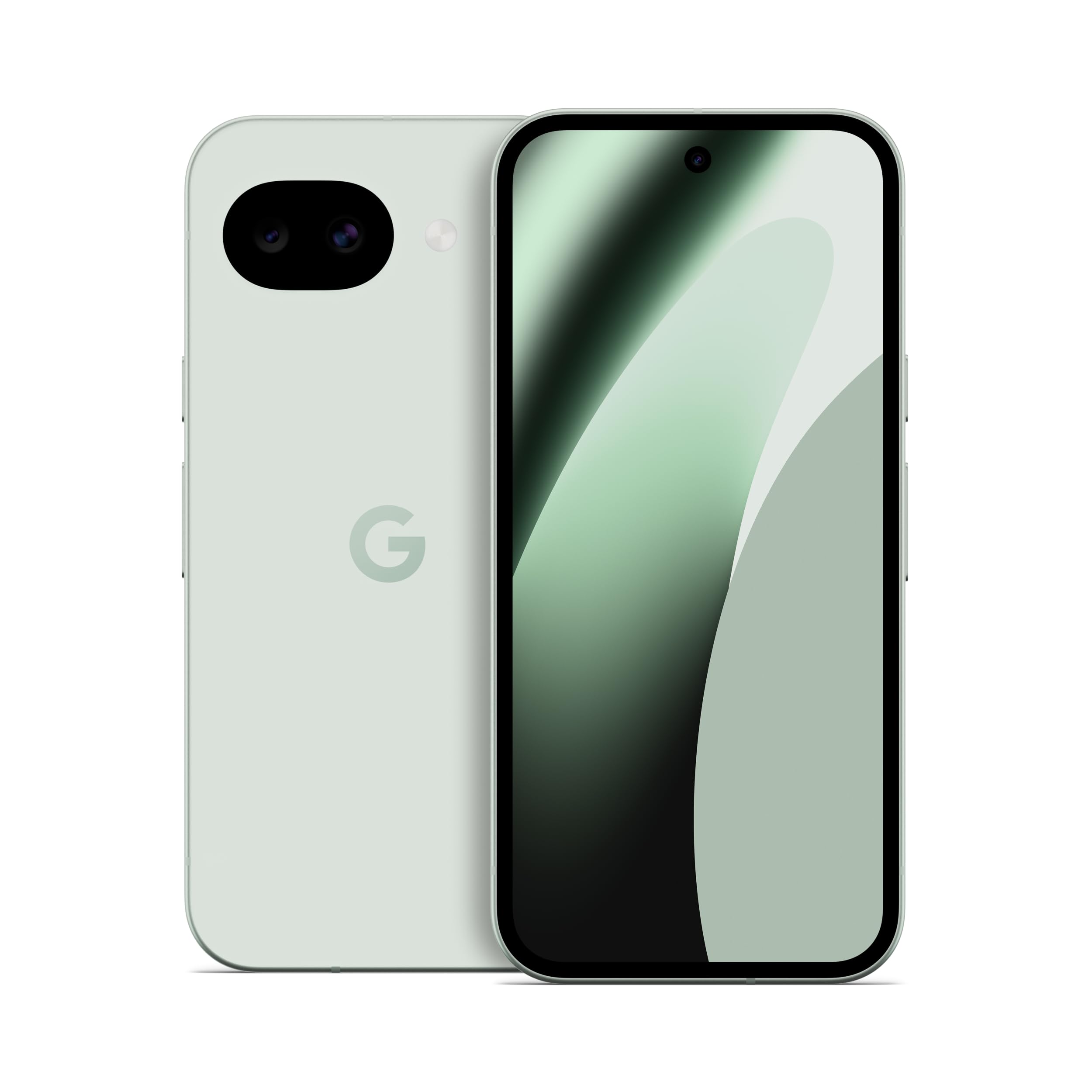
The Pixel 10a inherits the same 3,000-nit peak Actua display found on its more expensive sibling, making it the brightest option in the mid-range segment. At 6.3 inches with 1080×2424 resolution and a 120Hz refresh rate, it delivers the same exceptional outdoor readability and fluid scrolling as the Pixel 10. The Tensor G4 processor handles daily tasks and casual gaming with ease.
Camera Coach provides real-time guidance for framing portraits and landscapes, while Add Me and Auto Best Take use AI to compose group shots where everyone looks their best. The IP68 rating and Gorilla Glass 7i protect against drops and splashes. With 7 years of security updates, this screen will stay secure and vibrant for years.
The 30+ hour battery life is remarkable for a device with such a bright panel, thanks to Google’s power-efficient Tensor architecture. Users consistently praise the camera quality and battery endurance. The 128GB base storage fills quickly for photo enthusiasts, so consider cloud storage or the 256GB variant.
Why it’s great
- Flagship-level 3,000-nit brightness
- 7 years of software and security updates
Good to know
- 128GB storage may be tight for media hoarders
- No telephoto camera — digital zoom only
7. BLU Bold N4 5G
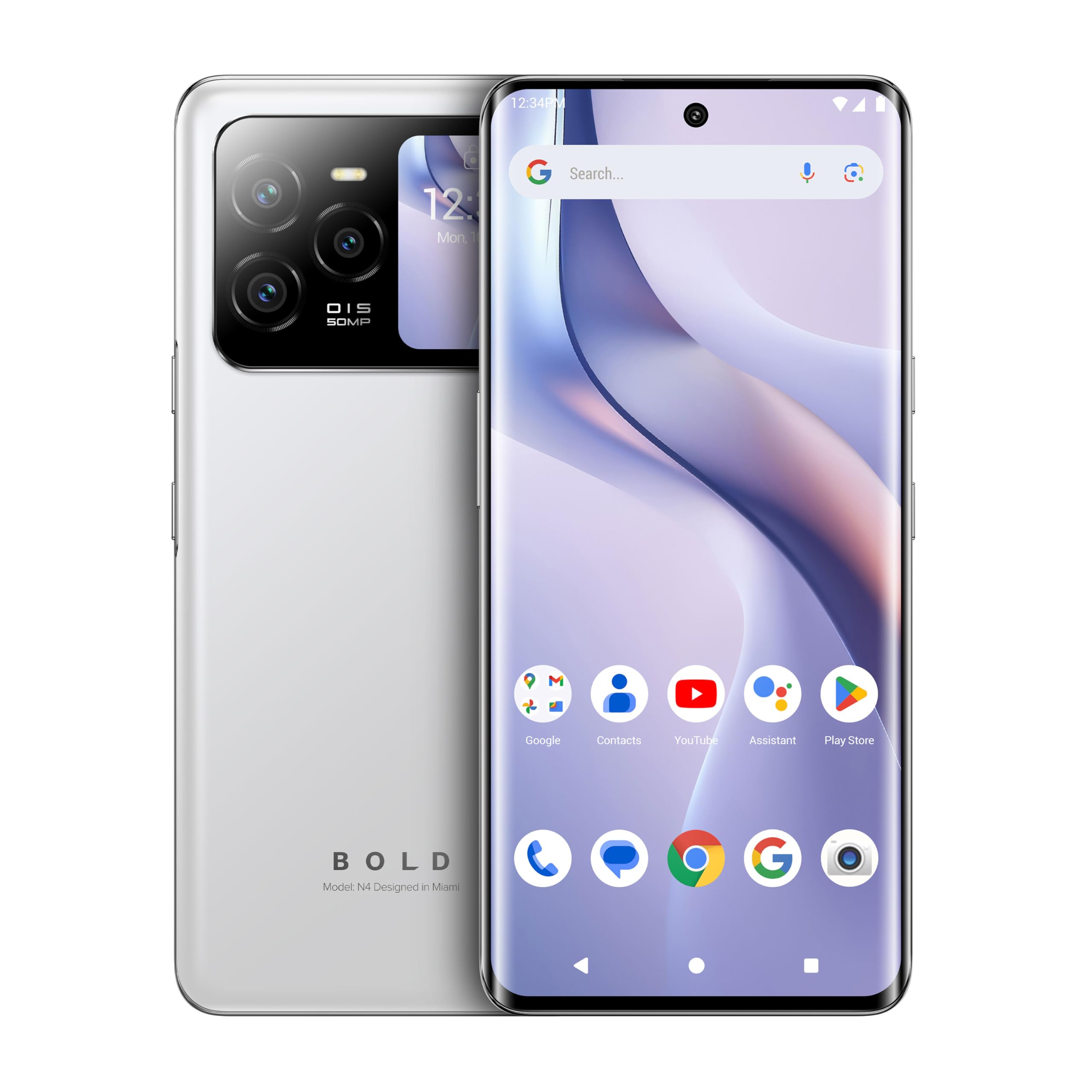
The BLU Bold N4 stands out with its dual-screen setup: a 6.78-inch curved AMOLED main display and a 1.74-inch rear screen for notifications, selfies, and music controls without opening the main panel. The 120Hz refresh rate on the primary display ensures smooth scrolling, while the curved edges create an immersive, bezel-less look. The 2,340×1,080 resolution keeps text crisp on the large canvas.
With 8GB RAM and 512GB of internal storage, this phone handles heavy app usage and media libraries without compromise. The 50MP rear camera and 16MP selfie camera capture detailed photos, and the 5,000mAh battery with 66W fast charging can refill from zero to full in roughly 20 minutes. Android 15 runs with minimal bloatware, and NFC enables tap-to-pay.
Users love the flagship feel at a budget price point, though the rear screen adds some bulk and the curved edges make the phone feel slippery without a case. The Moment app is pre-installed bloatware that some find intrusive. For the price, the dual-screen functionality and massive storage make this a compelling value.
Why it’s great
- Dual screens with rear notification panel
- 512GB storage and 66W fast charging
Good to know
- Curved sides make grip slippery
- Pre-installed Moment app bloatware
8. NUU B30 5G
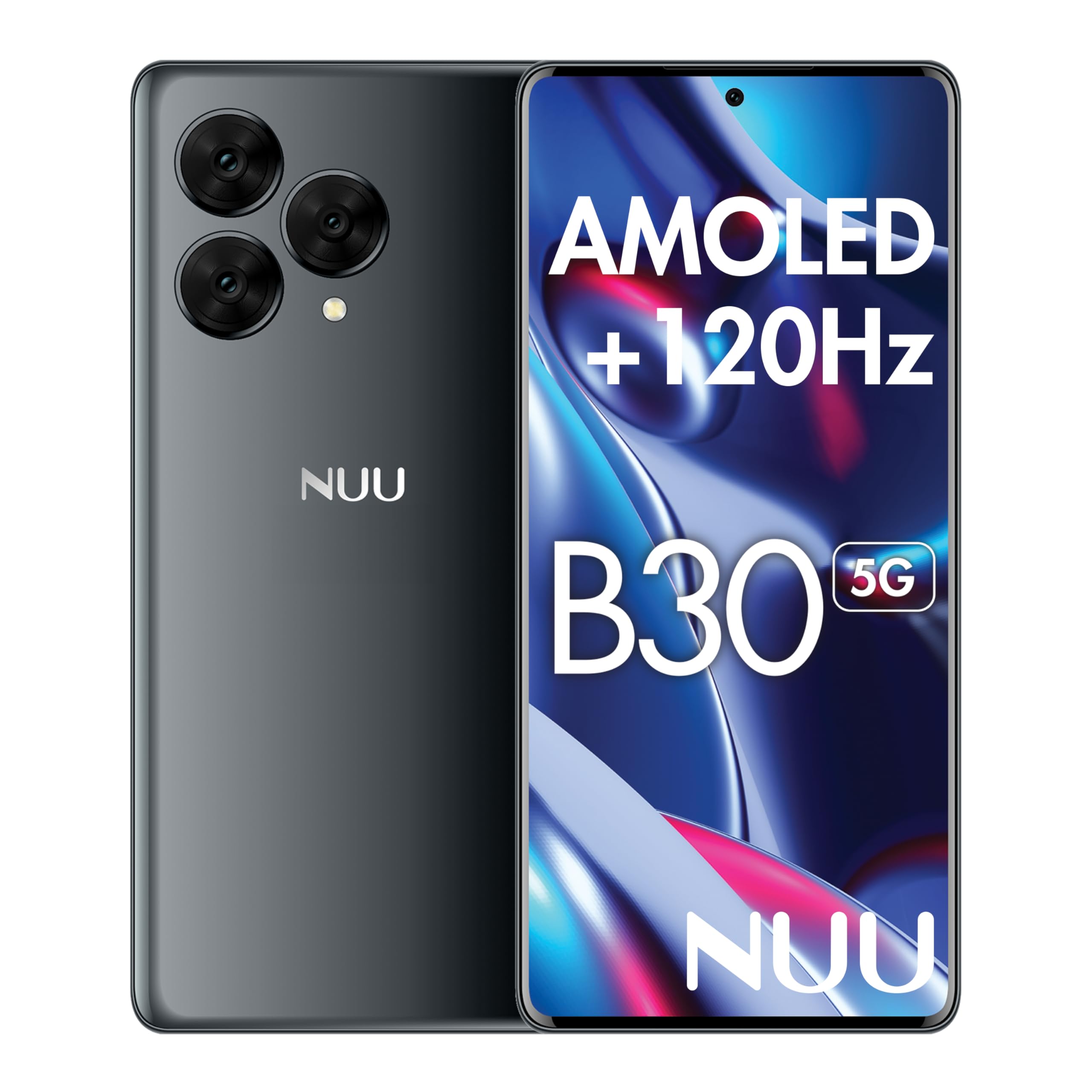
The NUU B30 5G delivers a 6.7-inch curved AMOLED display with 120Hz refresh rate at an entry-level price point that competitors struggle to match. The 1080×2400 resolution provides sharp detail for media consumption, and the curved edges give the phone a premium aesthetic. The MediaTek Dimensity 7050 processor handles the 120Hz panel smoothly for social media scrolling and casual gaming.
With 8GB RAM and 256GB of internal storage, there’s ample space for apps and photos. The 64MP rear camera and 32MP selfie camera produce vibrant images in good lighting. The 5,000mAh battery easily lasts a full day, and stock Android 14 runs without bloatware or ads, keeping the interface clean and responsive.
Users note that the single bottom-firing speaker lacks stereo separation, and the absence of a 3.5mm headphone jack requires USB-C or Bluetooth audio. Some units require APN configuration for certain carriers. For under , the combination of a curved 120Hz AMOLED and generous storage is exceptional value for media-focused buyers on a tight budget.
Why it’s great
- Curved 120Hz AMOLED at entry-level pricing
- Smooth stock Android 14 with no bloatware
Good to know
- Single bottom speaker — no stereo sound
- Limited carrier compatibility; check GSM bands
9. Samsung Galaxy A26 5G

The Galaxy A26 5G features a 6.7-inch Super AMOLED display with FHD+ resolution (1080×2340) and a 120Hz refresh rate, bringing Samsung’s signature vibrant colors and deep blacks to the budget segment. The slim bezels and glass back design give it a premium appearance that belies its entry-level position. The Exynos 1280 processor handles the 120Hz panel adequately for everyday tasks like browsing, messaging, and video.
The 50MP triple-lens camera with OIS captures stable photos, and the phone boasts an IP67 rating for water and dust resistance — a rarity at this price. Extended software support with 6 OS updates and 6 years of security patches makes this one of the longest-supported budget phones. The 8GB of RAM provides decent multitasking headroom.
Performance is a step behind mid-range chipsets, with occasional stutter during heavy multitasking or demanding games. This Latin American variant works best on T-Mobile and its MVNOs in the US. For shoppers seeking an affordable Super AMOLED display with years of software support, the A26 delivers reliable value.
Why it’s great
- Super AMOLED with slim bezels and glass back
- 6 years of OS and security updates
Good to know
- Processor struggles with intensive gaming
- Best performance on T-Mobile networks only
FAQ
Is a 120Hz display worth the extra cost over 60Hz?
Does higher resolution always mean a better display?
What is the real-world difference between AMOLED and Super AMOLED?
Can a budget phone have a truly good display?
Final Thoughts: The Verdict
For most users, the best display phone winner is the Google Pixel 10 because its 3,000-nit Actua display delivers unrivaled outdoor visibility, accurate colors, and smooth 120Hz motion — all backed by seven years of updates. If you want a large, immersive screen for media and multitasking, grab the Samsung Galaxy S25 FE. And for the highest color-critical accuracy on a budget, nothing beats the Apple iPhone 17 Pro Max despite its carrier lock.

Mo Maruf
I created WellFizz to bridge the gap between vague wellness advice and actionable solutions. My mission is simple: to decode the research and give you practical tools you can actually use.
Beyond the data, I am a passionate traveler. I believe that stepping away from the screen to explore new environments is essential for mental clarity and physical vitality.