Our readers keep the lights on and my smoothie glass nicely filled. As an Amazon Associate, I earn from qualifying purchases.
Managing blood glucose doesn’t mean you have to give up sweetness. Whether you are baking a loaf of bread, sweetening your morning coffee, or trying to recreate a family dessert recipe, the right sugar substitute can make the difference between a meal that works for your body and one that sends your levels on a rollercoaster. The challenge is that not all alternatives are created equal — some spike glucose, some leave a metallic aftertaste, and others cause serious digestive distress.
I’m Mohammad Maruf — the founder and writer behind WellFizz. I’ve spent countless hours combing through nutritional data, customer experiences, and ingredient profiles to identify which diabetic sugar substitutes actually deliver on their promises without hidden drawbacks.
After analyzing dozens of formulas, I’ve narrowed the field to five standouts that balance taste, glycemic impact, and versatility. This guide covers the best diabetic sugar substitute options, from monk fruit blends to allulose and agave, so you can choose the sweetener that fits your lifestyle and your body.
How To Choose The Best Diabetic Sugar Substitute
Selecting a sugar substitute when you manage diabetes requires looking beyond the front label. The two most important factors are the glycemic index of the sweetener and how your body processes its specific sugar alcohol or plant-based compound. Many “natural” sweeteners still contain fructose or maltodextrin that can raise blood glucose almost as much as table sugar.
Glycemic Load and Sugar Alcohol Tolerance
Erythritol is the most common sugar alcohol because it has a glycemic index of zero and doesn’t affect blood sugar, but it can cause a cooling sensation in the mouth and digestive upset in larger doses. Allulose is a rare sugar that behaves like fiber in the body — it provides bulk and sweetness without metabolizing into glucose. Monk fruit and stevia are zero-calorie plant sweeteners with no glycemic impact, but their flavor profiles vary. Agave nectar, while lower on the glycemic index than table sugar, still contains fructose and should be used sparingly.
Baking Compatibility
Granulated white sugar provides bulk, moisture, and browning — three things many substitutes struggle to replicate. Allulose browns beautifully but can over-caramelize if you’re not paying attention. Erythritol crystallizes when it cools, which ruins some recipes. Liquid sweeteners like agave work in drinks and sauces but throw off the dry-to-wet ratio in baked goods. The best baking substitute will be a blend that mimics sugar’s physical properties as closely as possible.
Digestive Side Effects
A sweetener that doesn’t spike glucose but sends you running to the bathroom is not a long-term solution. Erythritol causes bloating and gas in sensitive individuals, especially when consumed in large quantities. Allulose and monk fruit are generally gentler on the stomach. If you have a sensitive digestive system, look for products labeled “no erythritol” or blends that use small amounts of allulose as the bulking agent.
Quick Comparison
On smaller screens, swipe sideways to see the full table.
| Model | Category | Best For | Key Spec | Amazon |
|---|---|---|---|---|
| Whole Earth Zero Calorie Stevia, Monk Fruit & Allulose | Triple Blend | All-purpose baking & beverages | Triple blend: stevia, monk fruit, allulose | Amazon |
| Micro Ingredients Golden Monk Fruit with Allulose | Brown Sugar Style | Brown sugar replacement in baking | 1:1 brown sugar substitute, no erythritol | Amazon |
| Truvia Allulose Calorie-Free Sweetener | Pure Allulose | Ice cream, coffee, low-carb cooking | 100% allulose, zero aftertaste | Amazon |
| BetterBody Foods Organic Blue Agave | Low Glycemic Liquid | Coffee, tea, sauces, and dressings | Low glycemic index, 78 oz liquid nectar | Amazon |
| Terrasoul Superfoods Organic Date Sugar | Whole Food Powder | Baking, cereal, smoothie toppings | Low glycemic, unrefined, contains trace minerals | Amazon |
In‑Depth Reviews
1. Whole Earth Zero Calorie Stevia, Monk Fruit & Allulose Sweetener

Whole Earth’s triple-blend formula combines stevia leaf, monk fruit, and allulose to create a balanced sweetness that avoids the bitter aftertaste typical of standalone stevia. The 1:1 measuring ratio with traditional sugar makes it easy to swap into any recipe without guessing the conversion. At 3 pounds, this pouch provides a generous supply for daily coffee, tea, and baking. Users report that it dissolves fully in hot liquids, unlike some granular substitutes that leave a gritty residue. The erythritol-free formulation is a standout feature, as many people experience bloating or cramping from erythritol-based blends — this product eliminates that concern entirely.
In baking, the allulose component provides a caramelization effect similar to real sugar, though customers note it browns faster than expected. If you are baking cookies or cakes, reduce the oven temperature slightly or check for doneness a few minutes early. For diabetics, the zero-net-carb claim holds up in practice — reviewers with type 2 diabetes report no glucose spikes after using it in their morning beverages and baked goods.
The price point reflects the premium blend quality, but the single-pouch format delivers more volume per ounce than comparable allulose blends on the market. If digestive sensitivity is a concern and you want a single sweetener that works across hot drinks, cold drinks, and baking, this is the most reliable all-around option. The only real downside is the browning speed in the oven, which is easily managed with minor recipe adjustments.
Why it’s great
- Zero erythritol — gentle on the stomach
- Dissolves easily in both hot and cold liquids
- 1:1 swap ratio with traditional sugar
Good to know
- Causes faster browning in baked goods — adjust oven temp
- Premium tier pricing compared to single-ingredient sweeteners
2. Micro Ingredients Golden Monk Fruit Sweetener with Allulose
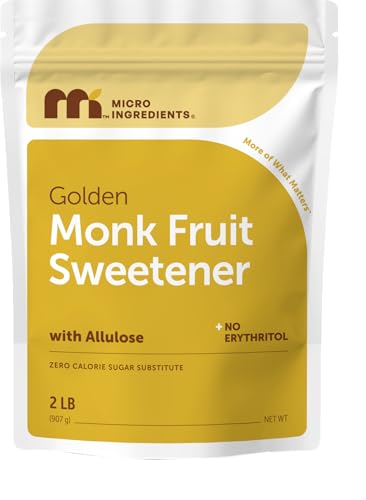
This golden blend is engineered specifically for people who miss the deep, molasses-like flavor of brown sugar. The combination of monk fruit extract and allulose creates a warm caramel profile that works beautifully in baked goods, on oatmeal, or stirred into coffee. It measures as a 1:1 brown sugar replacement, which means you can swap it directly into recipes without adjusting liquid ratios — a major time-saver when adapting family recipes. The granulated texture is fine enough to dissolve in hot coffee, though some users note it requires a bit more stirring than pure allulose.
The absence of erythritol is a deliberate choice that solves two problems: no cooling sensation in the mouth and no digestive distress. Many monk fruit sweeteners on the market cut their product with erythritol to save cost, which introduces that unpleasant cooling aftertaste. Micro Ingredients uses allulose as the bulking agent instead, which has a clean mouthfeel and a sugar-like texture. Reviewers on keto and diabetic diets consistently report no glucose response and no cravings afterward, which suggests the blend is metabolically inert. The 2-pound pouch provides around 226 servings, making it a smart value for frequent bakers.
One nuance to be aware of is that this sweetener is less sweet than pure monk fruit extract — it requires roughly the same volume as brown sugar to achieve the same sweetness level. Customers who compared it to other monk fruit blends found it less cloying and more natural-tasting. If your primary use is sprinkling on cereal or fruit, it works well; if you are making a syrup, you may need to heat it slightly to dissolve fully. The only recurring note from users is that the pouch packaging can be hard to reseal completely, so transfer to an airtight container for long-term storage.
Why it’s great
- Tastes and bakes like real brown sugar with no aftertaste
- No erythritol — eliminates cooling sensation and digestive issues
- 1:1 substitution ratio for brown sugar in any recipe
Good to know
- Requires more stirring than allulose-only blends in cold liquids
- Less sweet than concentrated monk fruit extracts
3. Truvia Allulose Calorie-Free Sweetener Bag
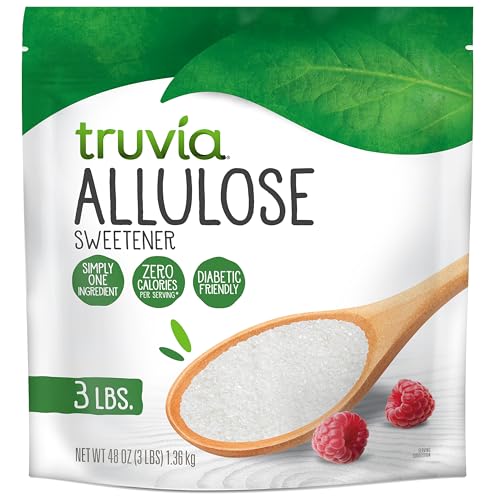
Truvia’s allulose sweetener is the simplest option on this list: a single ingredient with zero calories and a glycemic index of zero. Allulose is a rare sugar that occurs naturally in small quantities in figs, raisins, and wheat, and it tastes nearly identical to table sugar with none of the chemical aftertaste. The powdery texture dissolves quickly in hot liquids, making it a strong choice for coffee and tea drinkers who want a seamless substitution. It also performs exceptionally well in ice cream makers, where erythritol-based sweeteners often create a hard, icy texture — allulose keeps the mixture creamy and scoopable.
For diabetics, the zero-spike profile is backed by consistent customer reports from type 1 and type 2 users who check their glucose levels after consumption. The absence of stevia or monk fruit means there is no bitterness, no licorice-like undertone, and no cooling sensation. Truvia’s 3-pound bag offers a solid volume for the price, making it one of the most cost-effective pure allulose options available on Amazon. Bakers will appreciate that allulose caramelizes and browns like regular sugar, though it does so a touch faster, so keep an eye on the oven.
The main drawback is that allulose is still relatively new to the market compared to stevia or monk fruit, so some users express caution about long-term consumption. There is no evidence of harm, but it is worth noting that very large doses can cause loose stools in sensitive individuals — the “excessive consumption” warnings in reviews mirror what you would see with any sugar alcohol or rare sugar. If you want the most neutral-tasting, single-ingredient sweetener that mimics sugar without any flavor alterations, this is your best bet. Store it in a cool, dry place because the powder can clump in humidity.
Why it’s great
- Single ingredient — 100% allulose, zero aftertaste
- Makes creamy ice cream without hard texture
- Dissolves quickly in hot and cold liquids
Good to know
- Excessive consumption may cause digestive softening
- Browning speed in baking is faster than sugar
4. BetterBody Foods Organic Blue Agave
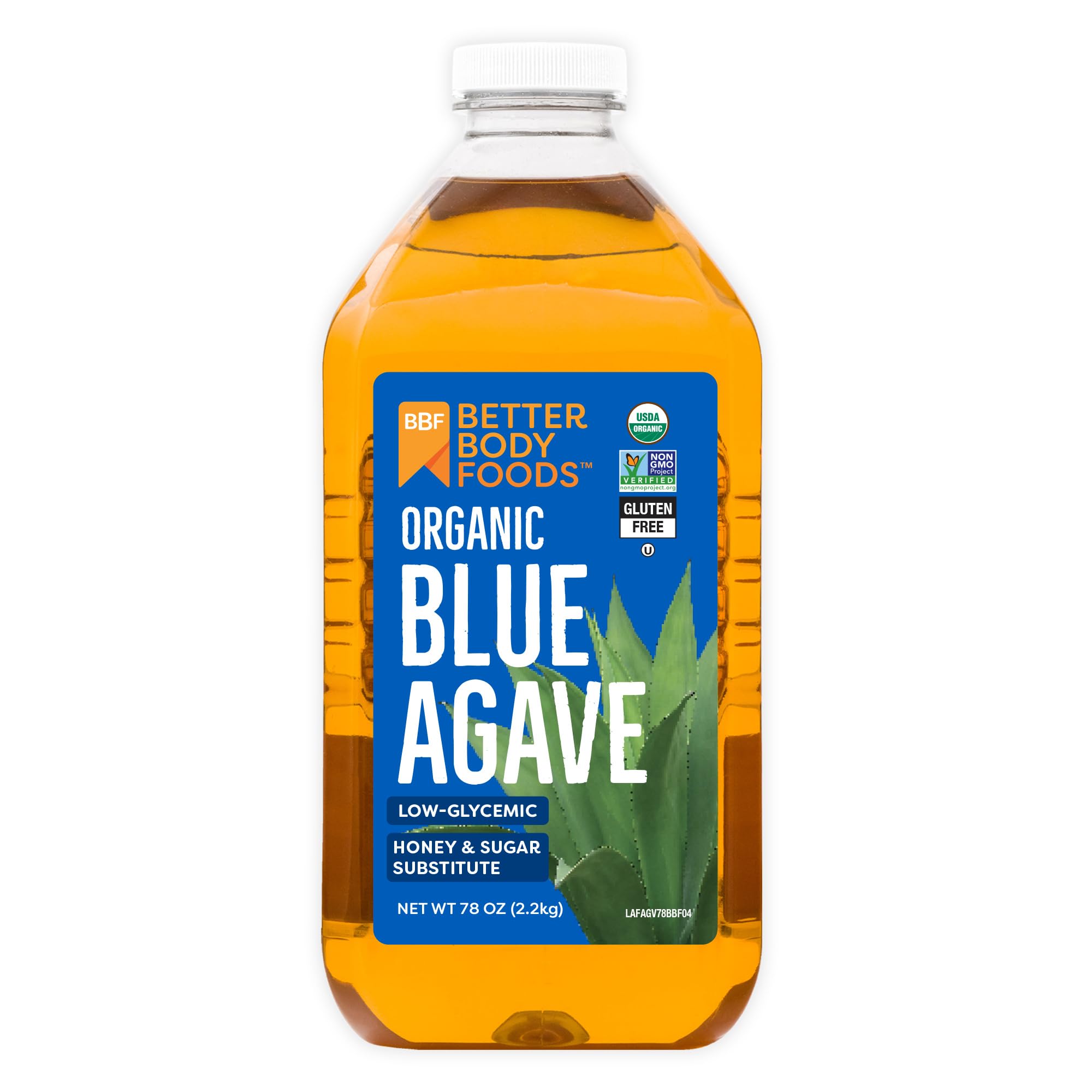
BetterBody Foods Organic Blue Agave is a liquid sweetener derived from the agave plant and offers a low-glycemic alternative to honey, maple syrup, and refined sugar. With a glycemic index that is significantly lower than table sugar, it provides a slower release of glucose into the bloodstream — an advantage for diabetics who want to avoid spikes. The flavor profile is mild and neutral, with just a hint of natural sweetness that doesn’t overpower coffee, tea, or salad dressings. It is certified USDA organic, non-GMO, kosher, and vegan, which makes it one of the most diet-friendly sweeteners on this list.
The liquid format is both a strength and a limitation. On the plus side, it dissolves instantly in any temperature liquid, so you never have to stir repeatedly or deal with grittiness. It works beautifully in cold brew, iced tea, and yogurt parfaits. On the downside, it cannot replace granulated sugar in baking without adjusting the liquid ratio of your recipe — substituting agave for white sugar typically requires reducing other wet ingredients by about one-quarter cup per cup of agave used. The 78-ounce bottle is the largest volume on this list, offering excellent value for households that sweeten beverages and sauces daily.
Diabetic users should be aware that agave nectar is still a source of fructose, and although its low glycemic index is beneficial, it is not a zero-calorie sweetener. Using it in moderation is key — a teaspoon in coffee is fine, but making it your primary baking sweetener without adjusting for total carbohydrate load may not be ideal. Customer reviews are overwhelmingly positive, particularly for those who use it as a honey substitute in tea. The bottle packaging is sturdy and easy to pour, though the wide mouth can be messy if you are not careful. Overall, it is the best liquid entry for diabetics who want a whole-food sweetener with minimal processing.
Why it’s great
- Low glycemic index with mild, neutral sweetness
- Instantly dissolves in any liquid temperature
- Certified organic, non-GMO, kosher, and vegan
Good to know
- Not zero-calorie — must be counted toward daily carbs
- Liquid format requires recipe adjustments for baking
5. Terrasoul Superfoods Organic Date Sugar

Terrasoul’s organic date sugar is made from whole, dried dates that are ground into a fine powder, retaining all the fiber, trace minerals, and antioxidants found in the fruit. This sets it apart from refined sugars and even other “natural” sweeteners because the fiber content slows down the absorption of natural sugars, resulting in a lower glycemic impact than white sugar or even coconut sugar. The flavor is rich and caramel-like, with a depth that enhances baked goods, oatmeal, and smoothie bowls. It is certified organic, unrefined, and completely free of any additives or preservatives — a whole-food choice for those who prioritize ingredient minimalism.
The powdered form is granulated but not as fine as white sugar, which can create a slight fibrous texture in certain applications. When stirred into coffee, the date skin particles do not dissolve and will settle at the bottom of the cup like a fine dust, which reviewers describe as reminiscent of sawdust. This makes it better suited for baking, where the moisture absorbs the fiber, or as a topping on cereal and yogurt where the texture is less noticeable. For diabetics, the fiber content is a real advantage — it helps prevent the glucose spike that would occur from an equivalent amount of white sugar, making it the best option among unrefined sweeteners.
Because date sugar is not a zero-calorie sweetener, portion control still matters. A tablespoon contains about 45–50 calories, comparable to brown sugar, so it is not suitable for a strict low-carb or keto diet. However, for diabetics who prefer whole foods and want a sweetener that offers some nutritional benefit — potassium, magnesium, and antioxidants — it fills a unique niche. The 1-pound bag is smaller than the other options, but the potency of the flavor means a little goes a long way. It pairs especially well with chocolate and nut-based desserts, where the caramel notes can shine. Just be prepared for the textured mouthfeel in drinks and check your glucose response individually before relying on it daily.
Why it’s great
- Whole-food sweetener with fiber, minerals, and antioxidants
- Rich, caramel-like flavor enhances baked goods
- Lower glycemic impact than white or brown sugar
Good to know
- Does not dissolve in liquids — leaves fibrous sediment in drinks
- Contains natural sugars and calories, not suitable for keto
FAQ
Can allulose be used in baking as a 1-to-1 replacement for sugar?
Why does erythritol cause digestive problems for some people?
Is agave nectar actually healthy for diabetics?
Final Thoughts: The Verdict
For most users, the best diabetic sugar substitute winner is the Whole Earth Zero Calorie Stevia, Monk Fruit & Allulose Sweetener because its triple-blend formula delivers balanced sweetness, zero aftertaste, and works in nearly every application from coffee to cookies. If you want a brown-sugar flavor for baking, grab the Micro Ingredients Golden Monk Fruit Sweetener. And for those who need a pure, single-ingredient sweetener with no digestive issues, nothing beats the Truvia Allulose Calorie-Free Sweetener.

Mo Maruf
I created WellFizz to bridge the gap between vague wellness advice and actionable solutions. My mission is simple: to decode the research and give you practical tools you can actually use.
Beyond the data, I am a passionate traveler. I believe that stepping away from the screen to explore new environments is essential for mental clarity and physical vitality.