Our readers keep the lights on and my smoothie glass nicely filled. As an Amazon Associate, I earn from qualifying purchases.
Hours of deep study demand a chair that disappears beneath you — supportive enough to ignore, breathable enough to stay cool during long problem-solving sessions. The wrong chair shifts your weight forward, pinches your hips, and turns a focused afternoon into a sore-backed slog.
I’m Mohammad Maruf — the founder and writer behind WellFizz. I’ve spent hundreds of hours comparing lumbar support systems, seat foam densities, recline mechanisms, and mesh weaves to find the best desk chair for studying that lets you sit for six uninterrupted hours without shifting once.
Whether you cram for exams, work remote, or code into the night, this guide breaks down nine chairs with real spec differences — adjustable lumbar range, seat depth travel, foam firmness, and weight limits — so you can match the right frame to your body and your floor space.
How To Choose The Best Desk Chair For Studying
Study sessions can stretch four, six, even eight hours. You need a chair that maintains spinal alignment without trapping heat or forcing you to fidget. The five specs below separate a smart buy from a regrettable impulse.
Lumbar Support Adjustment Range
Fixed lumbar bumps push against the wrong spot if you’re taller or shorter than average. Look for lumbar that moves at least 2 inches vertically and offers some depth adjustment in and out. Chairs with only a static curve will leave your lower back unsupported or over-pressured after the first hour.
Seat Depth and Cushion Firmness
A seat that’s too short forces your thighs to carry weight unsupported. A seat that’s too deep presses behind your knees and cuts circulation. Adjustable seat depth (a sliding pan) is rare at entry-level prices but critical for anyone between 5’4″ and 6’0″. Cushion foam rated 55D or higher resists sagging and prevents “numb bottom” syndrome during long study sessions.
Backrest Breathability
Full mesh backs let air flow freely — you stay dry even in warm rooms. Padded leather or faux-leather backs trap heat against your spine. If you study in a warm climate or run hot, prioritize a chair with a mesh backrest over a solid upholstered one.
Recline and Tilt Lock
Active studying (writing, typing) needs a firm upright of about 90 degrees. Passive reading or thinking benefits from a slight recline of 105 to 120 degrees. A chair with multiple lockable recline positions lets you switch postures without leaving your seat.
Armrest Adjustability and Flip-Up Design
Fixed armrests often block you from pulling the chair close to a desk. Flip-up armrests let you tuck the chair under a shallow desk or sit cross-legged. Height-adjustable armrests (2D or 3D) help align your elbows at a 90-degree angle to prevent shoulder strain during typing.
Quick Comparison
On smaller screens, swipe sideways to see the full table.
| Model | Category | Best For | Key Spec | Amazon |
|---|---|---|---|---|
| Branch Ergonomic Chair | Premium | Full adjustability & all-day comfort | 8 adjustment points | Amazon |
| ProtoArc EC200 | Premium | Seat depth & targeted body contouring | 1.97″ seat depth travel | Amazon |
| GABRYLLY Ergonomic Chair | Premium | Napping & reclining during study breaks | 135° recline + footrest | Amazon |
| ELABEST T96 | Mid-Range | Heavy-duty build with 350 lb capacity | 350 lb weight capacity | Amazon |
| MOLENTS Mesh Chair | Mid-Range | Custom lumbar and arm support | 120° tilt lock | Amazon |
| YFO Home Office Desk Chair | Mid-Range | Cross-legged sitting & classic styling | Sturdy spring cushion bag | Amazon |
| CASASIO Desk Chair | Mid-Range | Plush cushion with deep lumbar | 3.54″ thick seat cushion | Amazon |
| TRALT Ergonomic Chair | Budget | Tall users & wide seat distribution | 20″ wide seat | Amazon |
| SICHY AGE Ergonomic Chair | Budget | Budget-friendly all-mesh cooling | All-over mesh + memory foam | Amazon |
In‑Depth Reviews
1. Branch Ergonomic Chair
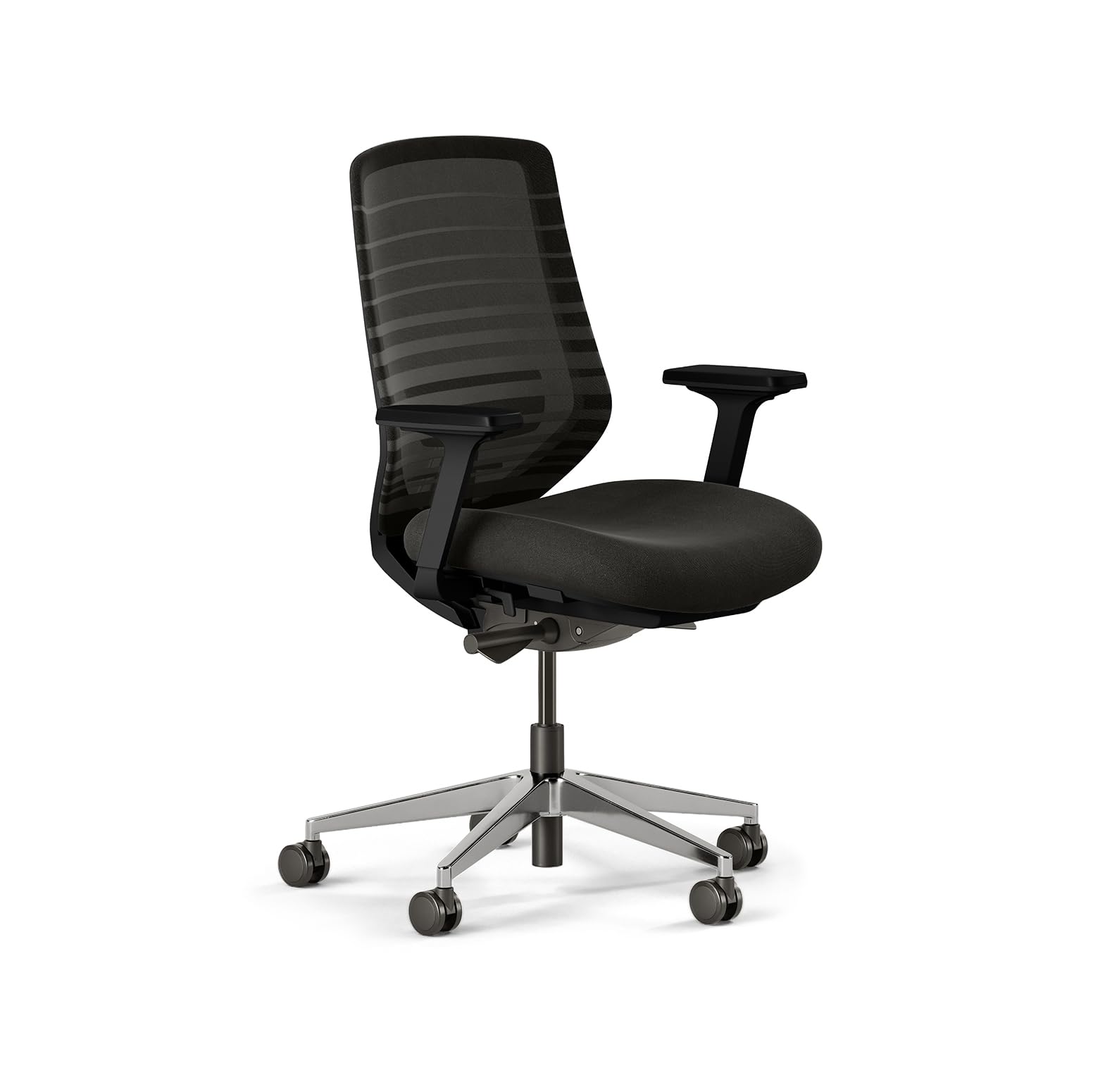
The Branch Ergonomic Chair delivers the widest adjustment range in this lineup — eight distinct points covering seat height, seat depth, lumbar position, armrest placement, recline angle, and tilt tension. That level of fine-tuning is rare at this price and directly addresses the mismatch that causes study-session discomfort: a one-size-fits-all chair that doesn’t fit you.
The aluminum frame keeps the total weight manageable, so you can move it between rooms without straining. The breathable mesh backrest prevents sweat buildup even during marathon study blocks, and the contoured cushioning maintains support without feeling overly soft. Users report easy assembly — around 30 minutes with clear instructions — and the smooth-rolling wheels glide well on both carpet and hard floors.
The seat tilt lacks a forward angle, which limits active perching for writing-heavy sessions. Some users note the armrests slide forward and backward more easily than expected, requiring an extra tighten of the bolts. For anyone who prioritizes total body adjustability across hours of focused sitting, this chair delivers the best combination of features and build quality.
Why it’s great
- Eight adjustable touch points let you dial in perfect spinal alignment
- Aluminum frame keeps the chair light but structurally rigid
- Breathable mesh back prevents heat buildup during long study blocks
Good to know
- No forward seat tilt for active perching
- Armrests can slide loose if bolts aren’t fully torqued
2. ProtoArc EC200 Ergonomic Office Chair
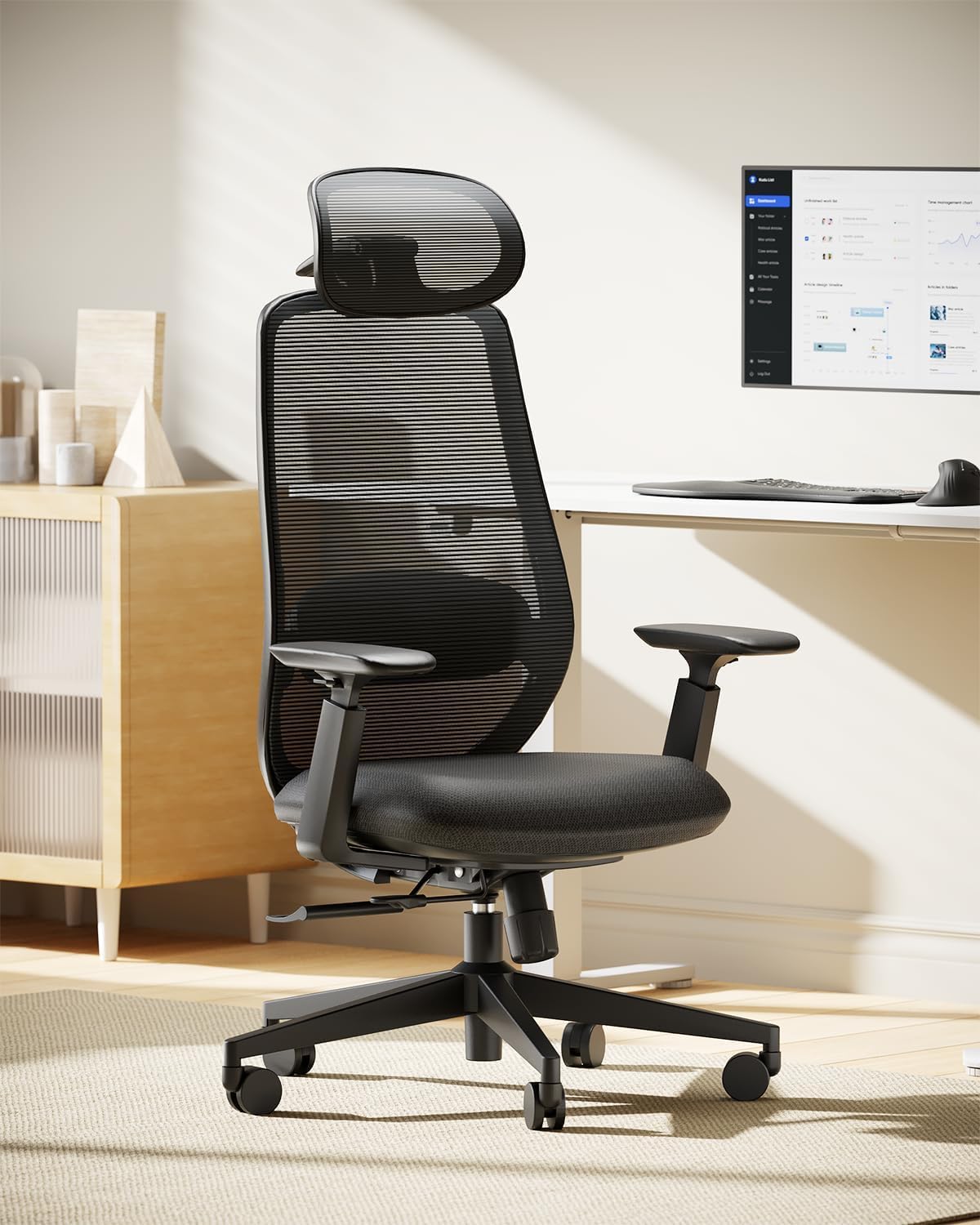
The ProtoArc EC200 focuses on body-type specificity — it’s engineered for users between 5’4″ and 6’0″ and under 220 lbs, with a 5-position sliding seat that adjusts 1.97 inches. That seat depth travel is the standout feature here: it lets you rest your entire thigh on the cushion, eliminating the dangling-leg pressure that causes numbness after hour three of studying.
The 55D high-density foam cushion resists sagging far better than softer foams that collapse within months. The 3-point ergonomic support aligns head, back, and lumbar, with the lumbar moving 2.36 inches vertically and 0.8 inches in depth. The 3D headrest adjusts up/down, in/out, and pivots 75 degrees with 35 degrees of rotation — locking into place so it doesn’t drift during study breaks.
Assembly is notably frustration-free — all hardware is labeled in blister packs, and users report a clean 20 to 30-minute build. The chair is heavy and feels solid once assembled, with smooth-rolling wheels and a TÜV-tested Class 4 gas lift. It lacks a full recline for napping, and the mesh seat may feel firm to users accustomed to plush cushions.
Why it’s great
- 5-position adjustable seat depth prevents thigh pressure and knee strain
- 55D high-density foam resists sagging and bottoming out
- 3D headrest locks in place for consistent neck support
Good to know
- Firm mesh seat may feel too hard for users who prefer plush cushions
- No deep recline option for nap breaks
3. GABRYLLY Ergonomic Office Chair With Footrest
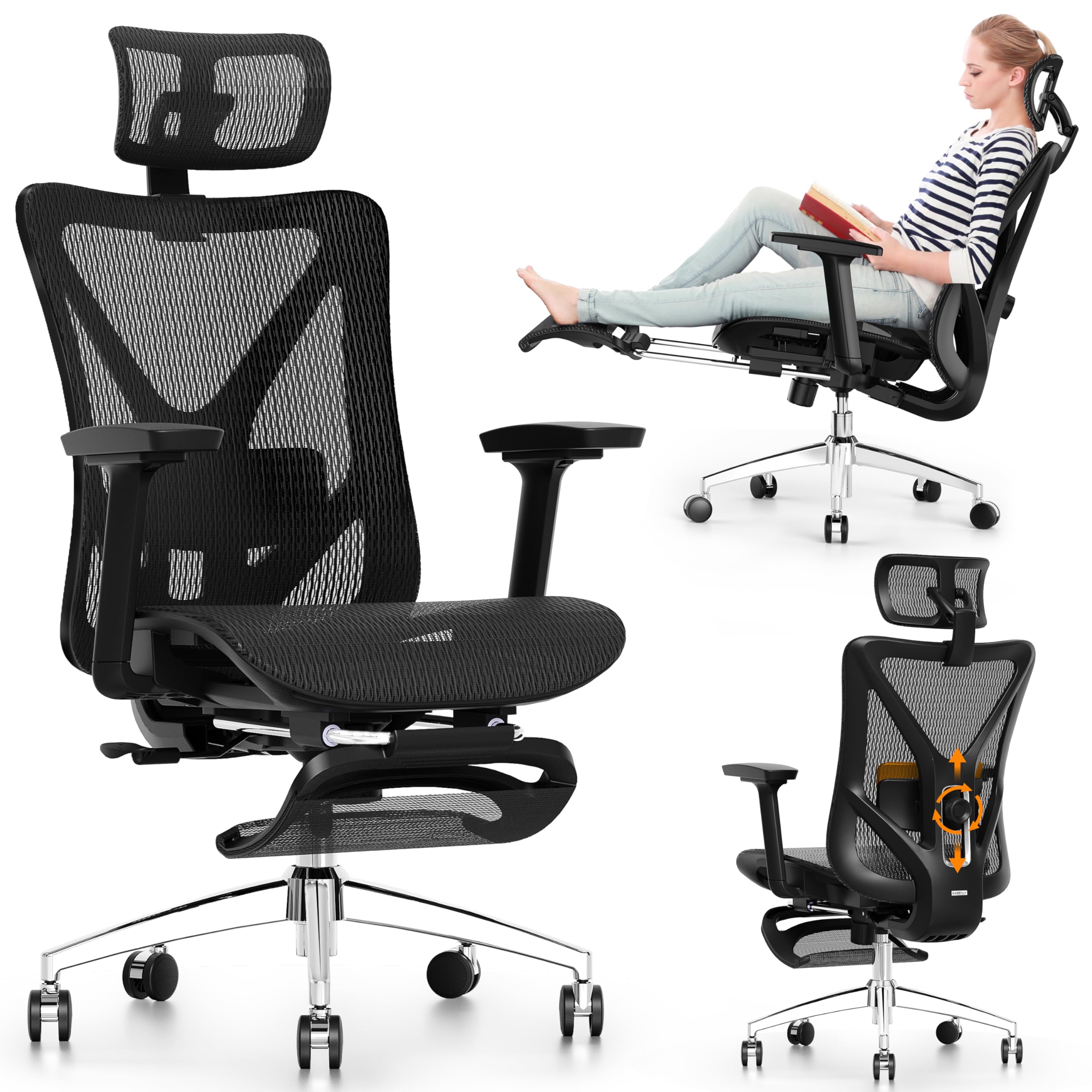
Studying isn’t always typing — sometimes you need to lean back and think, or close your eyes for 20 minutes. The GABRYLLY chair addresses that with a 135-degree recline and a retractable steel footrest that extends 18.1 inches. Three lockable positions (90°, 110°, 135°) let you switch from writing posture to reading angle to nap mode without leaving the chair.
The lumbar support moves 3 inches vertically and 1.6 inches horizontally — more range than most chairs in this segment — and the all-mesh back keeps air moving so you don’t wake up sweaty. The 3D armrests adjust up/down, forward/back, and in/out to support your elbows during typing or gaming. The 27.5-inch steel base provides stability even when you recline fully with the footrest out.
Assembly takes 15 to 25 minutes with the included tools. Some users note the armrests shift under heavy leaning pressure and make a clicking noise when moved. The mesh is taut and may feel firm against your back during the first week. For study sessions that blend focused work with actual relaxation, this chair’s recline and footrest are tough to beat.
Why it’s great
- 135° recline with lockable positions for work, reading, and resting
- Retractable steel footrest eliminates leg dangling during breaks
- 2-way adjustable lumbar with 3″ vertical and 1.6″ horizontal range
Good to know
- Armrests shift under heavy leaning pressure with audible clicks
- Mesh backrest can feel taut and firm during initial use
4. ELABEST T96 Mesh Office Chair

The ELABEST T96 is built for larger frames and longer hours — it supports up to 350 lbs with a heavy-duty nylon base and a full-mesh seat that won’t trap heat. The “Golden Triangle” back structure provides stable shoulder support, which is uncommon in sub- chairs and valuable for studying hunched over a laptop.
The synchro-tilt mechanism with 3-position lock lets you recline slightly during passive reading and lock upright during active writing. The 3D adjustable armrests move in height, width, and angle, reducing shoulder strain during typing. The bionic curve design in both the backrest and seat mimics the spine’s natural shape, promoting consistent posture through long study blocks.
Assembly is straightforward at around 30 minutes, and the chair feels stable with no creaking after weeks of use. Some users over 5’10” find the armrests too wide for narrow frames, though customer service provides rotating replacements. The mesh seat is firm and maintains its shape over time, but users who prefer a plush cushion may find it too stiff.
Why it’s great
- 350 lb weight capacity with heavy-duty nylon base
- Full-mesh seat and back prevent heat and moisture buildup
- “Golden Triangle” structure supports shoulders during hunched studying
Good to know
- Armrests may be too wide for users with narrow shoulders
- Mesh seat is firm and less forgiving than padded foam alternatives
5. MOLENTS Mesh Desk Chair

The MOLENTS chair brings strong adjustability to the mid-range tier — the lumbar support moves both up/down and forward/back, and the 3D armrests allow you to dial in height, width, and angle. That forward/back armrest movement is rare at this price and helps you position your elbows at the perfect 90-degree angle for typing-heavy study sessions.
The mesh back and seat are made from skin-friendly premium mesh that breathes well and supports up to 300 lbs. The tilt back locks at 90°, 105°, or 120°, letting you switch between focused upright work and relaxed reading without losing lumbar contact. The seat is wider than average at 19.8 inches, which accommodates users who prefer to shift positions during long sit.
Assembly is reported at under 20 minutes with labeled parts and clear instructions. The chair feels solid with no wobble, and customer service proactively follows up to check fit. The wheels roll less smoothly on carpet — a mat is recommended. Some users note the armrests are not long enough for very tall individuals who want more forearm support.
Why it’s great
- Lumbar adjusts both vertically and horizontally for targeted lower back support
- 3D armrests with forward/back movement for precise elbow alignment
- 120° tilt lock with multiple positions for work-to-rest transitions
Good to know
- Wheels roll poorly on carpet without a mat
- Armrests may be too short for very tall users
6. YFO Home Office Desk Chair

The YFO chair takes a traditional approach with a padded leather upholstery and a spring cushion bag inside the seat — a layer of coils beneath the sponge that maintains bounce even after long sitting sessions. This makes it a good fit for study rooms where you want classic executive styling with a comfortable feel.
The rubber casters are a standout feature — they roll smoothly and silently on wood floors, carpets, and marble without scratching. Users report noticeably less noise compared to standard plastic casters. The chair gives you the option to install the arms or skip them, turning it into a cross-legged sitting chair for more relaxed study postures.
The lumbar support is built into the backrest padding rather than an adjustable mechanism, so the support is fixed. Users over 6 feet may find the backrest height insufficient for upper-back coverage. The leather material feels durable but traps more heat than mesh alternatives — consider this for cooler environments or shorter study blocks.
Why it’s great
- Rubber casters roll silently and smoothly on all floor types
- Spring cushion bag provides consistent bounce without sagging
- Option to install or skip armrests for cross-legged sitting
Good to know
- Lumbar support is fixed — no vertical or depth adjustment
- Leather upholstery traps heat during extended study sessions
7. CASASIO Office Desk Chair
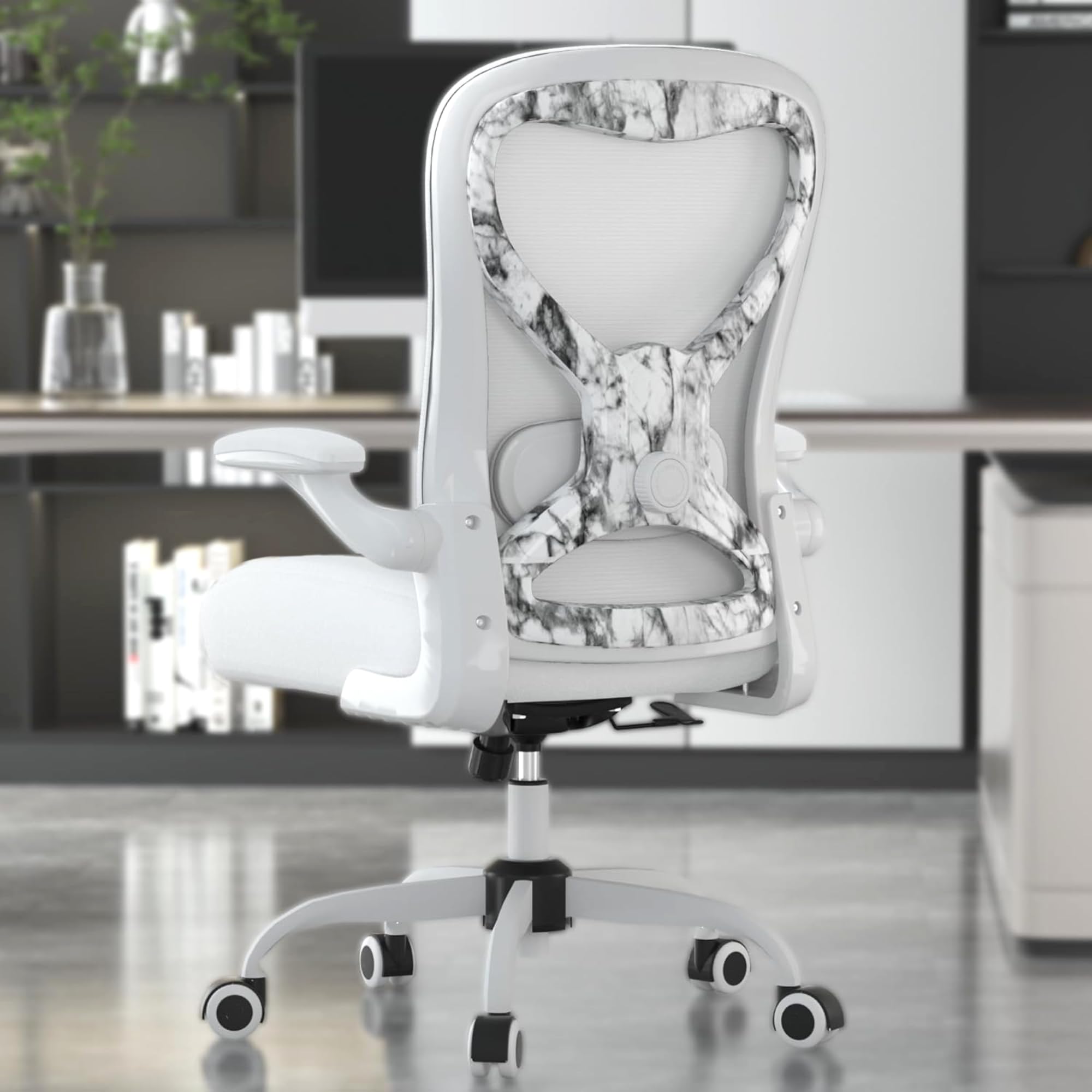
The CASASIO chair puts cushion thickness front and center — the seat foam measures 3.54 inches thick, roughly an inch thicker than the average ergonomic chair. That extra padding makes a noticeable difference during study sessions where you stay seated for hours: the seat doesn’t bottom out, and your hips stay supported without that “wooden plank” feeling.
The lumbar support moves up, down, in, and out — a 4-way adjustability that is uncommon in this price tier. The mesh back is breathable and shaped in an hourglass curve that mirrors the spine’s natural contour. Flip-up arms let you slide the chair under a shallow desk or fold them away for cross-legged sitting.
The white-and-marble finish gives it a clean, modern look that fits dorms and home offices. Some users wish the armrests were taller, but separate arm pads can be added. The chair supports up to 300 lbs and includes a tilt-and-rock mechanism with adjustable tension. The mesh weave is comfortable against bare arms during summer studying.
Why it’s great
- 3.54-inch seat cushion is noticeably thicker than standard chairs
- 4-way adjustable lumbar moves up, down, in, and out
- Flip-up arms free desk space for tucking or cross-legged sitting
Good to know
- Armrests are on the lower side for taller users
- White finish shows dirt more easily than darker colors
8. TRALT Ergonomic Office Chair
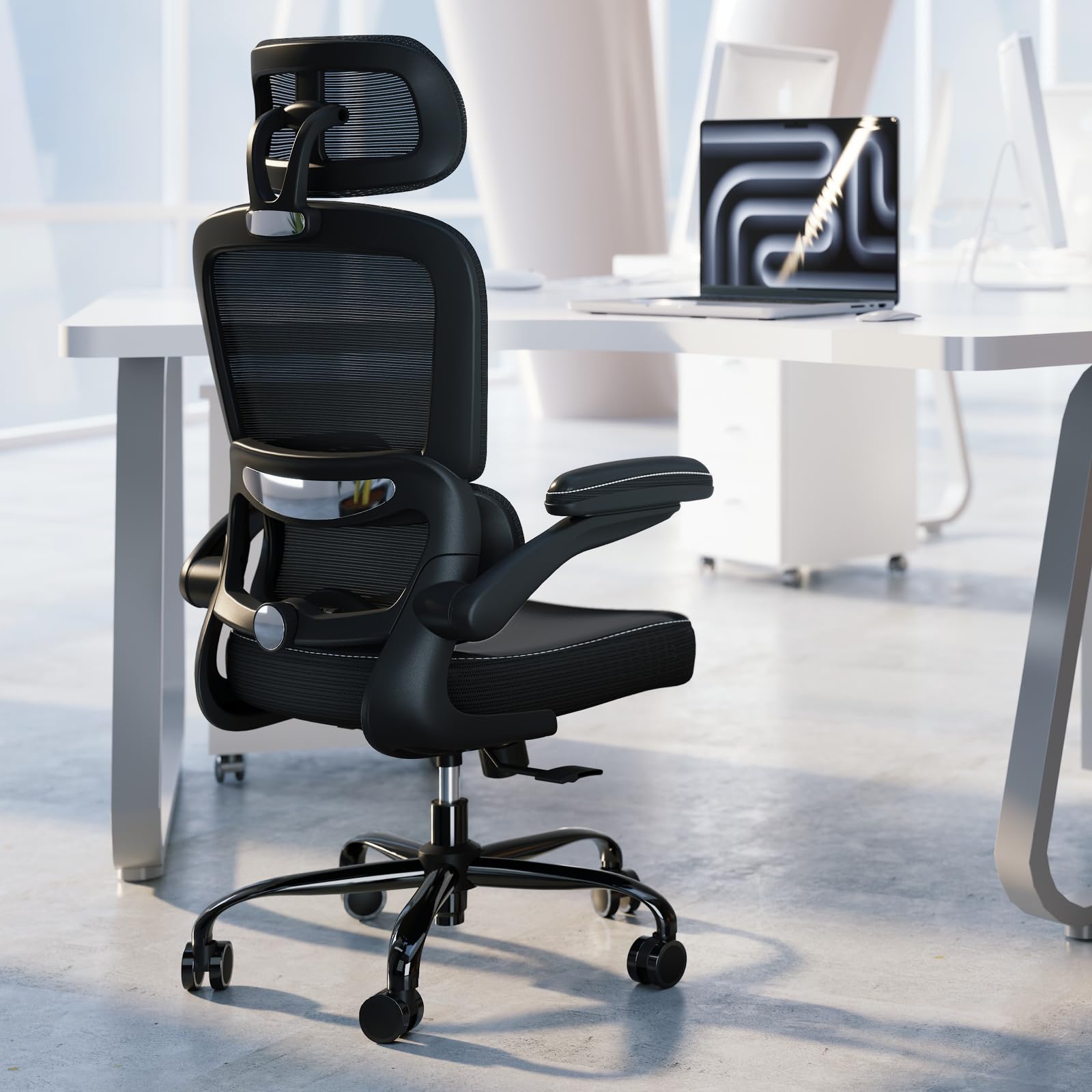
The TRALT chair addresses a common problem for taller students: finding a budget-friendly chair that doesn’t push your knees too high. The seat measures 20 inches wide and 17.3 inches deep, with a height range of 18.5 to 21.3 inches, making it suitable for users between about 5’5″ and 6’2″. That wider seat distributes weight evenly and reduces pressure points on the outer thighs.
The 3.5-inch high-density sponge cushion balances softness with support — firm enough to prevent sinking but soft enough for comfort during hour-long study sessions. The leather seat surface is easy to wipe clean, and the mesh back accelerates air circulation behind your spine. Flip-up armrests help tuck the chair away when not in use.
Assembly runs about 25 to 40 minutes, and the chair feels sturdy with a metal base supporting up to 330 lbs. Users praise the look and comfort for the investment, but some note the flip-up arms feel less stable when leaning heavy on them. The headrest is comfortable for shorter users but may sit too low for anyone over 6 feet.
Why it’s great
- 20-inch wide seat accommodates taller and larger frames comfortably
- 3.5-inch high-density foam cushion balances softness and support
- Breathable mesh back keeps you cool during warm study sessions
Good to know
- Flip-up armrests feel wobbly under heavy leaning
- Headrest may sit too low for users over 6 feet tall
9. SICHY AGE Ergonomic Office Chair
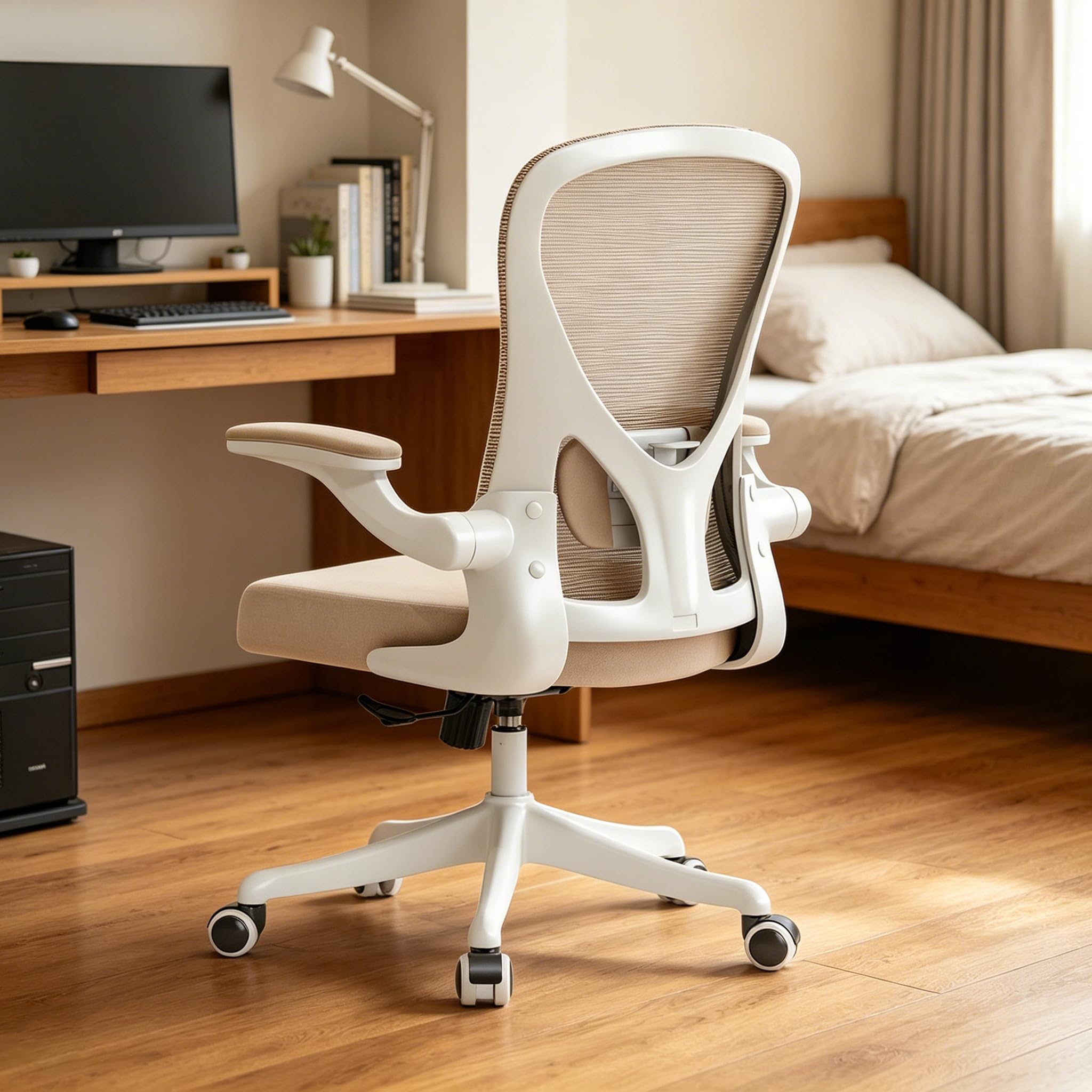
The SICHY AGE chair proves that effective cooling and basic ergonomic support don’t require a big budget. The entire back and seat are covered in mesh — there is no foam or leather trapping heat against your body. This design keeps air moving constantly, making it ideal for study spaces without air conditioning or for people who naturally run warm.
The seat cushion uses memory foam rather than standard polyurethane, offering a softer initial feel that molds to your shape. The lumbar support adjusts vertically (1.2-inch range), and the seat height, recline, and flip-up armrests all let you find a basic comfortable position. The 360-degree swivel and silent rolling wheels make moving between desk areas frictionless.
The chair supports up to 300 lbs and includes a 3-year warranty — unusually long coverage at this tier. Assembly takes about 10 to 15 minutes with video guidance. The main limitation is for tall users: the seat doesn’t adjust high enough to support people 6 feet and above comfortably. The lumbar adjustment range is also shallower than more expensive models.
Why it’s great
- All-over mesh construction maximizes airflow for hot-weather studying
- Memory foam seat cushion molds to your body shape
- 3-year warranty provides long-term coverage at an entry-level price
Good to know
- Seat height range is too low for users 6 feet and taller
- Lumbar support adjustment range is limited compared to mid-range models
FAQ
How much lumbar adjustment do I need for studying?
Is mesh better than padded for study chairs?
What seat depth should I look for?
Final Thoughts: The Verdict
For most users, the best desk chair for studying winner is the Branch Ergonomic Chair because its eight adjustment points let you dial in every contact point for hours of uninterrupted focus. If you need adjustable seat depth to prevent thigh numbness, grab the ProtoArc EC200. And for study breaks that include real reclining and napping, nothing beats the GABRYLLY Ergonomic Chair with Footrest.

Mo Maruf
I created WellFizz to bridge the gap between vague wellness advice and actionable solutions. My mission is simple: to decode the research and give you practical tools you can actually use.
Beyond the data, I am a passionate traveler. I believe that stepping away from the screen to explore new environments is essential for mental clarity and physical vitality.