Our readers keep the lights on and my smoothie glass nicely filled. As an Amazon Associate, I earn from qualifying purchases.
Desert hiking is a battle against three relentless adversaries: blistering heat, abrasive sand that invades every seam, and loose scree that turns a solid step into a slide. Standard trail runners cook your feet, while bulky boots trap sweat and gravel. The right sole rubber compound and a mesh upper that breathes without letting in grit separate a successful summit from a miserable retreat.
I’m Mohammad Maruf — the founder and writer behind WellFizz. I’ve spent countless hours analyzing sole lug patterns, mesh density, and midsole heat resilience to identify the desert-ready hikers that actually earn their keep on dry, technical terrain.
If you want to move fast and stay comfortable on sun-baked trails, you need a shoe built for thermal venting and a Vibram or Megagrip outsole that refuses to skate on polished rock. That is exactly what this guide to the best desert hiking shoes delivers.
How To Choose The Best Desert Hiking Shoes
Desert terrain demands a unique balance of breathability, debris protection, and traction on loose surfaces. Unlike forest trails, you face constant thermal stress and a lack of shade. Here is what separates a great desert shoe from a dud.
Upper Material and Ventilation
A leather-heavy upper will turn your foot into a sweat lodge by mile two. Prioritize mesh or textile uppers with large ventilation ports. However, the mesh must be tight enough to block fine sand. Look for a dual-layer construction where a coarse outer mesh sheds grit while an inner lining wicks moisture.
Sole Rubber and Lug Pattern
On slickrock and loose talus, rubber compound matters more than lug height. A sticky Vibram Megagrip or similar high-friction rubber will hold on smooth stone. Lugs should be moderately deep — 3.5 to 5 mm — with a reverse chevron or multi-directional pattern to bite into loose gravel when descending. A rock plate or stiff midsole protects the foot from sharp edges.
Toe Box and Fit
Desert hiking involves long, hot descents where feet swell. A snug toe box guarantees blisters and lost toenails. A generous or anatomical toe box allows splay and reduces friction. Brands with a dedicated wide sizing option or a naturally roomy last are preferred for multi-hour hikes in heat.
Waterproofing Trade-Off
A Gore-Tex liner keeps out morning dew and stream crossings, but traps heat and moisture vapor on long, dry stretches. For pure desert use where rain is rare, a non-waterproof shoe dries faster and stays cooler. If you expect occasional wet sections, choose a breathable membrane like eVent or a thin GTX lining, and never use a fully insulated boot.
Quick Comparison
On smaller screens, swipe sideways to see the full table.
| Model | Category | Best For | Key Spec | Amazon |
|---|---|---|---|---|
| Kenetrek Desert Guide | Premium Boot | Off-trail, sharp rock, heavy loads | 4.0mm Vibram outsole, 7″ height | Amazon |
| LOWA Zephyr MK2 GTX Mid | Tactical Mid | Multi-day missions, ankle support | Re-soleable PU midsole, 11.5 oz | Amazon |
| La Sportiva Spire GTX | Premium Hiker | Rocky Mountain terrain, wet conditions | Sticky rubber outsole, stiff midsole | Amazon |
| Danner Men’s Hiking Shoe | Lightweight Boot | Cool-weather desert, slush, city-to-trail | Gore-Tex lining, Danner Platform | Amazon |
| Merrell Moab 3 GTX | Mid-Range Workhorse | All-day comfort, muddy/rocky terrain | Vibram TC5+ outsole, 1.5 lbs | Amazon |
| New Balance Fresh Foam X Hierro V9 | Trail Runner | Fast day hikes, Utah slickrock | Vibram Megagrip, Fresh Foam midsole | Amazon |
| ALTRA Lone Peak 8 | Zero Drop | Wide feet, steep rocky trails | MaxTrac outsole, 25mm stack height | Amazon |
| Brooks Caldera 8 | Max Cushion | Long shifts, high-mileage trail running | DNA Loft v3 cushion, 30mm stack | Amazon |
| Merrell Speed Strike 2 | Budget Trail Shoe | Entry-level hiking, national park walks | Stiff sole, roomy toe box, 1.5 lbs | Amazon |
In‑Depth Reviews
1. Kenetrek Desert Guide Non-Insulated Hiking Boot

The Kenetrek Desert Guide is built for the harshest dry environments — think razor-sharp volcanic rock, scorching sand, and off-trail routes where a misstep means a twisted ankle. Its 7-inch shaft provides genuine ankle support that low-cut shoes cannot match, and the 4.0 mm Vibram outsole grips confidently on hot, polished stone. The wide fit accommodates EE-width feet and thick socks, a major advantage for long days in the backcountry.
Testers report the tread holds up well past 200 miles of hard use, and the non-insulated construction prevents overheating in triple-digit heat. The boot is stiff out of the box and requires a short break-in period, but once settled it delivers a locked-in feel that inspires confidence on steep, loose descents. The toe bead showed early fraying for one reviewer, though this was cosmetic and did not compromise structural integrity.
This boot is heavy compared to trail runners, and the tall lugs require a short adjustment period on pavement. However, for serious desert hunters, military personnel, or anyone carrying a heavy pack off-trail, it is arguably the most durable and protective option available. It is an investment in foot security when the terrain turns unforgiving.
Why it’s great
- Exceptional durability and tread life beyond 200 miles
- True wide sizing (EE) for swollen feet and heavy socks
- Outstanding ankle support for rocky, uneven ground
Good to know
- Heavy and stiff — requires break-in before long hikes
- Tall tread feels awkward on flat, hard surfaces
2. LOWA Zephyr MK2 GTX Mid

The Zephyr MK2 GTX Mid is a legend among military and law enforcement users for a reason — it combines the stability of a mid-height boot with the agility of a lightweight hiker. The Gore-Tex membrane keeps feet dry during stream crossings and morning dew, while the mid-height shaft provides reliable ankle support without the weight penalty of a full boot. Multiple reviewers who wore them in Afghanistan and on mountain patrols verify their field credibility.
Compared to the Solomon Quest 4D Force 2, the Zephyr is lighter and equally stable, though its harder rubber compound is slightly less grippy on wet, smooth surfaces. The PU midsole is re-soleable, extending the boot’s lifespan significantly beyond cheaper glued constructions. Users consistently note exceptional workmanship, with one owner on his fourth pair citing unmatched durability and comfort.
Be aware that international orders may arrive without the original box due to customs handling. The round laces require a double knot to stay secure. For desert operations where pack weight and ankle protection matter equally, the Zephyr is a top-tier choice that balances both demands without compromise.
Why it’s great
- Re-soleable design extends usable life for years
- Lighter than most tactical mid boots without sacrificing stability
- Proven durability in extreme military field conditions
Good to know
- Hard rubber less grippy on wet smooth surfaces
- Round laces slip without double knotting
3. La Sportiva Spire GTX Waterproof Hiking Shoes
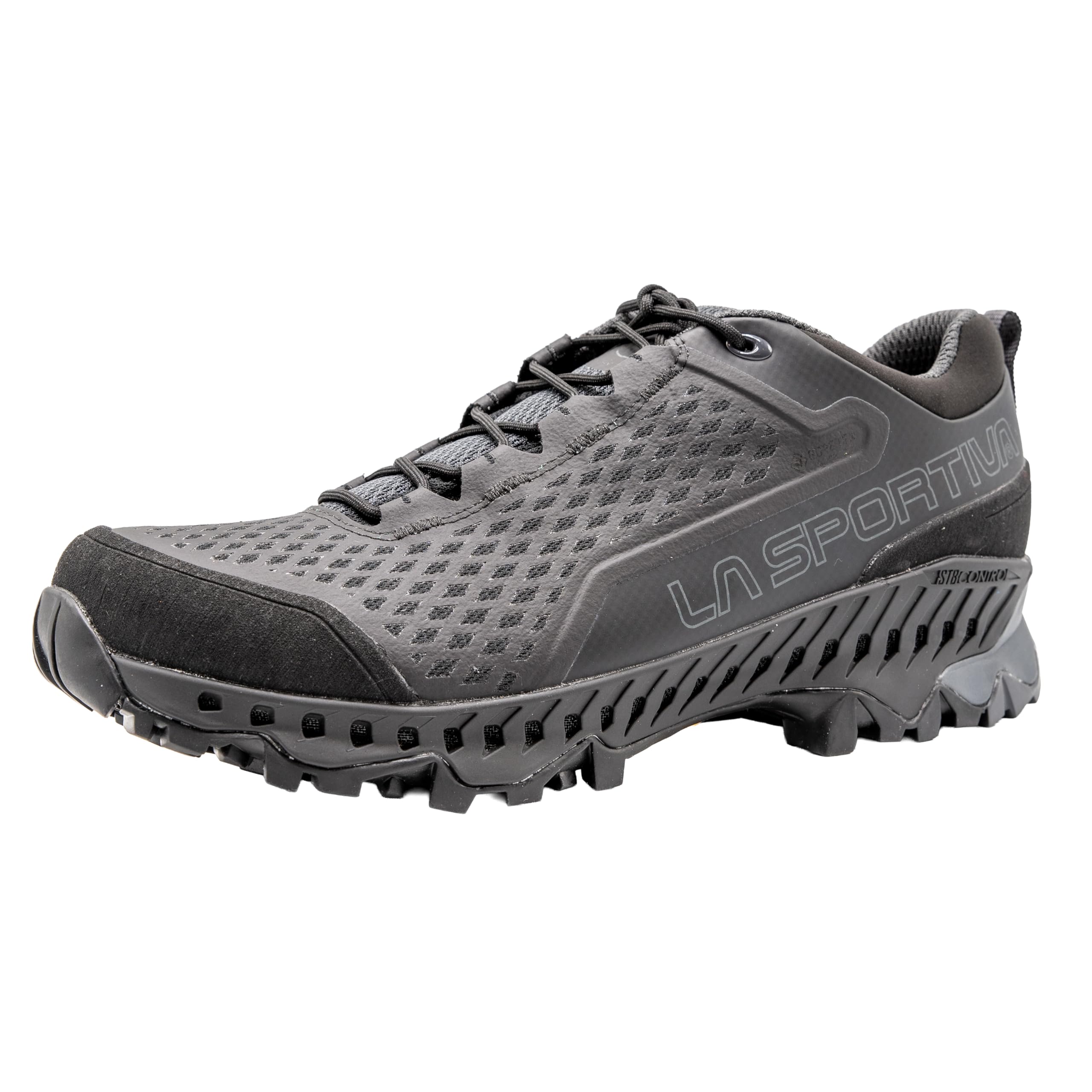
The La Sportiva Spire GTX is the shoe you choose when the trail demands both sticky climbing rubber and waterproof protection. The outsole compound grips tenaciously on dry slickrock and holds sidewalls on angled granite slabs. Reviewers consistently describe it as the best low-top hiking boot they have ever owned, praising its ability to handle 13-mile days without producing a single blister.
The shoe runs slightly small, so sizing up half a step is recommended. Once dialed in, the fit is precise and supportive, with a stiff midsole that blocks sharp trail projections from bruising the foot. The Gore-Tex liner provides 100% waterproofing, but in pure desert heat the membrane does trap more warmth than a mesh-only shoe — it is best reserved for cooler desert mornings or mixed wet/dry conditions.
After 15 months of frequent use, users report minimal sole wear, confirming the durability of the rubber compound. The primary complaints are a high price point and laces that wear out after about a year. For hikers who prioritize traction on technical rock over maximum ventilation, the Spire GTX is a premium, long-lasting solution.
Why it’s great
- Outstanding grip on dry rock and polished stone
- Stiff midsole protects feet from sharp trail debris
- Minimal sole wear after extended use
Good to know
- Runs half-size small — size up
- Gore-Tex reduces breathability in extreme heat
4. Danner Men’s Hiking Shoes

Danner’s hiking shoe brings the brand’s heritage of durable craftsmanship to a lightweight, low-profile package. The Gore-Tex lining is properly waterproof — multiple reviewers confirm dry feet during Boston rain and slush — making it a solid choice for desert spring mornings or high-elevation trails where afternoon thunderstorms roll in. The shoe feels slightly heavier than a typical running shoe but significantly lighter than a boot, hitting a comfortable middle ground.
The fit is true to size for most users, and the wide option accommodates orthotics after a short wear-in period. The Danner Platform outsole provides reliable traction on mixed terrain, from city sidewalks to rocky singletrack. The non-Gore-Tex version had a great fit but lacked water resistance, so the GTX version is the one to get if you face any moisture at all.
A minority of users report the shoe is painful to put on initially due to a narrow heel pocket, which may cause discomfort for those with wider heels. The overall build quality is high, with one user noting they are “so comfortable I am throwing these wire out” — a typo that underscores the shoe’s longevity. For desert environments with occasional wet spells, this is a versatile, comfortable choice.
Why it’s great
- Reliable Gore-Tex waterproofing in rain and slush
- Comfortable, durable build suitable for daily wear
- Wide size option accommodates orthotics
Good to know
- Heavier than a typical trail runner
- Narrow heel pocket may irritate some users
5. Merrell Moab 3 GTX

The Merrell Moab 3 GTX is arguably the most popular hiking shoe ever made, and for good reason in the desert context. The Vibram TC5+ outsole delivers dependable grip on loose gravel and dry dirt, while the Gore-Tex liner handles unexpected water crossings without turning your feet into steam baths — the membrane is thin enough to allow moderate breathability in dry conditions. Users consistently praise the zero break-in period, with one reviewer logging 30+ miles on steep, rocky terrain immediately after purchase without a single blister.
The Moab 3’s greatest strength is its all-day comfort. The EVA midsole is responsive without being too plush, providing enough support for day hikes and lightweight backpacking. The Granite color option looks sharp and hides trail dust well. Several long-time Moab fans report expected durability of seven years or more, making this a cost-effective choice despite the mid-range sticker.
There is a critical sizing inconsistency with the Gore-Tex version — one reviewer found it runs 1.5 to 2 sizes smaller than other Moab 3 iterations. Always try on the GTX version specifically before buying, and consider ordering a half to full size up. For the vast majority of desert day-hikers, the Moab 3 GTX is the most balanced blend of grip, comfort, and price in this list.
Why it’s great
- No break-in needed — comfortable straight out of the box
- Vibram TC5+ outsole grips well on loose, dry terrain
- Proven long-term durability; many users report multi-year lifespan
Good to know
- GTX version runs significantly smaller than non-GTX Moab
- Gore-Tex reduces ventilation in sustained heat
6. New Balance Fresh Foam X Hierro V9
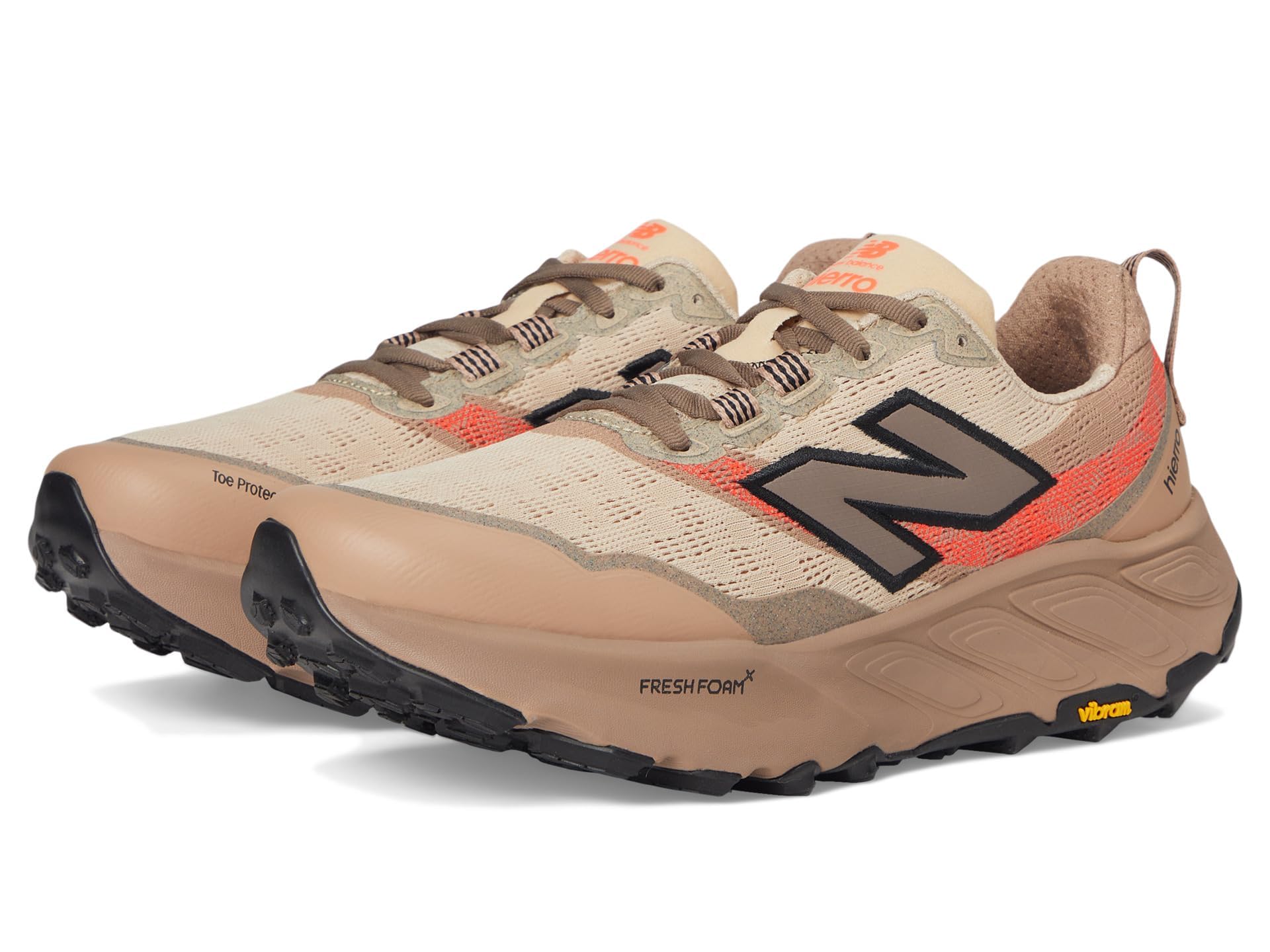
The Fresh Foam X Hierro V9 is a trail-running shoe that crosses over beautifully into fast desert day hiking. Its Vibram Megagrip outsole provides exceptional traction on dry rock — testers in Utah reported zero slipping on slickrock and loose stone. The Fresh Foam midsole delivers plush, responsive cushioning that absorbs shock on long descents without feeling overly squishy or unstable.
The upper is well-ventilated but runs slightly snug in the toe box. Multiple reviewers recommend sizing up half a size to avoid cramped toes on long runs. The shoe is not designed for technical trail running at high speeds — one user noted it works best for hiking and moderate jogging. The sleek, modern design looks good enough for post-hike errands.
Some users with wider feet found the sides tight after extended runs, and one returned the shoe due to insufficient sole padding leading to foot bruising. The Hierro V9 is best suited for hikers who prioritize fast movement, cushioned feel, and a modern aesthetic. For purely rugged, off-trail use, a stiffer model would be more appropriate.
Why it’s great
- Vibram Megagrip provides confident traction on dry slickrock
- Fresh Foam midsole offers plush, responsive cushioning
- Lightweight and modern design suitable for fast hiking
Good to know
- Toe box runs snug — size up half a size
- Not enough sole padding for some heavier users
7. ALTRA Women’s Lone Peak 8 Trail Running Shoe
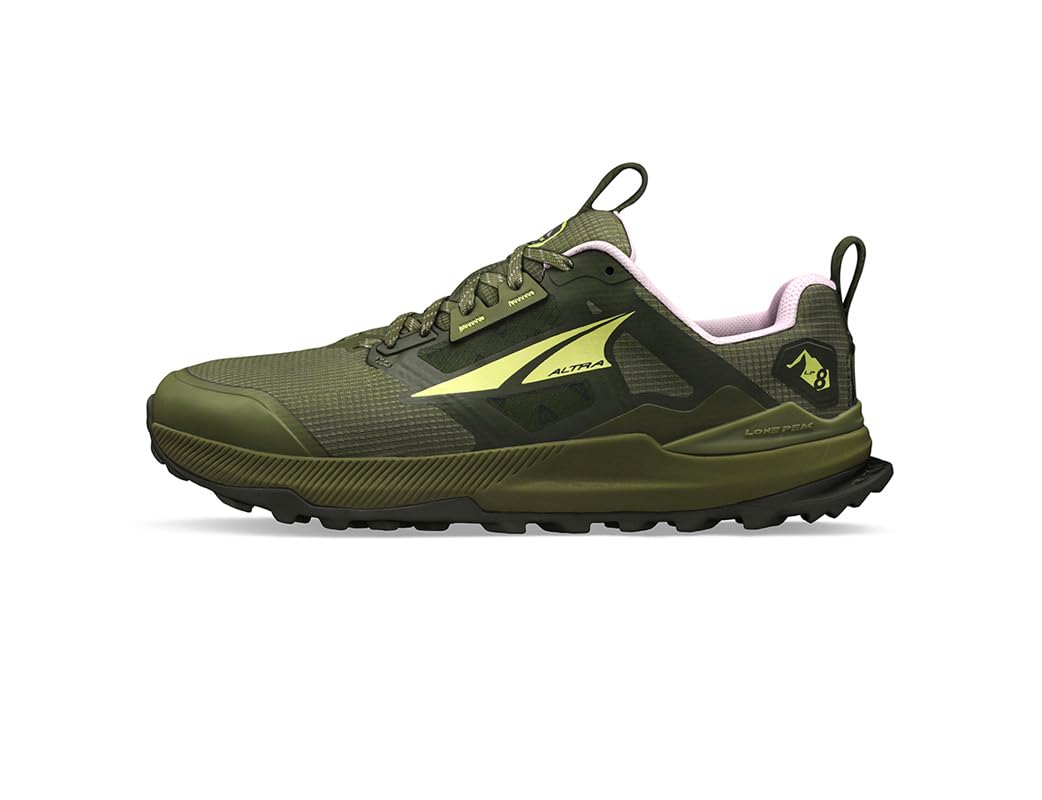
The ALTRA Lone Peak 8 is legendary among desert hikers who need room for their toes to splay on long, hot descents. The Original FootShape toe box eliminates rubbing and reduces toe-bang on steep rocky trails — one user reported zero foot complaints after 5+ miles on technical terrain. The MaxTrac outsole provides reliable grip on loose dirt and rock, and the 25mm stack height offers ample cushion without sacrificing ground feel.
The shoe is lightweight and flexible, with a breathable mesh upper that vents heat effectively. The zero-drop platform encourages a natural stride, which experienced hikers appreciate on long days. Six-time purchasers confirm the design is consistently reliable, though the shoe does wear out faster than stiffer, more rugged options. The slate denim blue color option is popular for its trail-stain-hiding properties.
Some users recommend sizing up half a size to ensure perfect fit, especially for those with wider feet. The Lone Peak 8 is not a waterproof shoe, which is actually a strength in dry desert environments where breathability matters more than water resistance. For hikers with wide feet or a preference for zero-drop geometry, this is the top pick in its category.
Why it’s great
- Wide toe box eliminates hot spots and toe-bang on descents
- Zero-drop platform encourages natural gait on long hikes
- Lightweight, flexible mesh upper for maximum breathability
Good to know
- Not waterproof — not ideal for wet conditions
- Wears out faster than stiffer, more rugged alternatives
8. Brooks Men’s Caldera 8 Ultra Trail Running Shoe
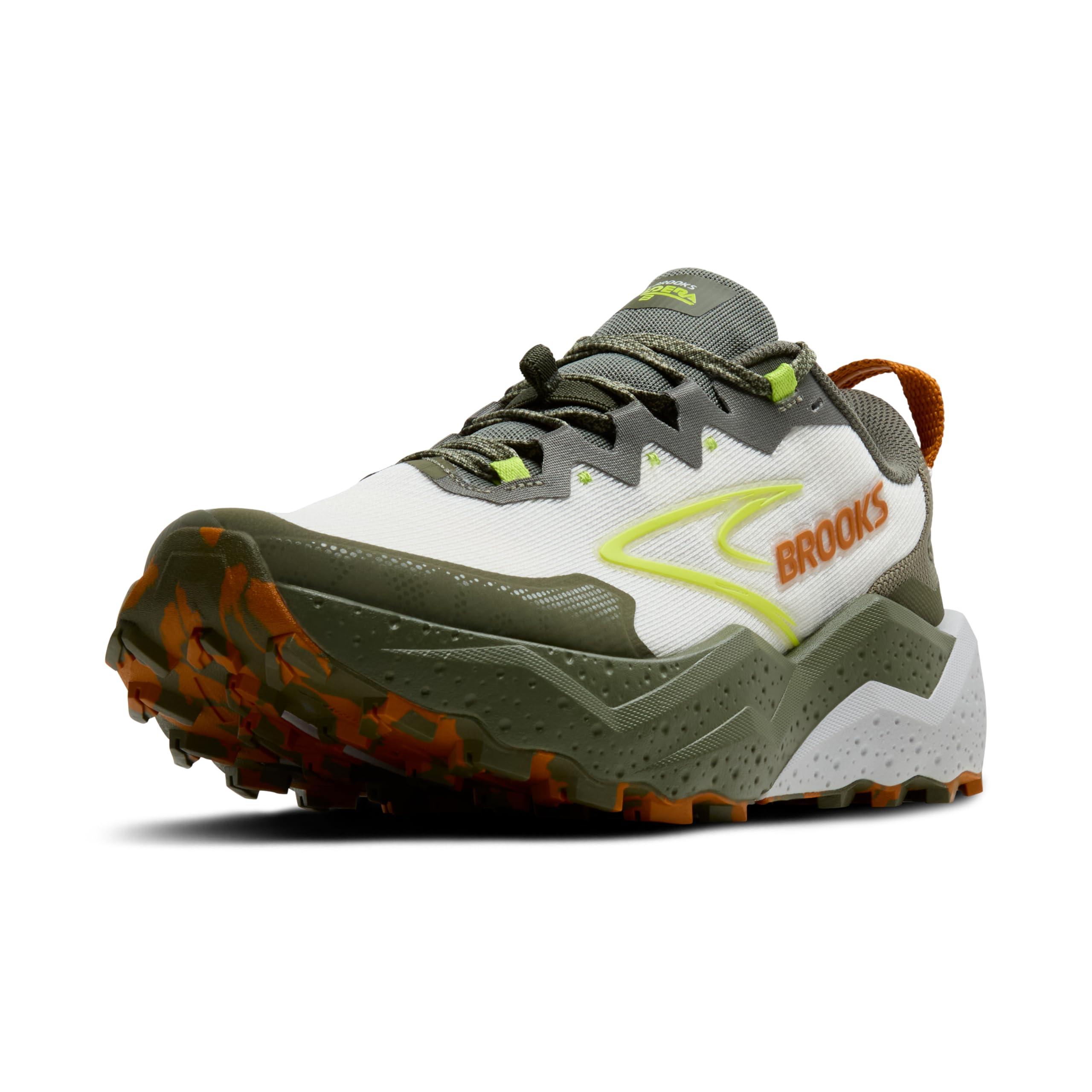
The Caldera 8 is Brooks’ maximalist trail shoe, and it brings a level of cushioning rarely seen in the desert hiking category. With a 30mm stack of DNA Loft v3 foam, it absorbs impact from sharp rocks and uneven ground, reducing foot fatigue on 10+ hour shifts. Reviewers who wear them for long work shifts report complete elimination of foot pain, even with flat feet and minimal arch support needs.
Compared to the Topo Ultraventure 4, the Caldera 8 offers better stability and more aggressive traction, making it a stronger choice for uneven desert terrain. The shoe is lightweight for its cushion class, and the fit is true to size. One reviewer used them for outdoor running and praised the comfort and weight.
The Caldera 8 is not a nimble trail runner — its height makes it feel a bit less precise on highly technical, rocky singletrack. For hikers who prioritize plush comfort over ground feel, or who need to stand or walk all day on varied terrain, this is an excellent, budget-friendly option.
Why it’s great
- Exceptional cushioning for long days on your feet
- Lightweight for a maximalist, 30mm-stack shoe
- Good stability and traction compared to competitors
Good to know
- High stack height reduces precision on technical terrain
- Not intended for fast, agile trail running
9. Merrell Women’s Speed Strike 2
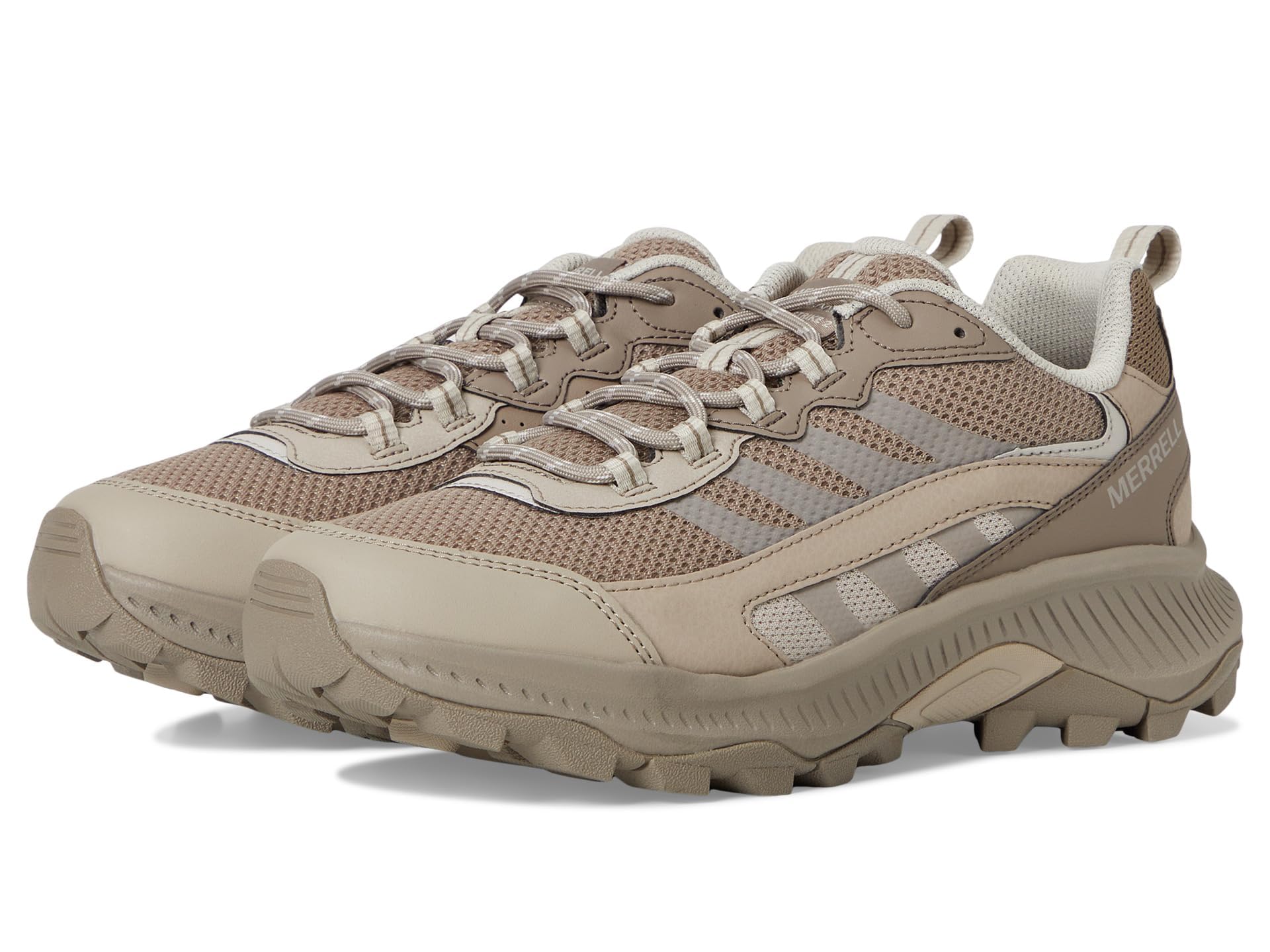
The Speed Strike 2 is Merrell’s entry-level trail shoe that punches above its price point for desert day hikers. The sole is stiff enough to protect against sharp rock, yet the shoe requires zero break-in — reviewers describe putting them on and immediately tackling loose shale and slippery rock without issue. The roomy toe box accommodates foot swell in the heat, and the sporty grey/blue design looks modern without being flashy.
The shoe is not waterproof, which is actually beneficial in dry conditions — held up when soaked but dried quickly. One user with degenerative joint disease praised the stiff sole for providing needed support. The insole is thin and cheap — several users replace it with an aftermarket orthotic — but the overall construction is solid for the price.
There are reports that the model is being discontinued, which means these are available at a discount while stocks last. The thin insole is the main compromise, but if you plan to swap in a quality insert, the Speed Strike 2 offers impressive grip and comfort for the budget-conscious desert hiker.
Why it’s great
- Stiff sole provides good protection on rocky terrain
- Roomy toe box accommodates foot swell in heat
- No break-in needed — comfortable immediately
Good to know
- Insole is thin and cheap — plan to replace it
- Model being discontinued; limited availability
FAQ
Should I buy waterproof or non-waterproof shoes for desert hiking?
How do I stop sand from getting into my hiking shoes?
What sole compound is best for loose desert scree?
Do I need a rock plate in a desert hiking shoe?
Final Thoughts: The Verdict
For most users, the best desert hiking shoes winner is the Merrell Moab 3 GTX because it nails the balance of break-in comfort, reliable grip, and practical waterproofing for the widest range of desert conditions. If you want a spacious toe box and zero-drop natural feel, grab the ALTRA Lone Peak 8. And for true off-trail abuse on sharp rock with heavy loads, nothing beats the Kenetrek Desert Guide.

Mo Maruf
I created WellFizz to bridge the gap between vague wellness advice and actionable solutions. My mission is simple: to decode the research and give you practical tools you can actually use.
Beyond the data, I am a passionate traveler. I believe that stepping away from the screen to explore new environments is essential for mental clarity and physical vitality.