Our readers keep the lights on and my smoothie glass nicely filled. As an Amazon Associate, I earn from qualifying purchases.
Watching a carefully planted shrub get stripped overnight by hungry deer is a specific kind of garden heartbreak. The solution isn’t fencing or repellents—it’s choosing plants that deer naturally avoid. The right deer-resistant shrubs provide year-round structure, color, and privacy without turning your yard into a buffet.
I’m Mohammad Maruf — the founder and writer behind WellFizz. I analyze hundreds of product specifications, real customer experiences, and nursery data to find shrubs that combine proven deer resistance with strong ornamental value in the widest range of growing conditions.
This guide compares seven top-rated options to help you find the right pick for your property. Read on to find every detail you need to choose the best deer resistant shrubs for your landscape and climate.
How To Choose The Best Deer Resistant Shrubs
Deer resistance is a sliding scale influenced by regional food availability, deer population density, and seasonal hunger. A shrub that’s left alone in one garden may get sampled in another during a harsh winter. The smart approach is to layer multiple deterrent qualities—strong scent, rough texture, or toxic compounds—rather than relying on any single trait.
Match Mature Size to Your Space
Check the expected height and spread before planting near foundations, walkways, or windows. A dwarf variety like Cavatine Andromeda stays under 3 feet, while Rose of Sharon can reach 12 feet. Overcrowding stresses the shrub and reduces its natural vigor, which can make it more appealing to browsing animals.
Consider the Growth Habit
Evergreen shrubs provide year-round screening but maintain constant foliage that deer can test. Deciduous options like spirea lose leaves in winter but often produce flowers or colorful stems that distract from the main structure. Spreading varieties fill ground quickly, while upright forms create vertical accents. Choose based on whether you need a hedge, a border, or a standalone specimen.
Evaluate Sun and Soil Needs
Each shrub has a preferred sunlight range from full sun to part shade. A Nandina planted in deep shade will grow leggy and less dense, reducing its visual impact. Well-draining soil is critical for most shrubs, and proper spacing (usually 18 to 24 inches apart) allows airflow that reduces fungal disease. Mulching around the base retains moisture and suppresses weeds that compete for nutrients.
Quick Comparison
On smaller screens, swipe sideways to see the full table.
| Model | Category | Best For | Key Spec | Amazon |
|---|---|---|---|---|
| Buxus Cranberry Creek Boxwood | Evergreen | Foundation & border planting | Mature spread 3-4 ft, pyramid form | Amazon |
| Hibiscus syriacus Azurri Blue Satin | Deciduous | Tall flowering hedge | Mature height 8-12 ft, blue flowers | Amazon |
| Helleborus Frostkiss Vibey Velvet | Perennial | Winter-to-spring shade color | Winter blooms, marbled evergreen foliage | Amazon |
| CANNAS Musifolia | Perennial | Tall tropical accents in borders | 3-5 eye bulbs, full sun exposure | Amazon |
| Pieris jap. Cavatine Dwarf Andromeda | Evergreen | Compact shade garden specimen | Mature height 2 ft, white bell flowers | Amazon |
| Double Play Doozie Spirea | Deciduous | Low-maintenance color hedge | Red to purple flowers, spring to fall | Amazon |
| Obsession Nandina | Evergreen | Multi-season foliage in tight spots | Bright red foliage, height up to 48 in | Amazon |
In‑Depth Reviews
1. Buxus Cranberry Creek (Boxwood) — Green Promise Farms
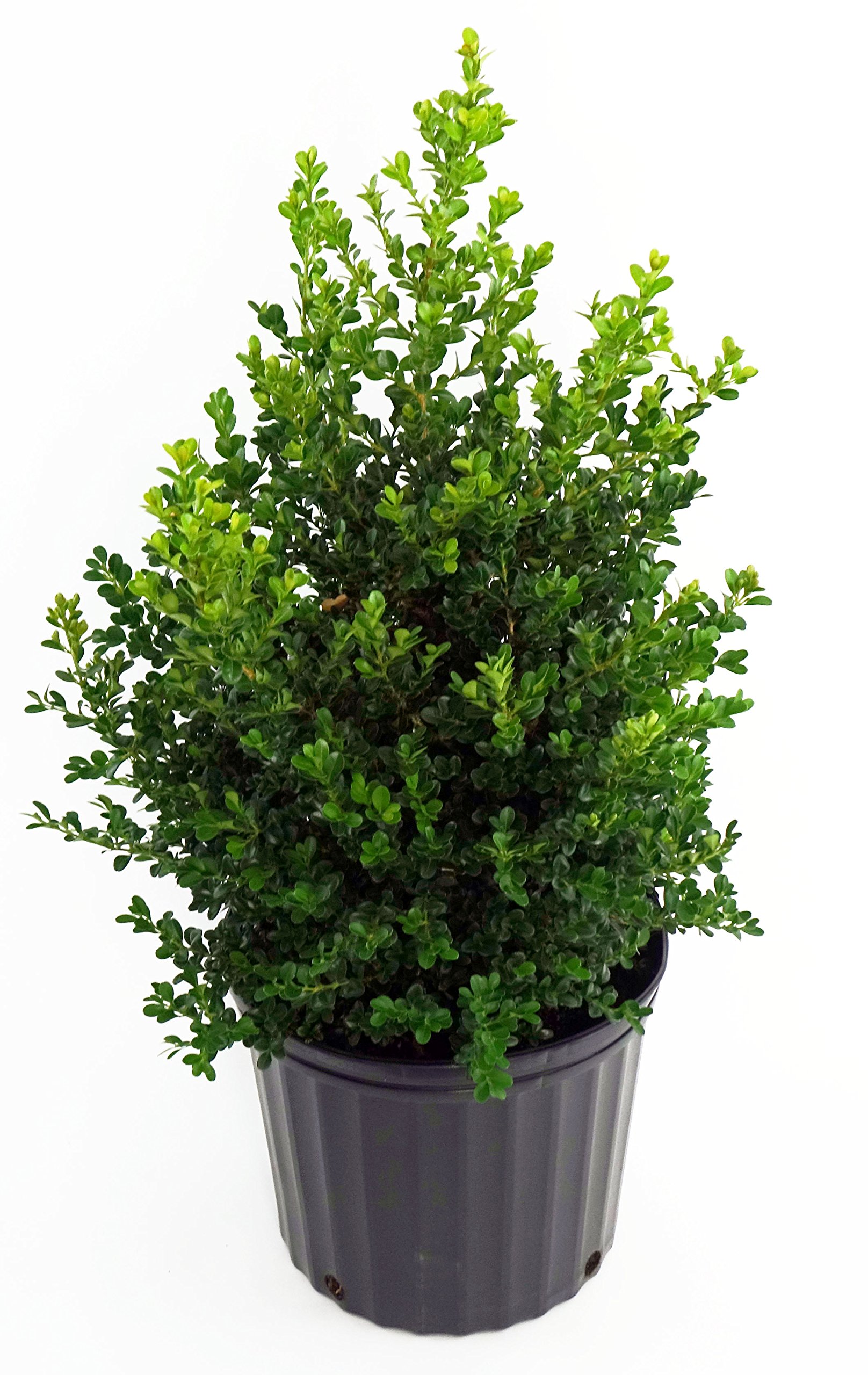
This boxwood ships in a #2 gallon container with a fully rooted system, allowing immediate planting into the landscape. The pyramid form reaches 4-5 feet at maturity with a 3-4 foot spread, making it ideal for formal foundation plantings or low hedges that require minimal pruning. Deep green lustrous foliage holds color year-round, providing dependable structure even in winter when deer pressure increases.
Customers consistently report healthy, well-packaged plants with moist soil and robust root systems. The variety tolerates partial shade and responds well to shearing, so you can maintain a precise shape without losing density. It requires regular watering until established, then becomes quite drought-tolerant for a broadleaf evergreen.
One important note: this plant does not ship to several western states including California, Oregon, and Nevada due to boxwood blight restrictions. Check local regulations before ordering. A single review noted multiple trunks bundled together to appear larger, but the overwhelming majority of verified purchases describe consistent sizing and excellent value compared to local nursery prices.
Why it’s great
- Formal pyramid shape needs minimal pruning
- Dense evergreen foliage blocks deer views year-round
- Well-rooted #2 container reduces transplant shock
Good to know
- Cannot ship to AZ, CA, HI, ID, MT, NV, OR, PR, UT
- Moderate growth rate requires patience for full height
2. Hibiscus syriacus Azurri Blue Satin (Rose of Sharon)

This seedless Rose of Sharon produces unique deep blue flowers with a red center that appear continuously from summer through late fall. It arrives in a #3 container, which is larger than most mail-order shrubs, giving it a substantial head start toward its 8-12 foot mature height. The upright growth habit works perfectly as a tall hedge or standalone flowering accent.
Verified buyers praise the plant’s resilience, with one noting it survived 9 days without water in extreme heat and still bloomed true blue. The flowers closely match the signature Azurri Blue Satin color seen at the Biltmore Estate, offering a premium ornamental display. Because it’s deciduous, deer have less to browse in winter when pressure is highest, and the coarse texture of the leaves makes it naturally unappealing during the growing season.
The plant ships dormant from late fall through early spring, which is normal. Some initial leaf yellowing and bud drop can occur from shipping shock, but this resolves within two weeks. Low-maintenance once established, it handles full sun well and only needs moderate watering. A few customers in colder parts of zone 5 reported dieback, so consider a sheltered planting site in harsher microclimates.
Why it’s great
- True blue flowers bloom all summer into fall
- Large #3 container for faster establishment
- Seedless variety avoids unwanted spreading
Good to know
- Deciduous—drops leaves in winter, no screening
- Can reach 12 feet tall; confirm spacing before planting
3. Helleborus Frostkiss Vibey Velvet (Lenten Rose)
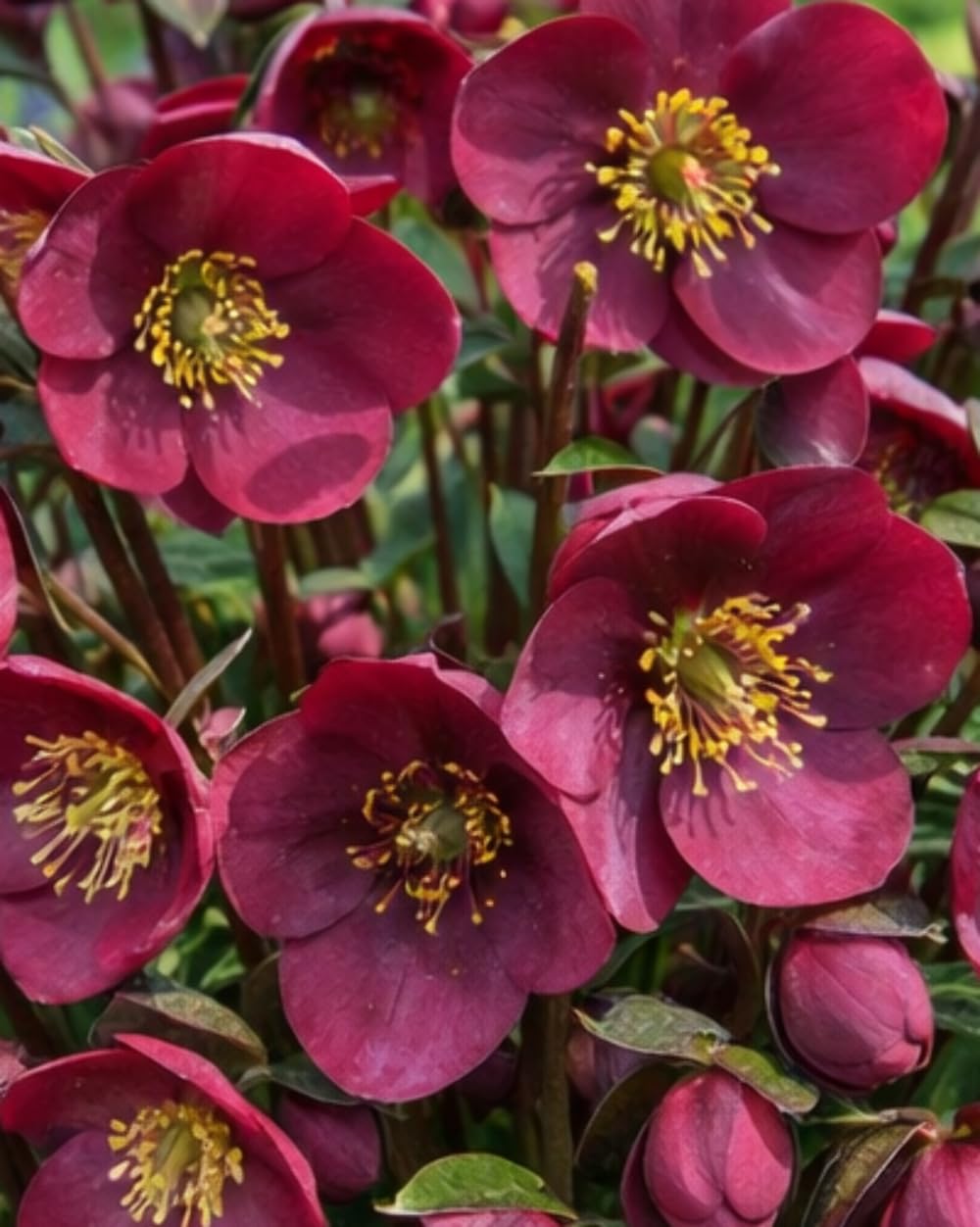
Hellebores are legendary among gardeners dealing with heavy deer pressure because every part of the plant is toxic to browsing animals. This Frostkiss variety adds marbled silver-green foliage that provides year-round texture, plus deep velvet-purple blooms that open as early as December and persist through March. It stays compact at 18 inches tall and wide, making it perfect for the front of shaded borders or under deciduous trees.
Customers describe the plants as well-rooted, already budding or blooming upon arrival, and larger than expected for a #1 container. The packaging keeps the soil and foliage intact during shipping, and the plants settle in quickly once placed in part to full shade. One reviewer called it the best hellebore purchase they’ve ever made, noting the healthy root system and fully developed leaves.
It requires minimal upkeep once established, though it appreciates organic-rich soil that stays consistently moist but not wet. The flowers face downward naturally, so planting it slightly above eye level or on a slope shows the blooms to better advantage. This is a true perennial that returns larger each year, slowly forming a clump that expands the visual impact without becoming invasive.
Why it’s great
- Blooms in deep winter when few plants flower
- Toxic leaves make it highly deer resistant
- Marbled foliage looks good outside bloom season
Good to know
- Needs part to full shade for best performance
- Slow to spread; buy multiple for immediate ground cover
4. CANNAS Musifolia (3 Eye Bulbs) — Horn Canna Farm

The Cannas Musifolia produces massive tropical leaves on stalks that can reach 6-8 feet tall in a single season, creating a bold architectural presence in sunny borders. The package contains three large bulbs, each with 3-5 eyes, which means multiple stems per bulb for a fuller stand faster than smaller divisions. Horn Canna Farm has a reputation for shipping fresh, moist bulbs that sprout within days of planting.
Verified buyers report sprouting and leafing by day 4, with multiple additional stalks developing through August in full sun with moderate watering. The foliage is thick and fibrous, which deer generally avoid, though the flowers are edible and may attract other wildlife. Sandy soil is tolerated well, and the plants are remarkably resilient through hot, humid summers that cause other perennials to decline.
These are tender perennials in zones below 8—you must dig and store the bulbs indoors over winter in colder regions. The bulbs arrive in soil within the bag, keeping them hydrated during transit. One customer compared Horn favorably to a competitor, noting the Horn bulbs were noticeably larger and moister, resulting in faster, more vigorous growth. Be prepared to water every other day during peak heat in containers.
Why it’s great
- Huge tropical leaves create fast vertical drama
- 3 large bulbs with multiple eyes per order
- Vigorous growth visible within days of planting
Good to know
- Not winter-hardy in zones below 8
- Requires regular moisture and full sun
5. Pieris japonica Cavatine Dwarf Andromeda

The Cavatine Dwarf Andromeda is one of the most reliable compact evergreens for shade gardens with deer problems. It matures to just 2 feet tall with a 2-3 foot spread, maintaining a tight, dense growth habit that resists the leggy look common in other andromeda varieties. White bell-like flowers appear in April, adding a delicate early-season bloom that attracts pollinators while deer leave it completely alone.
A verified buyer in New York zone 7a reported that this shrub survived an extremely hard winter with heavy deer pressure and emerged untouched and blooming beautifully in spring. The plant arrives in a #2 container that protects the root system, and multiple customers mention the packaging keeps the shrub secure during shipping. New growth appears quickly after planting, and the plant stays compact without pruning.
It prefers partial shade and consistently moist, acidic soil, so amending with peat moss or pine bark at planting time helps long-term health. The flowers have a subtle fragrance that some describe as lily-like. Because of its slow, tight growth, spacing 2-3 feet apart creates a uniform low border that stays evergreen year-round without needing to be sheared.
Why it’s great
- Proven survival under heavy deer browsing pressure
- True dwarf habit stays under 3 feet without pruning
- Evergreen with April bell flowers
Good to know
- Needs acidic, moist soil for best growth
- Slow grower; buy larger containers for faster fill
6. Double Play Doozie Spirea

Spirea is a classic choice for deer-resistant landscaping because its woody stems and small, textured leaves are low on a deer’s preferred food list. The Double Play Doozie variety adds nonstop color from spring to fall with clusters of red-to-purple flowers that cover the 24-36 inch tall plant. It thrives in USDA zones 3-8, making it one of the hardest options for cold winter climates among the picks here.
Customers consistently describe receiving healthy, full-sized plants that often arrive with blooms already opening. One buyer delayed planting for three weeks due to frost and the spirea survived on an enclosed porch, then started blooming. Another noted that one month after planting, the shrubs were thriving with new flowers, confirming the low-maintenance reputation. The recommended 24-inch spacing creates a dense hedge that deer have little interest in browsing.
This deciduous shrub drops its leaves in winter, but the flower payoff during the growing season is exceptional. It needs full sun to partial shade and tolerates a wide range of soil types as long as drainage is adequate. Plants may ship dormant during winter months, which is normal—they leaf out rapidly in spring. For gardeners in cold zones who want reliable summer color without deer issues, this is a top contender.
Why it’s great
- Blooms spring to fall with red-purple flowers
- Hardy down to zone 3 for cold-climate gardens
- Arrives healthy and often already flowering
Good to know
- Deciduous—loses foliage in winter
- Needs full sun for maximum bloom density
7. Southern Living Obsession Nandina

Nandina is widely known as a deer-resistant staple for southern gardens, and the Obsession variety delivers vivid bright red foliage that persists through multiple seasons. The package includes two plants in 2-gallon containers, giving you a head start on a foundation planting or low hedge. It reaches 48 inches tall at maturity and stays evergreen in all but the coldest parts of its zone 6-10 range, where it may drop some leaves in winter.
Verified buyers praise the packaging—multiple reports mention plants arriving intact, moist, and healthy even when shipped across the country from North Carolina to Oregon. The foliage is described as full and colorful right out of the box, with rich red hues that outperform many nursery specimens at a lower per-plant cost. It is a non-flowering selection, so all the ornamental energy goes into the leaves rather than blooms that might attract animals.
One caution worth noting: a few customers reported delivery damage where the box was torn and the pot crushed. The plants themselves recovered with proper care, but inspecting upon arrival and contacting the seller quickly resolves any issues. The shrub is slow-growing, which means it stays tidy longer without pruning, but also that it won’t fill a large space quickly. Water twice weekly until established, then once per week.
Why it’s great
- Bright red foliage lasts through multiple seasons
- Two 2-gallon plants included for the price
- Low maintenance after establishment
Good to know
- Slow growing—takes time to reach 48 inches
- Some leaf drop in cold zone 6 winters
FAQ
Do deer resistant shrubs guarantee deer will never eat them?
What is the difference between deciduous and evergreen deer resistant shrubs?
How close to a house can I plant these shrubs at mature size?
Can I plant deer resistant shrubs in full shade under trees?
Why do my deer resistant shrubs get nibbled after they are established?
Final Thoughts: The Verdict
For most users, the best deer resistant shrubs winner is the Buxus Cranberry Creek Boxwood because it combines dense evergreen foliage, a formal shape that needs little maintenance, and proven resistance that holds up even during high-pressure winter browsing. If you want winter flowers in a shade garden, grab the Helleborus Frostkiss Vibey Velvet. And for a tall flowering hedge that deer leave alone all summer, nothing beats the Hibiscus syriacus Azurri Blue Satin.

Mo Maruf
I created WellFizz to bridge the gap between vague wellness advice and actionable solutions. My mission is simple: to decode the research and give you practical tools you can actually use.
Beyond the data, I am a passionate traveler. I believe that stepping away from the screen to explore new environments is essential for mental clarity and physical vitality.