Our readers keep the lights on and my smoothie glass nicely filled. As an Amazon Associate, I earn from qualifying purchases.
A shoe that wobbles during a heavy back squat or leaves your forefoot numb after ten burpees isn’t a training shoe — it’s a liability. Cross training demands a platform that locks your foot down across multiple planes of movement, from deadlifts to box jumps, without sacrificing the ground feel needed for balance. The wrong pick compromises your form and increases injury risk, making the choice of footwear a genuine performance decision rather than a cosmetic one.
I’m Mohammad Maruf — the founder and writer behind WellFizz. I’ve spent hundreds of hours analyzing the midsole stack heights, outsole grip patterns, rope-bite protection zones, and heel-to-toe offsets that separate a capable cross trainer from a general-purpose sneaker that will let you down mid-WOD.
This guide breaks down seven of the most capable options on the market right now, from zero-drop minimalist builds to cushioned platforms that handle heavy lifts and high-rep metcons. Each shoe was selected for its ability to hold a stable base while letting you move naturally through the best cross training shoes for women.
How To Choose The Best Cross Training Shoes For Women
Cross training shoes sit at a unique intersection: they must provide the rigidity of a weightlifting shoe during squats and deadlifts while offering enough flexibility for dynamic movements like burpees, lunges, and short runs. Unlike running shoes, which prioritize forward propulsion and heel cushioning, cross trainers need a flat, stable base with minimal compression. Start by evaluating the shoe’s heel-to-toe drop — a lower drop (0-6mm) keeps your center of gravity centered over your midfoot during lifts, reducing the risk of leaning forward under load.
Toe Box Shape and Width
A narrow toe box forces your toes together, reducing stability and causing numbness during high-rep sets. Look for a naturally shaped toe box that allows your toes to splay. Brands like Altra and FLUX FOOTWEAR design with a wider anatomical forefoot, which improves balance during single-leg work and reduces bunion pressure. If you have flat feet or bunions, prioritize models with a spacious front compartment — scrunched toes lose their ability to grip the ground during heavy lifts.
Midsole Density and Ground Feel
The midsole is the battleground between cushion and control. A soft, plush midsole feels great on a walk but creates instability under a barbell — your foot sinks and rocks laterally. Look for a firm EVA or foam compound that compresses minimally under load. Some brands use a dual-density midsole that packs a firmer heel section for lifting with a slightly softer forefoot for impact during box jumps. The ideal cross training midsole lets you feel the floor without feeling every pebble.
Outsole Traction and Rope Protection
Grip pattern matters more than you think. Deep, multi-directional lugs provide bite on rubber gym flooring and turf, while a smooth heel section allows for pivoting during lunges. If you do rope climbs, check for a dedicated rope-wrapping guard — usually a rubber or synthetic overlay on the medial side — that prevents the sole from delaminating under friction. Shoes without this guard can suffer rapid outsole wear after just a few sessions on the rope.
Quick Comparison
On smaller screens, swipe sideways to see the full table.
| Model | Category | Best For | Key Spec | Amazon |
|---|---|---|---|---|
| Nike Metcon 9 | Premium | Heavy Lifting & WODs | Flat, non-compressible heel | Amazon |
| Reebok Nano X5 | Premium | Lifting & HIIT Combo | Stiff, flat sole with rope guard | Amazon |
| ALTRA Solstice XT 3 | Premium | Wide Feet & Weightlifting | Zero-drop, foot-shaped toe box | Amazon |
| FLUX Adapt Runner | Premium | Flat Feet & Barefoot Feel | Zero-drop, machine washable | Amazon |
| Under Armour Project Rock 5 | Mid-Range | All-Day Comfort & Lifting | Lightweight, cushion + stability | Amazon |
| Reebok Nanoflex TR 2.0 | Mid-Range | CrossFit & Wide Feet | Wide toe box, padded tongue | Amazon |
| Puma Softride Sera | Budget | Walking & Light Training | Softride foam cushioning | Amazon |
In‑Depth Reviews
1. Nike Metcon 9

The Metcon 9 is the gold standard for heavy compound lifts. Its flat, non-compressible heel provides an unyielding platform for squats and deadlifts, eliminating the forward rock that softer midsoles create under load. The outsole rubber wraps up the medial side with a dedicated rope guard, so rope climbs won’t damage the upper or delaminate the sole after repeated sessions. Multiple reviewers with wide feet noted that the toe box fits true to size — a half-size up, as one customer discovered through returns, throws off the lockdown.
Nike uses a lightweight upper with strategic mesh ventilation that keeps the foot cool during high-rep metcons, but the real engineering is in the heel clip and sidewalls. These rigid elements lock the calcaneus in place during lateral cuts and box jumps, preventing heel slippage that can lead to blisters or ankle instability. The sole is intentionally stiff — there is very little flex, which is exactly what you want under a barbell and exactly what you don’t want for road running.
While the Metcon 9 excels at lifting and rope climbs, it is not a running shoe. The flat, firm midsole offers no energy return for forward propulsion, and the low heel-to-toe drop can strain the Achilles if you try to jog more than 400 meters. For gym-only use — lifting, HIIT, plyometrics — this shoe is nearly perfect. The colorway options are subdued and gym-appropriate, and multiple customers across size ranges reported no break-in period needed.
Why it’s great
- Rock-solid heel stability for heavy squats and deadlifts
- Integrated rope guard protects against outsole wear
- True-to-size fit with room for wide forefeet
Good to know
- Too flat and firm for running or long walks
- Zero arch support for high-arched feet
2. Reebok Nano X5
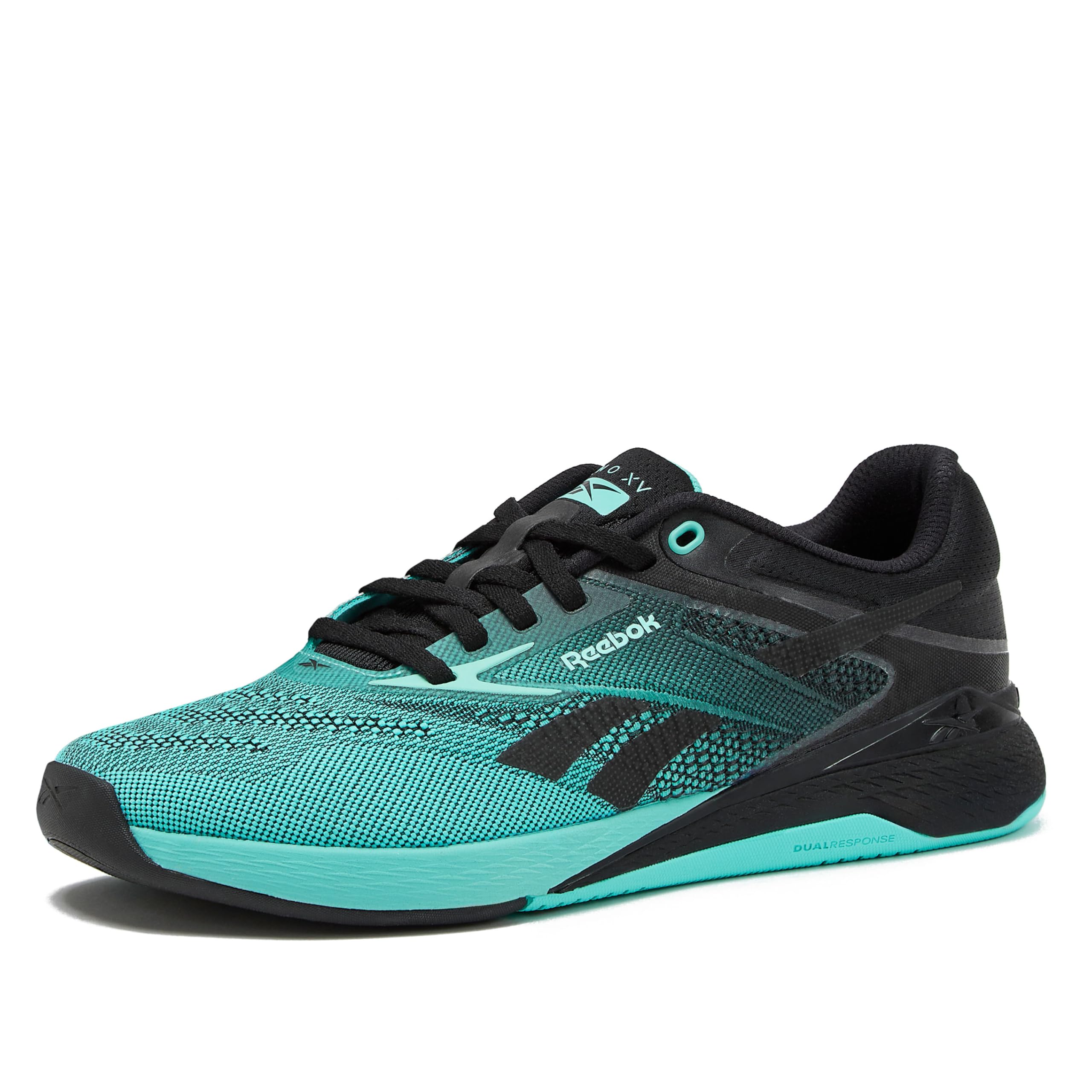
The Nano X5 refines Reebok’s legacy CrossFit shoe into an even more stable platform. The outsole is deliberately flat and non-flexing, which eliminates the rocking sensation during split squats and lunges that softer shoes introduce. Customers with plantar fasciitis specifically noted that the arch support and firm base resolved balance issues during single-leg work. The toe box is generous — one reviewer described it as not wide per se, but with enough room to prevent toe cramping during prolonged sets.
What sets the X5 apart from its predecessor, the X3, is the midsole compound. It’s stiff enough to support a barbell but retains a small degree of flexibility that lets you walk comfortably between stations or up a flight of stairs. The outsole grip uses a multi-directional tread pattern that bites into rubber gym floors and turf without being so aggressive that it catches during lateral shuffles. Several returning customers cited the X5 as their third consecutive Nano pair, which speaks to the durability of the upper stitching and outsole adhesive.
The biggest complaint is sizing consistency — several buyers reported that the X5 runs long, especially for narrow feet and skinny ankles. If you have narrow feet, you may need to size down by half. The shoe also produces a slight squeak during walking that, while functionally irrelevant, is audible in a quiet gym. For pure weightlifting with some treadmill walking, this is a premium choice that outperforms more expensive options from NoBull and Born Primitive.
Why it’s great
- Exceptional stability for weighted split squats and lunges
- Durable outsole grip with good traction on rubber surfaces
- Arch support helps with plantar fasciitis symptoms
Good to know
- Runs large — size down for narrow feet
- Too flat and firm for errands or all-day wear
3. ALTRA Solstice XT 3

Altra’s Solstice XT 3 is built around the brand’s signature FootShape toe box — a naturally wide forefoot that allows your toes to splay fully during squats, deadlifts, and lunges. This design eliminates the toe scrunching that plagues narrow training shoes, making it a go-to for women with bunions, wide feet, or flat arches. The zero-drop platform keeps your heel and forefoot at the same height relative to the ground, which forces a more natural squat stance and reduces forward lean under heavy loads.
The midsole is firm but not board-like — Altra uses a moderate-density EVA that provides enough cushion for box jumps without sacrificing ground feel. One reviewer who switched from Nike Metcons and Reebok Nanos described the Solstice XT 3 as superior for heavy lifting because the wide base improved their balance during progressive overload. Another customer, an ER nurse with 21 years in standing roles, called it the most comfortable work shoe she’d ever worn, which hints at how the zero-drop geometry and toe splay benefit positional standing as well as training.
These are not running shoes — owners explicitly state the Solstice XT 3 is for lifting and gym work, not road miles. The outsole uses a flat, non-aggressive tread pattern that works on gym floors but lacks the lugs needed for turf or trail. Sizing runs slightly large — one reviewer had to return their normal size because the shoe was too long. For women seeking a training shoe that accommodates natural foot anatomy without compromising lifting stability, this is a standout choice in the premium tier.
Why it’s great
- Foot-shaped toe box eliminates scrunching and improves balance
- Zero-drop platform encourages natural squat mechanics
- Firm midsole provides stable platform for heavy lifts
Good to know
- Runs large — consider sizing down
- Not designed for running or outdoor turf
4. FLUX FOOTWEAR Adapt Runner
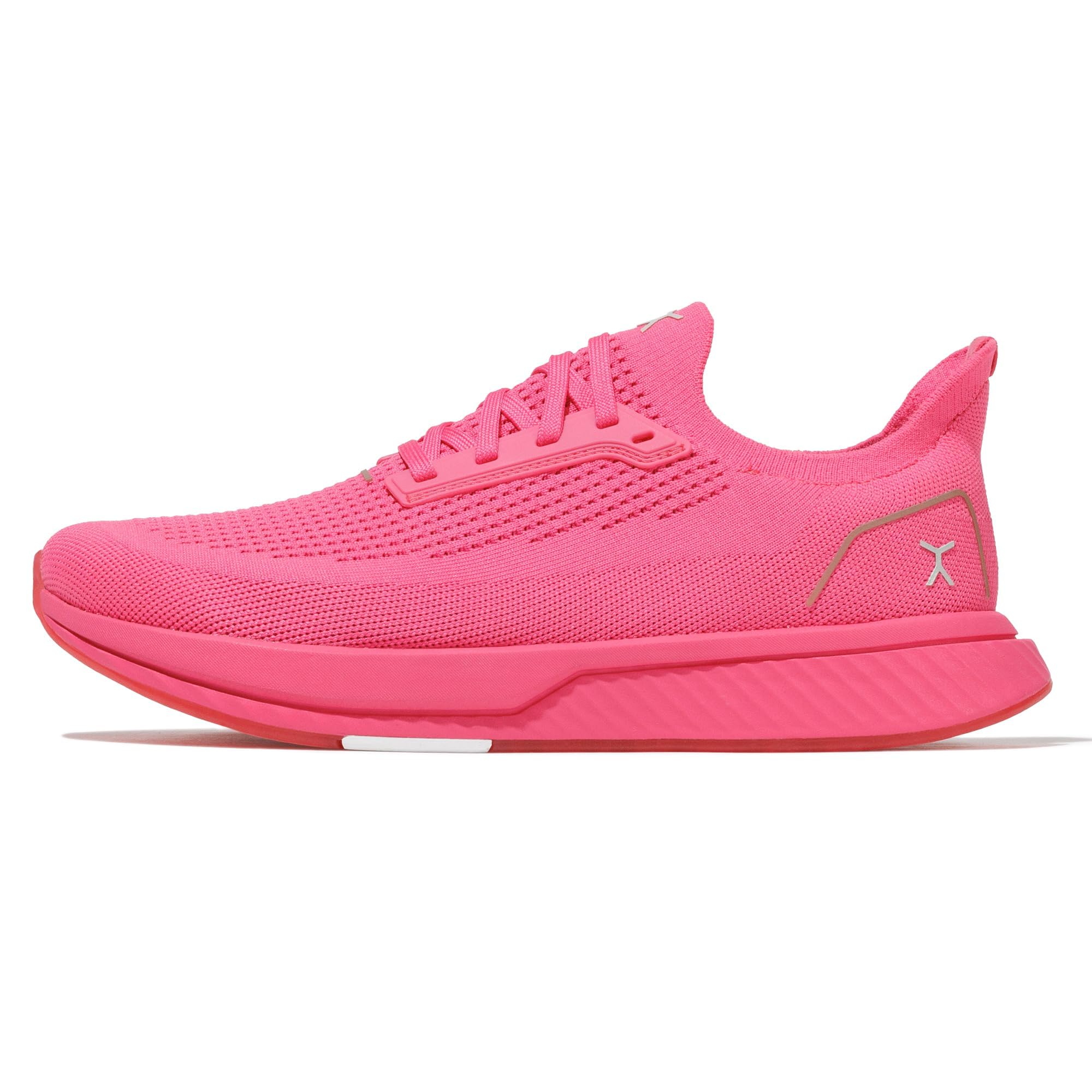
The FLUX Adapt Runner is a zero-drop minimalist shoe that challenges conventional cross trainer design. With a wide toe box that allows full toe splay and a flexible, thin outsole, it delivers the closest thing to barefoot ground feel you can get without actually being barefoot. Customers with flat feet, post-knee surgery recovery, or chronic ankle issues reported significant pain reduction — one reviewer walked multiple city miles all day with no discomfort, and another described the shoe as the most comfortable they’d ever worn, including after four years with the brand’s earlier models.
The Adapt Runner’s defining feature is its machine-washable construction. Unlike traditional training shoes where sweat and odor accumulate in the EVA midsole, the FLUX upper and outsole can be tossed in a washing machine, extending the wearable life significantly. The outsole uses a flexible traction pattern that works for walking, light running, and gym work, but the thin midsole means it lacks the rigid stability needed for heavy Olympic lifting. It is best suited for women who prioritize foot health, natural movement, and all-day comfort over absolute lifting rigidity.
The shoe runs small — multiple reviewers recommend sizing up half a size to avoid cramped toes, especially in the pinky toe area. The initial fit can feel stiff, and the ankle support is minimal by design (zero-drop shoes rely on your foot’s natural strength rather than external stabilization). After a two-week break-in period, the upper relaxes and the shoe conforms to the foot. For cross training that includes walking, short runs, light lifting, and everyday wear, this is a versatile option that earns its premium price through durability.
Why it’s great
- Zero-drop design with wide toe box reduces foot pain
- Machine washable — extends shoe life and reduces odor
- Flexible sole allows natural foot movement
Good to know
- Runs small — order half size up
- Not stable enough for heavy barbell lifts
5. Under Armour Project Rock 5
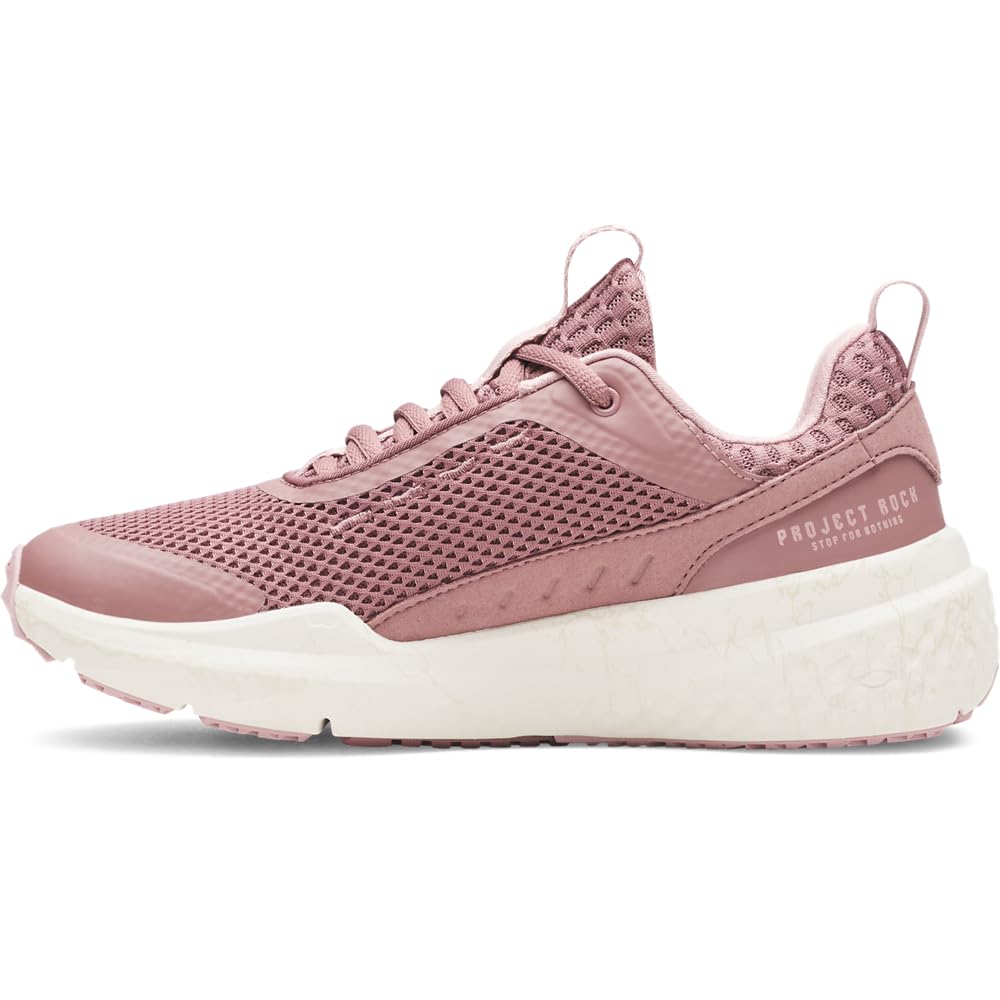
The Project Rock 5 hits a sweet spot between stability and all-day wearability. Under Armour uses a TriBase outsole that widens at the forefoot to create a tripod-like base for lifting, while the midsole packs enough cushion that you can walk in these shoes without your feet hurting by lunchtime. Reviewers consistently describe the balance as “perfect” — the shoe offers the stability of a dedicated lifting shoe during squats but transitions naturally into HIIT and running without feeling like a block of wood.
The upper is breathable, flexible, and lightweight, which is ideal for high-rep metcons where foot sweat can cause blisters. Customers with flat feet reported that the arch is moderate but supportive enough for all-day wear, and the toe box has enough room that toes aren’t cramped during lateral movement. The laces are short and stay tied, a small but appreciated detail that prevents mid-WOD adjustments. One reviewer called them “like walking on clouds, but super stable,” which captures the Paradox that Under Armour engineered: cushion without wobble.
The one caveat is the outsole’s suitability for long runs. While the shoe handles short sprints and treadmill work well, the tread pattern and midsole density are not optimized for road running over a mile. Several customers noted that the shoe is better for lifting and interval work than pure cardio. For women who want one shoe that can do weightlifting, HIIT, and daily wear without compromise, the Project Rock 5 is a mid-range powerhouse that outperforms its price bracket.
Why it’s great
- Exceptional balance of cushion and stability for varied training
- Breathable, lightweight upper ideal for HIIT
- Roomy toe box with good arch support
Good to know
- Not designed for long-distance running
- Sole may feel too soft for dedicated heavy lifters
6. Reebok Nanoflex TR 2.0
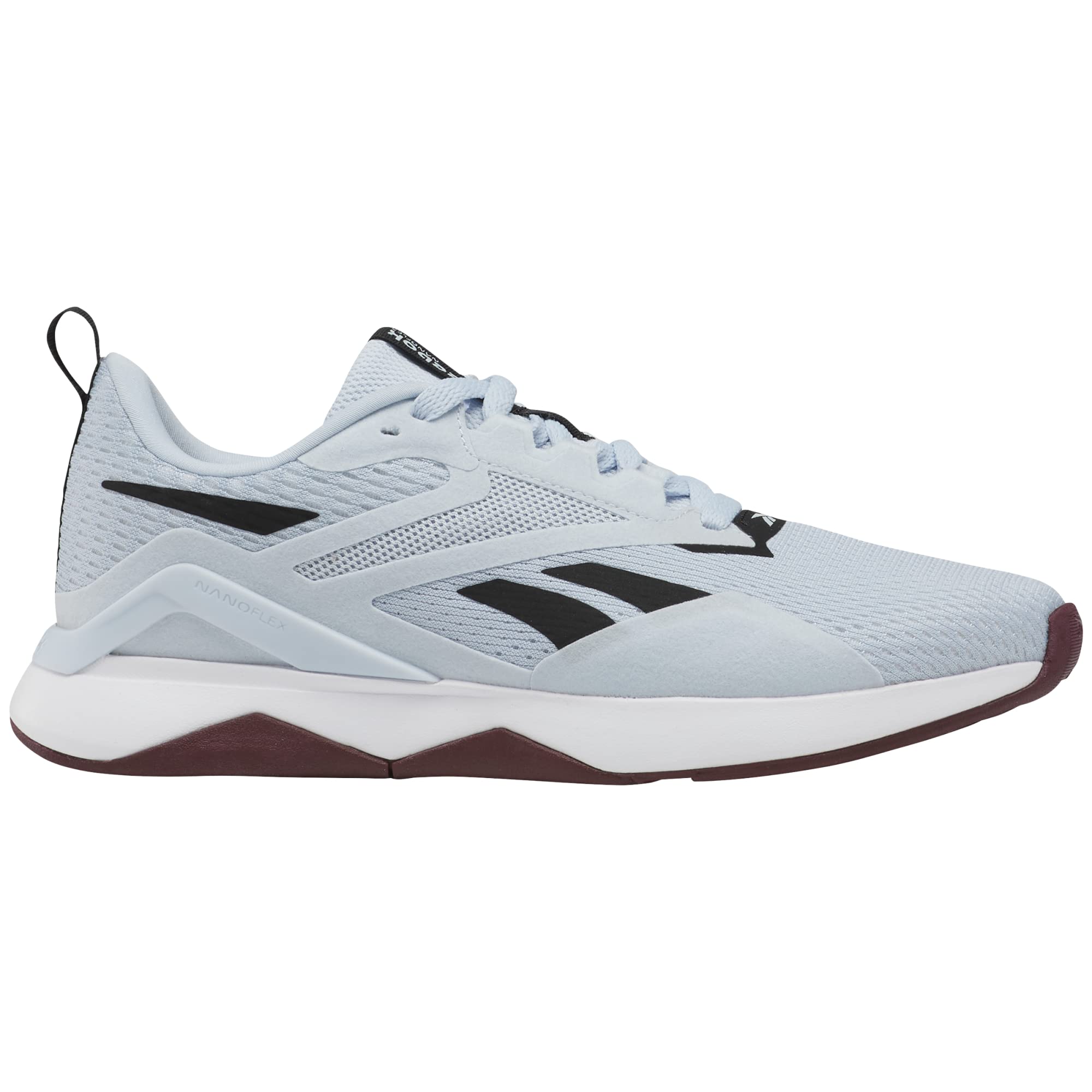
The Nanoflex TR 2.0 offers a surprising amount of performance for its mid-range price. Customers consistently rank it higher than expensive alternatives from NoBull and Born Primitive, citing out-of-the-box comfort that requires no break-in period — a rare quality in the cross training category. The toe box is notably wide, accommodating feet that need splay room during squats and lunges, and the overall fit is true to size with enough length that even wide-footed reviewers didn’t need to size up.
The outsole uses a moderate tread pattern that grips gym mats and rubber flooring without sticking during lateral movements. The midsole starts stiff but softens after about two weeks of use, which is a common characteristic of EVA-based training shoes. For its price point, the Nanoflex TR 2.0 delivers solid stability for lifting (reviewers gave it 7/10 for lifting stability) and reasonable comfort for treadmill intervals. The padded tongue prevents lace bite during high-top lacing, a small but welcome detail for women who prefer a tighter lockdown around the ankle.
Durability is the primary trade-off. While the shoe holds up well for general gym use, the outsole rubber is softer than premium models, meaning it wears faster on rough surfaces and rope climbs. This is not a shoe for rope-climb heavy programming. For general CrossFit, weightlifting, and daily gym work, the Nanoflex TR 2.0 provides genuine value without the premium price tag. Multiple customers reported buying this as their primary training shoe and retiring more expensive pairs.
Why it’s great
- Excellent fit for wide feet — no break-in required
- Outperforms more expensive brands in comfort and stability
- Padded tongue and good grip for general gym use
Good to know
- Outsole rubber is soft — wears faster on rope climbs
- Midsole initially stiff, needs two weeks to soften
7. Puma Softride Sera
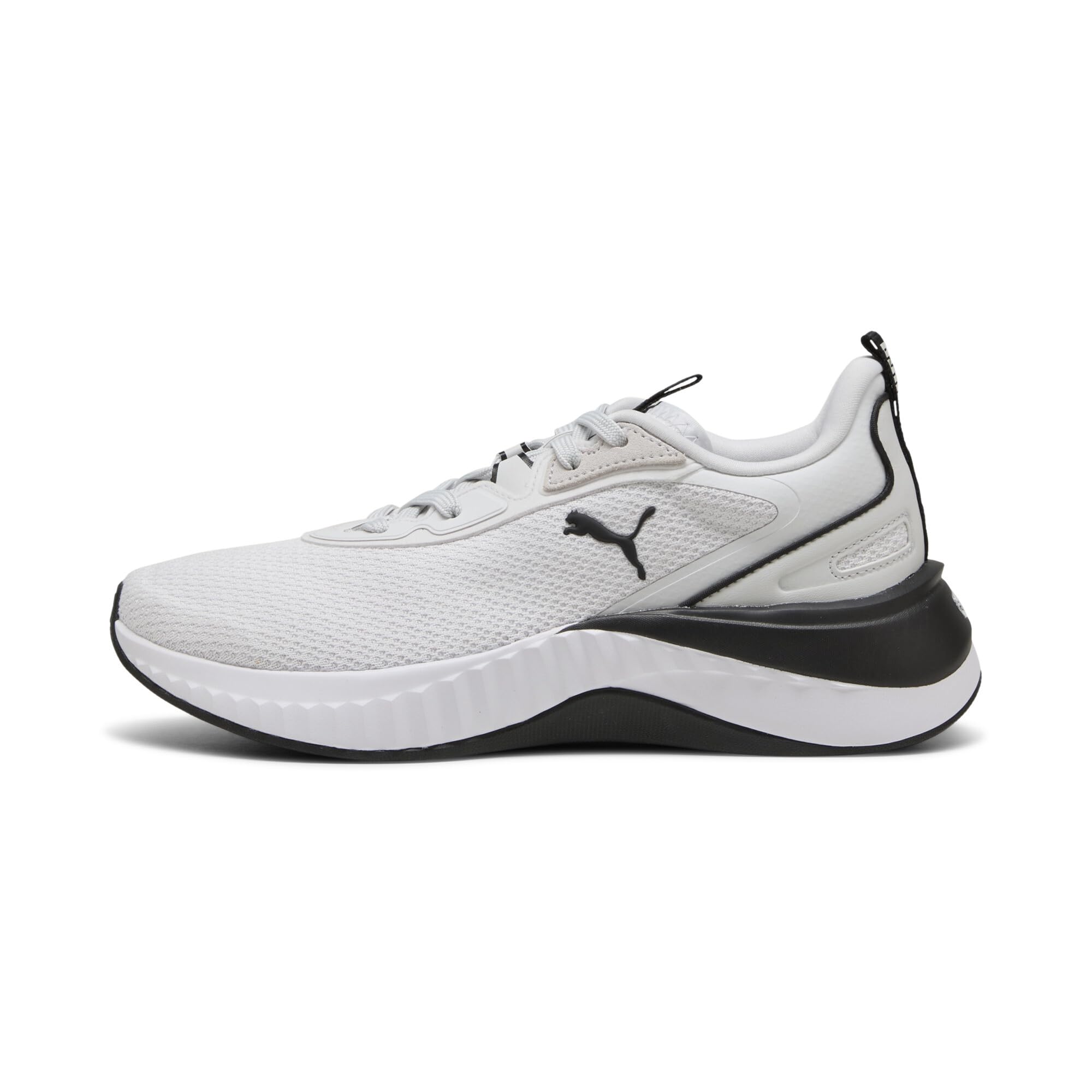
The Puma Softride Sera is an entry-level entry point into cross training footwear for women who prioritize cushion and comfort over absolute lifting stability. Its Softride foam midsole delivers a plush, pillow-like step that feels excellent during walking, light jogging, and general gym use — but this same softness means it compresses under a loaded barbell, creating instability during heavy squats and deadlifts. Customers who bought these for running, walking, and daily errands reported exceptional value for the price, with one reviewer calling them “extremely comfortable for running/walking and cross training.”
The shoe is lightweight and true to size, with an aesthetic that works for gym-to-casual wear. Multiple customers emphasized the comfort factor as the standout feature, and the shoe requires no break-in period. However, the Softride Sera lacks the dedicated rope guard, flat heel, and rigid sidewalls that define a serious cross trainer. It is best suited for women doing light to moderate training — classes that involve dumbbell work, bodyweight circuits, treadmill intervals, and stretching — rather than heavy compound lifting or rope climbs.
The biggest limitation for cross training use is the lack of arch support. Several reviewers noted the neutral footbed, which means women with flat feet or overpronation will need to add orthotic insoles. The outsole grip is adequate for gym floors but not aggressive enough for turf or outdoor work. For the price point, the Softride Sera is a comfortable general-purpose athletic shoe that can handle light training duties, but serious lifters and CrossFit athletes should look to the mid-range or premium options on this list for the structural support they need.
Why it’s great
- Plush Softride foam delivers exceptional walking comfort
- Lightweight design with no break-in period
- Great value for casual gym and daily wear
Good to know
- Too soft for stable heavy lifting
- No arch support — neutral footbed only
FAQ
Can I use cross training shoes for running?
How wide does the toe box need to be for cross training?
What is a rope guard and do I need one?
How important is weight for a training shoe?
Final Thoughts: The Verdict
For most women, the best cross training shoes for women winner is the Nike Metcon 9 because its flat, non-compressible heel and integrated rope guard cover every base from heavy lifting to rope climbs. If you prioritize a wide toe box and natural foot mechanics, grab the ALTRA Solstice XT 3 for its zero-drop, foot-shaped design that eliminates toe scrunching. And for budget-conscious training with walking comfort, nothing beats the Reebok Nanoflex TR 2.0 for its wide fit and out-of-the-box usability at a value-driven price point.

Mo Maruf
I created WellFizz to bridge the gap between vague wellness advice and actionable solutions. My mission is simple: to decode the research and give you practical tools you can actually use.
Beyond the data, I am a passionate traveler. I believe that stepping away from the screen to explore new environments is essential for mental clarity and physical vitality.