Our readers keep the lights on and my smoothie glass nicely filled. As an Amazon Associate, I earn from qualifying purchases.
Pairing a new AMD Radeon RX 9070 series GPU with the wrong processor leaves performance on the table, creating a bottleneck that no amount of overclocking can fix. The Zen 5 and 3D V-Cache architectures have shifted the playing field, making core-count obsession irrelevant for gamers who need every frame the 9070 can deliver.
I’m Mohammad Maruf — the founder and writer behind WellFizz. I’ve spent hundreds of hours analyzing benchmark data, thermal characteristics, and platform compatibility to isolate which processors truly unlock the 9070’s potential without wasting budget on unused multi-core overhead.
This guide cuts through the spec sheet noise to deliver actionable recommendations for anyone shopping for the best cpu for 9070, whether you prioritize raw gaming frame rates or balanced workstation versatility.
How To Choose The Right CPU For 9070
The RX 9070 thrives on fast cache access and high single-thread throughput, meaning raw core count alone won’t determine your gaming experience. Matching a CPU to this GPU requires understanding three specific factors: 3D V-Cache availability, platform longevity, and thermal headroom for sustained boosting.
3D V-Cache: The Gaming Multiplier
AMD’s stacked L3 cache design reduces memory latency significantly, which directly benefits the 9070 in scenarios where draw calls and frame time consistency matter. Processors like the 7800X3D and 9800X3D show measurable frame rate improvements over non-cache variants, especially in simulation titles and open-world games where data sets are large.
Platform Generation and PCIe Lanes
The 9070 operates at full bandwidth over PCIe 4.0 x16, but AM5 and Intel 800-series platforms offer PCIe 5.0 lanes for future GPU upgrades. Choosing a B650 or X870 motherboard now means you can drop in a next-generation card later without rebuilding your system.
Thermal Design and Sustained Boost
Processors that peak above 5.0 GHz only matter if they can maintain those clocks under sustained gaming loads. Efficient chips in the 65W to 120W range, like the Ryzen 7 7700 or 7600X3D, pair naturally with air coolers and maintain boost behavior without throttling in warm chassis environments.
Quick Comparison
On smaller screens, swipe sideways to see the full table.
| Model | Category | Best For | Key Spec | Amazon |
|---|---|---|---|---|
| Ryzen 7 9800X3D | Premium | Maximum gaming FPS | 96MB L3 + Zen 5 | Amazon |
| Ryzen 7 7800X3D | Premium | Value gaming king | 104MB total cache | Amazon |
| Core Ultra 7 270K Plus | Mid-Range | Multi-core + gaming | 24 cores, 5.5 GHz | Amazon |
| Ryzen 7 7700 | Mid-Range | Efficient balanced build | 65W TDP, Wraith Prism | Amazon |
| Ryzen 5 7600X3D | Mid-Range | Budget 3D V-Cache | 96MB L3, 65W | Amazon |
| Core Ultra 7 265KF | Mid-Range | Productivity + gaming | 20 cores, 5.5 GHz | Amazon |
| Ryzen 7 8700G | Mid-Range | Compact APU backup | Radeon 780M iGPU | Amazon |
| Ryzen 9 5900XT | Budget-Friendly | AM4 workstation upgrade | 16 cores, 72MB cache | Amazon |
| Core i9-11900KF | Legacy | LGA1200 refresh | 8 cores, 5.3 GHz | Amazon |
In‑Depth Reviews
1. AMD Ryzen 7 9800X3D
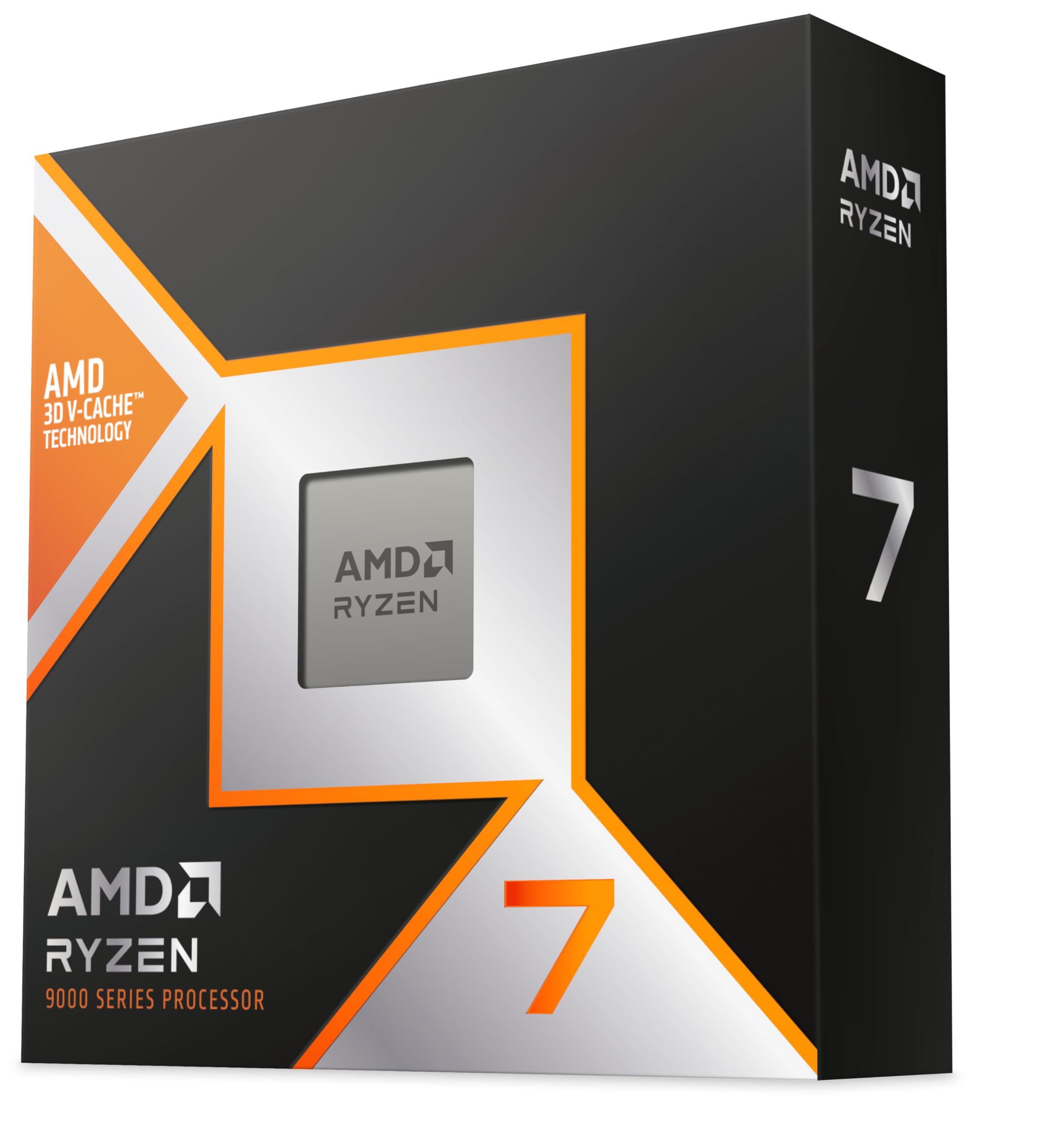
The 9800X3D represents the pinnacle of AMD’s Zen 5 architecture combined with the third generation of 3D V-Cache technology, delivering a 16% IPC uplift over the previous generation. With 8 cores, 16 threads, and 96MB of L3 cache clocked up to 5.2 GHz, this processor delivers the highest frame rates possible in CPU-bound gaming scenarios when paired with the RX 9070.
Customer benchmarks show consistent frame time improvements over the 7800X3D, particularly in simulation-heavy titles like Microsoft Flight Simulator and strategy games where cache size directly influences minimum FPS. Thermal performance also benefits from the repositioned cache stack, allowing higher sustained boost clocks under load.
Drop-in compatibility with existing AM5 motherboards means users upgrading from a 7000-series chip can install the 9800X3D without a platform change. The TDP remains manageable for high-end air coolers, though a 240mm AIO provides optimal thermal headroom for sustained all-core workloads.
Why it’s great
- Highest gaming performance available for the 9070
- Excellent thermal behavior with 3D V-Cache redesign
- Drop-in AM5 upgrade path
Good to know
- Premium pricing reflects top-tier positioning
- Cooler not included
- Overkill for pure productivity workloads
2. AMD Ryzen 7 7800X3D

The 7800X3D remains the benchmark for gaming value, offering 8 Zen 4 cores with 96MB of stacked L3 cache at a 120W power envelope that pairs exceptionally well with the 9070. Real-world gaming benchmarks show it closing the gap to the 9800X3D within 5-8% in most titles, while costing significantly less for the processor alone.
Users consistently report excellent thermal behavior, with the chip running in the 65-70°C range under gaming load using mid-range air coolers. The 3D V-Cache design eliminates the need for high clock speeds to achieve excellent performance, making it a quiet and efficient choice for gaming-focused builds.
Compatibility with the AM5 platform means pairing it with DDR5-6000 memory and a B650 motherboard creates a gaming system that will remain competitive for years. The included box cooler is not sufficient, so budget for a quality aftermarket cooler when planning your build.
Why it’s great
- Exceptional gaming performance for the price point
- Runs cool on standard air cooling
- AM5 platform future-proofing
Good to know
- No included cooler in the box
- Single-CCD design limits productivity scaling
- Can be hard to find at MSRP
3. Intel Core Ultra 7 270K Plus
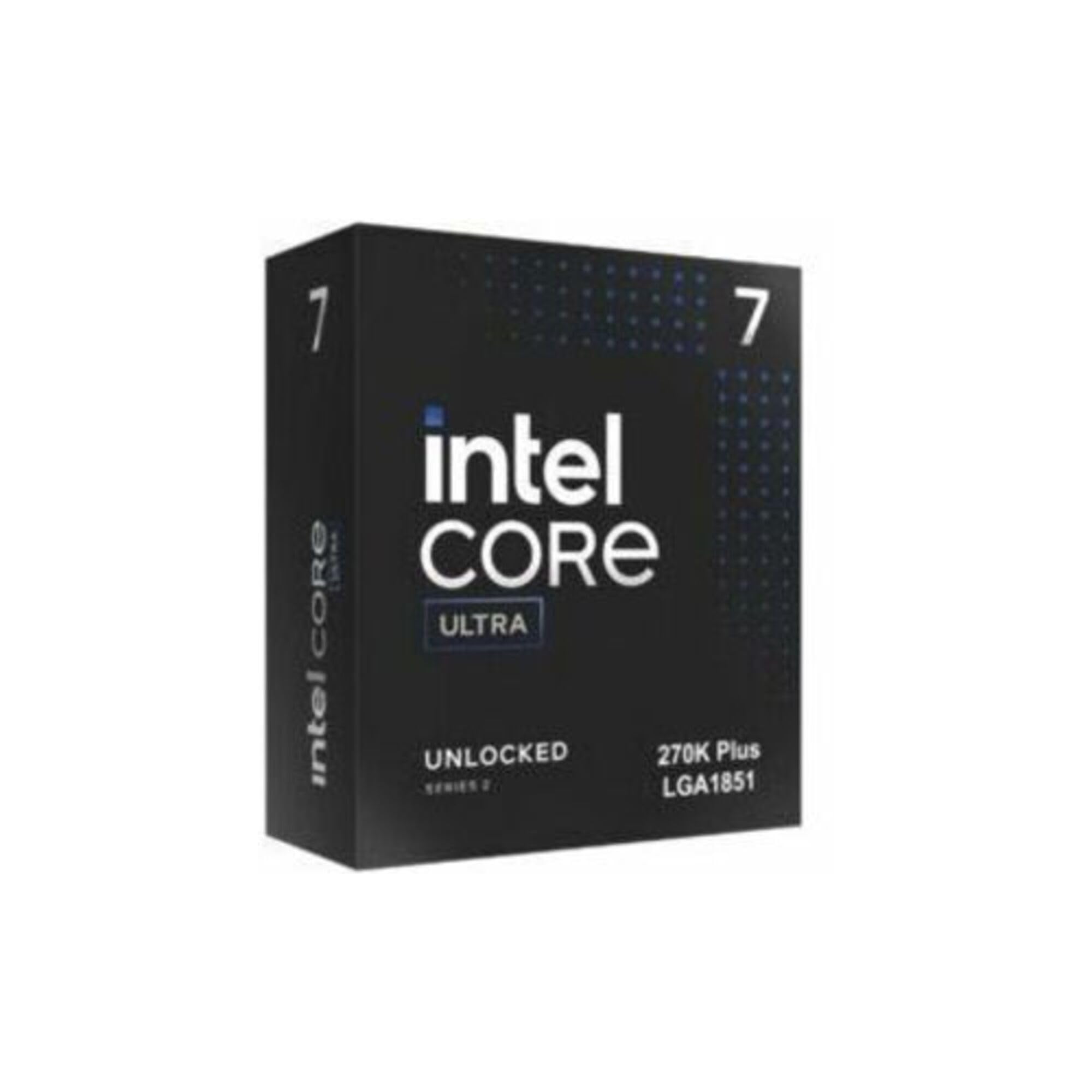
The Core Ultra 7 270K Plus redefines Intel’s mid-range by packing 24 cores (8 P-cores plus 16 E-cores) and reaching 5.5 GHz, making it a compelling choice for users who split time between gaming and content creation. When paired with the 9070, the 270K Plus delivers competitive frame rates while excelling in video encoding and 3D rendering tasks.
VR sim racing users report performance matching the 9800X3D in high-resolution scenarios, with the 270K Plus driving Pimax Crystal Super headsets at 3560×3560 per eye with GPU-limited frame times under 9ms. The LGA1851 platform provides PCIe 5.0 lanes and DDR5-7200 support for future GPU upgrades.
Power draw reaches 250W under maximum turbo load, meaning a robust cooling solution is mandatory. A 360mm AIO or high-end dual-tower air cooler keeps temperatures in check during extended gaming sessions. The platform requires an Intel 800-series chipset motherboard.
Why it’s great
- Excellent multi-threaded performance for creators
- Competitive gaming frames, especially in VR
- PCIe 5.0 and DDR5-7200 support
Good to know
- High 250W turbo power draw
- Requires LGA1851 motherboard
- No E-core efficiency in some legacy games
4. AMD Ryzen 7 7700

The Ryzen 7 7700 delivers near-7700X performance at just 65W TDP, making it the most power-efficient option for pairing with the 9070 without sacrificing gaming capability. The included Wraith Prism RGB cooler provides sufficient thermal performance for stock operation, a rarity in the current processor market.
With Curve Optimizer undervolting applied, users report stable all-core operation at -20 to -25 units, bringing cinebench scores close to the 7700X while running 15-20°C cooler. This makes the 7700 an ideal choice for compact builds where thermal management is critical.
The integrated Radeon Graphics controller provides display output for troubleshooting or light desktop use without the 9070 installed, though the primary gaming workload relies entirely on the discrete GPU. DDR5-5200 support and AM5 socket provide a clear upgrade path for future generations.
Why it’s great
- Excellent efficiency with near-top performance
- Wraith Prism cooler included
- Great for compact or quiet builds
Good to know
- No 3D V-Cache for gaming advantage
- Stock memory support limited to DDR5-5200
- Overclocking headroom limited by low TDP
5. AMD Ryzen 5 7600X3D

The 7600X3D brings AMD’s 3D V-Cache technology to a 6-core, 12-thread configuration, offering the cache advantage of the 7800X3D at a significantly lower price point. With 96MB of L3 cache and a 65W TDP, this processor punches well above its core count in gaming scenarios, often matching the 7800X3D within 5-10% in GPU-bound titles.
Users upgrading from a 5600X report dramatic improvements in simulation titles and CPU-bound games, with Fortnite frame rates jumping from 215 FPS to over 400 FPS on the same GPU. The low power draw allows for quiet operation with small air coolers, making it ideal for compact gaming builds.
The main trade-off comes in multi-threaded workloads where the 6-core count shows its limits, but for pure gaming, this processor delivers the best per-dollar cache investment on the AM5 platform. Note that no heatsink is included, requiring an aftermarket cooler purchase.
Why it’s great
- Best value entry to 3D V-Cache gaming
- 65W TDP runs cool on small coolers
- Nearly matches 7800X3D in many games
Good to know
- 6 cores limit productivity performance
- No heatsink included
- Boost frequency lower than non-X3D variants
6. Intel Core Ultra 7 265KF

The Core Ultra 7 265KF provides a strong middle ground between gaming capability and multi-threaded productivity, with 20 cores (8 P-cores plus 12 E-cores) reaching 5.5 GHz. For users who game on their 9070 while also editing video or compiling code, this processor handles both workloads without compromise.
Users report excellent stability after BIOS updates, with the 265KF delivering smooth gameplay in titles like Call of Duty and Battlefield 4 while maintaining fast boot times and responsive multitasking. The 36MB cache helps maintain consistent frame pacing in CPU-bound scenarios.
The LGA1851 platform requires Intel 800-series motherboards and benefits from DDR5-6000+ memory kits for optimal performance. The 250W turbo power draw necessitates a capable cooling solution, but the overall platform cost remains competitive with AMD’s AM5 offerings.
Why it’s great
- Strong multi-core performance for creators
- Stable platform after BIOS maturity
- Good value for mixed workloads
Good to know
- High power draw under full load
- Requires new LGA1851 motherboard
- No integrated graphics
7. AMD Ryzen 7 8700G

The Ryzen 7 8700G stands apart as the only processor on this list with integrated Radeon 780M graphics, making it a versatile choice for users who want the option of light gaming without the 9070 installed. Its 8 Zen 4 cores and 16 threads at 5.1 GHz boost provide solid CPU performance when paired with the discrete GPU.
Users note that the integrated GPU delivers approximately 20% of the performance of an RTX 4060 Ti, making it suitable for 1080p low-medium gaming in a pinch. The 65W TDP makes it ideal for sub-3L mini ITX builds where power and thermal limits are strict.
The included Wraith Stealth cooler is adequate for stock operation, though the box now ships with the 65W-rated cooler rather than the originally advertised Wraith Spire. The AM5 platform ensures DDR5 support and a clear upgrade path for future processor generations.
Why it’s great
- Integrated graphics backup for 9070 troubleshooting
- Excellent power efficiency
- Ideal for compact builds
Good to know
- No 3D V-Cache for gaming boost
- Box cooler downgraded from Spire to Stealth
- Gaming performance trails dedicated CPU options
8. AMD Ryzen 9 5900XT
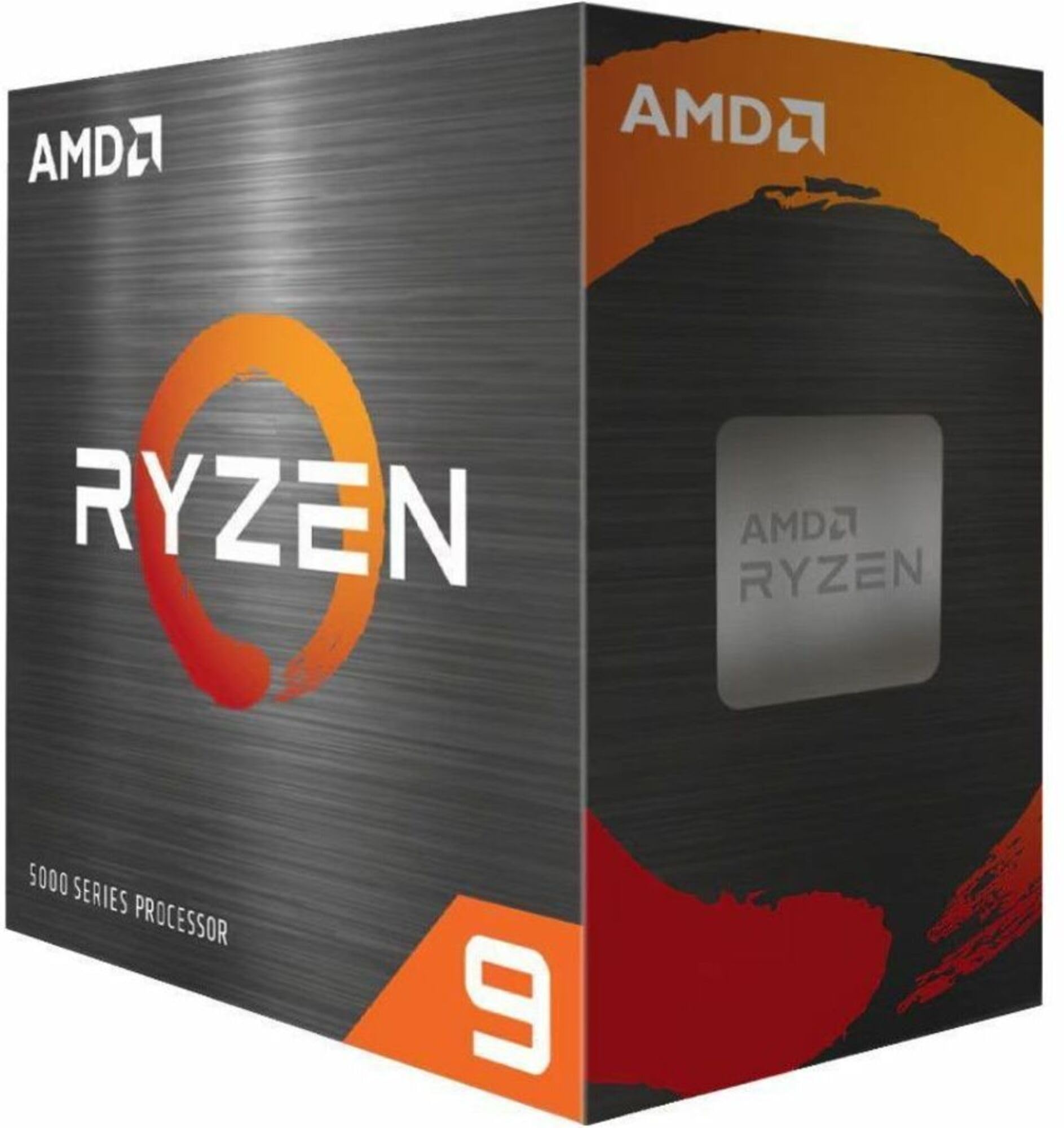
The Ryzen 9 5900XT extends the life of the AM4 platform with 16 Zen 3 cores and 32 threads, delivering workstation-level multi-threaded performance at a budget-friendly price point. When paired with the 9070, this processor provides adequate gaming performance while excelling in content creation and virtualization tasks.
Users running AutoCAD and other CPU-intensive applications report excellent performance, with the 5900XT running cooler than the 5950X due to less thermal throttling. However, the split CCD design can introduce latency in some games, requiring second CCD disabling for optimal frame times in competitive titles.
The AM4 platform supports DDR4-3200 memory, which keeps overall build costs low for users upgrading from existing AM4 systems. An AIO liquid cooler is recommended due to the 130W TDP and high core count, with users reporting idle temperatures around 40°C and peak loads reaching 80°C.
Why it’s great
- Excellent multi-threaded workstation performance
- Low-cost AM4 upgrade path
- DDR4 support keeps memory costs down
Good to know
- Split CCD reduces gaming efficiency
- Requires aftermarket cooler
- No PCIe 5.0 support
9. Intel Core i9-11900KF

The Core i9-11900KF represents the end of the LGA1200 platform, offering 8 Rocket Lake cores reaching 5.3 GHz. For users with existing Z590 motherboards, this processor provides a viable upgrade path to pair with the 9070 without replacing the entire platform.
Users note that this processor runs exceptionally hot, with a 250W peak draw that requires serious cooling to maintain boost clocks. The 16MB cache and single-threaded performance remain competitive for gaming, though the platform lacks PCIe 4.0 bandwidth for future GPU upgrades.
The 11900KF is best suited for users who already own an LGA1200 system and want to maximize their platform’s lifespan with a 9070 upgrade. For new builds, the AM5 or LGA1851 platforms offer superior performance and upgrade potential at similar budget levels.
Why it’s great
- Top option for existing LGA1200 users
- Strong single-threaded gaming performance
- Unlocked multiplier for overclocking
Good to know
- Very high power draw and heat output
- No PCIe 5.0 or DDR5 support
- Dead-end platform with no upgrade path
FAQ
Does the 9070 work better with AMD or Intel processors?
Will a 6-core CPU bottleneck the 9070?
What motherboard chipset is best for a 9070-based build?
Final Thoughts: The Verdict
For most users, the best cpu for 9070 winner is the AMD Ryzen 7 7800X3D because it delivers near-top gaming performance at a reasonable price with excellent thermal efficiency. If you want the absolute highest frame rates and have the budget, grab the AMD Ryzen 7 9800X3D. And for balanced gaming and productivity, nothing beats the core count and boost clock combination of the Intel Core Ultra 7 270K Plus.

Mo Maruf
I created WellFizz to bridge the gap between vague wellness advice and actionable solutions. My mission is simple: to decode the research and give you practical tools you can actually use.
Beyond the data, I am a passionate traveler. I believe that stepping away from the screen to explore new environments is essential for mental clarity and physical vitality.