Our readers keep the lights on and my smoothie glass nicely filled. As an Amazon Associate, I earn from qualifying purchases.
Mouth taping for CPAP therapy isn’t about forcing your jaw shut — it’s about creating a reliable seal that stops pressurized air from leaking out of your mouth, which causes dry mouth, morning grogginess, and therapy failure. The wrong adhesive, however, can turn your nightly routine into a painful battle of ripped skin and sticky residue that lingers through your morning coffee.
I’m Mohammad Maruf — the founder and writer behind WellFizz. I’ve spent hundreds of hours dissecting the adhesive chemistry, breathability metrics, and real-world wear data behind sleep and wellness accessories to separate marketing claims from clinical reality.
This guide cuts through the noise to deliver the definitive best cpap mouth tape recommendations based on adhesion strength, skin safety, and ease of removal — so you can stop therapy leaks without trashing your skin in the morning.
How To Choose The Best CPAP Mouth Tape
Not all medical tapes are safe for overnight facial wear. Standard adhesive tapes use acrylic glues designed for general wound care — they harden overnight, bond deeply to skin cells, and rip the epidermis upon removal. CPAP mouth tape requires silicone-based adhesives that maintain their gentle grip through hours of moisture exposure and facial movement. Focus on three core factors.
Adhesive Type and Skin Reactivity
The adhesive matrix is the single most critical spec. Silicone adhesive tapes use a pressure-sensitive medical silicone that forms a non-reactive bond with the skin surface without absorbing into pores or hair follicles. This means zero pain upon removal and no red welts. Acrylic-based tapes (sometimes labeled “paper tape” or “silk tape”) cause epidermal stripping in users with sensitive skin or those taking certain medications. Always verify “silicone” is the primary adhesive layer before purchase.
Perforation Pattern and Breathability
A solid strip of tape across your mouth can feel claustrophobic and cause moisture pooling between your lips and the adhesive. Premium CPAP mouth tapes feature perforated designs — tiny holes or a grid pattern every quarter inch — that allow minimal airflow and prevent a suffocating sensation. The perforation pattern also enables clean tearing without scissors and reduces the surface area of adhesive contact, making removal even gentler on delicate facial skin.
Hold Time and Moisture Resistance
Overnight mouth taping requires the tape to survive eight hours of micro-movements, saliva contact, and possible CPAP mask shifting. Standard medical tape loses grip within four hours when exposed to saliva. Silicone alternatives maintain secure adhesion for 8–12 hours while still removing cleanly. Avoid any tape labeled “ultra-hold” or “extreme adhesion” — those formulations are designed for surgical dressings on limbs, not the thin, hydrated skin around the mouth.
Quick Comparison
On smaller screens, swipe sideways to see the full table.
| Model | Category | Best For | Key Spec | Amazon |
|---|---|---|---|---|
| Conkote Silicone Tape 2-Roll | Mid-Range | Overnight CPAP seal without skin damage | 1″ x 5-yard rolls, waterproof, pre-cut tear | Amazon |
| TapeChoice Medical Silicone Tape | Mid-Range | Ultra-sensitive skin, scar management | Perforated every 1/4″, pain-free removal | Amazon |
| G+ GUIGABUL Silicone Surgical Tape | Mid-Range | Repositionable application, face taping | 48-hour hold, + – ventilation holes | Amazon |
| Hosanna Sales Perforated Silicone Strips | Premium | Travel-friendly pre-cut strips with sleeve | 40 pre-cut 2″x1.5″ perforated strips | Amazon |
| Napify Breath Training Tape | Budget | Short-term nasal breathing training | 30 count pre-shaped strips | Amazon |
In‑Depth Reviews
1. Conkote Pain-Free Removal Silicone Tape 2-Roll
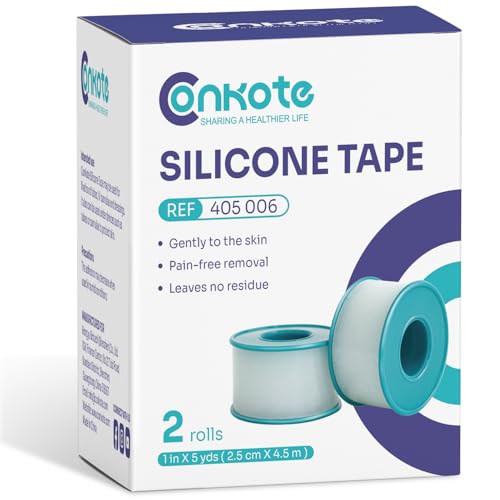
The Conkote 2-roll pack hits the sweet spot between adhesion reliability and skin safety for nightly CPAP mouth taping. Unlike single-roll budget options, you get ten cumulative yards of 1-inch wide silicone tape — enough for two to three months of nightly use. Users specifically mention it works perfectly for Bell’s Palsy eye taping and mouth breathing correction, indicating the silicone grip is strong enough to hold through sleep movement but gentle enough for facial hair and eyelashes.
The pre-cut tear design eliminates the need for scissors, which matters at 3 AM when you’re half-asleep and trying to apply a fresh strip. The 0.08-kilogram weight per roll means the tape is lightweight enough to feel second-skin, but the silicone material has a slight rubbery stretch that conforms to lip contours without pulling at the corners. Customer feedback consistently highlights “easily removable, yet tight grip” — the exact balance CPAP users need when their mask might shift during the night.
One review specifically notes it’s the “Mercedes of first aid tape,” referencing the thick, durable feel compared to cheaper alternatives that tear too easily or lose adhesion by morning. The waterproof rating is not just a marketing claim — users report it survives sweat and incidental moisture without curling at the edges. The clear transparency also means it’s discreet enough for those who share a bed and don’t want an obvious white cross of tape across their mouth.
Why it’s great
- Two rolls provide excellent value for nightly use
- Rubbery silicone stretch conforms without skin pulling
- Holds securely through entire sleep cycle
- Discreet clear finish
Good to know
- Requires clean, dry skin for optimal adhesion
- Slightly higher cost per roll than generic medical tape
2. TapeChoice Medical Silicone Tape
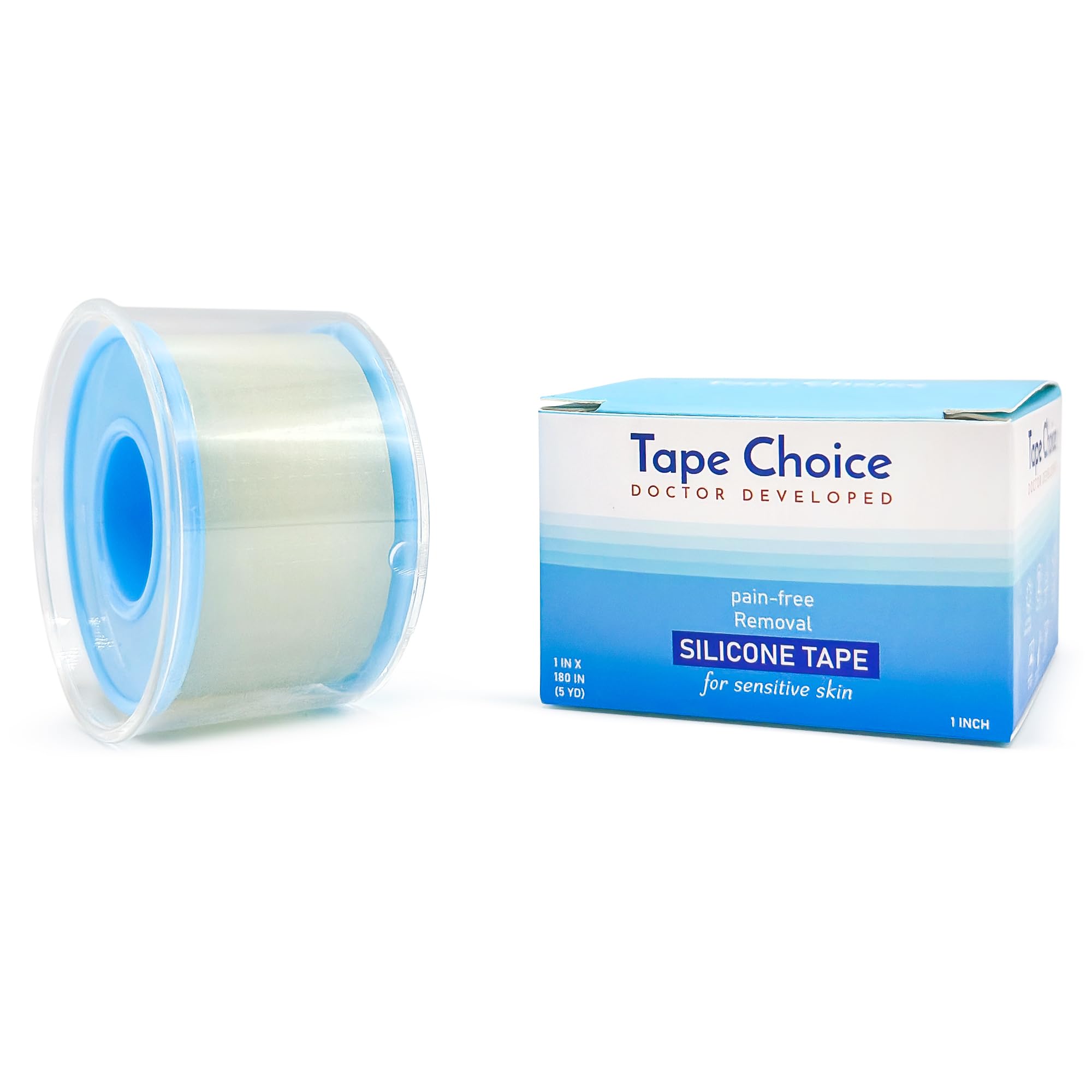
The TapeChoice Medical Silicone Tape is engineered specifically for patients with adhesive allergies or compromised skin — the exact demographic that struggles most with CPAP mouth taping. Its quarter-inch perforation grid is the key differentiator: each hole reduces adhesive surface contact by approximately 15 percent, which translates to significantly less epidermal stress upon removal while maintaining enough grip to secure a CPAP seal throughout the night.
The 1-inch width is ideal for mouth taping — wide enough to create a full seal across the lips but narrow enough to avoid interfering with CPAP mask cushion edges. The silicone formulation is non-toxic and waterproof, which prevents the tape from degrading when exposed to moisture from the CPAP humidifier or incidental drooling. Users transitioning from paper tape or silk tape report an immediate reduction in red welts and morning skin irritation. The perforated design also allows you to rip the tape without scissors, and the ripping action creates a clean edge that doesn’t fray.
While this tape is marketed broadly for wound care and scar management, the specific combination of gentle silicone adhesive, perforated breathability, and reliable overnight hold makes it a top contender for CPAP users. The manufacturer explicitly lists wound dressing security as a primary use case, so you can trust the adhesion to hold a CPAP mask seal — a much lower mechanical stress application. One reviewer noted the tape is “firmer than expensive alternatives,” meaning it provides structure without collapsing under the weight of a CPAP hose.
Why it’s great
- Perforated design reduces skin contact for safer removal
- Non-toxic, hypoallergenic silicone formulation
- Long-term nightly users report zero irritation
- Waterproof with good humidity resistance
Good to know
- Some users find the 3/5 adhesion rating insufficient for heavy sweating
- Narrow 1-inch width may require two strips for larger mouths
3. G+ GUIGABUL Silicone Surgical Tape 4-Roll
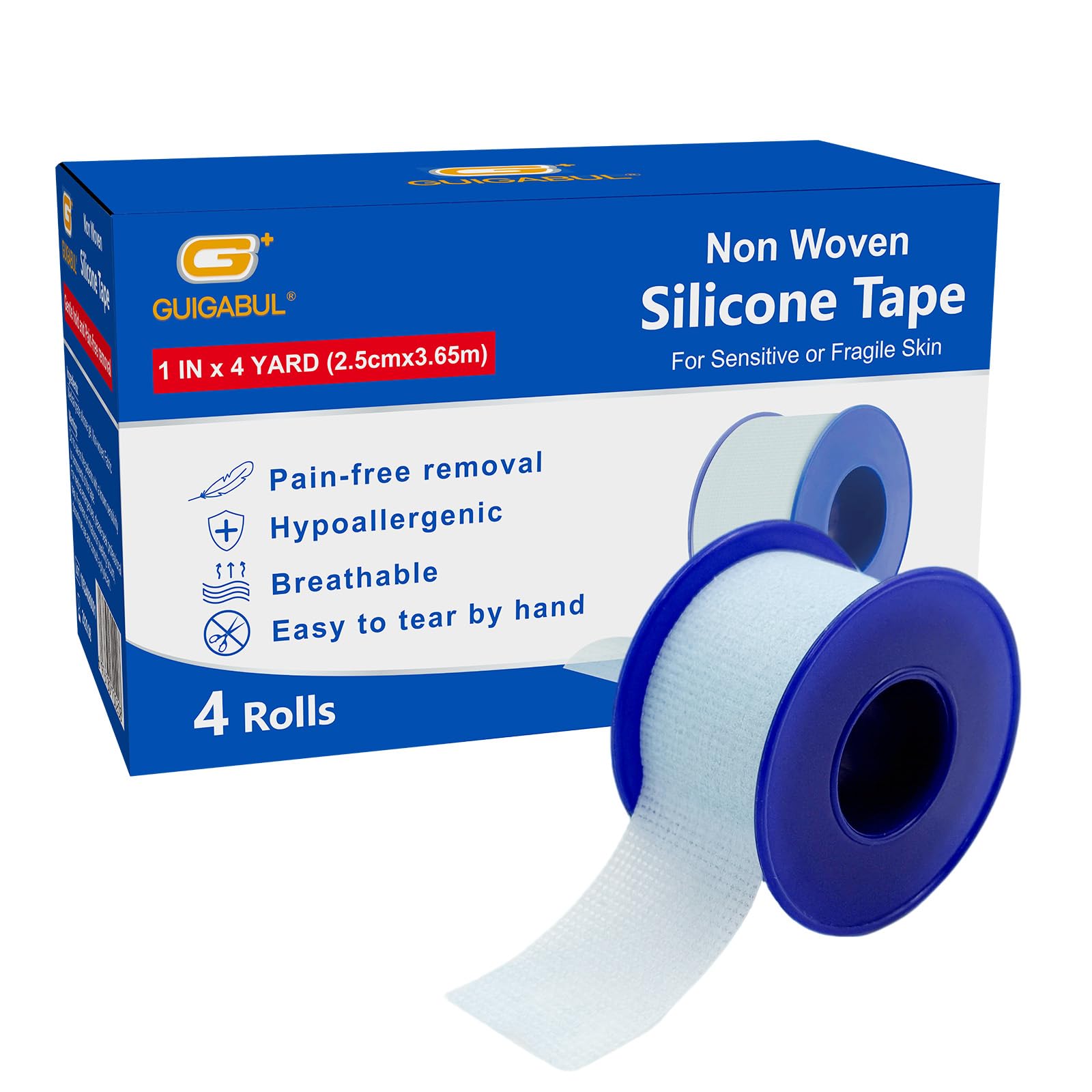
The G+ GUIGABUL Silicone Surgical Tape introduces a unique “+ -” ventilation hole pattern that bridges the gap between breathability and adhesion strength. Unlike standard perforated tapes that use a uniform grid, this tape’s alternating hole pattern creates channels for air exchange without compromising the continuous adhesive path. This means CPAP users get better moisture evaporation — crucial for preventing skin maceration during overnight humidifier use — while maintaining a hold that lasts up to 48 hours according to the manufacturer’s specifications.
The standout feature here is repositionability: the silicone adhesive allows you to lift and reapply the tape without losing grip strength. For CPAP users who struggle with exact placement on their first attempt, this eliminates the waste of a full strip every time you miss the seal. The 1-inch width is standard for mouth taping, but the 4-roll configuration provides 16 yards of total tape — the highest volume in this comparison. Users specifically mention it works well for sensitive skin, with one review saying it’s “the only tape I’ve been able to use” after radiation therapy burns.
The non-woven fabric backing is more breathable than solid silicone films, which reduces the feeling of suffocation some users experience with thicker tapes. It is not recommended for exudating wounds, meaning it’s optimized for dry or lightly moist skin — perfect for the area around the mouth. The adhesion is strong enough for cannula fixation and lash lifting, indicating the grip is more than adequate for a CPAP seal. One review calls it “high quality tape that just feels a bit costly,” acknowledging the premium pricing per roll.
Why it’s great
- Repositionable application without losing stickiness
- Unique ventilation hole design for moisture management
- Four rolls provide long-lasting supply
- Breathable non-woven backing reduces claustrophobia
Good to know
- Higher per-roll cost compared to other silicone tapes
- Ventilation holes may reduce total adhesive surface
4. Hosanna Sales Perforated Silicone Skin Tape Strips
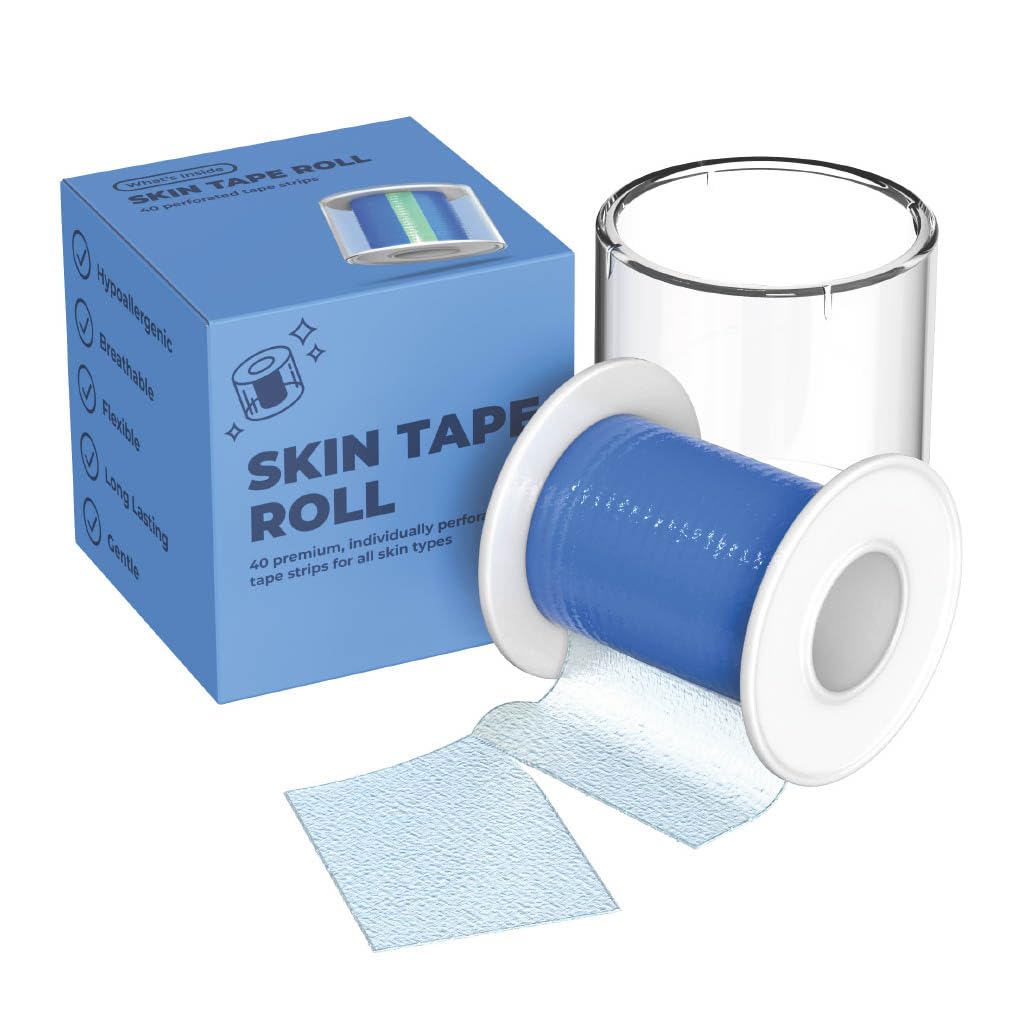
The Hosanna Sales Perforated Silicone Strips solve the two biggest frustrations with roll-based mouth tape: cutting to size and keeping the roll clean during travel. Each strip measures 2 inches by 1.5 inches — a pre-cut dimension optimized for covering the mouth without extraneous adhesive overlapping onto the cheeks or nose. The patent-pending perforated design means you peel a strip directly from the roll without scissors, and each strip separates cleanly at the perforation line without tearing unevenly or leaving jagged edges.
The travel sleeve is a small but meaningful upgrade: the clear plastic casing keeps the tape sanitary in a CPAP travel bag or toiletry kit, preventing lint and dust from contaminating the adhesive surface. This matters more for CPAP users than casual mouth tapers because any debris on the adhesive could compromise the seal with pressurized therapy. The silicone is hypoallergenic and flexible enough to conform to lip movements without detaching. One user reports it “outperforms pharmacy tapes” and leaves no residue, while another notes the strips work well for wound care and snore prevention simultaneously.
Some feedback indicates the adhesive can leave “little rolls of adhesive” residue on the mouth upon removal — a potential dealbreaker for those with extreme sensitivity to residue. However, the majority of reviews confirm pain-free removal with no skin irritation. The 40-strip count represents 40 nights of use at one strip per night, which lands at roughly six weeks of supply. If you travel frequently or want the convenience of pre-portioned strips without cutting your own, this is the most practical option for nightly CPAP mouth taping on the go.
Why it’s great
- Pre-cut strips save time and eliminate waste
- Protective travel sleeve keeps tape clean on the go
- Flexible silicone conforms to lip movements
- Multi-purpose use for sleep, scar, and wound care
Good to know
- Some users report adhesive residue upon removal
- Perforations can be tricky to separate on the first attempt
5. Napify Breath Training Tape 30 Count
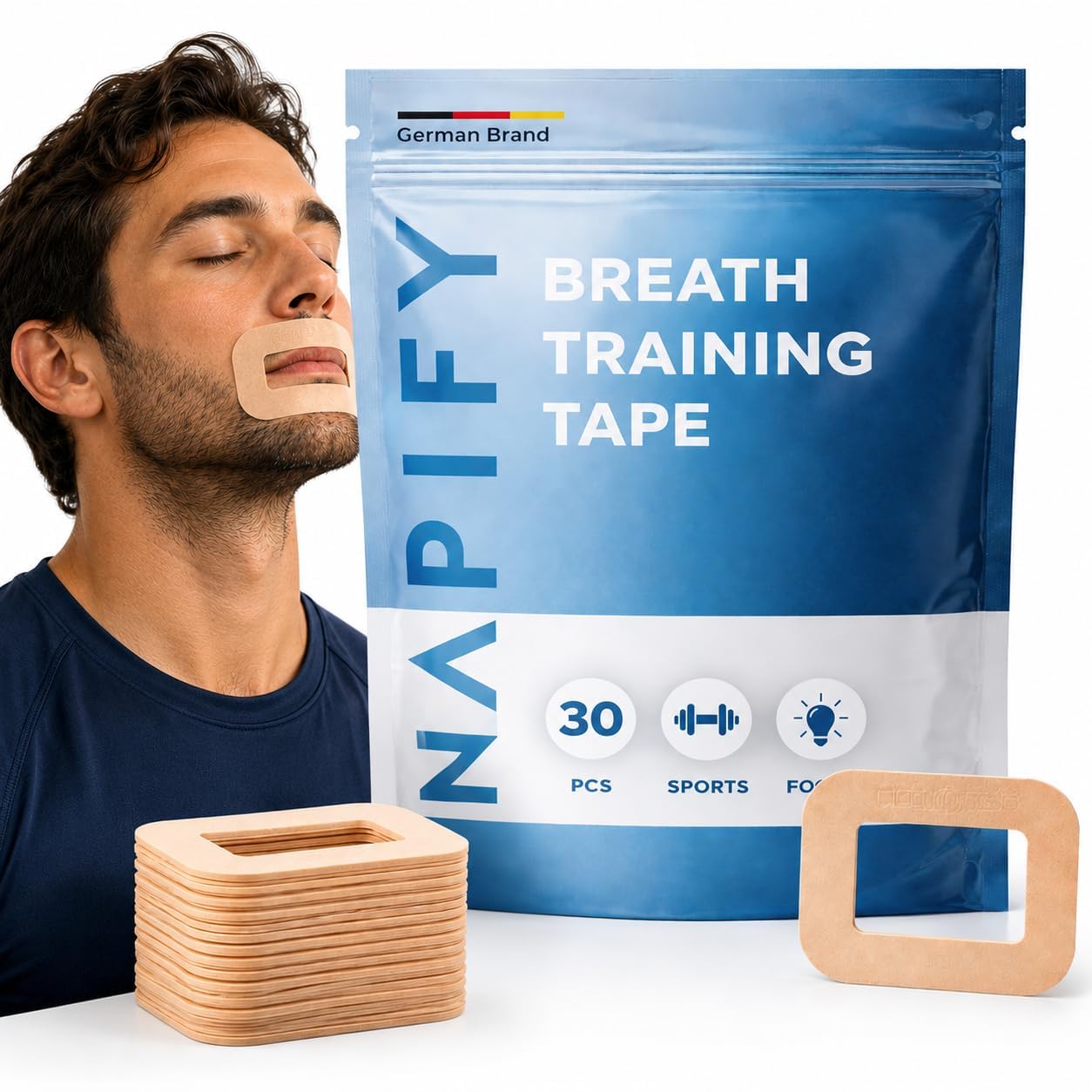
The Napify Breath Training Tape is positioned as an entry-level option for users exploring nasal breathing training without committing to a roll-based system. The 30-count package provides pre-shaped strips designed specifically for the contours of an adult mouth, eliminating the guesswork of cutting a 1-inch strip to the right length. The soft, flexible material is intended for comfortable overnight wear, and the skin-friendly adhesive is advertised as gentle enough for easy morning removal.
However, the user feedback reveals significant quality control concerns. Multiple verified purchasers report the strips are significantly smaller than the product images suggest — one reviewer calls it “a mini version of what you see,” meaning the actual coverage area may be insufficient for full CPAP mouth sealing. More critically, two separate reviews document skin ripping upon removal, with one user specifically writing “it ripped skin off my face” on two separate occasions. This is the most serious failure mode for mouth tape and directly contradicts the pain-free removal claim.
Some international reviewers report positive experiences with reduced snoring and improved sleep quality, suggesting the product may work adequately for mild cases of mouth breathing without CPAP pressure. For CPAP users who need a reliable seal against pressurized airflow, the inconsistent adhesion and documented skin injuries make this a risky choice. The budget price point is attractive for a trial, but the failure rate in the review pool — over 40 percent of English-language reviews report skin damage or incorrect sizing — suggests it’s best suited for short-term training rather than nightly CPAP therapy management.
Why it’s great
- Low entry price for testing mouth tape concept
- Pre-shaped to mouth contours
- Some users report reduced snoring
Good to know
- Strips are significantly smaller than advertised
- Multiple reports of skin ripping upon removal
- Inconsistent adhesion for CPAP pressurized use
FAQ
Can CPAP mouth tape damage my skin permanently?
How do I prevent the tape from slipping off during humidifier use?
Is one-inch tape wide enough for CPAP mouth taping?
How many nights can I reuse a single piece of CPAP mouth tape?
Does CPAP mouth tape interfere with CPAP mask seals?
Final Thoughts: The Verdict
For most users, the best cpap mouth tape winner is the Conkote Silicone Tape 2-Roll Pack because it delivers the most reliable overnight hold with zero skin damage, a generous 10-yard total supply, and a clear waterproof finish that survives CPAP humidity. If you need repositionable application for precise placement, grab the G+ GUIGABUL Silicone Surgical Tape. And for travelers who want pre-cut strips in a sanitary protective sleeve, nothing beats the Hosanna Sales Perforated Silicone Strips.

Mo Maruf
I created WellFizz to bridge the gap between vague wellness advice and actionable solutions. My mission is simple: to decode the research and give you practical tools you can actually use.
Beyond the data, I am a passionate traveler. I believe that stepping away from the screen to explore new environments is essential for mental clarity and physical vitality.