Our readers keep the lights on and my smoothie glass nicely filled. As an Amazon Associate, I earn from qualifying purchases.
You want audiophile-level detail and accuracy, but you also need to keep your music in (and keep the world out) without feeling like the sound is trapped inside your skull. The best closed-back designs use careful engineering to create a wide, open feeling while still blocking noise — no small trick. This guide breaks down nine models that actually pull that off, from studio staples to newer contenders.
I’m Mohammad Maruf — the co-founder and writer behind WellFizz. This guide is built by comparing the manufacturers’ published specifications and the patterns across verified customer reviews, so you get each pick’s real strengths and trade-offs instead of marketing spin.
The secret to a great closed-back headphone is not just noise isolation — it is how the headphone manages the air inside the cup to create space and depth. Whether you are mixing in a noisy room, gaming late at night, or just want to hear every layer of a track without disturbing anyone, the best closed back audiophile headphones on this list balance isolation with spaciousness you expect from far more expensive gear.
How To Choose The Best Closed Back Audiophile Headphones
Buying closed-back headphones for critical listening comes down to a few specific specs that directly affect how the headphone sounds, how easy it is to drive, and how long it lasts. Here is what matters most.
Impedance: The Number That Tells You If You Need An Amp
Impedance, measured in ohms (Ω), controls how much power a headphone needs to reach a good listening volume. Low-impedance models (under 50 ohms) will get loud enough from a phone, laptop, or gaming controller. High-impedance models (over 100 ohms) typically need a dedicated headphone amplifier or DAC (a digital-to-analog converter that improves sound quality from a computer or phone) to sound their best — without one, they can sound quiet or thin.
Driver Size And Materials: What Controls The Detail
The driver is the speaker inside the headphone. Larger drivers (40mm and up) can move more air, which helps with bass and overall presence. But the material matters even more: neodymium magnets are lighter and more efficient than older types, and specially coated diaphragms (the thin membrane that vibrates) reduce distortion so you hear the recording, not the headphone.
Cable And Build: What Keeps It Working
Detachable cables are essential — a fixed cable means the whole headphone is junk if the wire breaks. Look for standard connectors (3.5mm or mini-XLR) so replacements are easy to find. Replaceable earpads and headbands extend the life of the headphone significantly, and a hard carrying case is a strong indicator of overall build quality.
Quick Comparison
On smaller screens, swipe sideways to see the full table.
| Model | Category | Best For | Key Spec | Amazon |
|---|---|---|---|---|
| Sennheiser HD 620S | Premium | Open-like soundstage in a closed-back | 150 ohm impedance, 42mm angled drivers | Amazon |
| ADAM Audio H200 | Mid-Range | Neutral studio mastering with software tools | 32 ohm impedance, 40mm PEEK drivers | Amazon |
| Sony MDR-M1 | Mid-Range | Lightweight, detailed monitoring | 216g weight, 5 Hz–80 kHz response | Amazon |
| beyerdynamic DT 770 Pro X | Mid-Range | Durable studio work with detachable cable | 48 ohm, STELLAR.45 driver, 45mm | Amazon |
| Meze 99 Classics | Mid-Range | Warm, musical sound with wood build | Walnut wood cups, 20 Hz–20 kHz | Amazon |
| Audio-Technica ATH-A990Z | Premium | Massive soundstage and imaging | 53mm drivers, 11.5 ohm impedance | Amazon |
| beyerdynamic DT 700 Pro X | Premium | Studio-grade isolation and detail | 48 ohm, STELLAR.45 driver, velour pads | Amazon |
| Shure SRH1540 | Premium | Neutral reference with warm bass | 40mm neodymium drivers, carbon fiber cap | Amazon |
| beyerdynamic DT 1770 Pro MKII | Premium | Bulletproof build with Tesla.45 driver | 30 ohm, TESLA.45 driver, hard case | Amazon |
In‑Depth Reviews
1. Sennheiser HD 620S Closed-Back Over-Ear Audiophile Headphones
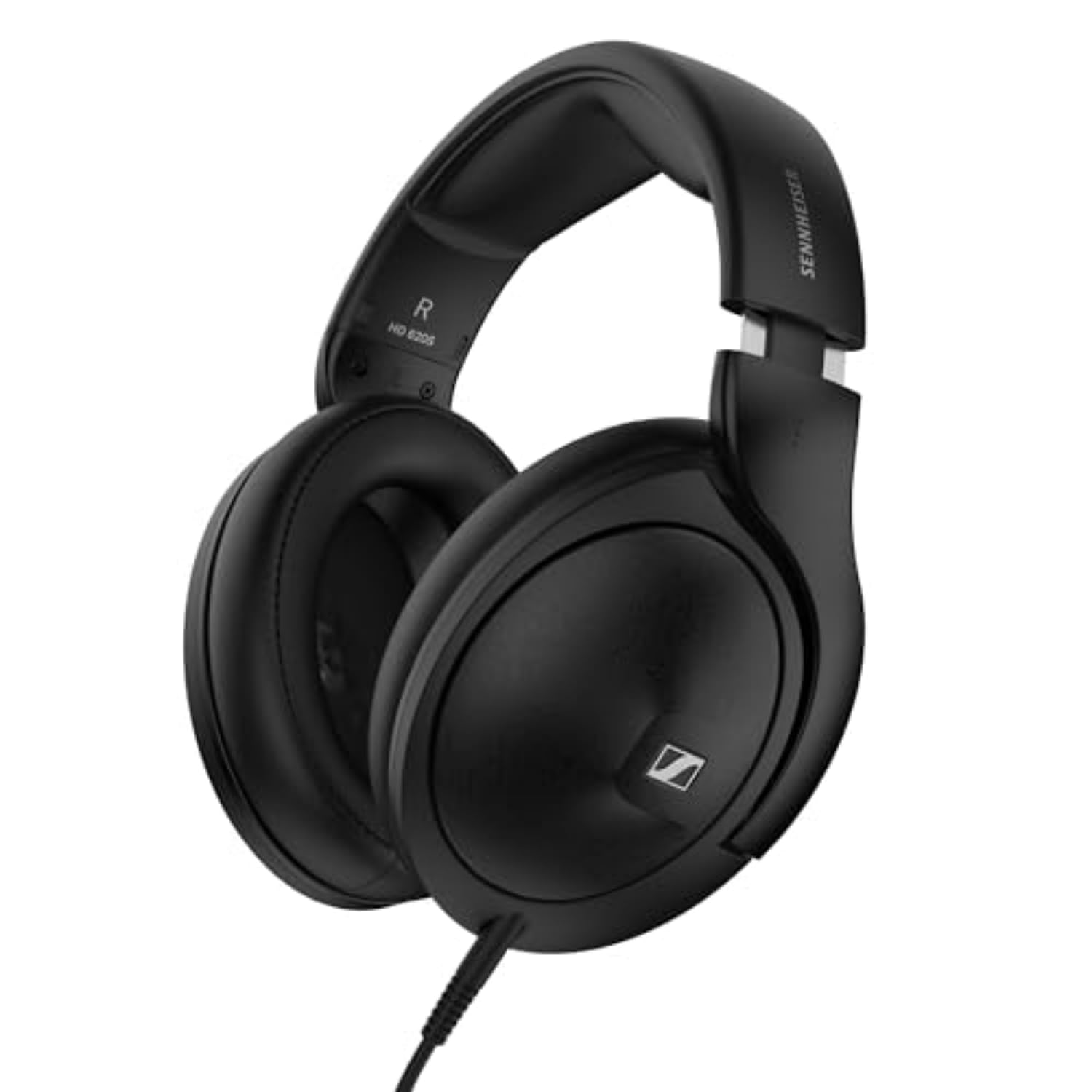
The 150-ohm impedance and 42mm angled drivers make the Sennheiser HD 620S the top pick for the desktop audiophile who wants closed-back isolation with open-back soundstage width. Its 38mm diaphragms sit at an angle inside the cup to mimic stereo speakers in a room, so you hear instruments in their proper left-right space instead of feeling like the music is inside your skull.
The 150-ohm aluminum voice coil keeps distortion low even at high volumes — this is a 4.7x higher impedance than the ADAM Audio H200’s 32 ohms, which means the HD 620S rewards a dedicated DAC or amplifier with cleaner transients and faster response. Reviewers report “excellent isolation; usable at loud events”, and the steel-reinforced headband slider and replaceable earpads mean this headphone is built for years of daily use.
The catch is that at 150 ohms you will want a good amplifier to get the full picture — plugging straight into a phone will work but the sound will be quieter and less dynamic than it could be. If you have a desktop setup with a headphone amp, this is the closed-back that comes closest to the Sennheiser HD600 open-back sound without letting noise in or out. skip it if you only listen from a phone or laptop without extra gear. This is the closed-back that finally delivers the open-back soundstage you have been waiting for.
Why it’s great
- Spatial imaging rivals open-back headphones — you get left-right placement that feels natural and wide
- Steel-reinforced headband and replaceable earpads make this a long-term investment
- Neutral Sennheiser 6-series tuning with slightly more bass and treble for modern music without harshness
Good to know
- 150-ohm impedance needs a separate headphone amplifier for best performance
- Cable attaches to the left earcup only and is slightly microphonic (you can hear it rub against your clothes)
2. ADAM Audio H200 Closed-Back Headphones
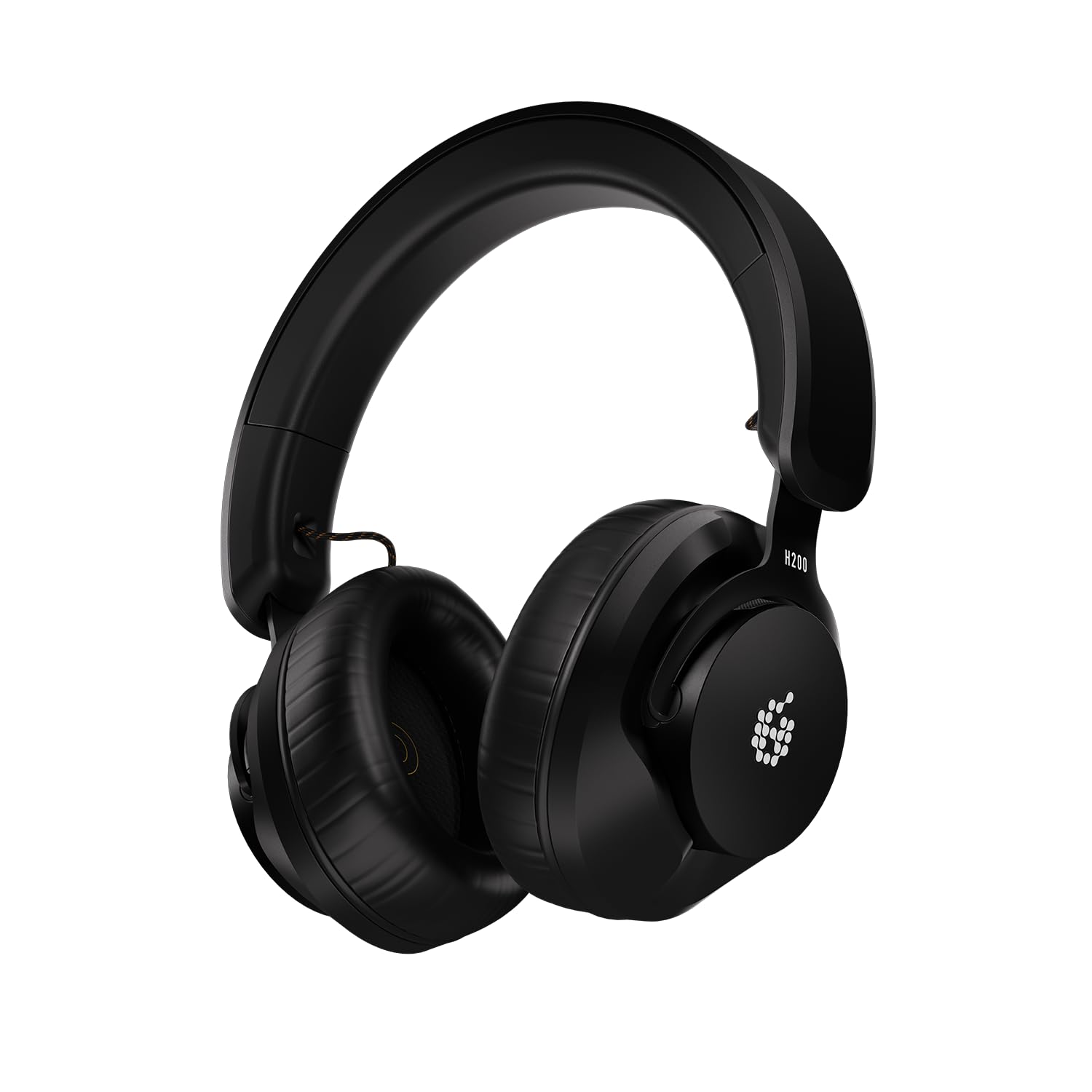
The ADAM Audio H200 beats the Sennheiser HD 620S on convenience — at 32 ohms it gets loud and clear from any phone, laptop, or gaming controller without a separate amplifier, and its 3-meter cable is 67% longer than the HD 620S’s 1.8-meter cable, giving you more freedom to move around your desk or studio. The 40mm PEEK drivers (a durable polymer used for driver diaphragms that resists deformation) deliver a smooth 2 Hz to 23.5 kHz frequency response with 112.5 dB SPL (sound pressure level — a measure of how loud the headphone can get cleanly), which is more than enough for critical mixing.
The included ADAM Audio Headphone Utility plugin adds a spatialization crossfeed feature (a software effect that blends left and right channels slightly to mimic how speakers sound in a room rather than the disconnected left-only/right-only feel of headphones), which reviewers find genuinely useful for checking how a mix translates to speakers. The solid aluminum yoke and memory foam earpads make it comfortable for long sessions, and the cable attaches to either earcup.
Buyers report a real durability concern: “The only problem is that after only 8 months the headband is coming apart.” The sound quality and software features are excellent for the price, but the headband material is a weak point. Choose the H200 over the HD 620S when you need to drive the headphones from portable gear without an amp.
Where it shines
- 32-ohm impedance plays loud from any phone, laptop, or gaming controller — no amplifier needed
- 3-meter detachable cable is 67% longer than the Sennheiser HD 620S, giving you real desk freedom
- Free Headphone Utility plugin with crossfeed spatialization for checking mix translation
Worth noting
- Headband material durability is a concern — owners mention separation after roughly 8 months of use
- Cable uses a friction grabber connection rather than a locking mechanism, which can pull loose
3. Sony MDR-M1 Professional Reference Closed Monitor Headphones

If you wear headphones for hours every day and weight matters as much as sound quality, the Sony MDR-M1 is hard to beat. At just 216 grams it is significantly lighter than most studio monitors, and reviewers who wear glasses note that the soft, thick earpads do not pinch or create pressure points even after all-day sessions. The 40mm driver unit is tuned for ultra-wideband playback (5 Hz to 80 kHz), meaning it reproduces sub-bass rumble and airy high-frequency detail that cheaper headphones cannot reach.
The closed acoustic structure provides effective isolation for recording and voiceover work, and the sound signature is balanced enough that buyers compare it favorably to the Sony MDR-7506 — only warmer, more comfortable, and less fatiguing. “Comes with 1.2m (3.5mm) and 2.5m (1/4″) cables” means you get two detachable cables in the box, one short for portable use and one long for desk work, both using a screw-in connector that stays locked tight.
The MDR-M1 is the pick for voiceover artists, podcasters, and remote engineers who need neutral monitoring without fatigue. Its main limit is that the earpads can get warm after a few hours, and there is no carrying case included — but at 216 grams, it remains the lightest professional reference closed-back on the market.
What stands out
- Ultra-lightweight 216g design with soft pads makes this one of the most comfortable closed-backs for all-day wear
- Two detachable cables included (1.2m and 2.5m) with a secure screw-in connector
- Ultra-wide frequency response (5 Hz–80 kHz) reveals sub-bass and high-frequency detail accurately
The trade-offs
- Earpads can get warm during extended sessions — no breathable mesh or velour option included
- No carrying case or storage bag is provided with the purchase
4. beyerdynamic DT 770 Pro X Wired Over-Ear Headphones

The single number that matters most in this category is impedance versatility, and the DT 770 Pro X scores with a 48-ohm impedance that is loud enough from a laptop but benefits from a good audio interface or DAC. The 45mm STELLAR.45 driver delivers a frequency response of 5 Hz to 40,000 Hz, covering the entire audible range plus ultrasonic headroom. The cable is now detachable, fixing the biggest complaint about its predecessor, the DT 770 Pro.
The downside is the treble — reviewers consistently note a “bright” tuning that emphasizes high frequencies, making cymbals and vocal sibilance more prominent than on a neutral headphone. This is great for catching mix errors in the studio but can be fatiguing for casual listening. The velour earpads are extremely comfortable, and customers note the passive noise isolation is the best they have experienced from any headphone.
The detachable cable with a locking mini-XLR connector, German build quality, and a drawstring bag make this a practical upgrade from the classic DT 770. If you mix or edit audio and need to hear every harsh detail, this delivers — if you want a warmer, more relaxed sound, look at the Sennheiser HD 620S instead. For its price, this offers strong value for studio-critical listening.
The upsides
- Detachable cable with locking mini-XLR connector solves the biggest flaw of the classic DT 770
- STELLAR.45 driver delivers detailed 5 Hz to 40 kHz frequency response for critical studio work
- Velour earpads and ergonomic headband make this comfortable for all-day wear in a cubicle or studio
Keep in mind
- Treble is bright and can be fatiguing for casual listening — best for studio work and focused critical listening
- Long 3m cable and no swivel in the earcups makes transport slightly awkward
5. Meze 99 Classics Wired Wooden Closed Back Over Ear Headphones
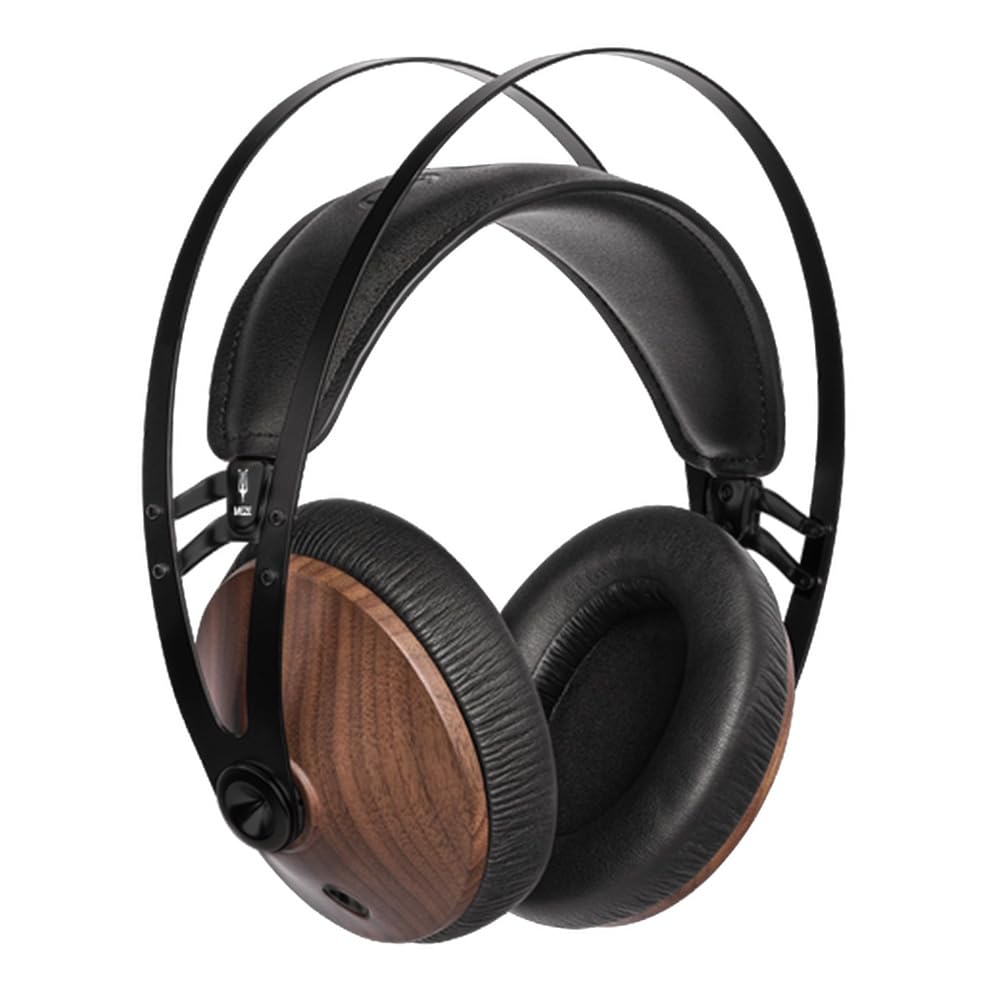
What you actually get at this lower price is a headphone with hand-finished walnut wood cups and a black metal frame that stand out immediately, plus a 3.5mm connection that works with anything — no amplifier needed. The 20 Hz to 20,000 Hz frequency response covers the standard audible range, and the 40mm dynamic drivers produce a warm, U-shaped sound signature that emphasizes bass and treble slightly while keeping mids clear.
Reviewers consistently praise the comfort: the self-adjusting headband conforms to your head shape without clamping pressure, and the plush leatherette earpads are soft enough that one reviewer noted “must remove after ~1 hour to rub ears” — the trade-off for that plushness is moderate warmth buildup. The included cable has an inline microphone, which is rare at this level and useful for calls or gaming. The entire headphone is assembled with screws, so every part — earpads, headband, cable — is replaceable.
One limitation with the 99 Classics is the bass. It is not boomy, but the midbass has a “cloudy bloom” that a reviewer described as occasionally annoying, masking some low-mid detail in complex tracks. If you want a revealing, analytical sound for mixing, these are not the right pick. If you want a musical, non-fatiguing headphone that makes your favorite albums sound engaging and rich, and you want it to look like a piece of furniture, this is the exact budget buyer it is perfect for.
Why we’d pick it
- Walnut wood and metal construction looks premium and all parts are screw-replaceable for long life
- Self-adjusting headband and plush earpads provide excellent comfort for large heads
- Warm, non-fatiguing sound signature with built-in microphone on the cable for calls and gaming
A few caveats
- Midbass has a “cloudy bloom” that can mask detail in complex, layered tracks
- QC issues reported — some units arrive with driver imbalance or defective cables
6. Audio-Technica ATH-A990Z Art Monitor Closed-Back Dynamic Headphones

The ATH-A990Z is built for the gamer or live-sound engineer who prizes spatial awareness above all else, thanks to its 53mm large-aperture drivers — the biggest in this entire guide. Those oversized drivers use OFC (oxygen-free copper) bobbin-wound voice coils and a Double Air Damping System (DADS) that vents the rear of the driver chamber to control air pressure, letting the diaphragm move more precisely for deeper, tighter bass. The result is a soundstage that reviewers call “massive” for a closed-back — wide, layered, and with instrument separation that makes it excellent for FPS gaming and monitoring live recordings.
The 11.5-ohm impedance means these are incredibly easy to drive — any phone or laptop will power them to loud, clean volumes without breaking a sweat. The unique “3D wing support system” replaces a traditional headband with two adjustable wings that rest on your head, which reviewers point out works well once you find the fit but can feel odd at first. The fixed 3-meter cable is a letdown on an otherwise modern design, and the stock earpads are shallow enough that some buyers replace them with Brainwavz pads for better comfort and soundstage.
At its price tier, the ATH-A990Z delivers the widest, most immersive sound of any closed-back here — but the fixed cable and polarizing wing support mean it is a specialist tool for gamers and engineers who prioritize spatial awareness over portability.
Strong points
- Massive 53mm drivers with Double Air Damping System produce the widest soundstage in this guide
- 11.5-ohm impedance gets loud and clear from any device without a headphone amplifier
- Vivid, detailed sound with excellent mids and treble — crisp tight bass without overwhelming the mix
Before you buy
- Fixed 3-meter cable is not detachable — if the wire breaks the headphone is compromised
- Stock earpads are shallow and may pinch ears; many reviewers replace them immediately
7. beyerdynamic DT 700 PRO X Closed-Back Studio Headphones
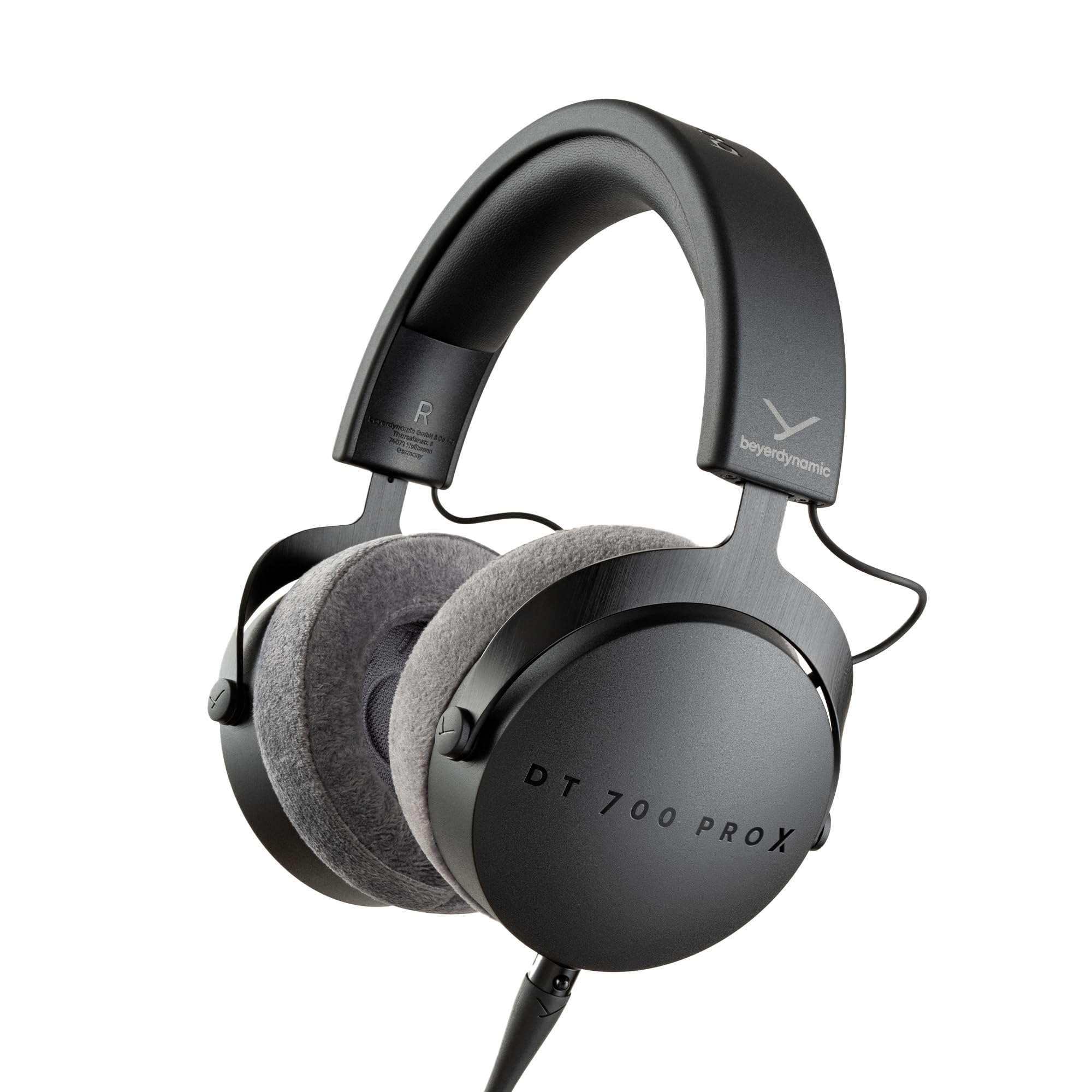
The DT 700 Pro X sits at a moderate price point in this guide, offering strong value by upgrading the classic DT 770 formula without a drastic price jump over its predecessor. It balances affordability with meaningful improvements, making it a competitive mid-range option among the nine picks.
Two detachable cables are included — a 1.8-meter straight cable and a 3-meter straight cable, both with secure mini-XLR connectors that lock into the earcup. The velour earpads and memory foam headband are comfortable enough for 8-hour sessions, though shoppers say that the clamping pressure is high at first and takes about a week to break in. The closed-back isolation is excellent; buyers report it is detailed enough to reveal flaws in a mix while remaining pleasant enough for hours of listening.
The known issue is that the leatherette covering on the headband can come loose after about a year — one buyer mentioned it coming undone, though it was replaced under warranty with an improved design. For the price, this delivers studio-grade isolation and detail with a more listenable tuning than the classic DT 770, making it the best all-rounder in beyerdynamic’s closed-back line for serious listening. The one clear reason to choose it is its smoother, more versatile tuning that fixes the DT 770’s fatiguing treble while keeping studio-grade isolation and detail.
What we like
- STELLAR.45 driver delivers smooth treble and deep, punchy bass without the fatiguing brightness of older DT models
- Two detachable cables (1.8m and 3m) with locking mini-XLR connectors for reliable studio use
- Excellent passive isolation and comfortable velour pads for extended mixing sessions
The downsides
- Headband leatherette covering can come loose after roughly a year of use
- High clamp pressure when new — requires a break-in period of about one week to reach full comfort
8. Shure SRH1540 Premium Closed-Back Headphones

The 40mm neodymium drivers with APTIV Film deliver exceptionally low total harmonic distortion (THD), making the Shure SRH1540 the pick for listeners who want a closed-back headphone that sounds like a premium open-back — specifically, the Sennheiser HD650. Its neutral, laid-back sound signature offers clear extended highs and warm bass that is present but never overpowering, so you hear the recording as it was mastered, not colored by the headphone.
The build quality is outstanding: an aircraft-grade aluminum alloy yoke and a carbon fiber cap on the earcup make this lightweight but durable. The Alcantara earpads (a suede-like synthetic fabric that is softer and more breathable than leather) are exceptionally comfortable and do not make your ears sweat, even after long sessions. Two detachable cables, a spare pair of earpads, and a hard zippered case are included in the box — one of the most complete accessory packages at this price.
The SRH1540 rewards a patient buyer: at its regular price it faces stiff competition from the DT 700 Pro X and HD 620S, but at sale prices (around the mid-range tier), reviewers call it a “no-brainer” recommendation. The clamp force is slightly high, and the cables produce noticeable mechanical noise when they rub against clothing, but for neutral, fatigue-free listening with exceptional build quality, this is the premium pick that sounds and feels like a much more expensive headphone.
Why it’s great
- Neutral, laid-back sound signature very similar to the Sennheiser HD650 — revealing without fatigue
- Aircraft-grade aluminum yoke and carbon fiber cap make this lightweight and extremely durable
- Complete accessory set: two cables, spare earpads, and a hard zippered case included
Good to know
- Significant mechanical cable noise — you will hear the cable rub against your clothes while moving
- Large earcups may sit in your peripheral vision, which some find distracting
9. beyerdynamic DT 1770 PRO MKII Wired Over-Ear Headphones
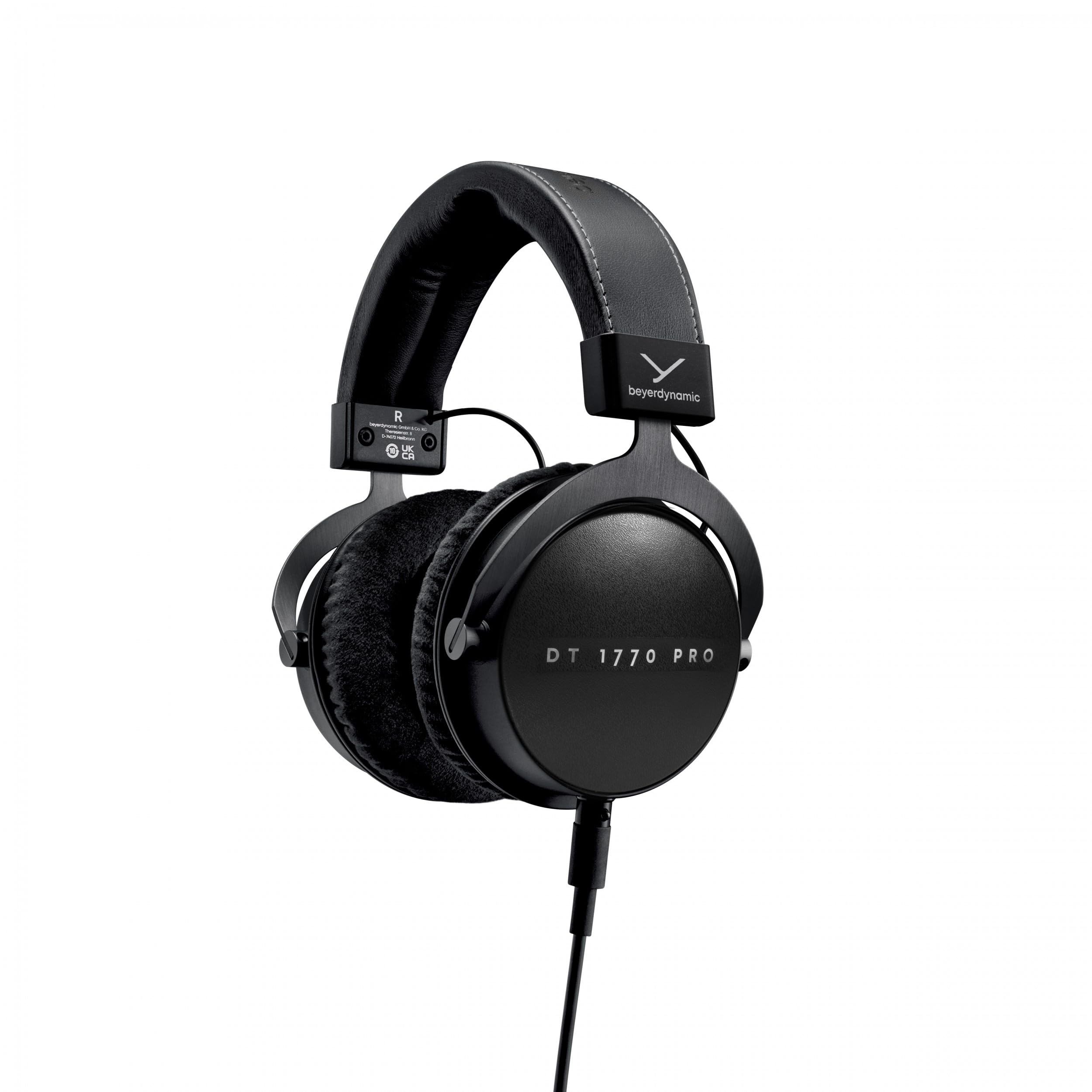
Compared to the top pick, the DT 1770 Pro MKII delivers a more neutral and transparent sound signature — the top pick adds a slight warmth and bass emphasis for musical enjoyment, while the DT 1770 Pro MKII’s TESLA.45 driver (an ultra-high-efficiency driver design that produces a very high magnetic flux for precise diaphragm control) reveals every detail without coloration, with one reviewer noting that listening to familiar music through these headphones “reveals new layers” they had never heard before. The 30-ohm impedance makes this flagship model easier to drive than many mid-range options, working well with portable DAC/amps and audio interfaces without sacrificing clarity.
Beyerdynamic includes two sets of earpads in the box: velour for a warmer, more breathable listening experience, and leatherette for maximum isolation and bass focus. The cables are both detachable with secure mini-XLR connectors — a 3-meter straight cable and a 5-meter coiled cable that stretches to give you freedom in a studio rack setup. The hard case is a proper rigid shell, not a flimsy pouch, and the all-metal build with German craftsmanship means this headphone is designed to outlast everything else on your desk.
The honest trade-off at this price tier is that the DT 1770 Pro MKII is a specialist tool for critical listening and mastering — its neutral, transparent sound adds nothing and takes nothing away from the source. As one reviewer put it, “even YouTube videos or Teams calls sound significantly better through these things with absolutely zero processing.” Choose this over the top pick if you need a balanced, studio-grade closed-back for professional mixing and mastering, and you want replaceable parts and a hard case — this is the long-term investment for detail without flattery.
Where it shines
- TESLA.45 driver delivers exceptional detail retrieval — you will hear new layers in familiar music
- Two sets of earpads (velour and leatherette) let you tailor the sound and comfort to your needs
- All-metal German build with a hard case and two detachable cables — built to last a lifetime
Worth noting
- Neutral, transparent tuning is not for bass-heads or casual listeners — it reveals flaws in poor recordings
- Premium price puts it in competition with other flagship closed-backs; buy for the build and isolation
Understanding the Specs
Impedance (Ohms)
Impedance, measured in ohms (Ω), tells you how much electrical resistance the headphone offers to your audio source. Low-impedance headphones (under 50 ohms) sound loud and full from phones, laptops, and gaming controllers. High-impedance headphones (100 ohms or more) need a dedicated headphone amplifier — a separate device that provides more voltage and cleaner power — to reach their full potential. Without enough power, a high-impedance headphone sounds quiet, thin, and lacking in bass. The Sennheiser HD 620S at 150 ohms needs an amp, while the ADAM Audio H200 at 32 ohms works with anything.
Driver Size and Type
The driver is the speaker inside the headphone. Size (measured in millimeters) affects how much air the driver can move — larger drivers, like the 53mm units in the Audio-Technica ATH-A990Z, can produce deeper bass and a wider sense of space. But driver material matters more: neodymium magnets are lighter and more efficient than ferrite magnets, and specialized coatings like APTIV Film (used in the Shure SRH1540) reduce distortion so the sound stays clean. PEEK drivers (found in the ADAM Audio H200) are polymer-based and resist deformation for consistent performance.
Soundstage and Imaging
Soundstage is the perceived width and depth of the sound — how far away instruments sound from your ears. Closed-back headphones naturally have a narrower soundstage than open-back designs because the sealed cup creates reflections that can make sound feel trapped. The best closed-back models, like the Sennheiser HD 620S and Audio-Technica ATH-A990Z, use angled drivers and internal baffling (shaped chambers inside the earcup) to create space and width that approach open-back performance. Imaging is how precisely you can locate individual instruments in that soundstage.
Frequency Response
Frequency response, measured in Hertz (Hz), describes the range of pitches a headphone can reproduce. The human ear typically hears from 20 Hz (deep bass) to 20,000 Hz (high treble). A wider spec like 5 Hz to 45,000 Hz (seen on the Audio-Technica ATH-A990Z) means the driver can technically produce frequencies beyond human hearing, which can improve the sense of air and space even if you cannot hear those frequencies directly. What matters more is how flat the response is — a neutral frequency response means the headphone does not artificially boost bass or treble.
FAQ
Do I need a headphone amplifier for closed-back audiophile headphones?
What is the difference between closed-back and open-back headphones for audiophile listening?
Are wooden earcups like on the Meze 99 Classics better for sound quality?
Why do some closed-back headphones have a “sibilance” or harsh treble problem?
How long should closed-back audiophile headphones last with proper care?
Final Thoughts: The Verdict
If you want one dependable pick, the best closed back audiophile headphones winner is the Sennheiser HD 620S because it delivers the widest, most open soundstage of any closed-back at its price while keeping real noise isolation — all with the trusted Sennheiser six-series tuning. If you want something that works perfectly without a separate amplifier and comes with powerful software tools, grab the ADAM Audio H200. And for a premium, neutral reference that rewards patient buyers with exceptional build quality and a complete accessory kit, the Shure SRH1540 is the one to watch for at sale prices.

Mo Maruf
I created WellFizz to bridge the gap between vague wellness advice and actionable solutions. My mission is simple: to decode the research and give you practical tools you can actually use.
Beyond the data, I am a passionate traveler. I believe that stepping away from the screen to explore new environments is essential for mental clarity and physical vitality.