Our readers keep the lights on and my smoothie glass nicely filled. As an Amazon Associate, I earn from qualifying purchases.
That bare fence line staring back at you every morning — it doesn’t need a coat of paint, it needs a living curtain of blooms. A climbing rose transforms a wooden boundary into a vertical garden, but only if you pick a variety that actually wants to climb (not just grow tall) and can handle the microclimate against your specific fence material. Get the wrong rose and you’ll fight black spot, weak canes, or a plant that tops out at three feet and calls it a day.
I’m Mohammad Maruf — the founder and writer behind WellFizz. I’ve spent hundreds of hours analyzing grower data, zone compatibility charts, and real customer feedback on how specific rose varieties perform when trained against different fence types — chain-link, cedar, vinyl, and stone.
Whether you want a compact rebloomer for a small picket fence or a vigorous 12-foot climber to cover a long stretch of privacy fencing, this guide walks you through the best performers for your fence line. Finding the best climbing roses for fences starts with matching your fence’s height, sun exposure, and your willingness to prune.
How To Choose The Best Climbing Roses For Fences
Not every climbing rose wants to grow on a fence. Some prefer arbors or walls where they can be tied in multiple directions. For a fence — especially a long run — you need a rose that produces long, flexible canes, tolerates reflected heat (if your fence is wood or vinyl), and keeps blooming without constant deadheading. Here are the three factors that matter most.
Mature Cane Length vs. Fence Height
If your fence is 6 feet tall, a rose that maxes out at 4 feet will never reach the top rail. You want a climber with a mature height that equals or exceeds your fence by at least 2 feet so canes can cascade slightly. A 10-foot climber on a 6-foot fence provides abundant coverage; a 12-foot variety covers a full privacy fence in two seasons. Check the “Expected Plant Height” spec — that number is your ceiling.
Own Root vs. Grafted
Own-root roses (like those from Heirloom Roses and Stargazer Perennials in this guide) grow from their own root system, not grafted onto a different rootstock. This means if winter kills the top growth, the plant regrows true to variety from the roots. Grafted roses can revert to the rootstock’s bloom (usually a plain red or white flower) if the graft fails. For cold climates or fences exposed to harsh winds, own-root is the safer bet.
Repeat Blooming vs. Once-a-Season
Some old climbing roses bloom once in late spring and then stop. That’s fine for a cottage garden look, but for a fence you probably want color through summer and fall. Look for phrases like “repeat blooming” or “blooms all season” in the specs. Modern climbers like Florentina and Eden Climber flower in flushes from spring through first frost, keeping your fence covered in color for months.
Quick Comparison
On smaller screens, swipe sideways to see the full table.
| Model | Category | Best For | Key Spec | Amazon |
|---|---|---|---|---|
| Stargazer Eden Climber | Premium Climber | Tall privacy fences over 10 ft | 12 ft mature height, own root | Amazon |
| Heirloom Eden Climber | Premium | Walls and tall fences | 10 ft x 6 ft, own root | Amazon |
| Earth Angel Parfuma | Premium Compact | Short fences and large containers | 4-5 ft tall, peony-shaped blooms | Amazon |
| Heirloom Florentina | Mid-Range Climber | Continuous bloom on medium fences | 7 ft x 3 ft, zones 5-10 | Amazon |
| Golden Gate | Mid-Range | Wide spreading over arches | 8 ft x 5-6 ft, own root | Amazon |
| Ma Cherie Don Juan | Entry-Level | Quick start for small fences | Dark red, strong fragrance | Amazon |
In‑Depth Reviews
1. Stargazer Perennials Eden Climbing Rose
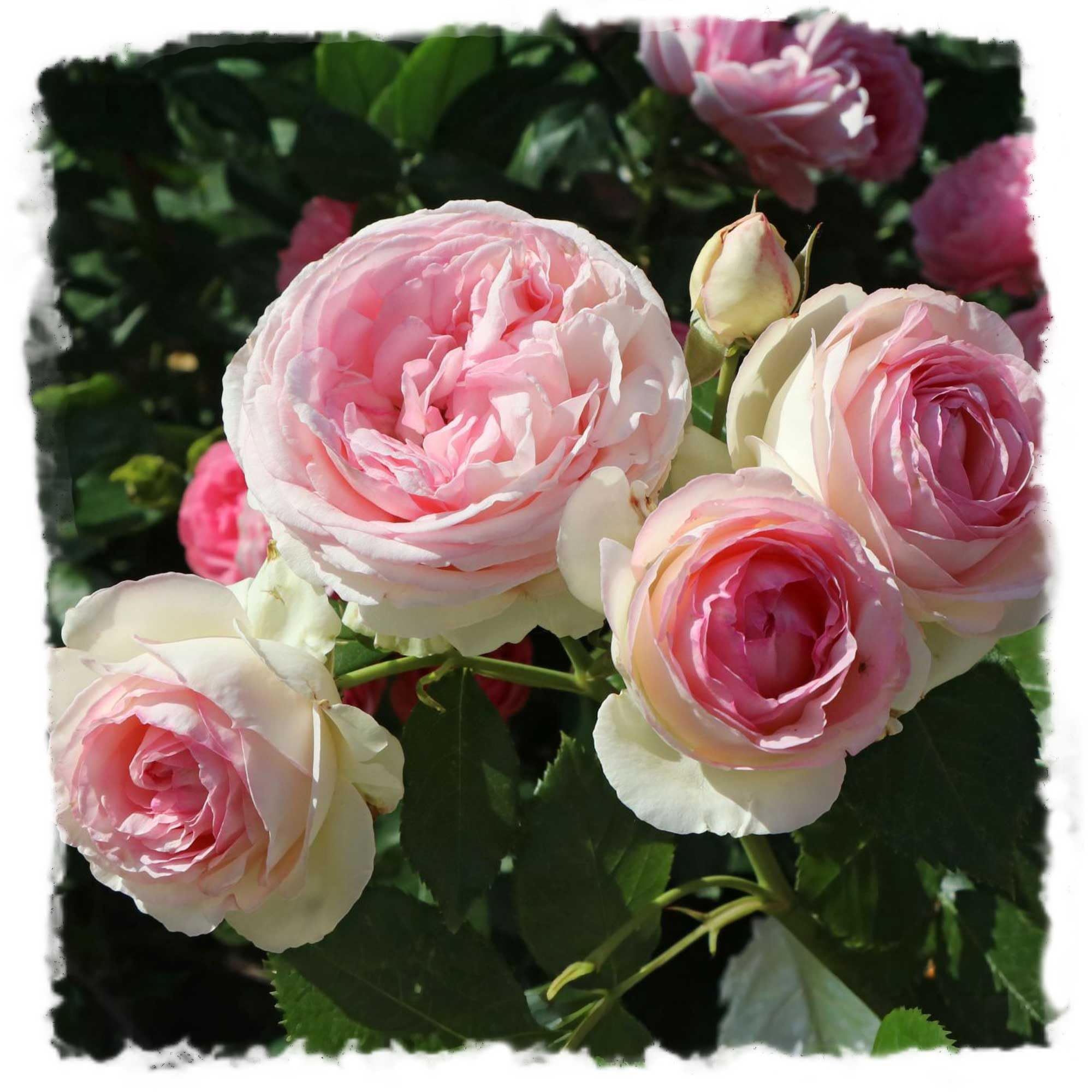
This is the climber you want when your fence runs 8, 10, or even 12 feet tall. Stargazer’s Eden Climber pushes out large, fragrant soft pink blooms with cream and chartreuse undertones reminiscent of English garden roses, and it does so repeatedly from spring through fall. The mature size of 12 feet tall and 6 to 8 feet wide means one plant can cover a substantial stretch of privacy fencing without needing a second. Grown on its own roots, it’s hardy in zones 5 through 9 and bounces back reliably after cold winters.
Buyer reports confirm that even with challenging shipping (one review noted a 2-week USPS delay and an upside-down box), the plant arrived green and healthy thanks to secure packaging. Buyers in zone 9b saw buds forming within weeks of planting in early April, and by the following season many reported explosive growth that surpassed 6 feet. The biodegradable 1.5-gallon fiber container simplifies transplanting — just open the pot and drop the whole thing into the ground.
The one critical review cites receiving a rootless cutting that failed to grow, which suggests occasional quality control slips. However, the overwhelming majority — dozens of verified buyers — describe it as a vigorous, true-to-variety climber that outperforms cheaper alternatives within a single growing season. For long fence lines where you need consistent coverage and repeat color, this is the most reliable pick.
Why it’s great
- 12-foot mature height covers tall privacy fences
- Own-root construction ensures winter hardiness
- Large reblooming pink flowers all season
Good to know
- Occasional reported issue with rootless cuttings
- Premium price point requires patience for maturity
2. Heirloom Roses Eden Climber
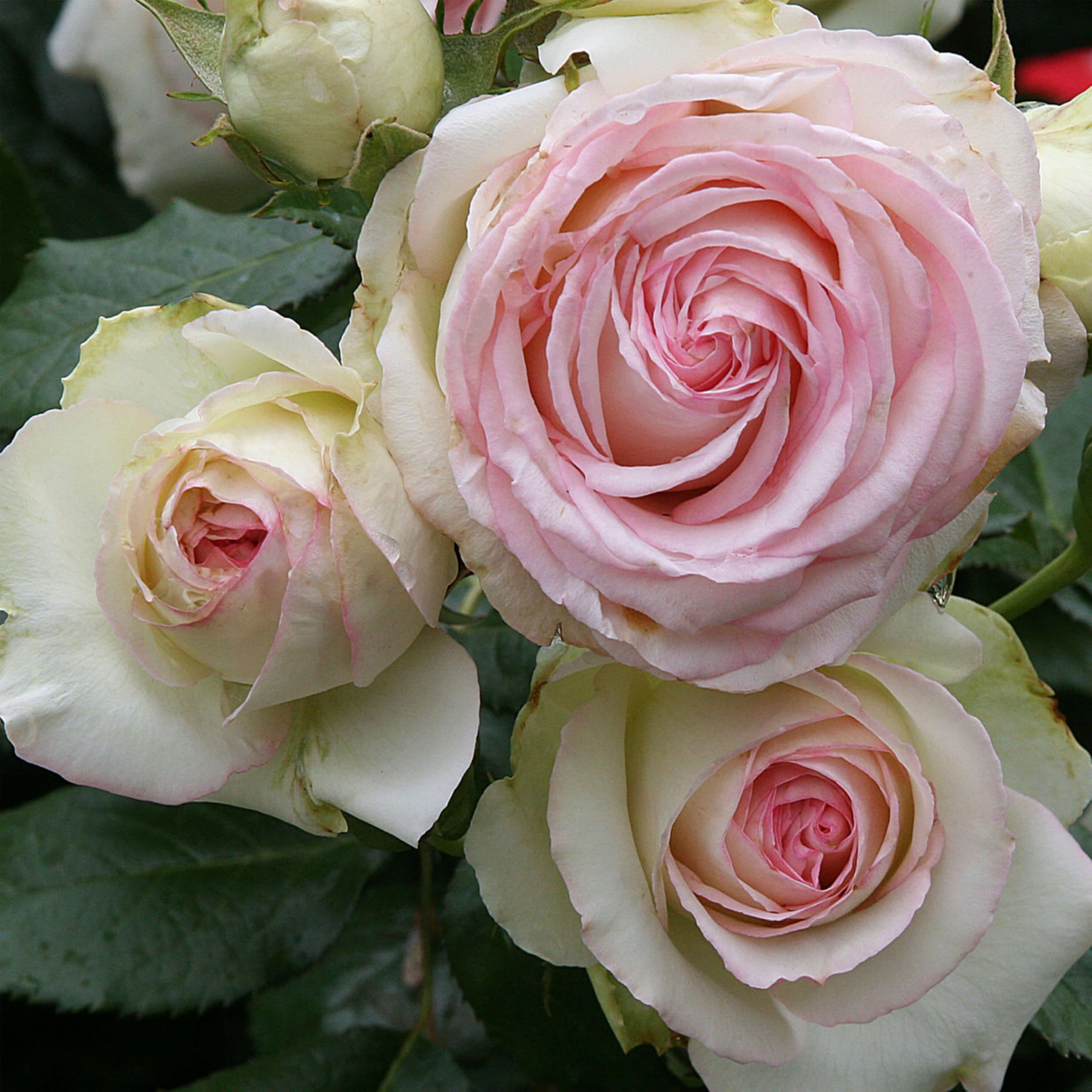
Heirloom Roses’ version of the Eden Climber offers a slightly different profile than the Stargazer variety. Predicted to reach 10 feet tall and 6 feet wide, this own-root plant is a touch more compact, making it ideal for walls or fences in the 8-foot range. The lightly fragrant blooms repeat in flushes from spring to fall, and the loam-friendly soil preference aligns with typical garden fence beds. The 1-gallon container size means the plant arrives more established (12–15 inches tall) than bare-root options.
Verified buyers report rapid early growth — one saw buds within weeks and the plant added three feet of vertical growth in just four weeks in partial sun. The blooms are described as large, soft pink with a classic cupped form, and the fragrance, while light, is pleasant and noticeable when you walk past the fence. The plant is hardy in zones 5 through 10, offering broader compatibility than the Stargazer version’s zone 5-9 range.
The primary concern surfaces in a small number of reviews mentioning poor survival rates after one year and unresponsive customer service. These complaints are not the majority, but they suggest that soil drainage and winter mulching matter significantly with this variety. If you have heavy clay soil that stays wet, consider amending the planting site or choosing a different variety. For most gardeners with well-draining loam, this Eden Climber delivers reliable fence coverage.
Why it’s great
- Hardy in zones 5-10, broader climate range
- Arrives 12-15 inches tall in 1-gallon pot
- Grows rapidly in partial or full sun
Good to know
- A few reports of poor survivability in heavy clay
- Customer service responsiveness inconsistent
3. Earth Angel Parfuma Rose by Stargazer Perennials
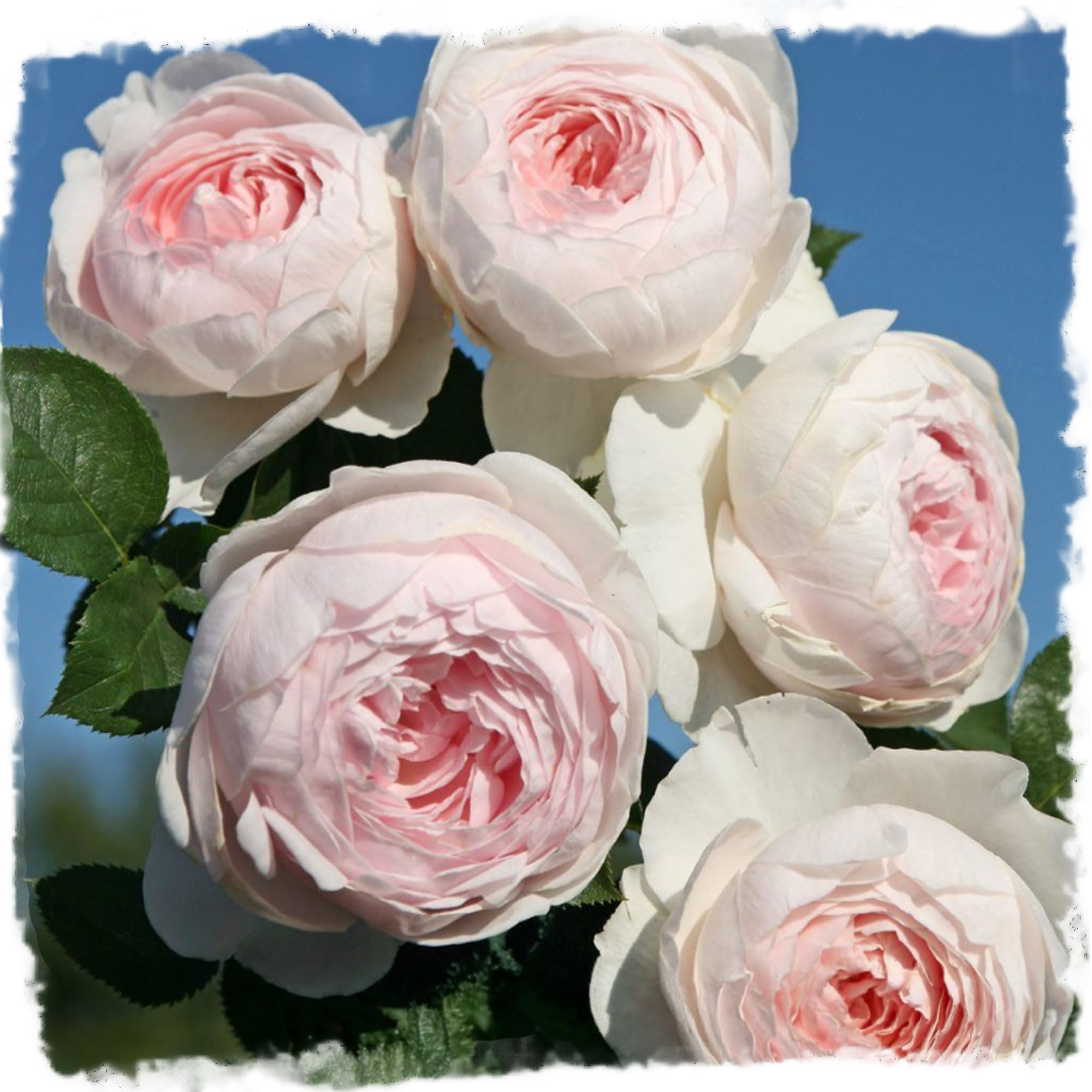
Not every fence needs a 12-foot monster. For smaller fences (4 to 5 feet tall) or for spots where you want a denser, bushier plant with peony-shaped blooms, the Earth Angel Parfuma is a stellar choice. It tops out at 4 to 5 feet tall and 4 feet wide, making it more of a mounding climber than a vertical rocket. The cream and blush pink blooms are intensely fragrant — described as a perfume rose scent — and they appear in clusters from April through September in most climates. The high petal count gives each flower a cabbage-rose look that translates beautifully to cut arrangements.
The plant arrives in a 1.5-gallon fiber container with fast-start fertilizer already mixed into the peat pot, removing the guesswork from early feeding. Verified buyers in zone 8b saw their first fragrant bloom by late May after planting at the end of March, and the plant proved hardy enough to survive hail damage and keep producing. One reviewer noted that the rose climbed well past the expected 5 feet, reaching over 6 feet straight up, suggesting that with good soil and full sun, it can exceed its listed dimensions.
Because the mature height caps around 5 feet, this is not the rose for a 8-foot privacy fence. But for a low garden fence, a chain-link fence border, or a large container flanking a gate, it provides exactly the right scale. The own-root construction ensures it overwinters reliably in zones 5 through 10. If fragrance and bloom density matter more than raw vertical reach, this is your pick.
Why it’s great
- Intense perfume fragrance from peony-shaped blooms
- Compact 4-5 ft height fits low fences
- Includes slow-release fertilizer in peat pot
Good to know
- Listed height can be exceeded in ideal conditions
- Not suitable for fences over 6 feet
4. Heirloom Climbing Roses Arborose Florentina
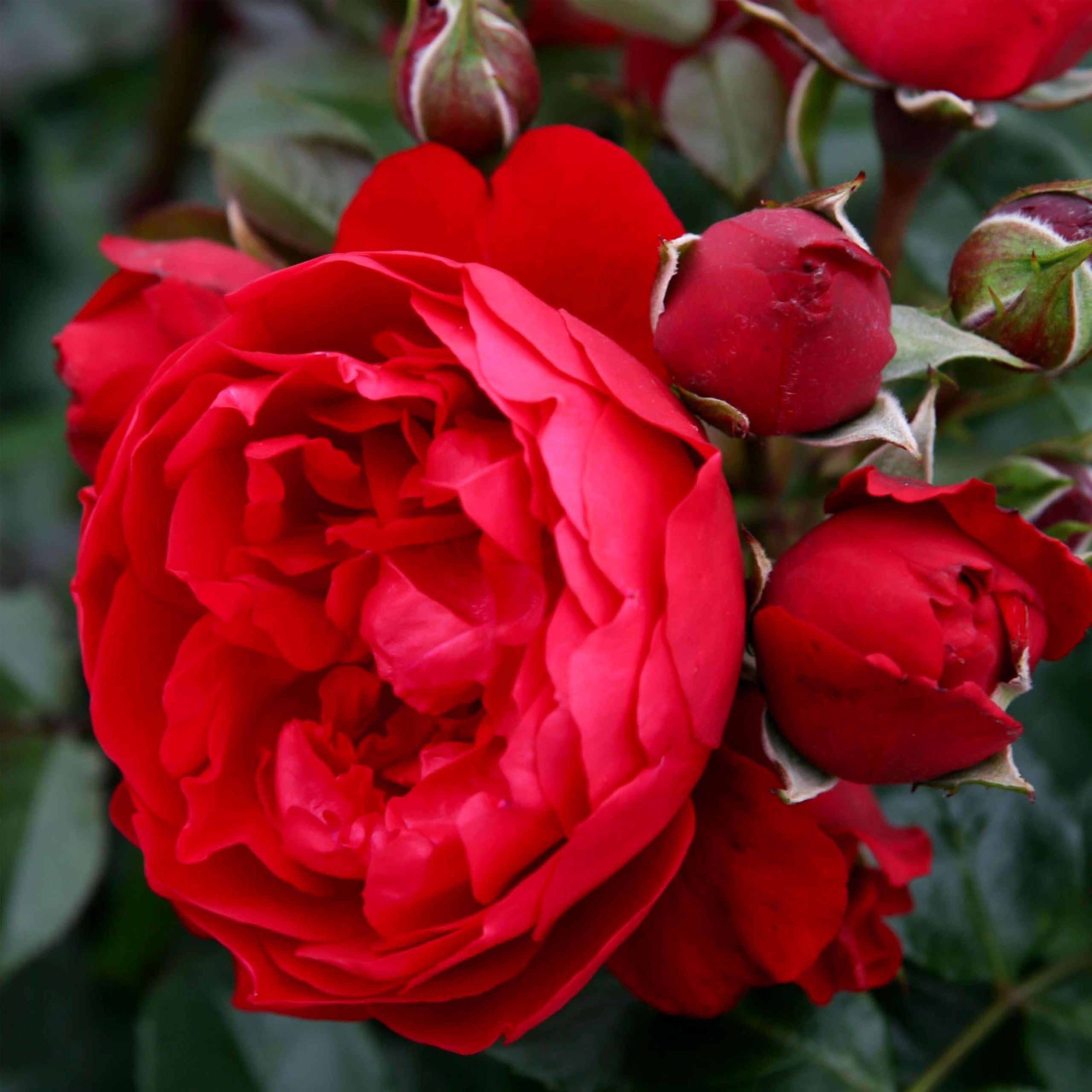
Florentina occupies a sweet spot in the climbing rose lineup — tall enough to cover a standard 6-foot fence (reaching 7 feet at maturity) but not so aggressive that it overtakes your yard. The blooms are a classic deep pink with ruffled inner petals that reviewers describe as breathtaking. The continual blooming habit means you get flushes of flowers from late spring through fall, not just one show. It is moderately fragrant, which is typical for roses in this range, and the scent is pleasant without being overwhelming.
Real-world performance from verified buyers is impressive. One review documented Florentina outperforming Don Juan and New Dawn in both height and bloom production by year two, even with only 4 hours of direct sun. After four years, the plant had overwhelmed its trellis, produced huge blooms, and showed excellent disease resistance — no black spot, a rarity for climbers in humid climates. Another buyer purchased a second plant after seeing how beautifully the first covered a wall, describing the overall look as “roses from Snow White movie.”
The downside is that a small number of buyers report plants that barely survived after one year, with unresponsive customer service as a secondary frustration. These complaints suggest that Florentina is more sensitive to soil conditions and winter protection than some other Heirloom varieties. If you provide well-draining sandy loam and moderate watering, the success rate appears very high. For a mid-range price, you get a healthy own-root plant that, under good conditions, becomes the focal point of your fence.
Why it’s great
- Continual bloomer with ruffled deep pink flowers
- Disease-resistant, no black spot in field reports
- Thrives in partial sun (4 hours minimum)
Good to know
- Sensitive to poor drainage and heavy clay
- Customer service mixed in warranty claims
5. Heirloom Climbing Roses Golden Gate
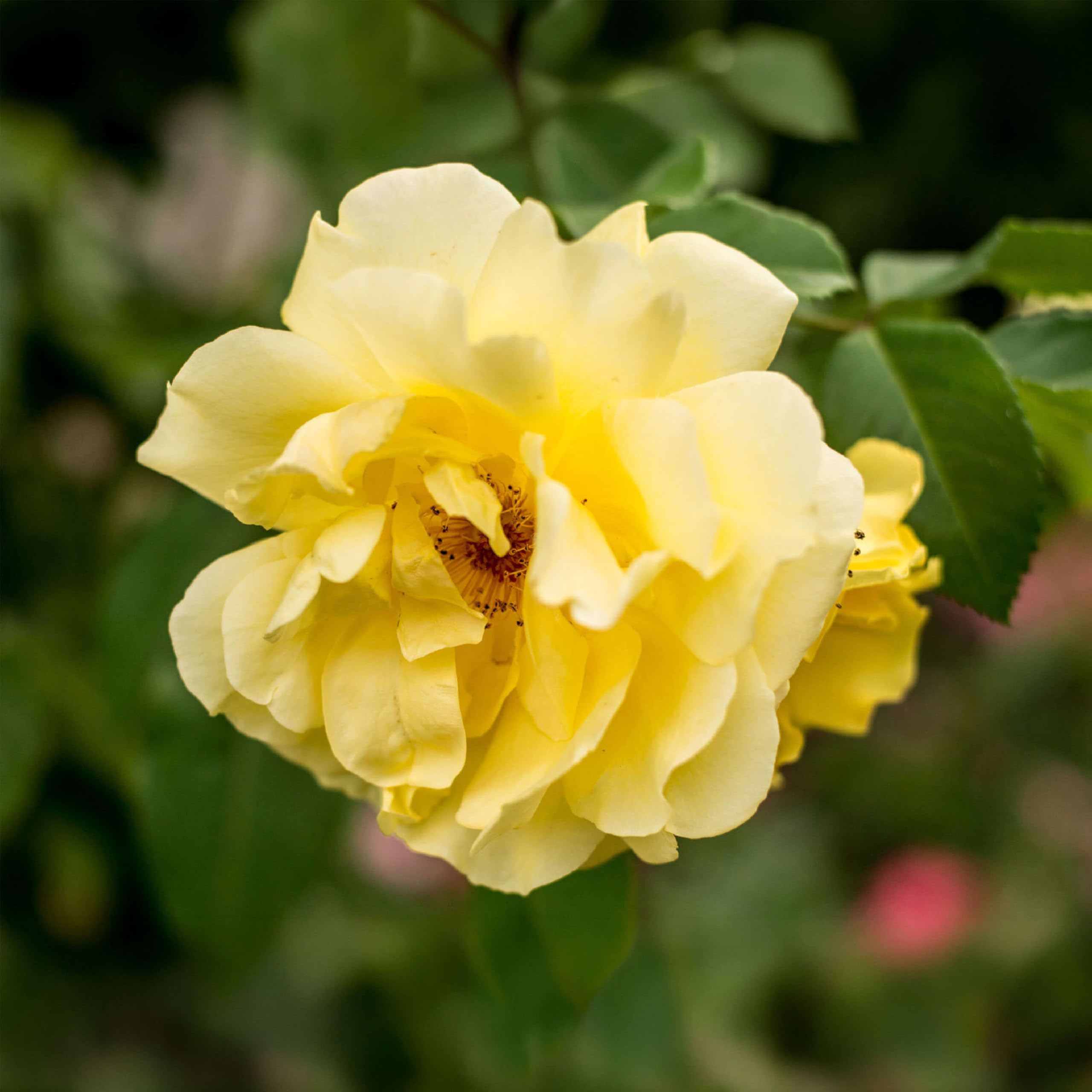
Golden Gate offers a different growth habit than most climbers — it spreads wider than it grows tall. At 8 feet tall and 5 to 6 feet wide, it’s designed to cover a broad section of fence rather than shoot straight up. This makes it an excellent choice for arches, arbors over gates, or short fence runs where you want the rose to fill horizontally. The yellow blooms are moderately fragrant and repeat in flushes throughout the growing season, providing consistent color from spring to fall. The own-root plant is hardy in zones 5 through 10.
Buyers report that the plant arrives looking thin and small, but within two weeks it sends out many new shoots and establishes quickly. One verified buyer noted that their Golden Gate survived winter without issue and was already showing leaf growth by early spring. The plant is shipped in a 1-gallon container with rich soil, and the 12–15 inch starter size is typical for this price tier. The repeat blooming habit is especially valued for fence applications where you want flowers at different heights across the width of the plant.
The most significant concern comes from a returning buyer who reported a decline in quality: the Lady Banks rose they received (which appears to be a variety mix-up) was shipped in a plastic bag with a disintegrated root ball and was less established than previous orders. This complaint suggests occasional packaging inconsistency. For the Golden Gate variety specifically, most buyers report healthy plants, but it’s worth noting that Heirloom’s packaging can vary by season. If spread width matters more than vertical reach for your fence, this is a strong contender.
Why it’s great
- Wide 5-6 ft spread fills horizontal fence space
- Repeat blooming yellow flowers all season
- Establishes quickly after planting
Good to know
- Some reports of packaging inconsistency
- Arrives small and thin, needs patience
6. Ma Cherie Roses Don Juan Red Climber

If you want instant gratification — a plant that arrives with buds and flowers already showing — the Ma Cherie Don Juan is your entry-level pick. This 2-quart pot plant is sold as ready to plant with a strong fragrance and large dark red blooms that appear all season. Multiple verified buyers report that their plant arrived with active buds and even open flowers, one noting it had “two buds and one flower” on arrival. The strong fragrance is a category standout; many red climbers are scentless or mild, but this one delivers a noticeable perfume.
The plant is grown on its own root, which provides better long-term hardiness than grafted alternatives. Buyers in challenging climates like southern Arizona confirm that the plant rooted quickly and sprouted new leaves within a week of planting. The included cotton rose bag is a nice protective touch during shipping. The expected blooming period is listed as year-round in the right climate, which means in zones 9 and warmer you may get flowers even in winter.
The limitation here is that as a 2-quart pot plant, it starts smaller than the 1-gallon competitors. You will likely need two or three plants spaced along a fence to achieve full coverage, whereas a single 1-gallon climber can fill the same area. The mature size is not explicitly stated in the specs, so you are somewhat dependent on the plant’s genetic vigor. For a budget-friendly start on a small fence or for anyone who wants to see flowers immediately, this is a satisfying choice.
Why it’s great
- Arrives with buds or flowers already showing
- Strong classic rose fragrance
- Own-root construction for hardiness
Good to know
- Smaller starter size requires multiple plants for coverage
- Mature dimensions not clearly specified
FAQ
How far apart should I plant climbing roses along a fence?
Can I train a climbing rose on a vinyl or metal fence?
How long does it take for a climbing rose to cover a fence completely?
Final Thoughts: The Verdict
For most users, the best climbing roses for fences winner is the Stargazer Perennials Eden Climber because it delivers the greatest vertical reach (12 feet) with reliable own-root hardiness and repeat-blooming pink flowers that cover a tall privacy fence within two seasons. If you want a wide-spreading yellow climber for an arch or gate, grab the Heirloom Golden Gate. And for a compact, intensely fragrant option on a low garden fence, nothing beats the Earth Angel Parfuma.

Mo Maruf
I created WellFizz to bridge the gap between vague wellness advice and actionable solutions. My mission is simple: to decode the research and give you practical tools you can actually use.
Beyond the data, I am a passionate traveler. I believe that stepping away from the screen to explore new environments is essential for mental clarity and physical vitality.