Our readers keep the lights on and my smoothie glass nicely filled. As an Amazon Associate, I earn from qualifying purchases.
Nothing ruins the promise of a home orchard like biting into a cherry that tastes of nothing but disappointment. The difference between a bland, watery harvest and a bowl full of sweet, firm fruit starts with one decision: picking a variety bred for flavor, not just ornamental looks. Most cherry trees sold online are chosen for hardiness or bloom volume, leaving growers with a tree that looks pretty but delivers fruit that’s barely edible.
I’m Mohammad Maruf — the founder and writer behind WellFizz. My research into cherry tree genetics, chill-hour requirements, and grower feedback across multiple climate zones helps me separate the truly productive fruit trees from the ones that are just landscape filler.
After analyzing dozens of cherry tree listings, nursery specs, and real-world harvest reports, this guide highlights the top performers that actually produce fruit worth eating. This is your definitive resource for finding the best cherry tree for eating.
How To Choose The Best Cherry Tree For Eating
Selecting a cherry tree for fresh eating requires a different set of criteria than choosing an ornamental or a pie cherry. The sweetness, firmness, and size of the fruit depend on genetics, rootstock, and your local climate. Here are the three most important factors to consider before you buy.
Chill Hour Requirements
Sweet cherry trees need a specific number of chill hours — hours between 32°F and 45°F during winter dormancy — to break bud and set fruit. Low-chill varieties (under 400 hours) suit warmer southern climates, while standard sweet cherries thrive in zones 5-8 where chill hours exceed 800. Buying a tree that doesn’t match your region’s chill hours guarantees no fruit, no matter how healthy the plant looks.
Pollination Needs
Most sweet cherry trees are not self-pollinating. You will need at least two compatible varieties planted within 50-100 feet of each other to get fruit. Some sellers offer “self-fertile” varieties like Stella or Lapins, but even those often produce heavier crops with a pollinator partner. Check the pollination group and bloom timing before ordering — mismatched bloom windows mean zero cherries.
Tree Size and Rootstock
Standard cherry trees can reach 30-40 feet, making harvest difficult without ladders. Dwarf and semi-dwarf rootstocks keep the tree between 8-15 feet, making netting, pruning, and picking far easier. For home growers with limited space, a tree on dwarfing rootstock provides the best balance of early fruiting and manageable size.
Quick Comparison
On smaller screens, swipe sideways to see the full table.
| Model | Category | Best For | Key Spec | Amazon |
|---|---|---|---|---|
| Brighter Blooms – Bing Cherry Tree | Premium | Immediate harvest potential | 4-5 ft tall in pot, fruits first year | Amazon |
| Cherry Tree Live Plant (TAZGO) | Premium | Established backyard orchard | 3-4 ft tall in 3-gallon pot | Amazon |
| 2 Sweet Black Cherry Plants (AKTRD) | Mid-Range | Multi-tree planting | 1-2 ft bare-root, zones 3-9 | Amazon |
| 2 Black Cherry Trees Live (AKTRD) | Mid-Range | Value pair for home orchards | 1-1.5 ft bare-root, 2 trees | Amazon |
| Black Cherry Tree Live Plants 1–2 Ft (CZ Grain) | Mid-Range | Fast-growing native variety | 1-2 ft tall, zones 3-10 | Amazon |
| Dwarf Bonsai Black Cherry (CZ Grain) | Budget | Bonsai or small-space growing | Dormant seedling, full sun | Amazon |
| Black Cherry Bonsai Tree (CZ Grain) | Budget | Beginner grower trial | 1-year seedling, partial sun | Amazon |
In‑Depth Reviews
6. Brighter Blooms – Bing Cherry Tree, 4-5 ft.
The Brighter Blooms Bing Cherry Tree arrives as a substantial 4-5 foot specimen in a pot, which is a significant head start compared to bare-root sticks. Bing is the supermarket standard for a reason — it produces large, deep-red cherries with firm flesh and classic sweet flavor. This tree is ready to fruit in its very first year, eliminating the multi-year wait typical of smaller seedlings.
The tree is well-suited to home orchards in zones 5-8 and shows surprising drought tolerance once established, reducing the burden of constant watering. Multiple verified buyers report healthy trees that shipped quickly and arrived with intact root systems, though shipping restrictions apply to several western states due to agricultural regulations.
Customer service from Brighter Blooms is notably responsive — several reviews describe broken trunks being replaced immediately with no hassle. At roughly 4-5 feet tall, this is the closest you can get to an instant cherry tree without buying a fully mature specimen, making it the top choice for anyone who wants cherries this season rather than years from now.
Why it’s great
- Large 4-5 ft tree fruits in its first year
- Superior sweet flavor with firm texture
- Excellent customer service for replacements
Good to know
- Cannot ship to AZ, CA, CO, ID, OR, WA
- Requires a pollinator for best yields
- Premium price reflects larger established size
5. Cherry Tree Live Plant (TAZGO) – 3–4 Feet Tall in 3 Gallon Pot
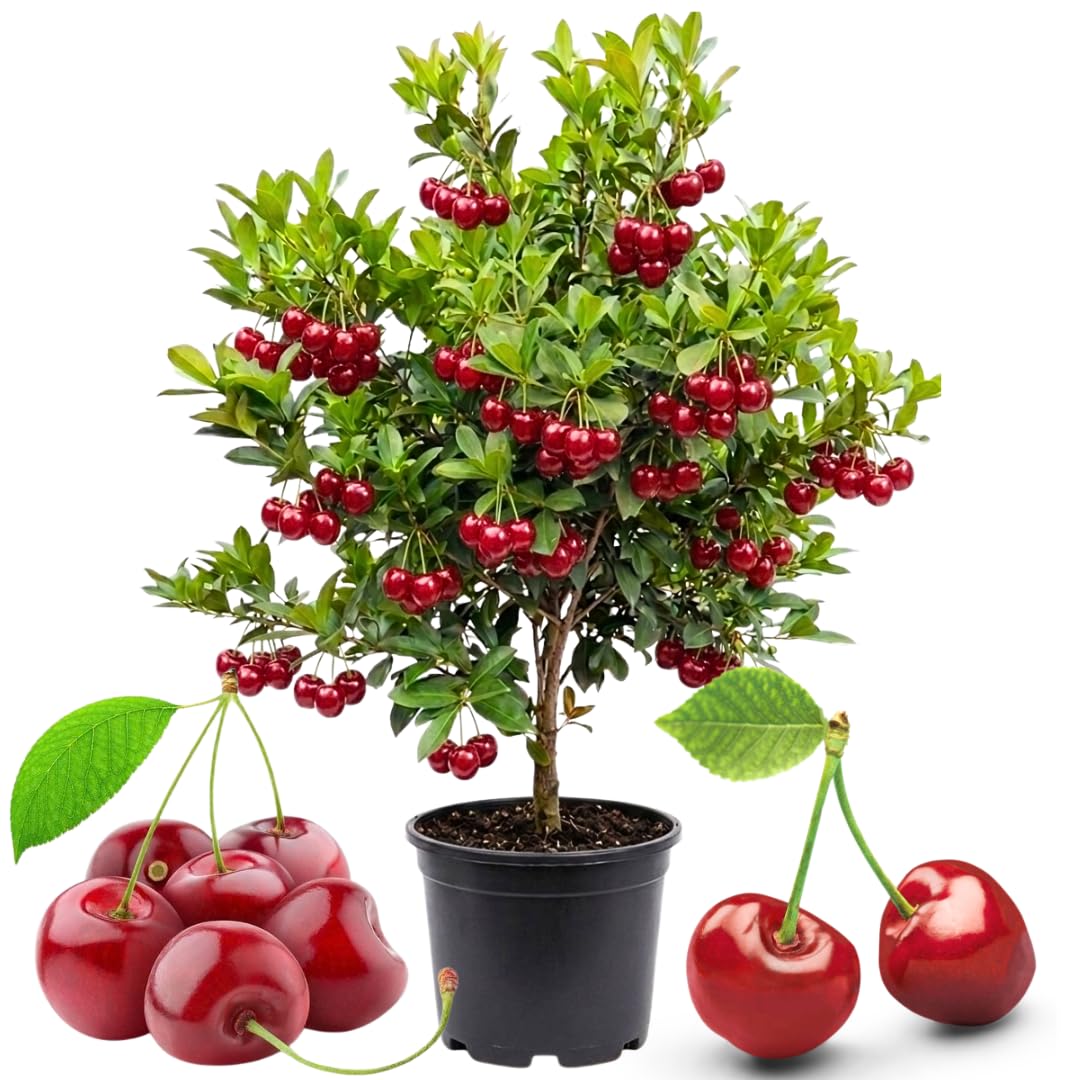
The TAZGO red cherry tree arrives in a 3-gallon pot at 3-4 feet tall, providing a well-established root system that transplants with minimal shock. This is a significant advantage over bare-root options — the tree is already actively growing with leaves and branches, so you can see exactly what you are getting. It is suited for zones 5-8 and requires 6-8 hours of direct sunlight daily.
Buyers report that the packaging is excellent, with wet newspaper around the roots and the pot taped securely to prevent shifting during transit. Several customers noted the tree was even taller than advertised, reaching nearly 5 feet in some cases. The tree prefers well-draining loamy or sandy soil and moderate watering — avoid waterlogged conditions.
One important caveat: this tree cannot be shipped to California due to agricultural restrictions. A small number of buyers experienced delivery issues, but the majority received healthy, vigorous trees that are now growing well. For anyone wanting an established head start without paying for a fully mature specimen, this potted tree offers an excellent compromise.
Why it’s great
- 3-4 ft potted tree with active growth
- Excellent packaging protects roots
- Mature height 15-30 feet for heavy yields
Good to know
- Cannot ship to CA, AK, AZ, HI
- May need a second tree for pollination
- Some reported delivery issues
4. 2 Sweet Black Cherry Plants Live (AKTRD) – 1-2 Feet Tall
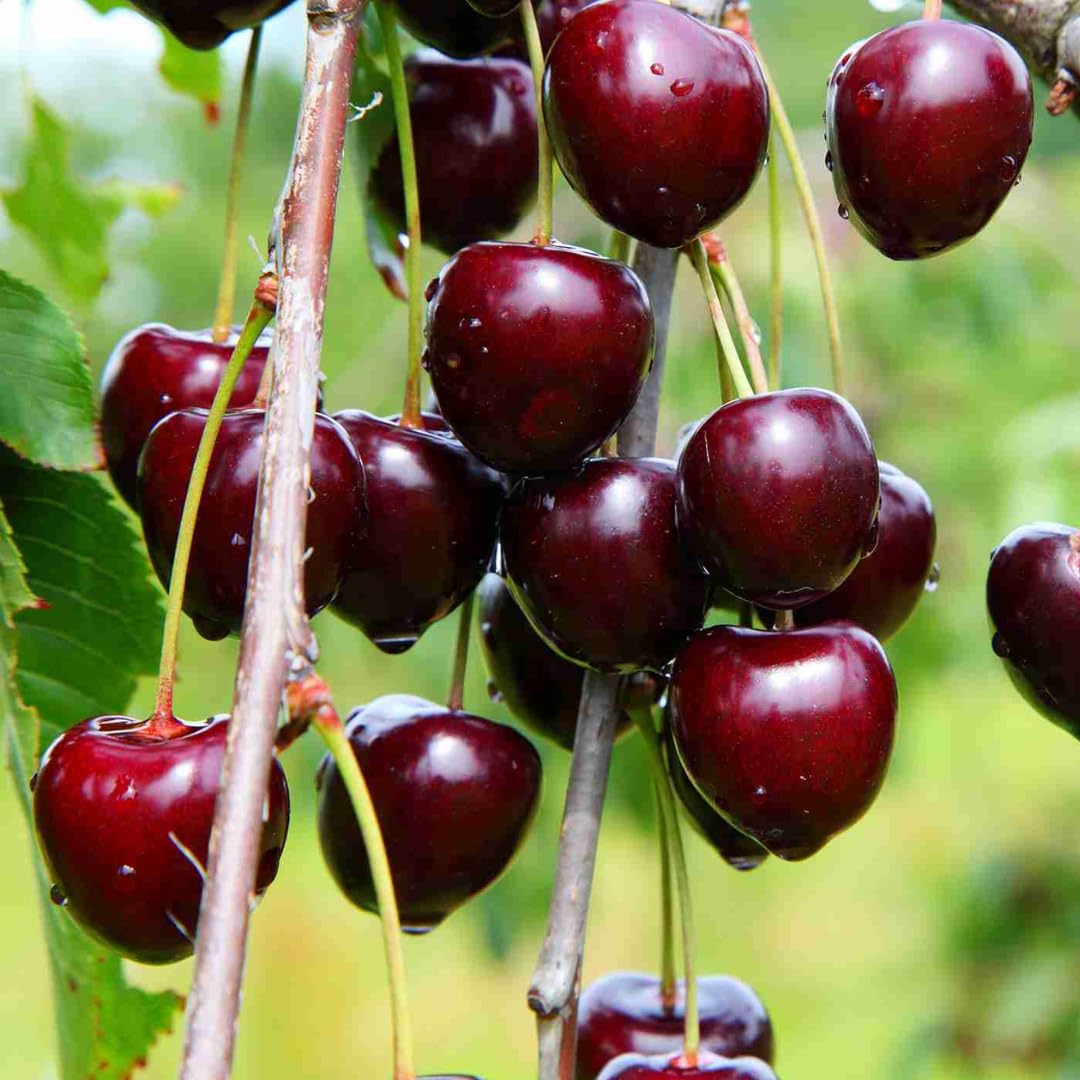
This package includes two sweet black cherry bare-root trees, each 1-2 feet tall, giving you an instant mini orchard for the price of a single premium tree. The variety is described as producing large dark cherries that ripen in mid-to-late July, with adaptability to zones 3-9 — a wider range than many sweet cherry varieties can handle.
The bare-root format means the trees arrive dormant, which is actually ideal for spring planting as long as you get them in the ground quickly. Several buyers confirmed the trees were well-protected in transit and started growing quickly after planting. Having two trees also solves the pollination problem — you get cross-pollination benefits automatically.
The main trade-off is size: at 1-2 feet, these are small starters that will take several years to reach significant fruiting. A few buyers reported that not all trees survived, which is always a risk with bare-root plants. But for the price of two trees in one purchase, this is a solid entry point for building a home cherry orchard from scratch.
Why it’s great
- Two trees for cross-pollination included
- Wide hardiness zone range (3-9)
- Bare-root format is ideal for spring planting
Good to know
- Small 1-2 ft size means years until harvest
- Survival rate varies based on planting care
- Bare-root requires immediate planting
3. 2 Black Cherry Trees Live Plant (AKTRD) – Bareroots Dormant 1-1.5 Feet
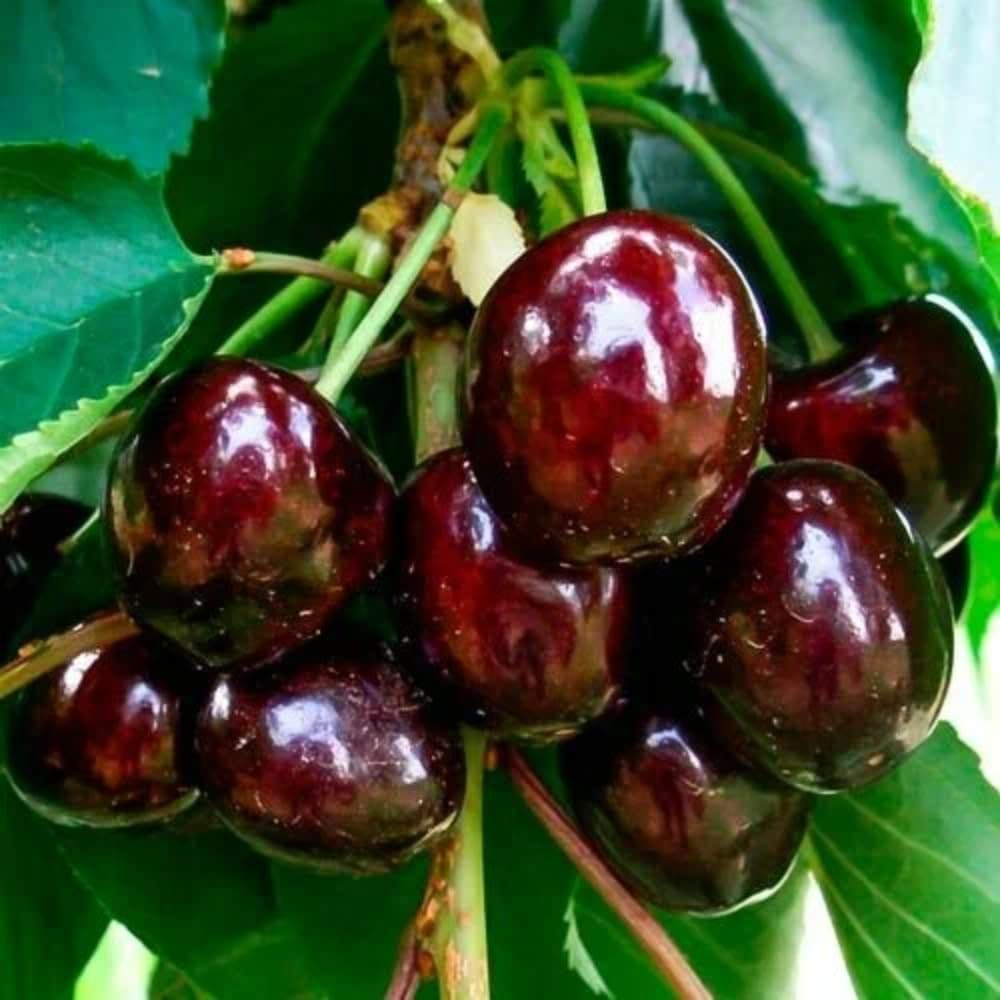
This twin pack of wild black cherry trees offers a similar value proposition to the previous entry but with a slightly different variety. These are described as producing purple-black sweet cherries that ripen in late June, making them an early-season option. The trees are bare-root and dormant, sized between 1 and 1.5 feet, and suited to zones 4-8.
Buyers consistently note that the trees arrive as small stick-like starters with wrapped roots, which is normal for dormant bare-root plants. Patience is essential here — these will not produce fruit in their first year. However, several reviews report quick growth after planting, with trees “taking off” vigorously within weeks.
One concern: a minority of reviewers received dried-out plants that struggled to recover. The key to success with bare-root trees is planting within 24-48 hours of arrival and keeping the roots moist until then. For the price of two trees, this is a reasonable gamble for growers who understand the care requirements of dormant bare-root stock.
Why it’s great
- Two trees at an economical price point
- Early June ripening for extended harvest
- Reported to grow quickly once planted
Good to know
- Very small starter size requires patience
- Some plants arrived dried out
- Dormant bare-root needs immediate planting
2. Black Cherry Tree Live Plants 1–2 Ft Tall (CZ Grain) – Prunus serotina

The CZ Grain black cherry tree (Prunus serotina) is a native North American species known for its fast growth and adaptability across an enormous range of climates — zones 3 through 10. These trees arrive as well-rooted live plants measuring 1-2 feet tall, ready to go into the ground immediately. The species is prized for wildlife habitat and edible cherries, though the fruit is smaller than commercial Bing cherries.
This tree is an excellent choice for growers who want a low-maintenance, hardy tree that will establish quickly and support local pollinators and birds. The dark cherries are indeed edible for humans and work well for jams, syrups, and baking. The tree is described as fast-growing with strong adaptability to different soil types.
However, several buyers have noted that the product images can be misleading — the fruit of Prunus serotina is typically less than half an inch in diameter, not the large sweet cherries shown in marketing photos. If you are expecting supermarket-size cherries, this may disappoint. But for a native, resilient tree that produces edible fruit and supports your local ecosystem, this is a solid addition to any property.
Why it’s great
- Extremely wide hardiness range (zones 3-10)
- Fast-growing native species
- Supports wildlife and pollinators
Good to know
- Fruit is small (under 0.5 inches)
- Not suitable for fresh eating if expecting large cherries
- Some plants did not survive after planting
1. Dwarf Bonsai Black Cherry Fruit Tree (CZ Grain) – Prunus serotina
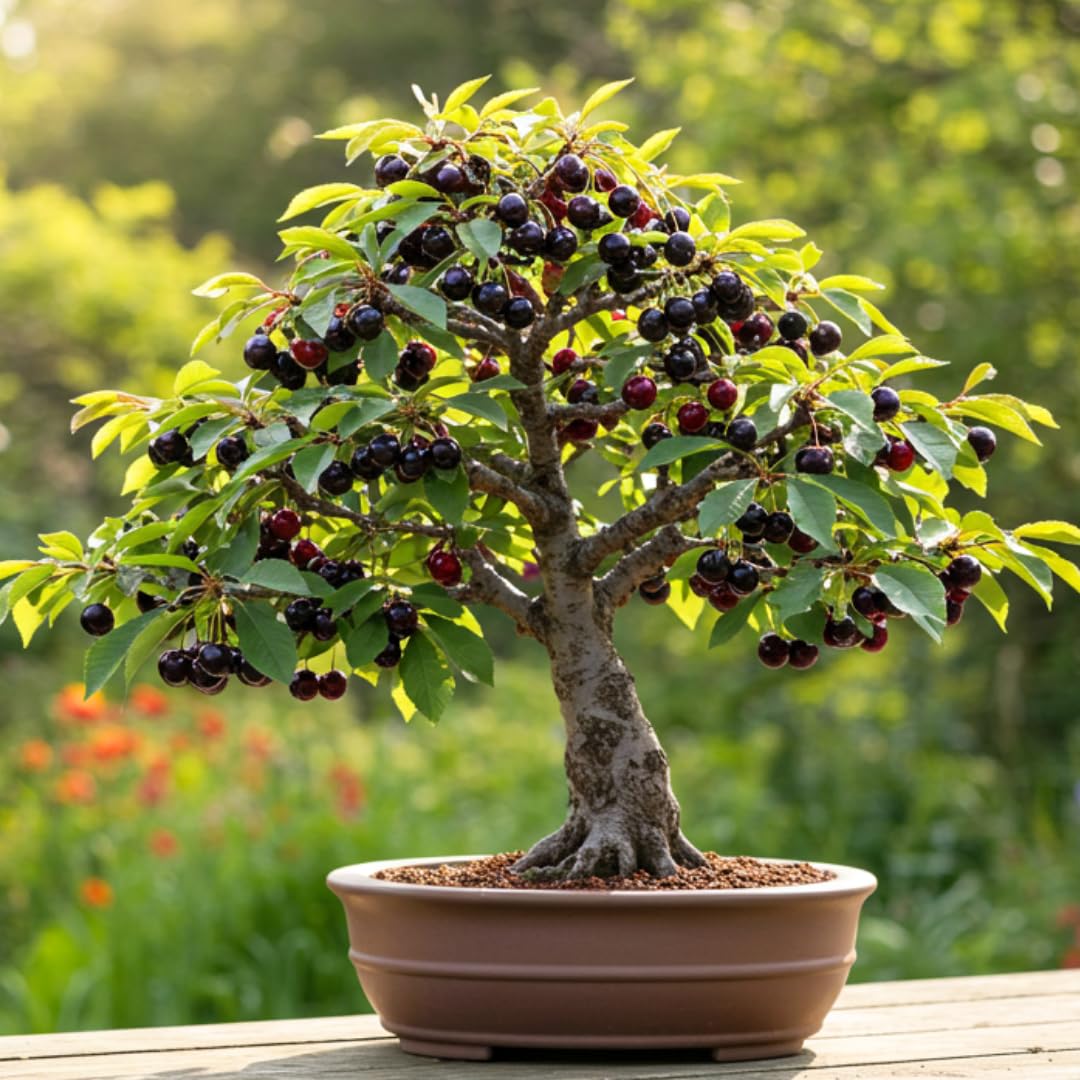
This black cherry seedling from CZ Grain is positioned as both a fruit tree and a bonsai specimen, giving it unique versatility for small-space growers. The seedling arrives dormant without leaves or fruit, which is standard for this type of bare-root plant. It requires full sun and nutrient-rich soil for best results.
Buyer feedback is mixed but generally positive regarding the health of the plant — most report that the seedling arrived with a good root system and began growing quickly after planting. The tree is described as “easy to grow” and not labor-intensive, making it a reasonable choice for beginners who want to try growing a cherry tree without a large investment.
The main criticism comes from unrealistic expectations about fruit production. This is a young seedling, not a grafted fruit tree, so it will take several years to produce any cherries. One reviewer noted no fruit in the second year, which is entirely normal for a seedling tree. If you want quick fruit, this is not the right choice. But for a low-cost entry into cherry growing or an interesting bonsai project, it fills a specific niche.
Why it’s great
- Versatile as bonsai or outdoor tree
- Healthy root systems reported
- Low-cost entry for beginners
Good to know
- Years away from fruit production
- Dormant arrival can be underwhelming
- Not suitable for quick harvest
7. Black Cherry Bonsai Tree for Growing (CZ Grain) – 1 Year Seedling
This listing is very similar to the previous CZ Grain seedling but advertised specifically as a 1-year-old black cherry bonsai starter. It is described as a garden favorite that produces sweet cherries perfect for pies and fresh eating, though as a seedling it will not fruit for several years. The tree prefers partial sun and moderate watering.
Buyers who had success with this plant note that it is easy to maintain and grows steadily with minimal effort. One reviewer described extensive growth in a short time and expressed excitement about future cherries. The tree is shipped as a dormant seedling, which is the standard for this price tier.
The drawbacks mirror the previous seedling: a very young plant that requires years of patience before any harvest, and some buyers received trees that appeared younger than advertised. One reviewer estimated their tree was only 6 months old. For growers willing to wait, this remains the cheapest way to start a cherry tree, but the “fruit for eating” claim applies to the mature tree years down the line, not the seedling in the box.
Why it’s great
- Very low cost entry point
- Easy maintenance for beginners
- Can be grown as bonsai or full tree
Good to know
- Extremely young plant with long wait for fruit
- Some trees may be under 1 year old
- Not suitable for immediate harvest
FAQ
How long does it take for a cherry tree to produce fruit for eating?
Can I grow a cherry tree for eating in a warm climate like zone 9?
Final Thoughts: The Verdict
For most users, the best cherry tree for eating winner is the Brighter Blooms Bing Cherry Tree because it arrives as a large, established 4-5 foot tree that fruits in its first year and delivers the classic sweet cherry flavor everyone expects. If you want a potted tree that is ready to go with less upfront investment, grab the TAZGO Cherry Tree in a 3-gallon pot. And for budget-minded growers who want two trees for cross-pollination, nothing beats the value of the AKTRD Sweet Black Cherry Plants twin pack.

Mo Maruf
I created WellFizz to bridge the gap between vague wellness advice and actionable solutions. My mission is simple: to decode the research and give you practical tools you can actually use.
Beyond the data, I am a passionate traveler. I believe that stepping away from the screen to explore new environments is essential for mental clarity and physical vitality.