Our readers keep the lights on and my smoothie glass nicely filled. As an Amazon Associate, I earn from qualifying purchases.
Cheap matcha has a deservedly bad reputation — muddy brown color, aggressive bitterness, and a gritty texture that turns a simple morning ritual into a chore. But spending more doesn’t automatically fix the problem because many budget-tier options are really just dyed green tea powder with no umami, no vibrant green hue, and no silky mouthfeel. The trick lies in knowing exactly which stone-ground leaves deliver that sweet, grassy finish without demanding a premium price tag.
I’m Mohammad Maruf — the founder and writer behind WellFizz. I’ve spent hundreds of hours comparing Japanese origin labels, harvest seasons, and stone-grind certifications across dozens of matcha powders to identify the rare affordable brands that don’t sacrifice flavor or color.
After filtering through taste tests, texture checks, and shade-grown sourcing details, this guide will show you which options actually stand out as the best cheap matcha powder for lattes, baking, and everyday drinking.
How To Choose The Best Cheap Matcha
Cheap matcha is not a compromise if you know where to look. The most affordable options usually skip ceremonial-grade leaves in favor of culinary-grade or late-harvest leaves, but that doesn’t mean they have to taste like dirt. Your decision hinges on harvest timing, origin transparency, and grind fineness — three factors that separate real matcha from imposter powders.
Harvest Season and Leaf Position
First-harvest (first-flush) leaves are the youngest, tenderest leaves at the top of the tea plant. They contain the highest concentration of L-theanine, which produces natural sweetness and umami. Second-harvest leaves are coarser and more bitter. When browsing cheap matcha, look for explicit “first harvest” claims on the label — that single detail more than anything predicts whether your cup will taste smooth or harsh.
Grind Method: Stone vs. Blade
Authentic matcha is ground between two granite stones, a slow process that generates minimal heat and preserves chlorophyll and amino acids. Blade-ground powders — often found in ultra-cheap bags — heat the leaf during grinding, destroying delicate flavors and turning the powder brownish over time. The granule size from stone grinding is measured in microns (typically 30–40 microns for ceremonial grade, slightly coarser for culinary). If the powder feels silky between your fingers, it was stone-ground.
Origin Transparency
Japan-grown matcha from Uji, Kagoshima, or Shizuoka commands higher prices because of regulated farming practices and ideal growing conditions. China-grown matcha is generally cheaper but can contain more stem material and less chlorophyll, resulting in a dull green color and grassy bitterness. The best cheap matcha clearly states its Japanese prefecture of origin rather than hiding behind vague “imported” labels.
Quick Comparison
On smaller screens, swipe sideways to see the full table.
| Model | Category | Best For | Key Spec | Amazon |
|---|---|---|---|---|
| Naturebell Organic Matcha | Culinary Grade | Lattes & Baking | 1 lb bulk bag | Amazon |
| Jade Leaf Culinary Grade | Culinary Grade | Daily Drinking & Recipes | 100g resealable pouch | Amazon |
| Matcha Moon Ceremonial | Ceremonial Grade | Pure Tea Ceremony | Uji Kyoto First Harvest | Amazon |
| MRM Superfoods Matcha | Superfood Powder | Smoothies & Baking | Third-party lab tested | Amazon |
| Stash Chai Green Tea | Tea Bags | Convenient Brewing | 120 tea bags | Amazon |
In‑Depth Reviews
1. Naturebell Organic Matcha Green Tea Powder
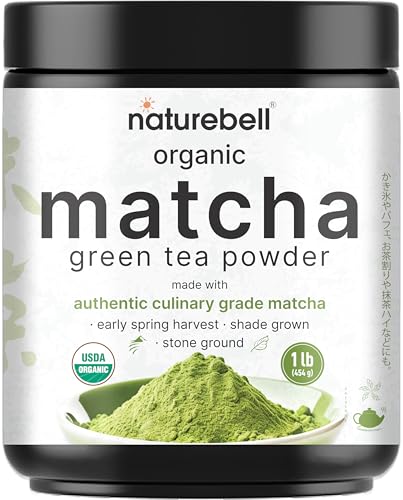
Naturebell delivers a rare combination in the cheap matcha space — a full pound of culinary-grade powder that maintains a bright green color and a fine, silky texture without the dusty brown tint common in bargain bulk matcha. Users report that it dissolves easily with a frother, producing minimal clumps even in cold liquid, which is unusual for matcha at this size and price tier. The early spring leaf harvest contributes enough chlorophyll to keep the flavor fresh and non-bitter when used in lattes or smoothies.
The 1-pound bag provides roughly 320 servings if you use one scoop per drink, making it a practical choice for daily drinkers or households that go through matcha quickly. Third-party lab testing covers radiation screening and heavy metal checks, which adds accountability that many bulk matcha sellers skip. The powder works well in baking applications too — it holds its green tint and mild flavor when mixed with flour for cakes or pancakes.
One limitation is that this is culinary grade, not ceremonial grade, so drinking it straight with just hot water will reveal a slightly more vegetal profile compared to premium matcha meant for traditional tea ceremony. But for a low-cost matcha meant to be blended into milk or batter, the flavor consistency and texture are well above average for the price bracket.
Why it’s great
- Extremely high serving count per dollar
- Bright green color with fine stone-ground consistency
- Third-party tested for purity and radiation
Good to know
- Not suitable for straight ceremonial drinking
- Some clumps may require a frother for smooth mixing
2. Jade Leaf Organic Culinary Grade Matcha Powder

Jade Leaf’s culinary grade matcha sits at the sweet spot between pure affordability and dependable quality. Sourced from Uji and Kagoshima in Japan, the powder arrives with a vibrant green color that stays true even after weeks of opening the resealable pouch — a clear sign that the leaves were shade-grown and stone-ground properly. Users consistently note that it blends smoothly into lattes with little to no grittiness, and the flavor profile leans mildly vegetal with just a hint of natural sweetness, no bitter aftertaste.
This 100-gram pouch yields approximately 20 to 25 lattes depending on your dosage, and reviewers report that the taste rivals what you get from café chains like Dunkin’. The USDA Organic certification and farm-direct sourcing give it a transparency edge over other culinary-grade options at similar price points. It’s also versatile outside drinks — several users mention using it in baking recipes, though the subtle bitterness becomes slightly more pronounced when baked at high heat.
The main trade-off is that this is culinary grade rather than ceremonial, so purists who prefer drinking matcha whisked with only hot water may find it lacks the full umami depth of a first-harvest ceremonial blend. But for daily lattes, smoothies, and matcha-flavored treats, it consistently outperforms other cheap matcha powders in both texture and freshness.
Why it’s great
Strong points
- Reliable Japanese origin with USDA Organic certification
- Smooth texture with bright green color that holds over time
- Cafe-quality taste comparable to premium chain drinks
Good to know
- Smaller 100g size may run out quickly for heavy daily users
- Culinary grade means slightly less complex flavor when drunk straight
3. Matcha Moon Pure Zen Ceremonial Grade Matcha Powder
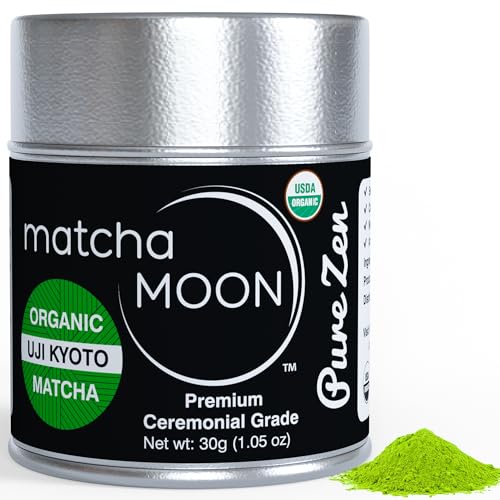
Matcha Moon stands out as the only ceremonial-grade option among these affordable matcha picks, sourced from the first harvest of Uji Kyoto leaves — widely considered the finest tea-growing region in Japan. The powder is stone-ground to a micron-fine consistency that yields a velvety mouthfeel and a natural sweetness that doesn’t need milk or sweetener to mask bitterness. Multiple users confirm that even when whisked with hot water at a high ratio, the tea remains smooth, grassy, and free of the harsh astringency that plagues cheap ceremonial imitations.
The 30-gram tin is sealed to preserve freshness, and the small size reflects the premium nature of the leaves inside — this is matcha intended for sipping straight, not for mixing into a latte or batter. Reviewers frequently mention the buttery finish and vibrant micro-foam that forms when whisked properly, which is a strong indicator of high chlorophyll content and correct stone grinding. For an affordable ceremonial-grade matcha, it delivers an unusually balanced flavor that approaches what you’d expect from much more expensive tins.
The obvious drawback is the quantity: 30 grams disappears quickly if you drink matcha daily, making this better suited as a weekend treat or occasional ceremony rather than a daily driver. Some reviewers note that the price per gram is higher than culinary-grade alternatives, which is expected for ceremonial quality. But for anyone who wants authentic Uji ceremonial matcha without jumping to the top of the price scale, this is the best compromise available.
Why it’s great
- Genuine Uji Kyoto first harvest with sweet umami profile
- Stone-ground to ultra-fine, silky texture
- Produces beautiful micro-foam with traditional whisking
Good to know
- Small 30g tin offers limited servings per dollar
- Best reserved for straight drinking, not culinary use
4. MRM Superfoods Matcha Green Tea Powder
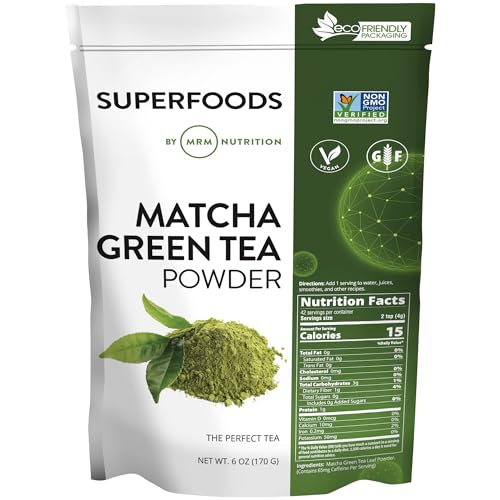
MRM Superfoods positions its matcha as a functional wellness ingredient rather than a ceremonial experience, and it performs admirably in that role. The powder is unsweetened and free of additives, making it a clean option for smoothies, oatmeal, yogurt, and baked goods. Users highlight that it blends into hot or cold liquids with minimal clumping and provides a steady, jitter-free energy boost thanks to the natural caffeine and L-theanine profile — a benefit often cited by those switching from coffee.
Third-party lab testing is a strong point for MRM, and the brand’s ownership by a clinical dietitian and biochemist adds credibility to the purity claims. The 6-ounce bag offers 42 servings, and the earthy, slightly grassy flavor works well when masked by milk, almond milk, or fruit in smoothies. Some users describe it as slightly more bitter than sweeter matcha brands when drunk straight, but that’s typical for matcha aimed at mixing rather than ceremony.
The main limitation is the flavor profile — it’s not as vibrant or naturally sweet as first-harvest matcha, and drinking it plain with hot water reveals a notable bitterness that some reviewers found unpleasantly sharp. However, for anyone who primarily uses matcha as a functional ingredient in smoothies or baking, MRM offers a solid combination of affordability, purity testing, and versatility.
Why it’s great
- Third-party lab tested for purity and contaminants
- Mixes easily with minimal clumping in cold liquids
- Clean energy without jitters, good for coffee switchers
Good to know
- Mild bitterness when drunk straight with hot water
- Flavor is less complex than ceremonial-grade options
5. Stash Tea Chai Green Tea
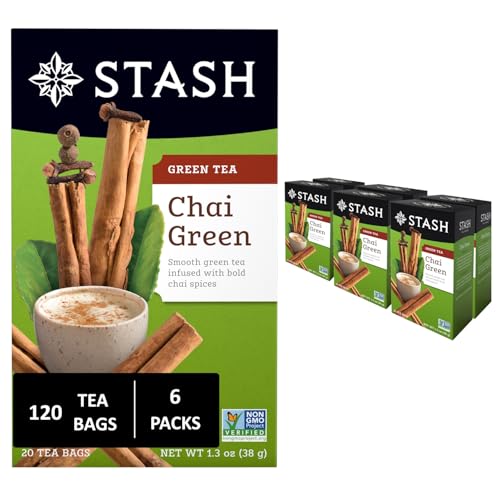
Stash Tea’s Chai Green Tea takes a different approach — rather than pure matcha powder, this is a chai-spiced green tea bag that includes green tea leaves ground into the blend. It’s not stone-ground matcha, and it does not contain the same chlorophyll density or creamy texture as pure matcha powder. However, it belongs in this guide because for the absolute lowest cost per serving, it delivers a spiced, caffeinated green tea experience that many budget-conscious drinkers will enjoy.
The box contains 120 tea bags, and the flavor profile combines the vegetal notes of green tea with cinnamon, ginger, and cardamom. Reviewers consistently praise it as an everyday office or home brew that requires zero prep — just hot water and a mug. The chai spice masks any bitterness from the green tea base, and the bags brew strong enough to stand up to milk or creamer if you prefer a latte-style drink. It’s also Non-GMO Project Verified and contains no artificial ingredients.
The significant caveat is that this is not matcha in the traditional sense — it’s a flavored green tea bag. If your goal is to whisk up a vibrant, frothy matcha latte or drink pure stone-ground matcha for its umami flavor, Stash will not satisfy that need. But for the cheapest way to get a decent green-tea-based chai with real tea leaves, it’s a practical pantry staple that occupies a different category than the powders above.
Why it’s great
- Extremely low cost per serving with 120 bags
- Chai spices mask any bitterness naturally
- Zero prep or equipment required
Good to know
- Not pure matcha powder — no froth or vibrant green color
- Spice blend may not suit those wanting pure matcha flavor
FAQ
Can cheap matcha still be organic?
Is culinary grade matcha bad for drinking straight?
How can I tell if cheap matcha is fresh before buying?
Final Thoughts: The Verdict
For most users, the best cheap matcha winner is the Naturebell Organic Matcha because it combines a full pound of bulk powder with a bright green color, fine grind, and clean taste that outperforms other budget options at a price that makes daily use genuinely affordable. If you want a ceremonial-grade experience for straight whisking, grab the Matcha Moon Pure Zen. And for everyday lattes and baking with reliable Japanese origin, nothing beats the Jade Leaf Culinary Grade.

Mo Maruf
I created WellFizz to bridge the gap between vague wellness advice and actionable solutions. My mission is simple: to decode the research and give you practical tools you can actually use.
Beyond the data, I am a passionate traveler. I believe that stepping away from the screen to explore new environments is essential for mental clarity and physical vitality.