Our readers keep the lights on and my smoothie glass nicely filled. As an Amazon Associate, I earn from qualifying purchases.
A poor caulk remover forces you to scrape for hours, risks gouging the surface, and leaves behind a ghost of sticky residue. The right one dissolves the bond without the elbow grease, saving you from a full redo.
I’m Mohammad Maruf — the founder and writer behind WellFizz. I’ve spent years analyzing aerosol solvents, carbide scraper geometry, and citrus-based reaction times to separate marketing fluff from actual solubility.
Whether you’re prepping tile for a regrout or stripping old sealant from exterior brick, the best caulk remover combines chemical aggression with surface safety so you erase the old line without marring the surrounding material.
How To Choose The Best Caulk Remover
Choosing the right caulk remover means weighing chemical strength against surface compatibility. You can destroy a cured silicone bead in minutes, but if the solvent etches your paint or dulls your tile enamel, the fix becomes a bigger problem. Match the remover to the specific caulk type and substrate.
Surface Safety: Paint, Tile, Glass, and Metal
Aggressive solvents like those containing acetone or high-VOC blends can strip clear coats, powder coating, and even glazed ceramic. For cured automotive paint or delicate vinyl, look for citrus-based or low-VOC (<20%) formulas such as the 3M Adhesive Remover. These dissolve the bond without softening the paint underneath. For tough jobs on metal or glass, stronger solvents are fine—just test on an inconspicuous patch first.
Solvent Chemistry: Citrus, Hydrocarbon, or Low-VOC
The active chemistry determines dwell time and fume level. Citrus-based solvents (d-limonene) are safer indoors, smell tolerable, and work well on silicone and latex caulk—Orange-Sol is a prime example—but may require 30 minutes of soak time. Hydrocarbon-based solvents (e.g., 3M’s proprietary blend) work in under 3 minutes but need ventilation. Low-VOC formulas are best for tight spaces without strong air movement.
Mechanical Aids: Carbide vs. Plastic Scrapers
A solvent alone won’t lift thick caulk beads; you need a scraper. Carbide-tipped tools like the Goldblatt offer replaceable triangular tips that carve through 20-year-old silicone without chipping tile. Plastic scrapers are safer on painted wood but wear out fast. For precision around corners, a compact carbide hand tool with a spare blade gives you the control and longevity needed for professional-grade removal.
Quick Comparison
On smaller screens, swipe sideways to see the full table.
| Model | Category | Best For | Key Spec | Amazon |
|---|---|---|---|---|
| 3M Adhesive Remover | Low-VOC Solvent | Cured automotive paint & vinyl floors | Low-VOC <20% formula | Amazon |
| Goo Gone Gunk & Adhesive Remover | Citrus Spray | Fabric, carpet & finished wood | 8 oz. citrus formula | Amazon |
| Goo Gone Adhesive Remover (2-Pack) | Citrus Spray | Quick-clean household adhesives | 2-pack of 8 oz. bottles | Amazon |
| Orange-Sol Contractor Solvent | Citrus Concentrate | Silicone caulk on powder-coated metal | 12 oz. aerosol citrus oil | Amazon |
| Goldblatt Grout Removal Tool | Carbide Scraper | Tile joints, corners & old silicone | Carbide tip + 1 spare blade | Amazon |
In‑Depth Reviews
1. 3M Adhesive Remover Low-VOC (03618VOC20)
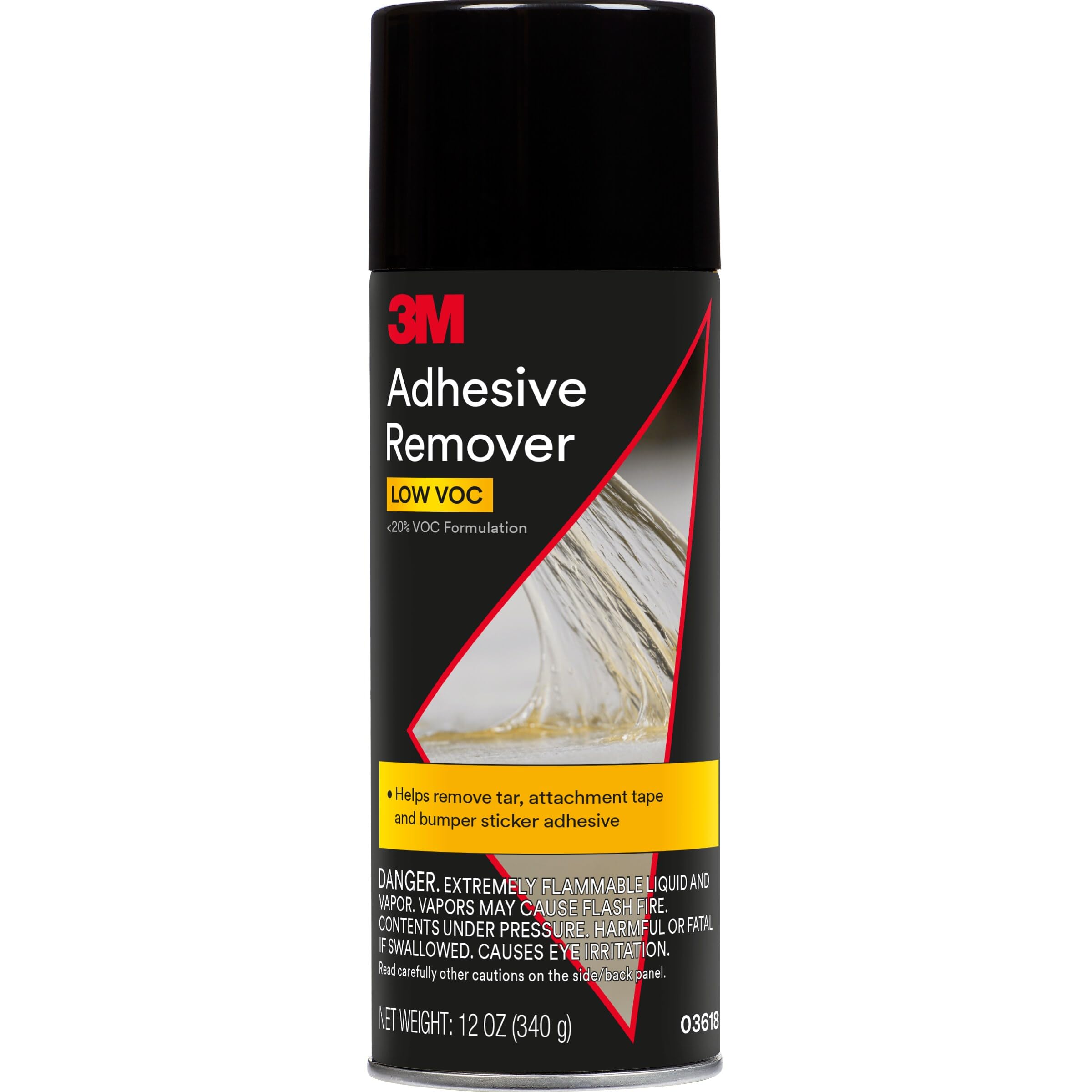
The 3M Adhesive Remover strikes the hardest-to-match balance in this category: it dissolves stubborn double-sided tape and tar residue within three minutes while keeping a VOC content below 20 percent. That low-VOC formulation means you can use it in a garage or bathroom without overwhelming fumes, and the non-abrasive solvent won’t etch cured automotive clear coats or soften vinyl laminate flooring.
Reviews consistently report that it removes silicone caulk residue from glass doors in under 30 seconds with a sponge, and it cleans up hard water stains as a secondary benefit. The aerosol delivery gives you controlled spray coverage, so you don’t waste solvent on vertical surfaces or oversaturate a tight corner. Users also note that a light scrape with a plastic blade after three minutes lifts even bonded adhesive tape without scratching.
One minor trade-off: a few users found a couple of tiny glue specks remained on painted surfaces after treatment, requiring a second pass. For those who need absolute zero residue, a short reapplication handles it. For the vast majority of jobs, this is the quickest, safest acting solvent available.
Why it’s great
- Dissolves adhesive in 2–3 minutes without damaging paint
- Low-VOC formulation is safe for indoor use without heavy ventilation
- Aerosol can distributes product evenly on vertical surfaces
Good to know
- Extra-stubborn cured glue may require a second coat
- Not designed as a heavy-gel for horizontal pooling
2. Goo Gone Gunk and Adhesive Remover
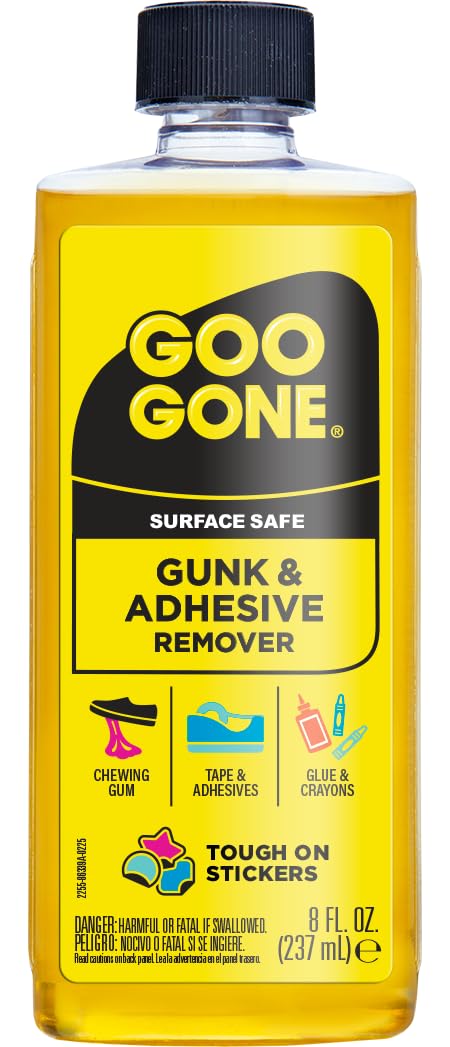
Goo Gone’s latest formulation uses citrus cleaning agents to break down sticker residue, gum, and glue without damaging carpets, fabrics, or finished wood. The pleasant citrus scent makes it the most tolerable option for indoor use, and the bottle’s 8-ounce size is compact enough to store under a kitchen sink for quick cleanups on wine glasses, gift packaging, or tables.
Real-world testing shows it excels on sticker and label residue that has been pressed into fabric or porous surfaces—one reviewer removed a washed-on sticker from a t-shirt after a one-minute soak without harming the weave. On hard surfaces like ceramic and glass, the citrus oil soaks into the adhesive and lets you wipe it off with a paper towel, leaving no sticky film behind.
The only caution is that the oily base requires thorough hand washing after use, and on some rigid plastics, the solvent may leave a slight sheen. For general household adhesive removal that demands surface safety above all else, this citrus spray delivers consistent results.
Why it’s great
- Citrus-based formula is gentle on fabric, carpet, and finished wood
- Pleasant citrus scent eliminates the need for heavy ventilation
- Works within minutes on most common household adhesives
Good to know
- Oily residue may need a warm water wipe to fully remove
- Not strong enough for thick automotive-grade silicone
3. Goo Gone Adhesive Remover (2-Pack)

The Goo Gone 2-Pack offers the same trusted citrus formula in two bottles at a per-ounce value that beats buying single units. Each 8-ounce bottle handles sticker removal, tape residue, tree sap, and even surgical adhesive residue without damaging painted surfaces, plastics, or sealed stone.
User reviews highlight its performance on pine tree sap on car paint and tape residue on kitchen counters, with one reviewer noting it removed surgical glue from fabric without staining. The dual-pack setup means you can keep one bottle in the garage for decal removal and another in the kitchen for label cleanup, avoiding cross-contamination between tasks.
The cap design has received complaints—the push-down-and-turn mechanism can be stiff, sometimes requiring pliers to open. Pouring the liquid into a squirt bottle with a better nozzle solves the issue. For those who need a reliable household adhesive remover in bulk without stepping up to industrial strength, this two-pack is the smart economy choice.
Why it’s great
- Two bottles for the price of a single competitor’s unit
- Works on tree sap, tape, glue, marker, and crayon
- Versatile across car paint, fabric, glass, and finished wood
Good to know
- Cap is difficult to twist open on the first use
- Oily film remains if not wiped with a damp cloth
4. Orange-Sol Contractor Solvent (10022)

Orange-Sol Contractor Solvent is a 100 percent citrus-oil aerosol that targets silicone caulk on powder-coated metal where hydrocarbon solvents would dissolve the finish. The spray penetrates the caulk bond after a 30-minute soak, allowing you to lift the bead with a plastic scraper without damaging the metal surface underneath. It also removes spray foam, road tar, and asphalt sealant from siding.
Reviews confirm it works on silicone sealant that standard adhesive removers fail to soften, and one user described it as the only product that removed old caulk from brick (though it darkened the brick’s surface, requiring a pressure wash to restore original color). The citrus scent is far less offensive than petroleum-based solvents, making it tolerable for prolonged indoor jobs like kitchen counter recaulking.
The spray bottle delivered with the product has been criticized for leaking or dripping; transferring the liquid to a quality spray head or a drip bottle fixes the issue entirely. For jobs where surface preservation on powder coating or metal is critical, Orange-Sol is the go-to citrus alternative.
Why it’s great
- Safe on powder-coated metal where stronger solvents etch the paint
- Citrus oil penetrates silicone caulk without fumes
- Works as a general tar, bug, and adhesive remover on siding
Good to know
- May darken porous masonry surfaces like brick
- Supplied spray bottle can leak; transfer to a better container
5. Goldblatt Grout Removal Tool with Carbide Tip
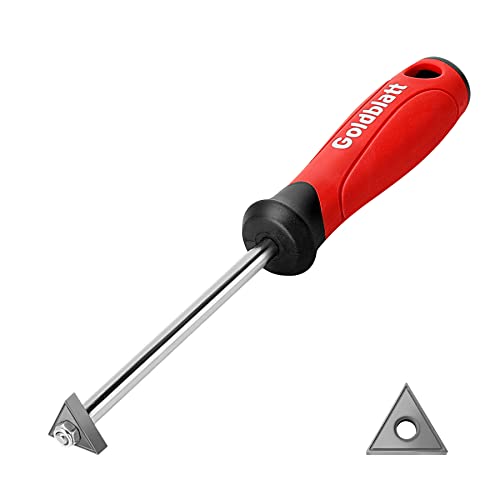
When you prefer a mechanical approach to chemical solvents, the Goldblatt Grout Removal Tool offers a carbide triangular tip that carves through old silicone, latex acrylic caulk, Lexel, and even hard ceramic grout without the dust and noise of a power tool. The carbon steel shank connects firmly to the soft-grip handle—9.65 inches total length—giving you the leverage to apply controlled pressure without slipping.
The tool includes one replaceable carbide tip and a spare, so you can swap when the first edge dulls. Users report it works aggressively on 20-year-old caulk beads in tub corners and on tile joints, and one reviewer used it to deburr an aluminum T-track, proving the tip’s hardness. The small hole at the handle end allows easy storage on a pegboard or hook.
The limitation is that replacement tips are not sold separately, so when you exhaust the two blades, you need a new tool. For heavy-duty caulk removal across multiple rooms or jobs, the Goldblatt is a durable, hand-powered solution that saves you from chemical soak times and avoids surface damage risk from oversolvent.
Why it’s great
- Carbide tip cuts through old silicone and grout without dust
- Comfortable soft-grip handle reduces hand fatigue during long jobs
- Spare carbide blade extends tool life
Good to know
- Replacement tips not sold separately; tool is disposable when blades dull
- Requires careful pressure to avoid scratching tile glaze
FAQ
Can I use a citrus-based remover on bathroom silicone caulk?
Will a low-VOC remover damage my car’s clear coat?
How do I remove old caulk from brick without staining it?
Why does my adhesion remover leave an oily film?
Final Thoughts: The Verdict
For most users, the best caulk remover winner is the 3M Adhesive Remover Low-VOC because it dissolves bothersome tapes and caulk in under three minutes without endangering cured paint or vinyl surfaces. If you need a surface-safe citrus formula for fabric, carpet, or finished wood, grab the Goo Gone Gunk and Adhesive Remover. And for chemical-free scraping that removes 20-year-old silicone from tile corners without dust, nothing beats the Goldblatt Grout Removal Tool with Carbide Tip.

Mo Maruf
I created WellFizz to bridge the gap between vague wellness advice and actionable solutions. My mission is simple: to decode the research and give you practical tools you can actually use.
Beyond the data, I am a passionate traveler. I believe that stepping away from the screen to explore new environments is essential for mental clarity and physical vitality.