Our readers keep the lights on and my smoothie glass nicely filled. As an Amazon Associate, I earn from qualifying purchases.
Overcooked, mushy fish from a can is the reason most people give up on canned seafood. The reality is that the best options today deliver firm, flaky protein that stands up to a fork, not a cracker dust. Whether you want a marinated mackerel fillet or a spicy Korean tuna bowl in under two minutes, the modern pantry is stacked with options.
I’m Mohammad Maruf — the founder and writer behind WellFizz. I’ve spent years researching shelf-stable protein sources, grading them on texture, sourcing ethics, and how well the packaging preserves the fat and moisture profile of the fish.
For this guide, I evaluated five different products from standard tuna infusions to Spanish sardines to find the most reliable canned seafood that balances real flavor with convenience.
How To Choose The Best Canned Seafood
The wrong can leaves you with dry protein or a metallic aftertaste. You need to look at three things: the fat profile of the chosen fish, the liquid it is packed in, and whether the packaging preserves or destroys the natural moisture.
Packing Medium Determines Texture
Fish packed in olive oil stays plump and rich because oil locks moisture in. Water-packed fish is leaner but can feel dry or stringy unless it’s a high-fat fish like mackerel. Sauces — like tomato or pepper paste — add flavor but can mask lower quality fish. If you want the most versatile product, go with olive oil because you can drain it and use the fish in hot or cold dishes.
Species and Fat Content
Sardines and mackerel have the highest natural omega-3 content, often over 1.5 grams per serving. Tuna and salmon are leaner but still deliver solid protein. If you are eating canned seafood for its nutritional density, choose small oily fish like sardines or mackerel. If you want a mild neutral taste for sandwiches or salads, go with tuna or pink salmon.
Sourcing and Sustainability
Wild-caught fish generally has a better mineral profile and firmer muscle structure than farmed fish. Look for “wild caught” on the front label. For tuna specifically, skipjack is the most sustainable choice because stocks are healthy. Mackerel from Spain or the Pacific is also well-managed. Avoid products that only say “packed in” without specifying the origin of the catch.
Quick Comparison
On smaller screens, swipe sideways to see the full table.
| Model | Category | Best For | Key Spec | Amazon |
|---|---|---|---|---|
| Matiz Sardines in Olive Oil | Premium Sardines | Spanish tapas and high omega-3 intake | Bone-in, skin-on, 3 thick fillets per can | Amazon |
| Dongwon Spicy Korean Canned Tuna | Korean Style | Rice bowls and no-drain meals | Wild skipjack in hot pepper sauce with vegetables | Amazon |
| Chicken of the Sea Infusions Tuna | Flavored Tuna | Ready-to-eat snacking and desk lunches | Wild skipjack in basil-infused oil, includes spork | Amazon |
| Chicken of the Sea Mackerel Fillet in Oil | Budget Mackerel | High protein per dollar and pantry bulk | Wild mackerel in soybean oil, 16g protein per pouch | Amazon |
| StarKist E.V.O.O. Wild-Caught Pink Salmon | Premium Salmon | Quick salmon salads and travel protein | Wild Alaskan pink salmon in extra virgin olive oil | Amazon |
In‑Depth Reviews
1. Matiz Sardines in Olive Oil
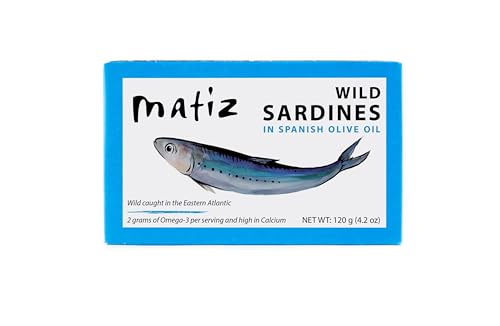
Each can holds three dense, steak-like sardines that hold their shape when you lift them out of the oil. The texture is chewy and rich, nothing like the mushy sardines from mass-market brands. The olive oil packing medium keeps the skin intact without making the fish greasy.
Sustainably harvested off the coast of Spain, these are wild-caught and free of additives. The bone-in, skin-on format gives you the highest level of calcium and omega-3s per serving. The flavor is mild enough to convert non-sardine eaters — one reviewer noted that a light pan-fry crisps the skin beautifully.
Best eaten straight from the can with crusty bread or added to pasta. The 5-pack is easy to store and the cans have no BPA lining issues. The only tradeoff is the premium price point, but the nutritional density and texture justify the cost for regular fish eaters.
Why it’s great
- Firm, chewy texture that holds up in hot dishes
- Zero additives and a clean, mild sardine flavor
Good to know
- Bones are present but soft enough to eat
- Price per can is higher than standard sardine brands
2. Dongwon Spicy Korean Canned Tuna
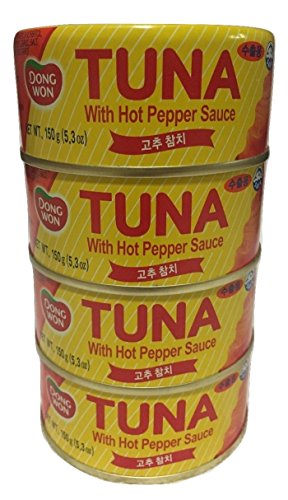
The sauce is the star here. Real diced potato, carrot, and onion sit in a sweet-spicy hot pepper sauce that leans closer to a gochujang glaze than a watery broth. You do not need to add anything — just peel the lid and spoon the tuna over warm rice for a complete meal in thirty seconds.
Wild-caught skipjack flakes stay firm because they are not overcooked into mush. The protein content sits around 18 grams per 5.3-ounce can, and the sauce accounts for the rest of the volume. The heat level is comparable to a mild sriracha — noticeable but not overwhelming.
Great for dorm rooms, camping, or fast lunches. The 4-pack is shelf-stable. A splash of sesame oil or a fried egg on top elevates it further. The only drawback is the included carrot pieces, which some users found slightly sweet.
Why it’s great
- Sauce is fully built-in — no draining or seasoning required
- Real vegetable chunks add texture and nutrients
Good to know
- Sweetness from the sauce may not suit low-sugar diets
- Price per can is higher than plain tuna in water
3. Chicken of the Sea Infusions Tuna

Every cup comes with a tuck-away fork built into the lid, which means zero prep and zero cleanup. The skipjack chunks are large and moist, packed in basil-infused olive oil. The basil flavor is fresh and present without being overpowering — it tastes like a quick pasta salad filling, not an afterthought seasoning.
Each 2.8-ounce cup delivers 17 grams of lean protein with only 80 calories and 2 grams of carbs, making it a solid fit for keto and paleo diets. The foil seal keeps the oil contained until you peel it, and the cup itself is recyclable. No draining needed because the oil is part of the eating experience.
Best as a lunchbox staple or emergency desk snack. The 6-pack covers a full work week. Critics noted that the Lemon flavor variety is less successful — the artificial lemon is too strong. Stick with Basil or Thai for the best results.
Why it’s great
- Includes a reusable spork in the lid for true grab-and-go convenience
- Large tuna chunks in basil oil do not need any additional seasoning
Good to know
- Plastic cup lid does not reseal after opening
- Lemon flavor uses artificial flavoring that is too intense
4. Chicken of the Sea Mackerel Fillet in Oil

The individual pouches hold large, firm mackerel fillets in soybean oil. The texture is dense and the flavor is strong but clean — not the muddy taste that cheap mackerel can have. Draining the oil is simple because you tear the top of the pouch, which also lets you control how much oil stays in.
Each 3.53-ounce pouch provides about 16 grams of protein with minimal carbs. The 24-count box means you can stock your pantry for a long time. The mackerel is wild-caught and responsibly sourced from Thailand. The oil content is moderate enough that the fish does not feel greasy when flaked into a bowl.
Works best as a quick protein boost in salads or mixed with hot sauce. The pouches are lighter than cans and take up less space in a bag. Some users found it a bit salty, so pairing with unsalted crackers or fresh vegetables helps balance the sodium.
Why it’s great
- Very high protein-to-fat ratio for an oily fish product
- Pouch format is lighter and more backpack-friendly than steel cans
Good to know
- Needs scissors to open the pouch cleanly without spilling oil
- Sodium level is noticeable for low-sodium diets
5. StarKist E.V.O.O. Wild-Caught Pink Salmon

Wild Alaskan pink salmon packed in extra virgin olive oil gives you a much better flavor profile than standard salmon in water. The fish is skinless and boneless, so you can use it straight from the pouch without picking out any bones. The texture is soft and flaky, not dry or stringy.
Each 2.6-ounce pouch delivers 14 grams of protein and a solid dose of omega-3s. The EVOO adds a savory richness that makes the salmon taste fresher than pouch salmon typically does. The 12-pack gives you enough to keep in the car, at the office, or in your go-bag for months.
Great as a simple sandwich filling or crumbled over a salad. The pouch format means no draining and no can opener. The only downside is the rising price per pouch compared to bulk cans of salmon, but the taste difference justifies it if you eat salmon regularly.
Why it’s great
- Extra virgin olive oil packing medium improves both flavor and mouthfeel
- Boneless, skinless format makes it usable directly from the pouch
Good to know
- Pouched salmon has a slightly softer texture than canned
- Unit price has crept up over recent months
FAQ
Is canned seafood as healthy as fresh fish?
Should I drain the oil from canned fish before eating?
Final Thoughts: The Verdict
For most users, the canned seafood winner is the Matiz Sardines in Olive Oil because the texture and omega-3 density are unmatched in a shelf-stable product. If you want a no-drain meal you can eat over rice in thirty seconds, grab the Dongwon Spicy Korean Canned Tuna. And for a portable, high-protein snack that fits in any bag, nothing beats the StarKist E.V.O.O. Wild-Caught Pink Salmon.

Mo Maruf
I created WellFizz to bridge the gap between vague wellness advice and actionable solutions. My mission is simple: to decode the research and give you practical tools you can actually use.
Beyond the data, I am a passionate traveler. I believe that stepping away from the screen to explore new environments is essential for mental clarity and physical vitality.