Our readers keep the lights on and my smoothie glass nicely filled. As an Amazon Associate, I earn from qualifying purchases.
Most calcium supplements on the market end up as expensive toilet waste. The issue isn’t the amount of elemental calcium in the bottle — it’s the form. Rock-based calcium carbonate demands high stomach acid for breakdown, leaving many users bloated, constipated, and still deficient. The real metric to chase is bioavailability, not milligrams on the label.
I’m Mohammad Maruf — the founder and writer behind WellFizz. I’ve spent over a decade dissecting supplement bioavailability research, comparing chelation methods, and analyzing dissolution rates across dozens of calcium formulations to understand what actually crosses the gut barrier.
After cross-referencing clinical absorption data with real-world user feedback on stomach tolerance, pill size, and cofactor synergy, this guide zeroes in on the best calcium for absorption. The winners here use chelated forms, matched cofactors like D3 and K2, and delivery systems that bypass the common pitfalls of standard supplements.
How To Choose The Best Calcium For Absorption
Not all calcium is created equal, and the label’s milligram count tells only half the story. The real determinant of effectiveness is how much of that mineral actually makes it into your bloodstream and then into your bones. Here are the critical factors to evaluate.
Calcium Form: Carbonate vs. Citrate vs. Malate
Calcium carbonate is the cheapest and most common form, but it requires strong stomach acid to dissolve. If you take antacids, are over 50, or have achlorhydria, calcium citrate is far more reliable because it absorbs independently of stomach pH. Calcium malate (dicalcium malate) offers another step up in bioavailability, often providing higher serum levels per milligram because the malate molecule aids transport across the intestinal wall. For maximum absorption, prioritize citrate or malate forms over carbonate.
The Cofactor Trio: D3, K2, and Magnesium
Calcium does not work alone. Vitamin D3 is non-negotiable for intestinal absorption — without it, you absorb as little as 10-15% of the calcium you ingest. Vitamin K2 activates matrix GLA protein and osteocalcin, which bind calcium into bone tissue rather than letting it deposit in arteries or kidneys. Magnesium regulates the parathyroid hormone that controls calcium metabolism. A supplement that combines all three cofactors will dramatically outperform isolated calcium in terms of net retention and safety.
Pill Size and Tolerability
The best absorption chemistry in the world means nothing if you skip doses because the tablets are too large or cause gastrointestinal distress. Calcium carbonate is the most common culprit for bloating and constipation. Chelated forms like calcium malate and calcium citrate are generally gentler on the stomach. Also check serving size — some products require four to six capsules daily to reach a therapeutic dose, while concentrated forms deliver the same elemental calcium in two capsules or a single liquid dropper.
Quick Comparison
On smaller screens, swipe sideways to see the full table.
| Model | Category | Best For | Key Spec | Amazon |
|---|---|---|---|---|
| THORNE Calcium (DiCalcium Malate) | Chelated | Highest bioavailability | DiCalcium Malate (DimaCal) | Amazon |
| Calcium Citrate Gummies (2 Pack) | Gummy | Ease of compliance | Citrate with D3 & K2 | Amazon |
| 10 in 1 Liquid Drops (2 Pack) | Liquid | Gentle stomach absorption | 1000mg per 2ml dropper | Amazon |
| Natural Nutra Cal-Mag-Zinc | Tablet | Value with cofactor blend | Tablet form with D3 | Amazon |
| 365 Cal-Mag-Zinc with D3 | Vegetarian | Budget-friendly staple | Carbonate with D3 & zinc | Amazon |
In‑Depth Reviews
1. THORNE Calcium (Formerly DiCalcium Malate)
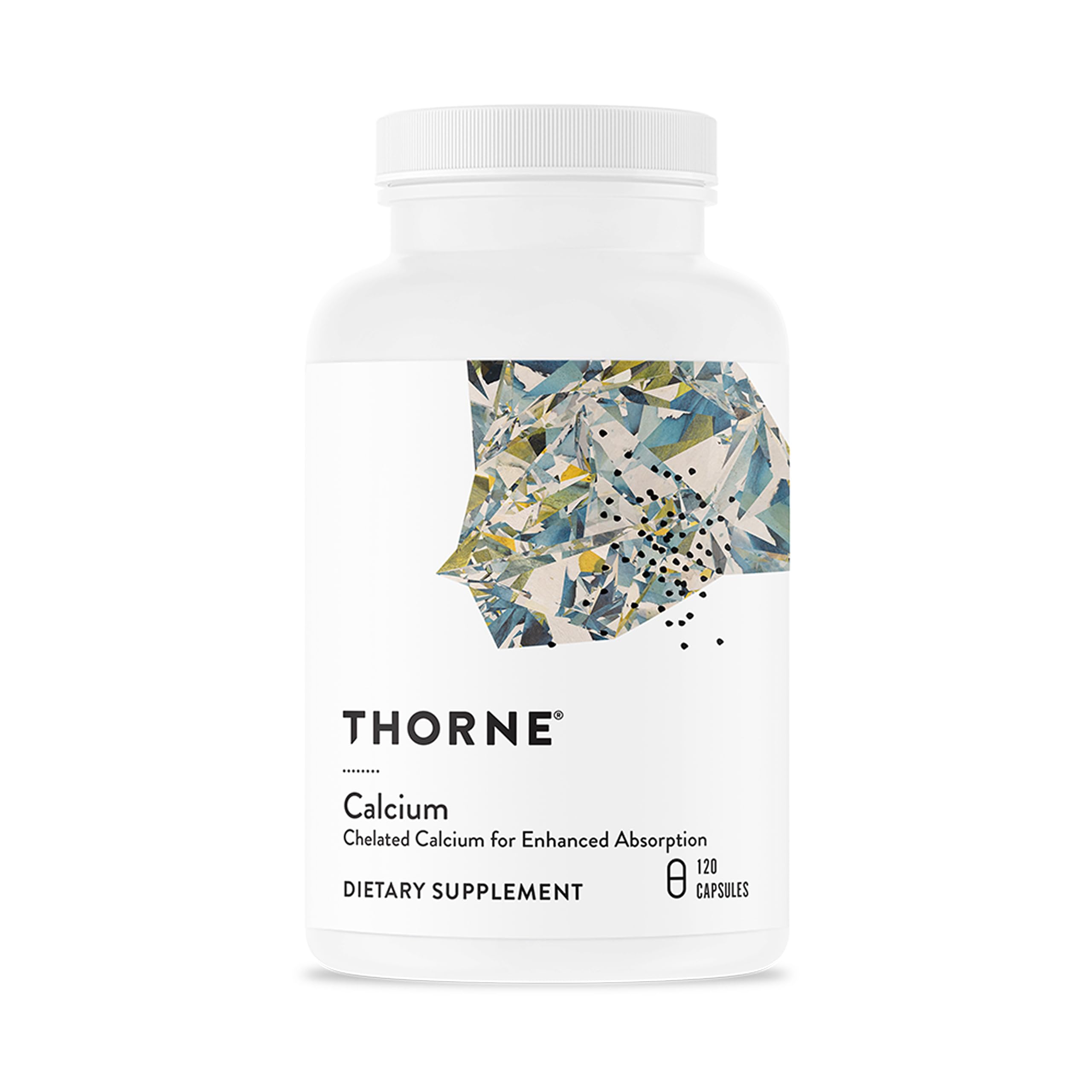
THORNE uses DiCalcium Malate, a chelated form of calcium also known under the trademarked DimaCal. This is not the standard carbonate or even simple citrate — the malate molecule chemically bonds to the calcium, creating a compound that the gut recognizes and transports far more efficiently. Clinical comparisons show this form produces significantly higher serum calcium levels per milligram than most competitors, making it the gold standard for anyone with absorption concerns or low stomach acid.
The capsule itself is compact and easy to swallow, which is unusual for a concentrated supplement. Each capsule delivers a notable amount of elemental calcium relative to its size, meaning you need fewer capsules to hit your daily target. However, because the form is so dense, most users find that two capsules alone don’t cover the full daily recommendation — taking four to six capsules with adequate D3 and K2 is common for therapeutic dosing.
THORNE is the number one recommended clinical brand by healthcare practitioners, and this product is third-party tested for purity. It is free from gluten, soy, dairy, and the major allergens. If your goal is maximum bioavailability per capsule and you are serious about bone density support, this is the formulation that clinical evidence backs most strongly.
Why it’s great
- DiCalcium Malate provides superior absorption compared to carbonate or citrate
- Compact capsules are easy to swallow
- Third-party tested, free from major allergens
- Highly concentrated; more calcium per capsule
Good to know
- Requires 4-6 capsules for full daily elemental calcium intake
- Premium price, but justified by the form
- Must pair with separate D3 and K2 if formula lacks them
2. Calcium Citrate Gummies with D3 K2 (2 Pack)

This two-pack of calcium citrate gummies solves the most common barrier to compliance — the dreaded horse pill. Each gummy delivers calcium citrate, which absorbs reliably in the absence of food or in low stomach acid conditions, paired with vitamin D3 and K2 to guide the mineral into bone tissue. The peach flavor is genuinely pleasant, and users report that the gummies do not stick to teeth as badly as some other brands.
The formulation uses 1200 mg of calcium citrate per serving (two gummies), plus 400 mg of magnesium glycinate, 10 mg of zinc, 1000 IU of D3, and 120 mcg of K2. That is a complete cofactor stack in a single chewable dose, which eliminates the need to buy separate bottles. The inclusion of magnesium glycinate is smart — it is the most absorbable magnesium form and it works synergistically with calcium to support muscle relaxation and bone mineralization.
Some users note that the gummies tend to stick together in the jar, particularly in warm conditions. Refrigerating the bottle solves this, and the wide-opening jar helps extraction. For anyone who detests swallowing large tablets, this gummy format with its full cofactor profile offers an absorption-friendly path that you will actually stay consistent with.
Why it’s great
- Calcium citrate form absorbs well without food
- Includes D3, K2, magnesium glycinate, and zinc in one gummy
- Pleasant peach flavor; easy daily compliance
- Only two gummies per serving for 1200 mg calcium
Good to know
- Gummies can stick together in the jar
- Contains sugar (typical for gummy supplements)
- Two-pill format still requires a second bottle for long supply
3. 10 in 1 Magnesium Calcium Zinc Liquid Drops (2 Pack)

This liquid supplement from PAYAOCZ bypasses the entire dissolution problem — the minerals are already suspended in a solution that the body begins absorbing almost immediately. The 2 ml daily dose delivers 1000 mg of calcium combined with magnesium (310 mg), zinc (7 mg), vitamins C, D3, K2, B6, L-Theanine, boron, and sea moss extract. Liquid delivery bypasses the need for stomach acid to break down a tablet, making this an excellent option for those with digestive sensitivity.
The mild lemon flavor makes it palatable either directly by dropper or mixed into water, tea, or coffee. Users with a history of kidney stones from calcium carbonate supplements have reported no issues with this liquid citrate-based formula, likely because the form is more soluble and less prone to crystallizing in the urinary tract. The dropper is only 1 ml, so the daily 2 ml dose requires two pulls — a minor inconvenience for the flexibility of adjusting dosage drop by drop.
Because this is a full-spectrum blend, you are not just getting calcium — you are getting the entire nutrient network needed to route it properly. L-Theanine adds a relaxation component, and the sea moss extract contributes trace minerals. For anyone who wants one liquid that covers immune support, bone health, and muscle relaxation, this two-pack provides a complete daily foundation at a mid-range price point.
Why it’s great
- Liquid form for immediate absorption, no stomach acid needed
- Includes D3, K2, magnesium, zinc, and unique cofactors like L-Theanine
- Gentle on stomach; user reports no kidney stone recurrence
- Adjustable dosing with the dropper
Good to know
- Dropper is 1 ml; requires two pulls for full dose
- Small 1 fl oz bottle per pack; runs out faster than tablets
- Taste may not suit everyone when taken directly
4. Natural Nutra Calcium Magnesium Zinc with Vitamin D3

Natural Nutra packs calcium, magnesium, zinc, and vitamin D3 into a single tablet designed for maximum digestive efficiency. The formulation emphasizes an all-natural mineral complex that reportedly helps break down dietary contents for better absorption. Users have consistently noted that this combination helps alleviate muscle twitching caused by taking magnesium alone, because the added calcium restores the critical calcium-to-magnesium balance.
The tablets are packaged in an amber glass bottle, which is a meaningful detail — calcium and D3 are light-sensitive, and glass protects potency far better than cheap plastic. The brand also avoids unnecessary fillers, and the tablets are gluten-free and vegetarian. Each bottle contains 100 tablets, providing a solid supply of the three-mineral-plus-D3 stack in one daily tablet. For many users, this has reduced anxiety symptoms and improved overall sleep quality over extended use.
The tablets are described as large and may be challenging for some people to swallow. Despite this, they are generally easy to get down with water and do not leave a chalky aftertaste. If you prefer swallowable tablets over liquids or gummies and want a reliable cal-mag-zinc formula with D3 that does not break the bank, this is a strong mid-range option.
Why it’s great
- All-in-one: calcium, magnesium, zinc, and D3 in one tablet
- Glass bottle protects ingredients from light
- Gluten-free, vegetarian, and free from artificial additives
- Balances calcium-magnesium ratio to reduce muscle twitching
Good to know
- Large tablets may be difficult for some to swallow
- Uses calcium carbonate (requires stomach acid for absorption)
- Higher dose of elemental calcium needed per day
5. 365 by Whole Foods Market Cal-Mag-Zinc with Vitamin D3
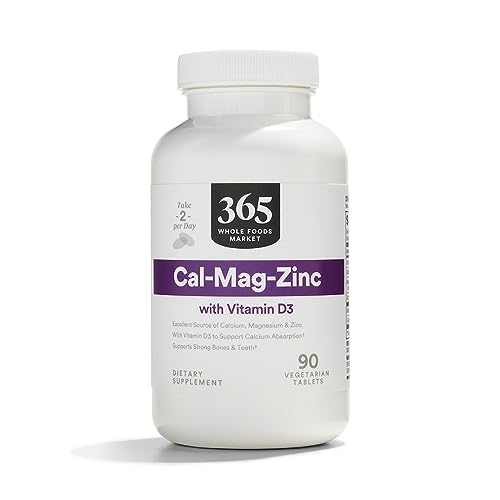
Whole Foods Market’s 365 brand delivers a 3-in-1 calcium, magnesium, zinc formula with added vitamin D3 at a price point that is hard to beat for everyday supplementation. The formula uses calcium carbonate, the most common and least expensive form, combined with betaine and glutamic acid which are intended to support digestion and mineral breakdown. For users with normal stomach acid who take the supplement with food, this is a perfectly functional way to meet daily calcium needs.
The tablets are vegetarian and free from artificial colors, flavors, and preservatives. Long-term users report that this supplement has helped maintain healthy calcium levels over years, with noticeable benefits in nail strength and resistance to common illnesses. The zinc component gets particular praise from users who feel it supports immune function, especially during cold and flu season. At 90 tablets per bottle, the cost per serving is among the lowest in this guide.
The tablets are large — multiple reviews describe them as “horse pills” — and require taking two tablets for the full daily dose. This can be a dealbreaker for anyone who struggles with swallowing. Additionally, because it uses calcium carbonate, it should ideally be taken with a meal for optimal absorption. For budget-conscious buyers who can manage the size and stomach acid requirements, this is a reliable entry-level choice.
Why it’s great
- Low cost per serving among cal-mag-zinc formulas
- Vegetarian, no artificial colors or preservatives
- Long shelf life; consistent quality over years of use
- Includes betaine and glutamic acid to support breakdown
Good to know
- Large tablets; requires two pills per dose
- Uses calcium carbonate (requires food and stomach acid)
- Not suitable for those with difficulty swallowing
FAQ
Is calcium citrate always better absorbed than calcium carbonate?
Do I really need vitamin K2 with my calcium supplement?
Can you take too much calcium at once?
What is the best calcium for people with kidney stone history?
Final Thoughts: The Verdict
For most users, the best calcium for absorption winner is the THORNE Calcium (DiCalcium Malate) because it uses the most bioavailable chelated form backed by clinical absorption data and is trusted by the most discerning healthcare practitioners. If you want a convenient gummy with a full cofactor stack, grab the Calcium Citrate Gummies with D3 K2. And for a gentle liquid option that bypasses stomach acid entirely, nothing beats the 10 in 1 Liquid Drops.

Mo Maruf
I created WellFizz to bridge the gap between vague wellness advice and actionable solutions. My mission is simple: to decode the research and give you practical tools you can actually use.
Beyond the data, I am a passionate traveler. I believe that stepping away from the screen to explore new environments is essential for mental clarity and physical vitality.