Our readers keep the lights on and my smoothie glass nicely filled. As an Amazon Associate, I earn from qualifying purchases.
Every ounce on your back is a pound on your mind, and swapping a mummy bag for a backpacking quilt is the single fastest way to drop serious weight without sacrificing warmth. The problem is that most ultralight quilts cost as much as a plane ticket, leaving budget-conscious hikers wondering if they have to settle for a heavy, bulky slab of synthetic fiber. You don’t.
I’m Mohammad Maruf — the founder and writer behind WellFizz. I’ve spent years combing through fill powers, denier shell ratings, and baffle designs to find the quilts that deliver real warmth-to-weight ratios without draining your gear fund.
Whether you are shaving base weight for a thru-hike or just want a more comfortable night in the backcountry, this guide digs into the specs that actually matter to help you find the perfect budget backpacking quilt for your next adventure.
How To Choose The Best Budget Backpacking Quilt
A quilt is not just a sleeping bag cut in half. The right one saves you a pound of pack weight, gives you room to move, and lets you vent heat without unzipping a long, awkward side zipper. Focus on three decisions to avoid wasting your money on a blanket that won’t keep you warm.
Fill Power and Fill Weight
Fill power measures how many cubic inches one ounce of down occupies. An 800-fill down provides roughly 33 percent more loft per ounce than 600-fill, meaning you get the same warmth for a lot less weight. Budget quilts often use 600 to 700 fill, but a few at the upper end of the price range punch up to 850. The trade-off is simple: higher fill power costs more upfront but saves pack weight and compressed volume.
Baffle Design: Sewn-Through vs. Box
Sewn-through baffles stitch the inner and outer shell directly together, creating thin spots where heat can escape. Every budget quilt uses this method because it is cheaper and lighter, but it loses thermal efficiency when the temperature drops. Box baffles leave a gap between the two shells for full down loft. You rarely see box baffles at entry-level prices, so look for vertical baffling or offset quilting to at least reduce cold spots.
Pad Attachment System
A quilt that slides off your sleeping pad at 2 a.m. is useless. The simplest attachment involves elastic straps that loop around the pad, but the number and position vary widely. Some quilts include a single strap at the chest; better designs include one at the foot or a full sleeve. Check whether the loops or snaps are removable so you can use the quilt as a standalone blanket in warm weather.
Quick Comparison
On smaller screens, swipe sideways to see the full table.
| Model | Category | Best For | Key Spec | Amazon |
|---|---|---|---|---|
| Naturehike Snowbird | Down Mummy | Cold‑weather backpacking | 650 FP, comfort 29°F | Amazon |
| SENSORY4U 850 Down | Top Quilt | Transitional to cold nights | 850 FP, 1.9 lb | Amazon |
| Kelty Cosmic 20 | Mummy Bag | Classic backpacking comfort | 550 FP, limit 21°F | Amazon |
| Kelty Supernova | Semi‑Rectangular | Side/stomach sleepers | 550 FP, 33″ wide | Amazon |
| WIND HARD Tiny Pro | Wearable Quilt | Ultralight thru‑hikes | 800 FP, 1.7 lb | Amazon |
| NEAR ZERO Quilt ONE | Mult‑use Quilt | Minimalist 3‑season use | 1 lb, packs like water bottle | Amazon |
| ENO Vesta TopQuilt | Synthetic Quilt | Hammock camping/wet weather | Water‑repellent, 28 oz | Amazon |
| ATEPA Down Sleeping Bag | 3‑in‑1 System | Car camping to backpacking | 700 FP, 3.4 lb | Amazon |
| ONETIGRIS Down Blanket | Mult‑use Blanket | Warm‑weather/glamping | 600 FP, 2‑person | Amazon |
In‑Depth Reviews
1. Naturehike Snowbird 0° Down Mummy
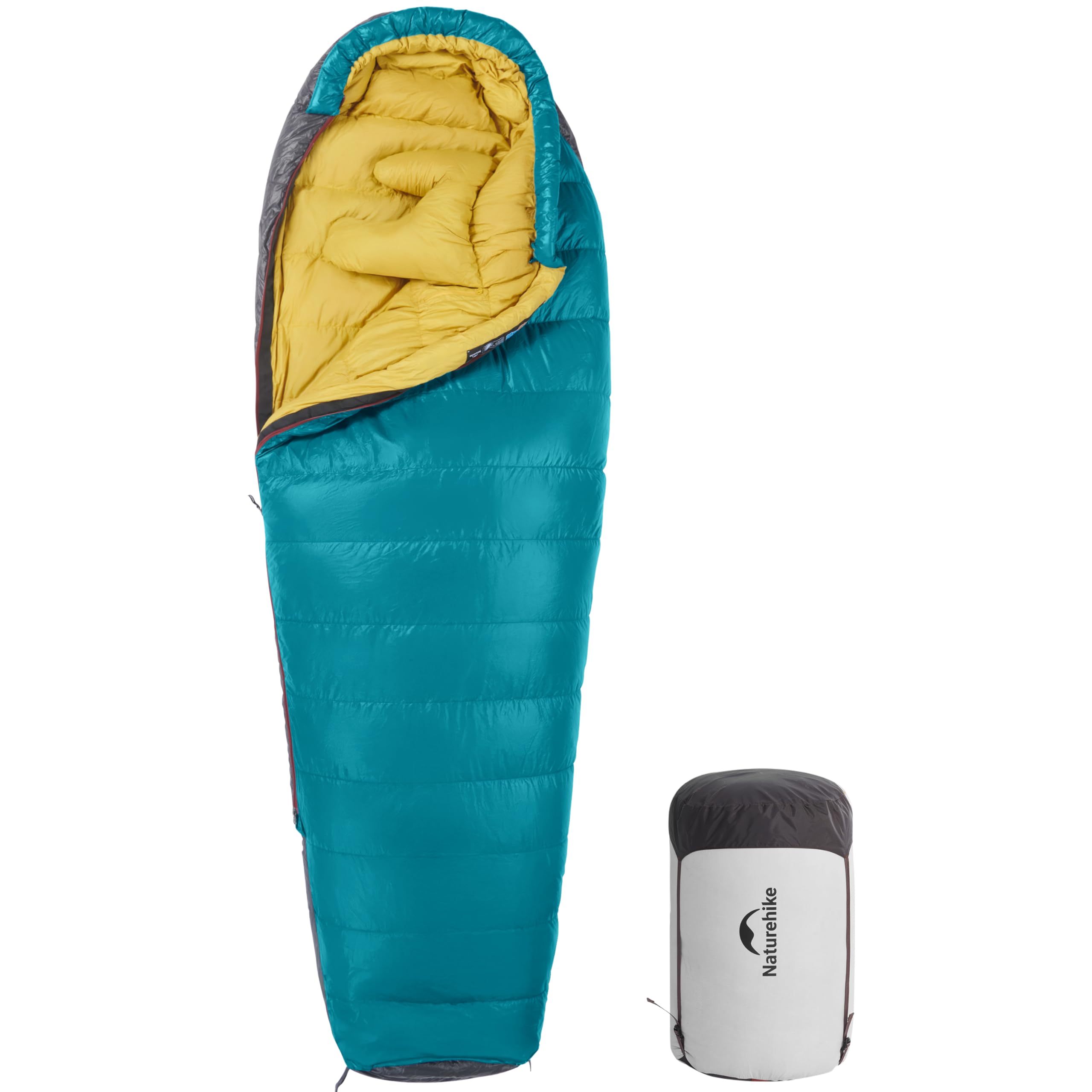
The Naturehike Snowbird punches well above its weight class with 650-fill RDS-certified duck down and a 3-D wind barrier that eliminates the dreaded zip gap draft. Inside the SP400 model, the C-shaped wrap and U-shaped neck collar seal heat around your shoulders, a detail usually reserved for bags costing twice as much. The ratio of 60 percent down on top to 40 percent on bottom means the insulation sits where your body actually needs it, not squashed beneath you.
At 2.19 pounds for the standard size, this is still a legitimate backpacking bag that compresses down to 15 by 7 inches. The comfort rating sits at 29°F with a limit of 18°F, giving you a realistic three-season window. The 3-D foot box gives your toes room to move, and the internal stash pocket keeps your phone from freezing overnight. You do sacrifice some width compared to a true quilt, but the warmth-to-weight equation is hard to beat.
This is not a pure quilt, but the convertible design and impressive cold-weather performance make it the most versatile option on this list for hikers who want one sleep system for shoulder seasons and summer peaks alike. The YKK zippers with anti-snag guards add a level of reliability that budget brands often overlook.
Why it’s great
- RDS-certified down with scannable origin tracking
- Thick wind barrier and U-neck collar block drafts effectively
- Impressive 29°F comfort rating for the weight
Good to know
- Mummy shape is snug for broad-shouldered sleepers
- Description can be confusing between SP400/550/1000 models
2. SENSORY4U 850 Down Top Quilt

Finding 850-fill down at this price point is rare, and the SENSORY4U delivers a genuine ultralight experience that challenges quilts costing double. The 1.9-pound weight includes a sewn foot box and adjustable straps for pad attachment, giving you the core features of a purpose-built backpacking quilt without the boutique price tag. The comfort rating of 30°F with a survival floor of 20°F aligns well with typical three-season conditions.
The shell fabric uses a durable nylon that feels smooth against the skin, though it lacks a DWR coating, so you will want to pair this with a dry shelter or a bivy in damp conditions. Testers report solid warmth down to the mid-30s with a base layer, and the ability to ventilate by sticking a foot out is exactly why hikers switch to quilts in the first place. The mesh stuff sack is thin and prone to holes, so treat the compression bag with care.
Drawbacks include some down leakage through the sewn-through baffles and a foot box that does not cinch as tightly as premium models. But when you consider the loft and packability at this weight, the SENSORY4U is the smartest upgrade for anyone moving from a heavy synthetic bag to a lightweight down quilt.
Why it’s great
- 850-fill down delivers premium warmth-to-weight ratio
- Included pad straps and foot box add real quilt functionality
- Excellent ventilation for temperature regulation
Good to know
- Thin stuff sack can tear under compression
- Some down leakage through sewn-through seams
3. Kelty Cosmic 20 Down Mummy

The Kelty Cosmic 20 has been a benchmark for budget down sleeping bags for years, and the latest refresh uses recycled nylon and PFAS-free DWR without raising the price. The 550-fill down is RDS-certified and traceable, and the differential cut helps the loft stay evenly distributed even after repeated compression. The limit rating of 21°F means this bag handles legitimately cold nights without excessive bulk.
Weighing 2 pounds 6 ounces in the regular size, it is not an ultralight contender, but it packs down to 13 by 7 inches and fits easily inside a 50-liter pack. The dual-direction zippers let you vent from the foot or the chest, and the draft collar does a respectable job blocking cold air at the neck. Side sleepers report that the mummy cut is snug in the shoulders, so taller or broader hikers should size up to the long version.
This is a sleeping bag rather than a traditional quilt, but the silhouette is roomier than classic mummy bags and the weight savings over similarly rated synthetic bags is dramatic. If you want a proven, durable down bag that can handle freezing temperatures and still fits a tight budget, the Cosmic 20 remains the safe bet.
Why it’s great
- RDS traceable down with recycled shell fabric
- Reliable 21°F limit rating for three-season use
- Strong YKK zippers and effective draft collar
Good to know
- Mummy shape restricts arm movement for broad users
- Heavier than dedicated ultralight quilts
4. Kelty Supernova Down Sleeping Bag

The Kelty Supernova solves the problem that every stomach and side sleeper knows: mummy bags are suffocatingly narrow. With a 33-inch width in the regular size, this semi-rectangular bag gives you enough room to pull your knees up or roll from side to side without fighting the fabric. The 550-fill gray duck down is RDS-certified, and the 24-ounce fill weight delivers a 20°F comfort rating that has tested reliably below freezing in real-world conditions.
The trade-off is packed size. At 3 pounds and 14 by 8 inches compressed, the Supernova is heavier and bulkier than the mummy options on this list, but the interior volume makes it far more livable for restless sleepers. Two bags can also be zipped together to create a two-person down haven, which is a rare feature at this price. The zipper baffle requires careful handling to avoid snagging the lining, but the overall build quality reflects Kelty’s decades of outdoor manufacturing.
If you prioritize sleeping comfort over ultralight pack weight and you find traditional quilts too drafty, the Supernova gives you the space of a quilt with the warmth retention of a fully enclosed bag. It is the best choice for car campers who also want to short-hike into the backcountry.
Why it’s great
- Extra-wide cut suits all sleeping positions
- Can zip two together for a double bag
- Proven warmth below freezing with proper layers
Good to know
- Heavier and bulkier than mummy-style bags
- Zipper baffle can snag liner fabric
5. WIND HARD Tiny Pro 800FP Wearable Quilt

The WIND HARD Tiny Pro is a genuine ultralight quilt that uses 800-fill ultra-dry down and a 10-denier nylon shell to hit just 1.7 pounds. The wearable design includes a hidden zipper that lets you wear it as a down jacket around camp, extending the utility beyond just sleeping. The EN comfort rating of 28°F is realistic for three-season use, and the 550-gram fill weight provides enough loft to keep you warm in the high 30s with a base layer.
The 10D fabric is whisper-thin, which is exactly what allows the 1.7-pound total weight, but it comes with a crinkly sound that some testers describe as a trash-bag texture. The foot box cinch is functional but does not seal as tightly as the premium competition, which can let in drafts on windy nights. Pad attachment relies on a proprietary snap system, so you may need to improvise if the snaps do not align with your pad width.
For the weight-conscious hiker who wants 800-fill down at a mid-range price, the Tiny Pro delivers the best warmth-to-weight ratio on this list. The included mesh storage bag and compression sack help preserve loft, and the wearable feature means you can leave your puffy at home on summer trips.
Why it’s great
- 800-fill down keeps weight incredibly low
- Wearable design replaces a camp puffy
- Excellent packability with included compression sack
Good to know
- 10D shell feels crinkly and fragile
- Foot box does not cinch tight enough to block all drafts
6. NEAR ZERO Quilt ONE Ultralight

The NEAR ZERO Quilt ONE is the lightest option in this roundup at just 1 pound, packing down to the size of a standard water bottle. The 4-in-1 design lets you use it as a sleeping bag, blanket, hammock underquilt, or zip two together for a double quilt, making it exceptionally versatile for minimalist travel. The RDS-certified duck down loft is impressive for the weight, and the 10D 470T taffeta nylon shell feels soft against the skin while shedding light moisture.
The trade-off is warmth. Testers reliably report comfort only down to about 55°F, and the thin fill struggles below that without heavy layering. The 29-inch width is too narrow for broad-shouldered users, and the lack of a robust cinch system means drafts can seep in on breezy nights. This is a summer-only or warm-climate quilt, not a three-season solution.
If your definition of cold weather is a California summer night or you are heading into humid low-elevation trails, the Quilt ONE is the lightest, most packable sleep system you can buy at this price. The 10 external loops give you plenty of attachment points for a hammock suspension or pad straps, adding flexibility that dedicated quilts often lack.
Why it’s great
- Only 1 pound with incredible packability
- Versatile 4-in-1 design for multiple camp setups
- Soft 10D taffeta shell feels premium
Good to know
- Not reliable below 55°F without heavy layering
- Narrow 29-inch width limits larger users
7. ENO Vesta TopQuilt
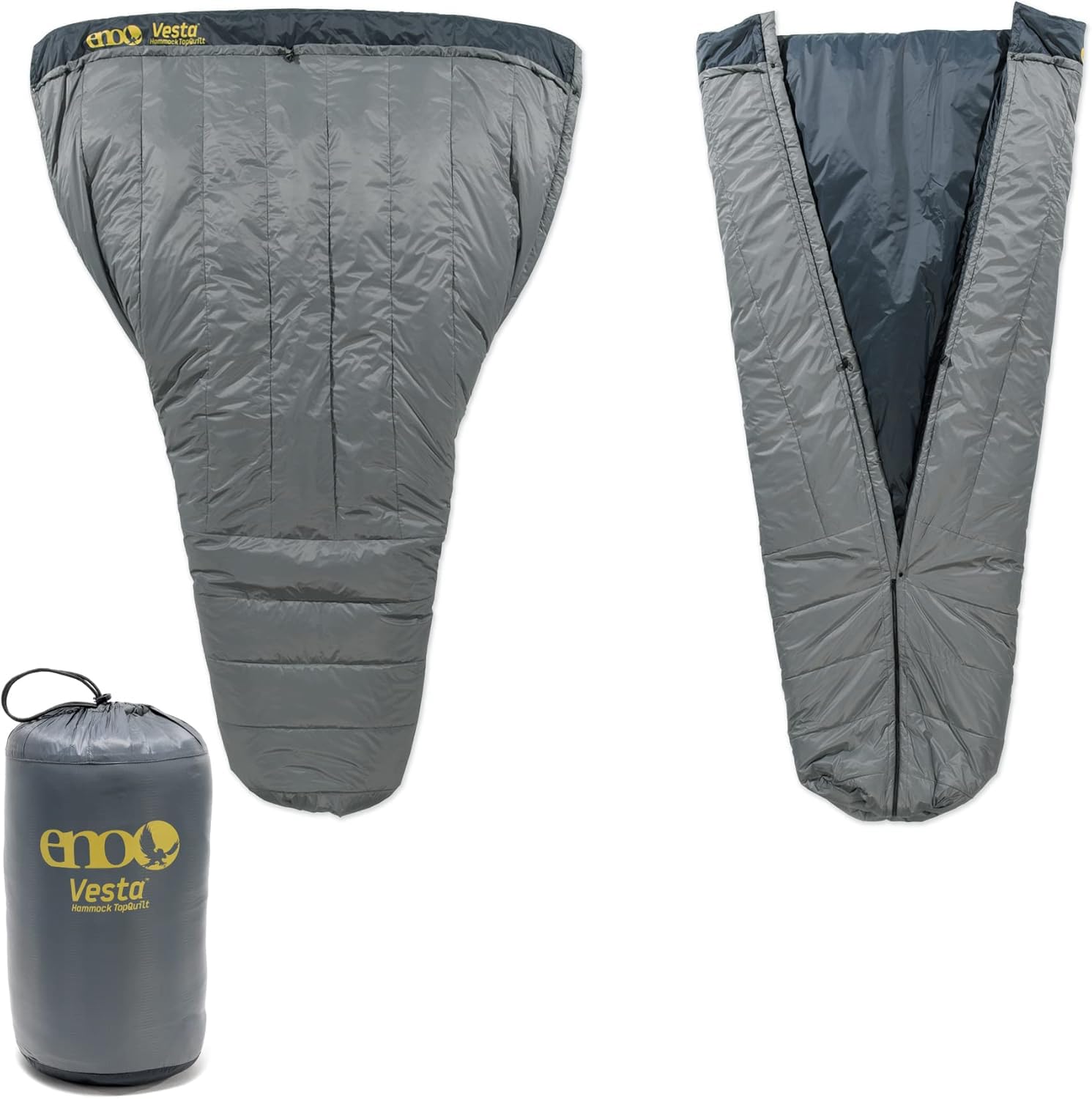
The ENO Vesta is the only synthetic quilt on this list, using two layers of Primaloft Gold and Primaloft Black insulation in a water-repellent 20D ripstop nylon shell. For hammock campers and anyone who expects condensation or light rain, synthetic loft is a lifesaver because it retains warmth when damp and dries faster than down. The 28-ounce weight is competitive with low-fill down quilts, and the rated 30 to 50°F temperature range covers typical summer and shoulder-season conditions.
The offset quilted construction reduces cold spots, and the zippered foot box with an adjustable draft collar seals heat in without restricting movement. The Vesta converts easily from a hammock quilt to a ground quilt, and the included mesh storage bag prevents compression between trips. At 6 feet 6 inches long and 4 feet 5 inches wide, it fits users up to 6 feet 2 inches comfortably.
Synthetic insulation is bulkier than down, so the Vesta does not compress as small as the down quilts here, but for wet climates or high-humidity trails, the performance advantage is worth the extra pack space. This is also a much better choice for car campers who do not want to worry about moisture damage.
Why it’s great
- Primaloft insulation retains warmth when wet
- Water-repellent shell handles condensation well
- Converts from hammock to ground use easily
Good to know
- Bulkier than down quilts when packed
- Limited to 30°F and above warmth range
8. ATEPA Recycled Down 3‑in‑1
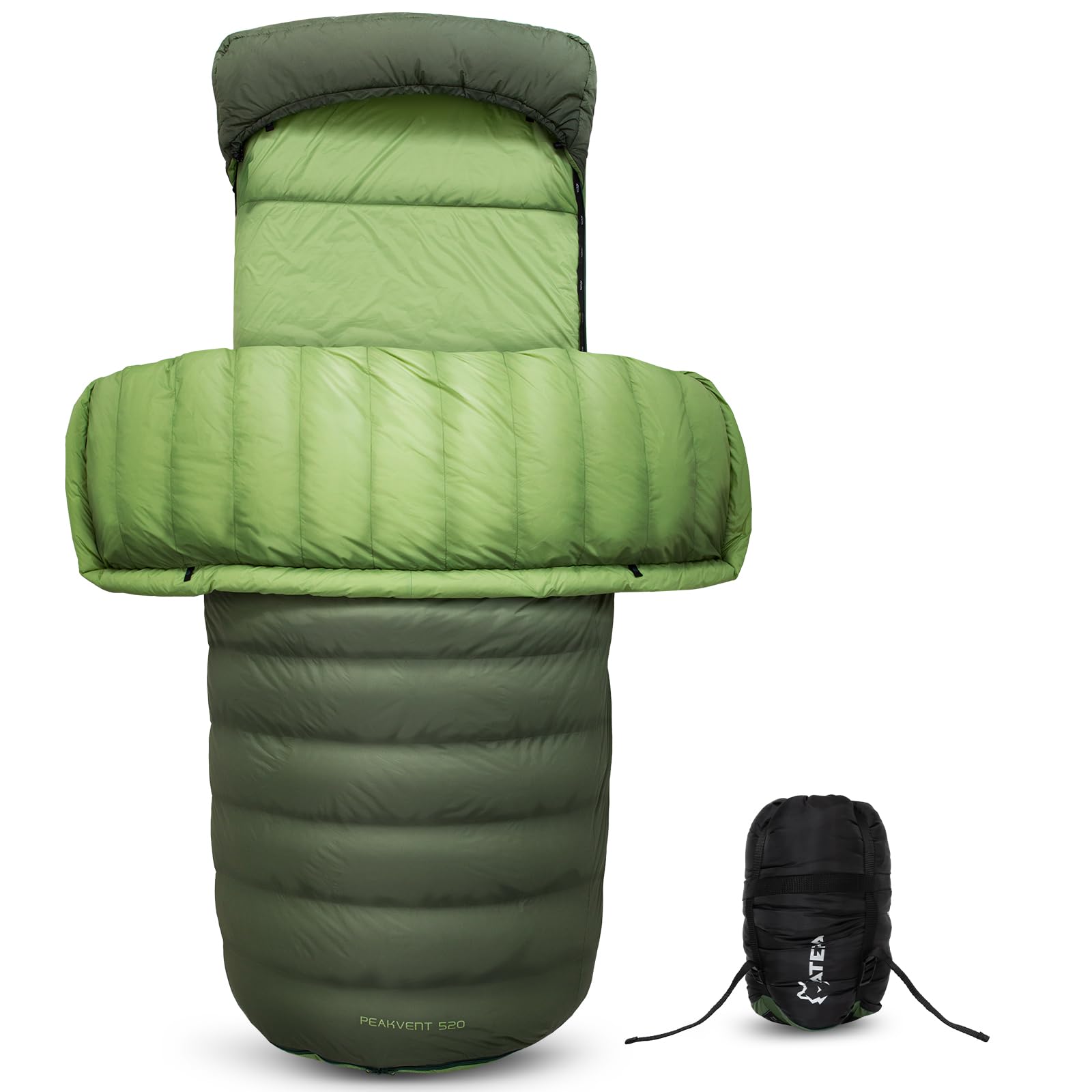
The ATEPA 3‑in‑1 system blurs the line between sleeping bag and quilt, offering a full-zip mummy that unzips into a blanket and can even be worn as a poncho. The 700-fill COLDMASTER down uses GRS-certified 20D nylon for both shell and liner, giving it an eco-friendly edge that budget quilts rarely offer. The 3.4-pound weight is heavier than a dedicated quilt, but the versatility makes it a strong choice for mixed-use trips where one sleep system has to do everything.
The 3‑D baffle technology prevents down migration and eliminates cold spots, and the wraparound pad attachment uses reinforced corners with 360-degree grip straps. The survival rating claims 6.8°F, though real-world comfort is closer to the mid-30s. The 33.5-inch width is generous enough for most sleepers, though the 5-foot-11 height limit means taller users will find the foot box snug.
This is the bulkiest option here, compressing to roughly 14 by 8 inches, but for beginners who are not sure whether they want a bag or a quilt, the ATEPA covers both bases without demanding a second purchase.
Why it’s great
- 3‑in‑1 design works as bag, blanket, or poncho
- GRS-certified recycled materials reduce environmental impact
- Wraparound pad straps prevent slipping
Good to know
- Heavy at 3.4 pounds compared to true quilts
- Max recommended height is 5’11”
9. ONETIGRIS Down Camping Blanket

The ONETIGRIS Down Camping Blanket is the most affordable entry into this category, using 600-fill duck down in a 20D nylon shell to create a lightweight blanket that doubles as a top quilt for warm-weather camping. At 2.3 pounds for the two-person version, it is heavier than dedicated quilts, but the wide 80.7-inch width makes it ideal for couples or hammock campers who want extra coverage. The snap-button system converts it into a poncho for hands-free camp chores.
The comfort range is rated between 46°F and 77°F, so this is strictly a summer or warm-climate blanket. Below 50°F, the minimalist fill leaves cold spots, especially around the edges where there is no cinch or foot box to trap heat. Some units have arrived with a tacky coating on one side that resists separation, and inconsistent fill distribution has been reported across multiple lots.
For ultralight budget hikers who only camp in warm months and want a versatile blanket that can serve as a camp quilt, picnic blanket, or extra car-camping layer, the ONETIGRIS fills a niche at the lowest entry cost. Just do not expect it to perform in cold weather.
Why it’s great
- Lowest entry cost for down insulation
- Large two-person size works for couples
- Snap poncho conversion adds hands-free utility
Good to know
- Not warm enough below 50°F due to thin fill
- Inconsistent fill distribution reported across batches
FAQ
Can a budget quilt keep me warm below freezing?
How do I attach a quilt to my sleeping pad without spending extra on straps?
Is down or synthetic better for a budget backpacking quilt?
Final Thoughts: The Verdict
For most hikers, the winning budget backpacking quilt is the Naturehike Snowbird because it combines RDS-certified down, a real draft collar, and a 29°F comfort rating without crossing into premium price territory. If your priority is shedding ounces and you want 850-fill down at a mid-range price, grab the SENSORY4U 850 Down Quilt. And for restless sleepers who need room to turn over, nothing beats the Kelty Supernova.

Mo Maruf
I created WellFizz to bridge the gap between vague wellness advice and actionable solutions. My mission is simple: to decode the research and give you practical tools you can actually use.
Beyond the data, I am a passionate traveler. I believe that stepping away from the screen to explore new environments is essential for mental clarity and physical vitality.