Our readers keep the lights on and my smoothie glass nicely filled. As an Amazon Associate, I earn from qualifying purchases.
The wrong pair of hiking boots doesn’t just ruin a day on the trail—it can turn a long-planned summit push into a blister-ridden retreat. Between wet feet from inadequate waterproofing, sore ankles from poor support, and early sole separation from cheap construction, a bad boot costs more in discomfort than any price tag suggests.
I’m Mohammad Maruf — the founder and writer behind WellFizz. My research focuses on analyzing material durability, outsole lug patterns, waterproof membrane effectiveness, and midsole density data to separate legitimate performance gear from marketing hype in the hiking boot category.
This guide covers nine of the top-performing models across different build philosophies and price tiers, ending with my recommendation for the best boots for hiking based on real-world trail feedback and measurable spec comparisons.
How To Choose The Best Boots For Hiking
Selecting the right boot means matching your foot shape, typical trail conditions, and pack weight to a specific set of construction features. Here are the three most critical factors to evaluate before buying.
Waterproof Membrane & Breathability
A waterproof boot that traps moisture inside is worse than a non-waterproof one because soaked socks create friction blisters. Gore-Tex liners offer the best breathability-to-waterproofing ratio for all-day treks. Boots using Columbia’s OutDry technology bond the membrane directly to the upper, eliminating liner slip but sometimes reducing airflow. For warm-weather or dry-trail hiking, a non-membrane boot dries faster and weighs less.
Outsole Traction & Lug Pattern
The outsole is your interface with the trail. Vibram Megagrip compounds provide the gold standard for wet-rock adhesion. Look for lugs at least 4mm deep with an aggressive chevron pattern for loose dirt and a squared heel brake for descents. Softer rubber compounds grip better but wear faster on pavement approaches—harder compounds last longer on rocky terrain but feel slick on wet slabs.
Midsole Support & Last Shape
EVA midsoles are lightweight and offer plush cushioning but compress over time. Polyurethane midsoles are denser and last longer but feel stiffer initially. If you carry a pack over 25 pounds, prioritize a boot with a nylon or TPU shank for torsional rigidity. Toe-box width is equally important—KEEN and Merrell are known for roomier lasts, while Salomon and Under Armour run narrower through the forefoot.
Quick Comparison
On smaller screens, swipe sideways to see the full table.
| Model | Category | Best For | Key Spec | Amazon |
|---|---|---|---|---|
| KEEN Targhee 4 Mid | Premium | Wide feet & rocky terrain | KEEN.FX outsole | Amazon |
| Salomon X-Adventure Recon Mid | Premium | Rugged all-weather stability | Gore-Tex membrane | Amazon |
| Under Armour Valsetz Zip | Premium | Quick on/off & lightweight | Charged Cushioning midsole | Amazon |
| Danner Skyridge | Mid-Range | Durable suede & ripstop build | Suede & cotton uppers | Amazon |
| Merrell Speed Strike 2 Mid | Mid-Range | Zero break-in travel boots | Vibram outsole | Amazon |
| Timberland White Ledge Mid | Mid-Range | Classic leather durability | Seam-sealed waterproofing | Amazon |
| Columbia Konos TRS Outdry | Mid-Range | All-day comfort & wide fit | OutDry waterproof tech | Amazon |
| Columbia Strata Trail Mid | Entry-Level | Warm-weather & breathability | Leather & suede upper | Amazon |
| Columbia Newton Ridge Plus | Entry-Level | Budget-friendly casual hikes | Omni-Grip outsole | Amazon |
In‑Depth Reviews
1. KEEN Men’s Targhee 4 Mid Height Waterproof Hiking Boots
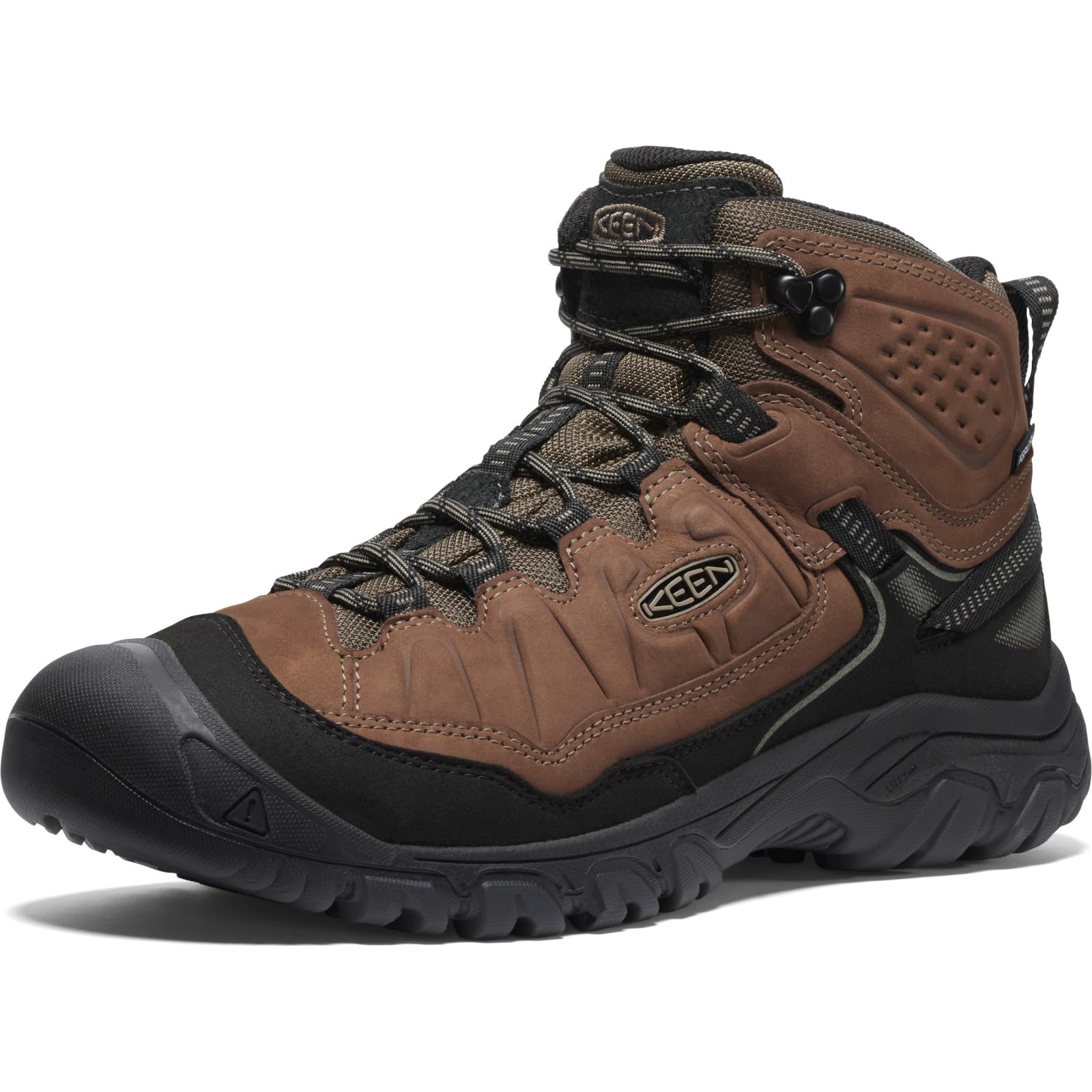
The KEEN Targhee 4 Mid is the benchmark for hikers who need a generous toe box without sacrificing heel lock. The KEEN.FX outsole uses multi-directional lugs that bite into loose scree and hold firm on wet granite, making it a top pick for Rocky Mountain approaches and slick river crossings alike.
Build quality has improved markedly after several generations—this version uses PFAS-free waterproofing without compromising the membrane’s reliability. The mid-height collar provides genuine ankle protection without restricting dorsiflexion on steep climbs, and the EVA midsole retains its shape well over multi-day treks with a 30-pound pack.
The only real tradeoff is weight; at nearly 2 pounds per boot, these feel substantial on the foot. The extra heft pays dividends in durability, with the outsole showing minimal wear after 100 trail miles. If you prefer a lighter, more agile boot, look elsewhere—but if you want armor for your feet, this is it.
Why it’s great
- Roomy toe box accommodates wide feet and thick socks comfortably
- Excellent construction quality with ethical material sourcing
Good to know
- Heavier than most mid-height competitors
- Some units show minor stitching inconsistencies
2. Salomon Men’s X-Adventure Recon Mid Gore-Tex
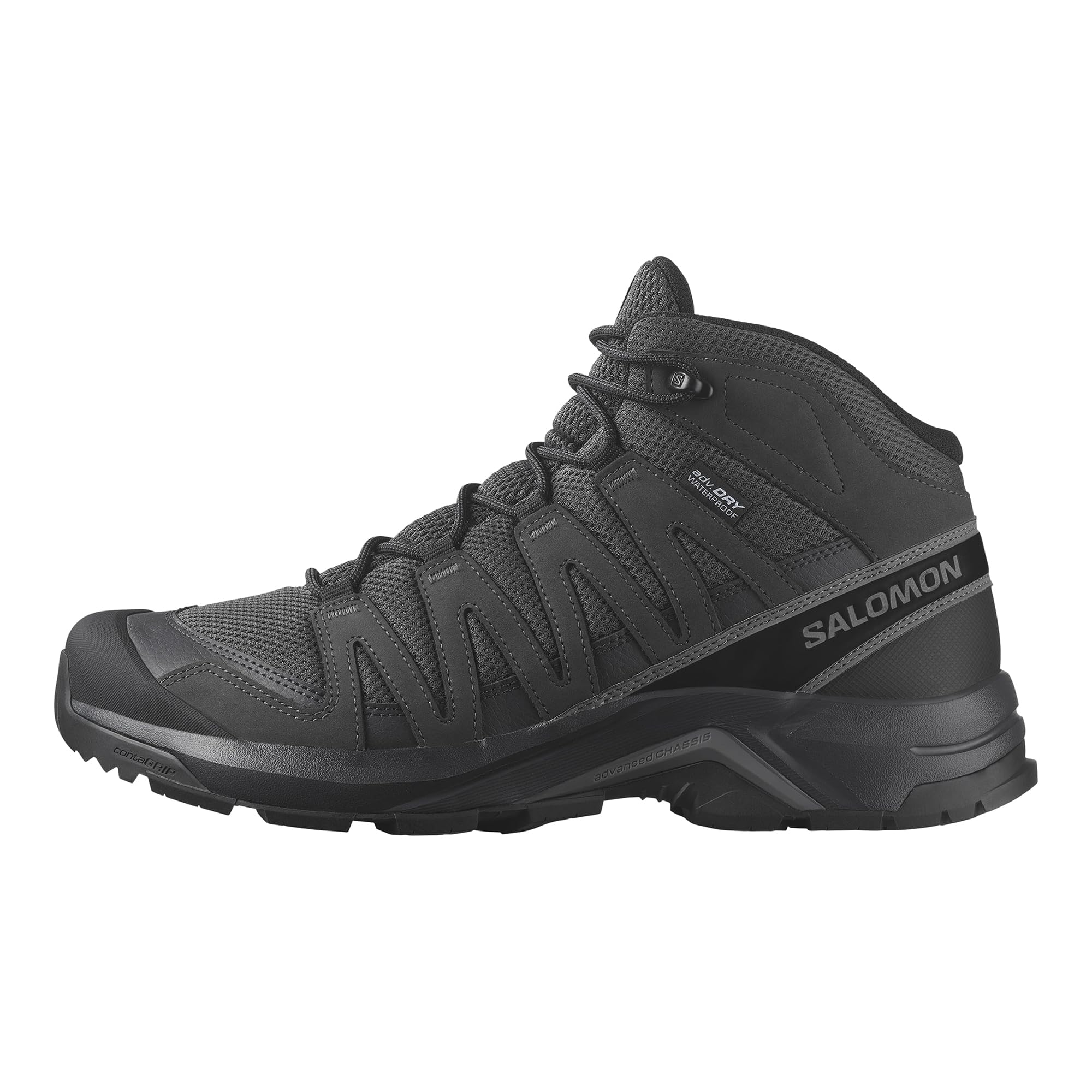
The Salomon X-Adventure Recon Mid is engineered for hikers who tackle exposed, rocky trails where a rolled ankle is a real risk. The Gore-Tex membrane delivers proven waterproofing without making the boot feel like a plastic bag—feet stay dry through creek crossings and wet grass while still allowing moisture vapor to escape on aerobic ascents.
Testers reported zero blisters over a 27-mile, three-day trip in sharp talus, thanks to the Contagrip outsole that maintains traction on loose-over-hardpack surfaces. The mid-cut collar uses Salomon’s signature Sensifit wrap, which hugs the heel and midfoot securely while leaving the forefoot enough room for natural splay on descents.
The fit runs slightly narrow through the toe box, so wide-footed hikers should plan on sizing up a half step. The outsole’s rubber compound is on the softer side, which improves wet-rock grip but accelerates wear on extended gravel road approaches. For the hiker who prioritizes stability and waterproof security above all else, this boot delivers.
Why it’s great
- Excellent ankle support prevents injury on loose terrain
- Gore-Tex liner performs reliably in snow and rain
Good to know
- Narrow forefoot may not suit all foot shapes
- Soft outsole compound wears faster on abrasive surfaces
3. Under Armour Men’s Charged Valsetz Zip Waterproof Tactical Boots
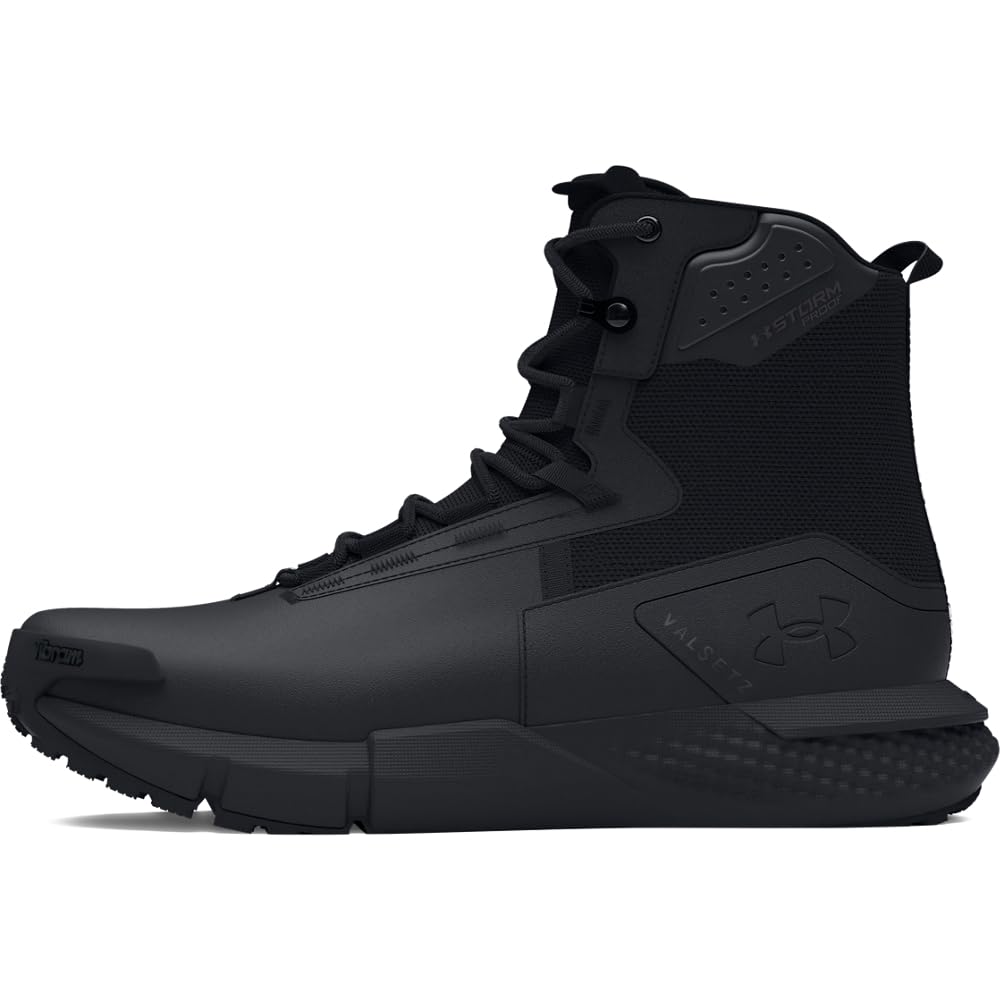
The Under Armour Valsetz Zip is built for hikers who value convenience and a shoe-like feel. The side zipper paired with a wide Velcro strap allows for fast entry and exit, a major advantage for those who lace and unlace boots multiple times per day or need to remove boots quickly after a long drive to the trailhead.
The Charged Cushioning midsole is noticeably softer than traditional EVA—testers described the underfoot feel as bouncy and forgiving on hard-packed dirt and gravel. The outsole uses an aggressive lug pattern that digs into loose soil and mud, though the rubber compound is less effective on wet polished rock than Vibram or Contagrip alternatives.
The toe box is narrower than average, which can cause pinching during steep descents. Several users noted that the zipper flap rubbed against the ankle bone initially, but the material softened after about a week of wear. For lightweight day hikes and travel where you prioritize quick changes over absolute ankle rigidity, this is a compelling option.
Why it’s great
- Zipper and Velcro make on/off effortless
- Very lightweight with a flexible, shoe-like feel
Good to know
- Narrow toe box limits toe splay on descents
- Zipper flap may cause initial ankle irritation
4. Danner Skyridge Hiking Boots for Men
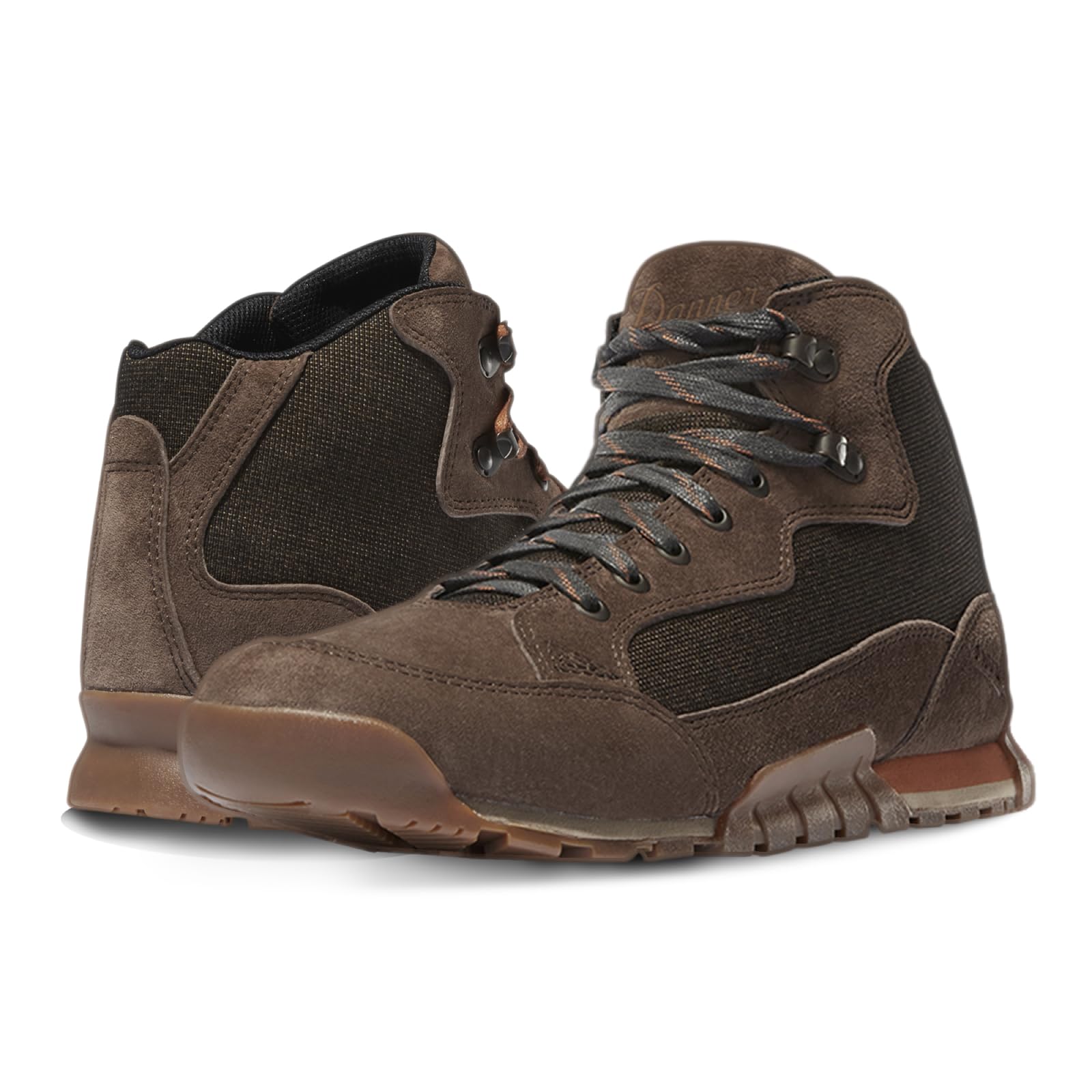
The Danner Skyridge blends classic suede with cotton ripstop for an upper that breathes better than full leather while resisting abrasion from brush and scree. The Danner-branded outsole uses a chevron tread pattern that clears mud effectively, and the low-profile heel cup provides stable footing on uneven side slopes.
Testers noted that the Skyridge requires minimal break-in compared to traditional all-leather Danner models—the suede flexes naturally out of the box. The boot handled a 60-mile backpacking trip with a 40-pound load without causing hot spots, and the insole is removable for custom orthotics. The lace hardware is heavy-duty and stays tight throughout the day.
The main limitation is waterproof depth—the suede upper absorbs moisture if submerged past the collar, so these are best for dry-trail hiking and light puddles rather than stream fording. Sizing runs slightly long; some buyers found their standard size left excessive heel slip, requiring a half-size down for a secure lock.
Why it’s great
- Breathable suede-ripstop upper dries faster than full leather
- Comfortable for long-distance treks with heavy packs
Good to know
- Not fully submersible waterproof; best for dry conditions
- Sizing runs long for some foot shapes
5. Merrell Men’s Speed Strike 2 Mid Waterproof

The Merrell Speed Strike 2 Mid is the go-to boot for travelers who need one shoe that works for cobblestone city streets and muddy trail sections alike. The Vibram outsole provides reliable traction across mixed surfaces, and the waterproof membrane kept feet dry through Icelandic glaciers and alpine puddles without overheating on 80-degree days.
Out-of-the-box comfort is a standout feature—testers reported zero blister issues on consecutive 10-mile days, and the EVA midsole offers enough rebound to soften pavement impact during long approach walks. The styling is clean and modern, blending well with jeans or hiking pants, which makes it a versatile choice for multi-purpose trips where packing space is at a premium.
Arch support is moderate rather than aggressive; hikers with high arches may want to swap in a supportive insole. The forefoot flex is generous, which some users prefer for agility, but those carrying heavy packs may want a stiffer platform. For day hikers and international travelers, the Speed Strike 2 hits a strong balance of weight, comfort, and traction.
Why it’s great
- Zero break-in period; comfortable straight from the box
- Versatile style works for both trail and town
Good to know
- Moderate arch support may not suit high-arched feet
- Flexible sole lacks rigidity for heavy pack loads
6. Timberland Men’s White Ledge Mid Waterproof Hiking Boots

The Timberland White Ledge Mid is a time-tested leather hiking boot that offers robust construction and reliable seam-sealed waterproofing at a mid-range price point. The solid rubber outsole provides excellent grip on dry rock and dirt, with a lug pattern that sheds mud reasonably well for a boot at this level.
The leather upper is thick enough to resist punctures from sharp scree and branch strikes, and the padded collar offers enough ankle cushioning for moderate terrain. The toe box is notably spacious, accommodating wider feet and thick wool socks without pressure points. With regular mink oil treatment, the leather can hold up for years of weekend hiking.
The waterproofing works well for light rain and shallow puddles but is not fully submersible—soaking the boot past the collar will wet out the interior, requiring thorough drying and re-treatment. The outsole also lacks the wet-rock grip of premium rubber compounds, so caution is warranted on slick streamside boulders. A solid choice for easy to moderate trails in dry climates.
Why it’s great
- Durable leather construction withstands abrasion and puncture
- Roomy toe box fits wide feet and heavy socks
Good to know
- Waterproofing fails when fully submerged; requires re-treatment
- Slippery on wet rock compared to premium rubber outsoles
7. Columbia Konos TRS Outdry

The Columbia Konos TRS Outdry delivers exceptional out-of-the-box comfort for hikers who prioritize immediate fit over a long break-in process. The OutDry membrane is bonded directly to the upper, eliminating the liner layer that can trap heat and moisture—testers wore these on 20-plus-mile days without developing blisters, even at heavier body weights.
The tread pattern uses deep chevron lugs that bite into loose soil and maintain grip on steep grassy slopes. The relatively wide fit through the toe box accommodates bunions and splay, making it a strong option for hikers with wider forefeet who don’t want to size up. The cushioning is plush without feeling unstable on uneven trails.
The most frequently reported quirk is a loud squeaking sound from the OutDry membrane during walking, which is more noticeable indoors than on trail. The boots also run warm in hot conditions—the membrane cuts wind effectively but reduces ventilation on 80-degree-plus days. For three-season hiking in moderate climates, the Konos TRS offers excellent value in all-day comfort.
Why it’s great
- Exceptionally comfortable for all-day wear with no blister issues
- OutDry bonded membrane prevents liner slippage
Good to know
- Loud squeaking sound during use can be distracting
- Runs warm in hot weather; best for spring through fall
8. Columbia Men’s Strata Trail Mid Waterproof
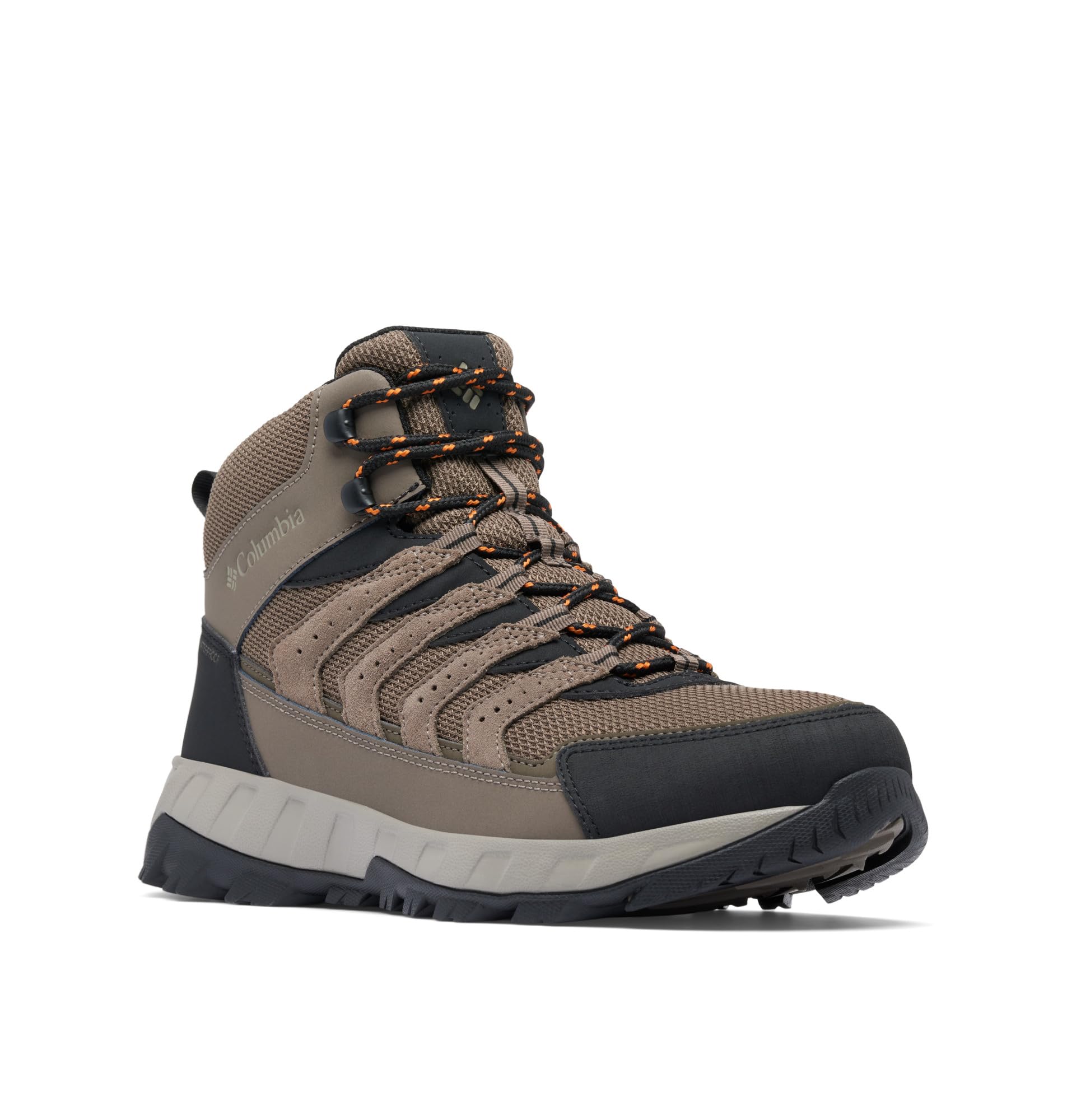
The Columbia Strata Trail Mid is a lightweight water-resistant hiker built for warm weather and high-output hiking where breathability is more important than total waterproof security. The suede and leather upper allows moisture vapor to escape easily, and testers reported dry, comfortable feet on 7-mile hikes in 80-degree heat.
The generous toe box and heel cushioning provide a stable platform for unloaded day hikes, and the lacing system locks the heel securely without pressure points. Several testers took these to Iceland and kept their feet dry through glacial puddles and rain showers, though the water resistance is membrane-based and not suited for submersion.
The main criticism centers on the tongue design—some users report that the gusseted tongue scoops water when stepping into puddles, funneling moisture inside through the lacing area. Sizing should account for thick socks; buyers recommend going up a half size. For dry-climate day hikers and fast-moving approaches, the Strata Trail is a very strong entry-level option.
Why it’s great
- Lightweight and breathable for warm-weather hiking
- Comfortable out of the box with no break-in needed
Good to know
- Tongue design can scoop water into the boot
- Runs slightly small; consider sizing up for thick socks
9. Columbia Women’s Newton Ridge Plus Waterproof Amped
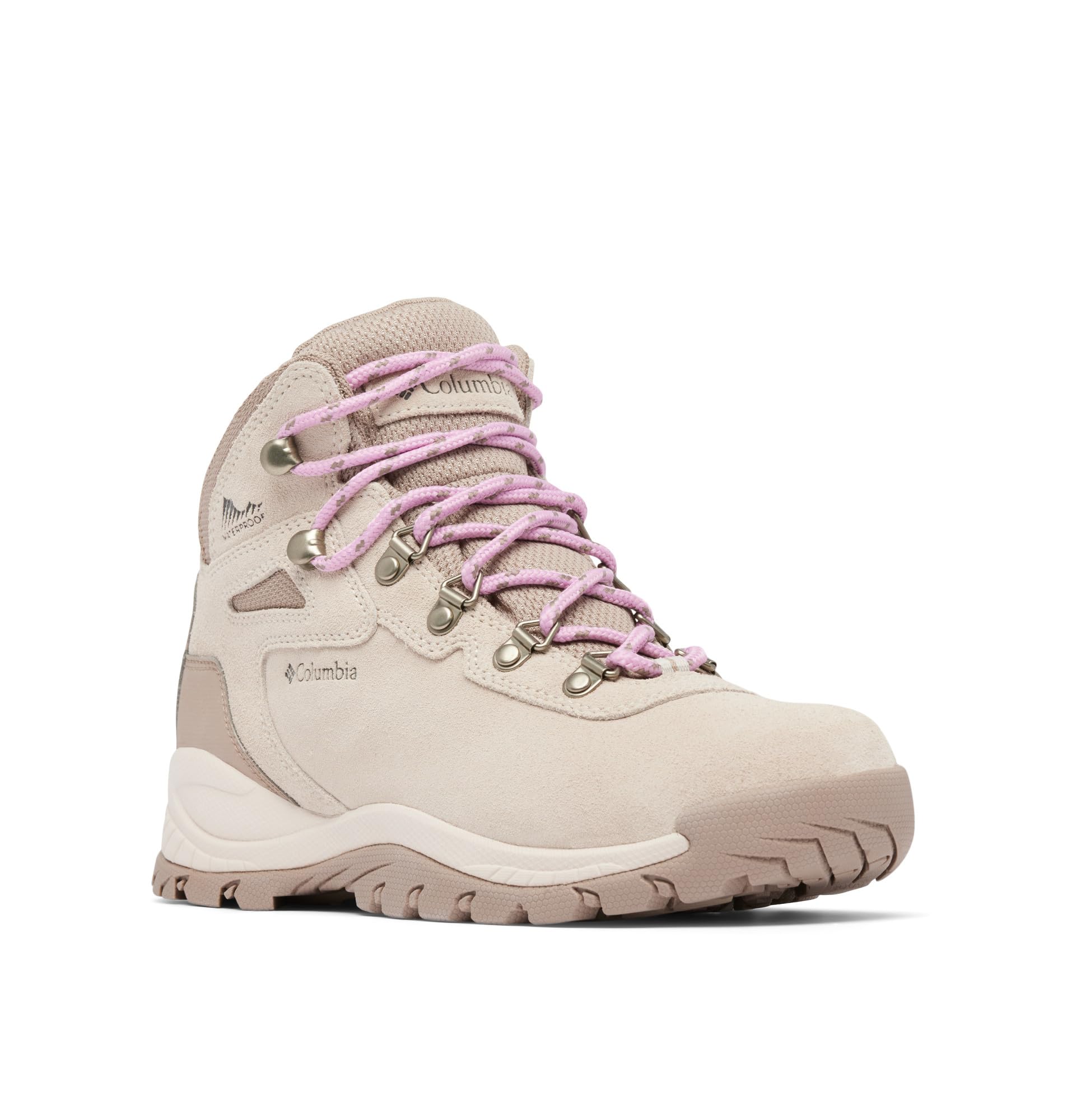
The Columbia Newton Ridge Plus Amped is a perennial budget favorite that proves you don’t need to spend heavily for a capable, comfortable hiking boot. Testers consistently report zero break-in pain, with the boot fitting true to size and offering enough cushioning for half-day treks on moderate terrain. The Omni-Grip outsole performs well on dry packed dirt and rocky paths, providing dependable traction for entry-level hikers.
The waterproof Amped membrane keeps feet dry in light rain and morning dew, though prolonged exposure to standing water will eventually wet through. The mid-height collar provides decent stability for day hikes without the rigid structure of heavier boots, making it a good transition option for runners moving into trail hiking.
The tongue design on this model also draws criticism for collecting snow and funneling rain inside during heavier precipitation, so winter hiking requires gaiters. The cushioning compresses faster than higher-end midsoles, but for casual weekly hikes and well-maintained trails, the Newton Ridge Plus delivers excellent value. Just be prepared to replace them sooner than premium alternatives.
Why it’s great
- Extremely comfortable with no break-in period
- Lightweight and stylish for everyday casual wear
Good to know
- Tongue collects snow and rain in wet conditions
- Midsole cushioning compresses faster than premium models
FAQ
How much ankle support does a mid-height hiking boot actually provide?
Should I size up for thick hiking socks?
How do I maintain the waterproofing on my hiking boots?
Final Thoughts: The Verdict
For most users, the best boots for hiking winner is the Salomon X-Adventure Recon Mid Gore-Tex because it combines proven waterproof security, excellent ankle support, and a traction outsole that inspires confidence on loose, rocky trails. If you want a wider toe box and bombproof durability for heavier loads, grab the KEEN Targhee 4 Mid. And for lightweight travel and zero break-in comfort, nothing beats the Merrell Speed Strike 2 Mid.

Mo Maruf
I created WellFizz to bridge the gap between vague wellness advice and actionable solutions. My mission is simple: to decode the research and give you practical tools you can actually use.
Beyond the data, I am a passionate traveler. I believe that stepping away from the screen to explore new environments is essential for mental clarity and physical vitality.