Our readers keep the lights on and my smoothie glass nicely filled. As an Amazon Associate, I earn from qualifying purchases.
Finding a board game that holds the attention of an 11-year-old without feeling childish or overly complex is a real challenge. At this age, kids crave deeper strategy and social interaction, but they still need rules that click within minutes and a playtime that fits a school night. The wrong pick can lead to boredom, arguments, or a box that collects dust on a shelf.
I’m Mohammad Maruf — the founder and writer behind WellFizz. I’ve spent years analyzing consumer trends and dissecting game mechanics across hundreds of board game categories to identify what truly delivers engaging, age-appropriate play for growing minds.
After evaluating dozens of options against criteria like rule clarity, replay value, and strategic depth, I’ve curated a focused selection to help you find the absolute best board games for 11 year olds that will actually get played again and again.
How To Choose The Best Board Games For 11 Year Olds
An 11-year-old is in a sweet spot — they’ve outgrown simple roll-and-move games but aren’t ready for heavy, multi-hour Eurogames. The best options for this age group provide meaningful decisions without overwhelming complexity. Here are the three factors that separate a hit from a dud.
Strategic Depth vs. Playtime Length
The ideal game for an 11-year-old offers real strategic choices — set collection, route building, or resource management — but wraps them in a package that plays in 30 to 60 minutes. Games much shorter feel disposable; games much longer lose their attention after a school day. Look for a stated playtime of 20 to 45 minutes for the most consistent engagement.
Player Count and Social Interaction
At this age, board games are often a social activity with siblings or friends. A game that accommodates 3 to 5 players ensures no one gets left out during a sleepover or family game night. Pay attention to the type of interaction — games with direct competition and blocking mechanics create more memorable moments than those that feel like multiplayer solitaire.
Component Quality and Theme
An 11-year-old’s imagination is still highly active but now paired with a developing sense of aesthetics. Games with vivid artwork, tactile wooden tokens, or unique 3D elements (like pop-up boards or stacked landscape pieces) have a much higher hit rate. A theme that resonates — whether it’s houseplants, classic video games, or train travel — gives them a reason to pull the box off the shelf unprompted.
Quick Comparison
On smaller screens, swipe sideways to see the full table.
| Model | Category | Best For | Key Spec | Amazon |
|---|---|---|---|---|
| Ticket to Ride | Strategy / Family | Cross-country route building | 225 plastic train pieces | Amazon |
| Planted | Resource Management | Botanical strategy fans | 42 unique plant varieties | Amazon |
| Harmonies | Tile-Laying Puzzle | Creative 3D landscape building | 120 wooden tokens | Amazon |
| Exploding Kittens Board Game | Party / Family | High-energy, laugh-filled sessions | Pop-up flip board | Amazon |
| Spin Master Tetris Board Game | Puzzle / Strategy | Real-time pattern building | 128 Tetrimino pieces | Amazon |
In‑Depth Reviews
1. Asmodee Ticket to Ride Board Game (2025 Refresh)
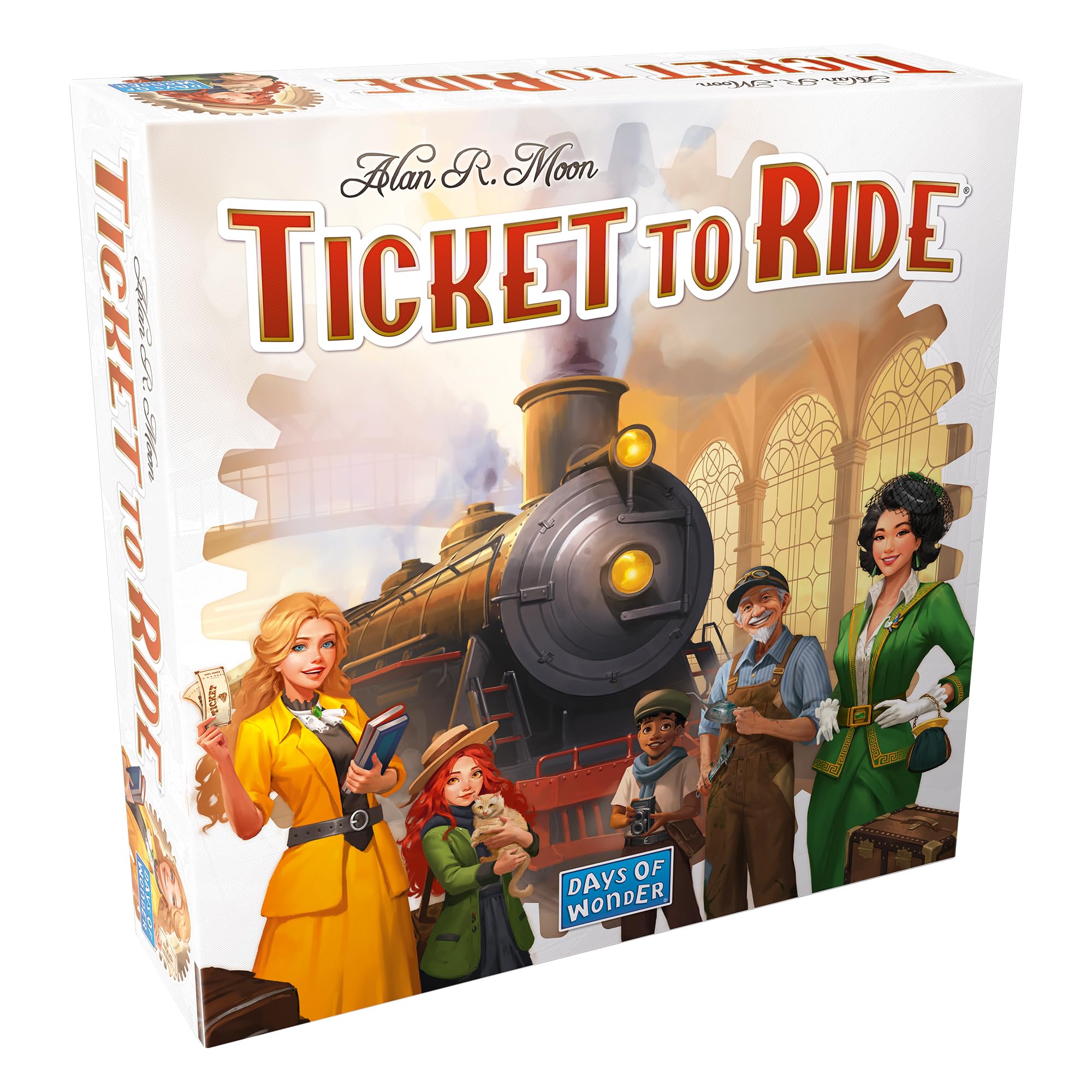
Ticket to Ride is the gold standard for family strategy games, and the 2025 refresh retains everything that has made it a perennial favorite. An 11-year-old can grasp the core loop — collect colored train cards, claim railway routes between cities, and complete destination tickets — within the first five minutes, but the strategic decisions around blocking opponents and optimizing route density keep the brain engaged for dozens of plays. The game board’s oversized map of North America and the tactile pleasure of placing tiny plastic trains on the tracks create a satisfying physical experience that digital games can’t replicate.
The 30-to-60-minute playtime hits the perfect sweet spot for this age group. A round feels substantial enough to feel like an event but never drags into the second hour where focus starts to waver. The 2025 edition updates the component quality with vibrant card art and a durable folding board that holds up to weekly use. With 225 plastic trains across five colors, the replayability is immense — each game plays differently based on which destination tickets are drawn and how opponents decide to build.
What truly sets Ticket to Ride apart for an 11-year-old is the way it teaches geography and planning without feeling like homework. They’ll naturally learn where Seattle sits relative to Los Angeles and start thinking two moves ahead to secure a critical route. The scoring system (routes plus bonus for the longest continuous path) rewards both aggressive expansion and careful planning, ensuring that different play styles can all compete.
Why it’s great
- Exceptionally high replay value with variable ticket draws
- Teaches strategic planning and basic geography organically
- High-quality components that withstand frequent use
- Accessible to new players but offers depth for experienced gamers
Good to know
- Can run closer to 60 minutes with 5 players
- Some younger 11-year-olds may need help reading city names on tickets
2. Buffalo Games Planted Strategy Board Game

Planted offers a refreshingly calm strategic experience where players collect water and plant food tokens to acquire and care for 42 unique houseplant cards, from fiddle leaf figs to monsteras. Designed by acclaimed game creator Phil Walker-Harding, the game uses an optimization mechanic — you have a limited hand of resources and must decide which plants to nurture based on their specific needs. For an 11-year-old, this teaches resource allocation and prioritization in a context that feels more like a fun hobby than a math problem. The game’s gentle competition (you’re racing to complete the most valuable collections) avoids the cutthroat frustration that can derail family game night.
The components are a standout feature. The wooden tokens for water drops and plant food are satisfying to handle, and the plant cards feature beautiful botanical illustrations that invite closer inspection. Each plant card includes a small fact about its real-life care, which adds a subtle educational layer that curious kids will absorb naturally. The game plays in a brisk 20 to 30 minutes, making it an excellent choice for a weeknight game before bed or a quick round between homework sessions.
Where Planted truly shines for this age group is its ability to accommodate different skill levels. A younger 11-year-old can focus on collecting their favorite plants, while a more strategic player can calculate point values and plan several turns ahead. The game supports 2 to 5 players smoothly, and the instructions are so clear that an 11-year-old can learn to teach it to friends without adult help. It’s a low-stress, high-satisfaction game that rewards thoughtful play without punishing mistakes too harshly.
Why it’s great
- Beautiful, tactile wooden components that feel premium
- Quick 20-30 minute playtime fits busy schedules
- Teaches resource management and prioritization gently
- Inclusive artwork and plant facts appeal to curious minds
Good to know
- Token shortage can occur with higher player counts (use 1-token-represents-4 system)
- Requires decent table space for 3-5 players
3. Asmodee Harmonies Board Game

Harmonies blends a tile-laying puzzle with a 3D landscape-building experience that feels more like creating art than playing a competitive game. Players draw colored tiles representing different terrain types (forests, rivers, mountains) and stack them on their personal board to create habitats for 42 beautifully illustrated animal cards. The rules are straightforward enough that an 11-year-old can start building within minutes, but the depth emerges from the scoring system — you earn points not just for completing habitats but for achieving the specific terrain patterns each animal requires. This creates a satisfying puzzle that rewards spatial reasoning and forward planning.
The component quality is exceptional for this price tier. The 120 wooden tokens are thick, textured, and satisfying to stack, creating a tactile 3D landscape that grows before your eyes as the game progresses. The animal cards feature artwork from Libellud’s signature style that is genuinely beautiful — kids will want to examine each card’s illustration. The game includes a solo mode, which is a rare and welcome feature for an 11-year-old who sometimes plays alone. The solo variant uses a simple AI system that provides a solid challenge without complex bookkeeping.
The biggest consideration with Harmonies is the player interaction level. Each player builds their own landscape on their own board with no direct blocking or take-that mechanics. Some 11-year-olds who thrive on direct competition may find it feels too solitary, while others will love the peaceful, meditative quality of optimizing their own puzzle. For families where sibling rivalry can derail game night, this is actually a feature — it eliminates arguments and lets each player focus on their own creation. The 30-minute playtime keeps the experience tight and leaves everyone wanting one more round.
Why it’s great
- Exceptional tactile experience with 3D wooden landscape pieces
- Beautiful, high-quality artwork that appeals to creative kids
- Includes a well-designed solo mode for independent play
- Simple rules with deep spatial strategy
Good to know
- Minimal direct player interaction — feels like multiplayer solitaire
- Limited variety of Nature Spirit cards reduces long-term replayability
4. Exploding Kittens: The Board Game
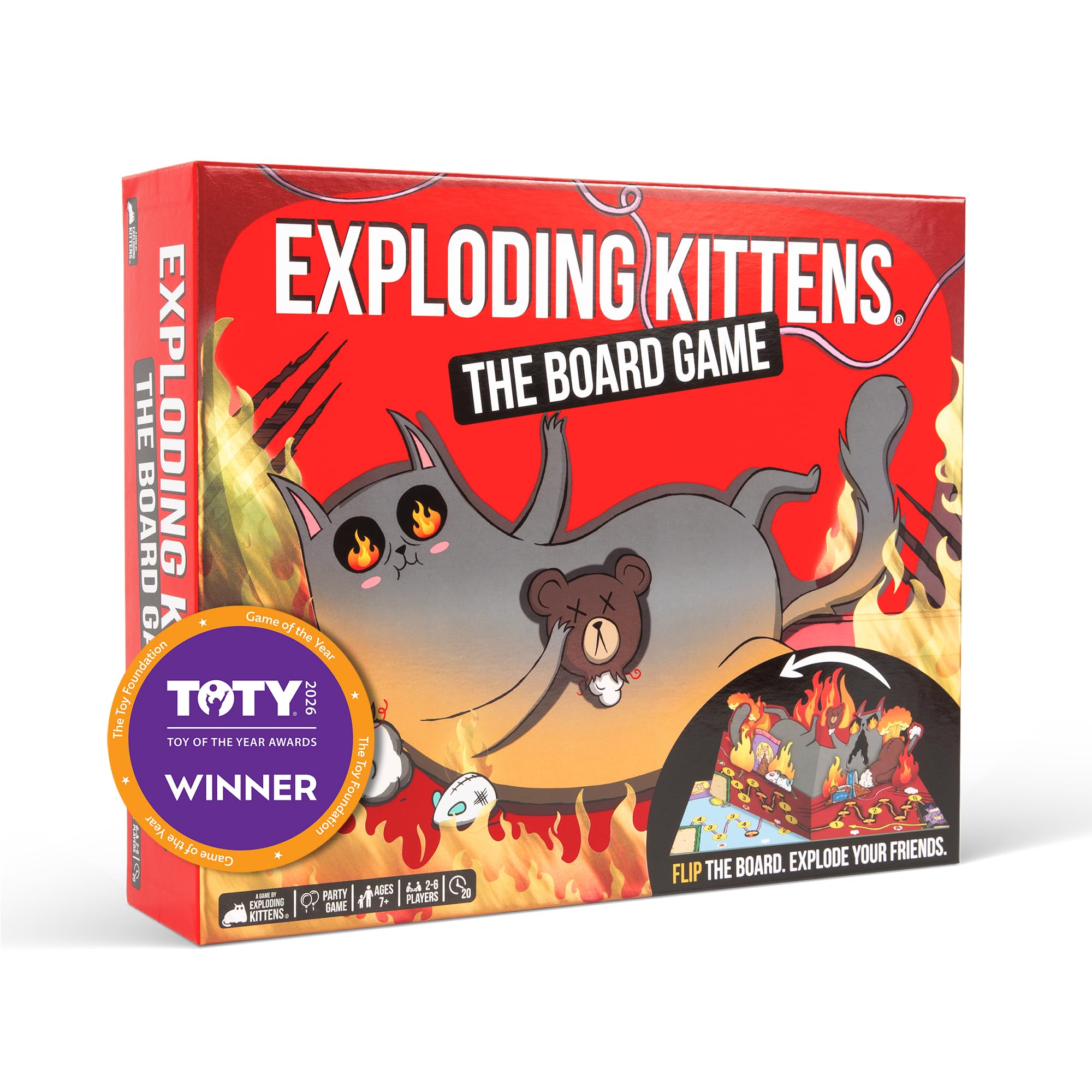
Exploding Kittens has built a massive following as a card game, and this board game adaptation expands the concept into a more elaborate experience with a flippable game board that keeps players on edge. The premise is hilarious: players navigate a path, draw cards, and try to avoid the exploding kitten that ends the game. What makes this version special is the board itself — one wrong move triggers a flip that reveals a completely new path, turning a safe route into a dangerous one. For an 11-year-old, this surprise mechanic creates genuine gasps and laughter, exactly the kind of social energy that makes family game night memorable.
With 65 action cards and 26 move cards, the game supports up to 6 players, which is ideal for sleepovers or larger family gatherings. The characters (TacoCat, SushiCat, GnomeCat) are delightfully silly, and cards like Meatpants and Butterfly Punch lean into the absurd humor that resonates with this age group. The rules are light and can be explained in under two minutes, so kids can jump straight into the chaos. Game length varies from 30 to 60 minutes depending on player count, but the constant threat of elimination keeps everyone engaged throughout.
The main trade-off is depth. This is not a strategy game — it’s a party game driven by luck and social bluffing. An 11-year-old who loves deep tactical planning may find the randomness unsatisfying after a few plays. However, for a group of kids who want to laugh and interact without serious thinking, it’s an outstanding choice. The pop-up board is clever but requires careful storage to avoid bending the fold lines. The Toy Foundation named it 2026 Toy of the Year for good reason — it delivers reliable, repeatable fun with zero barrier to entry.
Why it’s great
- Hilarious, absurd theme that kids love
- Unique flippable board creates genuine surprise moments
- Supports up to 6 players for groups
- Extremely easy to learn with no reading required
Good to know
- Relies heavily on luck rather than skill
- Cardboard character standees are thin and can bend
- Game can feel anticlimactic compared to the original card game for some fans
5. Spin Master Games, Tetris: The Board Game
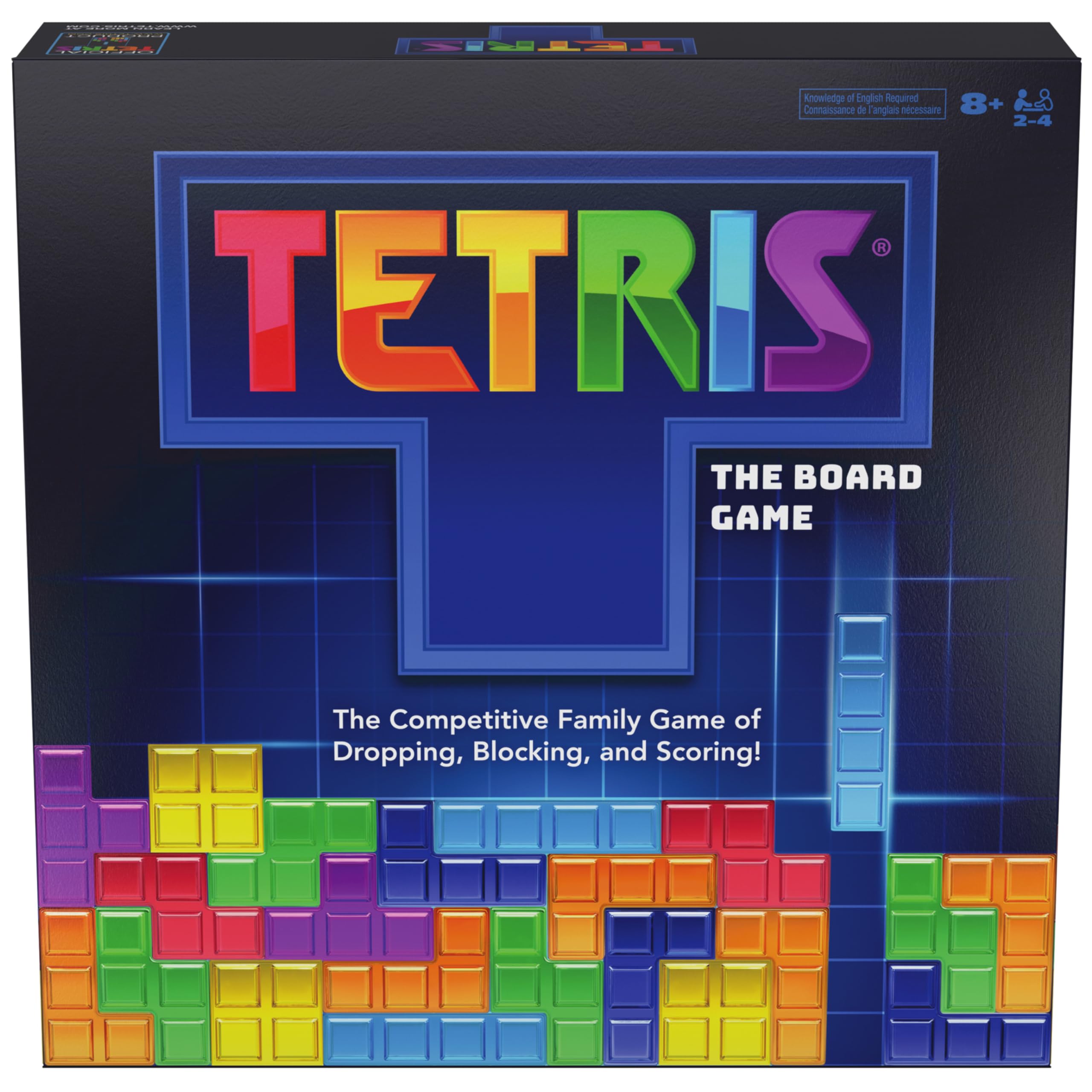
This physical adaptation of the iconic video game brings the spatial puzzle challenge of Tetris to the tabletop with a competitive twist. Players draw Tetrimino cards and then physically place the corresponding semi-translucent plastic pieces onto their personal grid, trying to complete full lines to remove them from their board. The tactile experience of rotating and dropping real pieces is surprisingly satisfying and translates the digital feel authentically. What makes it work for 11-year-olds is the blocking mechanic — when you complete a line, you earn the ability to drop a Garbage piece onto an opponent’s grid, directly sabotaging their progress.
The game supports 2 to 4 players and plays in about 20 minutes, making it one of the quickest options in this lineup. This short playtime is a strength — it’s easy to say “one more round” and fits perfectly into a homework break or before dinner. The cognitive demands are real: kids must rapidly evaluate shapes, plan rotations, and manage limited space, which exercises exactly the kind of spatial reasoning and mental rotation skills that benefit developing brains. The semi-translucent pieces are durable and colorful, though some units may arrive with bent pieces that need gentle straightening.
The biggest consideration is the luck factor. While there is real strategy in how you arrange pieces and when to use your Garbage attacks, the order of the Tetrimino cards you draw is purely random. This means a skilled player can still lose to an opponent who draws favorable pieces, which can frustrate competitive kids. However, the game’s speed means any disappointment is short-lived, and the overall experience leans more toward fun than frustration. It’s an excellent entry point for kids who love the video game and want a screen-free version that adds social interaction through direct sabotage.
Why it’s great
- Faithful physical adaptation of a beloved classic game
- Fast 20-minute rounds perfect for short sessions
- Develops spatial reasoning and quick decision-making
- Direct blocking mechanic adds fun player interaction
Good to know
- Some puzzle pieces may arrive bent or warped
- Random card draws can make luck dominate strategy
FAQ
What game length works best for an 11-year-old?
Should I choose a cooperative or competitive game for an 11-year-old?
How important is component quality for this age group?
Final Thoughts: The Verdict
For most families, the winner for board games for 11 year olds is the Asmodee Ticket to Ride because it delivers the perfect balance of strategic depth, replay value, and social interaction in a package that’s easy to learn but hard to master. If you want a quieter, more creative experience with tactile 3D pieces, grab the Asmodee Harmonies. And for high-energy family game nights with lots of laughter and surprise, nothing beats the Exploding Kittens Board Game.

Mo Maruf
I created WellFizz to bridge the gap between vague wellness advice and actionable solutions. My mission is simple: to decode the research and give you practical tools you can actually use.
Beyond the data, I am a passionate traveler. I believe that stepping away from the screen to explore new environments is essential for mental clarity and physical vitality.