Our readers keep the lights on and my smoothie glass nicely filled. As an Amazon Associate, I earn from qualifying purchases.
Aloe vera plants are famously resilient — until their own soil drowns them. The primary killer of indoor aloe isn’t cold drafts or poor light; it’s a potting mix that holds water like a sponge, suffocating the roots and inviting rot. A mix designed for leafy tropicals simply cannot support the sharp drainage aloe roots demand. This is where targeted formulation becomes non-negotiable.
I’m Mohammad Maruf — the founder and writer behind WellFizz. I’ve spent years analyzing soil composition, drainage rates, and aeration profiles across dozens of specialty blends to understand what keeps drought-tolerant plants like aloe genuinely thriving indoors. My research focuses on the measurable differences in texture, ingredient density, and moisture retention that separate effective mixes from those that look right but perform poorly.
Whether you are repotting an overgrown pup or starting a collection from scratch, choosing the right foundation is your most critical decision. This guide breaks down five distinct options, from budget-friendly bagged mixes to premium living soils, so you can confidently select the best aloe soil for your specific plant environment.
How To Choose The Right Aloe Soil
Aloe vera requires a soil that drains within seconds, not minutes. The wrong mix leads to compacted, waterlogged conditions that cause root rot and yellowing leaves. Here are the key factors to evaluate before you buy.
Drainage and Aeration
Look for a chunky, coarse texture that includes perlite, pumice, or lava rock. These ingredients create air pockets that let water flow through quickly and oxygen reach the root zone. A mix that stays damp more than a few days after watering is too dense for aloe.
Ingredient Composition and Nutrient Source
Peat-based mixes are common but tend to retain moisture longer than ideal for aloe. Peat-free blends often use bark, coco coir, or worm castings instead. For a balanced approach, choose a mix with organic matter like worm castings for slow-release nutrition, but ensure the bulk of the volume comes from coarse, non-absorbent particles.
Bag Volume and Value
Sizes range from 1-quart bags for a single small pot to 4-quart bags that refresh several containers. A 4-quart bag typically fills two to three medium pots. Buy the size that matches your current repotting project — leftover soil can dry out and lose texture over time if the bag is not resealable.
Quick Comparison
On smaller screens, swipe sideways to see the full table.
| Model | Category | Best For | Key Spec | Amazon |
|---|---|---|---|---|
| Doter Aloe Vera Potting Soil Mix | Premium | Aloe-specific nutrition | Balanced pH for aloe | Amazon |
| Rosy Soil Cactus Soil | Premium | Living soil with microbes | Peat-free chunky texture | Amazon |
| Miracle-Gro Succulent Potting Mix | Mid-Range | General succulent care | Blend with plant food | Amazon |
| Midwest Hearth Cactus Soil | Mid-Range | Root growth focus | pH-controlled mix | Amazon |
| DUSPRO Succulent Soil Mix | Entry-Level | Small pots and trials | 7-in-1 ingredient blend | Amazon |
In‑Depth Reviews
1. Doter Aloe Vera Potting Soil Mix 4qt

Doter formulated this mix specifically for aloe vera, not succulents in general, which shows in the targeted pH balance and drainage profile. The texture stays loose and lightweight straight from the bag, with excellent drainage that prevents the soggy conditions aloe roots hate. Users report visibly faster growth and healthier leaf color after switching from generic potting soils.
The 4-quart size provides enough volume for repotting two to three medium aloe plants or several smaller offsets. The bag contains a blend of coarse materials that resist compaction over time, maintaining air pockets even after repeated watering cycles. This consistency makes it a reliable choice for growers who want a no-mix solution that works immediately.
While it is formulated for aloe, the same mix supports other drought-tolerant houseplants like jade and snake plants. The slightly higher price reflects the specialized blending and balanced nutrients, but the ready-to-use convenience eliminates the guesswork of amending a generic bag with perlite or sand.
Why it’s great
- Designed specifically for aloe vera’s unique needs
- Excellent drainage prevents root rot immediately
- Nutrient-rich composition supports fast foliage growth
Good to know
- Bag size is moderate, not suitable for large collections in one go
- Premium-tier pricing compared to general succulent mixes
2. Rosy Soil Cactus Soil – Organic Succulent Potting Mix 4qt
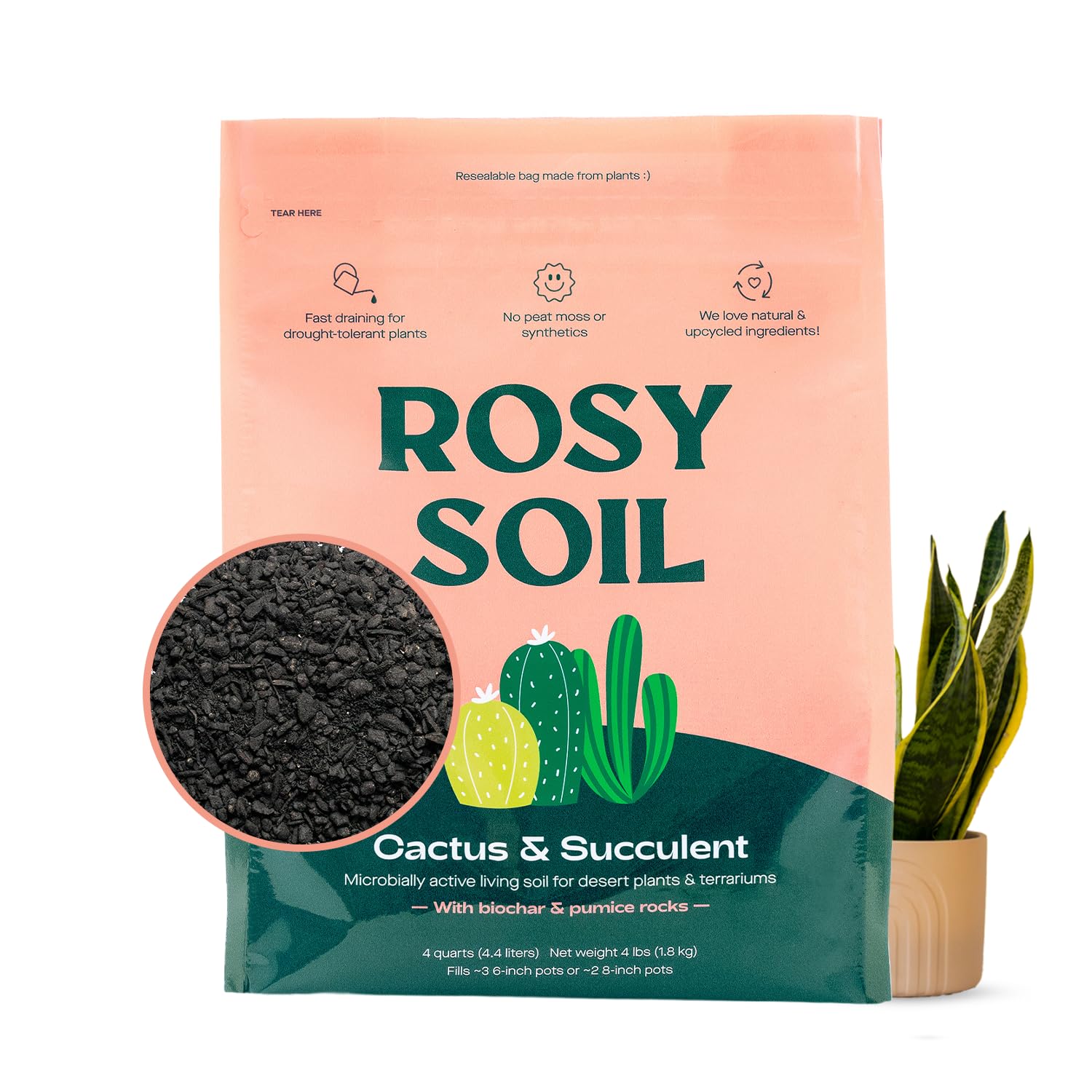
Rosy Soil takes a different approach by building a living soil that includes beneficial fungi, microorganisms, and worm castings instead of synthetic fertilizer. The chunky, peat-free texture stays airy and resists the dense compaction that traps moisture. This mix drains fast enough that even heavy-handed waterers get a safety margin against root rot.
The 4-quart bag features resealable packaging, which helps maintain moisture levels between uses — a thoughtful detail for growers who only repot occasionally. The formula works well for aloe vera, jade, and other drought-tolerant species, and users consistently report zero issues with gnats or other pests often associated with organic soils.
Some users note that for established aloe plants with thick root systems, adding a bit of extra perlite or fine gravel improves drainage further. The mix already runs loose and gritty, so this is optional depending on your watering habits. For growers committed to an organic, peat-free approach, this is a top-tier choice.
Why it’s great
- Living microbes and worm castings feed roots naturally
- Peat-free formula drains faster than conventional mixes
- Resealable bag keeps leftover soil fresh longer
Good to know
- Some established plants may benefit from extra perlite
- Bag contains slight moisture upon opening
3. Miracle-Gro Succulent Potting Mix 4qt

Miracle-Gro is the household name in potting soil, and their succulent-specific blend includes pre-mixed plant food for a convenient all-in-one solution. The base is primarily sphagnum peat moss with processed forest products and perlite, giving it a lighter texture than standard potting soil. Beginners appreciate the familiar brand and straightforward instructions.
Customer feedback reveals a critical nuance: this mix stays moist longer than ideal for aloe vera. Several experienced growers note the soil remains damp an inch below the surface several days after watering, which can pose a risk for overwatering-sensitive plants. Adding extra perlite or coarse sand helps offset this tendency, especially in humid environments.
For growers who are disciplined about letting the soil dry completely between waterings, this bag remains a budget-friendly option that gets the job done. It works well for English lavender and other plants that prefer slightly more moisture than aloe, offering flexibility if you grow multiple succulent varieties.
Why it’s great
- Readily available from most garden retailers
- Includes plant food for easy feeding
- Good value for general succulent care
Good to know
- Peat base can retain too much moisture for strict aloe needs
- Adding perlite or sand is recommended for best drainage
4. Midwest Hearth Cactus Succulent Natural Potting Soil Mix 4qt
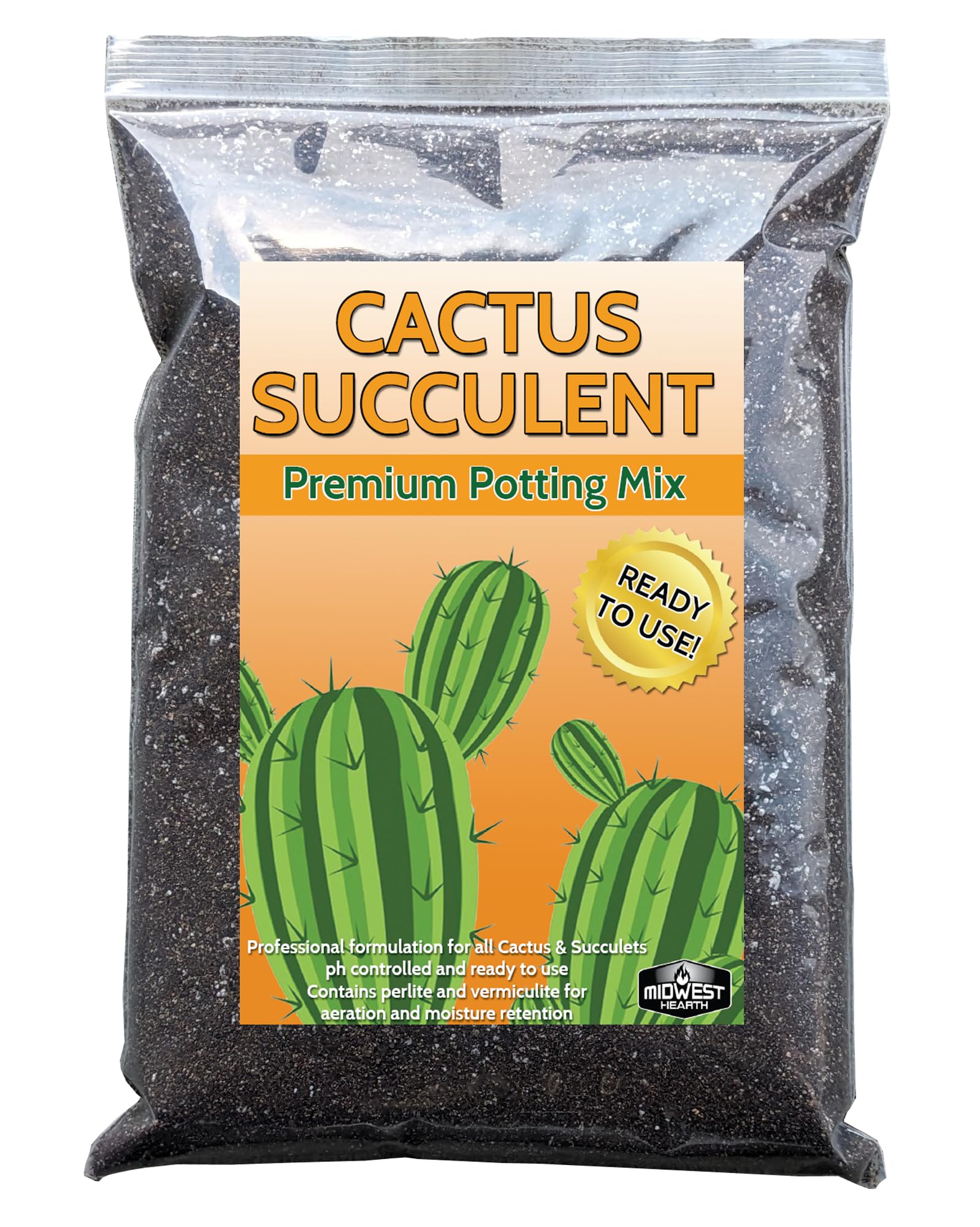
Midwest Hearth focuses on a balanced blend of peat moss, perlite, and vermiculite to provide aeration while retaining some moisture for root development. The pH is controlled specifically for cacti and succulents, which helps aloe vera absorb nutrients more efficiently over time. The mix is designed to match what professional growers use, offering a reliable middle-ground formulation.
Users consistently report healthy root growth and happy plants after transitioning to this mix. The 4-quart bag size matches the standard across the category, filling multiple small pots or a couple of larger containers. The texture is fine enough for small succulent cuttings while still providing adequate drainage for established aloe vera.
Some customers mention they wish the bag were larger for the price point, but the quality remains consistent batch to batch. It works well straight from the bag without significant modification, though adding extra coarse perlite can improve drainage further if you live in a particularly humid climate.
Why it’s great
- pH-balanced specifically for succulent root health
- Professional-grade formulation trusted by growers
- Promotes excellent root growth in new transplants
Good to know
- Bag volume feels modest relative to the price
- Vermiculite retains more moisture than pumice or lava rock
5. DUSPRO Succulents Soil Potting Mix 1qt
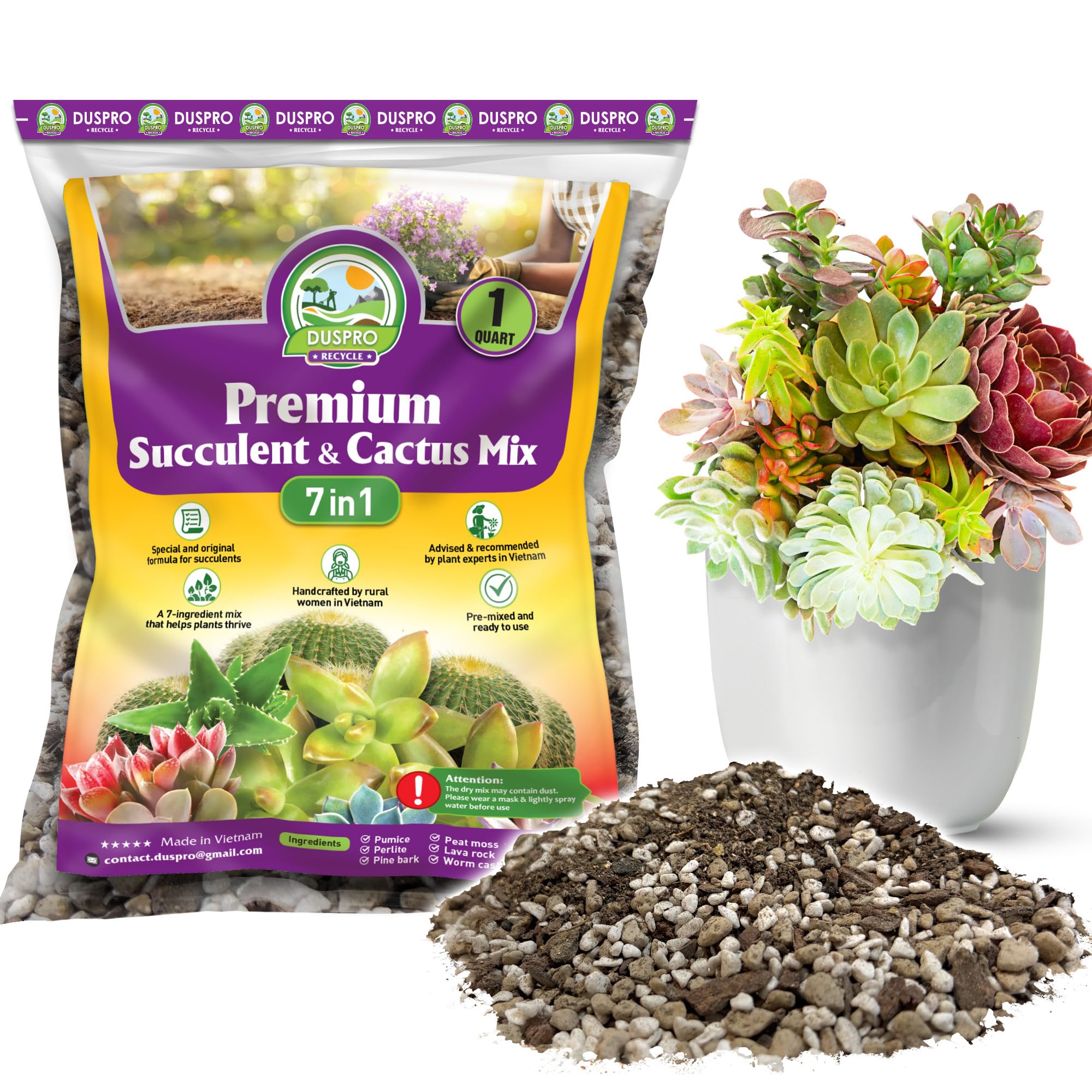
DUSPRO packs seven ingredients — perlite, pumice, lava rock, peat moss, pine bark, worm castings, and vermiculite — into a single bag, creating a rich, multi-textured mix that supports strong roots. The smaller 1-quart size is ideal for repotting a single aloe pup or testing the blend before committing to a larger bag. The variety of coarse materials provides natural drainage without needing amendments.
Users appreciate the visible richness of the soil, which supports healthy leaf growth in succulents and cacti. Because the mix comes with ingredients that settle during shipping, you should dump it into a bowl and stir before use to redistribute the components evenly. This simple step ensures every scoop contains the full range of textures.
The small bag size means a higher per-quart cost than bulk options, so it is best suited for quick replanting of one or two pots rather than large-scale projects. The blend itself is nutrient-dense and well-draining, making it a worthy choice for beginners who want a premium mix in a manageable quantity.
Why it’s great
- Seven-ingredient blend provides balanced aeration and nutrition
- Perfect trial size for single aloe plants
- Contains worm castings for organic feeding
Good to know
- Small bag limits use to one or two containers
- Requires mixing before use due to settling during shipping
FAQ
Can I use regular potting soil for aloe vera?
How often should I repot aloe vera with fresh soil?
Final Thoughts: The Verdict
For most users, the best aloe soil winner is the Doter Aloe Vera Potting Soil Mix because it is formulated specifically for aloe with balanced pH, excellent drainage, and nutrient-rich composition straight out of the bag. If you want a peat-free, microbe-rich living soil, grab the Rosy Soil Cactus Soil. And for a cost-effective option that works well if you add a bit of perlite, nothing beats the Miracle-Gro Succulent Potting Mix.

Mo Maruf
I created WellFizz to bridge the gap between vague wellness advice and actionable solutions. My mission is simple: to decode the research and give you practical tools you can actually use.
Beyond the data, I am a passionate traveler. I believe that stepping away from the screen to explore new environments is essential for mental clarity and physical vitality.