Our readers keep the lights on and my smoothie glass nicely filled. As an Amazon Associate, I earn from qualifying purchases.
The thin, flat, flexible sole of a minimalist shoe forces your foot to engage its natural musculature, but the wrong pair can wreck your transition with blisters, metatarsal pain, or a sole that’s too thick to feel the ground. You need a shoe that delivers genuine ground feel, a wide toe box for splay, and zero drop—without sacrificing durability or leaving you vulnerable to pavement shock.
I’m Mohammad Maruf — the founder and writer behind WellFizz. I’ve spent years analyzing the biomechanical engineering of minimalist footwear, from outsole rubber durometer to stack height and lacing systems across dozens of models.
The market is flooded with fashion knock-offs, but the right pair transforms your stride. After extensive spec analysis and hundreds of verified reviews, this guide covers the best barefoot running shoes for men based on real-world ground feel, zero-drop precision, and long-term durability.
How To Choose The Best Barefoot Running Shoes For Men
Selecting a barefoot running shoe isn’t about picking the coolest look—it is a functional decision that directly impacts your stride, joint health, and long-term foot strength. The wrong shoe can cause plantar fascia strain or Achilles tendonitis during your transition. Focus on these three critical factors.
Stack Height and Ground Feel
The most defining spec of a true barefoot shoe is its stack height, typically between 4mm and 10mm. Anything above 10mm introduces enough cushion to mute the tactile feedback your foot needs to self-correct its landing. For a genuine barefoot experience, target a stack height of 6mm or less. The Xero HFS II sits around 8.5mm, making it a compromise for road runners who still want some protection from sharp stones, while the Vivobarefoot Primus Lite III is thinner, delivering a much rawer sensory experience.
Toe Box Shape and Volume
A wide toe box is non-negotiable—your toes must be able to splay naturally to stabilize your landing. Look for anatomical foot shapes rather than tapered designs. The Altra models (Escalante 4 and Lone Peak 9) are famous for their FootShape™ toe box, which accommodates both wide and narrow feet without cramping the pinky toe. The FLUX Adapt Runners also offer exceptional width for those with neuropathy or high-volume feet. A shoe that pinches your toes is not a barefoot shoe, period.
Outsole Flexibility and Sole Texture
The outsole must bend easily in your hands—if you can’t curl the toe up toward the heel, the shoe is too stiff for natural running. Look for segmented rubber or chevron-pattern tread that grips without adding weight. The Vibram FiveFingers V-Run uses a thin rubber layer with individual toe pockets for peak flexibility, but this design also has a historical weakness in sole durability, with some users reporting holes after 150 miles. The Merrell Vapor Glove 6 uses a tougher leather upper and a denser sole, balancing flexibility with longer life against pavement wear.
Quick Comparison
On smaller screens, swipe sideways to see the full table.
| Model | Category | Best For | Key Spec | Amazon |
|---|---|---|---|---|
| Merrell Vapor Glove 6 | Road | Office-to-trail durability | Leather upper, 6.5mm stack | Amazon |
| Xero Shoes HFS II | Road | All-day walking & casual | 8.5mm FeelTrue® sole | Amazon |
| Vivobarefoot Primus Lite III | Hybrid | Running & gym training | 3mm puncture-resistant sole | Amazon |
| ALTRA Escalante 4 | Road | 5K runs & responsive ride | FootShape toe box, 24mm stack | Amazon |
| ALTRA Lone Peak 9 | Trail | Hiking & backpacking | MaxTrac outsole, gaiter trap | Amazon |
| Vibram FiveFingers V-Run | Hybrid | Peak ground feel & agility | Individual toe pockets, 4mm sole | Amazon |
| FLUX Adapt Runner | Hybrid | Daily walking & flat feet | Interchangeable insoles, wide fit | Amazon |
In‑Depth Reviews
1. Merrell Men’s Vapor Glove 6 Leather Trail Running Shoe
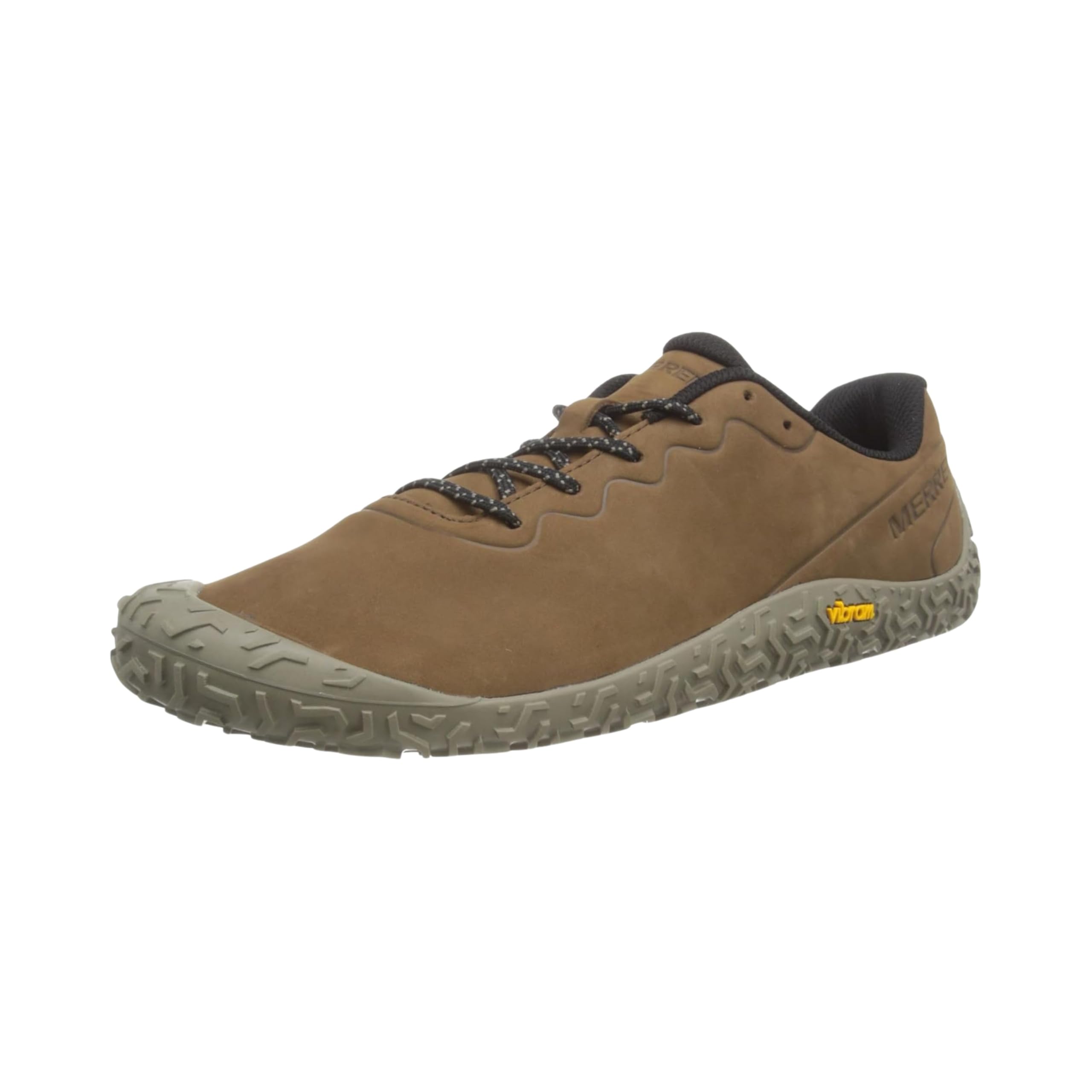
The Vapor Glove 6 uses a full-grain leather upper that gives it an edge in durability over synthetic mesh runners—reviewers note that this version does not break down as quickly as sportier models, making it viable for both trail runs and casual office wear. The 6.5mm stack height keeps your foot close enough to the ground for genuine proprioception, while the Vibram outsole adds a robust traction layer that holds up on gravel and pavement alike.
The fit is best described as medium-narrow, with several reviewers reporting that a size 15 foot fit better in a 14, so expect to size down slightly if you are between sizes. The leather is stiff out of the box but breaks in within a few wears, conforming to the top of your foot without pinching the toe box. It is also surprisingly lightweight for a leather shoe, staying under the radar for long walks.
Where it shines is its dual-role capability—barefoot purists get the sensory feedback they need, while the premium look keeps it from screaming “athletic shoe” in a data center or office. The trade-off is that the leather makes it less breathable than mesh alternatives, so it runs warm in high heat. For a budget-friendly barefoot shoe that covers both training and daily wear, this is the most balanced pick.
Why it’s great
- Leather resists tearing and wears longer than mesh
- Low 6.5mm stack delivers excellent ground feel
- Versatile enough for trail runs and business-casual settings
Good to know
- Leather upper reduces breathability in hot weather
- Fits slightly narrow—best for medium-narrow feet
- Packaging may arrive without a shoe tree
2. Vivobarefoot Primus Lite III

The Primus Lite III is the gold standard for raw ground feel, with a puncture-resistant sole that measures just 3mm thick. Reviewers who logged 750 running miles in a single year reported eliminating shin splints and patella pain after switching, confirming the biomechanical payoff of ultra-low stack heights. The upper is a thin, stretchy mesh that feels like a sock, and the shoe weighs almost nothing on foot.
However, the thinness cuts both ways. You will feel every pebble and pavement crack, which is exactly what a true barefoot runner wants but can be jarring if you are transitioning from conventional shoes. The toe box is wide enough for natural splay, though a few reviewers noted that the big toe wore through the mesh after intensive use—this is a known weak point that a dab of shoe glue can fix quickly.
It also pulls double duty as an excellent gym shoe for squats and deadlifts, where the zero-drop platform keeps your heels grounded. The recycled materials are a nice eco touch, but the sheer lack of cushion means this is not a shoe for all-day concrete standing unless you already have strong foot mechanics. If you want the thinnest, most connected feeling available, this is your shoe.
Why it’s great
- 3mm stack offers maximum proprioceptive feedback
- Ultra-lightweight mesh upper breathes well in heat
- Proven by 750-mile-plus runners to eliminate knee pain
Good to know
- Big toe area can wear through mesh with heavy running
- Too thin for long hours on hard concrete floors
- Premium price point reflects the niche build quality
3. Xero Shoes Men’s HFS II

The HFS II is a mid-range all-rounder that splits the difference between barefoot minimalism and everyday walkability. With an 8.5mm FeelTrue sole, it offers more protection than the Vivobarefoot or Merrell options, making it a safer bet for runners who mix pavement and light trail without wanting to feel every sharp stone. The mesh upper is breathable and dries quickly, and the lacing system secures the heel without pressure points.
Several reviewers noted that the HFS II is actually stiffer and thicker than the previous HFS generation, which reduces ground feel for dedicated barefoot runners but makes it more comfortable for standing and walking all day. The toe box is decent but not as wide as the Altra FootShape design—wide-footed users may want to size up half a unit. One critical warning applies: a FW25 production batch had outsole delamination issues with holes appearing after 71 days, so buy from authorized channels to ensure warranty support.
For the price, the HFS II offers a good blend of style (it looks like a normal sneaker) and minimalist function. It works well for casual wear, hiking, and light jogging, but serious barefoot runners who crave maximum ground feel should look elsewhere. The shoe runs slightly small, so ordering a half-size up is a common recommendation from verified purchasers.
Why it’s great
- 8.5mm sole balances ground feel with stone protection
- Breathable mesh upper works for all-day wear
- Stylish silhouette blends with casual outfits
Good to know
- Stiffer than prior generation—less raw ground feel
- Potential outsole defect in FW25 batch
- Narrower toe box than Altra or FLUX
4. ALTRA Men’s Escalante 4
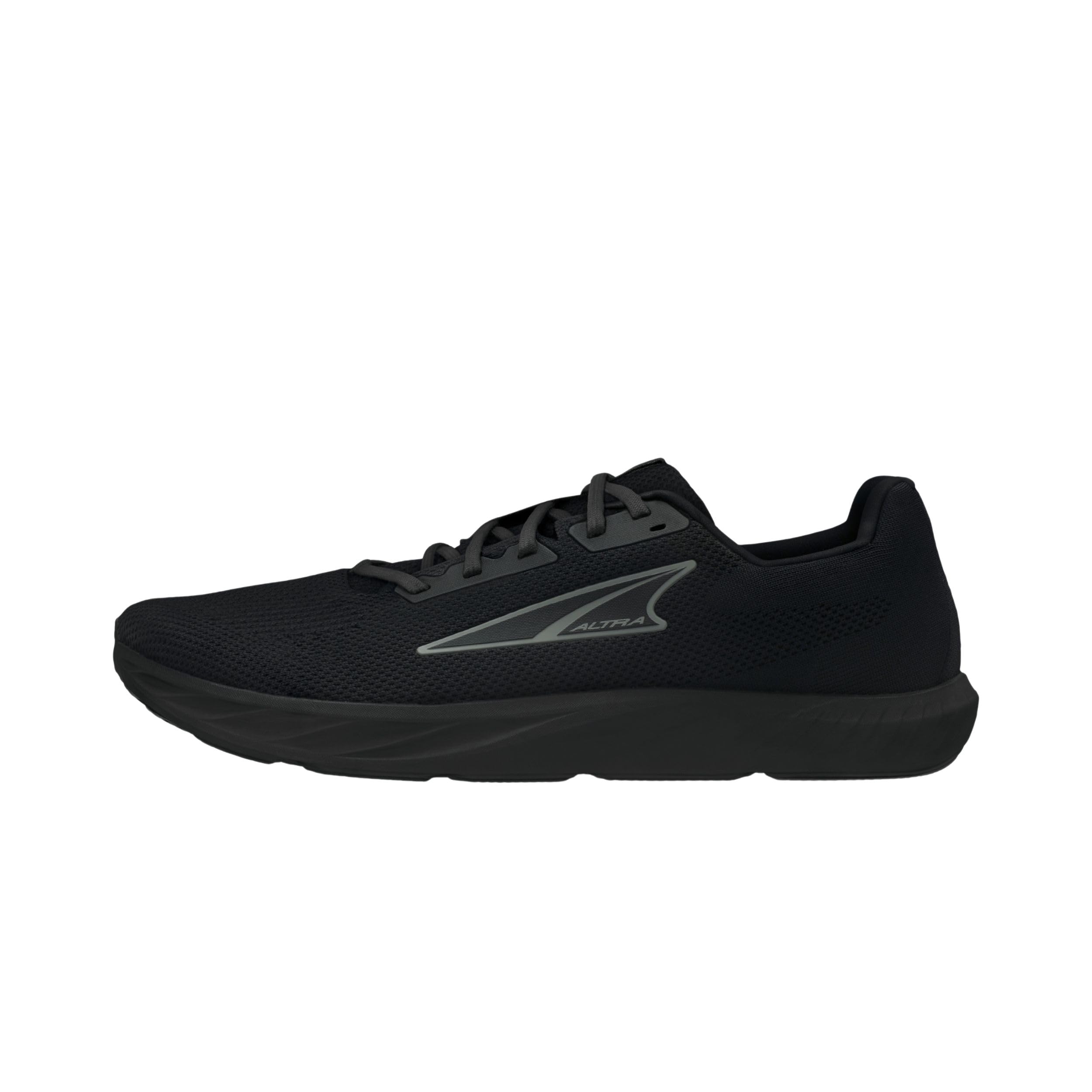
The Escalante 4 sits on the cushioned end of the minimalist spectrum, with a 24mm stack height that provides moderate shock absorption while maintaining a zero-drop platform. This makes it a transitional shoe for runners who want the foot-position benefits of barefoot style but are not ready for a 4mm panel. The Ego midsole foam is bouncy and responsive rather than squishy, encouraging a midfoot strike without sucking energy.
The FootShape toe box is the star feature here—it is genuinely wide, allowing full toe splay without constriction. Reviewers praised its comfort for 12-hour workdays and 5K runs alike. However, the fabric upper is less durable than the previous generation—multiple reviewers reported the heel fabric tearing and tread wearing down within 6-7 months of regular use, compared to 12+ months on the Escalante 2. The tongue also slides sideways annoyingly on the left shoe.
If you are prioritizing a natural toe box and zero-drop geometry over extreme ground feel, the Escalante 4 delivers a forgiving ride that works for runners building foot strength. It is not a true barefoot shoe due to its thicker sole, but it is an excellent gateway for those coming from stability sneakers who want to reduce heel strike without going cold-turkey minimalist.
Why it’s great
- Wide FootShape toe box allows genuine toe splay
- Zero-drop platform with bouncy Ego foam midsole
- Versatile for both road running and casual walking
Good to know
- Reduced durability compared to earlier versions
- Tongue slides sideways on one foot
- 24mm stack mutes ground feel—not truly barefoot
5. ALTRA Men’s Lone Peak 9

The Lone Peak 9 is the trail-specialist of the Altra line, combining the FootShape toe box with a MaxTrac outsole that delivers exceptional grip on mud, loose rock, and wet surfaces. The zero-drop platform keeps your stride natural, while 25mm of stack cushion provides enough protection for rocky terrain without collapsing into instability. Reviewers reported zero blisters over 60 miles of break-in, with the upper conforming immediately to the foot.
The shoe runs slightly large, so many users size down half a unit, especially if they have narrow heels. The wide version is described as very spacious, accommodating orthopedic arch supports easily. The gaiter trap is a nice touch for trail runners who attach gaiters for debris protection. On the durability front, the tread holds up well, with one reviewer noting minimal wear after 100 miles of mixed trail use.
It is heavier than road-specific barefoot shoes, which matters if you are used to ultralight models like the Vivobarefoot. But for hiking, backpacking, and technical trails where grip matters more than weight, the Lone Peak 9 is the most capable option here. It also works surprisingly well for standing all day if you need a zero-drop shoe with substantial cushion.
Why it’s great
- MaxTrac outsole offers excellent traction on wet trails
- Wide toe box with no break-in period reported
- Durable enough for 100+ miles of rugged terrain
Good to know
- Heavier than road-focused barefoot options
- Runs large—size down half for best fit
- 25mm stack reduces ground feel compared to thinner models
6. Vibram Men’s FiveFingers V-Run

The FiveFingers V-Run is the original barefoot icon, with individual toe pockets that give each digit independent movement and a 4mm rubber sole that offers the closest thing to running barefoot while still protecting against glass and gravel. The upper is a stretchy, breathable fabric that wraps the foot like a glove—literally. Reviewers describe the experience as liberating, with exceptional grip and agility on both road and light trail.
Sizing is notoriously tricky: the shoe uses European sizes, and many users find that ordering their true size works best despite widespread advice to size up. The 4mm sole is smooth and flexible, but a significant durability concern exists—several reviewers reported wearing a hole completely through the sole in roughly 150 miles. This is a historical issue with the V-Run line, so expect the outsole to be a consumable part of the shoe.
For runners who are already accustomed to minimal footwear and want maximum toe mobility, the V-Run is unmatched. However, the learning curve is steep: pronated feet may develop blisters over longer distances, and the unusual look draws attention. If you value ground feel above all else and are willing to replace shoes more frequently, this is your pick. For everyone else, a traditional shoe shape with a wide toe box offers better durability and easier sizing.
Why it’s great
- Individual toe pockets maximize digit mobility and ground feel
- Extremely lightweight and breathable in hot conditions
- 4mm sole offers genuine barefoot sensation with some protection
Good to know
- Sole durability is poor—holes can develop around 150 miles
- Sizing is inconsistent; check European size chart carefully
- Not ideal for long distances (over 10km) for pronated runners
7. FLUX FOOTWEAR Adapt Runner
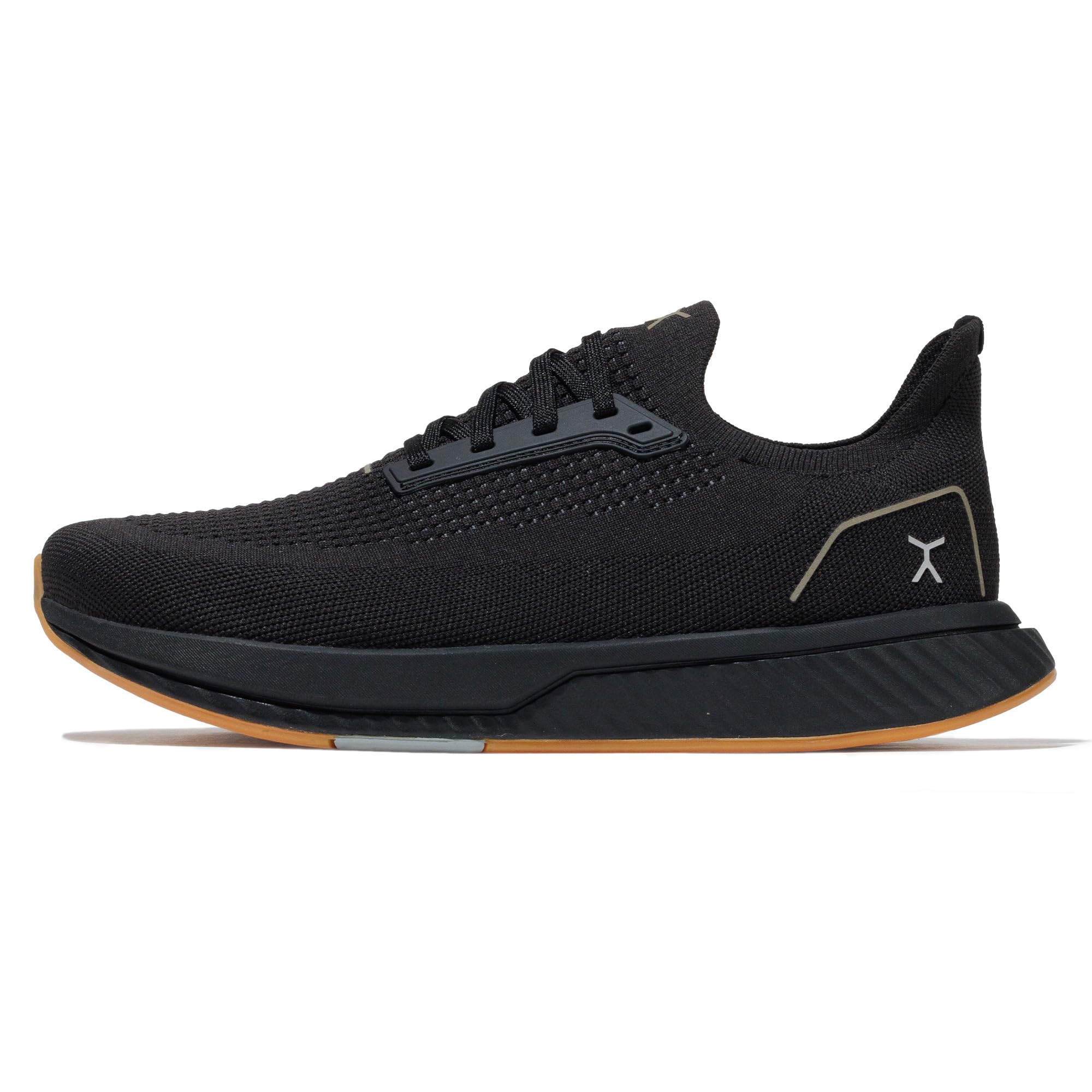
The Adapt Runner from FLUX FOOTWEAR is a unique entry because it includes interchangeable insoles that let you adjust the level of cushioning from nearly barefoot (with the thin insole) to slightly more supportive (with the thicker one). This modular design makes it a versatile option for users still transitioning or for those who want one shoe for both the gym and daily walking. The toe box is extremely wide, making it one of the best options for users with neuropathy or bunions who need maximum volume.
Reviewers who wear them for long shifts—an automotive painter logging 15,000 steps daily—reported reduced knee, back, and foot pain compared to traditional work boots. However, a few noted that the sole began separating at the heel after a few weeks, though overall durability was still rated as good. The shoe runs true to size but can feel tight around the ankle initially, as the laces do not loosen enough for some wearers—a deal-breaker for those with high-volume ankles or who need a fully adjustable fit.
For the price, the Adapt Runner offers a unique value proposition: it is the only shoe on this list that lets you dial in your preferred level of ground feel via insoles. This makes it a safe buy for beginners who are not sure how thin a sole they can handle, and a smart choice for flats who want one shoe for multiple activities. Just be aware of the potential heel-separation issue and check the return policy.
Why it’s great
- Interchangeable insoles allow adjustable ground feel
- Very wide toe box accommodates neuropathy and bunions
- Proven to reduce foot and back pain for standing workers
Good to know
- Ankle collar may be too tight for some due to lacing design
- Potential heel sole separation reported by some users
- Initial stiffness requires a 2-week break-in period
FAQ
How long does it take to transition to barefoot running shoes?
Can I run on concrete with a 4mm barefoot shoe?
What is the difference between “barefoot” and “minimalist” running shoes?
Final Thoughts: The Verdict
For most users, the best barefoot running shoes for men winner is the Merrell Vapor Glove 6 because it offers the best balance of durability, ground feel, and real-world versatility for both running and daily wear. If you want the most minimal, raw connection to the ground, grab the Vivobarefoot Primus Lite III. And for technical trail running or backpacking, nothing beats the ALTRA Lone Peak 9.

Mo Maruf
I created WellFizz to bridge the gap between vague wellness advice and actionable solutions. My mission is simple: to decode the research and give you practical tools you can actually use.
Beyond the data, I am a passionate traveler. I believe that stepping away from the screen to explore new environments is essential for mental clarity and physical vitality.