Our readers keep the lights on and my smoothie glass nicely filled. As an Amazon Associate, I earn from qualifying purchases.
Bed sores — also called pressure ulcers — form when sustained pressure cuts off blood flow to vulnerable skin, typically on the sacrum, heels, or hips. The right dressing does more than cover the wound: it manages exudate, cushions the area, and prevents further tissue breakdown. Choosing a bandage that balances absorption, adhesive gentleness, and infection control can be the difference between slow deterioration and steady recovery.
I’m Mohammad Maruf — the founder and writer behind WellFizz. I analyze wound care dressings by cross-referencing clinical evidence, material composition, and real-world user feedback to identify which bandages truly perform for immobile or bedridden patients.
Whether you are a caregiver managing stage 1 redness or a patient recovering from surgery, finding the right bandages for bed sores requires understanding foam absorption, silicone adhesion, and hydrocolloid moisture management.
How To Choose The Best Bandages For Bed Sores
Selecting the wrong dressing can delay healing or damage fragile skin further. Focus on three critical factors: exudate level, adhesion type, and wound location. A sacral sore requires a different dressing than a heel ulcer.
Exudate Absorption Capacity
Foam dressings absorb 10-15 times their weight in fluid, making them ideal for moderate to heavily weeping wounds. Hydrocolloid dressings gel upon contact with exudate but work best on low-draining sores. Choose a dressing that matches the wound’s moisture output to prevent maceration or drying.
Silicone vs. Acrylic Adhesive
Silicone adhesives stick to dry surrounding skin but not to the wound bed, allowing pain-free removal that spares fragile elderly skin. Acrylic border dressings provide a stronger hold but risk skin tears during changes. For recurrent dressing changes on sensitive tissue, silicone is preferred.
Size and Conformability
Sacrum sores need large dressings (6×6, 7×7 inches) with contoured edges for a secure seal around the tailbone. Heel and elbow sores benefit from smaller cut-to-size rolls. Dressings that wrinkle or gap at the edges allow bacteria entry and fluid leakage.
Quick Comparison
On smaller screens, swipe sideways to see the full table.
| Model | Category | Best For | Key Spec | Amazon |
|---|---|---|---|---|
| Dr. Med Hydrocolloid Dressing | Hydrocolloid | Low-exudate bed sores & abrasions | 6×6 inch, 10 pack | Amazon |
| Sacral Foam Dressing | Silicone Foam | Sacrum & buttock pressure sores | 7×7 inch, 15x absorption | Amazon |
| Dimora Ag Silver Sacrum Foam | Silver Foam | Infection-prone stage 2-4 ulcers | 7×7 inch, silver-infused | Amazon |
| Dimora Hydrocolloid Roll | Hydrocolloid Roll | Custom-cut sizes for odd locations | 2inx16ft roll, cut-to-size | Amazon |
| NeuHeils Silicone Foam Dressing | Silicone Foam | Fragile elderly skin & leg ulcers | 6×6 inch, 10 pack | Amazon |
In‑Depth Reviews
1. Sacral Foam Dressing (ZMZPA)
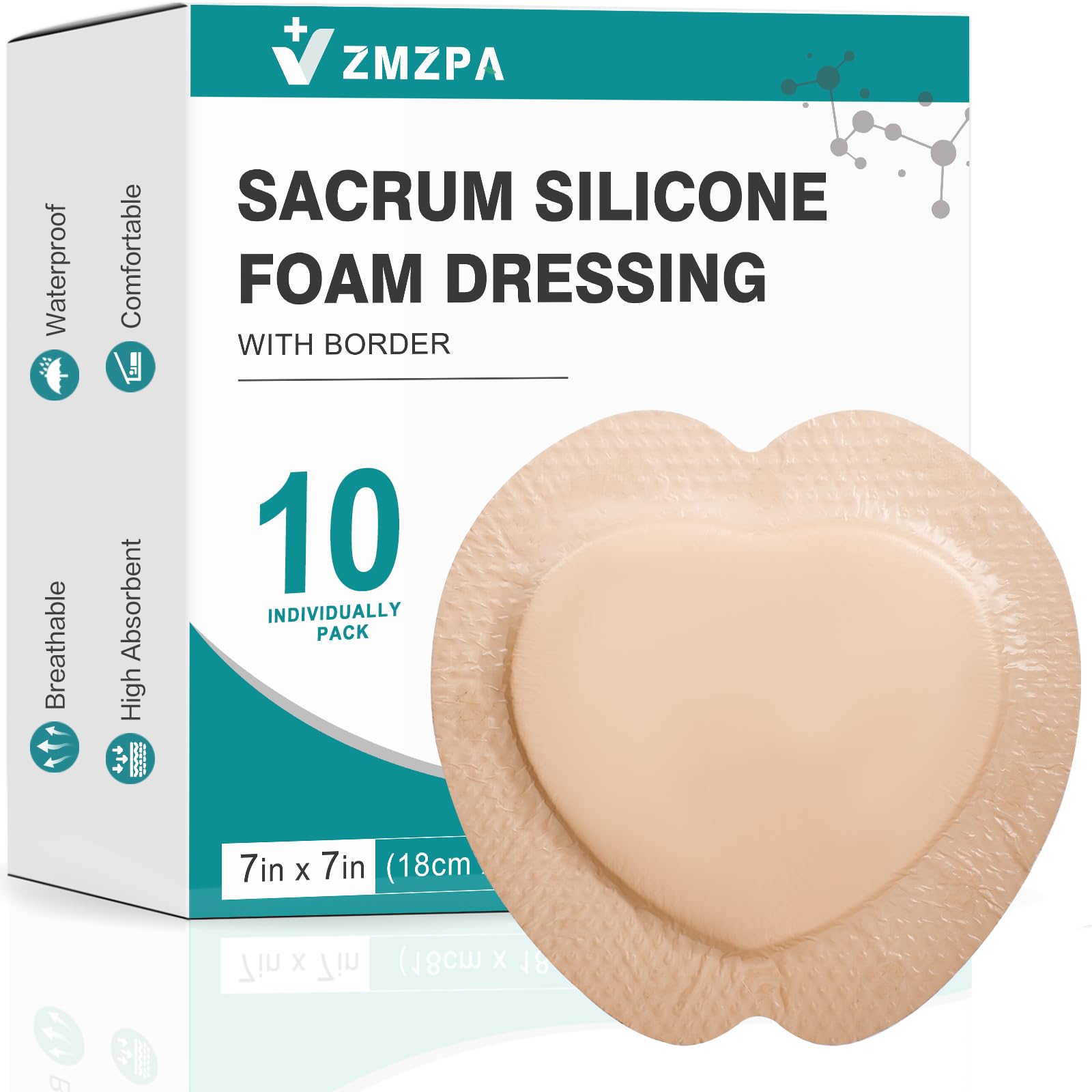
This 4-layer silicone foam dressing is engineered specifically for sacrum and buttock pressure sores. The foam core absorbs 15 times its weight in wound fluid, while the SAF fluid-lock layer prevents maceration — a common complication when dressings are left on for extended wear. The 7×7 inch size provides generous coverage for the tailbone area, and the silicone border adheres to dry skin without bonding to the wound bed, making removal virtually painless.
User reports highlight that it stays securely in place during showers and repositioning, a critical feature for bedridden patients who require turning every two hours. The waterproof yet breathable PU film allows oxygen exchange while blocking external contaminants. Several caregivers noted that doubling up the dressings on extra-sensitive tissue provided additional cushioning without compromising adhesion.
For home care settings where dressing changes happen every 2-4 days, this foam dressing reduces the frequency compared to traditional gauze. The hypoallergenic silicone layer minimizes skin tearing, which is especially important for elderly patients with thin, fragile epidermis. It is suitable for stage 1 through 4 pressure ulcers as well as surgical incisions and skin tears.
Why it’s great
- Exceptional 15x fluid absorption reduces change frequency
- Pain-free silicone removal protects fragile skin
- Waterproof and breathable for shower-safe wear
Good to know
- Application alone on the sacrum can be tricky without assistance
- Border may curl on very bony prominences if not smoothed firmly
2. Dimora Ag Silver Sacrum Foam Dressing

This dressing from Dimora incorporates 0.25-0.35 mg/cm² of silver into the foam layer, which releases antimicrobial ions upon contact with wound fluid. Silver’s broad-spectrum activity against bacteria including MRSA makes this a strong choice for stage 2-4 pressure ulcers where infection risk is elevated. The silicone wound contact layer does not stick to the moist wound bed, reducing trauma during the 2-4 day wear cycle.
Users recovering from post-surgical wounds and cancer-related tailbone pain reported that the silver foam dressing improved healing within days, with no adhesive residue left on the skin after removal. The SAF fluid-lock layer prevents exudate from spreading to healthy tissue, and the nonwoven dispersion layer ensures even absorption across the pad. The 7×7 size fits wounds up to 5.5×4.9 inches, suitable for sacral and hip locations.
Clinical feedback from a patient with Ramsay Hunt Syndrome noted that custom-cutting the dressing for jaw and neck coverage was effective for draining blisters, though the primary design is for sacrum bedsore wounds. The product is sterile and single-use, manufactured by Winner Medical, a reputable wound care supplier. For homes with limited nursing support, the extended wear time reduces the burden of daily changes.
Why it’s great
- Silver ions provide antimicrobial protection against wound infection
- Painless removal even after multi-day wear
- Foam cushion redistributes pressure away from the sore
Good to know
- Delivery lead times can be longer than other dressings
- Premium tier pricing may strain ongoing care budgets
3. Dimora Hydrocolloid Bandage Roll
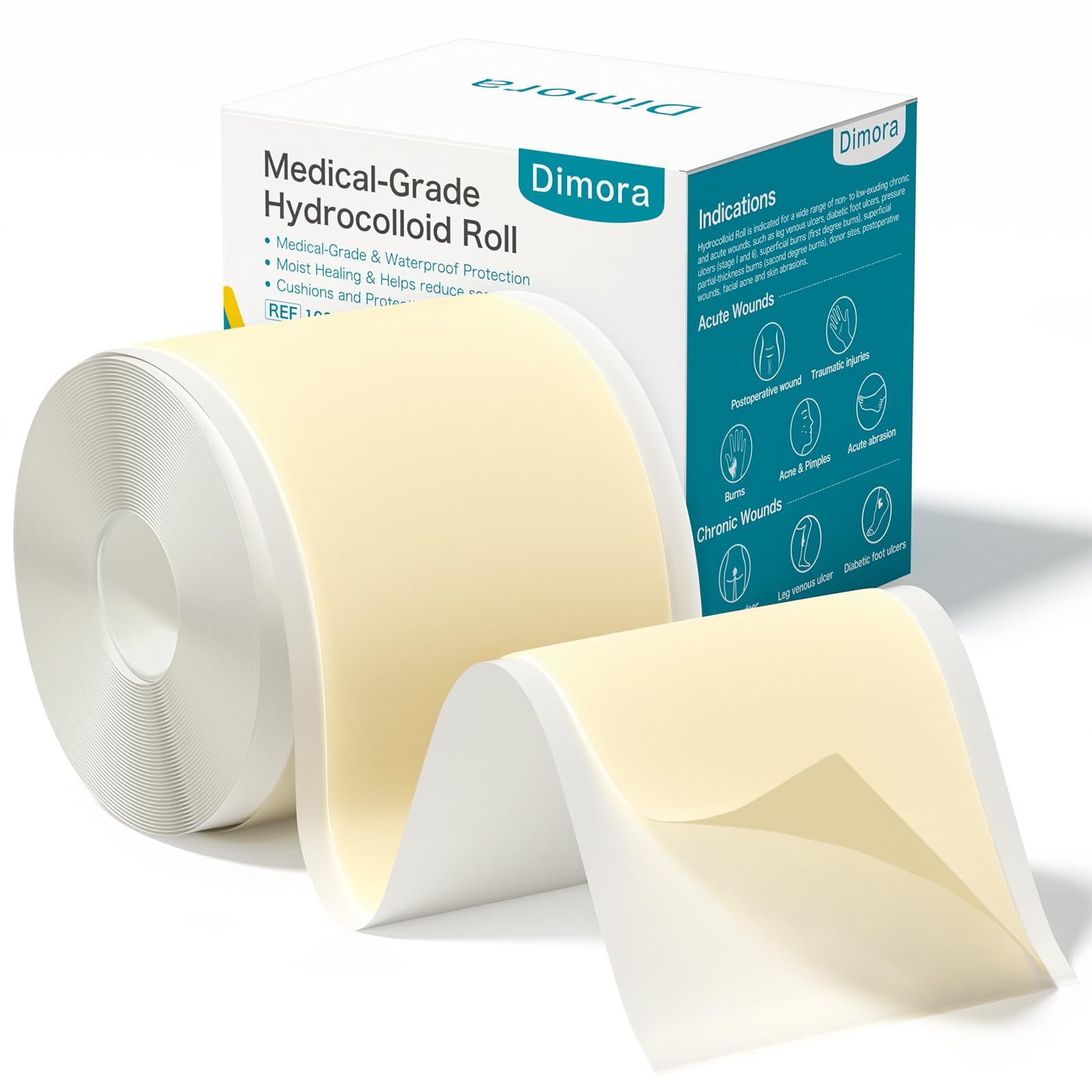
Unlike pre-cut square dressings, this 2-inch by 16-foot roll of medical-grade hydrocolloid allows caregivers to custom-cut shapes for irregular wound locations — heels, elbows, ischial tuberosities, or the curvature of the sacrum. Hydrocolloid works by reacting with wound exudate to form a gel-like covering that maintains a moist environment, accelerating healing by 2 to 3 times compared to dry gauze. It is indicated for non to low-exuding wounds such as shallow stage 1-2 bed sores and post-operative abrasions.
Users with diabetic leg ulcers and shingles blisters reported that the hydrocolloid roll stayed in place for 3-4 days without peeling at the edges. The reserved edge design makes peeling the backing easy, and the included silicone tape helps secure the ends so the roll does not unravel during cutting. The material is hypoallergenic and passed skin irritation tests, making it safe for children and adults with sensitive skin.
While hydrocolloid dressings are not recommended for heavily exudating wounds (the gel can break down and leak), they are excellent for shallow sores that need protection from friction and moisture. The roll format provides approximately 300 dressings worth of material, making it a cost-effective choice for outpatient or long-term care where multiple small wounds require coverage.
Why it’s great
- Custom-cut to fit any wound shape or body contour
- Hypoallergenic gel promotes faster healing in low-exudate sores
- Large roll provides many dressings for long-term management
Good to know
- Not suitable for heavy drainage or infected wounds
- Requires clean scissors and careful measuring to avoid waste
4. NeuHeils Silicone Foam Dressing 6×6

NeuHeils designed this 6×6 inch foam dressing with a particularly gentle silicone contact layer that allows repositioning during application — a valuable feature when aligning the pad over a sacral or hip wound without adhesive waste. The foam core absorbs moderate exudate while providing pressure redistribution cushioning, and the waterproof PU film protects against incontinence-related moisture, a common aggravating factor for bed sores.
Wound clinic nurses specifically recommended this product for diabetic leg ulcers and post-surgical incisions, noting that the silicone border does not cause skin stripping even after repeated changes. Users with thin, fragile skin reported that removal did not pull at hairs or tear the epidermis, unlike acrylic adhesive dressings they had tried previously. The 4.1×4.1 inch absorbent pad sits within the 6×6 backing, providing a 1-inch adhesive border all around for a secure seal.
The dressing is latex-free and suitable for patients with allergies. While the foam absorbency rate is slightly lower than the 7×7 sacrum-specific options, the 6×6 size covers most moderate-sized bed sores and is easier to handle for at-home caregivers. The 10-pack box provides a reasonable supply for a 2-3 week treatment cycle, though the unit cost is higher per dressing than roll formats.
Why it’s great
- Repositionable silicone adhesive allows precise placement
- Gentle on fragile elderly skin with minimal trauma
- Waterproof barrier resists incontinence moisture
Good to know
- Absorbent pad smaller than sacrum-specific 7×7 dressings
- Higher per-dressing cost compared to bulk rolls
5. Dr. Med Hydrocolloid Wound Dressing 6×6
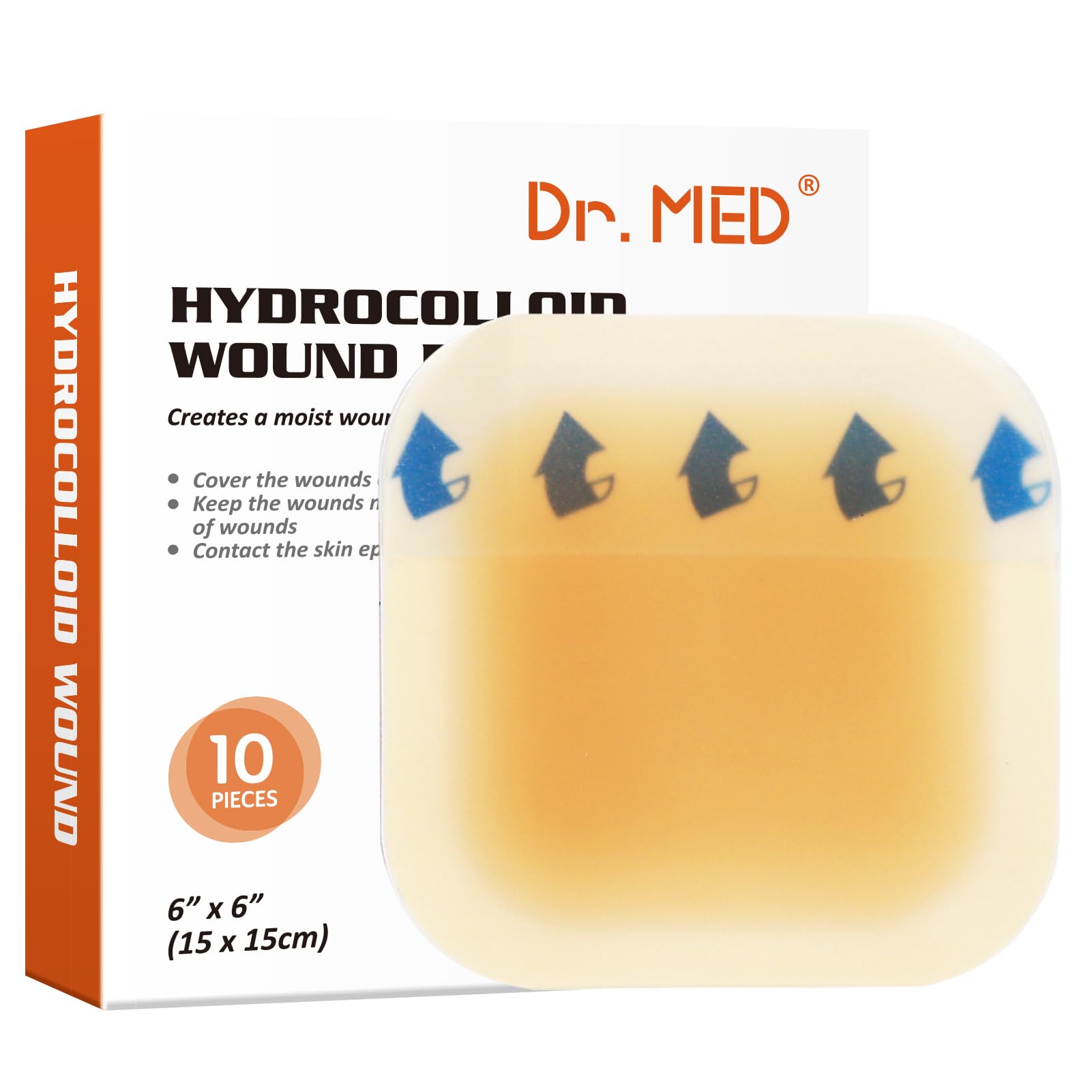
Dr. Med’s hydrocolloid dressing is a straightforward, entry-level option for superficial bed sores with light exudate. The three-layer construction — PU film, hydrocolloid CMC layer, and release film — forms a gel upon contact with wound fluid, maintaining a moist healing environment that supports autolytic debridement. At 6×6 inches, the 10-pack box is well-suited for small-to-medium sized sores on the sacrum or heels.
Diabetic users reported success using these dressings on weeping leg wounds, noting that the gel formation made removal easy without sticking to the wound bed. One reviewer commented that the dressing edges tended to peel off after a couple of days, which may require securing the border with medical tape for active patients. The dressing is individually wrapped and sterile, suitable for hospital, nursing home, and home care settings.
Hydrocolloid dressings are less effective on heavily draining wounds where the gel can liquefy and leak. For stage 1-2 bed sores or shallow pressure areas, however, Dr. Med provides a functional, cost-conscious option. The manufacturer POLYX produces these in a safe facility, though the dressing lacks the advanced fluid-lock and silicone adhesion technology found in the premium foam alternatives.
Why it’s great
- Forms protective gel for moist wound healing
- Individually wrapped sterile packs prevent contamination
- Affordable 10-pack box for ongoing care
Good to know
- Adhesive border may peel before the 3-day wear window
- Not recommended for moderate to heavy exudate wounds
FAQ
Can I use regular bandages for bed sores?
How often should I change a bedsore dressing?
What is the difference between foam and hydrocolloid for bed sores?
Can bed sore dressings be cut to size?
Final Thoughts: The Verdict
For most users, the bandages for bed sores winner is the Sacral Foam Dressing (ZMZPA) because it balances high absorption, silicone gentleness, and sacrum-specific sizing — the most common pressure ulcer location. If you need antimicrobial protection for infection-prone wounds, grab the Dimora Ag Silver Sacrum Foam. And for custom coverage of odd-shaped sores or multiple small wounds, nothing beats the Dimora Hydrocolloid Roll.

Mo Maruf
I created WellFizz to bridge the gap between vague wellness advice and actionable solutions. My mission is simple: to decode the research and give you practical tools you can actually use.
Beyond the data, I am a passionate traveler. I believe that stepping away from the screen to explore new environments is essential for mental clarity and physical vitality.