Our readers keep the lights on and my smoothie glass nicely filled. As an Amazon Associate, I earn from qualifying purchases.
If you have wide flat feet, every step in a narrow, unsupportive shoe is a compromise you feel from your arches to your lower back. The search for athletic shoes that actually accommodate a high-volume, collapsed arch without pinching the toes or forcing you into orthotics that eat up valuable interior space is a distinct challenge that goes beyond simply looking for a “wide” option. You need a shoe engineered specifically for the stability and volumetric needs of a pronated, wide footbed.
I’m Mohammad Maruf — the founder and writer behind WellFizz. This guide is the result of many hours analyzing customer feedback, measuring last widths, and comparing midsole foam densities specifically for the unique biomechanics of wide flat feet, ensuring each recommendation addresses the real-world fit issues this shape presents.
Whether you need a premium stability trainer or a budget-conscious daily walker, finding the right platform transforms your comfort entirely — this analysis of the best athletic shoes for wide flat feet breaks down the exact support, width, and cushion configurations that deliver lasting relief.
How To Choose The Best Athletic Shoes For Wide Flat Feet
Selecting the right shoe for wide flat feet is less about picking a brand and more about matching a specific set of geometry and support criteria. A simple “wide” label is often inadequate if the shoe’s arch profile is too aggressive or the toe box tapers inward before the ball of the foot. Below are the three most important variables to evaluate before you click “buy.”
Width Grading and Volume Consistency
Most brands offer a D width (standard) and 2E (wide), but for true flat-footed comfort a 4E or even 6E is often necessary. The critical detail is how the width is distributed. Some shoes are wide in the heel but narrow at the toe box, which causes pinching. Look for models described as having a “generous toe box” or a “foot-shaped last” (common with Altra or certain New Balance models). The interior volume must accommodate a low arch that takes up more horizontal space, requiring a broader midfoot platform.
Stability Technology vs. Neutral Cushion
Flat feet almost always lead to over-pronation, where the ankle rolls inward excessively. A neutral shoe, even one with plush cushioning, will accelerate fatigue and can cause knee or hip pain. You need a shoe with structural stability elements — such as Brooks’ GuideRails system, a medial post, or a wider base (like Saucony’s Hurricane). These features don’t just support the arch; they cradle the entire foot to maintain proper alignment through the gait cycle.
Cushion Density and Stack Height
Soft foam feels great in the store but can destabilize a flat foot that already lacks natural arch rigidity. Look for a balanced midsole — a plush top layer with a firmer base layer or a higher density foam that resists bottoming out. A stack height of 30-40mm is ideal for impact absorption without losing ground feel. Avoid overly tall platforms (above 45mm) unless they are paired with a wide base, as they require more ankle stability to control.
Quick Comparison
On smaller screens, swipe sideways to see the full table.
| Model | Category | Best For | Key Spec | Amazon |
|---|---|---|---|---|
| Brooks Beast GTS 26 | Stability | Max pronation & wide feet | 4E width, GuideRails | Amazon |
| New Balance Fresh Foam X More V6 | Max Cushion | All-day comfort & recovery | 4E width, 40mm stack | Amazon |
| Orthofeet Tilos | Orthopedic | Pain relief & adjustable arch | Multi-insert system | Amazon |
| ALTRA Lone Peak 9 | Zero-Drop | Natural stride & trail | FootShape toe box | Amazon |
| Brooks Adrenaline GTS 24 | Guidance | Mild pronation & narrow feet | GuideRails, 39mm stack | Amazon |
| Saucony Hurricane 24 | Premium Stability | Long distance & recovery | Non-intrusive medial post | Amazon |
| ASICS Gel-Cumulus 27 | Neutral Cushion | Daily walking & easy runs | Gel insert, breathable mesh | Amazon |
| Saucony Guide 18 | Light Support | Everyday stability & value | Cloud-like cushion | Amazon |
| New Balance Fresh Foam X Hierro V9 | Trail | Off-road grip & protection | Vibram Megagrip outsole | Amazon |
In‑Depth Reviews
1. Brooks Men’s Beast GTS 26 Supportive Running & Walking Shoe
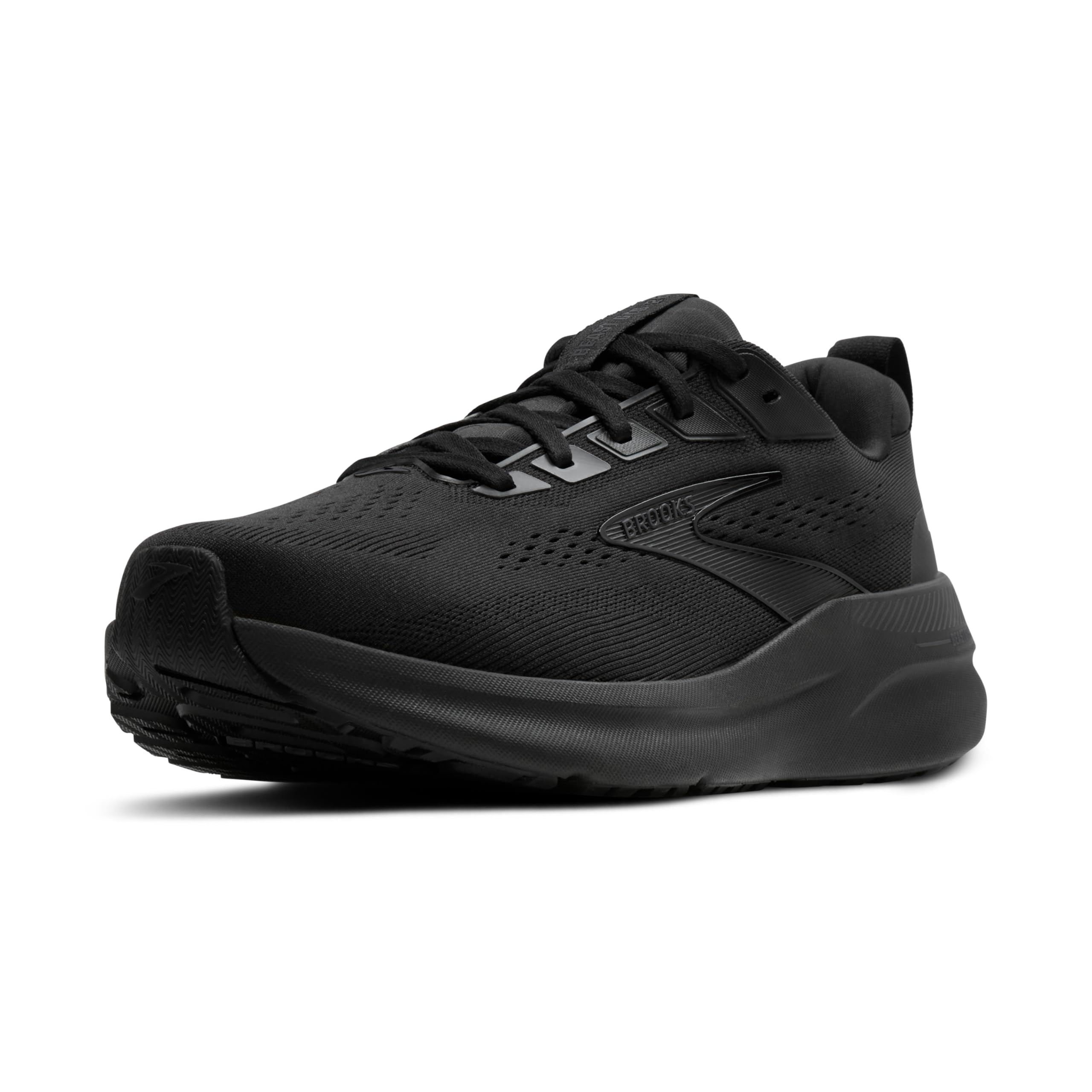
The Beast GTS 26 is Brooks’ answer for the heaviest pronation and widest feet. With a genuine 4E width that doesn’t taper aggressively at the toes, it provides the interior volume that flat-footed men need to splay naturally. The GuideRails holistic support system doesn’t just stiffen the medial side — it cradles the entire heel and midfoot, keeping the knee and hip aligned so over-pronation doesn’t radiate up the kinetic chain. Reviewers with bunions and extremely wide 4E feet confirm that this is the first shoe in years that doesn’t cause pain after an hour of wear.
The midsole uses a resilient foam that balances plushness with a firm ride, avoiding the collapsing sensation that overly soft shoes create for flat arches. The outsole has solid traction for both pavement and light trail use, making it a versatile daily driver. One minor complaint emerges: the included 48-inch laces are borderline too short for a heel-lock tie on the 4E model, but swapping to 57-inch laces solves that quickly. With cloud-like feel and superior stability, it earns the top spot.
Why it’s great
- True 4E width with a wide toe box for bunions and flat splay.
- GuideRails stabilize the entire gait cycle without feeling intrusive.
- Exceptional comfort for both walking and power walking with heavy pronation.
Good to know
- Stock laces are too short for heel-lock tying on extra-wide sizes.
- Limited color options compared to other Brooks models.
2. New Balance Men’s Fresh Foam X More V6
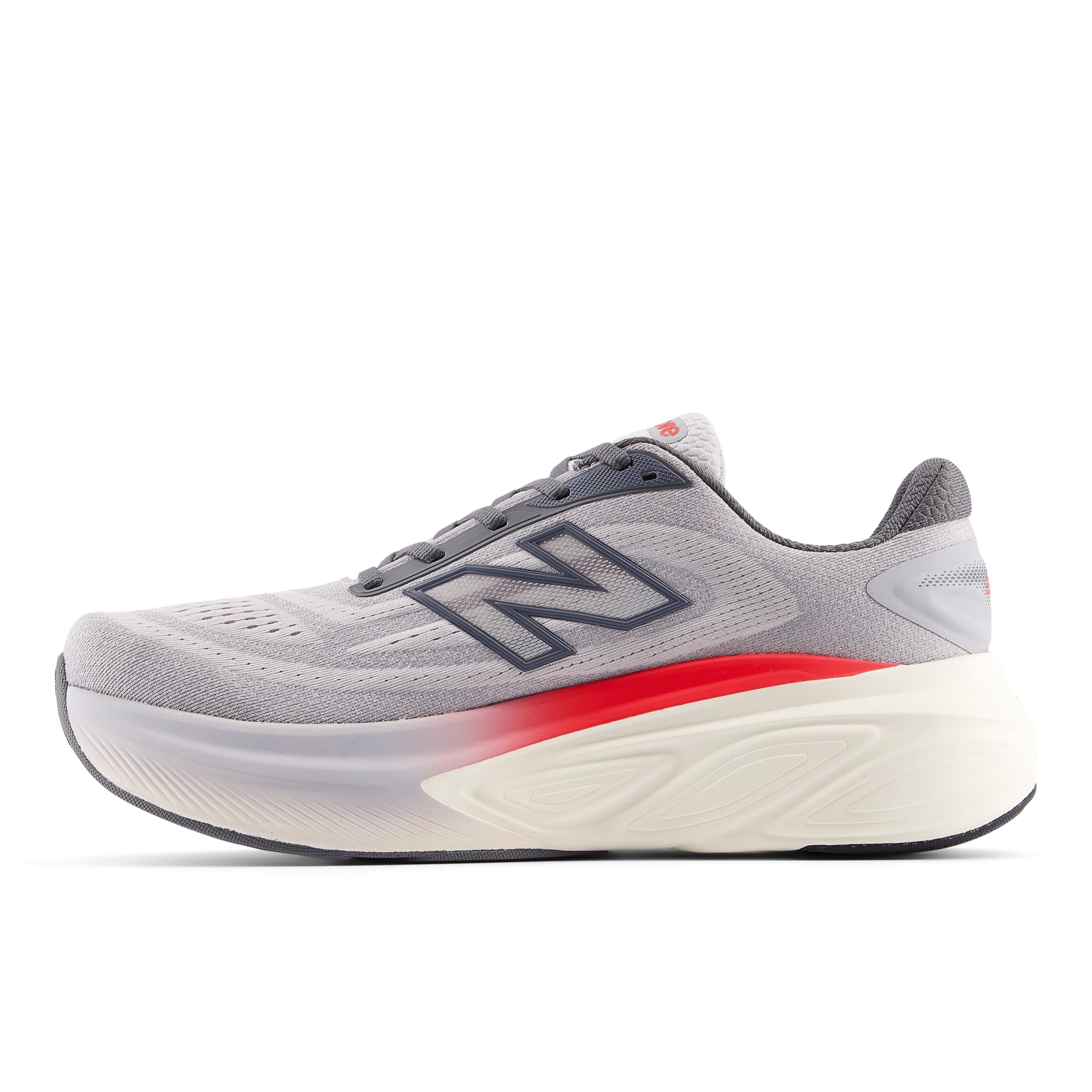
The Fresh Foam X More V6 is designed for maximum impact absorption, featuring a 40mm stack height that creates a “walking on pillows” sensation for flat-footed users standing all day. Available in 4E width, it offers the high-volume midfoot space that collapsed arches need without pinching at the ball. The Fresh Foam X compound is denser than its predecessor, providing a soft landing without the instability that often plagues max-cushion shoes on pronated feet. Reviewers with high-mileage jobs (20k steps daily) report zero hotspots or blisters after break-in.
The trade-off is tread durability — the soft outsole foam wears down noticeably faster than harder rubber compounds, especially if you log heavy running mileage. It also runs about half a size big, so sizing down can give a more locked-in fit. For walkers or those who prioritize vertical comfort over sole longevity, this is a superb choice. The wide-and-extra-wide availability makes it one of the most accommodating options for flat-footed buyers who need volume.
Why it’s great
- Extremely plush, high-stack cushion absorbs shock for long standing days.
- Available in 4E width with a generous midfoot platform.
- Does not destabilize flat arches despite the thick foam.
Good to know
- Outsole tread wears down relatively fast on pavement.
- Runs large; consider sizing down half a size.
3. Orthofeet Men’s Orthopedic Tilos Hands-Free Walking Sneaker

The Orthofeet Tilos is not just a sneaker; it’s a medical-grade platform built around adjustable orthotics. The box includes four insert options (including risers for varying arch heights) and a removable insole that accommodates custom orthotics, giving flat-footed users the flexibility to dial in support exactly where they need it. The hands-free, slip-on design makes entry easy for those with limited mobility, while the water-repellent upper adds weather protection. Multiple reviewers with severe foot pain (including a nurse standing all day and a 76-year-old with chronic issues) describe immediate, dramatic relief after switching.
The styling leans toward a more subdued, “comfort shoe” aesthetic rather than a high-performance runner, but the construction is solid with a good outsole grip. Some users note that the water-repellency is not fully waterproof — wet grass will soak through eventually. The midsole uses a lightweight EVA blend that keeps the shoe relatively light despite the orthopedic hardware. For flat-footed buyers who need a customized arch solution without the expense of custom orthotics, the Tilos offers an unmatched value.
Why it’s great
- Four insert options allow precise arch and heel adjustment for flat feet.
- Slip-on design is convenient and reduces pressure on painful joints.
- Provides instant relief for chronic foot, back, and knee pain.
Good to know
- Water-repellent membrane does not stop moisture from wet grass.
- Style is more conservative than athletic performance shoes.
4. ALTRA Men’s Lone Peak 9 Trail Running Shoe
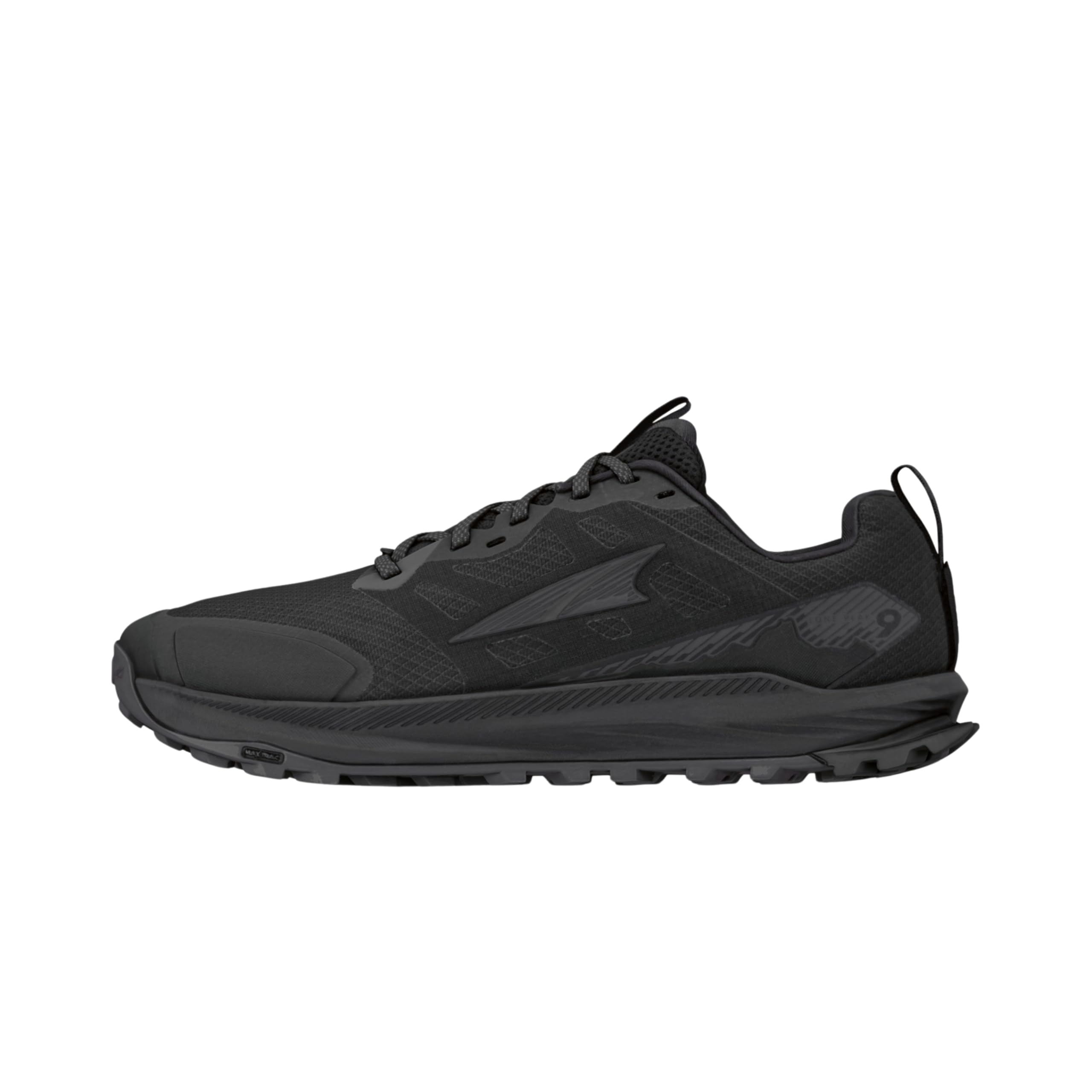
The ALTRA Lone Peak 9 is a departure from traditional stability shoes, offering a wide, foot-shaped toe box and a zero-drop platform that encourages a natural midfoot strike. For flat-footed users, the generous toe splay space is a game-changer — it allows the toes to spread and the arch to engage more naturally, rather than being compressed into a narrow pocket. The MaxTrac outsole delivers excellent grip on mud, rock, and wet trails, making it ideal for off-road adventures. The moderate cushion (25mm stack) provides good impact protection without the thick feel that can destabilize flat arches.
Because it is zero-drop, this shoe demands a transition period for those accustomed to elevated heels — your calf muscles and Achilles need time to adapt. The wide size runs large, so standard width buyers may want to size down half a step. Reviewers who stand all day or hike long distances report that the Lone Peak 9 becomes their favorite shoe due to the freedom of toe movement and stable base. It works well with custom orthotics for additional arch control.
Why it’s great
- Foot-shaped toe box relieves pressure on wide flat forefeet.
- Zero-drop platform encourages a natural gait and foot strength.
- Excellent MaxTrac grip for trail and light hiking terrain.
Good to know
- Zero-drop requires a break-in period for calf and Achilles adaptation.
- Wide version runs large; consider sizing down for a snug fit.
5. Brooks Women’s Adrenaline GTS 24 Supportive Running Shoe

The Brooks Adrenaline GTS 24 is the most trusted stability shoe for good reason — its GuideRails system gently corrects over-pronation without the harsh medial post typical of older designs. For women with flat feet and varying arch heights (from low to high), this shoe accommodates with a 39mm stack height that provides a stable, cushioned ride without feeling bulky. The 3D Fit Print upper wraps the foot without adding weight, and the toe box is roomy enough for mild to moderate widths. Reviewers with plantar fasciitis report massive pain reduction after switching, often eliminating the need for inserts.
One detail worth noting: Brooks sizing has shifted in recent iterations, so some returning customers found they needed to go up half a size compared to earlier versions. For narrow-footed flat feet (AA-AAA widths), this is a fantastic option that stays locked in place. However, those with very wide 4E feet may find the toe box a bit snug. It excels as a walking or daily training shoe and has proven durable for teachers, referees, and healthcare workers who are on their feet for hours at a time.
Why it’s great
- GuideRails provide effective over-pronation support without intrusive stiffness.
- Works for multiple arch types, including flat and mildly high arches.
- Proven durability for high-mileage walking and coaching activities.
Good to know
- Sizing has changed — consider going half a size up from previous Brooks models.
- Toe box may feel narrow for wider 4E foot shapes.
6. Saucony Men’s Hurricane 24 Sneaker
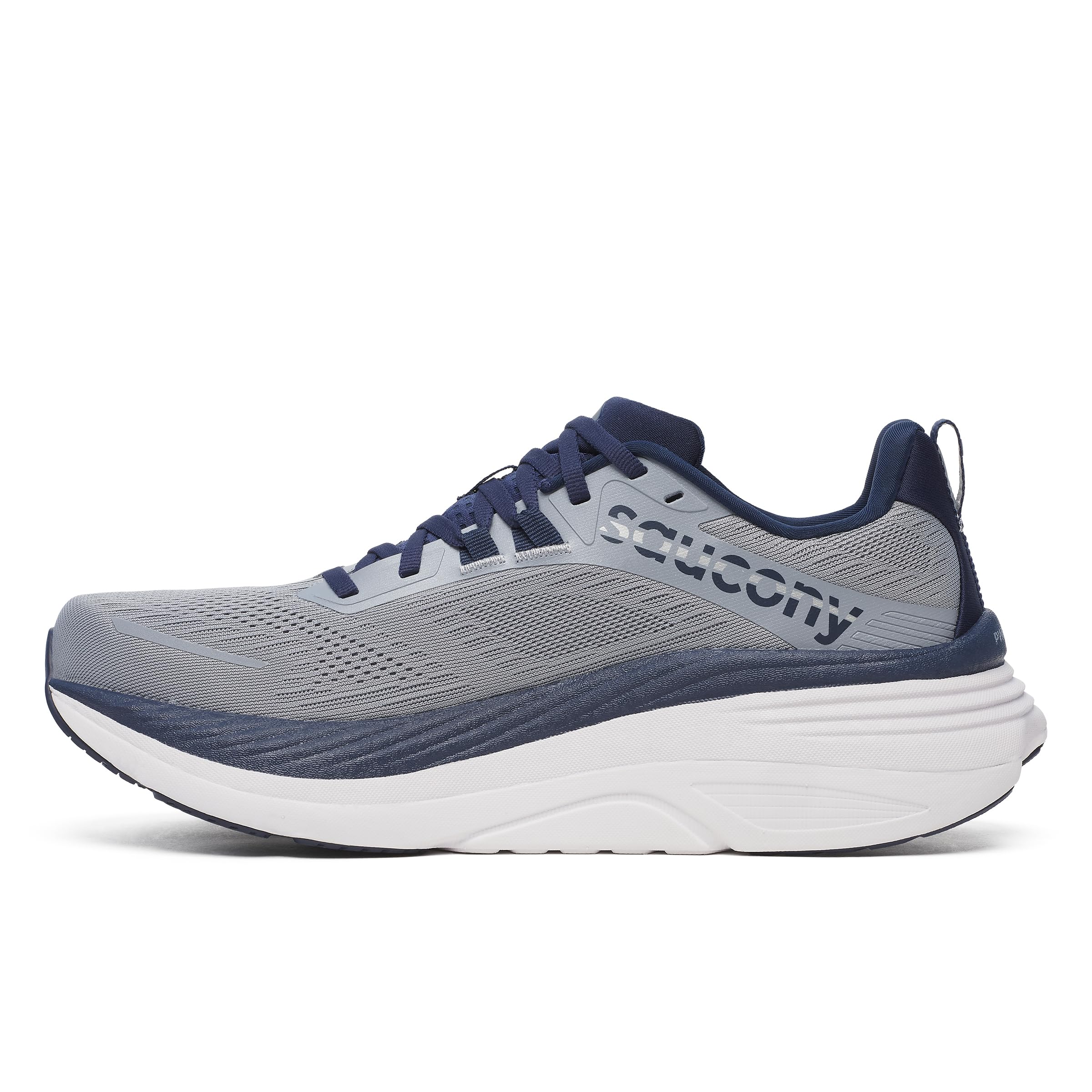
The Saucony Hurricane 24 is a premium stability shoe that provides a softer, more cushioned ride than many competitors, making it ideal for flat-footed runners who want impact absorption without losing pronation control. Its non-intrusive medial post gently guides the foot rather than forcing it into alignment, so neutral runners can even wear it without feeling corrected. The forefoot and toe box offer a roomy fit, and the 2.25-pound weight is noticeable but forgivable for long, slow runs or recovery miles. Several reviewers with patellar tendonitis and flat feet bought multiple pairs after experiencing relief on long walks.
Build consistency has been a minor issue — some pairs made in Vietnam fit slightly differently than those made in China, with the latter feeling firmer and wider. The shoe is heavier and not built for speed workouts, but for distance (20+ miles zone 2) or walking, it is a durable workhorse. The outsole holds up well over a year of use, and the heel-to-toe transition is smooth despite the substantial cushioning.
Why it’s great
- Non-intrusive stability control doesn’t fight the foot’s natural motion.
- Roomier fit in forefoot and toe box accommodates wide flat feet.
- Exceptional durability for long-distance training and daily walking.
Good to know
- Heavier than neutral trainers; not ideal for fast pace or racing.
- Inconsistent sizing between different manufacturing locations.
7. Saucony Men’s Guide 18 Sneaker
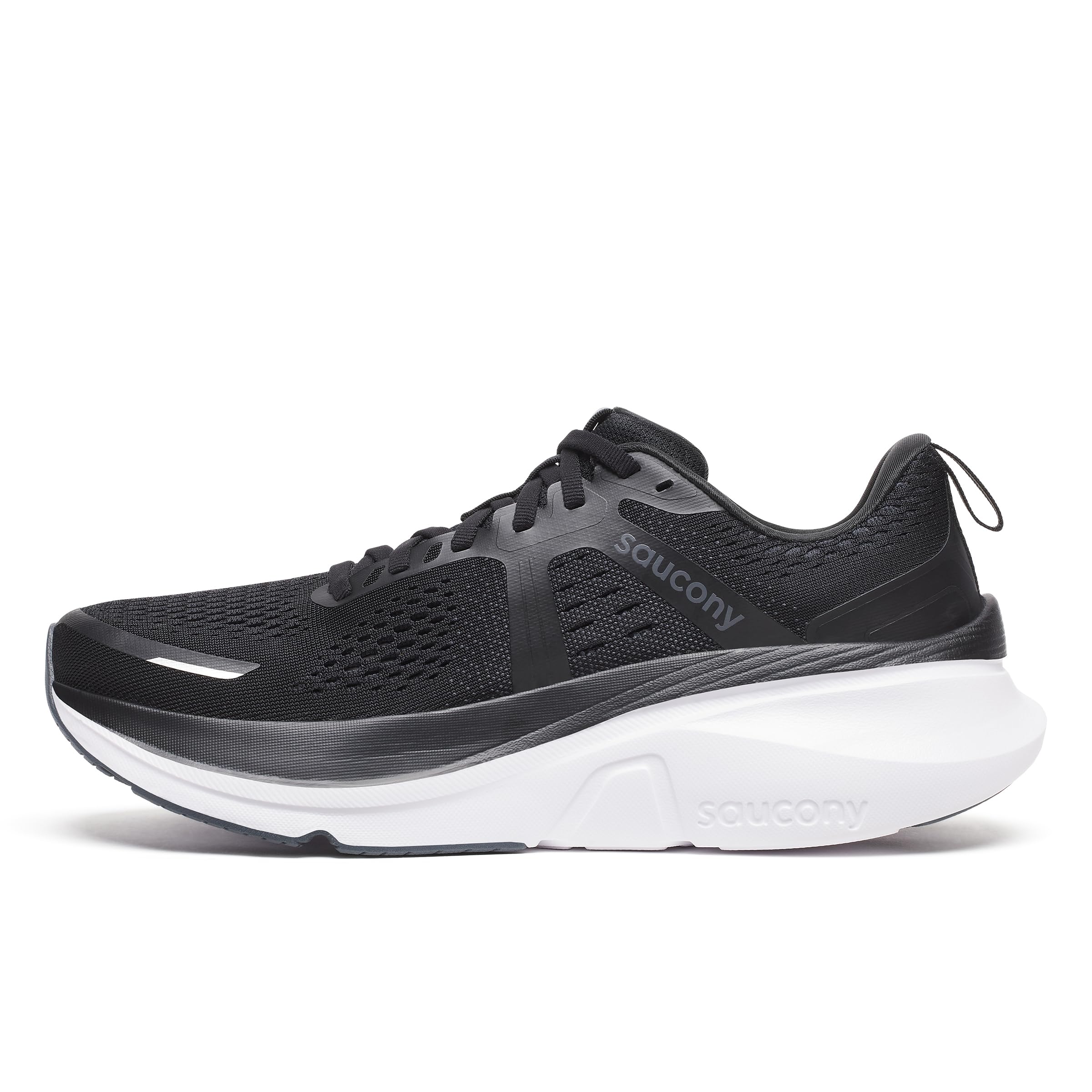
The Saucony Guide 18 offers a lighter, more agile alternative in the stability category without sacrificing arch support. Designed for mild to moderate over-pronation, its midsole uses a blend of PWRRUN+ and PWRRUN foam that feels like “walking on clouds” while maintaining a responsive, non-mushy feel. The toe box is narrower than previous versions (Guide 14/15), but still provides adequate room for standard wide feet, and the flexible upper molds to the foot shape. Reviewers with flat feet and mild pronation appreciate the excellent traction and durable outsole that handles hard surfaces well without scuffing.
The trade-off is that the Guide 18 is less suitable for very wide feet — those needing a 4E width will find the midfoot too snug for orthotics. The shoe runs true to size, though some recommend sizing up for running rather than walking. The build quality is high, with long, durable laces and a simple, clean design. It is a great choice for the flat-footed runner who wants stability in a package that feels closer to a neutral trainer.
Why it’s great
- Lightweight construction provides stability without feeling bulky.
- Cloud-like cushioning with good responsiveness for daily use.
- Excellent traction and outsole durability on pavement and hard surfaces.
Good to know
- Toe box is narrower than earlier Guide models.
- Not ideal for extreme wide 4E widths.
8. New Balance Men’s Fresh Foam X Hierro V9
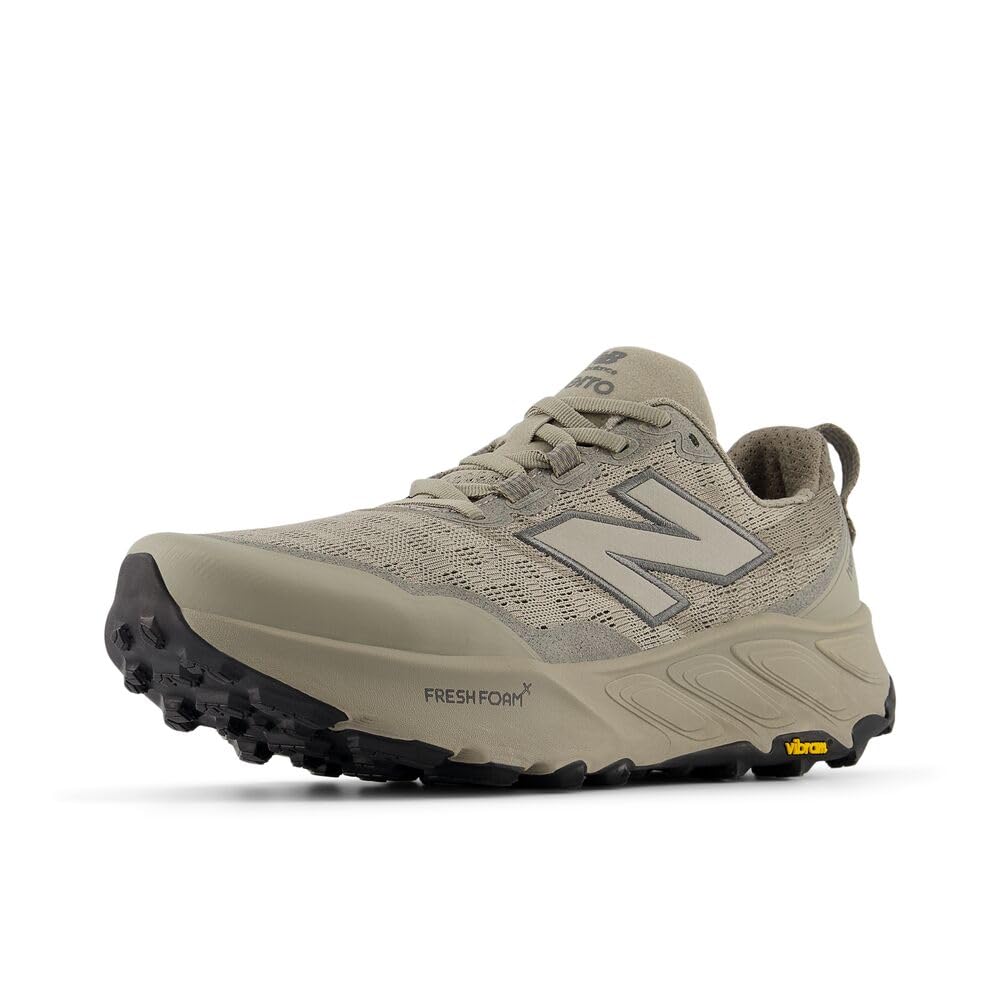
The Fresh Foam X Hierro V9 is New Balance’s trail-capable offering with a sticky Vibram Megagrip outsole that provides confidence on loose dirt, rocky climbs, and wet roots. While not specifically a stability shoe, its wide platform and snug midfoot wrap give a stable base that suits flat-footed hikers and trail runners. The Fresh Foam X cushioning is firm enough to prevent bottoming out under heavier loads but plush enough to smooth out trail chatter. Available in wide sizes, it works well for pronators who need a rugged sole without hiking boot weight.
The key disclaimer is the fit: this model runs small, with a tight toe box and a shortened length compared to previous versions (V7). Many users recommend going up half a size or choosing the wide version to avoid cramped toes. The upper is breathable but could use more padding for extended runs. It’s best reserved for off-road surfaces — on pavement, the aggressive tread pattern creates a pronounced ride feel. For flat-footed trail enthusiasts, it is a durable and capable partner that pairs well with custom orthotics.
Why it’s great
- Excellent Vibram Megagrip outsole for technical and wet terrain.
- Firm, supportive cushion that resists collapsing under weight.
- Available in wide sizes for flat-footed hikers.
Good to know
- Runs small — order half a size up or go wide for proper toe fit.
- Not a stability shoe; best for moderate arches that don’t need heavy pronation control.
9. ASICS Men’s Gel-Cumulus 27 Running Shoes
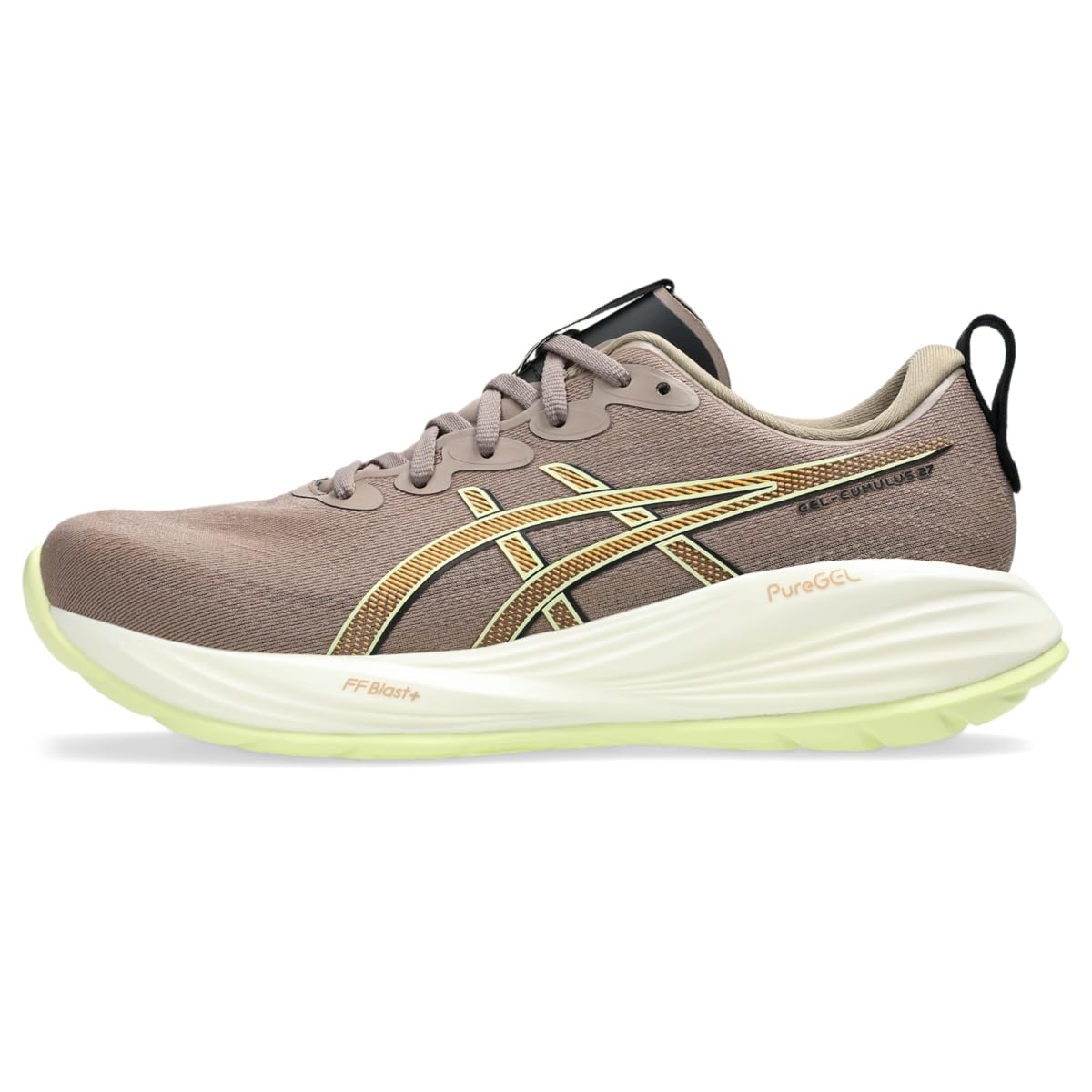
The ASICS Gel-Cumulus 27 is a neutral daily trainer with a generous amount of gel cushioning under the heel and forefoot, making it an excellent option for flat-footed walkers on a budget. While it lacks a dedicated stability post, its wide base and structured mesh upper provide enough lateral support for mild pronation, especially if you pair it with aftermarket orthotics. The breathable engineered mesh keeps the foot cool during longer walks or easy runs, and the toe cap offers more vertical room than expected, preventing the pinching that often accompanies low-foot-volume shoes.
For runners with very flat feet who over-pronate heavily, this shoe may feel unstable at higher speeds because the gel insert is pliable and doesn’t resist inward roll. It also runs true to size, though some users with wide feet found the toe box slightly larger than normal — a benefit for the wide-footed but a potential fit issue for narrow-footed users. The outsole is reasonably durable for the mid-range price, and the overall build quality is high. As an entry-level option, it delivers impressive comfort for the dollar.
Why it’s great
- Plush gel cushioning absorbs heel and forefoot impact effectively.
- Breathable upper keeps feet cool during extended activity.
- Generous toe box provides relief for mildly wide flat feet.
Good to know
- Neutral design lacks dedicated pronation support for heavy over-pronation.
- Gel insert may feel too soft for some flat-footed runners who need a firmer base.
FAQ
Should I buy a stability shoe or a neutral shoe for flat feet?
What width size should I get for my flat feet?
Do I need custom orthotics for flat feet?
Final Thoughts: The Verdict
For most users, the best athletic shoes for wide flat feet winner is the Brooks Beast GTS 26 because it delivers a true 4E width with GuideRails that control heavy pronation without the stiffness of outdated stability posts. If you prioritize maximum cloud-like cushion and all-day standing comfort, grab the New Balance Fresh Foam X More V6. And for flat-footed trail runners who need a natural, wide toe box, nothing beats the ALTRA Lone Peak 9.

Mo Maruf
I created WellFizz to bridge the gap between vague wellness advice and actionable solutions. My mission is simple: to decode the research and give you practical tools you can actually use.
Beyond the data, I am a passionate traveler. I believe that stepping away from the screen to explore new environments is essential for mental clarity and physical vitality.