Our readers keep the lights on and my smoothie glass nicely filled. As an Amazon Associate, I earn from qualifying purchases.
A shoe that lets your foot collapse inward with every step isn’t just uncomfortable—it actively undermines your gait, strains your knees, and turns a simple walk into a session of joint compensation. Stability shoes use a firmer medial post or a wider platform to correct overpronation, guiding your foot through a natural stride rather than letting it roll. The right pair makes you feel anchored to the ground, not fighting it.
I’m Mohammad Maruf — the founder and writer behind WellFizz. To compile this guide, I dug through thousands of customer reports, compared medial post densities, foam stack heights, and platform widths across nine competing models, cross-referencing real-world durability complaints with biomechanical needs.
The goal is to find the best athletic shoes for stability that genuinely prevent that inward roll while keeping you comfortable mile after mile.
How To Choose The Best Athletic Shoes For Stability
Buying a stability shoe without understanding your pronation type is like buying a suspension system without knowing your car’s weight distribution. You need a shoe that corrects just enough to neutralize your gait without forcing your foot into an unnatural position.
The Medial Post Density and Its Impact
The medial post is a firmer wedge of foam or plastic on the inner side of the midsole. Its density determines how aggressively it resists pronation. A soft post works for mild overpronators; a firm, full-length post is for severe cases. Too much post and you’ll feel like you’re walking on a tilted surface—too little and the shoe collapses.
Platform Width vs. Stack Height Ratio
A high stack height (lots of foam underfoot) without a wide platform creates instability. Stability shoes need a broad base—measured across the heel and forefoot—to counteract the leverage effect. Look for a flared heel and a wide toe-box that doesn’t taper aggressively.
Heel Bevel and Rocker Geometry
A heel bevel (a rounded edge at the back) smooths the transition from heel-strike to midfoot, reducing the jarring impact that destabilizes your stride. Paired with a mild toe rocker, it helps propel you forward without relying on the shoe’s medial side to do the work.
Quick Comparison
On smaller screens, swipe sideways to see the full table.
| Model | Category | Best For | Key Spec | Amazon |
|---|---|---|---|---|
| Brooks Beast GTS 26 (Men’s) | Max Stability | Severe overpronation & wide feet | 4E wide available; GuideRails holistic support | Amazon |
| Brooks Glycerin GTS 23 (Women’s) | Plush Support | Long runs & high-mileage walking | 39mm stack; GuideRails midsole | Amazon |
| New Balance 860v15 (Women’s) | Daily Trainer | Flat feet & plantar fasciitis relief | Fresh Foam X medial post | Amazon |
| Hoka Arahi 7 (Women’s) | Lightweight Guide | Posterior tibial tendon recovery | J-Frame stability technology | Amazon |
| ASICS GT-2000 14 (Women’s) | Structure & Softness | Daily runs & pronated ankles | LITETRUSS medial support system | Amazon |
| Saucony Hurricane 24 (Women’s) | Recovery Shoe | Injury recovery & hammer toe | Center Path technology; 9.8 oz weight | Amazon |
| New Balance Fresh Foam X 860 V13 (Women’s) | Arch Support | Ankle surgery recovery & sore feet | 9.5 mm drop; Fresh Foam X | Amazon |
| Saucony Hurricane 24 (Men’s) | Distance Runner | Ultra-distance runs (20+ miles) | PWRRUN PB top layer; 2.25 lb pair | Amazon |
| ASICS GT-1000 14 (Men’s) | Budget Stability | Cross-country & daily wear | LITETRUSS; 9.5 oz per shoe | Amazon |
In‑Depth Reviews
1. Brooks Men’s Beast GTS 26 Supportive Running & Walking Shoe
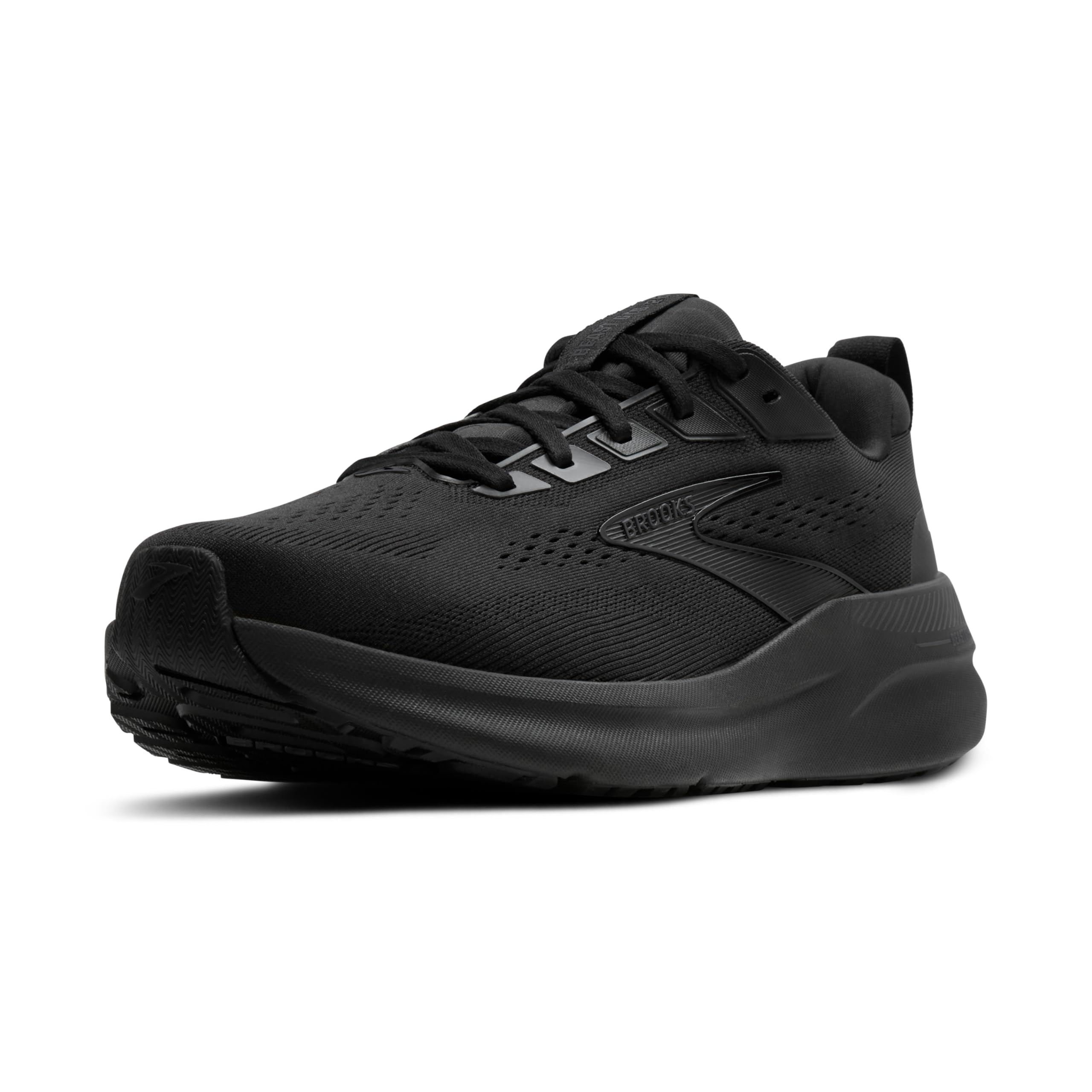
Brooks designed the Beast specifically for the heaviest pronators and widest feet, and the GTS 26 iteration continues that mission. Its GuideRails system wraps around the heel, preventing excessive motion without using a rigid medial post. The platform is noticeably wide under the heel and forefoot, creating a stable base that resists rolling even on uneven terrain.
Real feedback from an 84-year-old power walker confirms the shoe’s cloud-like feel during daily 45-minute sessions. Bunion and very-wide-foot users praised the toe box for eliminating pain, and multiple hikers reported solid grip on rough trails. The 4E width option eliminates the need for sizing up in most cases, though some users warn the stock laces at 48 inches are too short for a true heel lock on extra-wide models.
The trade-off is weight—the Beast is not a speed shoe. It’s built for stability-first activities like walking, light hiking, and gym work where every step feels planted. The foam is firm enough to provide support but has enough give under the arch to feel comfortable straight out of the box. For anyone with severe overpronation who needs a shoe that disappears under their foot, this is it.
Why it’s great
- GuideRails system offers holistic support without a hard medial post
- 4E width option eliminates toe crowding for wide-foot users
- Wide platform provides exceptional stability on uneven ground
Good to know
- Heavier build makes it unsuitable for speed workouts
- Stock laces may be too short for heel-lock lacing on 4E sizes
2. Brooks Women’s Glycerin GTS 23 Supportive Running Shoe
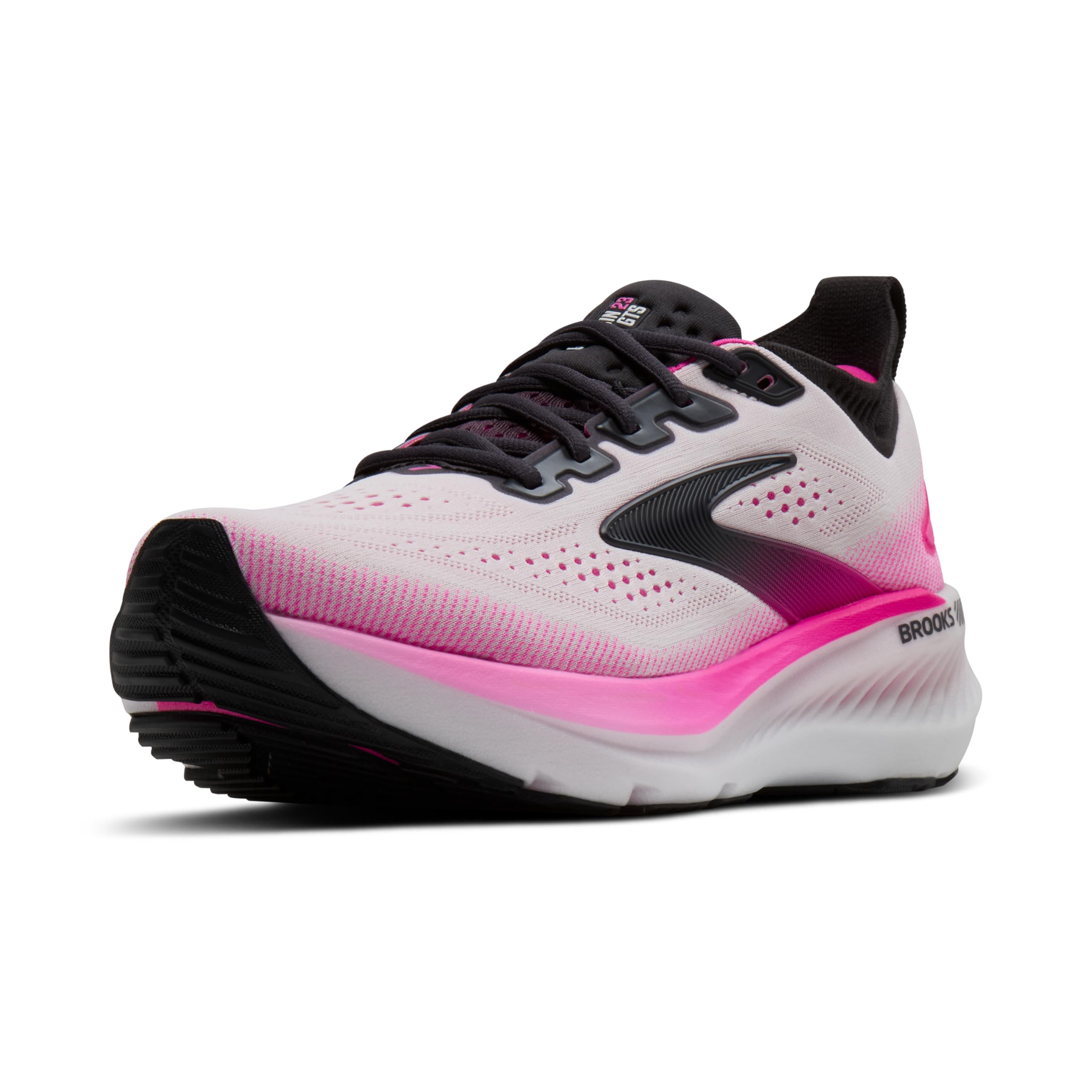
The Glycerin GTS 23 is Brooks’ answer to the question: can you have soft, plush cushioning without losing stability? The answer is yes, thanks to a wide platform and GuideRails that sit on the medial and lateral sides to keep the foot tracking straight. The 39mm stack height delivers a pillow-like feel underfoot, but the shoe never feels marshmallowy because the foam formulation is tuned to bounce back rather than compress completely.
Users recovering from plantar fasciitis and plus-size walkers report that the arch support is pronounced but not stiff—it cradles the foot without forcing it into an uncomfortable position. After 9,000 steps at Disney World, one reviewer noted toe and heel rubbing, suggesting the shoe’s internal shape may not suit every foot geometry. But for 4-mile power walks, the shoe earned perfect marks for zero discomfort.
Durability is a strong point: the GTS system showed no breakdown after two half-marathons, and multiple users report the shoe lasts a full year of daily use. The navy colorway hides dirt well, but the wide-width options are limited in color selection. For runners and walkers who want a stability shoe that feels like a luxury ride, the Glycerin GTS 23 is a top contender.
Why it’s great
- Plush cushioning with GuideRails for non-intrusive stability
- Excellent durability through high-mileage training blocks
- Roomy toe-box that prevents blisters during long runs
Good to know
- Limited wide-width color options available
- May cause heel rubbing for some users after extended walking
3. New Balance Womens Fresh Foam X 860v15
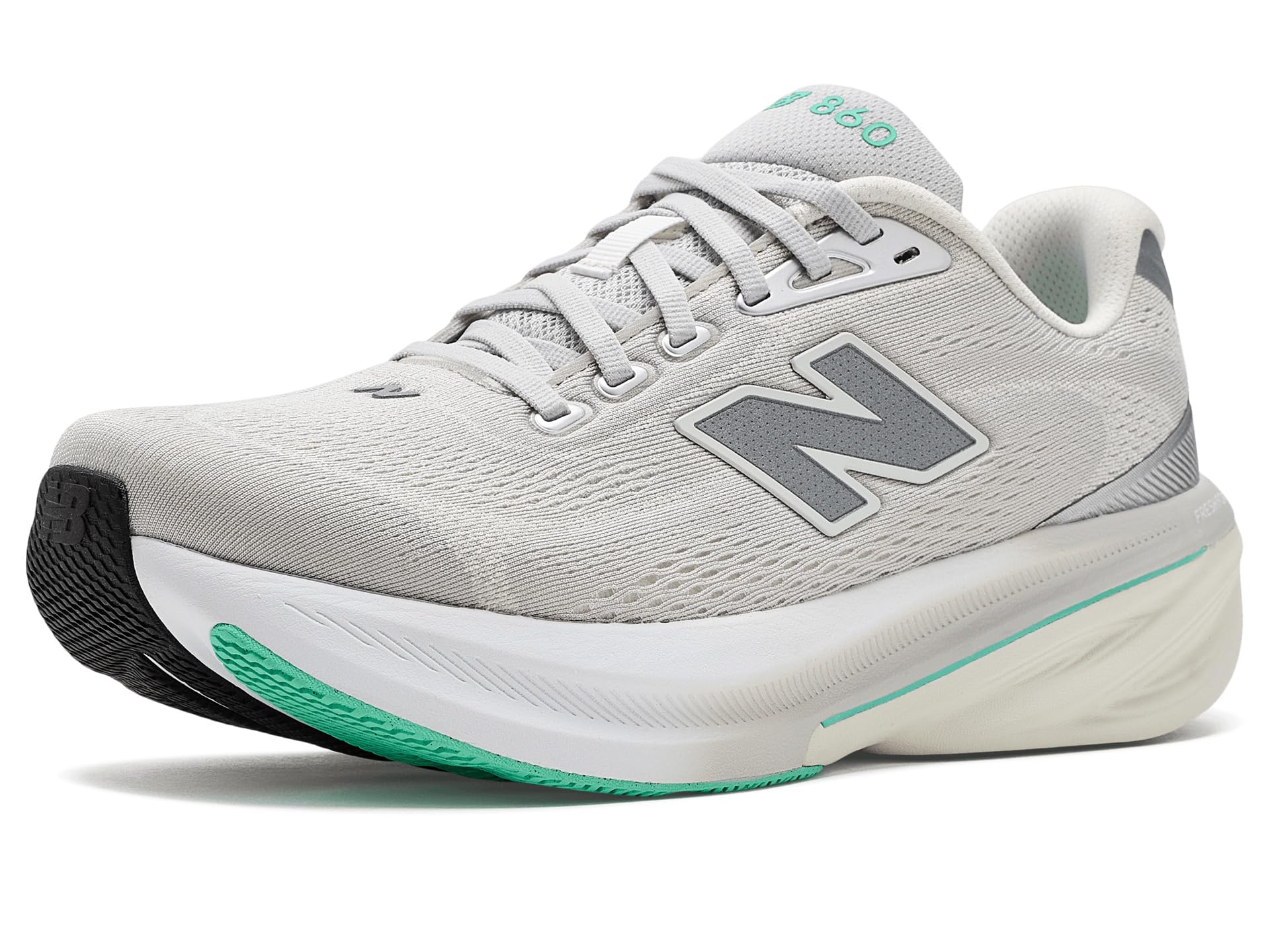
The 860v15 refines New Balance’s long-standing stability formula with a Fresh Foam X midsole that combines soft cushioning with a medial post that doesn’t feel intrusive. The shoe’s platform is broad under the heel and forefoot, and the toe box is roomy enough for bunions without requiring a wide size. Healthcare workers and users on their feet all day reported that the arch support eliminated the need for custom orthotics.
Flat-footed and pronating users rated the shoe highly for immediate comfort, noting that they didn’t need a break-in period. The color options are more vibrant in person than online images suggest, which pleased several buyers. However, a minority of users found the arch support lacking for their specific needs, and one reviewer experienced a manufacturing defect that made the shoe feel like a second. The fit runs slightly small—most buyers recommend going up half a size.
The 860v15 is a daily trainer that works equally well for walking, light jogging, and standing shifts. The Fresh Foam X compound provides a plush step without sacrificing the lateral stability you need for quick direction changes. For those with flat, pronating feet who want a supportive shoe without an aggressive medial post, this is a solid mid-range option.
Why it’s great
- Fresh Foam X provides plush cushioning without compromising stability
- Room-toe box accommodates bunions and wider feet comfortably
- Eliminates need for orthotics for many flat-footed users
Good to know
- Runs slightly small—consider going up half a size
- Some reports of inconsistent manufacturing quality
4. Hoka ONE ONE Womens Arahi 7
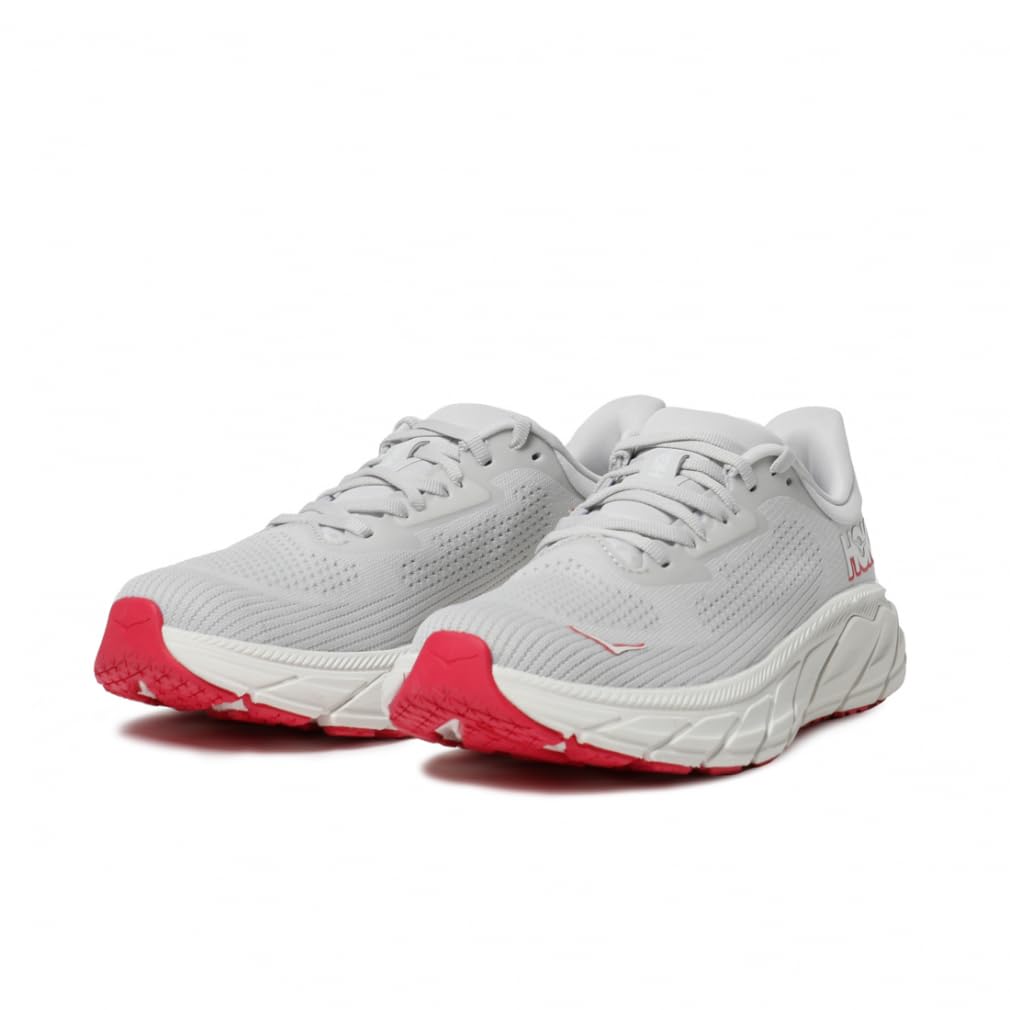
Hoka’s Arahi 7 uses a J-Frame stability system that wraps around the heel and medial side to guide the foot without adding a dense medial post. This keeps the shoe lightweight—noticeably lighter than the Brooks Beast or New Balance 860—while still providing enough structure to correct moderate overpronation. The stack height is substantial but the wide platform keeps it stable.
Posterior tibial tendon injury recovery patients reported significant pain reduction after switching to the Arahi 7, saying the shoe fully supported their arch without feeling restrictive. The cushioning is described as “plush but not squishy,” with enough responsiveness for everyday errands and store runs. The color combinations are fashion-forward, which appeals to buyers who don’t want a clunky medical-looking shoe.
The Arahi 7 is not built for heavy-duty pronation control—it’s best for mild to moderate overpronation. The outsole tread is minimal, so grip on wet surfaces is average. For those who need a lightweight stability shoe that looks good and works for daily casual wear, this is a strong pick. Just don’t expect it to handle high-mileage training or rugged terrain.
Why it’s great
- J-Frame provides lightweight stability without a bulky medial post
- Excellent for posterior tibial tendon injury recovery
- Fashionable colorways that don’t look like orthotic shoes
Good to know
- Best for mild to moderate overpronation only
- Minimal outsole tread offers average wet-surface grip
5. ASICS Women’s GT-2000 14 Running Shoes
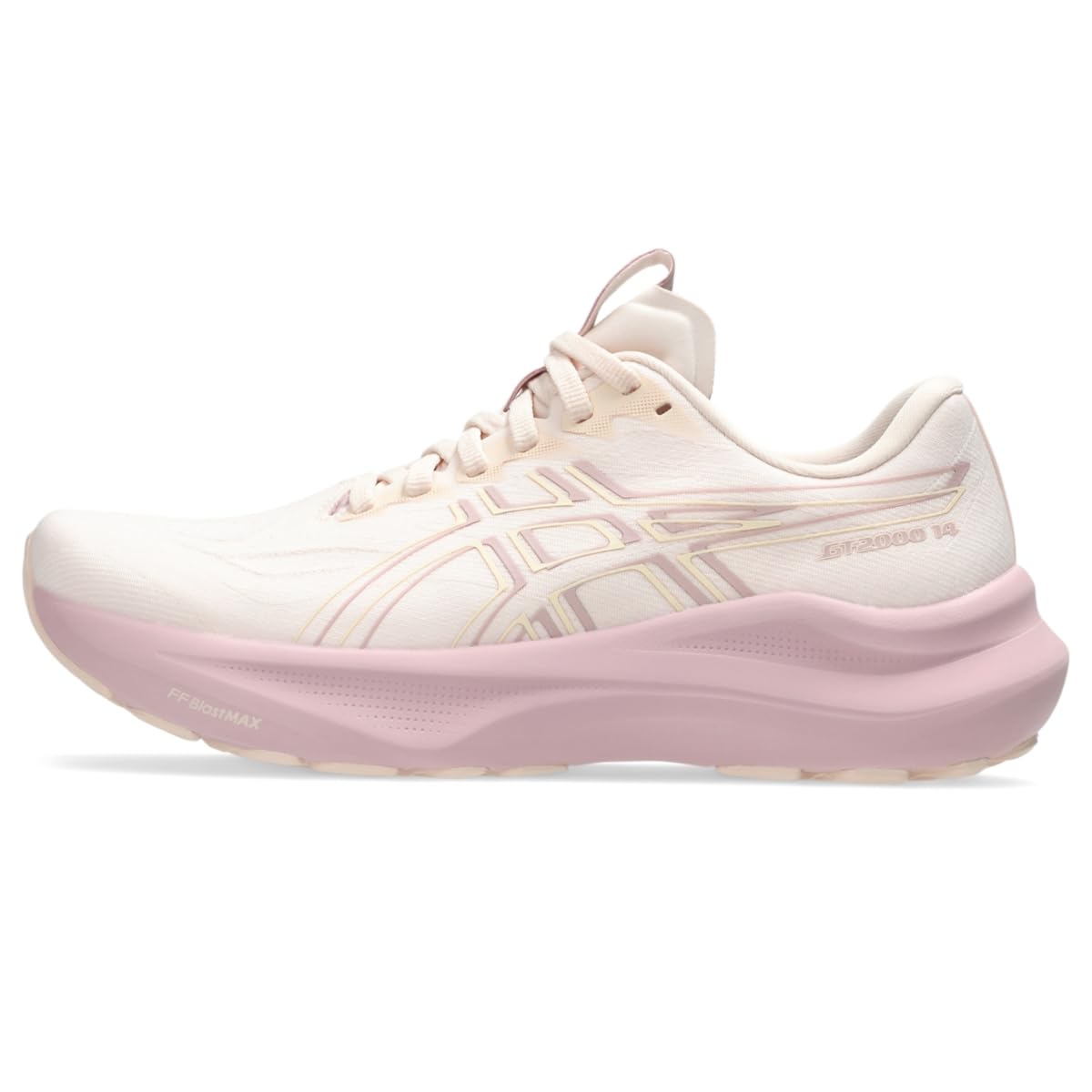
The GT-2000 14 sits in the sweet spot between the budget GT-1000 and the premium Kayano line, offering ASICS’ LITETRUSS medial support system that reduces pronation without adding significant weight. The heel cup is structured to lock the foot in place, and the toe box provides enough room for natural toe splay without feeling sloppy. Testers who run 10Ks and half-marathons daily reported that the shoe combines structure, softness, and comfort better than other ASICS models they’ve tried.
The breathable upper keeps feet cool during long runs, and the outsole durability is impressive—multiple purchasers plan to buy a second pair. Pronated ankles and flat feet find solid support here, and the unique colorways are a hit with buyers who want style alongside function. The shoe requires no break-in period, fitting true to size right out of the box.
The GT-2000 14 is not a max-cushion shoe; the stack height is moderate, so runners seeking extreme plushness might prefer the Glycerin GTS or Arahi. It’s also less stable than the Beast GTS for severe overpronators. But for daily runners who want a reliable stability shoe that doesn’t feel heavy or stiff, it’s an excellent mid-range choice.
Why it’s great
- LITETRUSS provides effective pronation control without bulk
- Structured heel cup locks foot in place for stable strides
- True-to-size fit with no break-in period needed
Good to know
- Moderate stack height may not satisfy max-cushion fans
- Less stability for severe overpronators compared to the Beast GTS
6. Saucony Women’s Hurricane 24 Sneaker
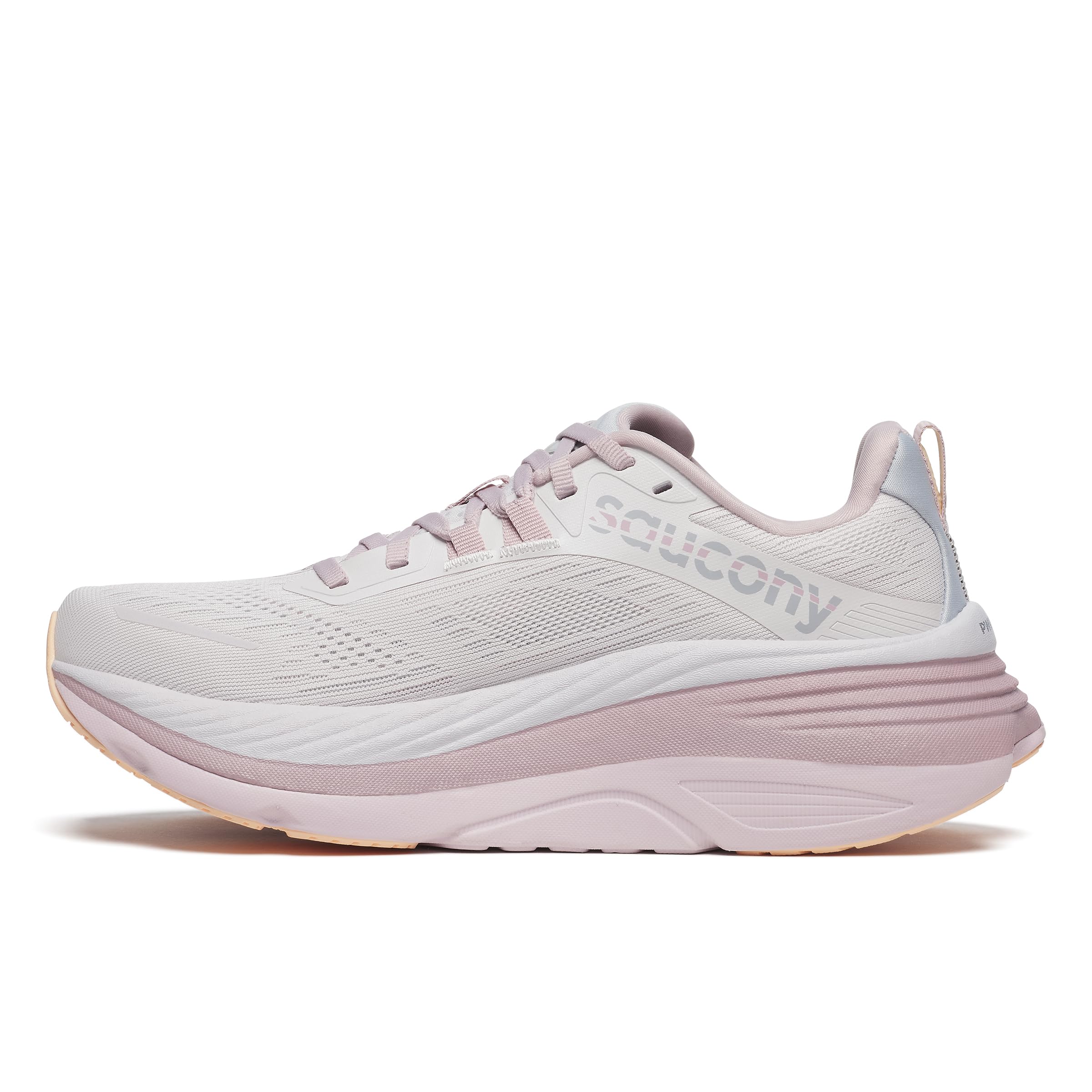
The Hurricane 24 uses Saucony’s Center Path technology, which creates a wide platform with a narrow heel to naturally guide the foot into a straight line. The toe rocker is aggressive, helping transition from heel-strike to toe-off with less effort—a feature appreciated by users recovering from hammer toe and tendon pain. The cushioning is thick and described as “squishy but stable” due to the broad base.
Many buyers switched from other brands because the Hurricane 24 resolved their foot pain without the harsh feel of traditional stability shoes. The shoe is heavy (9.8 oz per shoe), which makes it unsuitable for speed workouts, but that weight translates to a dense, protective ride that absorbs shock well. One reviewer noted low-quality fabric—the insole color bled onto the mesh and reflective strips peeled off within weeks.
The Hurricane 24 is ideal for recovery runs, long walks, and everyday wear for those with plantar fasciitis or overpronation. The roomy forefoot is a plus for users with wide toes. But the build quality inconsistency is a concern at this price point, and the weight may be fatiguing for lighter runners. Test the shoe in-store if possible to check fit and finish.
Why it’s great
- Aggressive toe rocker that eases heel-strike transition
- Wide platform with narrow heel for natural guidance
- Resolved hammer toe and tendon pain for multiple users
Good to know
- Heavy at 9.8 oz—not suitable for speed work
- Some reports of low-quality fabric and peeling reflective strips
7. Saucony Men’s Hurricane 24 Sneaker
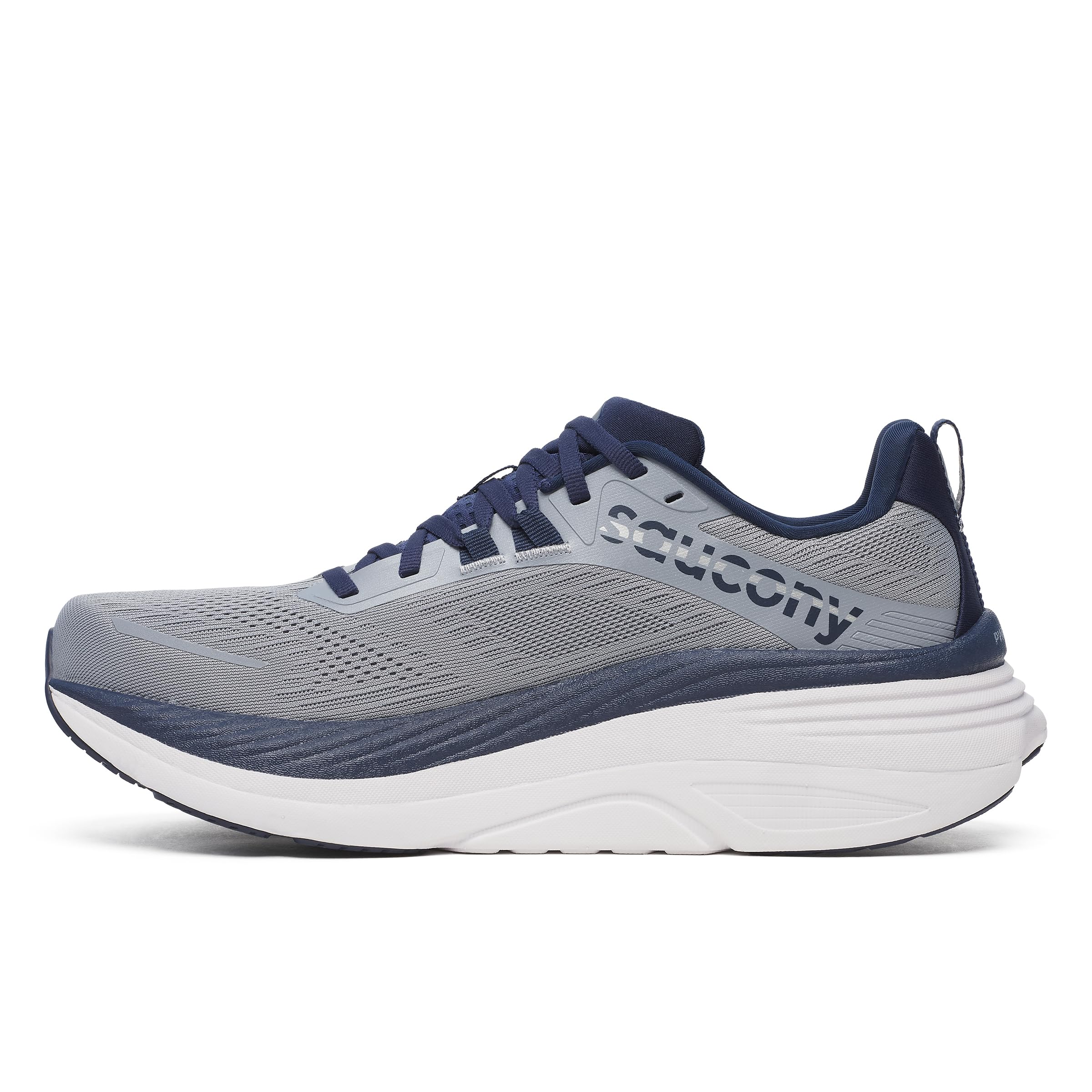
The men’s Hurricane 24 shares its women’s counterpart’s Center Path geometry, but the men’s version receives rave reviews specifically for ultra-distance running. Runners completing 20+ mile zone 2 runs report that the shoe’s non-intrusive stability—it guides without grabbing—helps maintain form deep into long efforts. The PWRRUN PB top layer adds a responsive bounce, while the denser carrier foam underneath provides the structure.
Durability is a standout: one reviewer put 500+ miles on a pair before needing replacement, calling it “half the price of Hoka/ASICS” with comparable longevity. The shoe works well for walking with patellar tendonitis and flat feet, earning praise for its cloud-like cushioning that protects knees. However, build quality varies by factory—shoes made in Vietnam fit narrower and were more comfortable, while China-made pairs ran wider and firmer, disappointing some buyers.
The shoe is not fast—it’s heavier than a daily trainer, so don’t buy it for 5K PR attempts. But for long runs, recovery days, and all-day standing, the Hurricane 24 delivers a stable platform that doesn’t fight your stride. The inconsistent sizing across production batches is the main risk; buying from a retailer with a good return policy is wise.
Why it’s great
- Non-intrusive stability ideal for ultra-distance runs
- Durable construction lasting 500+ miles for many users
- PWRRUN PB foam delivers responsive bounce without harshness
Good to know
- Inconsistent sizing between different manufacturing locations
- Too heavy for speed workouts or short-distance racing
8. New Balance Womens Fresh Foam X 860 V13
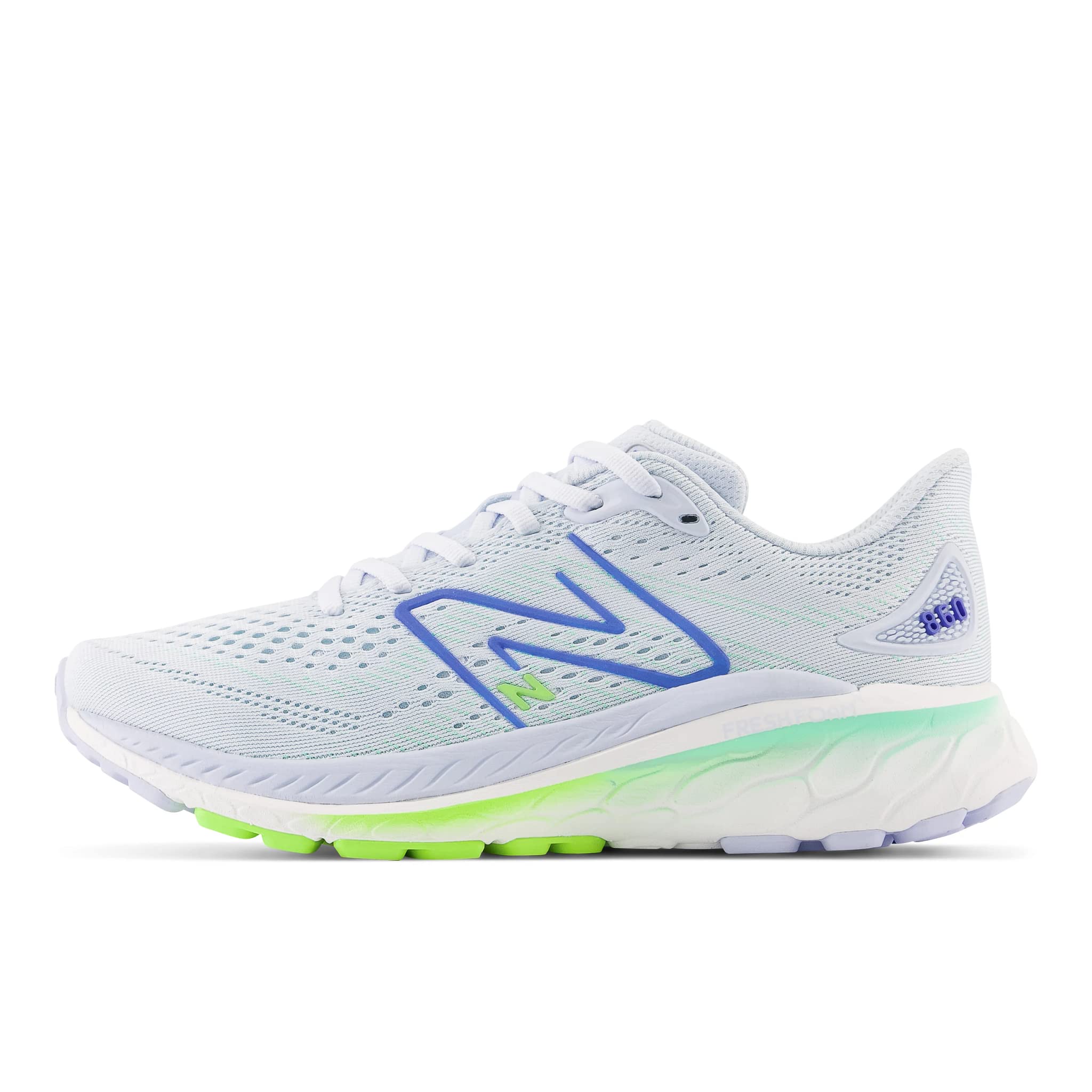
The Fresh Foam X 860 V13 is a well-cushioned stability shoe that prioritizes comfort over aggressive pronation control. The Fresh Foam X midsole is plush and forgiving, making it a favorite for long walks and standing shifts. The arch support is prominent—several users recovering from ankle surgery and plantar fasciitis reported immediate pain relief without the need for orthotics.
The shoe runs narrow in the toe box, with multiple reviewers needing to size up from their usual New Balance size by half or even a full size. The manufacturing size inconsistency is a recurring theme: some 7.5 wides fit like 6.5, while others ran true. The traction pattern on the outsole is reliable on pavement and light trails, and the design is sleek for a stability shoe.
The 860 V13 is a good choice for light overpronators who want a comfortable, low-drop shoe (9.5 mm) for walking and casual use. It lacks the structural rigidity needed for severe pronation correction or high-mileage running. If you have flat feet that tend to roll inward significantly, the 860v15 offers more support. Sizing up is strongly recommended to avoid toe discomfort.
Why it’s great
- Plush Fresh Foam X cushioning ideal for long walks and standing
- Excellent arch support relieves plantar fasciitis pain
- Sleek design that doesn’t look bulky despite the cushioning
Good to know
- Toe box runs narrow—most users need to size up
- Inconsistent manufacturing sizing across pairs
9. ASICS Men’s GT-1000 14 Running Shoes
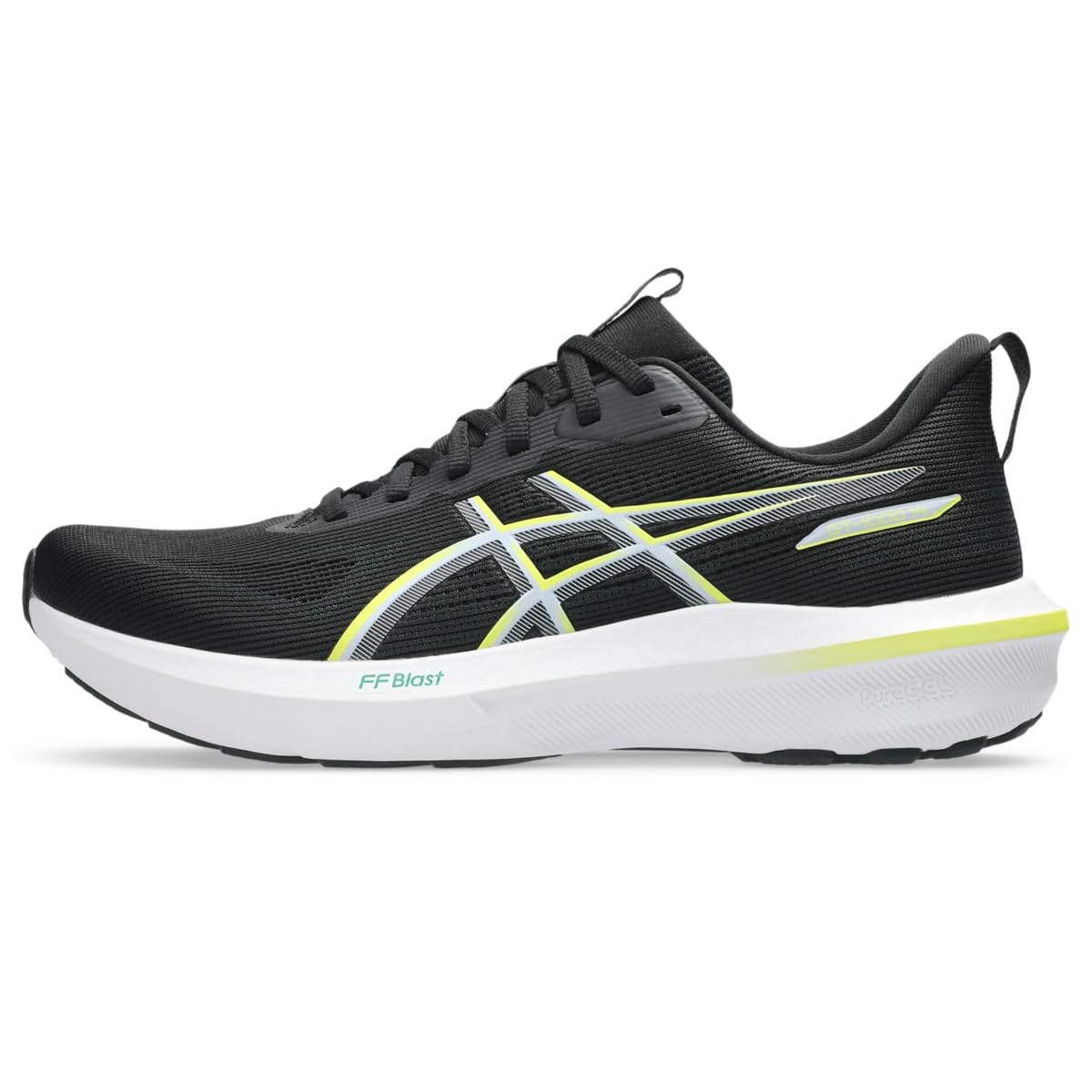
The GT-1000 14 is ASICS’ entry-level stability shoe that borrows the LITETRUSS system from its more expensive siblings. It delivers solid overpronation control for mild to moderate cases at a lower price point. The cushioning is softer than previous versions—reviewers who walked 10,000 steps daily said it matched the GT-2000 in comfort, saving them significant money per pair.
Cross-country runners and track athletes appreciate its lightweight build and versatility on both road and trail. Neuropathy sufferers reported significant foot pain reduction due to the arch support and cushioned sole. The breathable mesh upper keeps feet dry during warm-weather runs, and the solid color options—especially the stealthy black soles—appeal to those who prefer a clean look.
The GT-1000 14 loses some support compared to the GT-2000 and Kayano lines—the medial post is less pronounced. The outsole wears faster than premium models, with several users reporting the shoe feels “dead” after about a year of daily use. It’s best for lighter runners or walkers who need moderate stability without spending on a premium model. For severe overpronation or high-mileage training, the GT-2000 or Hurricane 24 is a safer bet.
Why it’s great
- Lightweight build with effective LITETRUSS stability system
- Soft cushioning that rivals higher-priced ASICS models
- Versatile for road, trail, and gym use
Good to know
- Medial post less pronounced than GT-2000 or Kayano lines
- Outsole wears faster—may feel dead after a year of daily use
FAQ
Can I use a stability shoe if I have neutral pronation?
How do I know if I’m a mild or severe overpronator?
Do stability shoes wear out faster than neutral shoes?
Final Thoughts: The Verdict
For most users, the best athletic shoes for stability winner is the Brooks Beast GTS 26 because it combines a wide platform, GuideRails support system, and 4E width options to handle the most demanding pronation cases without sacrificing comfort. If you want plush cushioning with stability, grab the Brooks Glycerin GTS 23. And for a lightweight, recovery-friendly option, nothing beats the Hoka Arahi 7.

Mo Maruf
I created WellFizz to bridge the gap between vague wellness advice and actionable solutions. My mission is simple: to decode the research and give you practical tools you can actually use.
Beyond the data, I am a passionate traveler. I believe that stepping away from the screen to explore new environments is essential for mental clarity and physical vitality.