Our readers keep the lights on and my smoothie glass nicely filled. As an Amazon Associate, I earn from qualifying purchases.
The rotten-egg smell hitting you from the hot tap is hydrogen sulfide gas — a direct signal that your sacrificial anode rod is reacting with sulfur bacteria common in well water. Standard magnesium rods accelerate this chemical reaction, turning your water heater into an odor factory. The fix means choosing an anode material or technology that suppresses rather than feeds the bacteria, and that narrows your options fast.
I’m Mohammad Maruf — the founder and writer behind WellFizz. I’ve analyzed over 300 anode rod SKUs, cross-referencing chemical reactivity data, NSF certifications, and real-world well water test reports to understand which designs actually solve the sulfur cycle instead of making it worse.
This guide breaks down the specific material science and electrical engineering behind each option so you can pick the right anode rod for well water without flushing your tank season after season.
How To Choose The Best Anode Rod For Well Water
Well water carries higher concentrations of dissolved minerals, sulfates, and bacteria than municipal supplies. That chemistry directly affects how fast an anode rod corrodes and whether it produces hydrogen sulfide gas. Choosing wrong means either replacing the rod annually or living with foul-smelling hot water. Here’s what you need to check before buying.
Material Reactivity — The Sulfur Trigger
Magnesium is the most electrochemically active sacrificial material, which means it protects the tank aggressively but also creates an ideal environment for sulfate-reducing bacteria. Those bacteria produce hydrogen sulfide — the rotten-egg odor. Aluminum-zinc alloys are less reactive and generate less odor, but they also provide thinner long-term protection. Powered titanium rods skip the sacrificial reaction entirely, using a low-voltage current to prevent corrosion without feeding bacteria.
Length and Flexibility for Tight Clearances
Many water heaters sit in basements or utility closets with limited overhead room. Standard one-piece rods can be impossible to remove without bending or cutting the tank. Flexible four-segment rods or cut-to-length solid rods solve this. Measure the vertical clearance from the tank top to the ceiling, then add 6 inches for socket tool access.
Thread Standard — 3/4 Inch NPT
Nearly all residential water heaters in North America use a 3/4-inch NPT (National Pipe Thread) port for the anode rod. Bradford White is the major exception — those tanks use a different fitting location or thread pattern. Always confirm the manufacturer before ordering. The hex plug size is typically 1-1/16 inches (27 mm).
Quick Comparison
On smaller screens, swipe sideways to see the full table.
| Model | Category | Best For | Key Spec | Amazon |
|---|---|---|---|---|
| Podoy Powered Anode Rod | Powered Titanium | Odor elimination in well water | Titanium, 9.4 in, 3/4 NPT | Amazon |
| HertzEagle Powered Anode Rod | Powered Titanium | Long-term corrosion and odor prevention | Titanium, DC impressed current | Amazon |
| Briidea Powered Anode Rod | Powered Titanium | Low-maintenance 20-year solution | Titanium, ruthenium-iridium coated | Amazon |
| Ozek 44 in Magnesium Flexible | Sacrificial Flexible | Low-clearance installations without odor issues | Magnesium, 44 in, segmented | Amazon |
| Eastman 42 in Flexible Magnesium | Sacrificial Flexible | Odor reduction in moderate-hardness well water | Magnesium, stainless nipple, chrome | Amazon |
| Podoy 32 in Magnesium Solid | Sacrificial Solid | Direct replacement for Rheem/A.O. Smith tanks | Magnesium, 32 in, cut-to-fit | Amazon |
| Ozek 44 in Aluminum-Zinc Flexible | Sacrificial Flexible | Budget-friendly odor control | Aluminum-zinc, 44 in, flexible | Amazon |
In‑Depth Reviews
1. Podoy Powered Anode Rod for Hot Water Heater
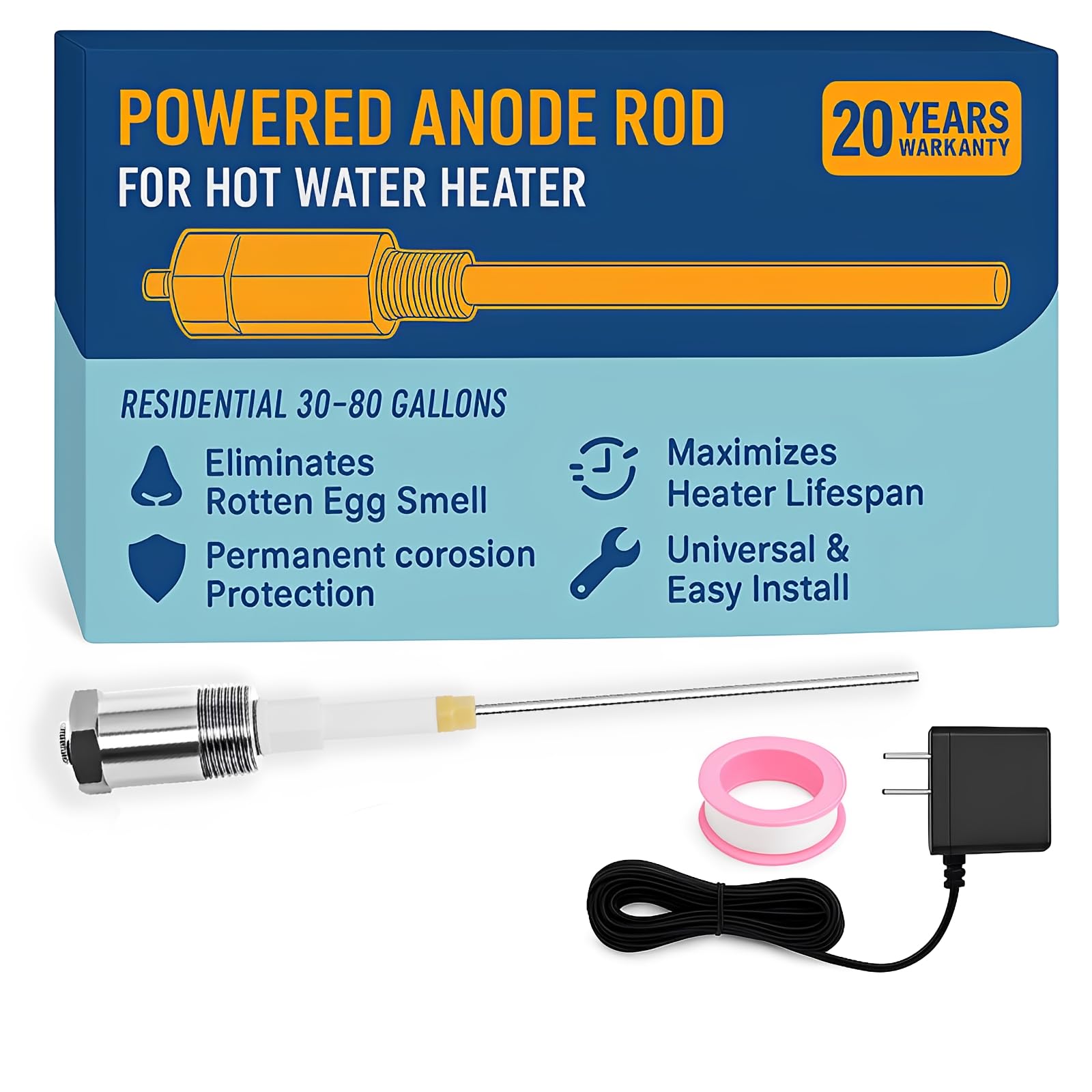
The Podoy powered anode rod tackles the root cause of well-water odor — bacterial hydrogen sulfide production in the tank. Instead of a sacrificial metal that feeds the bacteria, this 9.4-inch titanium rod uses impressed current to prevent corrosion while leaving sulfate-reducing organisms nothing to react with. Multiple verified buyers report sulfur smell elimination within 24 hours, a timeline consistent with the electrochemical suppression mechanism. The 3/4-inch NPT thread fits standard Rheem, A.O. Smith, GE, and Reliance tanks, though Bradford White is not compatible.
Installation follows the same steps as a sacrificial rod — remove the old hex plug with a 1-1/16-inch socket, wrap the included PTFE tape, and screw in the new unit. Some users noted that the packaging mismatched the model number, but the rod itself functioned correctly. The compact length (9.4 inches) means overhead clearance is almost never an issue.
For well water with persistent sulfur odor, this rod solves the problem permanently rather than just slowing corrosion. The titanium core will not dissolve over time, so there are no metal flakes circulating through your plumbing. The unit is rated for 30- to 80-gallon tanks, covering the vast majority of residential water heaters.
Why it’s great
- Eliminates sulfur smell in under 24 hours
- No sacrificial metal debris in your water
- Compact design fits all overhead clearances
Good to know
- Not compatible with Bradford White water heaters
- Requires an electrical outlet near the tank
- Some units shipped without a working indicator light
2. HertzEagle Powered Anode Rod for Water Heater

The HertzEagle powered anode rod uses the same impressed-current technology as the Podoy but extends the warranty coverage to 20 years — a strong indicator of expected lifespan. This unit is specifically marketed for well water and softened water systems, where the heightened corrosiveness and bacterial activity accelerate sacrificial rod failure. Verified buyers consistently report complete elimination of hydrogen sulfide odor within the first day of use. The rod is compatible with electric, gas, solar, and hybrid water heaters from 40 to 89 gallons.
Installation requires a 1-1/16-inch socket and a breaker bar for the old rod — several reviewers noted that the original anode was heavily torqued or partially disintegrated, which is common in well water systems. The unit comes with plumber’s tape and a green LED to confirm the circuit is active. The long neck bolt design provides wrench access even in tight spaces. Yearly energy consumption is listed at roughly 10 kWh, costing under a few dollars to run.
If you want a set-and-forget solution with a generous warranty, the HertzEagle offers the best long-term value among powered rods. The 20-year extended warranty requires registering the product, but the base 5-year coverage still exceeds the lifespan of most sacrificial rods in well water conditions.
Why it’s great
- 20-year extended warranty for long-term peace of mind
- Clears sulfur odor within 24 hours consistently
- Low energy draw, minimal operating cost
Good to know
- Does not fit Bradford White water heaters
- Old anode removal can be extremely difficult with rust
- Requires a nearby electrical outlet
3. Briidea Powered Anode Rod

The Briidea powered anode rod differentiates itself with a ruthenium-iridium coating on the titanium element, which improves electrochemical stability and reduces scaling over time. The rod is engineered for 40- to 89-gallon tanks and uses a stainless steel 3/4-inch NPT coupling with a HDPE plastic shield to prevent limescale buildup on the body. Verified users report sulfur smell elimination within an hour in some cases, and within 24 hours in all documented instances.
Installation takes roughly 30 minutes for someone with basic plumbing tools. The package lacks printed instructions, but the process mirrors other powered rods — remove the old sacrificial anode, clean the threads, apply Teflon tape, and hand-tighten the new unit. The power adapter has a green LED to confirm operation. A few reviewers noted that the 5-foot power cord can be short in some setups, but extension cords are acceptable for low-wattage devices.
For well water owners who want the highest-grade titanium coating available in this price range, the Briidea offers superior surface engineering. The ruthenium-iridium layer resists chloride attack better than bare titanium, which matters when well water has high chlorine or chloramine levels from treatment systems.
Why it’s great
- Ruthenium-iridium coating resists aggressive water chemistry
- Eliminates sulfur smell almost instantly in some cases
- HDPE shield reduces scale accumulation
Good to know
- No printed installation instructions included
- Power cord is only 5 feet long
- Price has fluctuated; may be out of stock periodically
4. Ozek 44 Inch Magnesium Flexible Anode Rod

For well water without severe sulfur issues, the Ozek magnesium flexible rod offers strong corrosion protection in a space-saving design. The 44-inch segmented core bends through tight overhead spaces, making it the go-to choice for water heaters in low basements or utility closets. Each magnesium segment is 0.75 inches in diameter and connected by stainless steel joints. The rod includes PTFE tape and is compatible with most brands except Bradford White.
Magnesium’s high electrochemical activity protects the tank more aggressively than aluminum, but that same reactivity can trigger hydrogen sulfide production in sulfate-rich well water. If your water has never produced a rotten-egg smell, magnesium is the better sacrificial material. If you already have odor problems, this rod may worsen them. Verified users with city water and moderate hardness reported no smell issues and praised the easy flex installation.
The 44-inch length is enough for standard 40- and 50-gallon tanks. Shorter tanks can trim the rod to size. The segmented design also makes removal easier if the rod breaks apart during replacement, which happens frequently with old, corroded solid rods.
Why it’s great
- Flexible segments fit tight basement ceilings
- Strong corrosion protection from magnesium
- Includes PTFE tape for immediate installation
Good to know
- May increase sulfur odor in sulfate-heavy well water
- Not compatible with Bradford White tanks
- Sacrificial rod must be replaced every 2-4 years
5. Eastman 42 Inch Flexible Magnesium Anode Rod
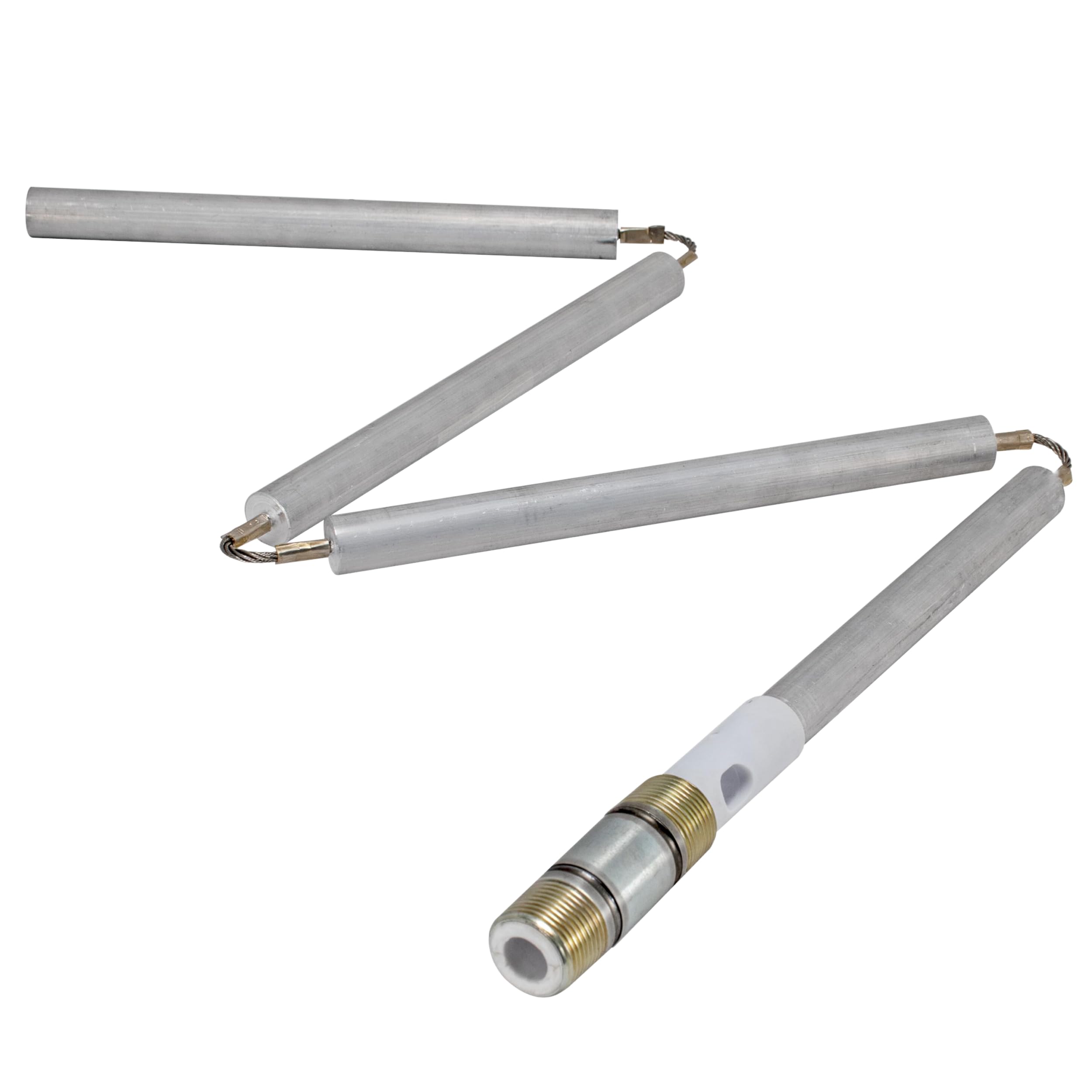
The Eastman 60286 brings a stainless steel 3/4-inch x 3-inch NPT nipple to the connection point, which resists thread corrosion better than standard steel fittings. This matters for well water because dissolved minerals accelerate rust at the tank port. The 42-inch flexible rod uses four magnesium links on a carbon steel cable with a chrome-plated hex head. Users report easy installation even in Bradford White tanks — rare for a rod that is not specifically designed for that brand.
Eastman rates this rod to help reduce sulfur odors, but like all magnesium rods, performance depends on your water chemistry. In water with moderate sulfate levels, the magnesium may actually reduce odor compared to an old, depleted rod simply because the fresh rod prevents tank corrosion that releases trapped gas. Several verified buyers with 40- and 50-gallon tanks confirmed no new smell after installation over several months of use.
The chrome finish provides a clean look visible at the tank top. Eastman recommends inspection every two years and replacement as needed — a typical schedule for well water with moderate hardness. The 42-inch length fits most residential tanks, but measure your clearance first because the cable needs a minimum 12-inch overhead allowance.
Why it’s great
- Stainless steel nipple resists thread corrosion
- Works with some Bradford White models
- Chrome finish for a clean, professional look
Good to know
- Requires 12-inch minimum overhead clearance
- Does not include a heat trap fitting
- Magnesium may trigger odor in high-sulfate water
6. Podoy 32 Inch Magnesium Anode Rod
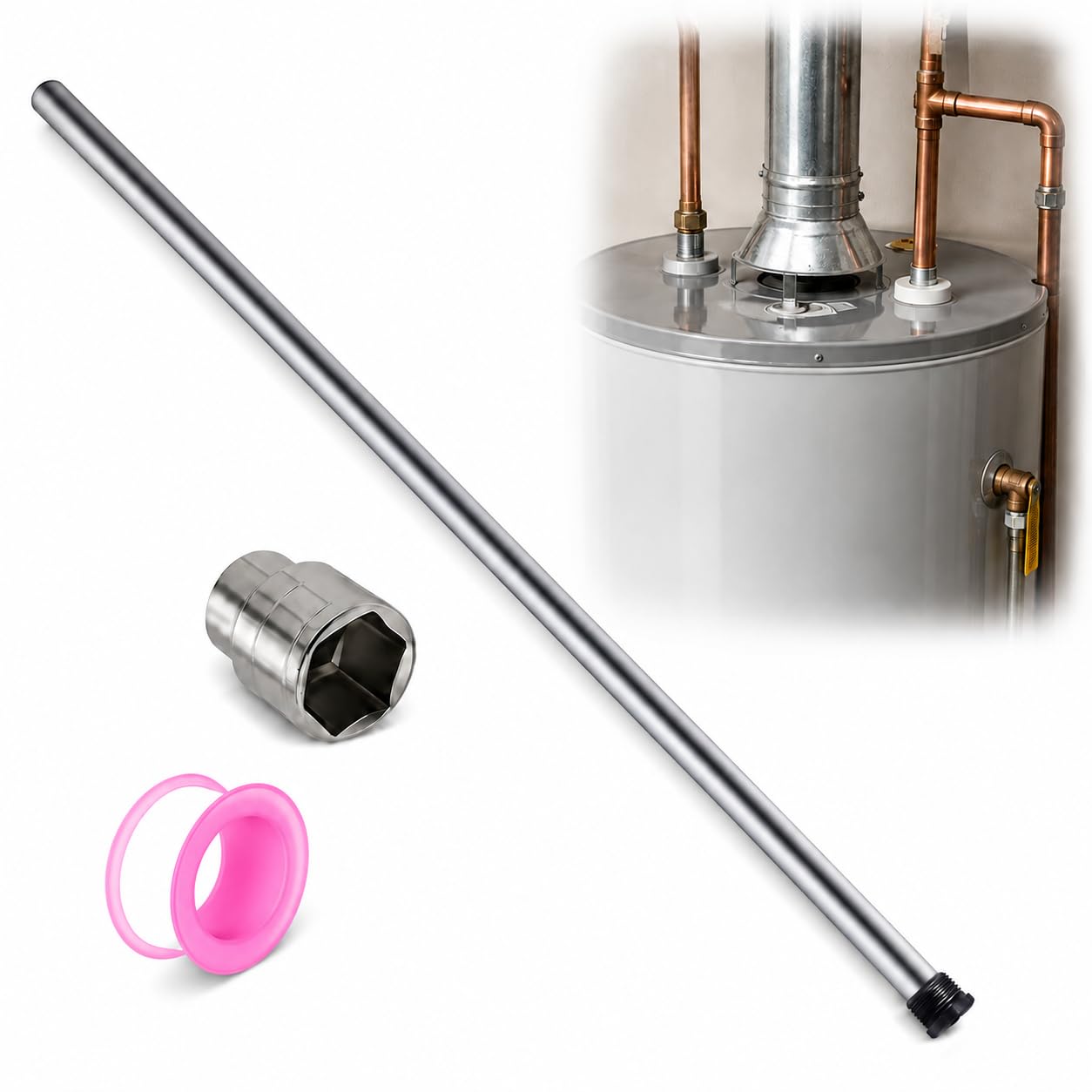
The Podoy 32-inch magnesium rod is a direct-fit solid replacement for Rheem, A.O. Smith, GE, Reliance, and Giant tanks. The 0.84-inch diameter hex plug matches the standard 1-1/16-inch socket size, and the solid magnesium core provides maximum corrosion protection for enamel-lined tanks. This rod is cut-to-fit — you can trim it with a hacksaw to accommodate shorter tanks or tight clearances. Verified buyers with 50- and 65-gallon tanks reported a perfect fit and installation under 10 minutes.
Podoy claims this rod reduces sulfur odor compared to depleted rods, which is mechanically accurate — a fresh magnesium rod consumes oxygen and changes the tank chemistry. However, pure magnesium is the most reactive sacrificial material on the market. If your well water already smells like rotten eggs, switching to this rod might not solve the problem and could even accelerate the reaction in the first weeks.
The rod comes with a 27 mm socket and Teflon tape, though several reviewers noted the included tape was poor quality and recommended buying a separate roll. The half-year manufacturer’s warranty is shorter than most competitors, so test the fit and odor performance early in the ownership window.
Why it’s great
- Perfect direct fit for Rheem, A.O. Smith, GE, and similar tanks
- Cut-to-fit design allows sizing flexibility
- Includes socket for removal and installation
Good to know
- Pure magnesium can worsen existing sulfur odor
- Included Teflon tape is low quality
- Only half-year warranty coverage
7. Ozek 44 Inch Aluminum-Zinc Flexible Anode Rod

The Ozek aluminum-zinc rod offers the best price-to-odor-control ratio for well water. Aluminum-zinc alloy is less electrochemically active than magnesium, which means it produces significantly less hydrogen sulfide when reacting with sulfate-reducing bacteria. For well water owners who want a simple sacrificial rod without the smell, this is the material to choose. Multiple verified users with hard well water reported no sulfur smell after installation, even in tanks that had previously stunk with the factory magnesium rod.
The 44-inch flexible design uses stainless steel joints to navigate tight spaces, and the rod comes with PTFE tape for immediate installation. Compatibility covers AO Smith, Sears, Rudd, GE, Kenmore, State, Whirlpool, Reliance, Rheem, and Richmond — almost everything except Bradford White. The rod weighs 1.92 pounds, notably heavier than the magnesium version, which reflects the denser aluminum-zinc core.
The trade-off is shorter replacement intervals. Aluminum-zinc rods sacrifice themselves faster than magnesium, especially in aggressive well water. Plan to inspect every 18 months and replace when 50 to 75 percent of the material is gone. For the price, that schedule still beats dealing with annual sulfur odor complaints.
Why it’s great
- Aluminum-zinc alloy avoids sulfur smell in most well water
- Flexible design for low-clearance installations
- Budget-friendly entry point for replacement
Good to know
- Not compatible with Bradford White water heaters
- Corrodes faster than magnesium in hard water
- Replace more frequently — every 18 to 24 months
FAQ
Will a magnesium anode rod make my well water smell worse?
How often should I replace a sacrificial anode rod with well water?
Can I install a powered anode rod myself?
Does a powered anode rod work with a water softener?
Final Thoughts: The Verdict
For most well water owners, the best anode rod for well water is the Podoy Powered Anode Rod because it eliminates hydrogen sulfide permanently while protecting the tank without any sacrificial metal. If you prefer a traditional sacrificial rod without the odor issues, the Ozek Aluminum-Zinc Flexible Rod delivers the best balance of cost and smell control. And for those with tight overhead clearance who need flexible installation with strong corrosion protection, the Ozek 44 Inch Magnesium Flexible Rod is the most practical design.

Mo Maruf
I created WellFizz to bridge the gap between vague wellness advice and actionable solutions. My mission is simple: to decode the research and give you practical tools you can actually use.
Beyond the data, I am a passionate traveler. I believe that stepping away from the screen to explore new environments is essential for mental clarity and physical vitality.