Our readers keep the lights on and my smoothie glass nicely filled. As an Amazon Associate, I earn from qualifying purchases.
Choosing a new phone today means navigating a sea of glass, specs, and AI promises. The real question isn’t which brand has the best marketing, but which device delivers the specific mix of display quality, processing speed, camera versatility, and battery endurance that matches your daily routine without breaking your budget. The Android market has never been more diverse, with options ranging from compact workhorses to massive foldable screens.
I’m Mohammad Maruf — the founder and writer behind WellFizz. I spend hundreds of hours filtering through technical datasheets, real user feedback across multiple generations of hardware, and carrier compatibility matrices to pinpoint which phones actually earn their place in your pocket.
After weeks of sifting through specs and real-world reports, the clear standouts for the best android cell phone balance core hardware quality with practical longevity at every price tier.
How To Choose The Best Android Cell Phone
Android phones span a massive performance and price range. Identifying your priorities — screen quality, camera capability, battery endurance, or pure multitasking power — narrows the pool drastically. This guide breaks down the critical decision points.
Performance: Processor & RAM
The silicon inside determines how long your phone feels snappy. Flagship-tier chips like the Snapdragon 8 series or Google Tensor G5 handle heavy gaming, AI features, and years of software updates without stuttering. Mid-range chips like the Dimensity 7000 series excel for daily tasks and moderate gaming while keeping costs lower. RAM below 8GB can lead to app reloads during heavy multitasking; 12GB or more is future-proof.
Display: Size, Refresh Rate & Durability
AMOLED panels with high refresh rates (90Hz to 120Hz) offer fluid scrolling and deep blacks. Peak brightness matters if you use your phone outdoors often — look for at least 1000 nits nominal brightness and 2000 nits peak. Glass protection like Gorilla Glass Victus or Victus 2 significantly reduces scratch and drop risk. LTPO technology allows the screen to dynamically adjust its refresh rate, saving battery during static content.
Camera System: Sensor Size & Software
Megapixel count alone doesn’t define camera quality. Larger individual sensor pixels (e.g., 1/1.3-inch sensors) capture more light for better low-light shots. Optical image stabilization (OIS) is crucial for sharp photos and smooth video. Software processing from companies like Google and Samsung often outclasses hardware specs, especially for portrait, night mode, and computational photography features.
Battery & Charging
A battery capacity above 4500mAh generally ensures a full day of heavy use. Fast charging at 30W or higher is convenient, but wireless charging adds daily ease. Phones with smaller batteries (under 4000mAh) often require midday top-ups for power users. Efficiency from the processor and display technology heavily influences real-world battery life beyond the raw milliamp-hour number.
Software & Longevity
Update policy directly impacts your phone’s lifespan. Flagships from Google and Samsung guarantee 5 to 7 years of security and OS updates, which means a higher upfront cost becomes a better long-term investment. Budget phones often receive only 2 to 3 years of updates. Bloatware levels vary dramatically between brands — stock Android experiences offer cleaner interfaces with less pre-installed software.
Quick Comparison
On smaller screens, swipe sideways to see the full table.
| Model | Category | Best For | Key Spec | Amazon |
|---|---|---|---|---|
| Google Pixel 10a | Mid-Range | Best Value + Camera | 4300mAh / 30+ Hrs | Amazon |
| Nothing Phone (3) | Premium | Unique Design + Clean OS | 5150mAh / 33 Hrs | Amazon |
| Samsung Galaxy S25 FE | Mid-Range | Samsung Ecosystem + AI | 4900mAh / 6.7″ Display | Amazon |
| Nothing Phone (2) | Mid-Range | Design & Customization | Snapdragon 8+ Gen 1 | Amazon |
| Google Pixel 10 | Premium | Best Camera System | 5x Telephoto / Tensor G5 | Amazon |
| BLU Bold N4 5G | Budget | Massive Storage Value | 512GB / 5000mAh | Amazon |
| XIAOMI Redmi Note 14 5G | Budget | Entry-Level + 5G | 108MP OIS / 120Hz | Amazon |
| Motorola razr+ (2023) | Premium | Compact Foldable | 3.6″ External / Fold | Amazon |
| Samsung Galaxy Z Fold7 | Ultra Premium | Productivity / Multitasking | 8″ Main / 200MP | Amazon |
In‑Depth Reviews
1. Google Pixel 10a

The Google Pixel 10a strikes an almost perfect balance between price and core experience. It packs the Tensor chip for smooth AI features and great camera processing, a 6.3-inch Actua display that hits 3000 nits peak brightness for excellent outdoor clarity, and Corning Gorilla Glass 7i for scratch resistance. The IP68 rating adds peace of mind against dust and water.
Camera performance is the headline here — the Pixel 10a includes Camera Coach, Add Me for group shots, and Auto Best Take to ensure everyone looks their best. The 30+ hour battery life, backed by a 4300mAh cell, keeps you going through a full day of mixed use. Users report excellent image quality in low light and crisp detail even in challenging conditions.
The 128GB base storage fills quickly for heavy media users — a 256GB option would have been ideal. Some buyers note that the AI assistant integration can feel intrusive at first, though much of it can be adjusted in settings. Google’s commitment to 7 years of updates makes this a long-term investment that outlasts most mid-range competitors.
Why it’s great
- Outstanding camera with computational features
- 7 years of software and security updates
- 3000-nit peak brightness display
- IP68 water and dust resistance
Good to know
- Base 128GB storage may fill quickly
- AI assistant prompts can be overbearing
- Wireless charging but no charger in box
2. Nothing Phone (3)

The Nothing Phone (3) is a statement of minimalist design paired with flagship-grade internals. Its Snapdragon 8s Gen 4 chip delivers strong performance, while the 6.67-inch FHD+ AMOLED display with 120Hz refresh rate and a staggering 4500 nits peak brightness offers vivid visuals. The LTPO panel adapts its refresh rate to conserve power, and the IP68 rating ensures durability against the elements.
The defining feature is the Glyph Interface on the rear, turning notifications and interactions into customizable light patterns. The Essential Key on the side allows quick screen capture, voice recording, and access to the AI-powered Essential Space organizer. The 5150mAh battery delivers over 33 hours of talk time, and the device includes a case, screen protector, and 100W cable in the box.
Buyers praise the clean, almost bloat-free Nothing OS experience, but note that finding third-party cases and screen protectors is harder than for mainstream phones. The AI button cannot be fully disabled, and some find the UI spacing less compact than stock Android. The camera system, while capable with four 50MP sensors, relies on software updates to reach its full potential.
Why it’s great
- Unique Glyph light interface for notifications
- Snapdragon 8s Gen 4 with 24GB LPDDR5X support
- Large 5150mAh battery with fast charging
- Clean OS with minimal bloatware
Good to know
- Case and accessories are niche to find
- AI Essential Key cannot be fully remapped
- Camera needs update for peak performance
3. Samsung Galaxy S25 FE
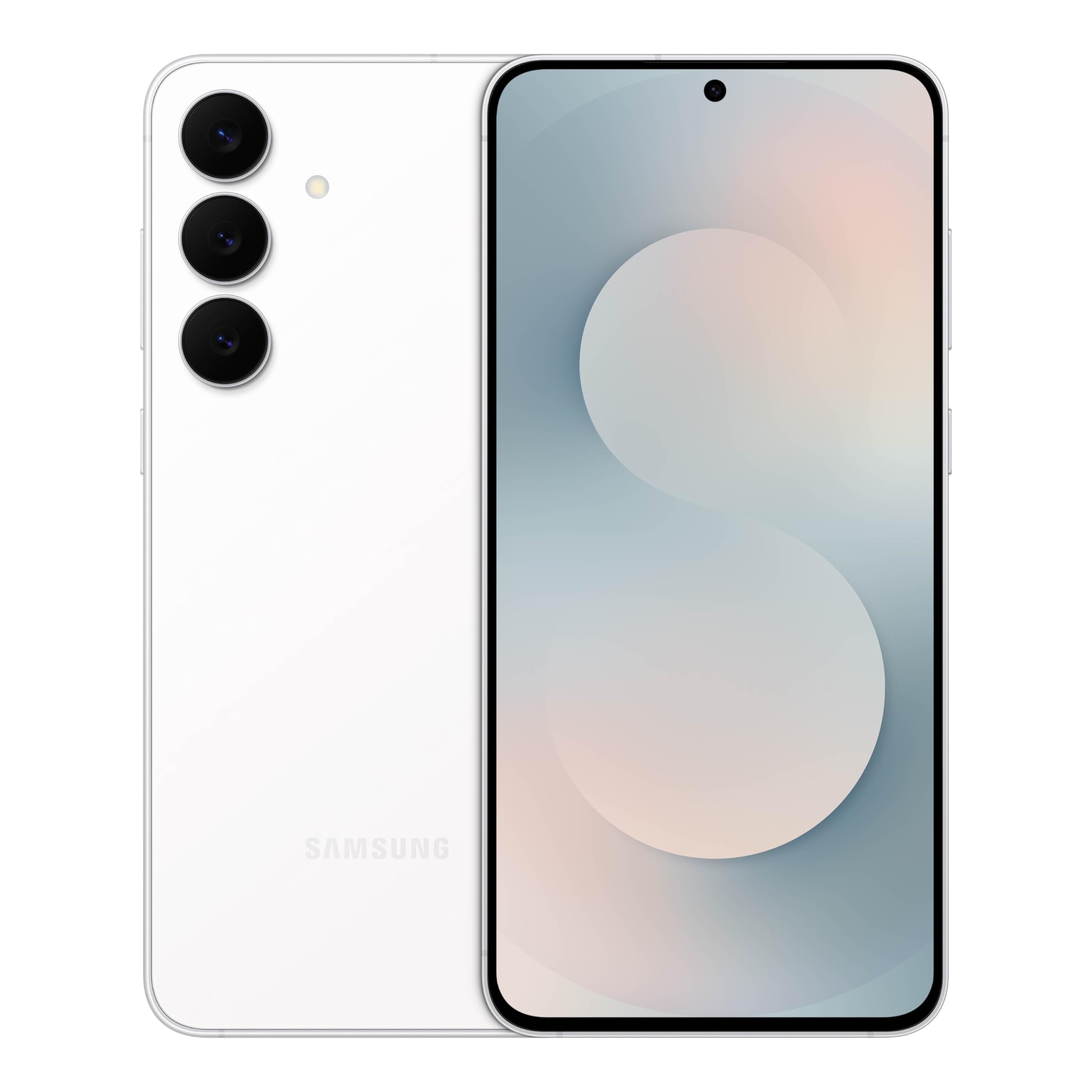
The Galaxy S25 FE brings flagship features to a more accessible price point within the Samsung family. Its 6.7-inch wide display with a high refresh rate offers a smooth, immersive viewing experience. The lightweight aluminum frame with Gorilla Glass Victus+ provides excellent everyday durability without the bulk of the main S-series models.
Samsung’s AI features are fully present, including Generative Edit for moving and erasing objects in photos, and integration with Google Gemini for camera-based search assistance. The 12MP selfie camera uses the ProVisual Engine for sharp self-portraits. The 4900mAh battery with Super Fast Charging 2.0 keeps you going through heavy days with minimal downtime.
User feedback highlights the premium feel and performance that rivals the standard S25, making it a fantastic value for those in the Samsung ecosystem. The in-screen fingerprint sensor works reliably, and the device handles casual gaming and multitasking without lag. The switch from Samsung Messages to Google Messages is a point of contention for some longtime users.
Why it’s great
- Flagship-level display and build quality
- Generative AI photo editing features
- All-day battery with fast charging
- Samsung ecosystem compatibility
Good to know
- Default Samsung Messages app is discontinued
- Google Play ads can be intrusive
- No charger in the box, only cable
4. Nothing Phone (2)

The Nothing Phone (2) refined the original’s already distinctive formula. The Snapdragon 8+ Gen 1 chip delivers flagship-tier performance at a mid-range price. Its 6.7-inch LTPO OLED display with 1600 nits peak brightness offers smooth 120Hz adaptive refresh that balances fluidity with battery conservation. The glass front and back are protected by Gorilla Glass 5.
The Glyph Interface on the back remains its standout feature, allowing custom light sequences for different contacts and notifications. The dual 50MP rear cameras produce clean, dynamic photos, and the new 32MP front sensor captures detailed selfies. The 4700mAh battery provides up to 22.5 hours of use and supports 15W Qi wireless charging, plus reverse wireless charging for accessories.
Users love the clean Nothing OS 2.0 software experience with deep customization options and minimal bloatware. The 12GB RAM and 256GB storage provide ample headroom. The lack of a headphone jack and no expandable storage are common complaints. US repair support is a concern due to limited official service options and parts availability.
Why it’s great
- Unique customizable Glyph notifications
- LTPO OLED display saves battery
- Clean Android experience with no bloat
- Wireless and reverse wireless charging
Good to know
- No expandable storage or headphone jack
- Not compatible with CDMA carriers
- US repair infrastructure is poor
5. Google Pixel 10
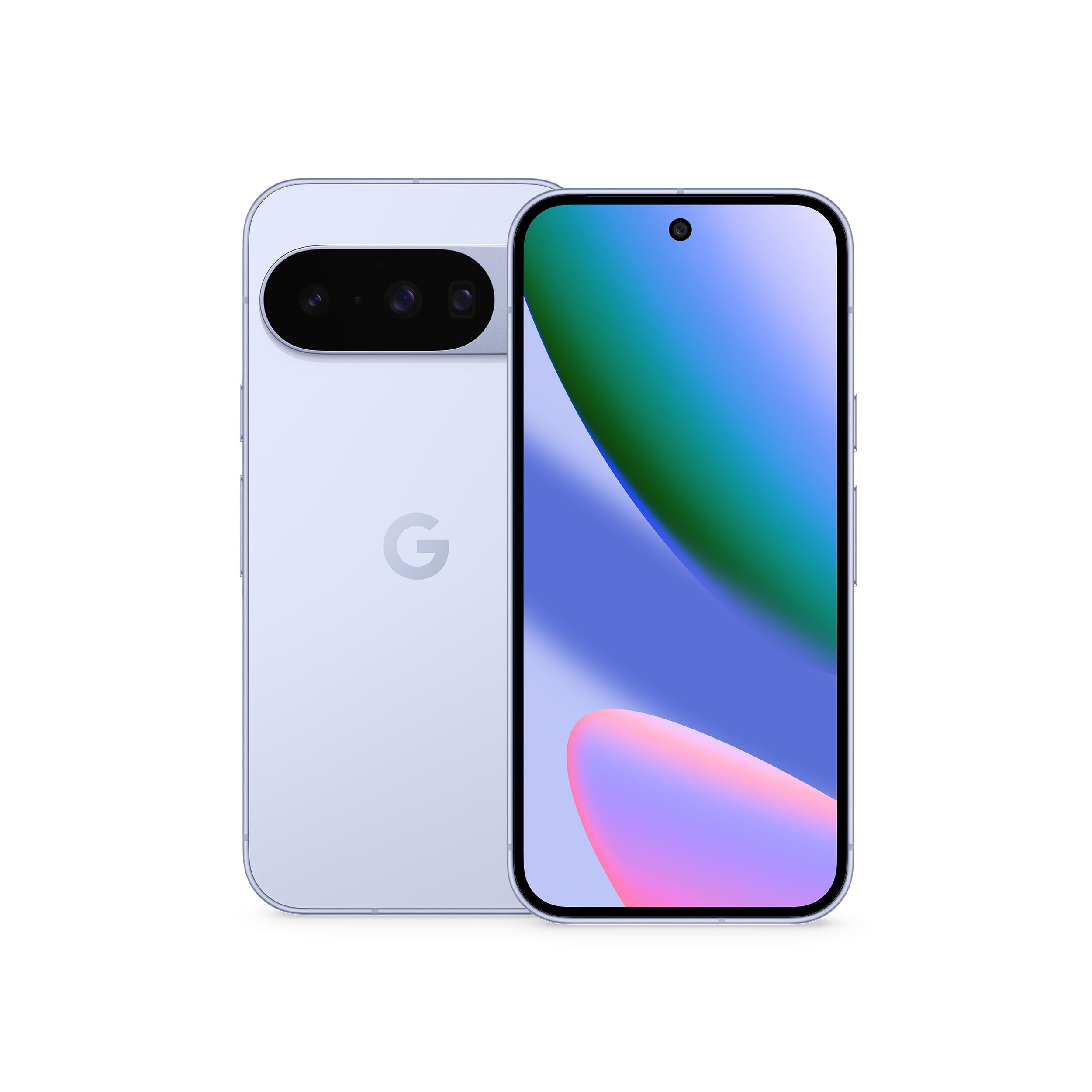
The Pixel 10 is Google’s flagship camera phone, built around the custom Tensor G5 chip. Its upgraded triple rear camera system includes a new 5x optical telephoto lens, delivering up to 20x Super Res Zoom. The main sensor paired with Night Sight produces some of the best low-light photos available on any phone. The 6.3-inch Actua display hits 3000 nits peak brightness.
The IP68 rating ensures water and dust protection, and Corning Gorilla Glass Victus 2 offers top-tier scratch resistance. The 4970mAh battery provides a full day of power, and the Pixel-exclusive features like Camera Coach and Auto Best Take simplify capturing perfect group and portrait shots. Users report excellent haptics and a clean, fast interface free of bloatware.
The phone is fully unlocked and works with all major US carriers including Google Fi, Verizon, T-Mobile, and AT&T. Some early adopters note that the device ships without a charger or USB-C headphone adapter. The shift to an eSIM-only experience for the base model may be a hurdle for users who prefer physical SIM cards.
Why it’s great
- Best-in-class computational photography
- 5x optical telephoto with 20x Super Res Zoom
- 3000-nit peak brightness display
- Clean software with 7 years of updates
Good to know
- No charger included in the box
- eSIM-only model lacks physical SIM slot
- Basic model has only 128GB storage
6. BLU Bold N4 5G
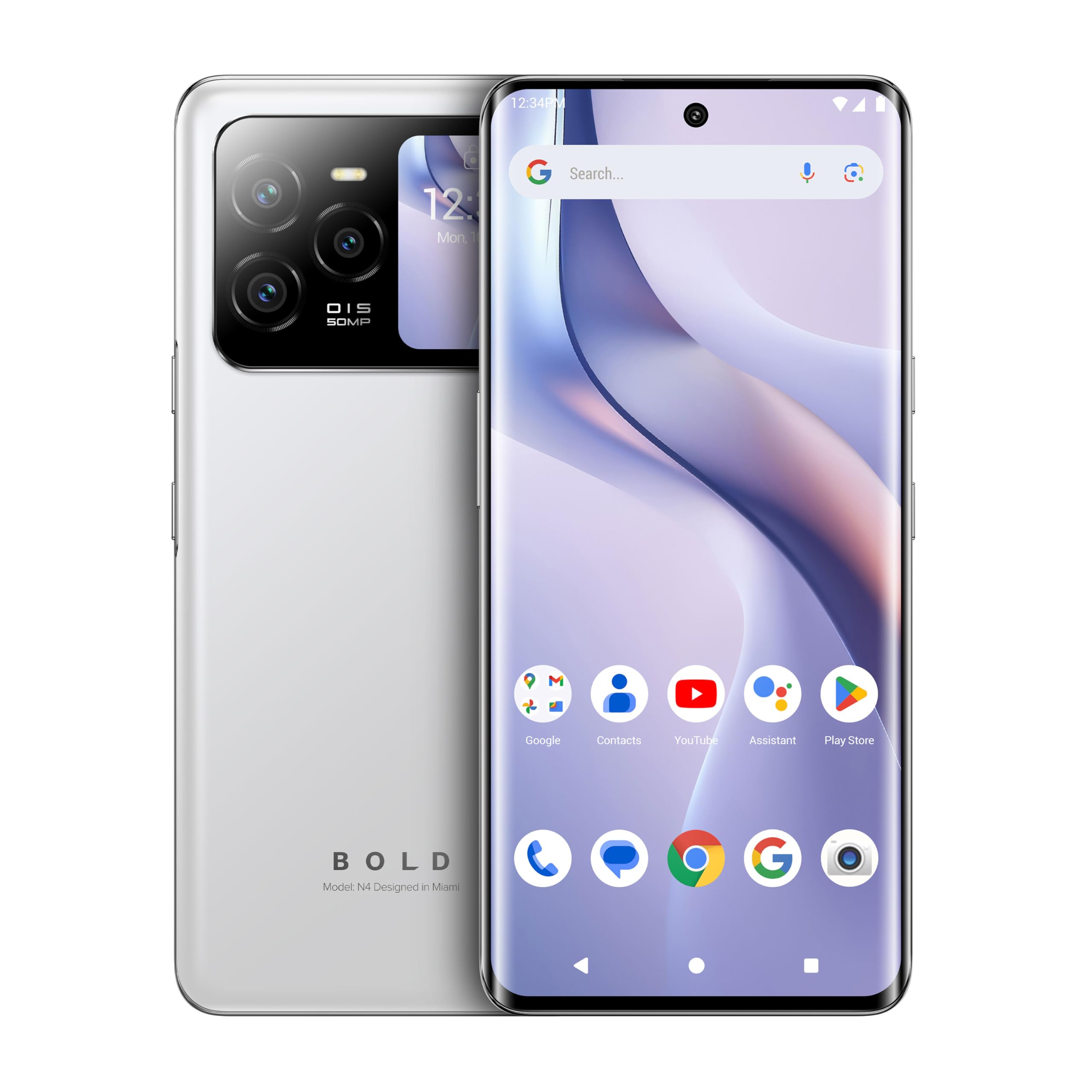
The BLU Bold N4 5G brings an unusual dual-screen design to the budget segment. It features a 6.78-inch curved main display for media consumption and a 1.74-inch rear screen for quick selfies, notifications, and music controls. The 5000mAh battery with 66W fast charging can recharge from zero to full in just 20 minutes, an impressive spec at any price.
The 50MP triple rear camera and 16MP selfie camera deliver decent results in good lighting, and the 512GB of onboard storage eliminates storage anxiety entirely. The 8GB RAM paired with Android 15 handles daily multitasking well. NFC is onboard for contactless payments, and the device includes a case, fast charger, and wired headphones in the box.
The Bold N4 is GSM unlocked, working with T-Mobile and Metro PCS, but is not compatible with AT&T/Cricket or CDMA networks like Verizon and Sprint. Users report occasional bloatware and note that the rear screen drains battery when left on continuously. The phone’s curved edges make finding a perfectly fitting screen protector difficult.
Why it’s great
- Massive 512GB storage out of the box
- 66W fast charging (0% to 100% in 20 minutes)
- Unique secondary rear display
- Includes case, charger, and headphones
Good to know
- Not compatible with AT&T or Verizon
- Rear screen can drain battery
- Some pre-installed bloatware
7. XIAOMI Redmi Note 14 5G

The Xiaomi Redmi Note 14 5G offers surprisingly strong hardware at an entry-level price. Its 6.67-inch AMOLED display boasts a 120Hz refresh rate, 2100 nits peak brightness, and Gorilla Glass 5 protection. The Dimensity 7025-Ultra chip with 8GB RAM provides enough performance for daily usage and casual gaming. The 5110mAh battery ensures solid endurance.
The camera system is impressive on paper: a 108MP main sensor with OIS, an 8MP ultra-wide, and a 2MP macro lens. In good lighting, detailed photos are easy to capture. The phone supports dual 5G, NFC, an IR blaster, and an in-screen fingerprint sensor. It also includes a microSD hybrid slot (SIM2 or microSD), something many flagships omit.
The biggest caveat is US network compatibility — it works reliably only on T-Mobile and its MVNOs like Mint and Tello. Outside the US it supports most GSM carriers. The included case and pre-installed screen protector are nice bonuses, but the lack of 5G support on AT&T and Verizon is a dealbreaker for those networks.
Why it’s great
- 108MP camera with optical image stabilization
- 120Hz AMOLED with 2100 nits peak brightness
- Large 5110mAh battery capacity
- Includes case and screen protector
Good to know
- T-Mobile network only in the US
- Not compatible with AT&T or Verizon
- Camera video limited to 1080p at 30fps
8. Motorola razr+ (2023)

The Motorola razr+ is the most refined flip-style foldable for the US market. It features a 3.6-inch external display that can run full apps without opening the phone — the largest and most functional external screen on any folding flip in 2023. Open it up, and you get a 6.9-inch pOLED main display that feels smooth at 120Hz. The iconic flip design folds down to the size of a post-it note, making it incredibly pocketable.
The Flex View hinge allows hands-free photography and video calls at multiple angles. The dual 12MP cameras capture detailed shots, and the phone includes a Macro Vision mode for close-ups. The Snapdragon 8+ Gen 1 chip handles demanding tasks, and the 3800mAh battery lasts a full day with typical use. TurboPower 30W wired and wireless charging provide flexibility.
The crease on the inner display is visible but not distracting during normal use. Some users report durability concerns with the hinge after several months, and finding a good protective case is more challenging than for slab phones. The 3800mAh battery is smaller than most flagships, so heavy users may need a top-up late in the day.
Why it’s great
- Large full-function external display
- Compact folded size for easy pocket carry
- Flex View for hands-free use
- TurboPower 30W wired and wireless charging
Good to know
- Visible screen crease on inner display
- Hinge durability concerns long-term
- Smaller 3800mAh battery for heavy use
9. Samsung Galaxy Z Fold7
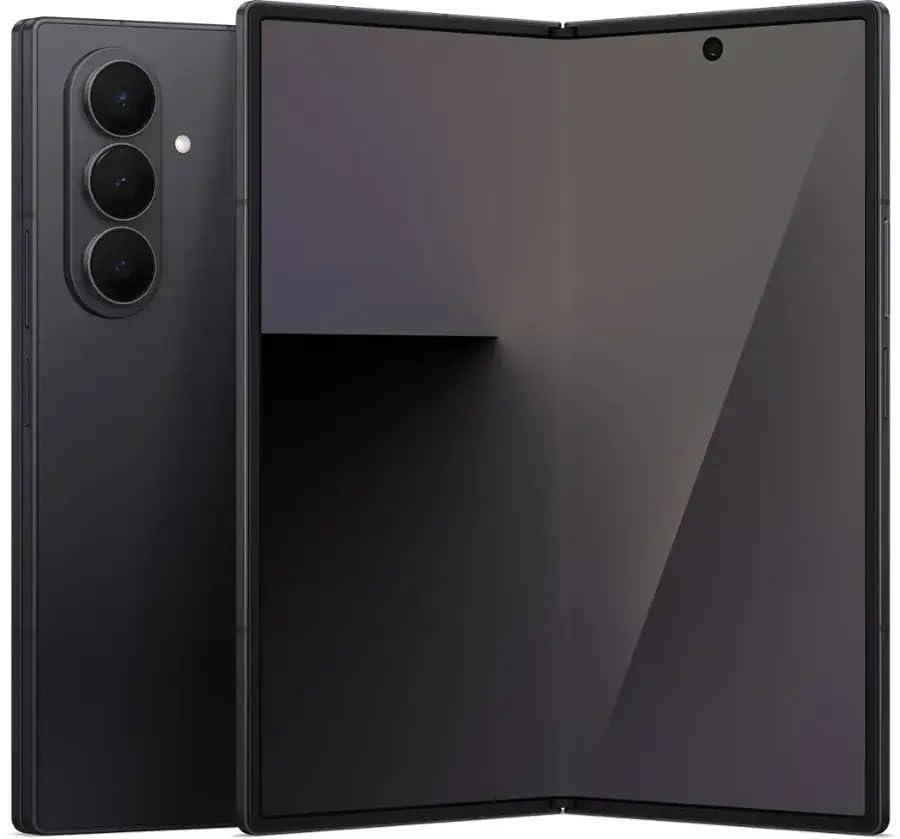
The Galaxy Z Fold7 is Samsung’s ultimate productivity device. Its 8-inch main display allows three-window multitasking, making it a mini tablet that folds into a phone. The cover screen has been widened for a more natural smartphone feel. The 200MP main camera is the best ever on a Fold, paired with the Pro-Visual Engine for detailed shots and AI-assisted editing.
The Snapdragon 8 Elite processor for Galaxy ensures top-tier performance for gaming, video editing, and heavy multitasking. The new Armor Aluminum frame and Gorilla Glass Ceramic 2 provide excellent structural rigidity. The 4400mAh battery with 33 hours of talk time supports a full day of intensive use. The Z Fold7 also integrates with Galaxy Watch8 for health tracking directly from the large screen.
The foldable form factor commands a high investment, and the narrower cover screen takes a day to get used to. Some users report that the inner screen is so immersive they rarely unfold it. Durability of foldable screens and hinges remains a concern for long-term ownership, despite engineering improvements.
Why it’s great
- 8-inch display for true multitasking
- 200MP main camera with AI features
- Slimmer and lighter than previous models
- Snapdragon 8 Elite processor for Galaxy
Good to know
- High cost requires careful consideration
- Narrow cover screen takes adjustment
- Long-term hinge durability still a question
FAQ
What is the difference between LTPO and standard OLED displays?
How many years of software updates should I look for in an Android phone?
Is a 108MP camera always better than a 50MP camera?
What does IP68 water resistance actually mean?
Should I worry about the screen crease on foldable phones?
Final Thoughts: The Verdict
For most users, the best android cell phone winner is the Google Pixel 10a because it delivers the best camera, clean software, and guaranteed 7 years of updates without the flagship price tag. If you want a unique design with a head-turning light interface and a clean OS, grab the Nothing Phone (3). And for productivity fans who want a tablet in their pocket, nothing beats the Samsung Galaxy Z Fold7.

Mo Maruf
I created WellFizz to bridge the gap between vague wellness advice and actionable solutions. My mission is simple: to decode the research and give you practical tools you can actually use.
Beyond the data, I am a passionate traveler. I believe that stepping away from the screen to explore new environments is essential for mental clarity and physical vitality.