Our readers keep the lights on and my smoothie glass nicely filled. As an Amazon Associate, I earn from qualifying purchases.
The challenge with affordable Android phones isn’t finding one under a certain threshold—it’s finding one that doesn’t force you to suffer a dim screen, a laggy interface, or a camera that struggles in anything less than noon sunlight. Every manufacturer makes compromises to hit a price point; the real skill is picking the right set of trade-offs for how you actually use your phone daily.
I’m Mohammad Maruf — the founder and writer behind WellFizz. After analyzing the processor specs, display technologies, battery capacities, and camera sensor configurations across a wide range of Android phones, I want to help you find the model that delivers real daily value without unnecessary frills.
best affordable android phone picks have been filtered by battery life, display quality, and real-world software experience to help you choose without buyer’s remorse.
How To Choose The Best Affordable Android Phone
Not all affordable phones are created equal. The cheapest option often hides a slow eMMC storage chip or a low-resolution display that makes text fuzzy. Focus on the components that directly affect your daily interaction speed and visual comfort.
Display Technology: AMOLED vs. IPS LCD
AMOLED panels produce true blacks and vibrant colors, making media consumption a joy. IPS LCD screens are still common in budget models, but they tend to wash out in bright sunlight. Look for Super AMOLED or P‑OLED in the spec sheet for the best experience at any price point.
Processor and RAM Balance
A mid-range chipset like the MediaTek Dimensity series or Samsung Exynos 1280 paired with at least 6GB of RAM will handle social media, video streaming, and light gaming without stuttering. Avoid phones with less than 4GB RAM if you plan to keep the phone for more than a year.
Quick Comparison
On smaller screens, swipe sideways to see the full table.
| Model | Category | Best For | Key Spec | Amazon |
|---|---|---|---|---|
| Samsung Galaxy A26 5G | Mid-Range | All-around performance & updates | 6.7″ 120Hz AMOLED | Amazon |
| Google Pixel 10a | Premium | Camera quality & clean software | 4300mAh battery | Amazon |
| Google Pixel 7 5G | Mid-Range | AI camera features | Tensor G2 chip | Amazon |
| Samsung Galaxy A17 5G | Value | Long battery & software support | 6.7″ FHD+ Super AMOLED | Amazon |
| Motorola Moto G86 | Value | Clean Android & great display | P-OLED 1220×2712 | Amazon |
| Google Pixel 10 128GB | Premium | Top-tier camera & AI | Tensor G5 chip | Amazon |
| Google Pixel 10 256GB | Premium | Extra storage & AI features | 256GB internal storage | Amazon |
| Huness I25 Ultra | Budget | Huge battery claim & stylus | 7000mAh battery | Amazon |
| Samsung Galaxy Z Fold7 | Premium | Foldable multitasking | 8″ main display | Amazon |
In‑Depth Reviews
1. Samsung Galaxy A26 5G

The Samsung Galaxy A26 5G hits the sweet spot by offering a fluid 120Hz Super AMOLED display—a feature usually reserved for far more expensive handsets. Scrolling through social feeds and navigating the UI feels noticeably smoother than the standard 60Hz panels found on most budget phones. The 5000mAh battery easily powers through a full day of mixed use, and the included 25W charger gets you back up to speed quickly.
Photography on the A26 is handled by a 50MP main sensor, an 8MP ultrawide, and a 2MP macro lens. In good light, the main sensor captures sharp, well-exposed shots with natural color reproduction. The ultrawide adds versatility for group photos or landscapes, though it does show some softness at the edges. Video recording tops out at 4K 30fps, which is adequate for casual clips.
Samsung promises up to six major Android OS upgrades and security updates, which is exceptional for this tier. The Exynos 1280 chipset handles daily tasks without lag, and 8GB of RAM keeps multiple apps open without reloading. The IP67 water resistance rating adds peace of mind that many competitors lack at this price level.
Why it’s great
- 120Hz AMOLED display for smooth scrolling
- Excellent software update commitment (6 OS upgrades)
- IP67 water and dust resistance
Good to know
- International model may have limited US carrier compatibility for new activations
- Macro camera is more of a novelty than a serious tool
2. Google Pixel 10a
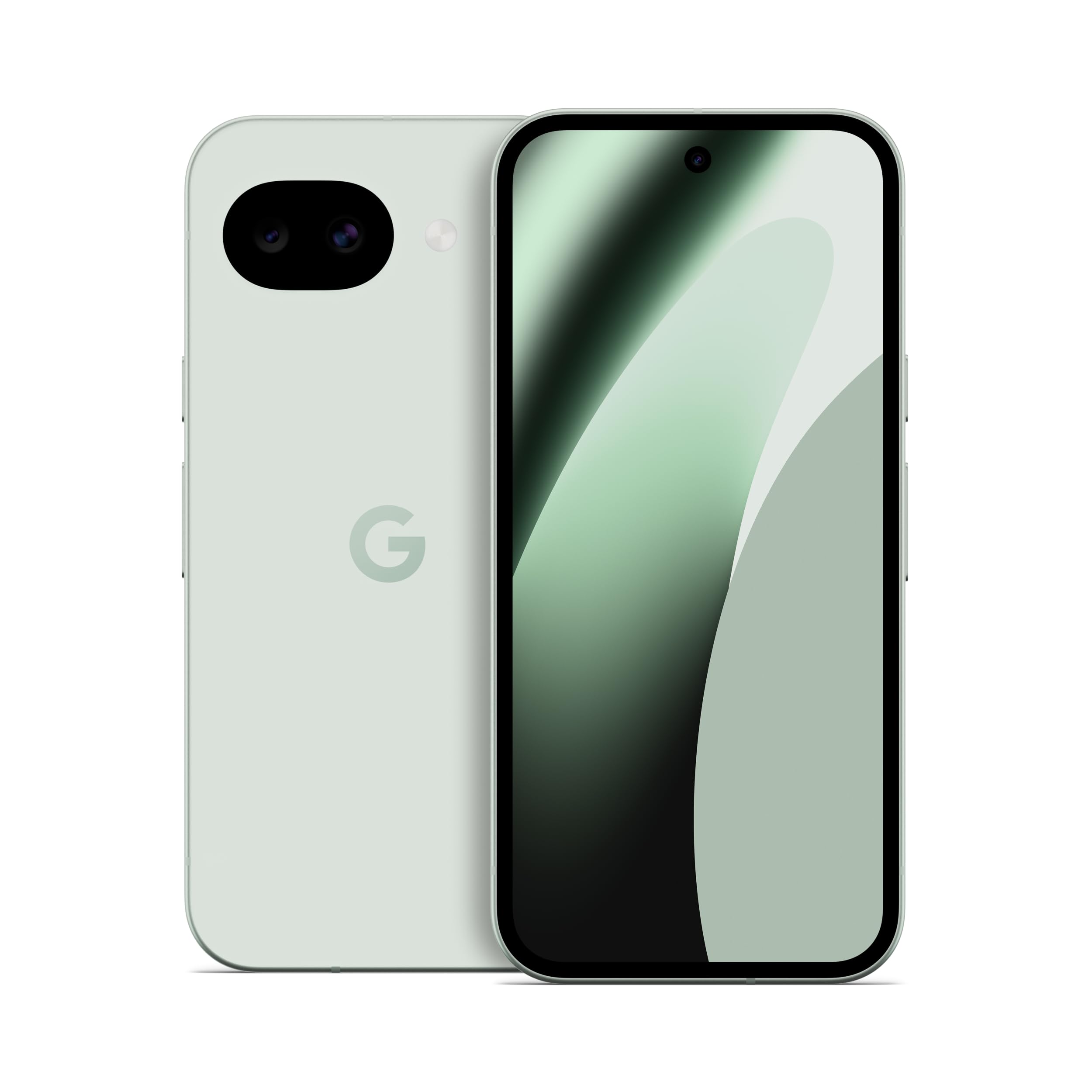
The Google Pixel 10a redefines what affordable means by bringing the core Pixel camera AI—including Camera Coach and Add Me—to a more accessible price point. The 4300mAh battery delivers a reliable 30+ hours of usage, and the 3000-nit Actua display remains legible even under direct sunlight. The build feels substantial with Corning Gorilla Glass 7i protecting the front.
Google’s Tensor chip handles computational photography exceptionally well, producing vibrant, detailed images in all lighting conditions. The 10a also includes the same 7-year software update pledge as the flagship Pixel models, ensuring security patches and new Pixel Drops for years. The absence of bloatware makes the Android experience clean and fast right out of the box.
Downsides include a somewhat aggressive push notification system for Pixel features on initial setup, and the AI integration may feel intrusive to users who prefer a minimalist phone. The lack of a telephoto lens means zoom performance is purely digital. Still, for the camera quality and software longevity, the 10a is a compelling choice.
Why it’s great
- Best-in-class camera AI features like Add Me
- 7 years of OS and security updates
- Bright, sharp Actua display (3000 nits peak)
Good to know
- Heavy AI integration may not appeal to everyone
- No telephoto lens; zoom is digital
3. Google Pixel 7 5G

Even though it’s a previous-gen model, the Google Pixel 7 remains a powerful contender in the market. The Tensor G2 chip delivers snappy performance for everyday tasks, and the 90Hz display provides a noticeably smoother experience than standard 60Hz panels. The 24-hour adaptive battery is reliable for typical workdays, and the Extreme Battery Saver can stretch it to 72 hours when needed.
The camera system is where the Pixel 7 still shines—the 50MP main sensor paired with a 12MP ultrawide captures fantastic photos with rich dynamic range. Features like Magic Eraser and Real Tone remain unique to Pixel phones. The 8x Super Res Zoom produces surprisingly sharp results for a phone without a dedicated telephoto lens.
Build quality is solid with Corning Gorilla Glass Victus and an IP68 rating for water and dust resistance. The 256GB storage variant provides ample space for apps and media. The main drawbacks are the inconsistent fingerprint scanner and a battery that, while decent, falls short of the two-day territory some rivals offer.
Why it’s great
- Excellent camera with Magic Eraser and Real Tone
- Clean, bloatware-free Android experience
- IP68 water and dust resistance
Good to know
- Fingerprint sensor can be inconsistent
- Battery life is good but not exceptional
4. Samsung Galaxy A17 5G
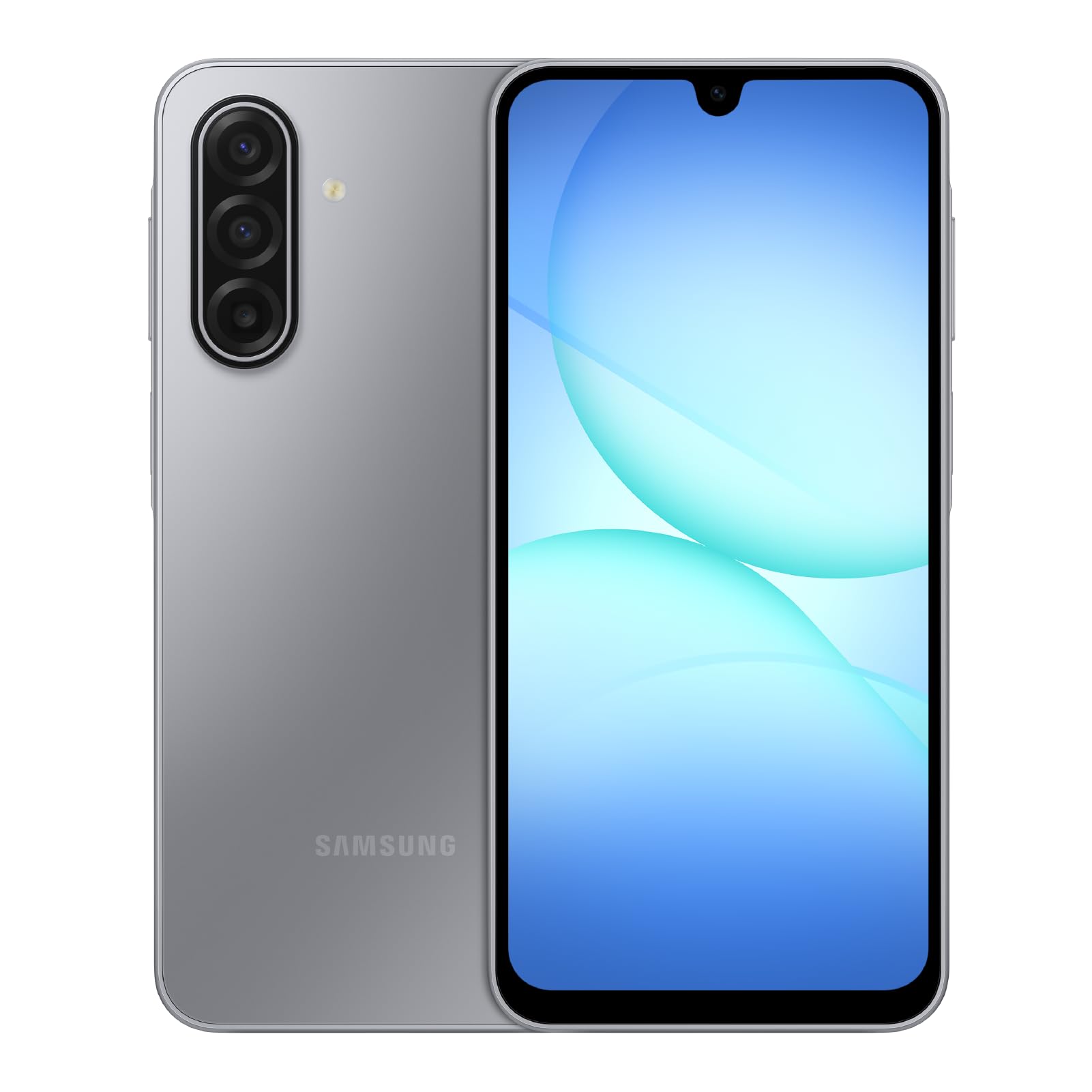
The Galaxy A17 5G offers an impressive 6.7-inch FHD+ Super AMOLED display with 385 PPI, making text and images exceptionally crisp for its class. The 5000mAh battery delivers a solid two days of light use, and Super Fast Charging tops it up in roughly 1.5 hours. The IP54 rating and Gorilla Glass Victus front panel add a layer of durability uncommon at this level.
Samsung commits to six OS upgrades and six years of security updates, which is fantastic for a budget-friendly device. The triple-lens camera system includes a 50MP main sensor that captures decent daylight shots, though low-light performance shows grain. The presence of expandable storage up to 2TB via microSD is a welcome feature for media hoarders.
The phone can occasionally feel laggy right after a restart or during heavy multitasking, likely due to the modest RAM configuration on certain models. The lack of a dedicated ultrawide cam is also a miss for photo enthusiasts. Still, for its display quality and battery life, the A17 is a fantastic daily driver.
Why it’s great
- Excellent Super AMOLED display at this price point
- Outstanding battery life (2 days typical use)
- 6 years of software and security updates
Good to know
- Can feel laggy during heavy multitasking
- No ultrawide camera lens included
5. Motorola Moto G86
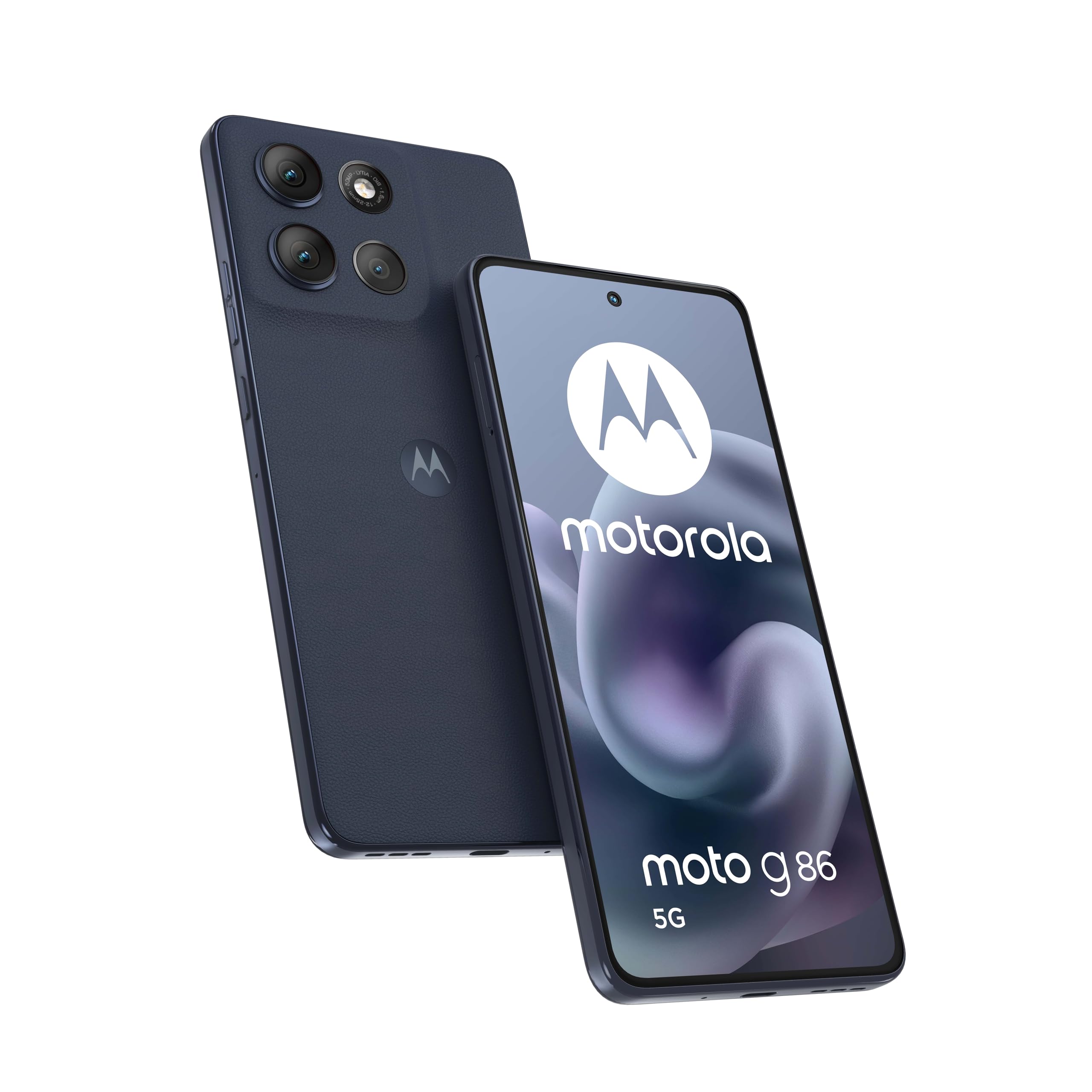
The Motorola Moto G86 brings a P-OLED display with 1B colors and a 1220×2712 pixel resolution, delivering vibrant visuals with deep blacks. At just 7.8mm thick and 185g, it’s impressively slim and light for a phone with a 5100mAh battery. The MediaTek Dimensity 7300 chipset provides smooth daily performance, and the dedicated microSD slot means you don’t have to sacrifice a SIM card for expandable storage.
The 50MP main camera with OIS captures stable and sharp images, especially in well-lit conditions. The 8MP ultrawide lens adds creative flexibility, and the 32MP front camera is excellent for selfies and video calls. The phone ships with Android 15, offering a near-stock experience with Motorola’s useful software additions like quick gestures.
The single bottom-firing speaker is underwhelming, producing tinny audio that lacks depth. Notification sounds can also be inconsistent. Additionally, this is an international version, so US carrier compatibility for new activations may be limited to T-Mobile-based networks. If you prioritize display quality and a clean interface, the Moto G86 is a strong pick.
Why it’s great
- Beautiful P-OLED display with vibrant colors
- Dedicated microSD slot for expandable storage
- Slim, lightweight design with a large battery
Good to know
- Speaker quality is poor and tinny
- International model limits US carrier options
6. Google Pixel 10 128GB
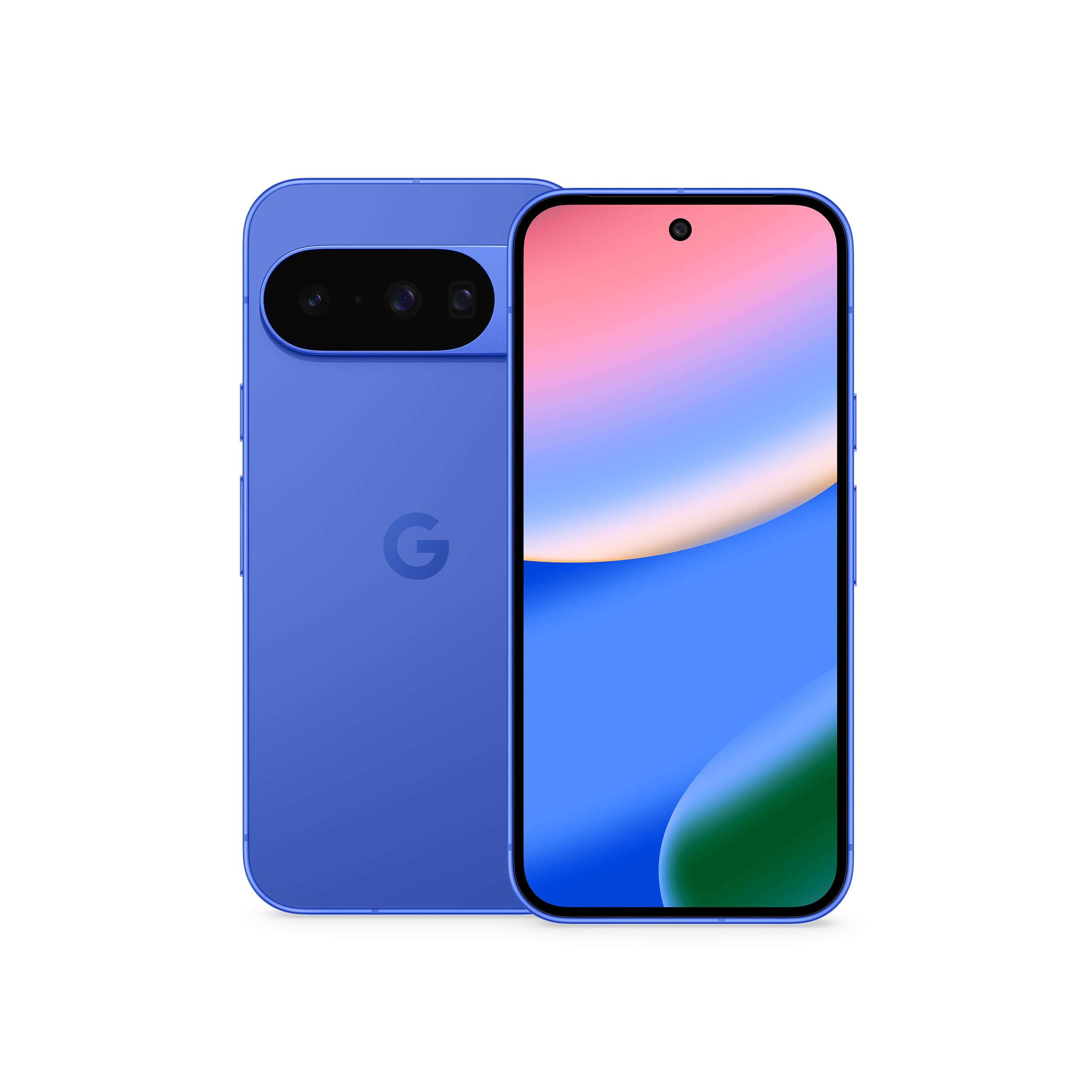
The Google Pixel 10 represents the peak of what an affordable Android phone can be when you prioritize camera quality and AI features. The Tensor G5 chip is Google’s most powerful yet, enabling on-device AI tasks like the new Camera Coach feature that guides you to compose better shots. The 5x optical telephoto lens is a true differentiator, offering 20x Super Res Zoom for detailed photos from a distance.
The 4970mAh battery provides reliable all-day power, and the 3000-nit Actua display remains crisp and bright in any lighting. The IP68 rating and scratch-resistant Gorilla Glass Victus 2 build quality match the best in the industry. The clean Android experience with guaranteed feature drops ensures the phone improves over time.
The phone ships without a charger in the box, and the initial setup experience can be slow on the first restart. The heavy emphasis on Gemini AI might feel overwhelming for users who prefer a simpler interface. However, for a camera-first user who wants the best Android software support, the Pixel 10 is unmatched.
Why it’s great
- 5x optical telephoto camera for far away shots
- Tensor G5 chip with advanced on-device AI
- IP68 dust/water resistance and Gorilla Glass Victus 2
Good to know
- No charger included in the box
- AI features may feel intrusive to some users
7. Google Pixel 10 256GB
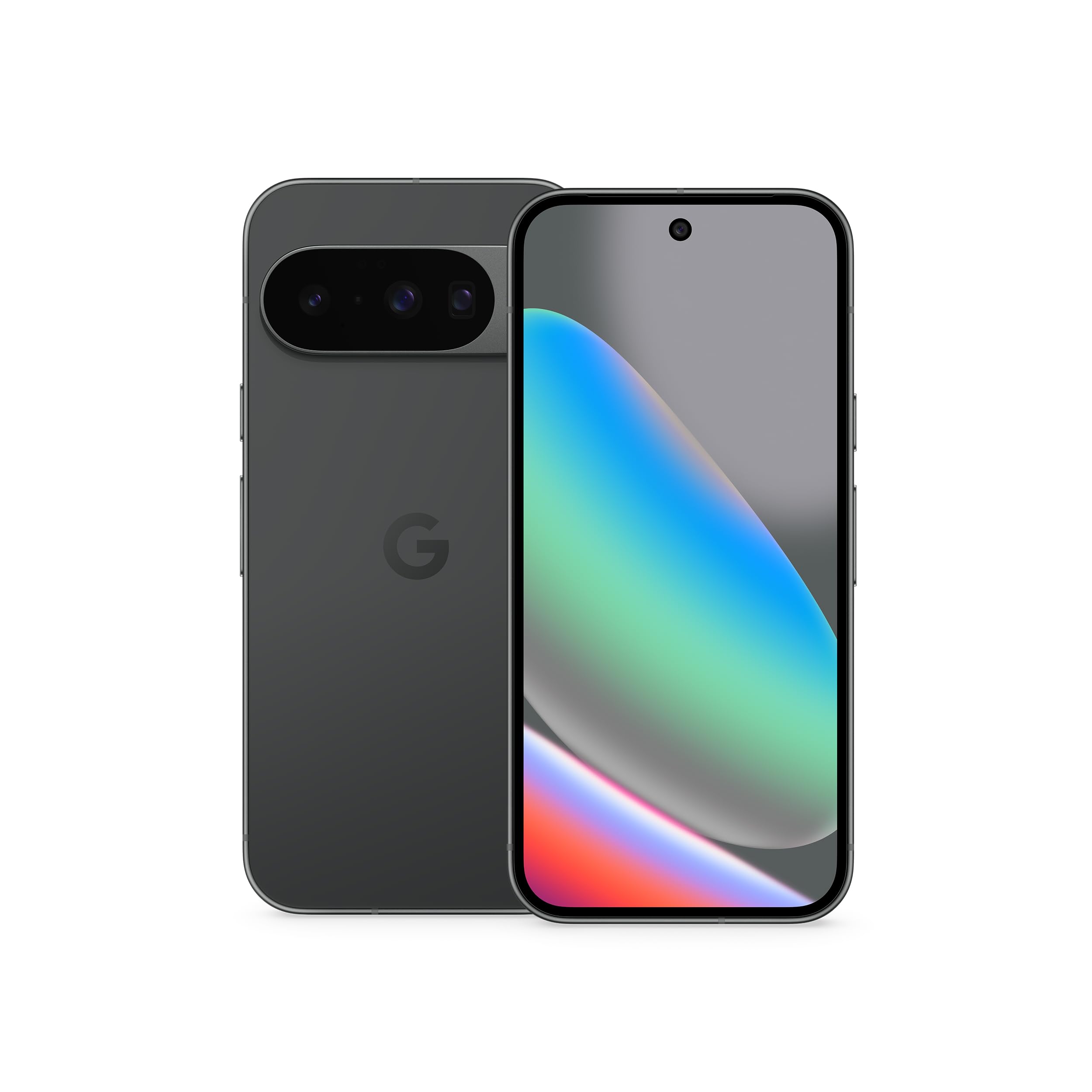
This variant of the Pixel 10 doubles the internal storage to 256GB, making it ideal for users who shoot lots of 4K video or download large games. The core experience remains identical to the 128GB model—same Tensor G5 chip, same 5x telephoto lens, same stunning Actua display. The additional storage provides peace of mind without hunting for cloud storage solutions.
Battery life is consistent at 24+ hours with moderate use, and the 4970mAh capacity handles a full day of heavy multitasking including video calls and navigation. The phone uses eSIM technology only, which simplifies switching carriers but means there is no physical SIM tray. Users coming from older phones should confirm their carrier supports eSIM activation.
The build quality is premium, with an excellent in-display fingerprint sensor and face unlock. The software is clean, fast, and receives timely updates. The main caveat is the lack of expandable storage—once you hit 256GB, you can’t add a microSD card. Like its sibling, the Pixel 10 256GB is a top-tier device for those who value photography and a pure Android experience.
Why it’s great
- Ample 256GB storage for media-heavy users
- Same excellent camera and AI features as the 128GB model
- Premium build with IP68 protection
Good to know
- eSIM only; no physical SIM card slot
- No expandable storage via microSD
8. Huness I25 Ultra

The Huness I25 Ultra attracts attention with its massive 7000mAh battery claim and a built-in stylus, features rarely seen together in a single package. The 6.99-inch HD+ OLED display promises vivid colors, and the phone packs a purported 108MP main camera and 68MP front camera. The inclusion of a free phone case, screen protector, and headphones in the box is generous.
However, caution is warranted here. Customer reports indicate the advertised 1TB storage and 16GB RAM may not be accurate—some users found actual storage closer to 64GB and RAM around 4GB, leading to severe lag even with light use. The phone may lack proper Google Play certification, making routine app installations problematic. The camera quality also falls short of expectations, especially in low light.
For users who are technically savvy and willing to accept the risk of unverified specifications, the I25 Ultra offers a large battery and a stylus at a very low entry cost. But for most buyers seeking a reliable daily driver, the risks outweigh the potential savings. Proceed with extreme caution and ensure the return policy is favorable.
Why it’s great
- Massive 7000mAh battery for extended use
- Comes with accessory bundle (case, protector, headphones)
- Built-in stylus for note-taking
Good to know
- Advertised specs may not be accurate per user reports
- Potential Google Play certification issues
9. Samsung Galaxy Z Fold7
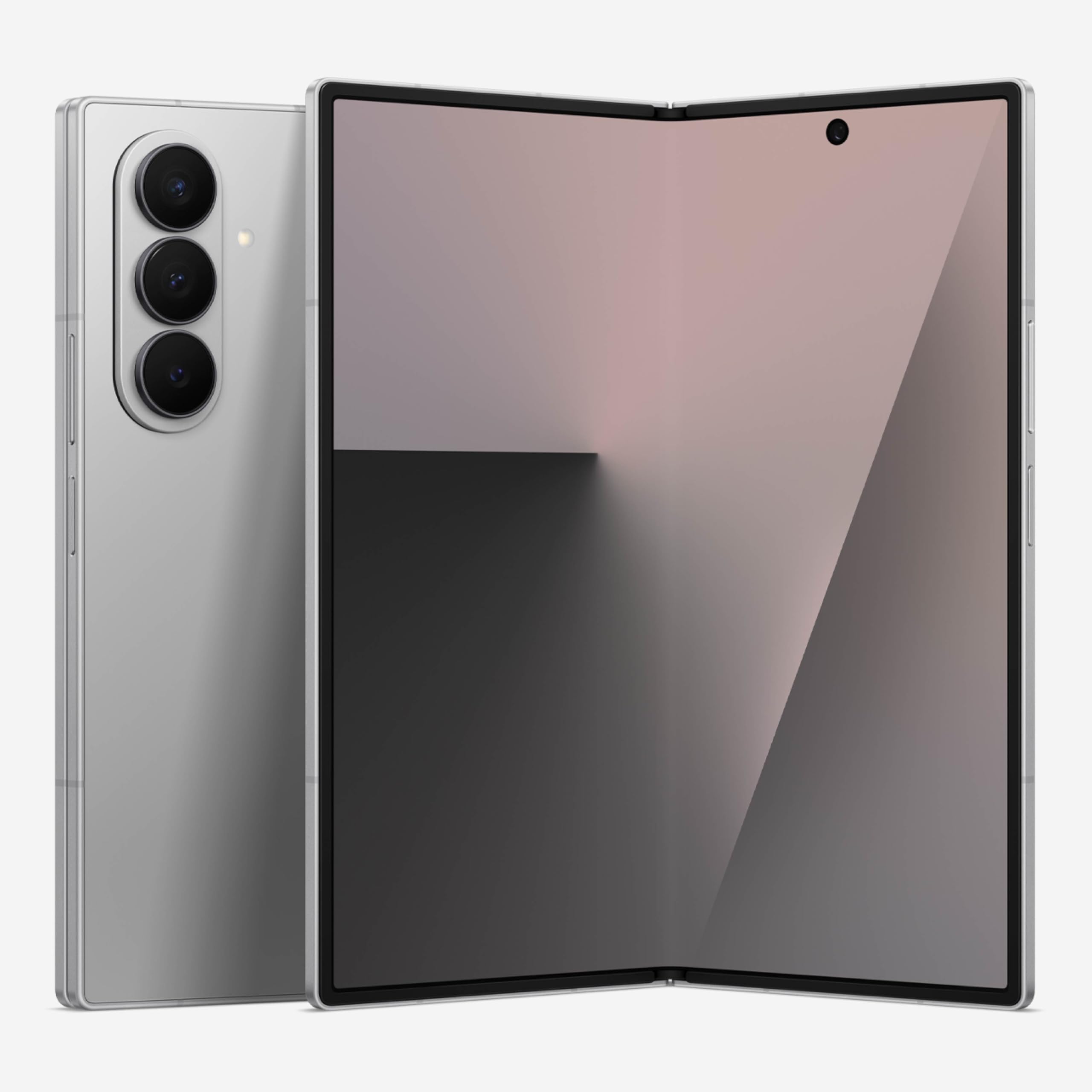
The Samsung Galaxy Z Fold7 pushes the definition of an affordable Android phone to its limits, representing the premium foldable category. It features an 8-inch main display that can run three apps simultaneously, making it a legitimate productivity tool. The 200MP main camera is the best on a foldable to date, capturing incredible detail with the Pro-Visual Engine.
Performance is top-tier thanks to the Snapdragon 8 Elite processor, and the 4400mAh battery lasts through a full day of heavy multitasking. The Armor Aluminum frame and Gorilla Glass Ceramic 2 display feel robust, and the device is noticeably slimmer and lighter than previous generations. The cover screen is now larger and more usable as a standard phone.
At this price point, the Z Fold7 is a luxury purchase that offers a unique multitasking experience no slab phone can match. The camera is versatile, the battery life is solid, and the software optimizations for the large screen are impressive. If your budget stretches this far and you prioritize screen real estate, the Z Fold7 is in a class of its own.
Why it’s great
- Unique multitasking with an 8-inch foldable display
- 200MP camera with Pro-Visual Engine
- Premium build with advanced Armor Aluminum frame
Good to know
- Extremely high price point
- Hinge durability remains a long-term concern
FAQ
Is an international version of an Android phone safe to buy for use in the US?
How many years of software updates should an affordable Android phone offer?
Final Thoughts: The Verdict
For most users, the best affordable android phone winner is the Samsung Galaxy A26 5G because it pairs a stunning 120Hz AMOLED display with a reliable battery and industry-leading software update promise. If you want the absolute best camera for photos and video, grab the Google Pixel 10a. And for those who need maximum battery life and a clean Android experience, nothing beats the Samsung Galaxy A17 5G.

Mo Maruf
I created WellFizz to bridge the gap between vague wellness advice and actionable solutions. My mission is simple: to decode the research and give you practical tools you can actually use.
Beyond the data, I am a passionate traveler. I believe that stepping away from the screen to explore new environments is essential for mental clarity and physical vitality.