Our readers keep the lights on and my smoothie glass nicely filled. As an Amazon Associate, I earn from qualifying purchases.
Specs are compiled from manufacturer listings and verified buyer reviews and can change over time — please confirm the key details on the product page before buying.
You sweat out electrolytes (minerals like potassium and sodium that your nerves and muscles need) during exercise or on a hot day. Coconut water replaces those minerals naturally, without the artificial colors or added sugars you find in most sports drinks. But walking down the store aisle, you see dozens of brands all claiming to be “pure,” and it is hard to tell which one actually hydrates you and tastes good enough to drink by the liter. This guide breaks down the top contenders by what truly matters: electrolyte content, origin, purity, and honest flavor.
I’m Mohammad Maruf — the founder and writer behind WellFizz. This guide is built by comparing the manufacturers’ published specifications and the patterns across verified customer reviews, so you get each pick’s real strengths and trade-offs instead of marketing spin.
The best coconut water for electrolytes hits that balance between naturally occurring minerals and a clean, drinkable taste you can actually enjoy every day.
Quick Picks
- Little Palm – Pure Coconut Water (12-Pack, Original) — Best Overall
- Real Coco All Natural Pure Coconut Water (6-Pack 1L) — Best Value
- CocoGoodsCo Vietnam Single-Origin 100% Organic Coconut Water (33.8 fl. oz. 6 pack) — Organic Choice
- NILO 100% Pure Coconut Water (10.8 oz Pack of 12) — Unique Texture
- Nature’s Greatest Foods, Organic Coconut Water (33.8 fl oz Pack of 6) — Premium Organic
- Coaqua Coconut Water, 24 Pack, Natural Electrolytes for Hydration (8.4 Fl Oz Cans) — Eco-Friendly
- Thai Coco Organic Coconut Water (33.8 fl. oz. 6 Pk) — USDA Organic
How To Choose The Best Coconut Water For Electrolytes
Picking a coconut water for hydration depends on a few clear decisions. You want real electrolytes — not a watered-down imitation — and a clean taste you can drink regularly. Here is what to look for.
Electrolyte Content
Check the label for naturally occurring potassium, sodium, and calcium. Some brands boast “over 600 mg of electrolytes per bottle,” which puts them far ahead of plain water for post-workout recovery. A good coconut water should deliver a meaningful dose of these minerals without needing added salts or flavorings.
Processing Method
The phrase “not from concentrate” is your green light. Coconut water that is never concentrated and then reconstituted keeps more of its natural mineral balance and fresh taste. “From concentrate” products have been heated twice, which can degrade the delicate electrolyte profile and leave a cooked or cardboard-like aftertaste.
Single Origin and Certifications
A single-origin coconut water, like those from Vietnam’s Ben Tre province, often has a cleaner, sweeter taste profile because the nuts come from one trusted region. Organic and Non-GMO certifications also give you confidence that the water inside hasn’t been sprayed with pesticides or altered with added sugars.
Quick Comparison
| Model | Best For | Total Fluid Ounces | Weight (Pounds) | Origin / Organic | Amazon |
|---|---|---|---|---|---|
| Little Palm (12-Pack) | Best Overall | 202.8 | 15.74 | Vietnam / Non-GMO | Amazon |
| Real Coco (6-Pack 1L) | Best Value | 202.8 | 14.59 | Not specified / Non-GMO | Amazon |
| CocoGoodsCo (6-Pack 1L) | Organic Choice | 202.8 | 14.97 | Vietnam Ben Tre / Organic | Amazon |
| NILO (10.8 oz Pack of 12) | Unique Texture | 129.84 | 9.15 | Tropics / Non-GMO | Amazon |
| Nature’s Greatest Foods (6-Pack) | Premium Organic | — | 1 | Not specified / USDA Organic | Amazon |
| Coaqua (24 Pack Cans) | Eco-Friendly | 201.6 | 9.44 | Vietnam / Non-GMO | Amazon |
| Thai Coco (6-Pack) | USDA Organic | 202.8 | 14.66 | Thailand Nam Hom / USDA Organic | Amazon |
In‑Depth Reviews
1. Little Palm – Pure Coconut Water (12-Pack, Original)
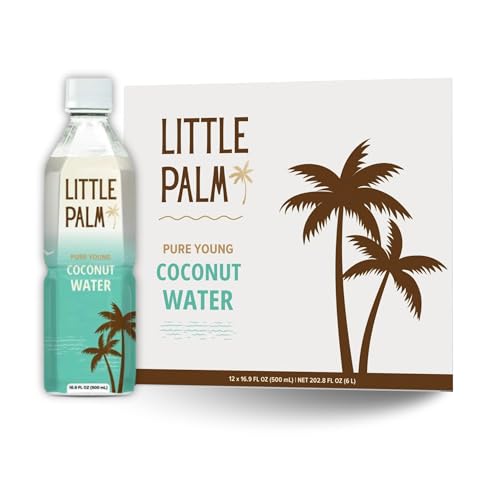
You get over 600 mg of naturally occurring electrolytes (minerals that help your muscles fire) per bottle — enough to replace what you lose in an hour of moderate exercise.
What makes Little Palm stand out is its electrolyte density. Each 16.9 fl oz bottle delivers over 600 mg of naturally occurring electrolytes — including potassium, sodium, and calcium — making it a strong choice for active or heat-exposed users. Unlike the NILO option below, which has a lighter total volume at 129.84 fluid ounces, Little Palm delivers 202.8 fluid ounces across the 12-pack, so you get more hydrating liquid per case.
Buyers report that this is the best coconut water they have tried, with one calling it “deliciously refreshing” and noting it tastes like drinking straight from a fresh coconut, with no weird aftertaste and no added sugar. The only real trade-off is the price — it is pricier than the Real Coco option — but the quality and natural sweetness justify the cost for most regular drinkers.
At 15.74 pounds, the package carries significant weight, but reviewers love that you can store the bottles at room temperature without spoilage. The packaging may vary during a transition, but the product inside stays identical.
What Makes It Great
- Over 600 mg of naturally occurring electrolytes per bottle for real hydration
- Harvested from young Vietnamese green coconuts for peak flavor and natural sweetness
- No sugar or artificial sweeteners added — just pure coconut water
One Thing to Consider
- Pricier than mid-range options, but the electrolyte content and taste match the premium
Reach for this if: you want the highest electrolyte count and a fresh-from-the-coconut taste that makes hydration feel easy.
A note on price: the premium cost reflects a genuinely clean product with over 600 mg of electrolytes per bottle — worth it if you prioritize quality over budget.
2. Real Coco All Natural Pure Coconut Water (6-Pack 1L)

A single-ingredient coconut water that costs less than Little Palm — and delivers the same 202.8 fluid ounces of total volume.
Real Coco gives you a straightforward no-additives coconut water at a price that makes daily drinking realistic. With 202.8 fluid ounces across six 1-liter bottles, this pack matches the total volume of the Little Palm 12-pack, but at a lower cost. It is not from concentrate and is bottled at the source, preserving the natural electrolyte profile and fresh taste.
Buyers consistently rate it 5/5, with one reviewer calling it “the best coconut water so far” and noting how refreshing it is during summer. Another reviewer mentioned that plain water gets boring, and this coconut water provides flavor without additional sugar. The only issue reported is that occasionally the entire top pops off the bottle, causing leaks when you pour or drink — something to watch for if you toss bottles into a gym bag.
The Upside
- Single ingredient with no added sugars or artificial anything
- Good source of potassium for muscle recovery and hydration
- 1-liter bottles are a convenient fridge size; 6-pack lasts about a week
A Minor Downside
- Occasional leaky tops reported by a reviewer, so store bottles upright
Who it fits: someone who wants a clean, affordable daily coconut water without the premium price tag.
What to know: that occasional leak complaint is real — keep these upright in the fridge to avoid surprises.
3. CocoGoodsCo Vietnam Single-Origin 100% Organic Coconut Water (33.8 fl. oz. 6 pack)
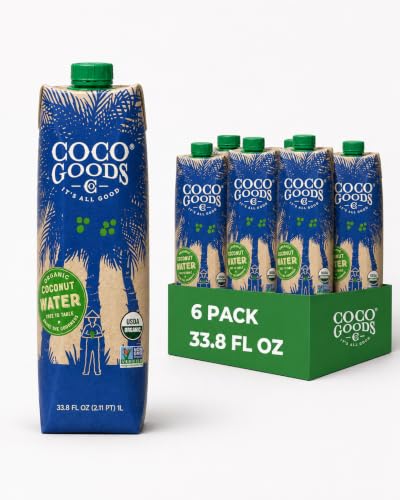
This one comes from a single family of farms in Ben Tre, Vietnam — so you know exactly where your water is grown, and it is certified USDA organic.
CocoGoodsCo makes a strong case for traceability. The coconut water comes exclusively from Ben Tre, Vietnam, and is labeled “from-tree-to-table.” It is 100% organic, Non-GMO, vegan, gluten-free, and kosher certified. The maker claims it contains more potassium than a banana and markets it as an alternative to sports drinks. Like the Little Palm and Thai Coco options, this pack also holds 202.8 fluid ounces, giving you plenty of hydrating liquid per case.
One reviewer noted an unexpected benefit: “” Reviewers generally love the taste, calling it “great” and “clean naturally sweat,” but one buyer recommended choosing organic due to potential contamination concerns with Vietnamese coconut farming practices. The packaging weighs in at 14.97 pounds, making it slightly lighter than the Little Palm pack.
Why It Stands Out
- Single-origin organic certification from Ben Tre, Vietnam — full traceability
- Rich in electrolytes with more potassium than a banana, per the maker
- Non-GMO, vegan, gluten-free, and kosher certified
Something to Know
- One reviewer flagged that organic is the safer pick given Vietnamese farming practices
Best suited for: organic-focused buyers who want a single-origin coconut water with a known source and a solid electrolyte profile.
The catch: if you aren’t concerned with organic certification, you might pay extra for a feature you don’t need.
4. NILO 100% Pure Coconut Water (10.8 oz Pack of 12)

Real coconut pulp floats in every bottle — giving you a thicker, more authentic mouthfeel that no other pick here offers.
NILO is different from every other pick here because it includes real coconut pulp in every bottle. That matters if you enjoy a little chew and a richer mouthfeel — it is like drinking from a fresh coconut with the soft meat still inside. The pack contains 12 bottles of 10.8 oz each, totaling 129.84 fluid ounces, which is noticeably less total volume than the 202.8-ounce packs from Little Palm or Real Coco. At 9.15 pounds, this is also a lighter case compared to Little Palm’s 15.74 pounds.
One buyer called it “the most delicious coconut water I’ve ever tasted,” while another noted it is “very sweet” with no added sugar — the sweetness comes entirely from the natural fruit. The pulp is described as small and minimal. However, if you dislike bits of fruit floating in your drink, this one is not for you.
What Makes It Different
- Contains real coconut pulp for an authentic texture and richer flavor
- No sugar added, preservative-free, and non-GMO
- Freshly pressed and not from concentrate for maximum flavor
What Might Bug You
- Total volume is less than other packs — 129.84 oz vs. 202.8 oz from most competitors
- The pulp might be off-putting if you prefer a smooth, clear drink
Grab this if: you love fresh coconut with the meat still in it and want a more authentic, textured drinking experience.
Pass it by if: you prefer a smooth, pulp-free coconut water or need maximum volume per pack.
5. Nature’s Greatest Foods, Organic Coconut Water (33.8 fl oz Pack of 6)
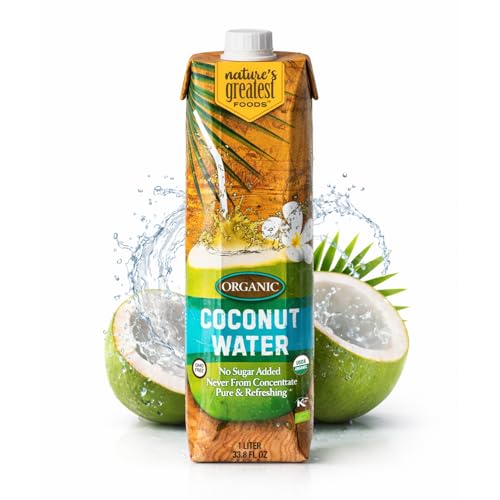
This is the lightest pack on the list at just 1 pound — and it comes with a twist-off cap for easy resealing and a printed expiration date you can actually find.
Nature’s Greatest Foods keeps things simple: one ingredient — 100% organic coconut water — and a twist-off cap for convenience. The expiration date is printed at the bottom of each unit for easy finding. The coconut water comes from hand-picked coconuts and is not from concentrate, delivering a natural taste and fresh scent with every sip. The pack weighs just 1 pound, which is a dramatic difference from the 15.74 pounds of the Little Palm pack, making it far easier to carry home.
There are no customer reviews in the available data for this product, so we lean entirely on the maker’s stated specs. It is USDA Organic Certified, Kosher Certified, vegan, and gluten-free. Refrigerate after opening and consume within 3 days.
What You Get
- USDA Organic and Kosher Certified with a single organic ingredient
- Twist-off cap for easy resealing after opening
- Extremely lightweight packaging at just 1 pound
What You Don’t Know
- No verified customer reviews available to confirm taste or quality
Choose this for: lightweight organic coconut water with easy-open caps and clear USDA certification.
The risk: without customer reviews, you are buying based on specs alone — flavor is a personal unknown.
6. Coaqua Coconut Water, 24 Pack, Natural Electrolytes for Hydration (8.4 Fl Oz Cans)

Twenty-four individual 8.4 fl oz cans made from recycled aluminum — ideal for tossing one in your bag without worrying about plastic.
Coaqua takes a different packaging approach: 24 individual 8.4 fl oz cans made from recycled materials. The total volume (201.6 fluid ounces) rivals the 202.8-ounce packs from Little Palm and Thai Coco, but in single-serve cans that are far easier to grab and go. The maker uses a unique pasteurization process that caramelizes natural sugars, giving the coconut water a subtly sweet taste that reviewers describe as “delicious & smooth.” One buyer mentioned it is “hands down my favorite coconut water,” while another found the taste nasty — polarizing, but leaning positive.
It is Non-GMO and vegan, with naturally low sugar. The aluminum can format means no BPA concerns from plastic, but one reviewer wished for glass bottles instead of aluminum. At 9.44 ounces per can and a case weight of 9.44 pounds, this is the lightest total weight among the premium picks.
Why It Works
- Eco-friendly recycled aluminum cans that are easy to recycle again
- Low sugar content with a uniquely sweet taste from a patented process
- 24 individual cans make it easy to grab one for a hike or commute
Where It Falls Short
- Some reviewers dislike the taste — it is a love-it-or-hate-it profile
- Aluminum can might leave a metallic taste for sensitive palates
Ideal for: eco-conscious buyers who want portable, single-serve coconut water cans for hydration on the move.
The trade-off: that unique caramelized flavor is divisive — try a smaller pack first if you are new to this brand.
7. Thai Coco Organic Coconut Water (33.8 fl. oz. 6 Pk)
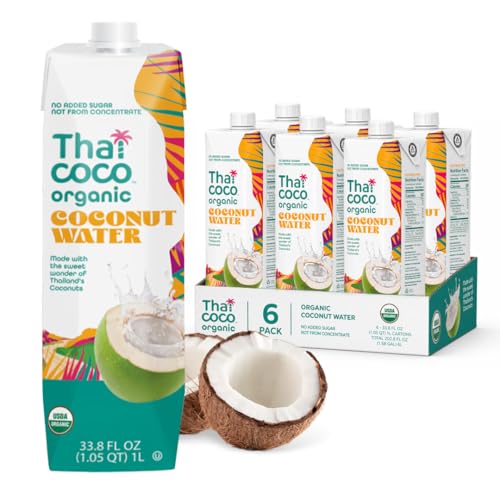
Made from young Nam Hom coconuts grown in Thailand — known for a slightly floral, aromatic sweetness — and certified USDA organic.
Thai Coco brings a different regional profile into the mix. It is made from young Nam Hom coconuts grown in Thailand, which are known for a slightly floral, aromatic sweetness. The coconut water is USDA Organic certified, kosher certified, and sustainably farmed without pesticides or animal products. It is fat-free with no added sugar, and each case holds 6 cartons of 33.81 fl oz each, totaling 202.8 fluid ounces — matching the volume of Little Palm and Real Coco.
There are no customer reviews in the available data, so the decision here rests entirely on the maker’s stated specs. The twist-off caps are designed for freshness, and the water is recommended as a pre-workout drink or afternoon pick-me-up. At 14.66 pounds, the case weight is similar to CocoGoodsCo’s 14.97 pounds, making it a middleweight option.
The Big Pluses
- USDA Organic and kosher certified with a single-origin Thai coconut blend
- Naturally fat-free and low-calorie with no added sugar
- Sustainably farmed without pesticides — ethically sourced
The Downsides
- No customer reviews available to validate taste or quality
- Premium price point with less buyer feedback to lean on
Best for: buyers who want USDA-certified organic coconut water from Thailand and trust the maker’s ethical farming claims.
What holds it back: the absence of customer reviews makes it harder to confirm flavor and freshness before you buy.
Understanding the Specs
Electrolytes (Potassium, Sodium, Calcium)
This is the make-or-break spec for hydration. Coconut water naturally contains potassium, sodium, and calcium — minerals your body loses through sweat. The more milligrams listed on the label, the better it is for post-workout recovery. Some brands, like Little Palm, explicitly state “over 600 mg of naturally occurring electrolytes per bottle.” That number puts them in a league well above plain water for replacing what you lose during exercise or a hot day.
From Concentrate vs. Not From Concentrate
“Not from concentrate” means the water was never reduced to a paste and then reconstituted. That matters because the heating process used to concentrate coconut water can degrade delicate electrolytes and leave a cooked taste. “Not from concentrate” products cost more, but you get a fresher flavor profile and a mineral balance that is closer to what nature intended. Always check the label — if it doesn’t say “not from concentrate,” it almost certainly is.
FAQ
How much coconut water should I drink for electrolytes after a workout?
Is coconut water better than plain water for hydration?
Does coconut water from concentrate have fewer electrolytes?
What does “single origin” mean for coconut water?
How should I store coconut water after opening?
Is coconut water with pulp different from regular coconut water?
What is the difference between young green coconuts and mature brown coconuts for water?
Can I use coconut water in smoothies or cocktails?
Are aluminum cans better than plastic bottles for coconut water?
What certifications should I look for on a coconut water label?
Final Thoughts: The Verdict
For the majority of shoppers, the coconut water for electrolytes winner is the Little Palm Pure Coconut Water 12-Pack because it delivers over 600 mg of naturally occurring electrolytes in each bottle with a clean, fresh-tasting profile that reviewers consistently love. If you want a budget-friendly option that still tastes pure and natural, grab the Real Coco 6-Pack 1L. And for a unique texture experience with real coconut pulp, the standout is the NILO 100% Pure Coconut Water 12-Pack.
How We Picked
We do not accept paid placement. Every pick is matched to a real buyer and a real use-case; we do not hands-on test units.
Sources & Methodology
Specifications: manufacturer listings and product documentation. Review insights: verified customer reviews, as of July 2026. Pricing: not shown on this page (it changes often); check the current price via the retailer link.
As an Amazon Associate, WellFizz earns from qualifying purchases. This does not affect which products we feature.

Mo Maruf
I created WellFizz to bridge the gap between vague wellness advice and actionable solutions. My mission is simple: to decode the research and give you practical tools you can actually use.
Beyond the data, I am a passionate traveler. I believe that stepping away from the screen to explore new environments is essential for mental clarity and physical vitality.