Every time your foot hits the pavement, your joints absorb a shock wave about 2.5 times your body weight. Run three miles and that is roughly 2,500 impacts per foot. The right shoe turns that repeated punishment into a soft, energy-returning push forward — the wrong one leaves you nursing sore knees, aching shins, or a nagging plantar fascia by mile two. This guide walks you through seven models built specifically for concrete and asphalt, cutting through the marketing to tell you exactly where each one delivers and where it falls short.
I’m Mohammad Maruf — the co-founder and writer behind WellFizz. This guide is built by comparing the manufacturers’ published specifications and the patterns across verified customer reviews, so you get each pick’s real strengths and trade-offs instead of marketing spin.
Whether you log easy 5Ks, weekend half-marathons, or spend eight hours standing on hard concrete floors, you need a shoe that cushions every step without sacrificing stability or fit. That is exactly why we created this guide to the best concrete running shoes, each selected for its proven ability to absorb impact, support your stride, and hold up over hundreds of miles on unforgiving hard surfaces.
How To Choose The Best Concrete Running Shoes
Picking the right pavement shoe comes down to three things: how much cushioning your body needs, how your foot lands (your gait), and the shape of the shoe’s sole (the drop). Ignore the colorways and the celebrity endorsements — these mechanical specs decide whether your runs hurt or feel effortless.
Cushioning Level: Soft, Standard, or Responsive
On concrete, the midsole foam is your only shock absorber — the road gives nothing back. Maximum cushioning (often called “max stack” shoes) feels pillowy and protects joints on long miles, but it can feel unstable if you are a lighter runner. Standard cushioning balances shock absorption with ground feel, letting you sense the surface without feeling every pebble. Responsive cushioning (firmer foam that springs back fast) rewards efficiency but punishes bad form. Your body weight decides the right zone: heavier runners almost always benefit from max-cushion builds, while lighter runners can get away with standard.
Heel-to-Toe Drop: Low, Medium, or Zero
Heel drop is the height difference in millimeters between the heel and the forefoot. A higher drop (10mm to 12mm) puts more foam under your heel, which suits runners who land heel-first — the majority of casual runners. A lower drop (4mm to 6mm) encourages a midfoot strike and feels more natural for faster paces. A zero-drop shoe (0mm) puts your foot flat like barefoot running on grass, which strengthens your feet but takes weeks to adapt to — jumping in too fast is a fast track to strained calves and Achilles tendinitis.
Fit and Toe Box Shape
Your foot spreads out naturally when it hits the ground. A narrow toe box squeezes those toes together, which reviewers consistently report leads to blisters, black toenails, and even knee pain over dozens of miles. Look for a “wide toe box” or a brand that explicitly designs for natural foot shape (brands like ALTRA call this a FootShape fit). If you are between sizes, go up a half size to give your toes room to splay on impact — concrete amplifies every fit mistake.
Quick Comparison
On smaller screens, swipe sideways to see the full table.
| Model | Category | Best For | Key Spec | Amazon |
|---|---|---|---|---|
| ASICS SUPERBLAST 2 | Premium | Performance & bounce | FF BLAST TURBO + FF BLAST PLUS midsole | Amazon |
| ASICS Gel-Cumulus 27 | Premium | PureGEL joint protection | PureGEL technology + FF BLAST PLUS foam | Amazon |
| ALTRA Torin 7 | Mid-Range | Zero-drop & wide toe box | ALTRA EGO MAX foam + 0mm drop | Amazon |
| Brooks Revel 8 | Mid-Range | Lightweight neutral feel | 8.7 oz weight / 8mm drop | Amazon |
| ANTA PG7 | Value | Budget max cushioning | PG7 adaptive molecular midsole | Amazon |
| Under Armour Charged+ Assert 11 | Value | Wide sizing & durability | Charged+ cushioning / 10.2 oz | Amazon |
| Nike Quest 6 | Value | Everyday comfort & style | Soft responsive midsole + outsole traction | Amazon |
In‑Depth Reviews
1. ASICS SUPERBLAST 2
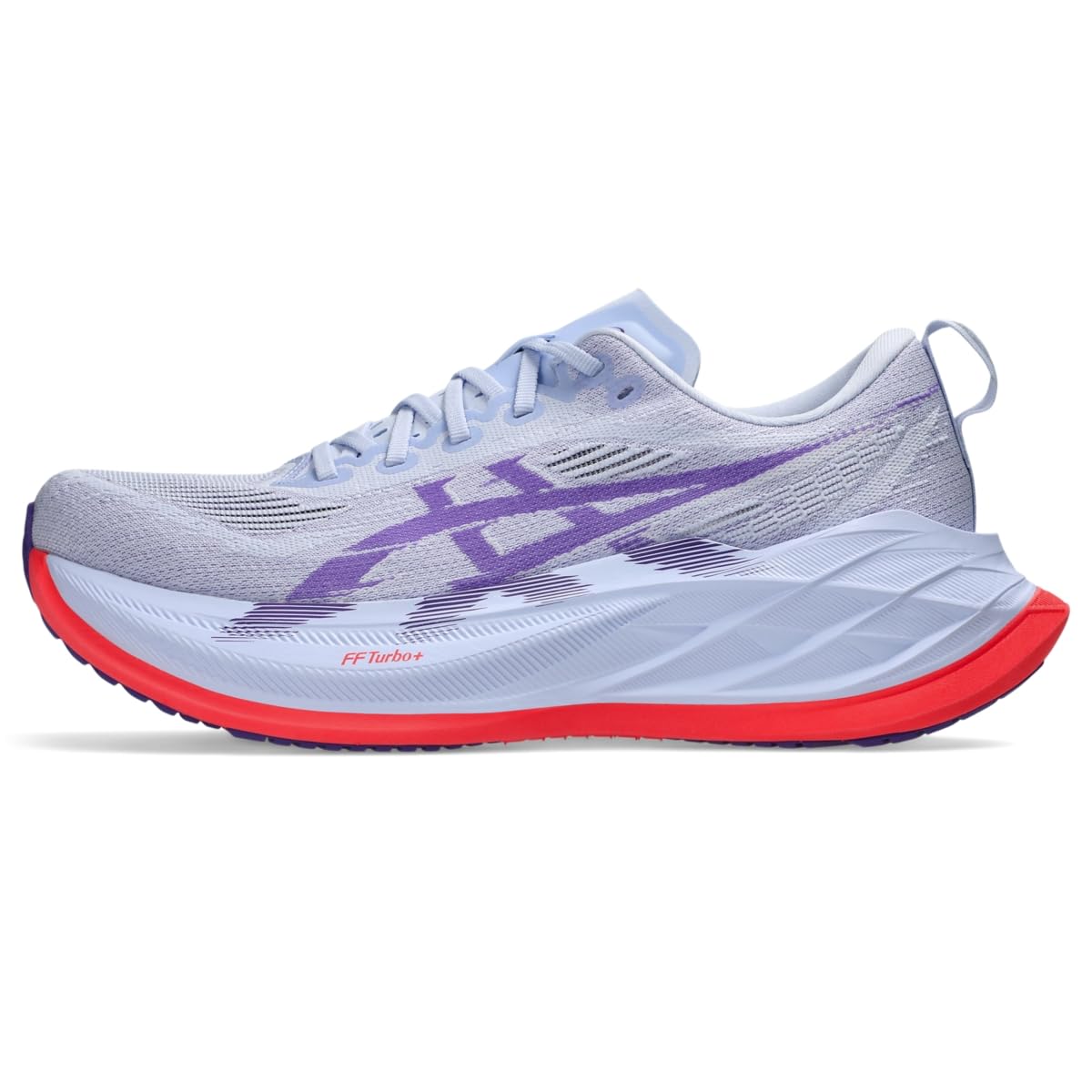
The dual-foam midsole—combining FF BLAST TURBO (the same springy foam used in ASICS’ METASPEED racing models) with FF BLAST PLUS—is the single spec that makes this the top pick for runners who want performance-level energy return but refuse to beat up their knees on pavement.
At 1.44 pounds for a unisex pair, it is noticeably lighter than most max-cushion trainers, and the heel stabilizer helps keep your stride balanced even when the foam is at its softest. The upper uses an engineered mesh with a gusseted tongue wing system that locks your midfoot in place and prevents the tongue from sliding sideways mid-run. One heavier runner with slightly wider feet calls it “outstanding” for a larger runner, noting the midsole is “the star of the show” for energy return and neutral stability over long distances.
The catch is the price — this is the most premium shoe on this list — and the fit runs slightly narrow, so buyers recommend going up half a size if you have wide feet. If you log marathon-length miles on concrete and want a shoe that feels both soft and fast, this is the one.
Why it’s great
- Racing-grade FF BLAST TURBO foam delivers exceptional bounce
- Heel stabilizer improves balance during longer runs
- Gusseted tongue prevents slipping during fast strides
Good to know
- Premium price point; not a budget option
- Narrow fit may require going up half a size for wider feet
2. ASICS Gel-Cumulus 27
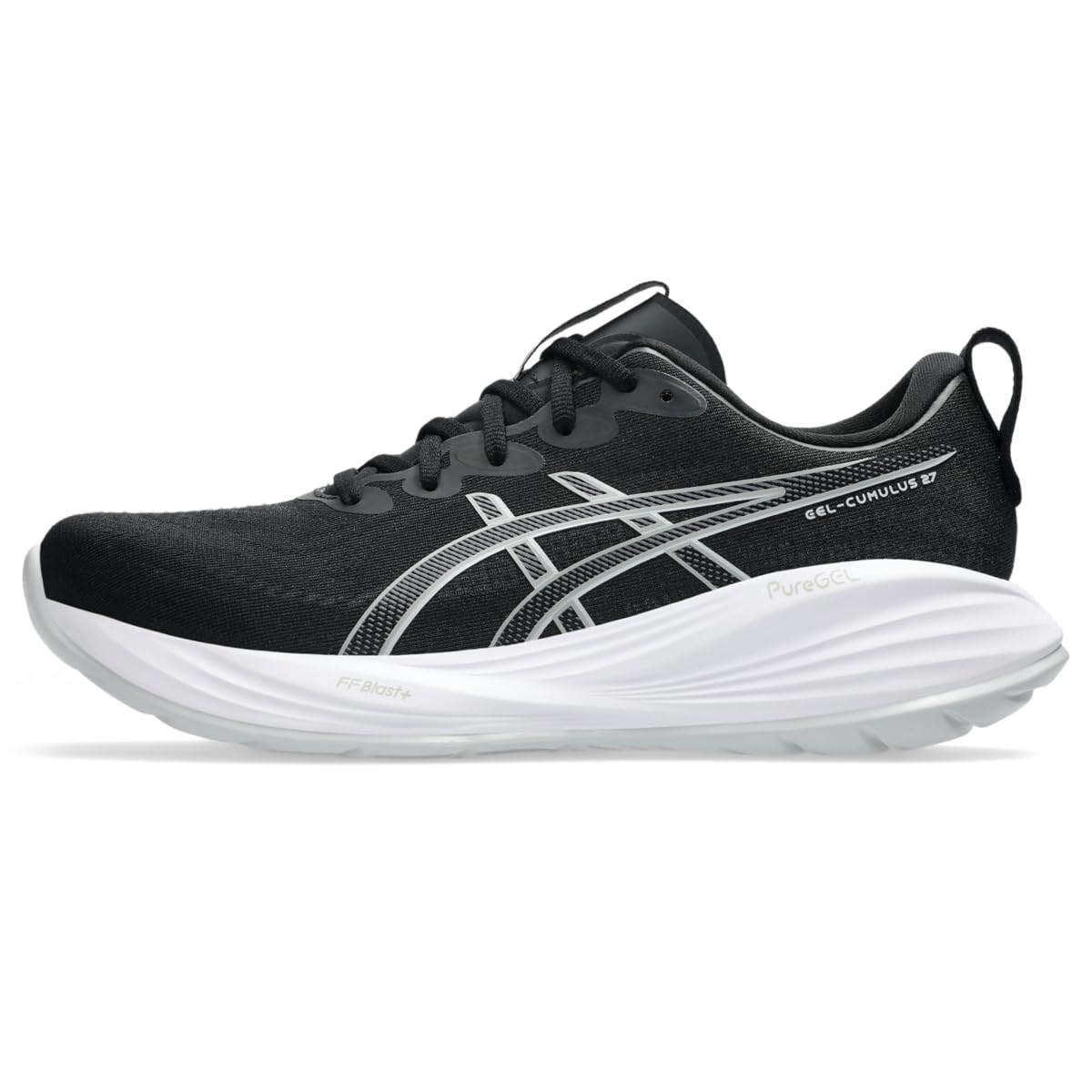
While the SUPERBLAST 2 leans into bounce and speed, the Gel-Cumulus 27 focuses entirely on pure shock absorption. Its defining feature is PureGEL technology — a silicone-based gel embedded in the heel that physically absorbs impact rather than just compressing foam. Compared to the SUPERBLAST 2’s two-foam stack, the Cumulus 27 puts gel where your heel hits hardest, making it the better choice for runners who have existing knee or joint pain. One reviewer who was recommended this shoe by an ultramarathoner says it “helped relieve my knee pain” and that “they work.”
That gel is backed by FF BLAST PLUS foam in the midsole and a FluidRide outsole, so you get a ride that is soft but never mushy — the foam provides a light rebound to keep you moving forward. The breathable mesh upper and true-to-size fit mean you can wear these straight out of the box with zero break-in time. A reviewer switching from the previous Cumulus version notes they are “lighter, snugger, more cushioned” than before.
If your main goal on concrete is protecting your joints from repetitive impact, choose the Gel-Cumulus 27 over the SUPERBLAST 2 — it trades some of that racing-bounce for dedicated impact-softening where you need it most.
Where it shines
- PureGEL insert absorbs heel impact directly at the point of contact
- FF BLAST PLUS foam offers a balanced soft-yet-responsive ride
- Breathable upper with zero break-in time, true-to-size fit
Worth noting
- Not as bouncy as the SUPERBLAST 2 for faster-paced running
3. ALTRA Torin 7
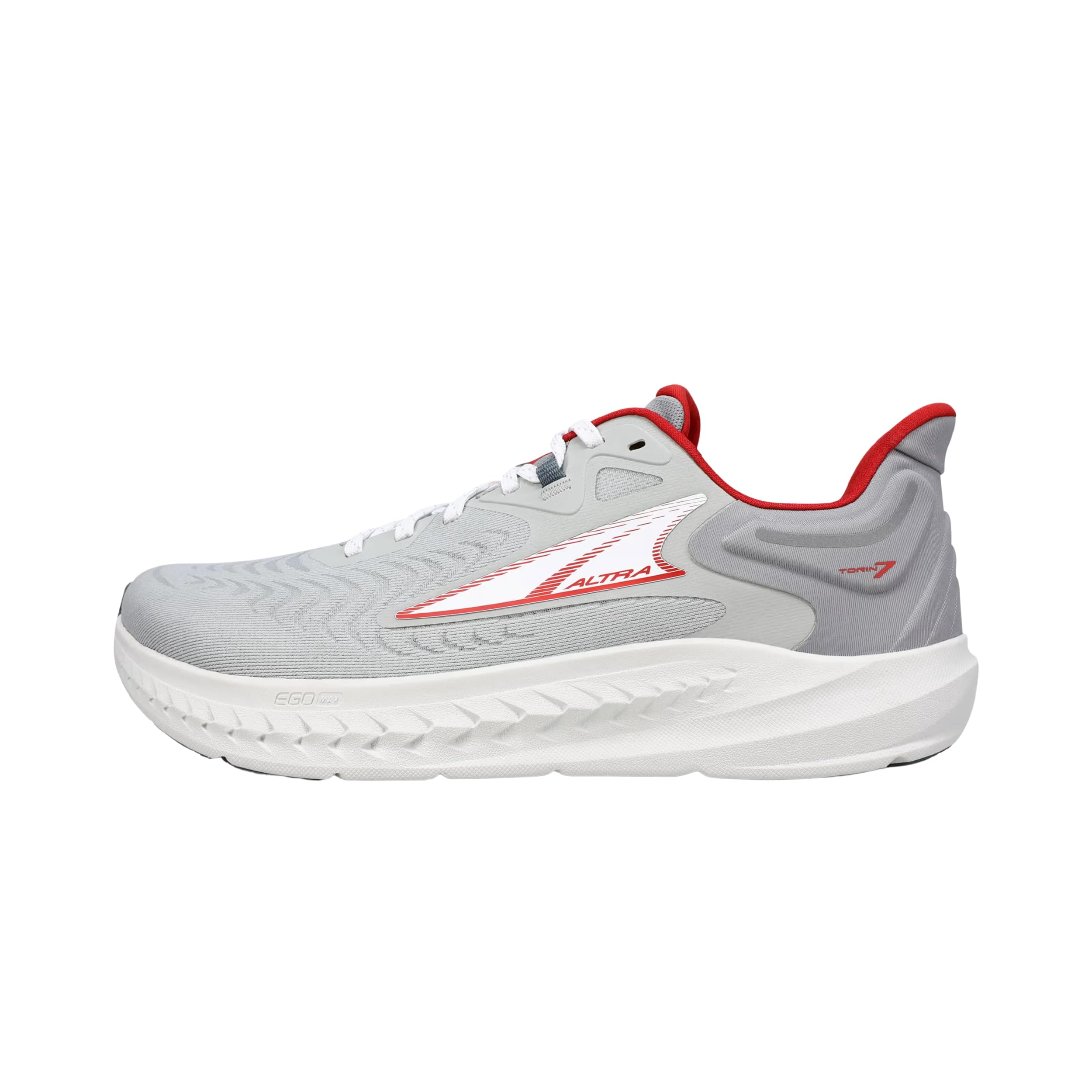
Imagine you are a soccer referee who covers about 274 miles in three months on hard fields and concrete sidelines. One Brooks Revel 8 reviewer is exactly that person and reported that switching resolved his “jamming and pain.” Now take that same pavement-heavy scenario and add the need for a natural, zero-drop foot position — that is the ALTRA Torin 7’s territory. The Torin 7 uses a Balanced Cushioning platform with a 0mm heel-to-toe drop, meaning your heel and forefoot sit at the same height, encouraging a midfoot or forefoot strike that reduces the braking force of heel-striking on concrete.
Its FootShape toe box gives your toes room to spread out naturally on impact — buyers report it “relieved knee pain from toe squeezing” and led to “zero injuries after 9 months” of regular running. The midsole uses ALTRA EGO MAX foam (they added 2mm more of it compared to the Torin 6), giving you a lightweight plushness that still feels responsive rather than sinking. One reviewer who switched from the Torin 5 calls this a “good successor” and says it is hard to go back to conventional shoes after experiencing the wide toe box.
The standout spec here is the zero-drop design combined with a truly wide toe box — no other shoe on this list offers both.
What stands out
- Zero-drop platform (0mm) encourages natural forefoot or midfoot strike
- Wide FootShape toe box lets toes splay to prevent blisters and knee pain
- EGO MAX foam provides 2mm more cushioning than previous model
The trade-offs
- Requires a 2-3 week adaptation period for calves and Achilles if switching from high-drop shoes
4. Brooks Revel 8
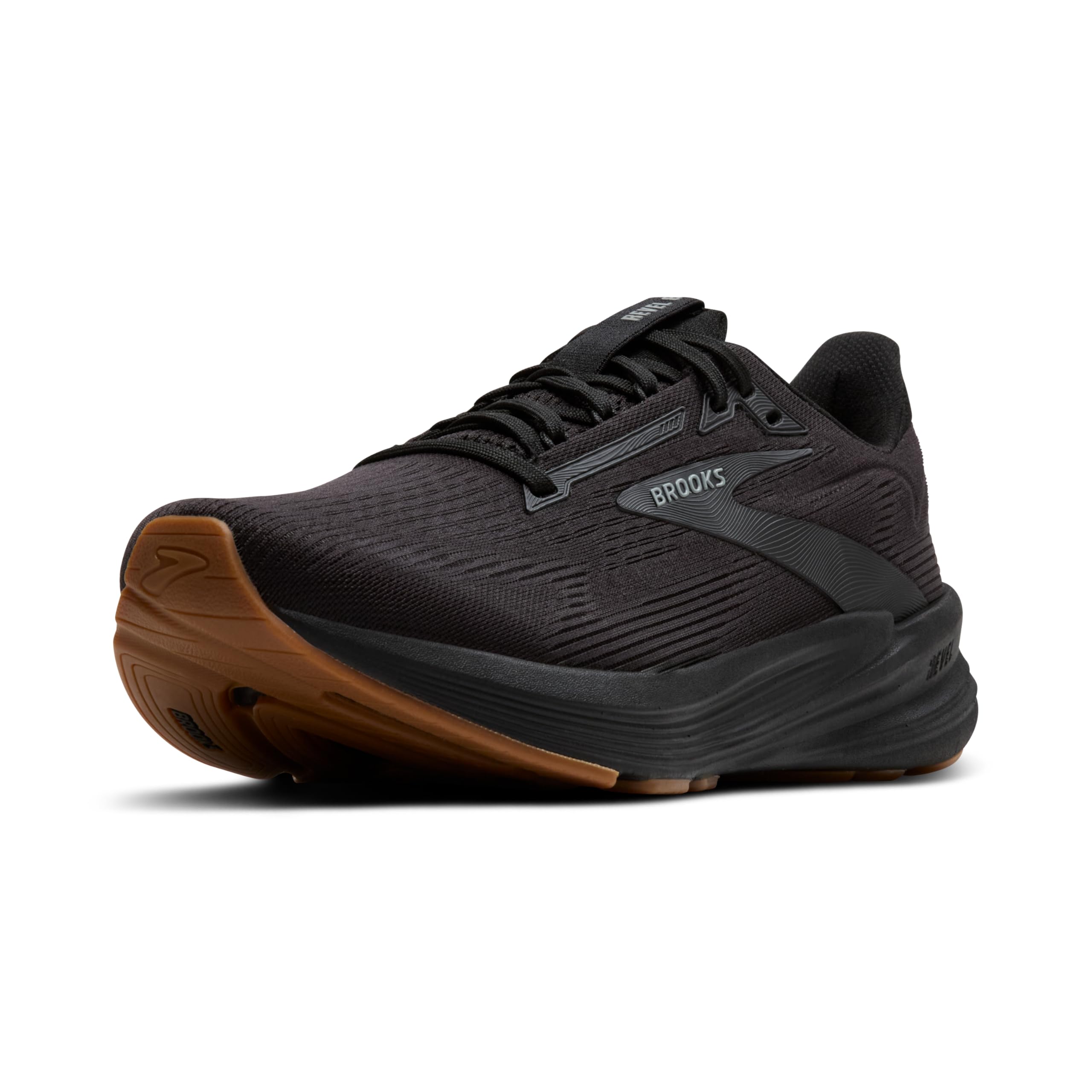
At 8.7 ounces (roughly 246 grams) per shoe, the Revel 8 is the lightest standard-cushion shoe on this list — nearly 2 ounces lighter per foot than a typical max-cushion trainer. For a runner logging daily miles on concrete, that weight savings adds up to significantly less energy spent just lifting your feet off the pavement. The 8mm heel drop (the ramp from heel to toe) sits right in the middle: enough foam under the heel for a comfortable heel-strike landing, but low enough to allow a natural transition to midfoot when you pick up the pace.
One reviewer who works as a soccer referee put 274 miles on the Revel 8 in three months, reporting that the shoe fixed the “bloody toenails and aching feet” he got from trail runners on hard ground. He describes the feel as “running on air” during conditioning runs, and notes it feels less clunky than Hoka alternatives. For its mid-range price tier, the Revel 8 delivers a neutral, responsive ride that handles everything from casual walks to 10K training runs.
The downside is that the cushioning is standard, not maximum — if you are over 200 pounds or prone to joint pain on long runs, you may want more foam underfoot than the Revel 8 offers. For a balanced, lightweight everyday pavement shoe, it is a strong value proposition.
The upsides
- Only 8.7 ounces per shoe reduces fatigue over long distances
- 8mm drop provides a versatile neutral platform for heel and midfoot strikers
- Owners mention it resolved foot pain from harder trail-running shoes
Keep in mind
- Standard cushioning level may not be enough for heavier runners on long concrete runs
- Some buyers recommend ordering a full size larger than usual
5. ANTA PG7

At this lower price, you get a “budget max-cushioned trainer” — one reviewer clocked 70 miles on them and reported the PG7 foam is “bouncy” and firms up at faster paces for extra joint protection. The midsole uses an adaptive molecular structure: micro-particles stay evenly distributed at rest, then interlock under pressure for a dynamic rebound. That translates to a surprisingly springy feel for a shoe at this tier, making it viable for easy 5K to 10K runs, half-marathon training, or all-day standing on concrete.
What you give up is water resistance (customers note it is not water-repellent) and the refined upper materials you get on premium models. Some runners found the heel felt a bit “sink” during walking and the shoe encouraged a slight forward lean at leisurely paces. But for running, the same reviewer says the PG7 provides “phenomenal propulsion” and responsive cushioning. The wide toe box and breathable mesh accommodate wide feet and high arches without pinching.
This is the exact shoe for a budget-conscious runner who wants max-cushion protection on pavement without paying Brooks or ASICS prices. If most of your running is on concrete and you are cost-sensitive, the ANTA PG7 gets you 90 percent of the cushioning experience at a fraction of the cost.
Why we’d pick it
- PG7 adaptive foam provides bouncy, joint-protective cushioning
- Wide toe box and breathable upper fit wider feet comfortably
- Excellent slip resistance on wet pavement surfaces
A few caveats
- Not water-repellent; mesh absorbs moisture in rain
- Heel feel can feel unstable during casual walking
6. Under Armour Charged+ Assert 11
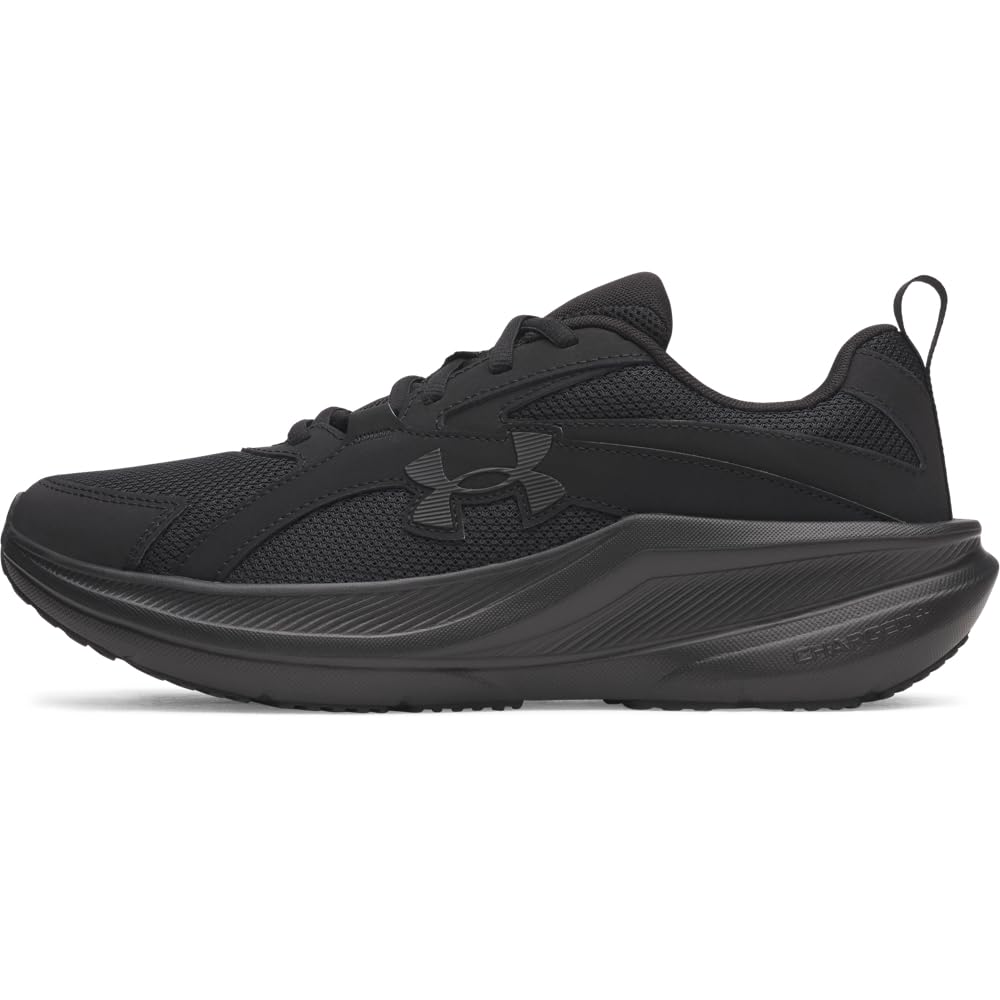
If you wear a size 12 4E (extra-wide) and have struggled to find pavement shoes that do not squeeze your feet, this is the pick that stands apart. One verified buyer with that exact sizing reports that Under Armour’s Charged+ Assert 11 “outperformed Skechers, New Balance, HOKA in comfort” and even “helped relieve osteoarthritic knee pain during long walks on varied terrain.” The Charged+ midsole cushioning is designed for all-day softness — it is not the bounciest foam on this list, but it provides consistent, even compression that suits heavier runners and walkers well.
At 10.2 ounces per shoe, it is heavier than the Brooks Revel 8, but the trade-off is a robust build with a durable rubber outsole and strategically placed flex grooves that allow a smooth toe-off. The upper blends athletic mesh with durable leather overlays for midfoot support, giving it a professional look that one reviewer noted “passed uniform inspection.” The shoe is also made with at least 30 percent recycled content in the upper, so sustainability-conscious buyers get a small environmental win.
The honest limit: the toe box is on the narrower side for a shoe marketed as wide, and one reviewer with hallux rigidus found the fit unsuitable for their condition. It is also a neutral shoe, so if you overpronate (your foot rolls inward), you will need additional stability support. But for a budget-priced wide-fitting shoe with genuine joint-pain relief reported by multiple buyers, it holds its own against the field.
Strong points
- Available in 4E extra-wide sizing; outperforms other brands in comfort for wide feet
- Charged+ cushioning relieves knee pain, per multiple buyer reports
- Durable outsole with flex grooves for smooth transitions
Before you buy
- Toe box is not as roomy as some extra-wide competitors
- Heavier than other shoes in its price tier at 10.2 ounces
7. Nike Quest 6

The Nike Quest 6 competes directly with the Under Armour Charged+ Assert 11 on price and everyday versatility. Where the Under Armour edges ahead for wide-footed buyers, the Quest 6 wins on weight and a more secure lockdown fit. It features an increased midsole height that delivers a softer, more responsive ride than previous Quest versions, plus a midfoot band that tightens as you cinch the laces — keeping your foot locked in place without choking the top of your foot. Reviewers point out it fits “perfect, with half an inch of space for my toes” in a size 9.5.
For all-day use on concrete, this is the quiet workhorse. One dental office worker who stands all day reports “excellent shock absorption and support” with no foot or ankle soreness, noting the Quest 6 “noticeably reduces fatigue.” The outsole features aggressive traction patterns that keep your foot planted on dry pavement, and the all-black colorway earns compliments for looking professional enough for workplace environments.
The honest trade-off: the Quest 6 runs slightly narrow — buyers between sizes should go up half a size. It also lacks the wide-sizing options that the Under Armour Charged+ Assert 11 offers. But if you have normal-width feet and want a reliable, lightweight daily trainer that can double as a casual wear shoe, the Quest 6 delivers solid value for a familiar brand at a reasonable price.
What we like
- Midfoot band provides a secure, lockdown fit without pressure points
- Increased midsole height offers softer cushioning for all-day standing
- Aggressive outsole traction grips pavement reliably
The downsides
- Runs slightly narrow; size up half if between sizes
- Limited wide-size availability compared to the Under Armour Assert 11
Understanding the Specs
Midsole Foam Types
The material inside the sole that absorbs impact and returns energy matters most on concrete. EVA (ethylene-vinyl acetate) is the standard budget foam — it softens impact but packs down over hundreds of miles. Supercritical foams (like ASICS’ FF BLAST TURBO or ALTRA’s EGO MAX) use gas-infused cells that stay springy longer, meaning the shoe still feels bouncy at mile 400 the way it did at mile 10. Other special foams (like ANTA’s PG7 or Under Armour’s Charged+) use molecular structures that stiffen under faster paces for better energy return but remain soft during easy jogging.
Heel-to-Toe Drop (Offset)
Measured in millimeters, this is the height difference between the heel and the forefoot of the shoe. A 10mm or 12mm drop places more foam under the heel and is traditional for runners who land heel-first (the majority of casual runners). A 4mm to 6mm drop is lower, encouraging a more natural midfoot strike that reduces the braking force on impact. A 0mm drop (zero-drop) puts your foot flat like running barefoot on grass but requires a gradual transition over two to three weeks to avoid calf and Achilles strain.
FAQ
How many miles should a concrete running shoe last before I replace it?
Should I buy a neutral or stability shoe for running on concrete?
Is a higher stack height (more foam) always better for concrete?
Can I use concrete running shoes for walking or standing all day?
Final Thoughts: The Verdict
For most people looking for the best concrete running shoes, the all-round winner is the ASICS SUPERBLAST 2 because it combines racing-grade foam bounce with enough cushioning to keep your joints happy on long pavement miles. If your priority is maximum shock absorption for existing knee pain, grab the ASICS Gel-Cumulus 27 for its PureGEL impact insert. And for runners who want a natural, zero-drop ride with a toe box that lets your toes spread out, the standout is the ALTRA Torin 7.

Mo Maruf
I created WellFizz to bridge the gap between vague wellness advice and actionable solutions. My mission is simple: to decode the research and give you practical tools you can actually use.
Beyond the data, I am a passionate traveler. I believe that stepping away from the screen to explore new environments is essential for mental clarity and physical vitality.