Our readers keep the lights on and my smoothie glass nicely filled. As an Amazon Associate, I earn from qualifying purchases.
A Blue Nose Pitbull’s blocky head, deep chest, and muscular frame demand more than generic kibble — they need a diet that fuels lean muscle, strengthens joints, and manages a notoriously sensitive digestive system. Getting that balance wrong leads to loose stools, dull coats, and a dog that lacks the explosive energy the breed is known for.
I’m Mohammad Maruf — the founder and writer behind WellFizz. My research into canine nutrition for athletic breeds focuses on breaking down crude protein percentages, fat-to-fiber ratios, and calorie density to match the specific metabolic needs of a Blue Nose Pitbull.
This guide evaluates five dry kibble formulas built for high drive, high energy, and high performance to help you find the absolute best dog food for blue nose pitbull based on ingredient quality, muscle support, and digestive tolerance.
How To Choose The Best Dog Food For Blue Nose Pitbull
Blue Nose Pitbulls carry a distinct genetic line that often comes with food sensitivities, skin allergies, and a high metabolic rate. Choosing the wrong formula can trigger ear infections, dull fur, and digestive upset. Focus on these five factors to match the kibble to the dog.
Protein Percentage and Source Identity
Look for a minimum of 28% crude protein, ideally from a named animal source like chicken, beef, or fish. The first ingredient matters most — “chicken meal” or “beef meal” provides more concentrated protein than fresh meat because water weight has been removed. Avoid generic labels like “meat meal” or “animal digest” which can hide low-quality renderings.
Calorie Density for Muscle and Energy
Working and athletic pitbulls burn through calories faster than couch-potato breeds. A food delivering over 380 kcal per cup helps maintain muscle mass without requiring massive portions. For underweight dogs or puppies, formulas hitting 600 kcal per cup provide efficient weight gain. Balance calorie density with your dog’s daily activity level to avoid obesity in less active adults.
Joint Support Additives
The Blue Nose’s stocky, front-heavy posture puts extra strain on shoulders and hips. Reliable formulas include glucosamine hydrochloride and chondroitin sulfate in measurable amounts — at least 400 mg/kg of glucosamine for noticeable benefit. Omega‑3 fatty acids from fish oil or flaxseed also reduce inflammation and support cartilage health over the long term.
Digestive Tolerance and Stool Quality
Many bully breeds react poorly to corn, wheat, soy, and artificial preservatives. Opt for grain-inclusive formulas only if the grains are whole and easily digestible — brown rice and oatmeal are generally safe. A prebiotic fiber blend or probiotic supplementation (like dried Bacillus subtilis fermentation product) helps maintain firm stools and reduces gas, a common complaint in this breed.
Life Stage Appropriateness
Puppy Blue Noses need a formula with controlled calcium and phosphorus levels to support steady bone growth without risking developmental orthopedic disease. Adult maintenance requires a different protein-to-fat balance than all-life-stages foods. All-stage formulas work well for multi-dog households but may over-supply fat to a senior dog with reduced activity.
Quick Comparison
On smaller screens, swipe sideways to see the full table.
| Model | Category | Best For | Key Spec | Amazon |
|---|---|---|---|---|
| Bully Max Pro 2X | High-Calorie | Weight gain & muscle building | 600 kcal/cup, 31% protein | Amazon |
| VICTOR Super Premium | Veterinary Diet | High-energy & endurance | VPRO Blend, gluten free | Amazon |
| Purina Pro Plan Sport | Large Breed Puppy | Large breed puppy development | 30/18 formula, DHA | Amazon |
| VICTOR Bully Fuel | Bully Breed | Bully breed muscle support | Real beef #1, glucosamine | Amazon |
| Diamond Performance 30/20 | Value/All Stages | Active dogs on a budget | 30% protein, probiotics | Amazon |
In‑Depth Reviews
1. Bully Max Pro 2X High Calorie & High Protein Dry Dog Food
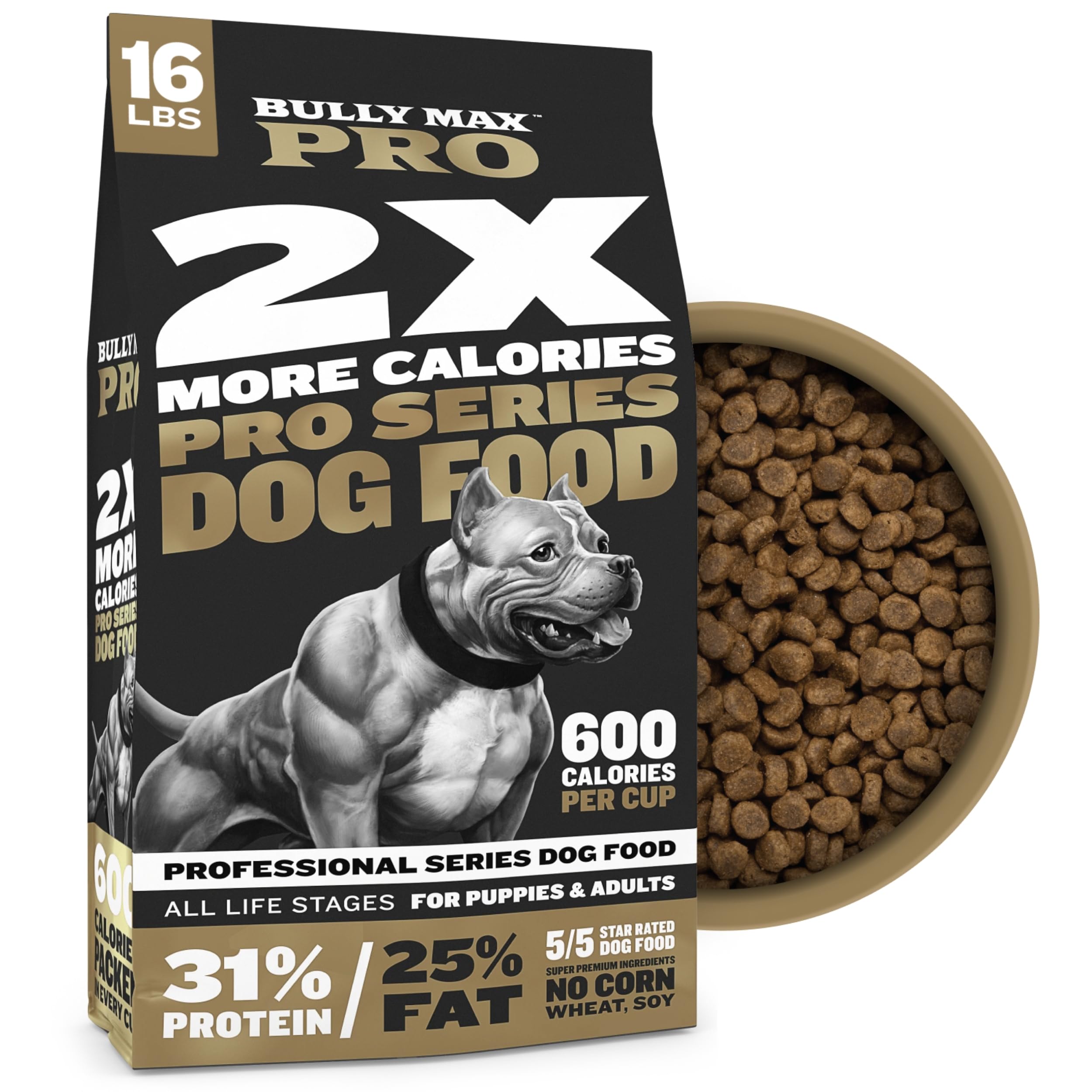
With 600 calories per cup, Bully Max Pro 2X sits in a calorie-density tier that few competitors reach. The 31% protein and 25% fat profile is engineered for rapid muscle building and healthy weight gain — exactly what a lean or underweight Blue Nose Pitbull needs to fill out its chest and rear. Real chicken appears as the primary protein source, and the formula skips corn, wheat, soy, and artificial colors to reduce allergy triggers that cause hot spots and ear infections in sensitive bully lines.
The slow-cooking process is designed to improve digestibility, which directly addresses the loose-stool complaints common with other high-fat foods. Owners of picky eaters report that even dogs who turn their nose up at other brands will finish a bowl of this kibble without toppers. A single 16 lb bag stretches farther than standard 30/20 blends because you feed up to 60% less volume per meal to hit the same calorie target.
Heart-healthy flaxseed supplies omega‑3 fatty acids that coat the skin barrier and add sheen to the coat within three to four weeks. The manufacturer also maintains a zero-recall history, a significant trust signal when feeding a breed that often reacts poorly to ingredient switches. This is the top formula for owners whose primary goal is visible muscle mass and steady weight gains.
Why it’s great
- Highest calorie density on this list — 600 kcal per cup
- Corn, wheat, soy and artificial preservative free
- Suitable from 4 weeks of age through adulthood
Good to know
- Premium price point — 16 lb bag is smaller than bulk options
- High fat may require gradual transition for sensitive stomachs
2. VICTOR Super Premium High Energy Dry Dog Food

VICTOR’s Super Premium High Energy formula is built for sustained athletic output — think farm dogs, K9 units, and hunting breeds that run miles daily. For a Blue Nose Pitbull with relentless energy reserves, the high-protein multi-source blend of beef and chicken meals delivers a steady amino acid stream that supports muscle repair without the fat crash that cheaper offerings cause. The 40 lb bag size keeps per-pound cost manageable for multi-dog households or owners who feed heavy portions.
The proprietary VPRO Blend includes a mix of probiotics, prebiotics, and antioxidants that help stabilize digestion in dogs prone to loose stools. Customer reports note that dogs with environmental allergies and chronic paw licking saw noticeable improvement after switching from grocery-store brands. The kibble size fits medium-to-large mouths well and has a darker color than typical kibble, indicating a higher meat meal concentration.
Because this formula is designed for all life stages, it works for a Blue Nose puppy transitioning to adult food as well as a fully mature working dog. The gluten-free claim is relevant for owners whose pitbulls show grain sensitivity without needing a completely grain-free diet. It is a balanced middle ground between extreme calorie density and everyday maintenance feeding.
Why it’s great
- Large 40 lb bag provides strong value
- VPRO Blend supports digestive health and immunity
- Used by professional K9 and military units
Good to know
- Not as calorie-dense as specialized bully formulas; may need larger portions
- Some dogs with extreme sensitivities may still react to multi-protein sources
3. Purina Pro Plan Sport Development Large Breed 30/18 Puppy Formula
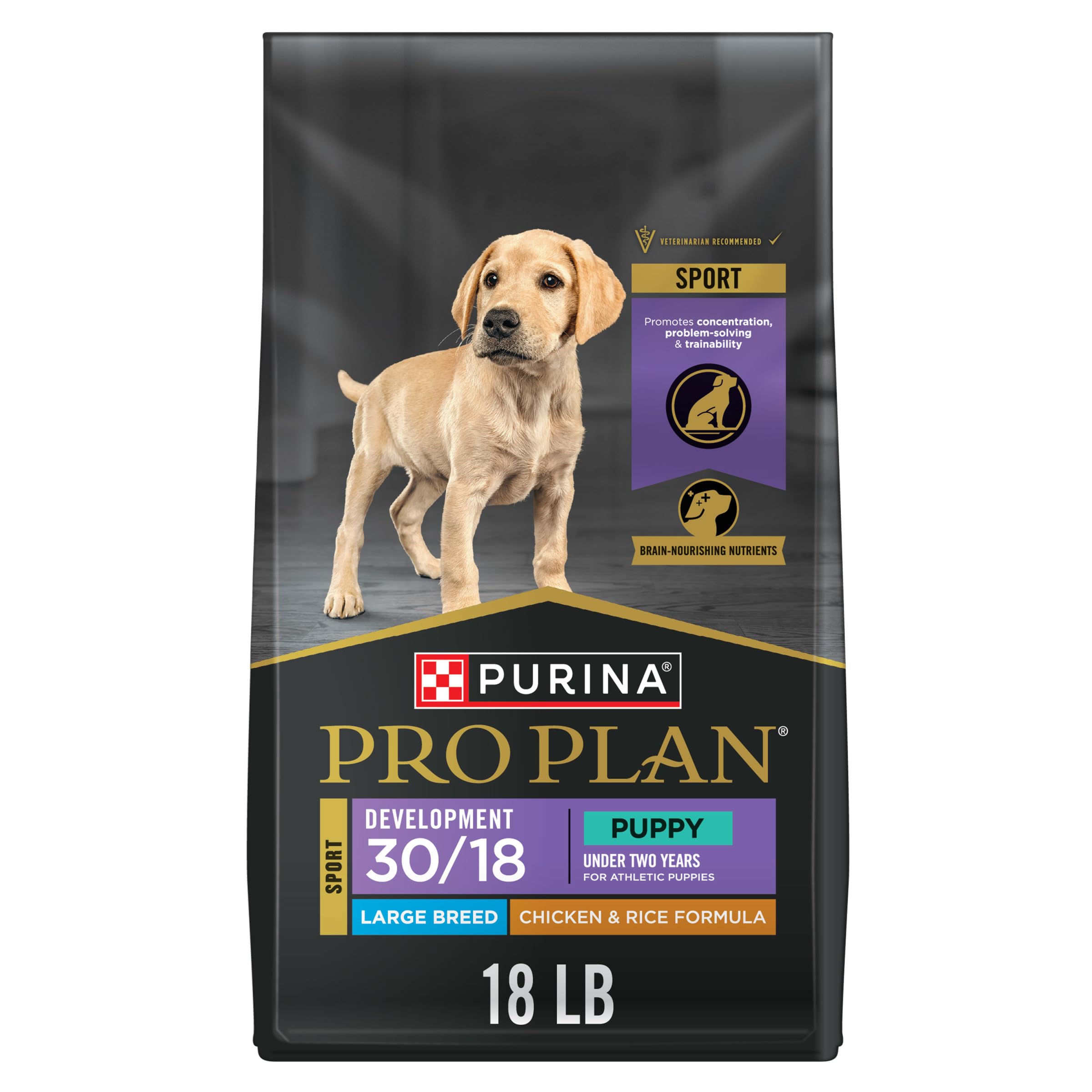
Blue Nose Pitbull puppies grow quickly, and getting the calcium-phosphorus balance right during the first year prevents hip dysplasia and carpal deformities. Purina Pro Plan Sport Development Large Breed formula uses 30% protein and 18% fat to fuel steady growth without promoting excessive speed that stresses developing joints. Real chicken is the number one ingredient, and DHA from fish oil supports cognitive development during the critical training window between 8 and 16 weeks.
Glucosamine and chondroitin are included at meaningful levels to support cartilage health in a breed that begins putting body weight on joints early. The kibble size is appropriate for a large breed puppy’s mouth — not too tiny to encourage gulping and not too large for a 12-week-old to manage. Owners of Great Dane puppies and German Shepherd mixes report good stool consistency and no gas issues when introducing this food gradually over a week-long transition.
While the 18 lb bag is smaller than bulk adult options, the formula is specifically calibrated for puppies under 24 months. After that, you would need to switch to an adult maintenance recipe or an all-life-stages food. For owners raising a Blue Nose puppy from weaning to maturity, this food’s track record and nutrient timing make it the safest starting point on the list.
Why it’s great
- Formulated for large breed puppies with controlled calcium levels
- DHA supports trainability and problem-solving
- Consistent stool quality reported across breed types
Good to know
- Not as calorie-dense as bully-specific puppy foods
- May need to switch to adult formula after 18–24 months
4. VICTOR Bully Fuel Dry Dog Food
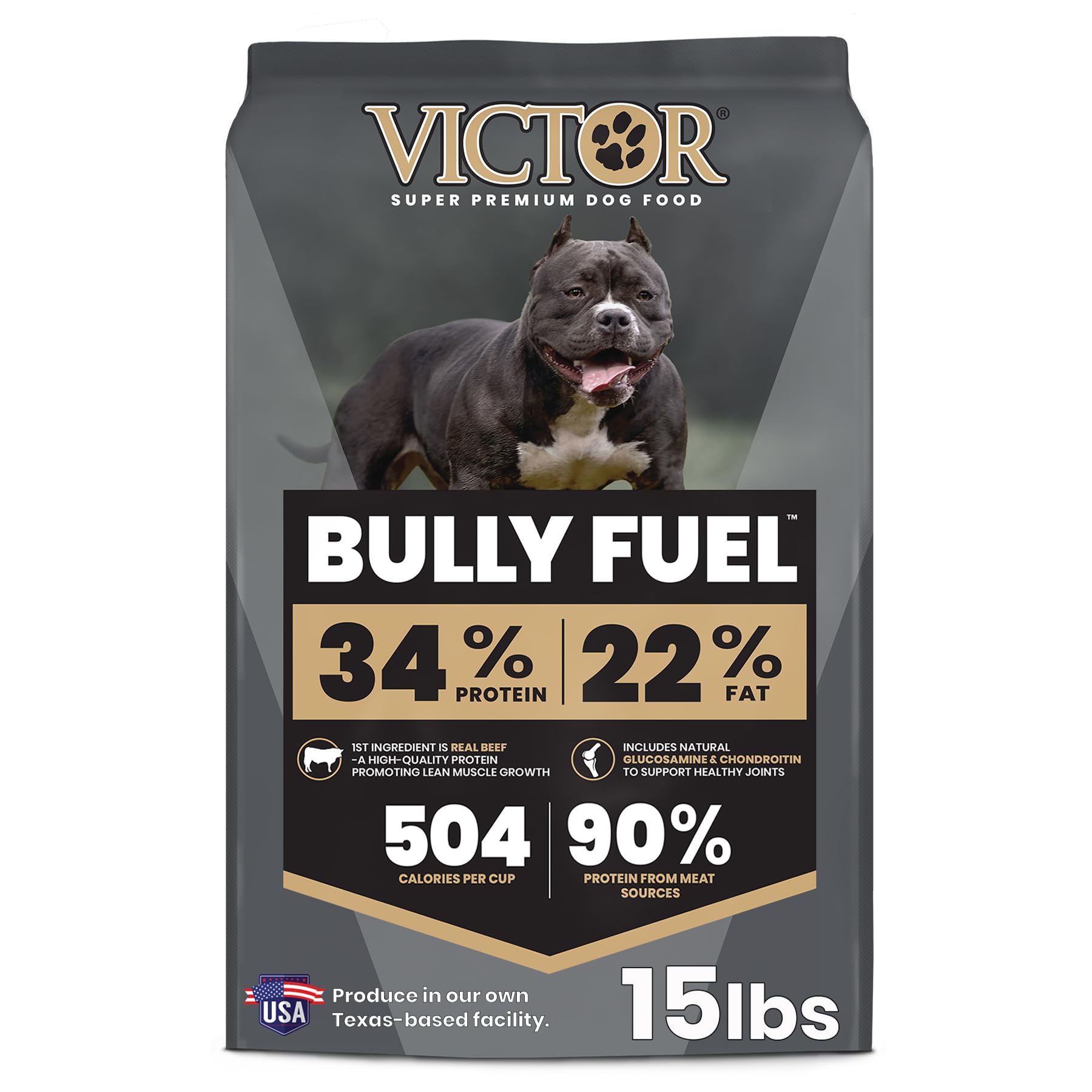
VICTOR named this formula “Bully Fuel” for a reason — it is designed specifically for bully breed lines like the American Pit Bull Terrier and its Blue Nose variant. Real beef is the first ingredient, providing a dense amino acid profile that supports the broad shoulders and thick neck musculature that defines the breed. The high-calorie formula delivers sufficient energy for dogs that train, run, or work daily, while the moderate fat content avoids the greasy stool issues that sometimes come with ultra-high-fat diets.
Joint health gets particular attention here with natural glucosamine and chondroitin added at levels that veterinarians recommend for stocky, heavy-chested dogs. Omega‑3 and omega‑6 fatty acids from flaxseed and fish sources help manage the skin sensitivity that Blue Nose lines commonly exhibit — flaky skin, itching, and dull coat often clear up within two feeding cycles. The kibble size is on the smaller side, which owners of picky eaters appreciate because it mixes well with wet food or toppers.
Customer feedback highlights rapid improvement in coat condition and overall vitality within the first bag. The 15 lb bag is a smaller format suitable for trial runs or single-dog homes that want to rotate proteins without committing to a 40 lb sack. If you are looking for a formula that targets bully breed physiology without extreme calorie overload, this is the most focused option available.
Why it’s great
- First ingredient is real beef for lean muscle growth
- Glucosamine and chondroitin for joint protection
- Omega‑3 and 6 fatty acids improve coat and skin health
Good to know
- Higher price per pound compared to bulk adult formulas
- Not suitable for low-activity dogs due to calorie density
5. Diamond Performance All Life Stages 30/20 High Protein Formula
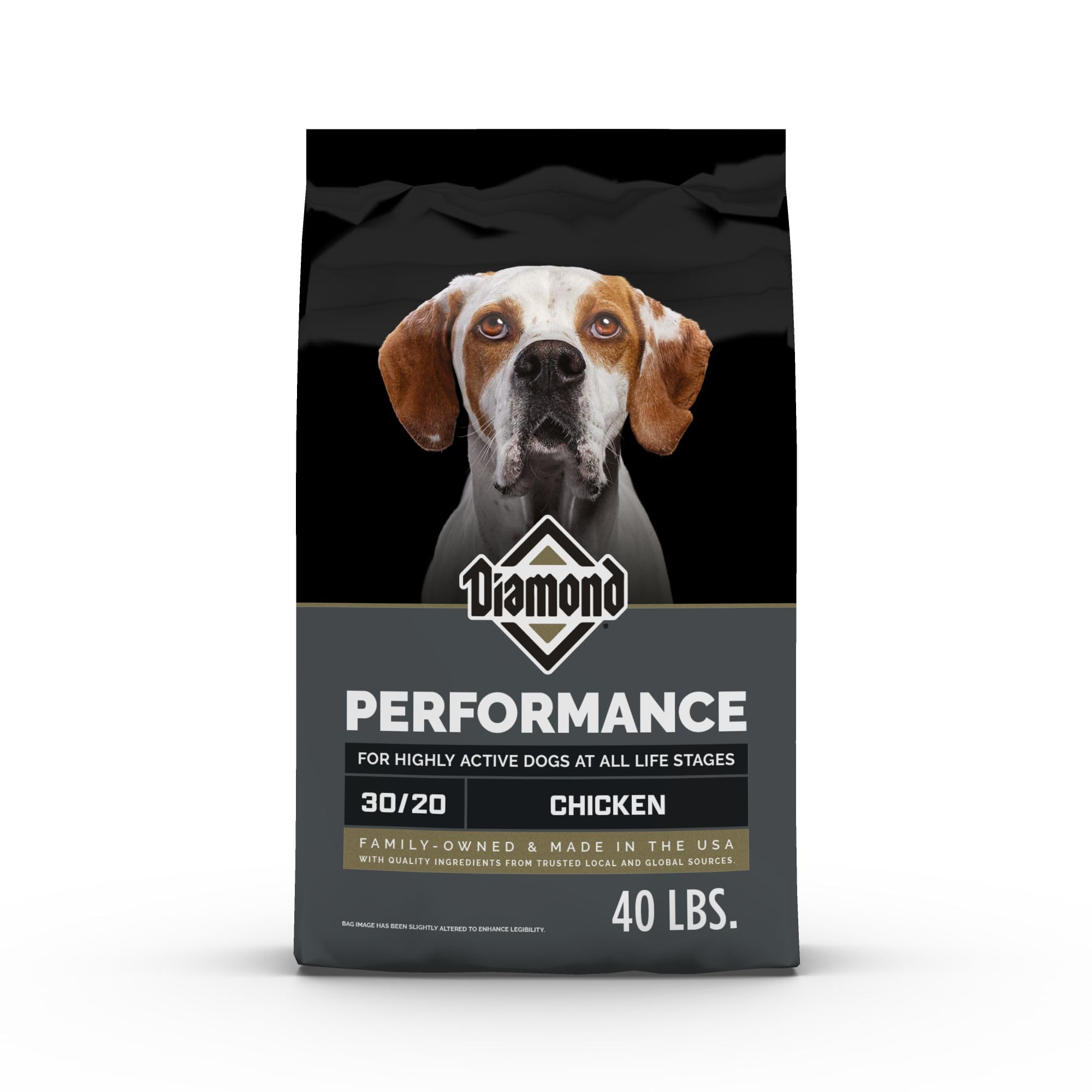
Diamond Performance 30/20 delivers the same 30% protein benchmark as premium formulas but at a significantly lower cost per pound, making it the most accessible option for owners feeding multiple large-breed dogs or managing a tight monthly pet budget. Real chicken is listed first, and 83% of the protein comes from animal sources — a transparency standard that budget-focused brands rarely meet. The 40 lb bag size aligns with the consumption rate of an adult Blue Nose Pitbull, reducing the frequency of repurchases.
This formula is supplemented with a science-backed probiotic blend that supports digestive health, which is important for a breed that can develop gas and loose stools on lower-quality kibble. Glucosamine is included to support joint mobility, though the measured amount is lower than what specialized joint formulas provide. For an active pitbull that does not have extreme sensitivities, this food maintains body condition and coat quality without the premium markup.
Some owners of dogs with very sensitive stomachs — particularly greyhounds and sighthounds — have reported bloating and diarrhea after switching, so a gradual seven-day transition is essential. The kibble size is medium, suitable for most adult pitbull mouths. For owners who prioritize raw animal protein percentages and guaranteed nutrient levels over boutique branding, Diamond Performance offers the strongest cost-to-quality ratio in this comparison.
Why it’s great
- Lowest cost per pound among reviewed formulas
- 83% of protein from animal sources
- PROBIOTIC blend supports healthy digestion
Good to know
- May cause gas or loose stools in extremely sensitive dogs
- Lower glucosamine content than joint-focused bully formulas
FAQ
How much protein does a Blue Nose Pitbull need daily?
Is grain-free food better for bully breeds?
Why is my Blue Nose Pitbull having loose stool on high-protein food?
Should I feed my Blue Nose Pitbull puppy a large breed formula?
Final Thoughts: The Verdict
For most owners, the best dog food for blue nose pitbull is the Bully Max Pro 2X because its 600 kcal per cup and 31% protein formula directly support the breed’s muscle-building needs while avoiding common allergens. If you want a budget-friendly option that still delivers 30% animal-based protein, grab the Diamond Performance 30/20. And for owners raising a Blue Nose puppy, nothing beats the Purina Pro Plan Sport Development for balanced calcium and DHA support during growth.

Mo Maruf
I created WellFizz to bridge the gap between vague wellness advice and actionable solutions. My mission is simple: to decode the research and give you practical tools you can actually use.
Beyond the data, I am a passionate traveler. I believe that stepping away from the screen to explore new environments is essential for mental clarity and physical vitality.