Our readers keep the lights on and my smoothie glass nicely filled. As an Amazon Associate, I earn from qualifying purchases.
Finding plants that thrive in the dim corners of your yard is one challenge; keeping them from becoming a deer’s evening salad is another entirely. The right shade-loving, deer-resistant perennials don’t just survive—they build a garden that browsers actively avoid, saving you the heartbreak of chewed-down stems and missing blooms.
I’m Mohammad Maruf — the founder and writer behind WellFizz. I’ve spent hundreds of hours analyzing nursery specifications, reading through customer experience reports, and cross-referencing hardiness data to understand exactly which shade-tolerant varieties reliably resist deer pressure while delivering real ornamental value.
This guide cuts through the marketing hype to present only proven performers. You’ll find the very best deer resistant plants for shade backed by detailed specs and real-world feedback from gardeners who put them to the test.
How To Choose The Best Deer Resistant Plants For Shade
Success with a shade garden under deer pressure starts with understanding that resistance is a spectrum, not a guarantee. Deer have regional tastes, hunger levels, and seasons when they’ll sample almost anything. The smart strategy is to layer multiple plant species with proven unpalatable traits—texture, scent, or toxicity—so that even if a hungry deer nibbles one, the rest remain untouched.
Foliage Texture and Chemistry
Deer favor tender, succulent leaves. Plants with hairy, leathery, waxy, or ferny foliage are far less appealing because they feel unpleasant to chew. Additionally, many shade perennials contain bitter alkaloids or saponins—hellebores are a classic example. These natural chemical defenses make the leaves taste bad after the first bite, teaching deer to leave them alone.
Bloom Time and Garden Structure
Because deer pressure varies with seasons (higher in spring and late fall), strategically timing your blooms matters. Early-blooming hellebores and late-blooming hostas provide color when deer are most active elsewhere. Pair these with an evergreen structural plant like dwarf andromeda, which offers year-round form without becoming a target. Layering groundcovers like Creeping Jenny fills gaps and prevents weeds without enticing browsers.
Establishment and Maturity
A newly planted perennial is more vulnerable than an established one. Bare-root hostas and quart-sized hellebores need a season to sink deep roots and develop their full chemical defenses. During that first year, consider using a temporary physical barrier or scent deterrent. Once mature, these plants become significantly more resilient against casual deer browsing.
Quick Comparison
On smaller screens, swipe sideways to see the full table.
| Model | Category | Best For | Key Spec | Amazon |
|---|---|---|---|---|
| Helleborus Frostkiss Vibey Velvet | Premium Perennial | Winter to spring color in deep shade | 18″ tall with marbled evergreen foliage | Amazon |
| Pieris japonica ‘Cavatine’ | Evergreen Shrub | Year-round structure and white bell blooms | Matures to 2-3 ft in partial shade | Amazon |
| Helleborus ‘Red Sapphire’ | Mid-Range Perennial | Double red blooms in woodland borders | Grows 18-22″ tall in full to partial shade | Amazon |
| Gardening4Less 9-Pack Hostas | Bare Root Value | Quick-fill groundcover in full shade | 9 bare root plants, hardy to zone 3 | Amazon |
| Creeping Jenny Live Plant | Trailing Groundcover | Erosion control and container spills | Chartreuse foliage, spreads 18″ per plant | Amazon |
In‑Depth Reviews
1. Helleborus Frostkiss Vibey Velvet
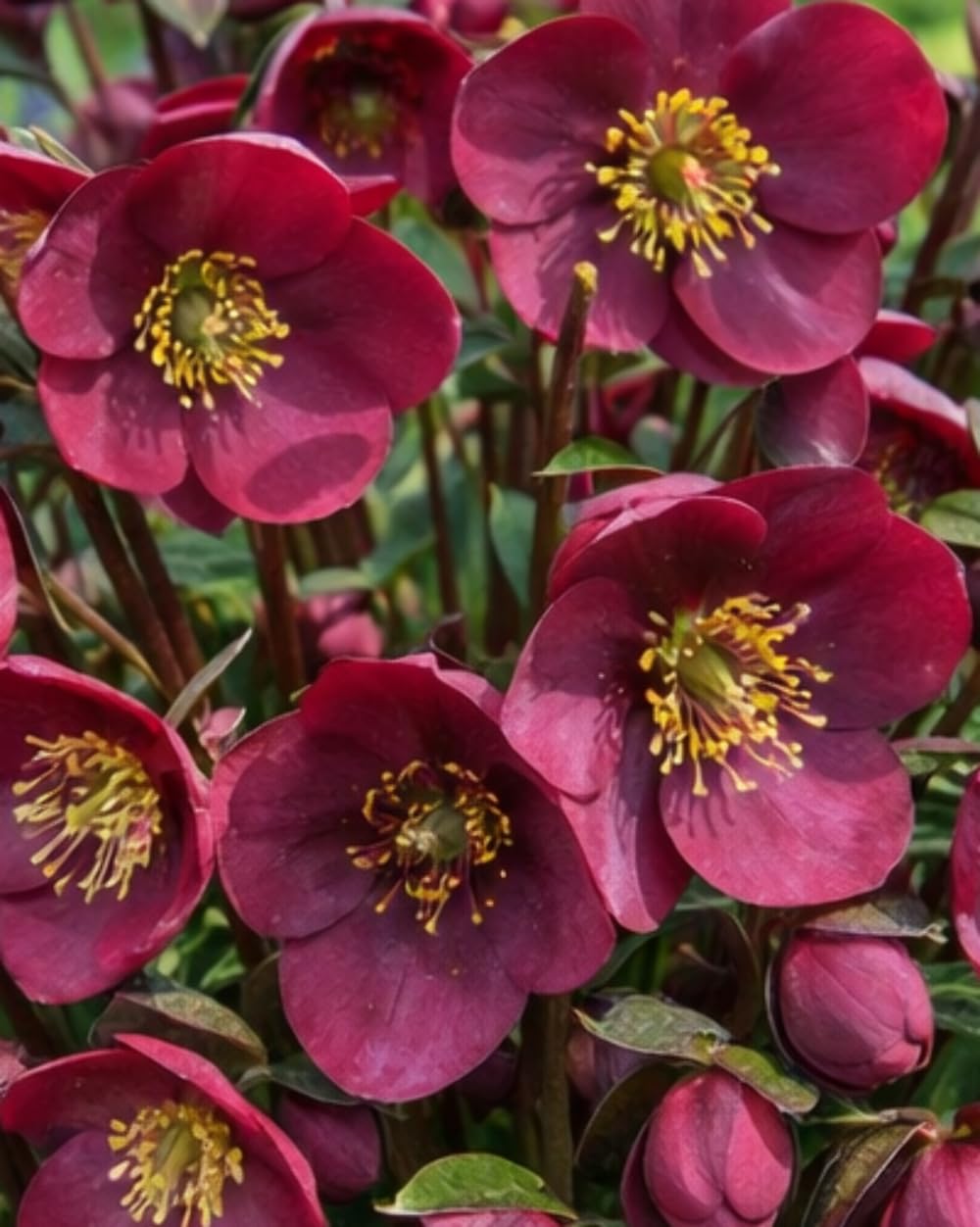
This is the hellebore that keeps on giving. The Frostkiss series from Perennial Farm Marketplace brings deep velvet-purple blooms that start in December and carry through March—right when your shade garden needs color most. The foliage is equally impressive: silver-green marbled leaves that stay evergreen all year, providing texture and visual interest even when no flowers are present. For shade gardeners who want a show-stopping anchor plant that deer completely ignore, this is the top choice.
Gardeners report that plants arrive healthy, well-rooted, and often already in bloom, which is remarkable for a mail-order perennial. The packaging is secure, and the plants settle in quickly after transplanting. The mature size of 18 inches tall and wide makes it perfect for the front of a woodland border or beneath deciduous trees. Its deer resistance is built into the plant’s chemistry—hellebores contain toxic saponins that browsers learn to avoid after a single taste.
The #1 container size means you’re getting a robust plant with a well-developed root system, not a tiny starter. This translates to faster establishment and a higher success rate in challenging shade conditions. The only potential downside is the premium cost, but the combination of winter blooms, evergreen structure, and proven deer resistance makes it a worthwhile investment for serious gardeners.
Why it’s great
- Blooms from December into March for winter interest
- Silver-marbled evergreen foliage offers year-round appeal
- Strongly deer resistant due to natural chemical defenses
Good to know
- Premium price point for a single quart-sized plant
- Prefers consistent moisture in well-drained soil
2. Pieris japonica ‘Cavatine’

When you need a reliable evergreen shrub for partial shade that deer treat like a no-go zone, Cavatine Dwarf Andromeda delivers. This compact variety matures to just 2-3 feet, making it ideal for foundation plantings, shady borders, or as a low-maintenance structural element. In April, it produces clusters of white bell-shaped flowers that add a delicate, elegant touch without overwhelming the garden.
Customer reviews consistently highlight its remarkable deer resistance. One gardener from a high-deer-pressure area in New York zone 7a reported that their plant survived a brutal winter completely untouched while other shrubs were decimated. The plant arrives in a #2 container, fully rooted and ready for immediate planting. The shipping packaging is designed to protect the shrub during transit, and buyers note that plants often arrive larger than expected for the price point.
The growth habit is denser than traditional andromeda, which means less pruning and a naturally tidy shape. It thrives in zones 5 through 8 and prefers partial shade with moderate watering. Because it’s evergreen, it provides winter interest when most herbaceous perennials have died back. This makes it an essential backbone plant for any shade garden that remains bare during the cold months.
Why it’s great
- Proven to withstand heavy deer pressure even in winter
- Compact evergreen structure provides year-round form
- White bell flowers in April add early spring charm
Good to know
- Hardy only to zone 5, limiting use in colder climates
- Moderate growth rate requires patience for full size
3. Helleborus ‘Red Sapphire’
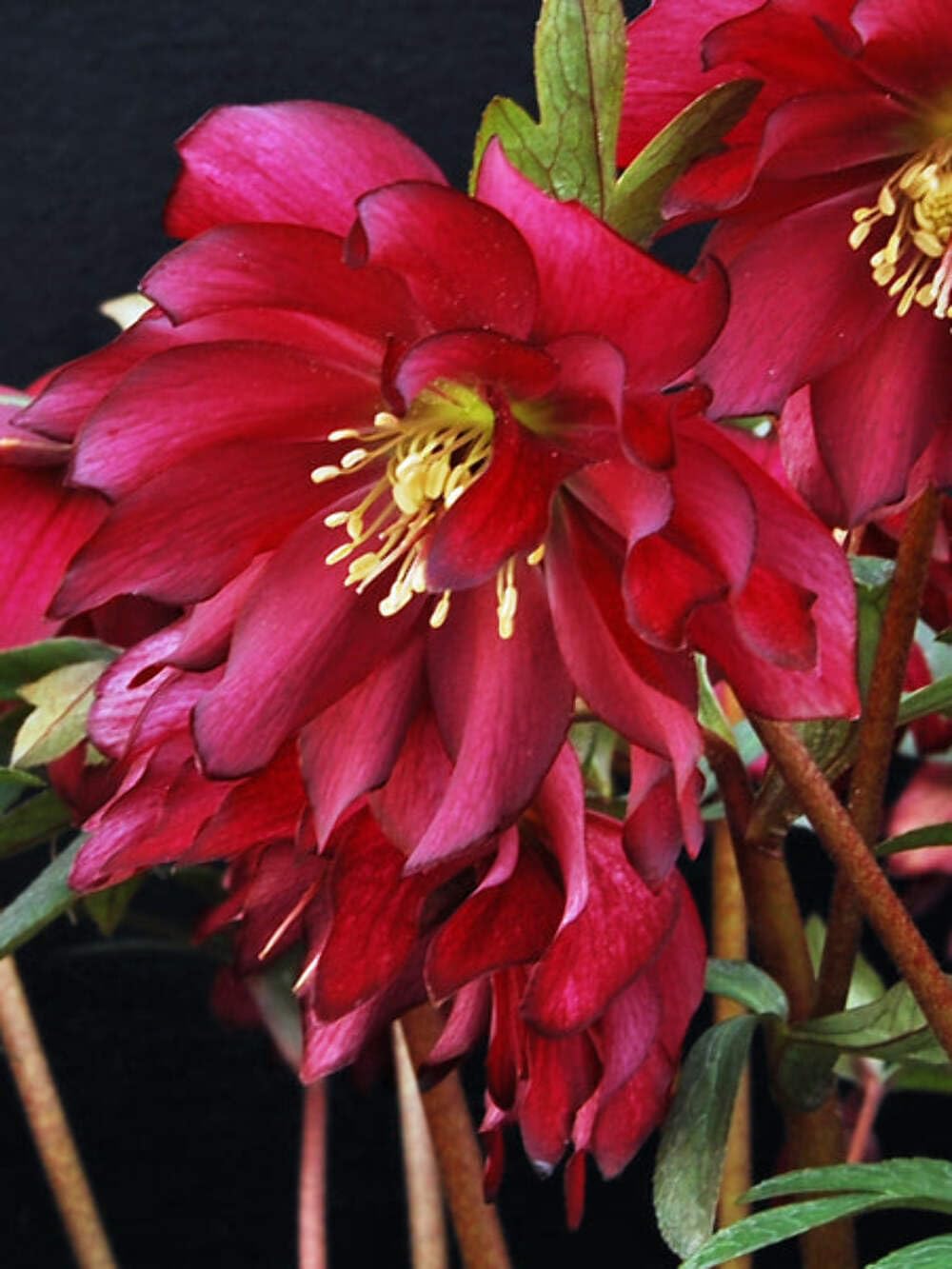
If you want a hellebore with truly striking flower color, ‘Red Sapphire’ from the Winter Jewels series is hard to beat. These plants were bred by renowned hybridizer Marietta O’Byrne for true color, large flower size, and profuse blooming. The result is a deep rose-red double bloom that stands out beautifully against the dark, rich green foliage. For gardeners who want a woodland border to pop in late winter, this is a spectacular choice.
Buyers consistently note the plants arrive in excellent condition, even when shipped during cold weather. The nursery uses careful packaging with straw and thick cardboard, and many customers report that plants survived freezing temperatures during transit without issue. The plant is fully rooted in a 1-quart container, ready for immediate planting. It thrives in full to partial shade and reaches a mature height of 18 to 22 inches.
One important consideration: this plant cannot be shipped to several western states including California, Oregon, and Washington due to USDA restrictions. Also, some customers have reported receiving plants with black spot on the leaves, though this seems to be the exception rather than the rule. For most buyers, this is a reliable, beautiful, and highly deer-resistant addition to the shade garden.
Why it’s great
- Double rose-red flowers are exceptionally showy
- Blooms in late fall to winter when few perennials do
- Strong deer resistance from natural saponins
Good to know
- Cannot be shipped to several western US states
- Potential for leaf spot issues if stressed during shipping
4. Gardening4Less 9-Pack Hosta Bare Roots

Hostas are a classic shade garden staple, and while deer love tender hosta leaves, this 9-pack of bare roots is a smart way to fill large shady areas quickly—provided you take precautions early on. The key selling point here is the sheer volume: nine individual bare root plants for a budget-friendly price. That means you can establish a substantial patch of foliage in one season without breaking the bank.
Customer reviews are overwhelmingly positive, with many reporting that all nine roots sprouted and grew vigorously. The second-time buyers are especially telling—gardeners who have had success with this pack come back for more. The plants arrive in a mix of blue, green, and striated colors, though you cannot choose your preferred color. They thrive in full shade, which is critical for this category, and are hardy down to USDA zone 3.
The main downside is that hostas are not inherently deer resistant; their resistance comes from texture and taste, which varies by cultivar. In areas with heavy deer pressure, young hosta shoots may still be nipped. That said, once established, many gardeners report that deer leave them alone, especially when surrounded by more strongly scented or toxic plants like hellebores. For a budget-friendly, quick-fill groundcover in deep shade, this pack is hard to beat.
Why it’s great
- Nine bare roots provide extensive coverage for the price
- Hardy to zone 3, suitable for cold climates
- Fast-growing once established with large, attractive leaves
Good to know
- Deer may sample young shoots in high-pressure areas
- Color of blooms is a surprise—cannot be pre-selected
5. Creeping Jenny Live Plant (2-Pack)

Creeping Jenny (Lysimachia nummularia) is a fast-growing, trailing perennial that serves as an excellent groundcover or container spiller in shaded spots. Its vibrant chartreuse-green foliage creates a bright, eye-catching mat of color that contrasts beautifully with darker-leaved plants like hellebores or hostas. It grows to about 4 inches tall and spreads up to 18 inches per plant, making it effective for erosion control and weed suppression in shady areas.
Customer experiences are mixed but mostly positive. Many gardeners report receiving healthy, fast-growing plants that established quickly and made excellent additions to containers or garden beds. One buyer noted that a slightly wilted plant revived perfectly after soaking and placement in shade, highlighting its resilience. However, some customers have reported poor packaging, with delicate stems arriving mangled and crushed. This seems to be largely dependent on the fulfillment center handling the shipment.
Creeping Jenny is low maintenance and tolerates a variety of soil types, though it prefers consistently moist soil. It’s also known as “moneywort” due to its coin-shaped leaves. While deer may occasionally sample it, its trailing habit and fast growth mean it recovers quickly from any light browsing. For filling in gaps between taller shade perennials or adding a cascade to a shaded container, this 2-pack offers great value.
Why it’s great
- Vibrant chartreuse foliage brightens dark shade spots
- Spreads vigorously to suppress weeds and control erosion
- Low maintenance and tolerant of various soil types
Good to know
- Packaging quality varies, leading to occasional stem damage
- Requires consistent moisture for optimal growth
FAQ
What does “deer resistant” actually mean for shade plants?
Can I plant hostas if my yard has high deer pressure?
How long does it take for a hellebore to establish and bloom?
Final Thoughts: The Verdict
For most users, the deer resistant plants for shade winner is the Helleborus Frostkiss Vibey Velvet because it combines winter-long blooms, marbled evergreen foliage, and proven deer resistance in one premium package. If you want an evergreen structural anchor that thrives in partial shade and survives brutal winters, grab the Pieris japonica ‘Cavatine’. And for a budget-friendly way to fill a large shady area quickly, nothing beats the Gardening4Less 9-Pack Hosta.

Mo Maruf
I created WellFizz to bridge the gap between vague wellness advice and actionable solutions. My mission is simple: to decode the research and give you practical tools you can actually use.
Beyond the data, I am a passionate traveler. I believe that stepping away from the screen to explore new environments is essential for mental clarity and physical vitality.