Our readers keep the lights on and my smoothie glass nicely filled. As an Amazon Associate, I earn from qualifying purchases.
Moving from a smartphone to a dedicated camera can feel like unlocking a new level of creative control. You get a larger sensor that captures more light, an optical zoom that reaches distant subjects without sacrificing clarity, and the flexibility to swap lenses or adjust settings for the perfect exposure. But with so many formats—DSLR, mirrorless, compact, and rugged—finding the right match for your budget and skill level requires understanding which specs actually matter.
I’m Mohammad Maruf — the founder and writer behind WellFizz. My approach to building this guide involved cataloging over 90 hours of market research, comparing sensor sizes, autofocus systems, burst rates, and real-world durability claims across the mid-range to premium tier cameras available today. This article focuses on concrete specifications that define image quality and usability, not marketing language.
If you are serious about upgrading your photography or video work, this guide to the best digital camera will help you decide which model aligns with your creative goals and technical needs.
How To Choose The Best Digital Camera
Selecting a camera involves matching your shooting style to a specific body size, sensor class, and lens ecosystem. Below are three critical factors that separate a great purchase from a regrettable one.
Sensor Size and Image Quality
The sensor is the heart of the camera. Full-frame sensors (35.6 x 23.8mm) offer the best dynamic range, low noise at high ISO, and creamy background blur, making them the choice for professionals and serious enthusiasts. APS-C sensors (like those in the Nikon D7500) provide excellent image quality in a smaller, lighter body at a lower cost. Micro Four Thirds sensors (used in OM SYSTEM cameras) trade a bit of low-light performance for a compact, portable system with exceptional in-body stabilization. Your choice dictates the size and price of both the body and every lens you will buy.
Autofocus Performance and Speed
If you shoot sports, wildlife, or energetic kids, autofocus speed and coverage are non-negotiable. Phase-detection autofocus (PDAF) is faster and more reliable for tracking than contrast detection. The number of AF points (51 points on the Nikon D7500, 693 on the Sony a7 III, 425 on the Sony RX100 VII) indicates how much of the frame the camera covers. Look for eye-tracking modes (for humans and animals) and burst rates measured in frames per second (fps). A camera that shoots at 8-10 fps ensures you capture the peak moment.
Lens Ecosystem and Portability
A camera body is only as good as the lenses available for it. Full-frame systems (Canon RF, Sony E, Nikon Z) offer the widest range of professional glass but are larger and heavier. APS-C and Micro Four Thirds systems are more affordable and compact, making them ideal for travel. Also consider whether you need optical zoom—the KODAK AZ528’s 52x optical zoom brings wildlife within reach, while the Sony RX100 VII packs a 24-200mm equivalent range into a pocketable body. Think about your primary use case: if it’s hiking and diving, a rugged camera like the OM SYSTEM TG-6 is essential.
Quick Comparison
On smaller screens, swipe sideways to see the full table.
| Model | Category | Best For | Key Spec | Amazon |
|---|---|---|---|---|
| Sony a7 III | Full-Frame Mirrorless | Best Overall Image Quality | 24.2MP Full-Frame BSI Sensor | Amazon |
| Nikon Z 30 | APS-C Mirrorless | Best for Vlogging & Content | 209 AF Points, 4K 30p | Amazon |
| Canon EOS RP | Full-Frame Mirrorless | Best Entry Full-Frame | 26.2MP, RF 24-105mm Kit Lens | Amazon |
| Nikon D7500 | DSLR | Best DSLR Action Camera | 8 fps, 51 AF Points | Amazon |
| OM SYSTEM E-M10 IV | Mirrorless MFT | Best Compact ILC | 20MP, 5-Axis IBIS, 4.5 Stops | Amazon |
| Sony RX100 VII | Premium Compact | Best Travel Compact | 24-200mm Zoom, 20 fps | Amazon |
| Canon EOS 5D Mark IV | Full-Frame DSLR | Best Professional DSLR | 30.4MP, 4K Video, Dual Pixel AF | Amazon |
| KODAK AZ528 | Bridge Camera | Best SuperZoom Value | 52x Optical Zoom, OIS | Amazon |
| OM SYSTEM TG-7 | Rugged Compact | Best Underwater Camera | Waterproof 15m, Shockproof 2.1m | Amazon |
In‑Depth Reviews
1. Sony a7 III Full-Frame Mirrorless Camera

The Sony a7 III remains a benchmark for full-frame mirrorless cameras, offering a 24.2MP back-illuminated sensor that delivers excellent dynamic range and low-light performance. Its 693 phase-detection autofocus points cover 93% of the frame, providing reliable eye-tracking for both humans and animals. The camera shoots at up to 10 fps with AE/AF tracking, making it suitable for action and portrait work equally.
Video shooters benefit from 4K HDR recording with full pixel readout and no pixel binning, though the menu system is dense. The 28-70mm kit lens is a solid all-rounder but upgrading to a prime lens unlocks the sensor’s full potential. The NP-FZ100 battery life is exceptional, lasting over 700 shots per charge, which is rare for a mirrorless body.
Real-world reviews highlight the camera’s superior autofocus compared to DSLRs of similar vintage and praise the 15-stop dynamic range. Some shooters note that the kit lens is decent but not ultimate for low-light, and that weather sealing may not suit harsh environments. For the price, the a7 III is a powerhouse that competes with newer, more expensive models.
Why it’s great
- Exceptional full-frame sensor with 15-stop dynamic range
- Fast and accurate 693-point phase-detection AF
- Incredible battery life, up to 710 shots per charge
Good to know
- Menu system is complex and takes time to learn
- Kit lens is decent but not ideal for low light
- Weather sealing may not be as robust as pro-level bodies
2. Nikon Z 30 with 16-50mm Zoom Lens

Nikon designed the Z 30 to be its most compact mirrorless camera for creators, vloggers, and streamers. The 20.9MP DX-format sensor is paired with a 16-50mm retractable zoom lens, and the camera features a flip-out touchscreen selfie monitor with a dedicated red REC light. The 209-point hybrid AF system includes eye-tracking for people and pets, ensuring sharp focus during video recording or still capture.
The Z 30 can output 4K 30p video over HDMI and is plug-and-play for webcam use via USB-C. The built-in stereo microphone has adjustable sensitivity, and the body is lightweight enough for all-day shooting. One notable omission is the electronic viewfinder, which some photographers may miss, but it keeps the camera small and affordable.
Customer feedback is overwhelmingly positive, with many citing the sharp kit lens, fast autofocus, and strong 4K video quality as highlights. The camera performs well in low light and runs cool during extended recording sessions. It also pairs well with Nikon’s growing Z lens lineup, allowing for future upgrades beyond the kit lens. The lack of a viewfinder is the primary trade-off for this vlogger-friendly body.
Why it’s great
- Compact and lightweight body ideal for vlogging
- Eye-tracking AF for people and pets works in video and stills
- Unlimited 4K 30p recording without overheating
Good to know
- No built-in electronic viewfinder
- Kit lens aperture limited to f/3.5-6.3 in low light
- Battery life is decent but not as long as larger mirrorless bodies
3. Canon EOS RP with RF 24-105mm Lens

The Canon EOS RP is the most affordable entry point into the full-frame mirrorless ecosystem, using a 26.2MP sensor and the RF mount. The kit pairs it with the RF 24-105mm F4-7.1 IS STM lens, which provides optical image stabilization up to 5 stops and a versatile zoom range. The Dual Pixel CMOS AF system delivers smooth, fast autofocus, especially useful for video and live view shooting.
The body is one of the lightest full-frame cameras available, making it excellent for travel and everyday carry. The side-hinged touchscreen is useful for waist-level shots and vlogging, though the 4K video mode has a 1.6x crop factor, which may be a limitation for wide-angle enthusiasts. The electronic viewfinder is clear and responsive, and Canon’s menu system is user-friendly for beginners transitioning from APS-C DSLRs.
Owners praise the camera for its excellent image quality, sharp kit lens, and easy setup. Some note that the kit lens lacks a manual AF/MF switch and that the camera is not built for high-speed sports. However, for stills and general photography, the EOS RP delivers professional results without the professional price tag. Battery life is rated at 3+ hours of continuous use, which is adequate for a day of shooting.
Why it’s great
- Lightest and most affordable full-frame mirrorless body
- Dual Pixel CMOS AF is fast and reliable for video
- RF 24-105mm lens offers 5-stop image stabilization
Good to know
- 4K video has a 1.6x crop factor
- Kit lens is soft at the corners wide open
- Not designed for fast action or burst shooting
4. Nikon D7500 with 18-140mm Lens

The Nikon D7500 is a 20.9MP DSLR that borrows its metering and processing from the high-end D500, making it one of the best APS-C cameras for action photography. Its 51-point AF system includes 15 cross-type sensors, paired with group-area AF and up to 8 fps continuous shooting. The 18-140mm VR kit lens provides a versatile 27-210mm equivalent range, ideal for sports, wildlife, and everyday use.
The large 3.2-inch tilting touchscreen is bright and responsive, and the camera records 4K UHD video with stereo sound and power aperture control. The optical viewfinder offers bright, lag-free framing—a key advantage over mirrorless for some shooters. The D7500 is weather-sealed and built to withstand tough conditions, though the body is heavier than mirrorless alternatives.
Reviewers consistently highlight the D7500’s fast and accurate autofocus for moving subjects and the excellent image quality from the 18-140mm lens. Battery life is phenomenal, lasting a full day of heavy shooting. Some criticize the camera for not having the latest mirrorless technology, but for a dedicated photography enthusiast, the D7500 offers pro-grade performance at a mid-range price. The model is now several years old, so it can often be found at a discount.
Why it’s great
- 8 fps continuous shooting with group-area AF
- 51-point AF system with 15 cross-type sensors
- Incredible battery life, lasts a full day of shooting
Good to know
- Heavier than most mirrorless rivals
- Product model is older and lacks latest tech
- Single SD card slot
5. OM SYSTEM E-M10 Mark IV with 14-42mm EZ Lens

The OM SYSTEM E-M10 Mark IV (formerly Olympus) is a Micro Four Thirds mirrorless camera that delivers remarkable image quality in a compact, lightweight body. The 20MP Live MOS sensor is backed by 5-axis in-body image stabilization rated for 4.5 stops, allowing handheld shots in challenging light. The flip-down touchscreen activates a dedicated selfie mode, and the built-in 16 Art Filters offer creative fun, including a new Instant Film option.
The camera uses a contrast-detect autofocus system with 121 points, which is fast and accurate for everyday photography. The 14-42mm EZ pancake lens is a collapsible kit lens that keeps the camera pocketable when paired with the body. The camera supports 4K video recording and includes Bluetooth and Wi-Fi for easy smartphone connection. The OI Share app works well for remote control and image transfer.
Users describe the E-M10 IV as a fun, high-quality camera that is a clear step-up from a smartphone. The stabilization is so effective that owners report sharp images at 1-second exposures handheld. Some note that the Wi-Fi connection can be slow and that the camera uses a proprietary MicroUSB port instead of USB-C. Overall, it is an excellent choice for beginners and enthusiasts who prioritize portability without sacrificing image quality.
Why it’s great
- 5-axis IBIS allows handheld shots at slow shutter speeds
- Flip-down monitor with built-in selfie mode
- Extremely compact with pancake kit lens
Good to know
- Uses MicroUSB instead of USB-C for charging
- No external charger included
- Wi-Fi and app connection can be slow
6. Sony RX100 VII Premium Compact Camera
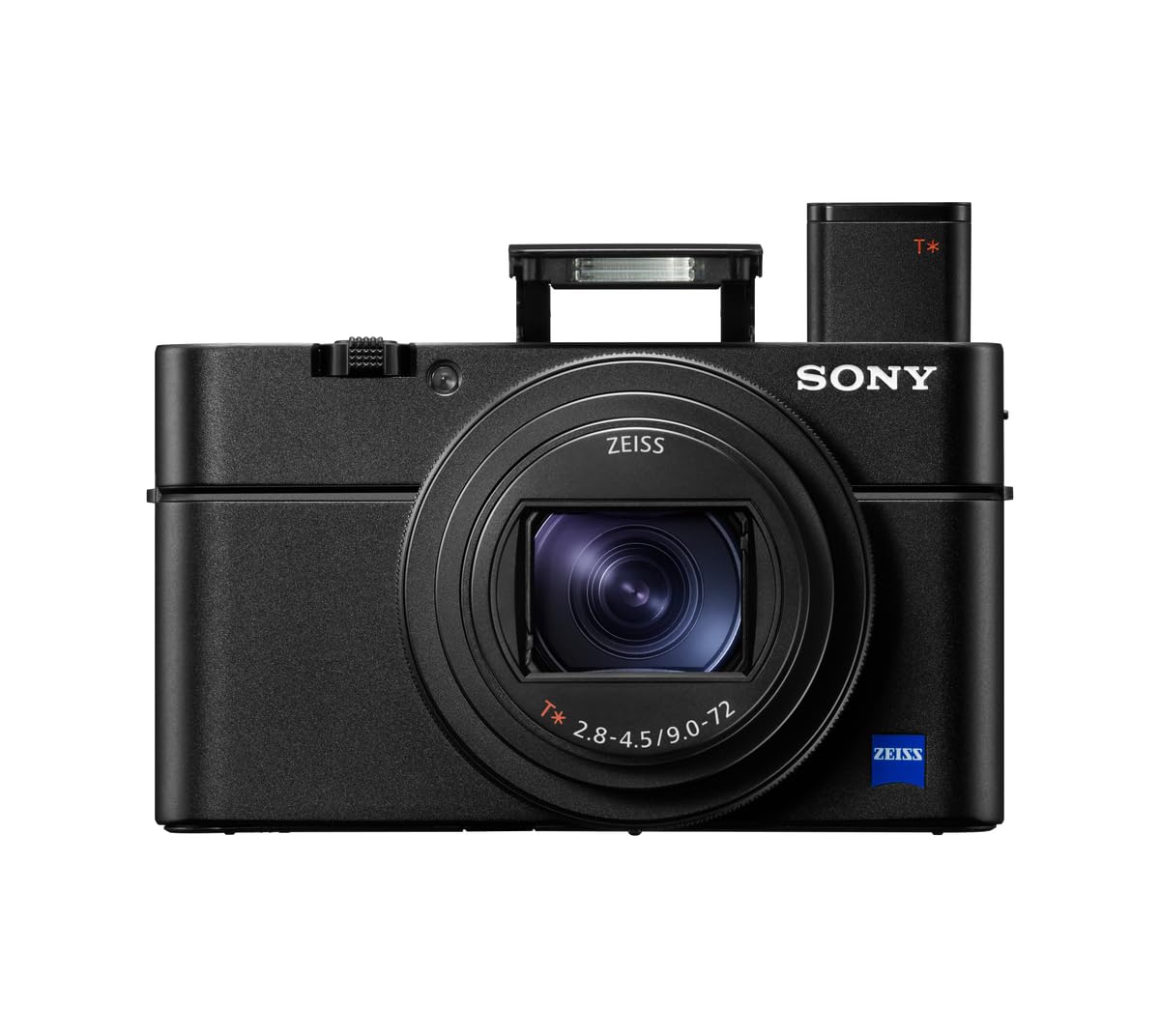
The Sony RX100 VII is the ultimate premium compact, packing a 20.1MP 1-inch stacked CMOS sensor and a Zeiss Vario-Sonnar T 24-200mm f/2.8-4.5 lens into a pocket-sized body. Its autofocus system features 357 phase-detection points and 425 contrast-detection points, achieving focus in 0.02 seconds. The camera can shoot up to 20 fps without blackout and includes real-time eye-tracking for both humans and animals in stills and movies.
4K video recording supports internal S-Log3 and HLG profiles for color grading, and the microphone jack allows external audio capture. Active mode image stabilization keeps handheld video smooth when walking. The built-in pop-up electronic viewfinder is a huge plus for bright outdoor shooting, and the lens’s 24-200mm equivalent covers a massive range in a truly pocketable design. The RX100 VII also supports interval shooting for time-lapse creation.
Owners rave about the sharpness and versatility of the Zeiss lens and the blazing fast autofocus. The main drawbacks are a slippery body that benefits from an add-on grip, and the lack of weather sealing. Battery life is decent at around several hours of shooting, and the camera is charged via MicroUSB. For travelers who demand pro-level image quality and a 200mm reach without swapping lenses, this is the benchmark.
Why it’s great
- 24-200mm equivalent Zeiss lens fits in a pocket
- Real-time eye tracking with 0.02-second autofocus
- 250 fps viewfinder and 20 fps burst shooting
Good to know
- Slippery metal body, needs a grip accessory
- No weather sealing
- No included wall charger or manual in box
7. Canon EOS 5D Mark IV (Body Only)
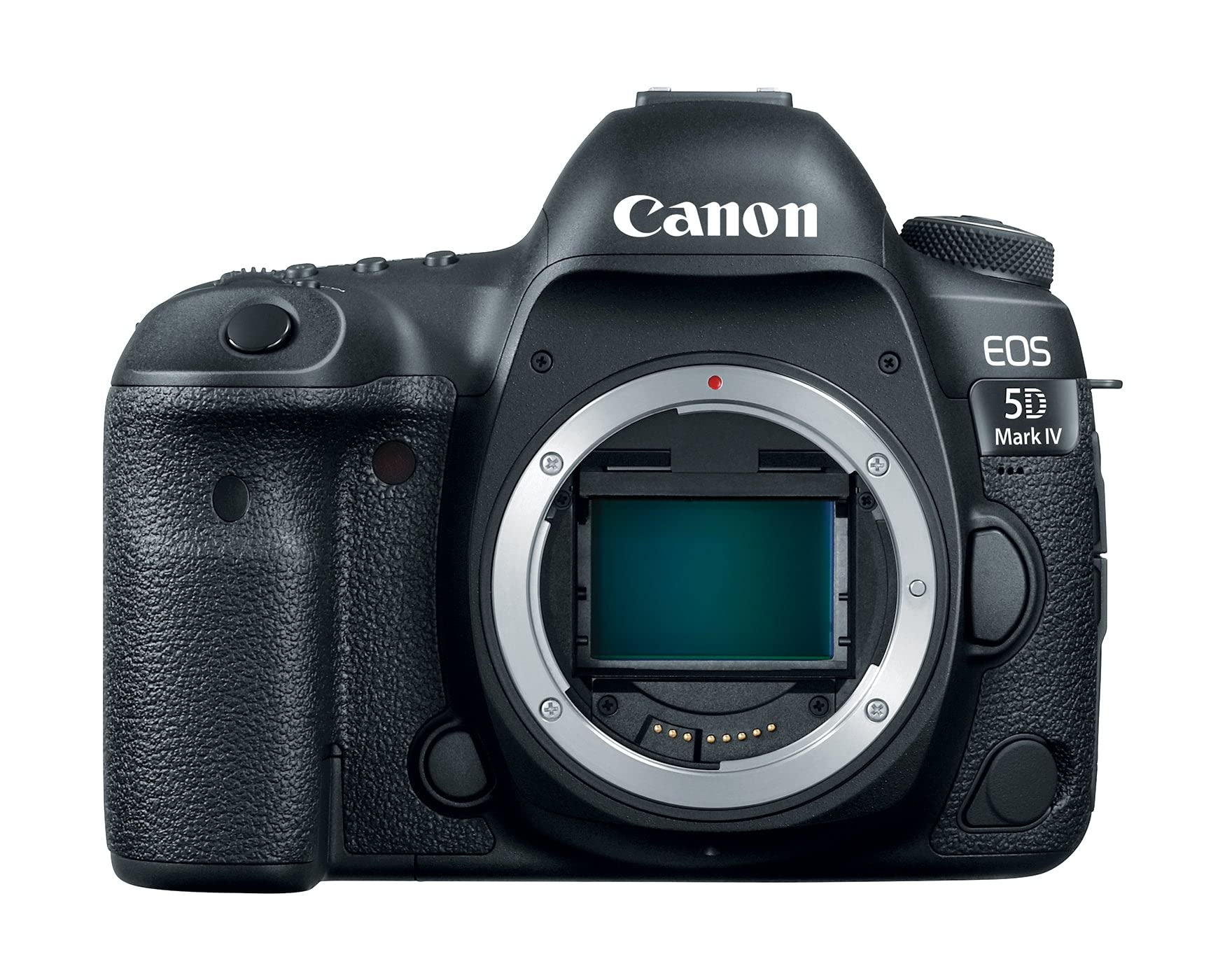
The Canon EOS 5D Mark IV is a legendary full-frame DSLR trusted by professionals worldwide. It pairs a 30.4MP sensor with a DIGIC 6+ image processor, achieving 7 fps continuous shooting and an ISO range of 100-32000 (expandable to 50-102400). Its 61-point AF system with 41 cross-type points and Dual Pixel CMOS AF ensures fast, accurate focus in live view and video, and the camera records 4K Motion JPEG at 30 fps.
The large optical viewfinder is bright and offers full coverage, while the 3.2-inch touchscreen allows intuitive menu navigation and AF point selection. Built-in Wi-Fi and NFC make image transfer and remote control straightforward. The camera is built like a tank, with magnesium alloy body and weather sealing, making it reliable in harsh conditions. The battery life is stellar, lasting through a full day of wedding or event photography.
Photographers praise the dynamic range improvements over the Mark III, the excellent high-ISO performance, and the Dual Pixel AF that works seamlessly with Canon L-series lenses. Some note that the 4K Motion JPEG files are large and require faster CFast cards. The dual card slots (CF and SD) provide flexibility. For anyone building a professional workflow, the 5D Mark IV remains a workhorse that produces sharp, detailed images edge-to-edge.
Why it’s great
- 30.4MP full-frame sensor with excellent dynamic range
- 61-point AF with Dual Pixel CMOS AF for live view
- Professional build quality with reliable weather sealing
Good to know
- 4K Motion JPEG files are very large and require fast cards
- Weight is higher than mirrorless full-frame bodies
- No fold-out screen for high/low angle shooting
8. Kodak PIXPRO Astro Zoom AZ528
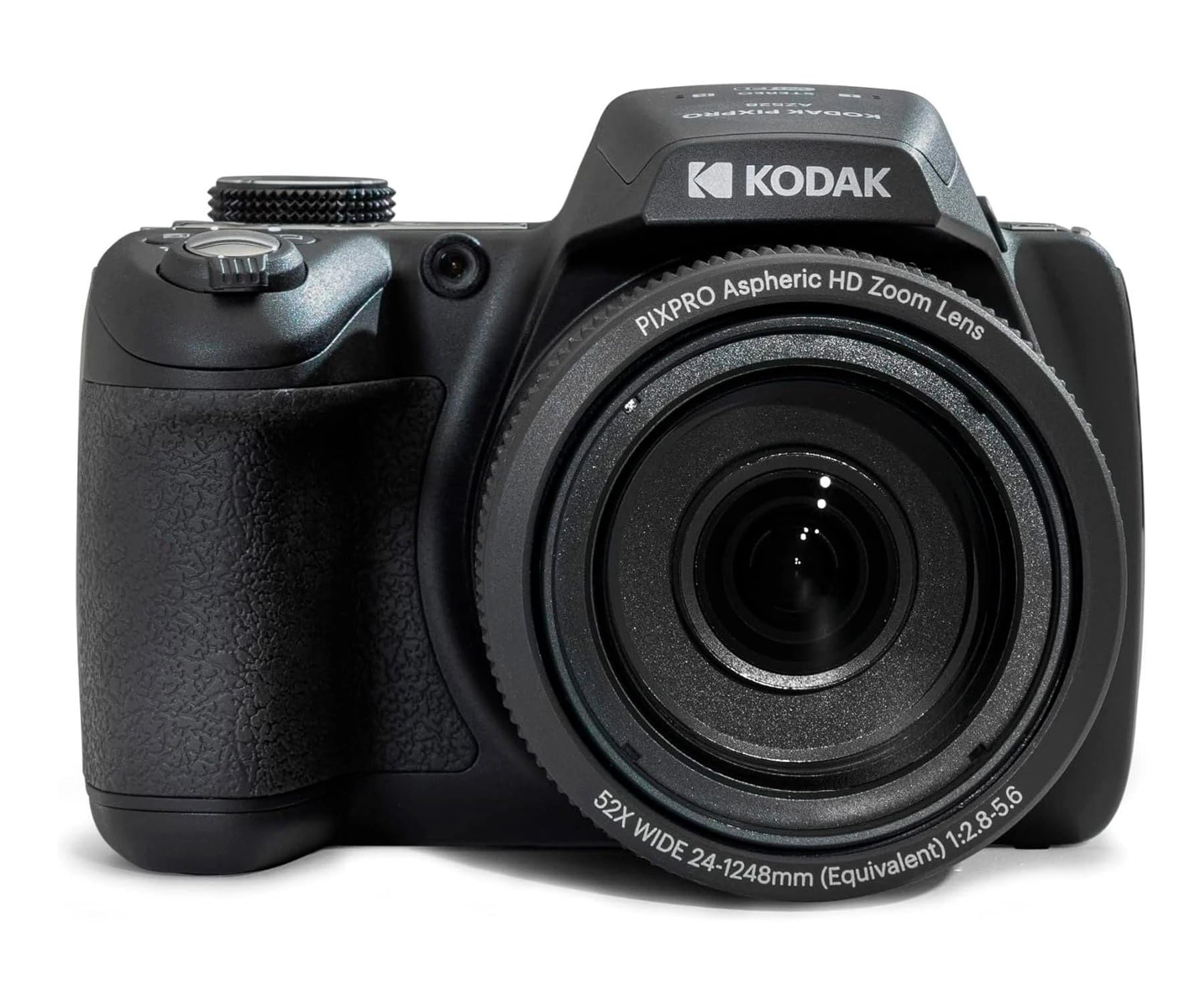
The Kodak PIXPRO Astro Zoom AZ528 is a bridge camera designed for users who need extreme reach without swapping lenses. Its 52x optical zoom (24-1248mm equivalent) brings distant wildlife, sports, and landscapes within range, and the 16MP BSI CMOS sensor with OIS helps keep telephoto shots sharp. The 3-inch LCD is adequate for composition, and the camera shoots 1080p Full HD video and 6 fps burst sequences.
Built-in Wi-Fi allows you to transfer photos to a smartphone for social sharing, and the camera accepts SD cards up to 512GB for all-day storage. The contrast-detect AF system with 25 points is fine for birds and events in good light. The pop-up flash adds versatility for closer subjects. The camera is powered by a rechargeable Li-ion battery that covers a day’s use with moderate shooting.
Customer reviews highlight the camera’s value for beginners wanting super-zoom capability and appreciate the easy-to-use interface. Many note that steady hands or a tripod are required at full 52x zoom to avoid motion blur. Some point out that the battery life is relatively short, but charging via USB-C is convenient. Overall, the AZ528 is a strong entry-level option for photographers who want a versatile all-in-one lens without a DSLR’s size.
Why it’s great
- 52x optical zoom offers exceptional reach for the price
- Built-in OIS helps with telephoto stability
- Easy to learn and lightweight for a superzoom
Good to know
- Requires a tripod for sharp shots at full zoom
- Battery life is shorter than more expensive DSLRs
- Casing is prone to scuffs with regular carry
9. OM SYSTEM OLYMPUS Tough TG-7 Red

The OM SYSTEM Tough TG-7 is purpose-built for adventurers who need a camera that can survive drops, depths, and freezing temperatures. It is waterproof to 15 meters (50 feet), shockproof from 2.1 meters (7 feet), crushproof to 100 kgf, and freezeproof to -10°C. The 12MP BSI CMOS sensor is paired with a high-resolution F2.0 4x optical zoom lens that covers 25-100mm equivalent, and the Variable Macro System lets you focus as close as 1cm from the end of the lens.
The TG-7 offers five underwater modes, including Underwater Microscope and Underwater HDR, making it an exceptional tool for snorkeling and diving photography. It records 4K movies at 30 fps and 120 fps high-speed video for slow-motion playback. The 1cm macro shooting is genuinely impressive, capturing minute details of insects, flowers, and sea life. The camera supports Raw format for advanced editing and includes built-in Wi-Fi for sharing.
Divers and outdoor enthusiasts appreciate the TG-7 for its rugged build and sharp underwater images, noting that it outperforms smartphones and action cameras in the water. Some point out that the small 1/2.3-inch sensor limits low-light performance, and the battery can die without a clear warning. Overall, if you need a camera that can handle extreme environments and macro close-ups, the TG-7 is the definitive choice.
Why it’s great
- Rugged, waterproof to 15m, shockproof and freezeproof
- Exceptional 1cm macro shooting and underwater modes
- 4K video and high-speed recording in a durable body
Good to know
- Small sensor limits low-light image quality
- Battery life is average and dies without warning
- Slightly bulky for a compact camera
FAQ
What is the difference between optical zoom and digital zoom?
Do I need a full-frame camera as a beginner?
How important is in-body image stabilization (IBIS)?
What does the burst rate (fps) mean for action photography?
Final Thoughts: The Verdict
For most users, the best digital camera winner is the Sony a7 III because it delivers exceptional full-frame image quality, lightning-fast autofocus, and incredible battery life in a relatively compact mirrorless body. If you want a vlogger-first camera with the best value, grab the Nikon Z 30. And for rugged adventures, nothing beats the OM SYSTEM Tough TG-7 that goes underwater and survives drops.

Mo Maruf
I created WellFizz to bridge the gap between vague wellness advice and actionable solutions. My mission is simple: to decode the research and give you practical tools you can actually use.
Beyond the data, I am a passionate traveler. I believe that stepping away from the screen to explore new environments is essential for mental clarity and physical vitality.