Our readers keep the lights on and my smoothie glass nicely filled. As an Amazon Associate, I earn from qualifying purchases.
Choosing a digital mirrorless camera today means navigating a maze of sensor sizes, autofocus systems, and video specs that often read like secret codes. One model promises rapid-fire burst rates while the next touts a cinematic color profile, yet both might leave you with blurry results at dusk or a tangled workflow when you need to share the shot quickly. The real challenge isn’t finding a camera—it’s finding the exact tool that matches your shooting style, your lens budget, and your tolerance for menu diving. Whether you are building a hybrid studio rig, a travel companion, or a vlogging kit that actually travels well, the sensor and processor pairing under the hood dictates everything from low-light noise to rolling shutter severity.
I’m Mohammad Maruf — the founder and writer behind WellFizz. My approach to mirrorless cameras involves hundreds of hours cross-referencing specifications like phase-detect coverage, sustain frame rates, and video codec depth to separate capable workhorses from spec-sheet illusions.
This guide highlights market-validated models from Canon, Sony, Nikon, Fujifilm, Panasonic, and OM SYSTEM, culminating in the best digital mirrorless camera picks for photographers and creators who refuse to overpay for features they will never use.
How To Choose The Best Digital Mirrorless Camera
Mirrorless cameras eliminate the reflex mirror, allowing for a shorter flange distance, smaller bodies, and faster burst rates compared to traditional DSLRs. But the choice goes deeper than form factor—sensor size dictates your depth-of-field control and lens pricing, while the autofocus algorithm determines keeper rate for moving subjects. The three core decisions every buyer faces: sensor format (full-frame, APS-C, or Micro Four Thirds), autofocus type (contrast vs. phase-detect hybrid), and video capability (codec, bit rate, and crop factor).
Sensor Size and Lens Ecosystem
Full-frame sensors (typically 35.9mm x 24mm) provide superior low-light noise performance and shallower depth of field, but at a steeper price for both body and glass. APS-C sensors (about 23.5mm x 15.7mm for most brands) offer a sweet spot of image quality and affordability, with a 1.5x crop factor that actually benefits wildlife and sports shooters by extending telephoto reach. Micro Four Thirds (MFT) sensors, roughly half the area of full-frame, enable exceptionally compact bodies and lenses with strong in-body stabilization but inherently more noise at higher ISOs. The mount also determines your lens upgrade path—systems like Sony E and Nikon Z have robust third-party support in 2025, while Canon RF remains relatively closed to third-party autofocus lenses.
Autofocus Architecture
Hybrid autofocus systems that combine phase-detection pixels on the sensor with contrast detection are now the standard at any price point above the entry level. What differentiates them is the number of phase-detection points and the coverage area—a system with 425 to 850 points covering over 80% of the frame delivers reliable tracking for erratic subjects like birds in flight or children at play. The algorithm itself is equally important: Real-time Eye AF from Sony and Dual Pixel CMOS AF II from Canon maintain lock on human and animal eyes even when the subject moves unpredictably, while contrast-only systems still struggle with back-and-forth hunting in low contrast scenes.
Video Specification Depth
Nearly every current mirrorless camera records 4K, but the quality differs dramatically. Oversampled 4K (where the sensor captures a 5K or 6K area and downsamples it) yields sharper, more detailed footage than line-skipped or pixel-binned 4K. Bit depth (10-bit vs 8-bit) determines how much color information is retained for grading—10-bit 4:2:2 is essential for professional video workflows, while 8-bit is adequate for casual sharing. Also verify recording limits: several cameras still impose a 29-minute 59-second cap in 4K, and heat management varies wildly, with the Panasonic S5II being the first in its class to achieve unlimited 4K recording through active fan cooling.
Quick Comparison
On smaller screens, swipe sideways to see the full table.
| Model | Category | Best For | Key Spec | Amazon |
|---|---|---|---|---|
| Panasonic LUMIX S5II | Full-Frame | Hybrid Pro Video/Photo | 24.2MP Full-Frame, Unlimited 10-bit 4K | Amazon |
| OM SYSTEM OM-3 | Micro Four Thirds | Travel/Adventure JPEGs | 20MP Stacked BSI, IP53 Weatherproof | Amazon |
| FUJIFILM X-T30 III | APS-C | Everyday Shooting with Film Sims | 26.1MP X-Trans, AI Subject Detection | Amazon |
| Nikon Z50 II | APS-C | Vlogging / Creator SnapBridge | 20.9MP DX, 31 Color Presets | Amazon |
| Sony Alpha a6400 | APS-C | Fast Action AF / Street | 24.2MP, 0.02s AF, 425 PD Points | Amazon |
| Canon EOS R50 | APS-C | Beginner Content Creator | 24.2MP, Dual Pixel AF II, 4K Oversampled | Amazon |
| Sony Alpha ZV-E10 | APS-C | Vlogging / Live Streaming | 24.2MP, 6K Oversampled 4K | Amazon |
| OM SYSTEM Olympus E-M10 IV | Micro Four Thirds | Compact Travel/Street | 20MP, 5-Axis IBIS, 4.5 Stops | Amazon |
| Nikon Z 30 | APS-C | Live Streaming / Vlogger | 20.9MP DX, 4K 30p Unlimited | Amazon |
| Panasonic LUMIX G85 | Micro Four Thirds | Video/IBIS Value | 16MP, Dual IS 5-Axis, 4K 30p | Amazon |
| Canon EOS R100 | APS-C Entry | Budget Photography Learner | 24.1MP, 4K 24fps, 143 AF Points | Amazon |
In‑Depth Reviews
1. Panasonic LUMIX S5II
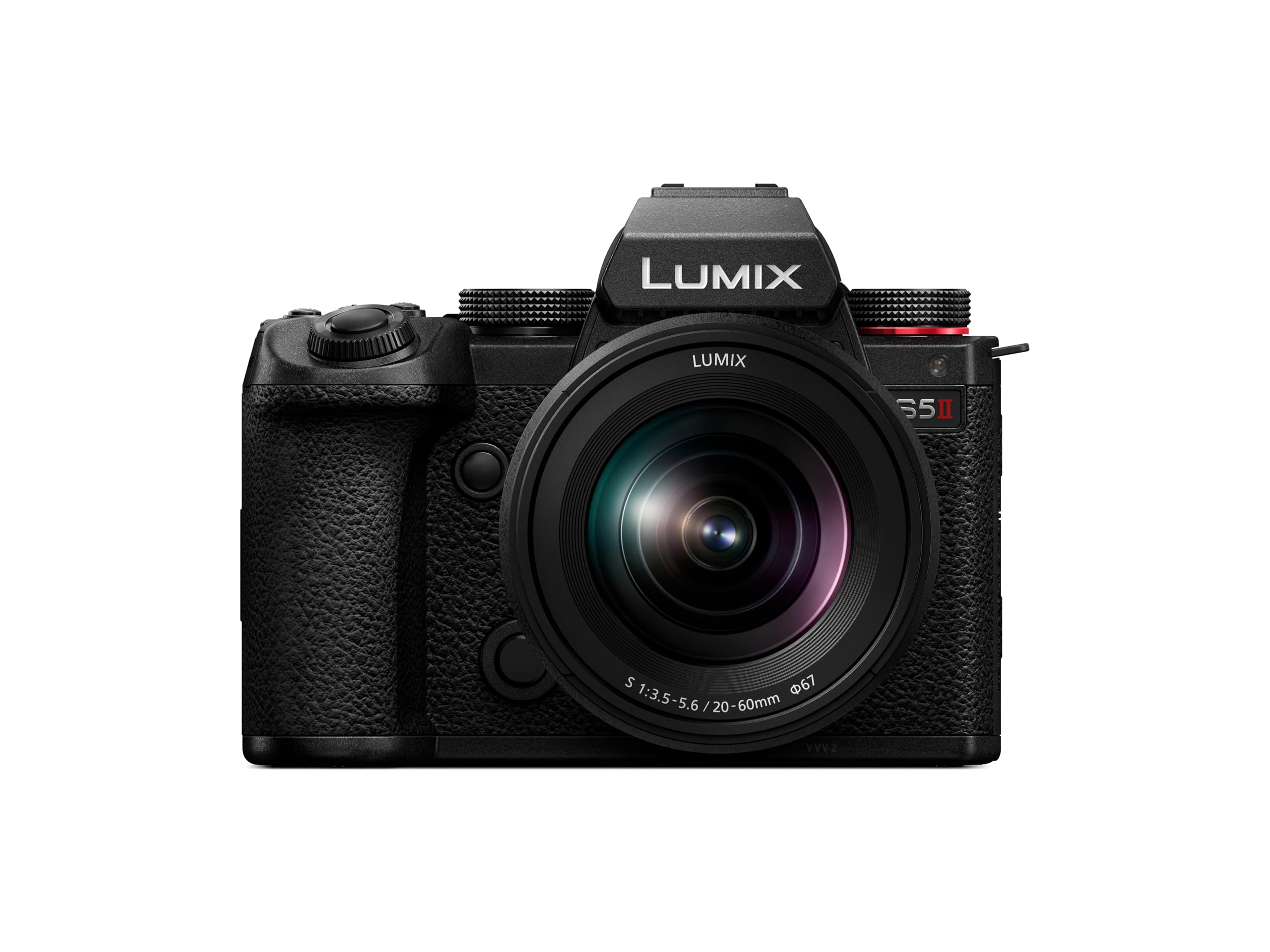
The LUMIX S5II rewrites the hybrid full-frame script by finally integrating phase-detection autofocus into Panasonic’s otherwise class-leading video platform. The 24.2-megapixel 35mm sensor is paired with a new processing engine that enables unlimited 4:2:2 10-bit 4K recording thanks to an internal fan and heat sink—something no other compact mirrorless body can claim straight out of the box. The Phase Hybrid AF system uses advanced subject detection and metering that stays locked on a moving human or animal even in challenging backlight, a massive upgrade from earlier contrast-only LUMIX bodies.
The 20-60mm F3.5-5.6 kit lens is a versatile travel companion that covers ultra-wide to standard portrait lengths, and the V-Log/V-Gamut capture delivers dynamic range that rivals cine cameras for serious color grading. Real-time LUT application lets you bake in looks straight in-camera, which simplifies on-set approval workflows. However, the body comes as body-only with no built-in flash, and the battery life under heavy video use is limited (about an hour of continuous 4K recording on a single charge).
Build quality is outstanding for the price bracket—magnesium alloy front frame and weather-sealed construction that survives drizzle and dust. The menu system is one of the most intuitive among L-mount cameras, with a dedicated button for V-Log and Real Time LUT. The S5II is the go-to for hybrid shooters who want one system that can handle a paid interview in the morning and a family walk in the afternoon without swapping gear.
Why it’s great
- Unlimited 4:2:2 10-bit 4K with active fan cooling
- Phase Hybrid AF eliminates previous contrast-only limitations
- 14+ stops dynamic range with V-Log/V-Gamut
- Versatile 20-60mm F3.5-5.6 kit lens included
Good to know
- No built-in flash; must use hotshoe
- Battery life shorter than many APS-C rivals during video
- Lens mount ecosystem has fewer budget third-party primes than Sony E
2. OM SYSTEM OM-3

The OM-3 takes the vintage aesthetic of Olympus and packs it with the most advanced computational photography suite available in a compact interchangeable-lens system. The 20-megapixel stacked BSI Live MOS sensor reads out extremely fast, enabling silent burst shooting at high frame rates and electronic shutter without rolling shutter. The IP53-rated dustproof, splashproof, and freezeproof metal body weighs less than many APS-C cameras yet offers weather sealing that few full-frames can match.
Computational features include Live ND (simulated neutral density filters up to 6 stops), Live Composite for long exposure light trails, High Res Shot that produces 50MP JPEG files from multiple captures, and Focus Stacking that merges multiple frames in-camera. The Creative Dial toggles between film-like color profiles, monochrome profiles, and art filters that produce excellent straight-out-of-camera JPEGs. The 5-axis in-body image stabilization rated at 4.5 stops makes handheld low-light shooting viable down to shutter speeds of one second or slower.
The stacked sensor also makes the OM-3 the most affordable body with this tech. There is no built-in flash, and the flat front design (no grip bulge) requires some users to add a thumb grip for comfort with larger lenses. The MFT sensor is noisier above ISO 6400 compared to modern APS-C sensors, but the IBIS and computational tricks compensate well for static subjects. Perfect for the enthusiast who wants a lightweight kit that excels at landscapes, architecture, and creative experimental photography.
Why it’s great
- IP53 weather sealing—rare for compact mirrorless
- Computational modes: Live ND, High Res Shot, Focus Stacking
- Excellent 5-axis IBIS for handheld long exposures
- Fully weather-sealed with a retro aesthetic
Good to know
- Slightly limited dynamic range at base ISO versus full-frame
- MFT lens ecosystem is less vast than Sony E or Canon RF
- No built-in grip—may require add-on accessory for larger hands
3. FUJIFILM X-T30 III

Fujifilm’s X-T30 III refines the classic manual-dial experience with a 26.1MP X-Trans CMOS 4 sensor, which produces images with film-like grain and color that many photographers find more pleasing straight out of camera than any other brand. The body is remarkably compact for an APS-C body with a built-in electronic viewfinder, and the included FUJINON XC13-33mm F3.5-6.3 OIS kit lens offers optical stabilization that pairs well with the X-Trans sensor’s unique color science.
The AI-powered subject detection autofocus tracks animals, birds, vehicles, and human faces/eyes with improved accuracy over the previous generation. The Auto mode is genuinely smart—it analyzes the scene and selects the appropriate film simulation and exposure settings, making this a camera your mom can pick up and understand instantly while you still have full manual control via physical dials for ISO, shutter speed, and exposure compensation. The 20 built-in Film Simulations include iconic looks like Provia, Velvia, Astia, Classic Chrome, and Acros.
EVF resolution sits at 2.36 million dots, which is adequate but not best-in-class, and the camera lacks in-body image stabilization (relying on lens OIS). The buffer depth for continuous burst at 8 fps is moderate—approximately 20-25 raw frames before slowdown. The X-T30 III is the best choice for someone who values out-of-camera JPEG quality, wants to avoid heavy post-processing, and enjoys a tactile control interface that educates the shooter about exposure fundamentals.
Why it’s great
- 20 Film Simulations produce stunning SOOC JPEGs
- Physical dials for ISO, shutter, and exposure compensation
- AI subject detection works well for pets and birds
- Compact and light enough for daily carry
Good to know
- No in-body stabilization; relies on lens OIS
- EVF resolution is lower than some rivals
- Buffer depth is modest for sports/wildlife action
4. Nikon Z50 II

The Nikon Z50 II is a significant generational leap over the original Z50, inheriting the EXPEED 7 processor from the flagship Z9. This means you get the same autofocus algorithms, including nine subject-detect types (people, dogs, cats, birds, vehicles, and more) and dedicated bird and airplane modes that lock on even when the subject is small in the frame. The 20.9-megapixel DX-format sensor is larger than any smartphone sensor by a factor of ten, delivering natural skin tones and nuanced highlights that phone computation struggles to replicate.
The Picture Control button provides instant access to 31 built-in color presets plus the ability to create and save custom looks or download Cloud Picture Controls from Nikon Imaging Cloud. You can preview the effect live while shooting, which removes the guesswork for JPEG shooters. The Z50 II also supports 4K UHD at 60p with no crop, 120fps slow-motion in Full HD, built-in electronic VR that helps steady handheld walking shots, and product review mode for vloggers who need to switch focus from face to object quickly.
Wireless photo sharing via Nikon SnapBridge is seamless—photos transfer to a paired phone within seconds, and you can use the phone as a remote monitor and controller. The built-in flash is surprisingly effective for balanced indoor portraits, and Night Portrait mode uses slow shutter sync creatively. The main downsides: single SD card slot (UHS-I only), shorter battery life under continuous video use (about 300 shots per CIPA rating), and no automatic sensor cleaning mechanism. The Z50 II is a strong all-rounder for the creator who wants advanced computational imaging in a compact body.
Why it’s great
- EXPEED 7 processor from Z9 for top-tier autofocus algorithm
- 31 color presets with real-time live view preview
- 4K 60p no-crop, 120fps slow-motion Full HD
- Built-in flash and effective Night Portrait mode
Good to know
- Single UHS-I SD card slot limits backup options
- No automatic sensor cleaning
- Battery life is modest at approximately 300 shots
5. Sony Alpha a6400

Even years after its launch, the Sony a6400 remains the gold standard for autofocus speed and reliability in the price-conscious APS-C segment. The 0.02-second acquisition time isn’t just marketing—it uses 425 phase-detection points covering 84% of the sensor and 425 contrast-detection points, with Real-time Eye AF and object tracking that follows erratic motion with tenacity. The 24.2-megapixel CMOS sensor with BIONZ X processor delivers crisp, clean images at base ISO up to 1600, with usable output at 3200 and 6400 for social media.
Continuous shooting at 11 frames per second with continuous autofocus and 8 fps with live view is genuinely fast for this class. The flip-up touchscreen is positioned at the top, which helps waist-level shooting and low-angle portraiture but blocks the hotshoe if you want to mount an external microphone directly. The body is very compact (120 x 67 x 60 mm) and lightweight (403g with battery), making it an excellent secondary body for Sony full-frame users or a primary for street photography.
Video capability includes 4K oversampled from 6K with full pixel readout and no pixel binning, producing highly detailed footage. However, there is no in-body image stabilization, so handheld video requires a stabilized lens or gimbal. 4K 30p has a 1.22x crop factor when using electronic stabilization, and the camera can show significant rolling shutter for fast pans. The menu system is famously dense—it has a learning curve. The a6400 is the pick for anyone whose primary need is rapid, locked-on autofocus for moving subjects on a budget.
Why it’s great
- 0.02s autofocus—fastest in class for the price
- 425 phase-detection points covering 84% of frame
- 4K oversampled from 6K yields sharp footage
- 11 fps burst with continuous AF, compact build
Good to know
- No IBIS—requires lens stabilization or gimbal for video
- 4K 30p uses a 1.22x crop with electronic stabilization
- Menu complexity is high, and touchscreen is limited to focus
6. Canon EOS R50
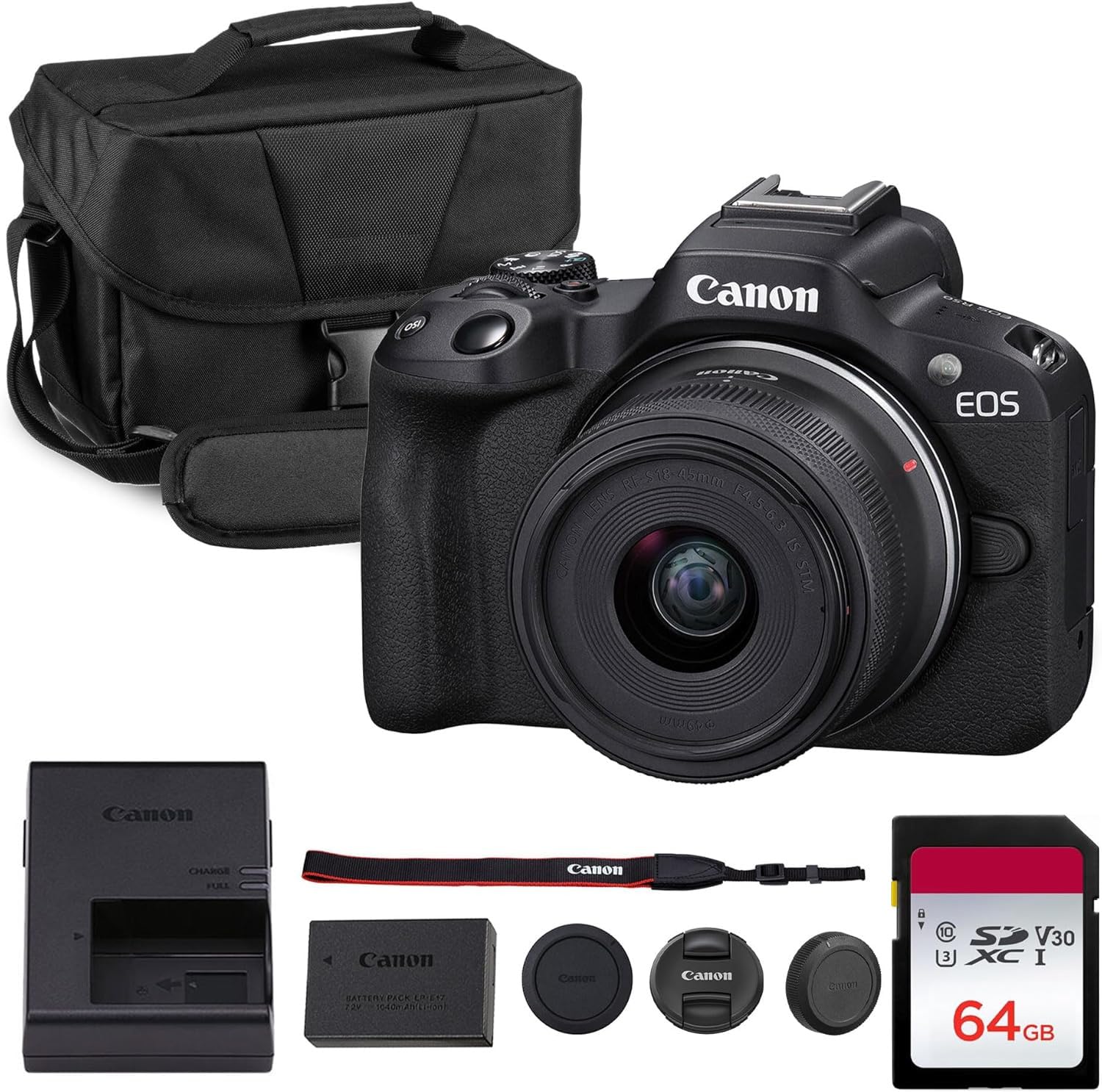
The Canon EOS R50 is one of the most balanced entry-level mirrorless cameras, pairing the RF mount’s excellent kit lenses with Canon’s industry-leading Dual Pixel CMOS AF II. The 24.2-megapixel APS-C sensor captures detail that rivals cameras twice its price, and the kit 18-45mm F4.5-6.3 IS STM lens is a compact zoom that covers wide to standard views with optical image stabilization. The autofocus system supports human face/eye detection, animal tracking, and vehicle detection, operating smoothly in 4K video.
The vari-angle touchscreen flips out sideways and rotates fully, making it excellent for vlogging, selfies, and overhead product shots. The 4K video is oversampled from a higher resolution area, producing clean footage with rich detail, and the camera comes with Creative Assist modes that simplify adjusting depth of field and brightness for beginners. The in-camera guide helps new users understand settings, and vertical video mode automatically rotates media for social media platforms.
The bundle includes a shoulder bag and 64GB SD card, which adds immediate value. The electronic viewfinder is adequate at 2.36 million dots, but there is no built-in flash—this is a hotshoe-only design. The stabilizer is lens-based for video; the body lacks IBIS, so handheld walking shots may show shake without a stabilized lens. The R50 is the strongest pick for absolute beginners who want a camera that grows with them without the overwhelming complexity of more advanced bodies, and the RF lens system has many high-quality options for future upgrades.
Why it’s great
- Dual Pixel CMOS AF II is best-in-class for tracking
- Vari-angle touchscreen ideal for content creation
- Oversampled 4K produces sharp video
- Comes with shoulder bag and 64GB card included
Good to know
- No IBIS—relies on lens stabilization for video
- No built-in flash; only hotshoe mount
- EVF resolution is functional but not premium
7. Sony Alpha ZV-E10
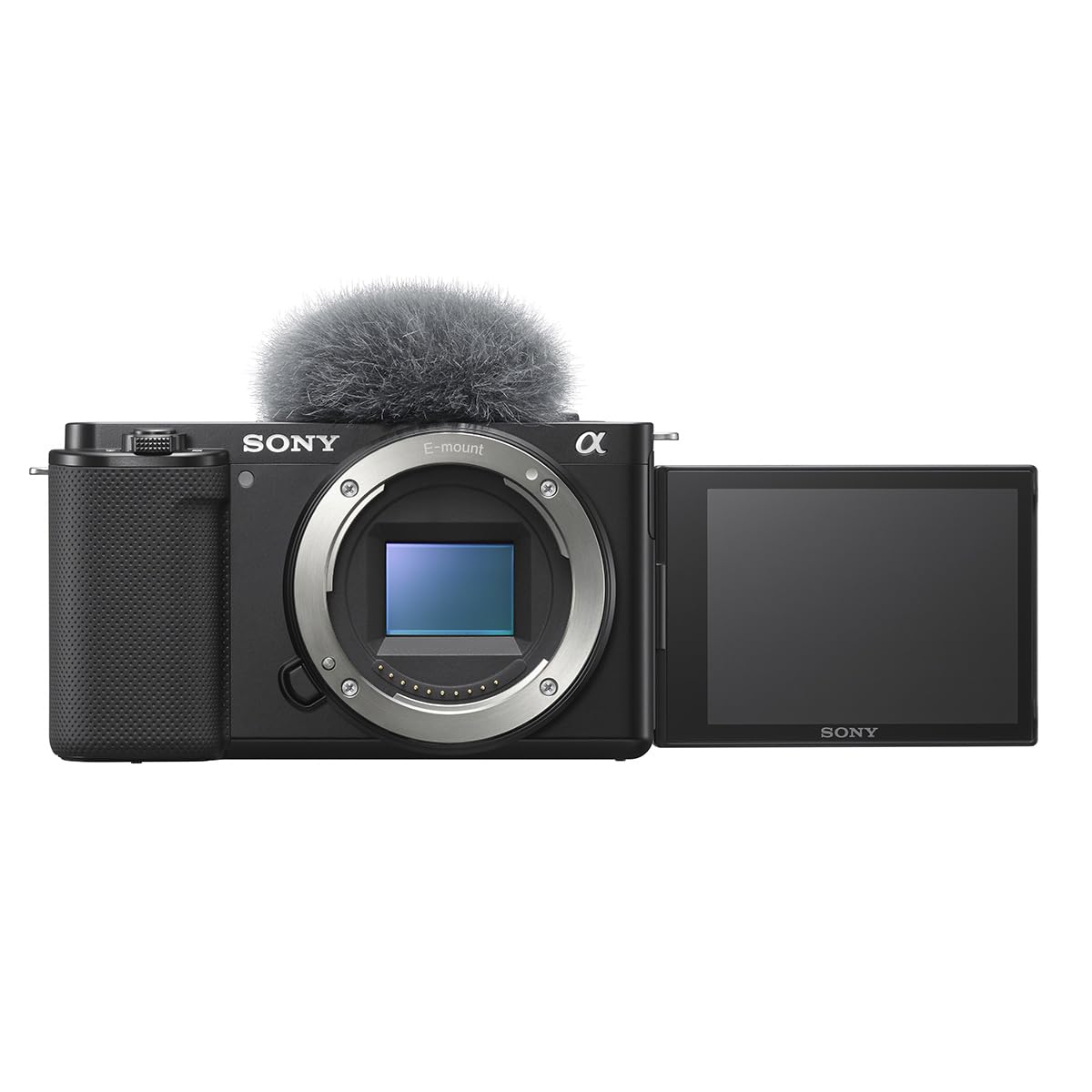
The ZV-E10 is Sony’s dedicated vlogging camera that strips away complexity and adds vlogger-centric features without sacrificing the APS-C sensor advantage. The 24.2-megapixel Exmor CMOS sensor and BIONZ X processor produce 4K footage oversampled from 6K, with full pixel readout and no pixel binning—this gives exceptionally detailed video that punches above its class. The Product Showcase Setting automatically transitions focus from a face to an object held in front of the lens, a feature that directly solves a common pain point for demonstrators and unboxing video creators.
The Background Defocus button is a physical toggle that instantly switches between a blurred (shallow depth-of-field) mode and a sharp (deep focus) mode, making it simple to control aesthetic without navigating menus. The camera also features a directional 3-capsule microphone that picks up clear audio from the subject while reducing noise from behind. Live streaming over USB requires no external capture hardware or software; just connect via USB-C to a computer, and the camera functions as a high-quality webcam.
The 425-point phase-detection autofocus system is inherited from the company’s a6400, so you get the same lightning-fast lock-on for faces and eyes. However, the lack of in-body image stabilization is a significant drawback for handheld vloggers—you will need a stabilized lens to avoid shaky footage, and the internal battery lasts only about 25 minutes of continuous 4K recording. The rolling shutter is particularly severe in 4K 30p, so fast pans or unstable movement can show jello effect. For the vlogger who shoots from a tripod or gimbal, the ZV-E10 is a superb tool at a fair price point.
Why it’s great
- Oversampled 6K-4K delivers very sharp video
- Product Showcase AF is a unique vlogging feature
- Physical Background Defocus button simplifies bokeh control
- USB streaming without extra hardware
Good to know
- No IBIS—must use lens stabilization or gimbal
- Severe rolling shutter in 4K 30p limits fast motion
- Battery life is about 25 minutes in 4K continuous recording
8. OM SYSTEM Olympus E-M10 Mark IV

The OM SYSTEM E-M10 Mark IV is one of the few mirrorless cameras with a flip-down screen that triggers a dedicated selfie mode, making it uniquely inviting for self-portrait enthusiasts and travel self-shooters. The 20-megapixel Live MOS sensor paired with the TruePic VIII processor delivers sharp images with nice color accuracy, and the 5-axis in-body image stabilization is rated at 4.5 shutter speed stops—this allows handheld shots at 1 second or slower shutter speeds for static subjects, a capability almost unheard of at this size and price.
The camera body is incredibly compact, especially with the 14-42mm EZ pancake kit lens that collapses into itself for true jacket-pocket portability. The 16 Art Filters include the nostalgic Instant Film look, and the in-camera panorama stitching works seamlessly for sweeping landscapes. The touchscreen is responsive and can be used to set focus and shoot. The 121-point contrast-detect autofocus system is adequate for general use, but it struggles with fast-moving subjects and can hunt in low-contrast lighting.
The bit depth is 12-bit, which is lower than the 14- or 16-bit found in more expensive OM System models, meaning slightly less flexibility in color grading raw files. There is no USB-C charging; it uses a Micro-USB port, and the bundled charger is external, so you must carry a separate charger. The 4K video is 30p maximum and suffers from some rolling shutter. For a beginner who prioritizes portability, IBIS, and selfie convenience over action shooting or high-bit video, the E-M10 IV is a delightful tool.
Why it’s great
- Flip-down screen with dedicated selfie mode
- 5-axis IBIS rated at 4.5 stops—best in class for this price
- Very compact body—near pocketable with pancake lens
- 16 Art Filters including Instant Film look
Good to know
- 12-bit raw files limit color grading range
- No USB-C charging; uses Micro-USB
- Contrast-detect AF hunts in low contrast scenes
9. Nikon Z 30

The Nikon Z 30 is designed from the ground up for creators who primarily shoot video content—it has no electronic viewfinder, which saves cost, weight, and size. The 20.9-megapixel DX-format sensor and EXPEED 6 processor produce 4K UHD video at up to 30p with no recording limit, and the camera supports Full HD 60p streaming over USB-C, functioning as a plug-and-play webcam without any extra hardware or software. The 16-50mm f/3.5-6.3 VR kit lens provides effective optical stabilization that compensates for the lack of IBIS.
The articulating touchscreen is placed at the side and rotates fully forward for self-viewing, with a red REC light that clearly indicates recording status. The built-in stereo microphone has adjustable sensitivity, and there is a mic input for external audio. Autofocus with eye tracking for humans and animals is reliable and fast, with subject detection that works well in good light. The camera body is one of the lightest interchangeable-lens cameras on the market at 405 grams, making it ideal for all-day carry.
The Z 30 has no electronic viewfinder, which can be disorienting for photographers who are used to eye-level composing, and the lack of IBIS means handheld walking shots require careful technique or a gimbal. The autofocus can struggle in very low light compared to the phase-detect systems in more expensive Nikon Z bodies. The Z 30 is a superb entry-level camera for the TikTok/Instagram creator who needs a compact rig that records unlimited 4K and drives a live stream simultaneously.
Why it’s great
- Plug-and-play USB-C streaming at 60p
- Unlimited 4K video recording, no recording time limit
- Lightest interchangeable-lens body at 405g
- Articulating touchscreen with red REC light
Good to know
- No electronic viewfinder—only rear screen composing
- No IBIS; relies on lens stabilization
- Autofocus struggles in very dim conditions
10. Panasonic LUMIX G85

The Panasonic LUMIX G85 is a value champion in the micro four thirds world, offering class-leading dual image stabilization (in-body 5-axis plus lens OIS) that delivers handheld shots at shutter speeds as slow as one second. The 16-megapixel sensor has no low-pass filter, which boosts fine detail resolving power by nearly 10% compared to earlier 16MP MFT sensors. The 12-60mm Power O.I.S. kit lens covers a very useful 24-120mm equivalent zoom range in a compact form factor, making it suitable for travel, general photography, and even light video work.
The magnesium alloy body is dust and splash resistant, which is rare at this price point. The OLED live viewfinder is sharp (2.36 million dots), and the rear 3-inch touch LCD with tilt mechanism provides good flexibility for different shooting angles. The G85 records 4K 30p video with full manual controls, and the 4K Photo mode lets you extract 8-megapixel stills from footage at 30 fps. The electronic shutter operates silently, which is valuable for events and street photography.
Autofocus is contrast-detect with Depth From Defocus technology—it works well in good light but can hunt in low light and for low-contrast subjects. The 16-megapixel sensor is showing its age in terms of dynamic range and high ISO noise compared to modern 20MP MFT sensors and all APS-C sensors. The video autofocus has a noticeable pulsing artifact at slower focus speeds, and the camera lacks a headphone jack for monitoring. For shooters on a tight budget who prize image stabilization above all else and are willing to accept older sensor technology, the G85 remains a compelling package.
Why it’s great
- Dual I.S. 5-Axis stabilization—exceptional for handheld shots
- Weather-sealed magnesium alloy build
- Very useful 12-60mm kit lens with OIS
- 4K Photo mode and silent electronic shutter
Good to know
- 16MP dynamic range and high-ISO performance lag behind modern sensors
- Contrast AF hunts in low light, video AF shows pulsing artifact
- No headphone jack for video monitoring
11. Canon EOS R100

The Canon EOS R100 is the smallest and most affordable body in the EOS R series, designed to be a gentle yet capable entry point for photographers moving from phone photography or older point-and-shoot cameras. The 24.1-megapixel APS-C sensor with DIGIC 8 processor captures excellent detail and natural-looking color, and the RF-S 18-45mm f/4.5-6.3 IS STM kit lens provides optical stabilization and smooth autofocus for stills. Dual Pixel CMOS AF covers 143 zones with human face and eye detection, animal and vehicle detect, offering a smooth and reliable autofocus experience that simplifies shooting moving subjects.
The body is extremely lightweight (356g body only) and compact, true to Canon’s claim of being the lightest EOS R series body. High-speed shooting at 6.5 frames per second with One-Shot AF is adequate for capturing fleeting moments like kids at play or pets. 4K video is limited to 24 fps, which is acceptable for casual video but not ideal for smooth panning or fast action. The camera also supports Full HD at 60 fps and HD at 120 fps for slow-motion effects.
The R100 has a fixed rear LCD (no tilt or articulation), significantly limiting flexibility for selfies and low-angle shots. There is no touch-screen functionality on the LCD. The viewfinder is a 2.36-million-dot OLED, which is standard for the class. The single SD card slot is UHS-I only, limiting write speeds for burst shooting. The camera relies on the kit lens for image stabilization—there is no IBIS. The R100 is the right choice for someone buying their first interchangeable-lens camera with a budget-conscious mindset, specifically because it grants access to the extensive Canon RF lens ecosystem for future upgrades.
Why it’s great
- Lightest and smallest EOS R series body—truly compact
- Dual Pixel CMOS AF with face, animal, vehicle detection
- 24.1MP sensor produces detailed, natural-color stills
- Access to full Canon RF lens ecosystem for future upgrades
Good to know
- Fixed rear LCD—no tilt or articulation, no touchscreen
- 4K limited to 24 fps, no 30p or 60p option
- No IBIS; body stabilization only from kit lens
FAQ
Is full-frame always better than APS-C for a digital mirrorless camera?
What does IBIS do, and can I live without it?
How many autofocus points do I really need for tracking subjects?
What external gear do I need to start with a mirrorless camera?
Final Thoughts: The Verdict
For most users, the best digital mirrorless camera winner is the Panasonic LUMIX S5II because it offers true hybrid performance with unlimited 4K 10-bit recording and reliable Phase Hybrid autofocus at a price point that undercuts competition. If you want a lighter, weather-sealed body with computational photography modes, grab the OM SYSTEM OM-3. And for a budget-conscious creator who needs instant color presets and SnapBridge wireless sharing, nothing beats the Nikon Z50 II.

Mo Maruf
I created WellFizz to bridge the gap between vague wellness advice and actionable solutions. My mission is simple: to decode the research and give you practical tools you can actually use.
Beyond the data, I am a passionate traveler. I believe that stepping away from the screen to explore new environments is essential for mental clarity and physical vitality.