Our readers keep the lights on and my smoothie glass nicely filled. As an Amazon Associate, I earn from qualifying purchases.
The fabric on a dining chair, desk seat, or accent armchair takes constant abuse—scraping legs, sliding bodies, and the occasional spill. Picking the wrong material means re-covering a frame in six months. The right fabric transforms a tired chair into a piece that lasts through daily use without sagging, pilling, or fading.
I’m Mohammad Maruf — the founder and writer behind WellFizz. I’ve spent many hours digging into the construction methods, fiber types, abrasion ratings, and weave densities that separate short-lived coverings from true upholstery-grade materials.
This guide breaks down the most durable, practical options for re-covering chairs at home so you can match material to your specific project. Whether you need a thick faux leather that stretches around curves or a structured linen that resists fraying, I’ve gathered the top contenders for best chair upholstery fabric.
How To Choose The Best Chair Upholstery Fabric
Chair upholstery fabric must balance durability, workability, and appearance. A heavy weave that resists fraying matters more than softness for seat cushions that see daily contact. Before you buy, think about the chair’s location—dining rooms need stain resistance, home office chairs need abrasion protection, and accent pieces can prioritize texture.
Fabric Weight and Thickness
Thicker fabric (around 1.2mm or more) handles staple guns without tearing and resists wear from repeated sitting. Lightweight drapery fabric will split at the seams within weeks on a chair seat. Look for GSM above 250 for reliable performance.
Fiber Content and Weave
100% polyester and faux leather hold up against moisture and fading. Cotton ticking offers a tight woven structure that resists slipping but can shrink when washed. Linen blends provide a structured drape and breathability but need a laminated backing for stability on curved frames.
Workability for DIY Projects
Fabric that stretches slightly makes it easier to pull taut around curves. Materials that fray heavily require extra seam allowance or serging. Faux leather needs a heat press sheet if ironing is required, while cotton and polyester can be machine washed for pre-treatment.
Quick Comparison
On smaller screens, swipe sideways to see the full table.
| Model | Category | Best For | Key Spec | Amazon |
|---|---|---|---|---|
| TinaKim Canvas Upholstery Fabric | Premium Polyester | Dining chairs, couch repair | 57×72 inch piece, 100% polyester, no fraying | Amazon |
| ROC-lon 100% Cotton Ticking | Mid-Range Cotton | Home décor, pillows, craft upholstery | 44/45 inch wide, 5 yard precut, crease resistant | Amazon |
| SARANDAVE Faux Leather Fabric | Mid-Range Faux Leather | Barstools, small chairs, craft projects | 54 inch width, 1 yard cut, thick 0.18 kg weight | Amazon |
| M Mute Touch Heavy Linen Fabric | Budget Linen Blend | Kitchen chairs, slipcovers, outdoor seating | 80×57 inches, 275 GSM, 1.2mm thickness | Amazon |
In‑Depth Reviews
1. TinaKim Canvas Upholstery Fabric

TinaKim’s faux linen canvas is built specifically for high-traffic seating. Its 100% polyester construction resists stains and fading, and multiple verified buyers mention that kids’ spills wiped clean without leaving marks. The fabric is heavy enough to hold its shape on dining chair seats but still pliable enough to staple around curved corners without tearing.
Available in 24 colors and multiple cut sizes up to 10 yards, this option works whether you are re-covering a single driver’s seat in a van or a full set of dining room chairs. The fabric does not fray at the edges, which simplifies cutting and reduces waste for beginners. Users who restored vintage train car seats reported that the material hides light dust and performs well under continuous use.
The main trade-off is the tactile feel—this is a structured canvas, not a soft velvet. It delivers durability over comfort, so it excels on seats that get sat on rather than lounged in.
Why it’s great
- Stain resistant and easy to clean after spills
- Heavy weight holds shape without sagging
- Does not fray, making DIY cutting and stapling simple
Good to know
- Texture is more structured and less soft than upholstery velvet
- Some users found the color slightly duller than online images
2. ROC-lon 100% Cotton Ticking

ROC-lon’s woven ticking fabric is a time-tested choice for upholstery projects that need a crisp, structured weave. The 100% cotton construction provides a stiff starch finish that holds its shape on pillows, café curtains, and period-style chairs. The 44/45 inch width with a 5-yard precut length gives you plenty of material for multiple seat cushions.
The crease-resistant finish means the fabric stays smooth even after folding and storage, a practical advantage for DIYers who stage their projects across several days. Verified buyers describe a durable heavy weave that works well for bag lining, gift wrapping, and home décor. The striped pattern gives a classic tailored look that complements traditional and farmhouse-style chairs.
Because this is 100% cotton, expect 3-5% residual shrinkage after washing. Pre-wash the material before cutting to avoid post-project surprises. The stiffness that makes it great for structure can also make it less forgiving around tight curves compared to stretchier synthetics.
Why it’s great
- Heavy duty weave resists stretching and slipping
- Crease resistant finish keeps the fabric smooth during handling
- Classic stripe pattern works well for traditional chair styles
Good to know
- Pre-wash required to account for 3-5% shrinkage
- Stiff finish may be less pliable around complex curves
3. SARANDAVE Faux Leather Fabric
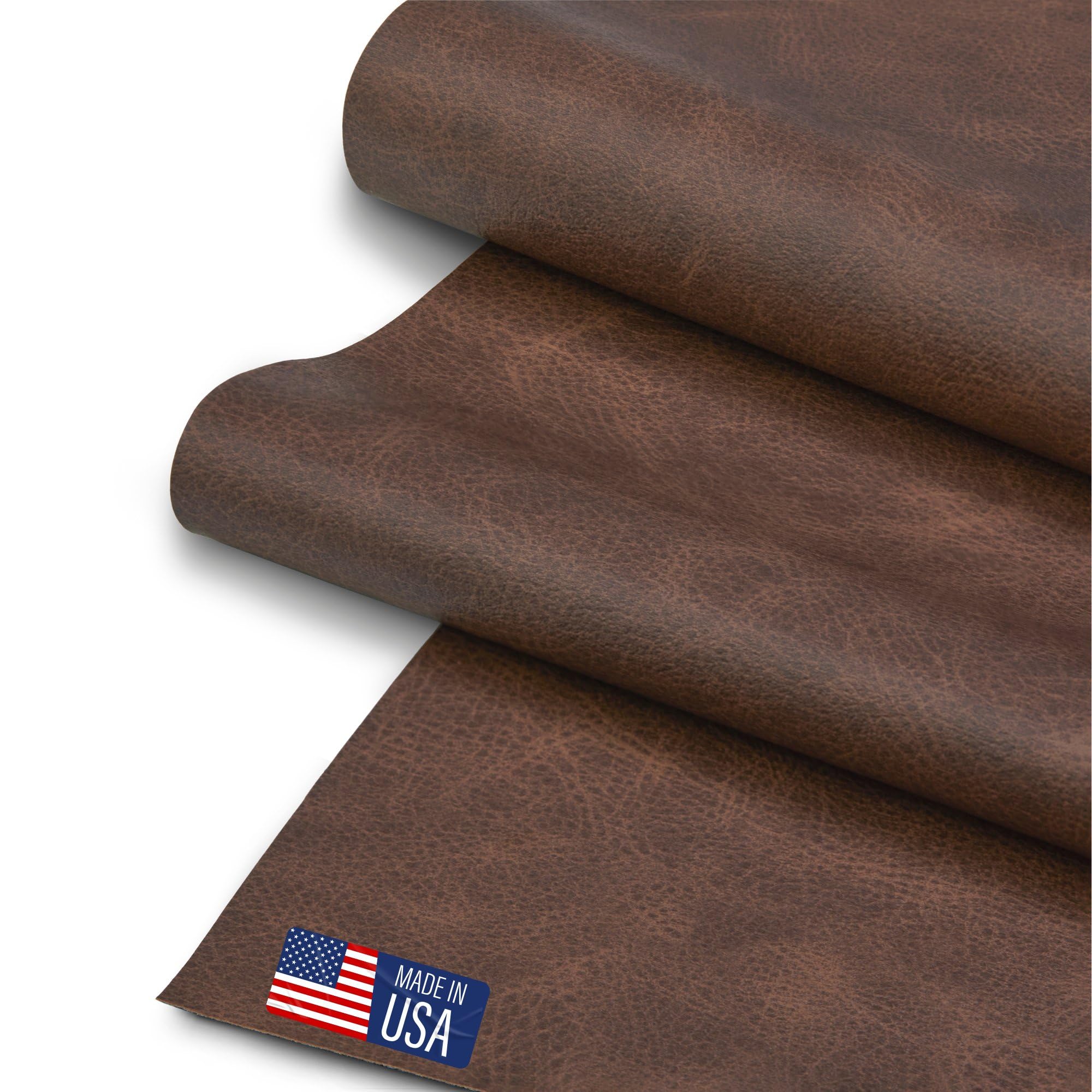
SARANDAVE’s distressed faux leather stands out for its thickness and stretch. Buyers consistently note that this material feels much heavier than typical craft vinyl and stretches decently, which makes it easier to pull tight around chair seats and barstools. The fabric-backed vinyl construction prevents tearing during stapling and allows for a smooth, wrinkle-free finish.
The 54-inch width and 1-yard cut provide enough coverage for smaller projects like a single barstool, a footstool, or a headboard panel. Multiple owners report seamless results when reupholstering antique radio speaker covers and chair seats. Unlike some low-cost faux leathers, this one has zero chemical smell, which is a major plus for indoor use where off-gassing can be a problem.
A semi-permanent crease from the folded packaging can temporarily mark the surface, but buyers note it relaxes after a day in the sun or light stretching. The material can be ironed with a heat press sheet on low, giving you options for smoothing out wrinkles if needed.
Why it’s great
- Thick and stretchy for easy wrapping around seat curves
- No chemical smell, safe for indoor furniture projects
- Made in the USA with consistent quality control
Good to know
- Packaging crease may need a day or heat to relax
- 1-yard cut is small; larger projects require multiple units
4. M Mute Touch Heavy Linen Fabric
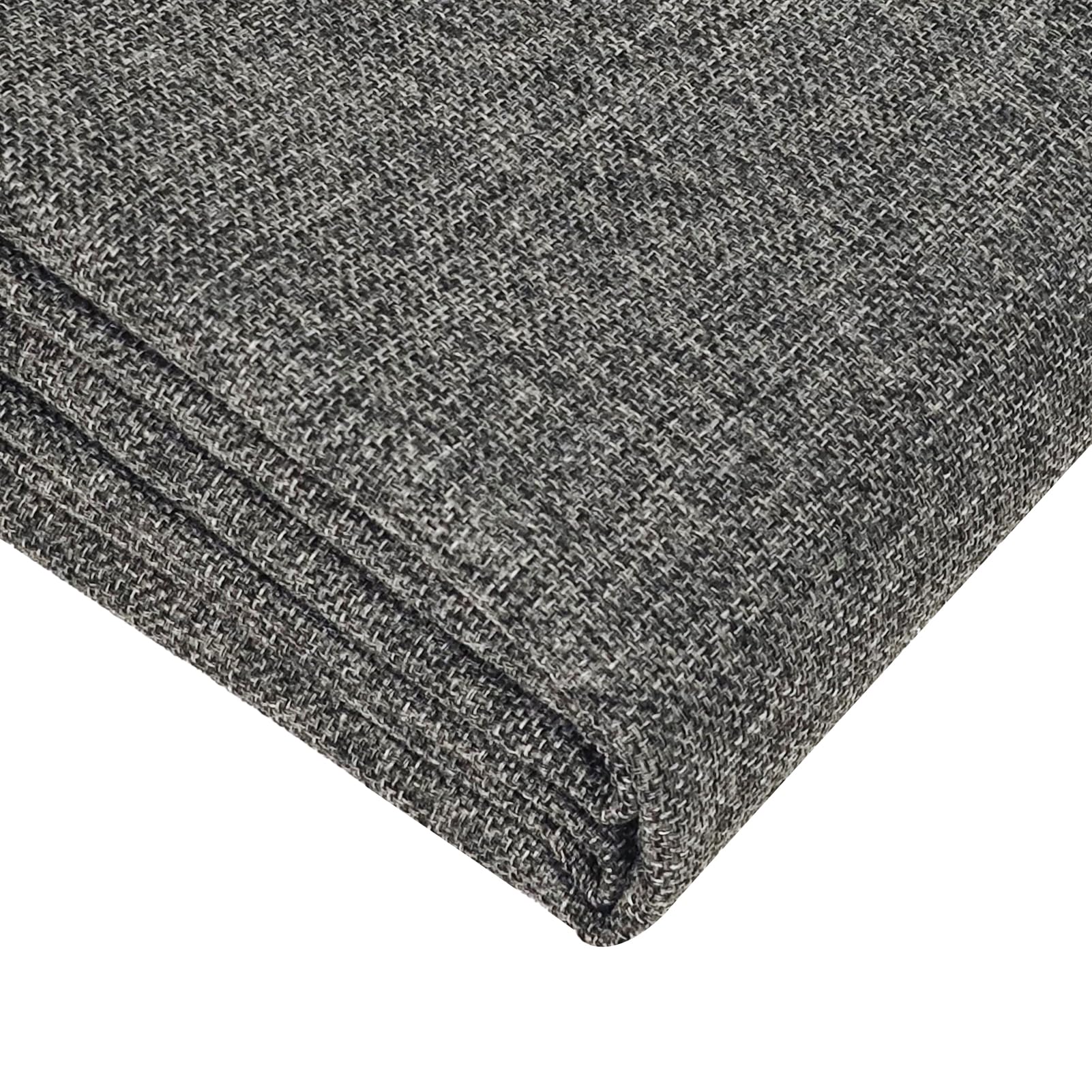
M Mute Touch’s heavy linen fabric delivers 1.2mm thickness and 275 GSM weight at an accessible price point. The linen-blend material has a white brushed backing that adds stability and prevents the fabric from stretching out of shape during cutting and sewing. Buyers used it to re-cover kitchen chair cushions, and multiple reviews confirm that the color matches tablecloths and holds up to daily sitting.
The 80×57 inch piece offers more surface area than standard yard cuts, making it a better fit for projects involving three or four dining chair seats. The fabric is colorfast and abrasion-resistant, so it handles outdoor furniture use and pet claws without showing quick wear. Despite its thickness, the material remains breathable and smooth to the touch.
The linen texture is not waterproof—spills need quick wiping—but the blend offers stain resistance for light cleanup. The structured feel makes it less suitable for ultra-soft pillow covers or plush accent chairs, but it excels where you need a defined shape that does not sag.
Why it’s great
- Thick 275 GSM construction prevents sagging on seat cushions
- Backed lamination adds stability for precise cutting and sewing
- Machine washable for easy cleaning and pre-treatment
Good to know
- Not waterproof; spills must be blotted quickly
- Texture is durable rather than soft, not ideal for lounging chairs
FAQ
Can I machine wash chair upholstery fabric before cutting?
How much fabric do I need for a standard dining chair seat?
Is faux linen or cotton ticking more durable for chairs?
Final Thoughts: The Verdict
For most users, the best chair upholstery fabric winner is the TinaKim Canvas Upholstery Fabric because it combines stain resistance, no fraying, and heavy weight in one versatile package. If you want a traditional cotton weave with a crisp finish, grab the ROC-lon Cotton Ticking. And for a thick, stretchy faux leather that works around curves without odor, nothing beats the SARANDAVE Faux Leather Fabric.

Mo Maruf
I created WellFizz to bridge the gap between vague wellness advice and actionable solutions. My mission is simple: to decode the research and give you practical tools you can actually use.
Beyond the data, I am a passionate traveler. I believe that stepping away from the screen to explore new environments is essential for mental clarity and physical vitality.